What happens when tradition collides with radical reinvention? For Heba Ismail the answer is painted in bold, cubist strokes that defy expectation.
Growing up in a home where art and history were as present as the furniture, this Saudi artist’s childhood was steeped in creativity, nurturing in her a real appreciation for art history. Her earliest inspiration: Picasso’s Guernica – its unsettling power hung above the hallway of her childhood home, haunting yet compelling.
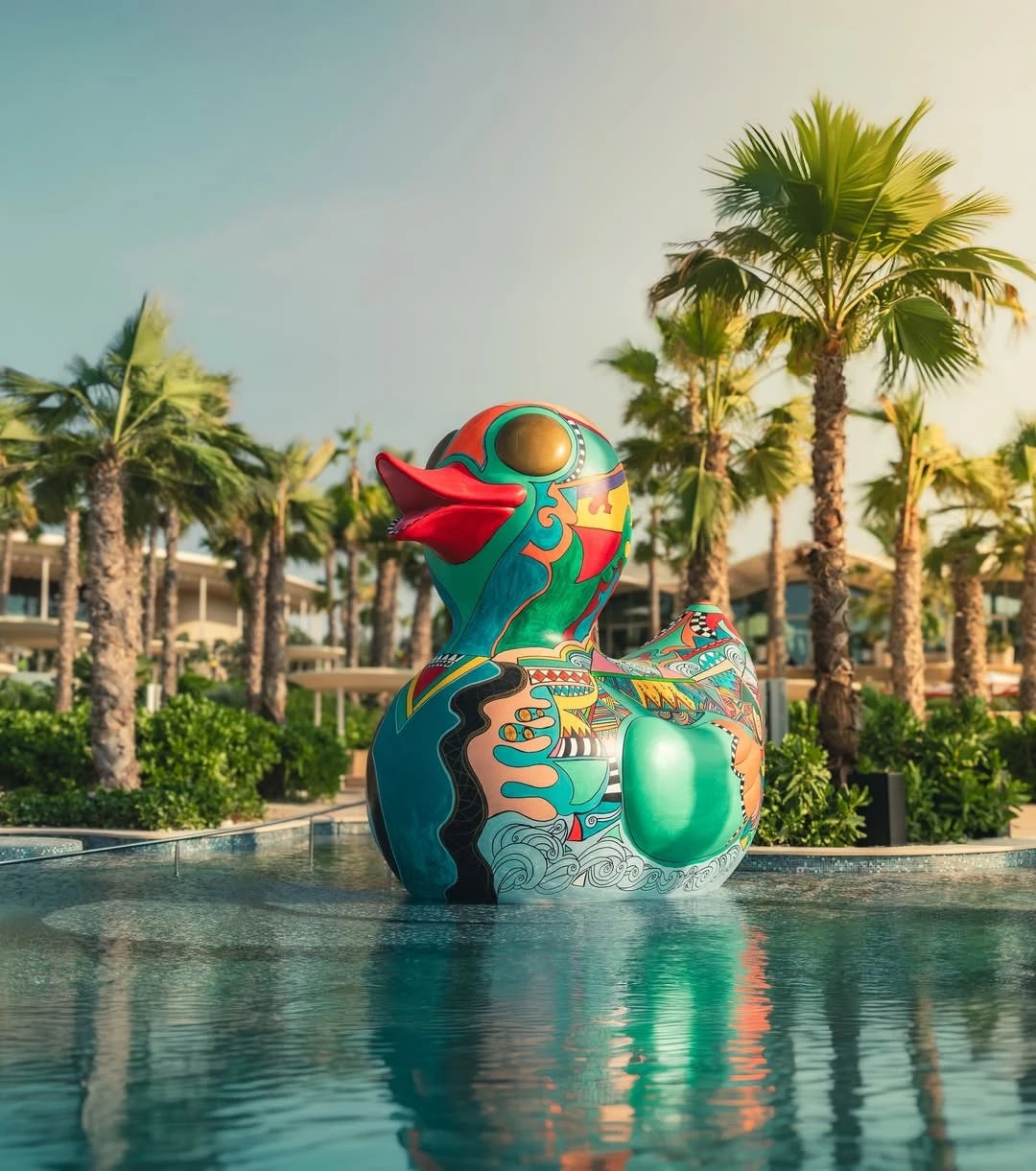
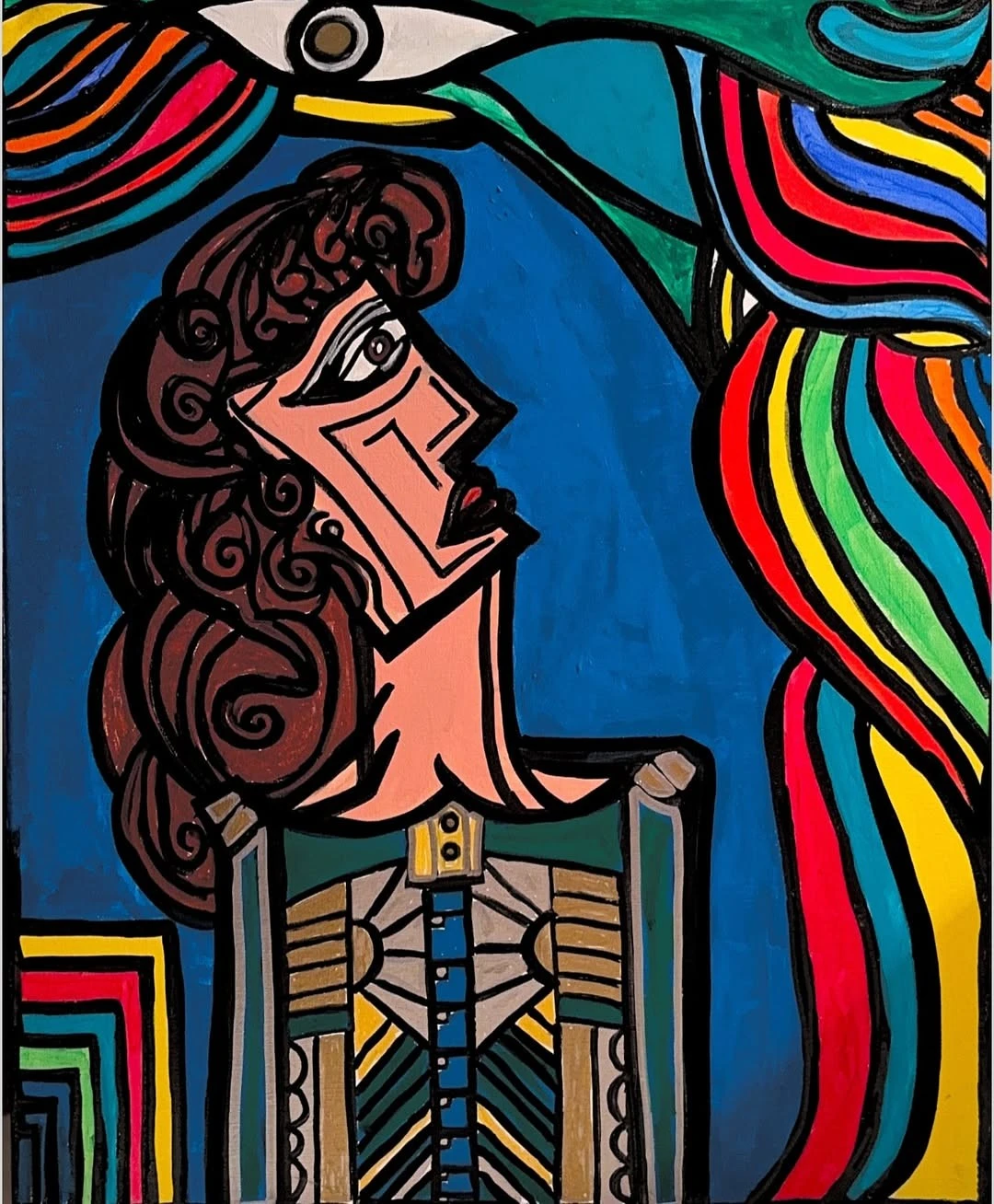
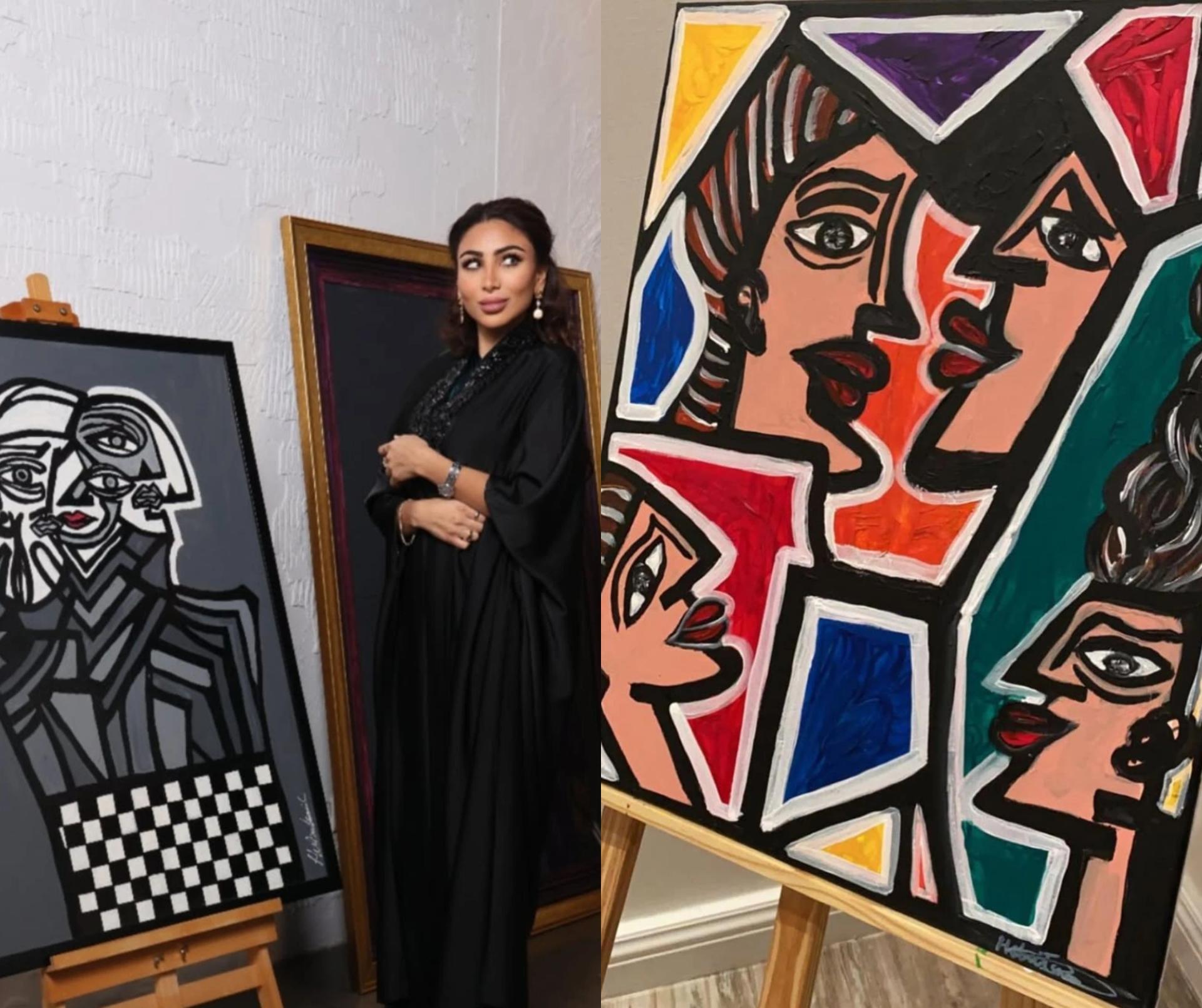
“Seeing those images as a young child can be scary,” explains Heba. “But I grew up looking at a large painting of the Guernica and other Picasso works around the house.” That exposure to cubism – the 20th-century movement that fractures reality into geometric shapes – shaped her artistic vision. “I believe that cubism is a way to show people our imagination – an invitation into the wonderland in our minds,” she says. So much so that she’s become a trailblazer for the style in Saudi Arabia, redefining it with a distinctly local touch. “I started viewing everything the cubism way.”
A Uniquely Saudi Approach
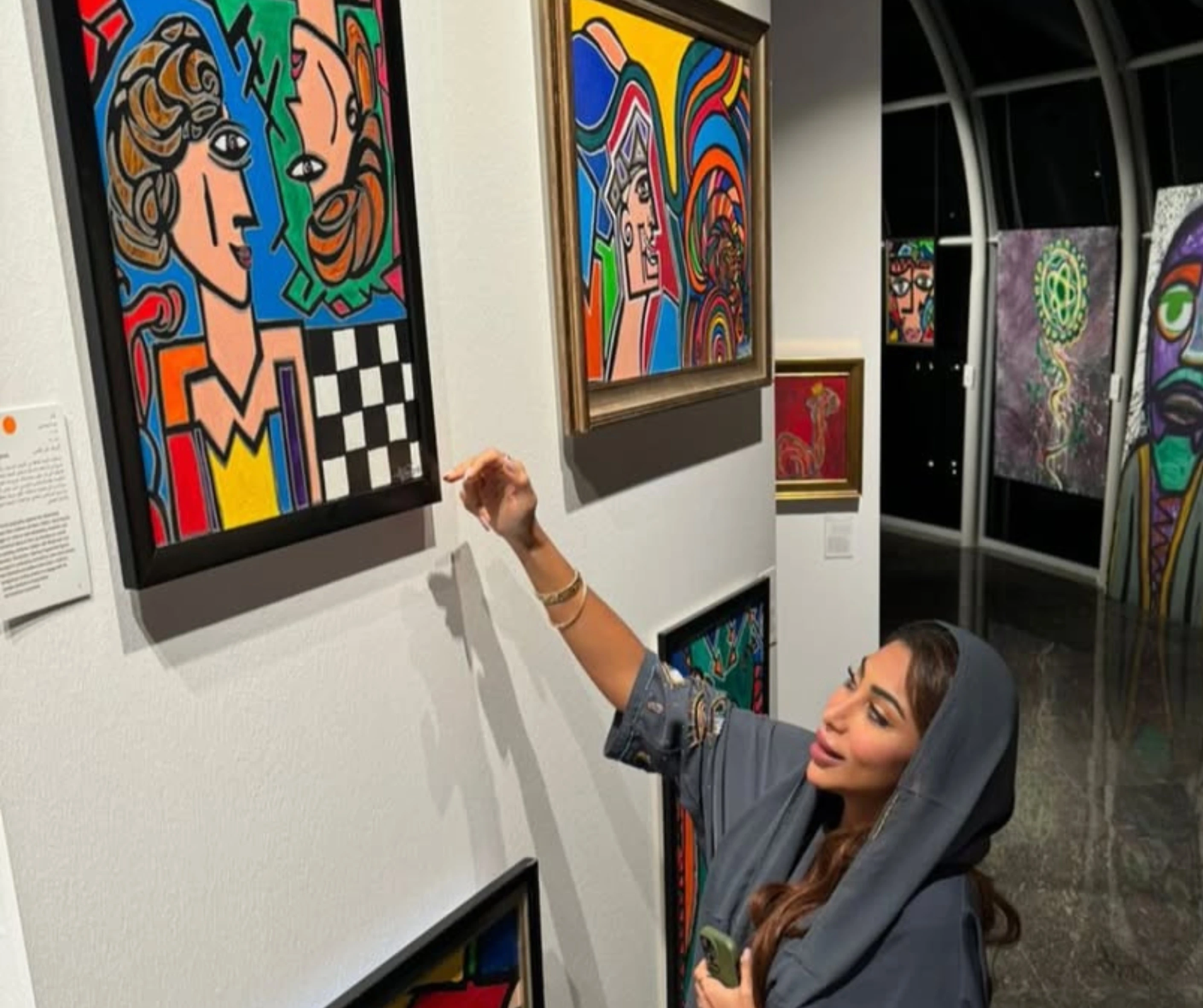
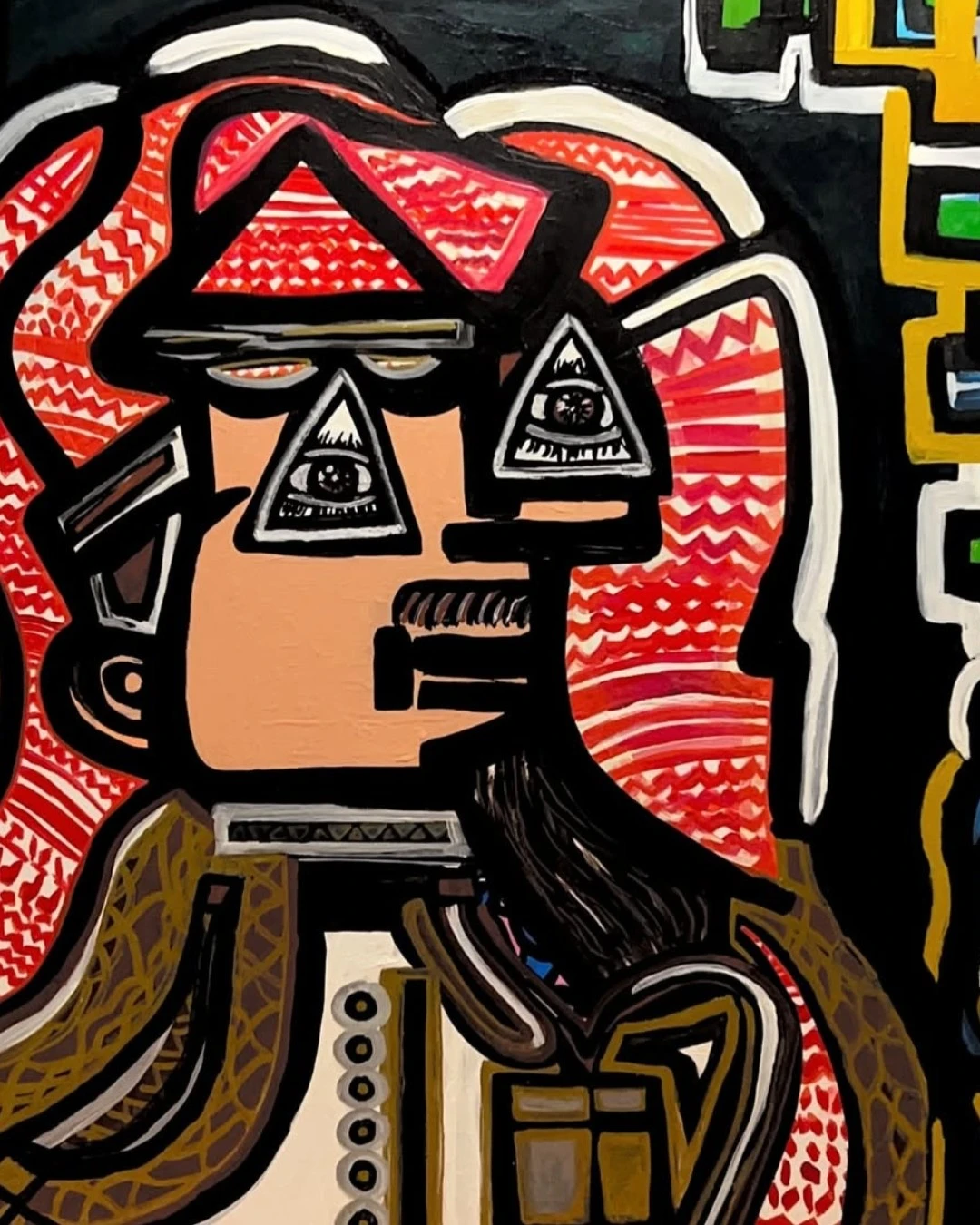
Heba’s work is a fusion of cubism’s sharp angles and the rich textures of the Kingdom’s culture. Her Holy Grail features a thobe-clad man with coffee from a dallah pouring into his mouth, while Haya depicts a Saudi woman in a traditional shayla, framed by Al-Qatt Al-Asiri motifs. These pieces don’t just speak – they shout vision, ambition, and hope. Why cubism? “I want to put a Saudi fingerprint on the cubism world,” explains Heba. “Post second world war, everyone was rebuilding life. But here comes Picasso with a revolutionary art movement that made him a household name. His name can trigger a million paintings in your head. I want to have that [recognition] – whenever someone hears ‘Heba,’ it triggers my paintings in their head.”
Dialogue in Geometrics
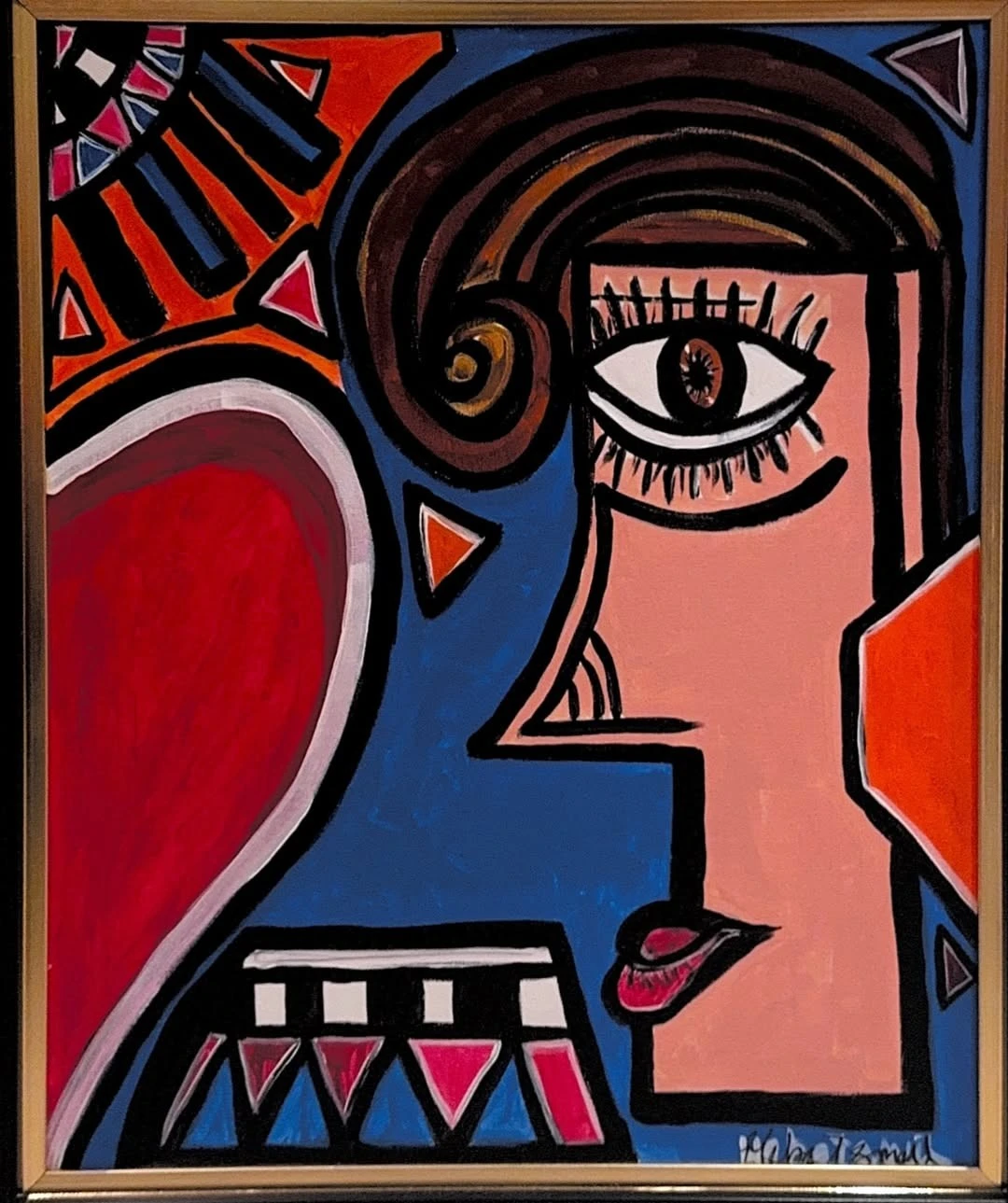
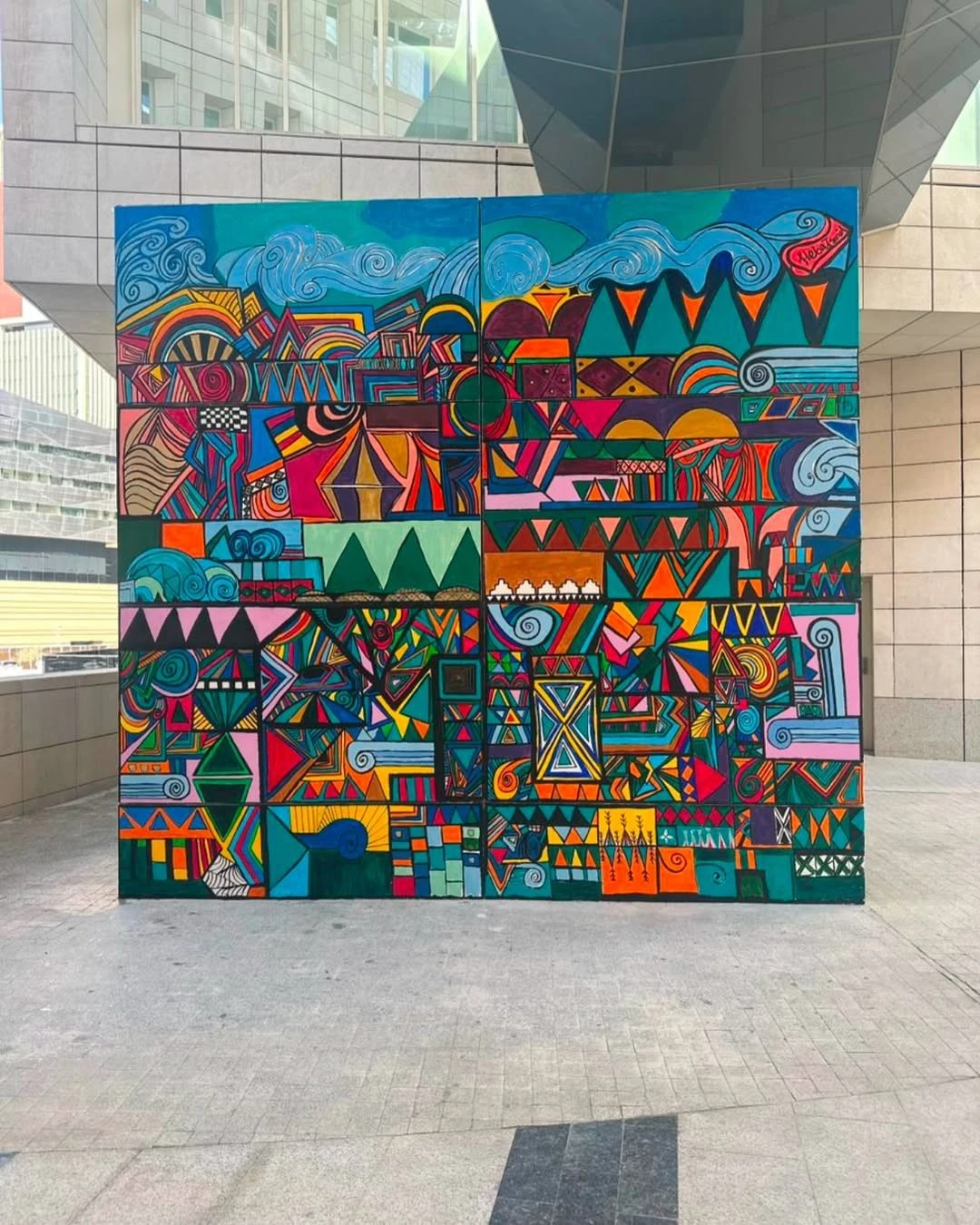
When asked if cubism truly resonates in the Kingdom, Heba isn’t buying the idea that Saudis are unaware of global art movements. “Saudis are very familiar and well aware of movements like cubism and fauvism,” she says. “It’s not unusual to see art [aficionados] in Riyadh, Jeddah, or Sharqiya talk about it or collect different types of artwork.” And they have been equally receptive to her paintings. “I’ve received tremendous support, appreciation, and acceptance for my work.”
Heba hopes her art will inspire other people to show the world how talented Saudis are and see a part of the Kingdom’s culture they usually don’t. She also likes to invite people to have conversations about her paintings. “Sharing your art with others is a vulnerable act,” she says. “You expose yourself to people and have to accept their criticism and whatever they say.” Heba goes on to explain further: “When someone asks me about a painting, it’s the start of a beautiful conversation about ‘what do you think this means?’” Laughing, she adds: “It’s a way to connect with people and an invitation to the La La Land in my head.”
Adapting to the Future
After selling her first painting in 2019, Heba went on to embrace new mediums, from live performances to digital art. For instance, her “Hebaism” NFT model – a concept she coined – combined digital innovation with traditional art. “It was a futuristic way to track and document your work on the internet.” Across every medium, Heba is not just redefining Saudi Arabia's art scene – she's inviting the world to see it through her kaleidoscopic lens.