

A stay in Tabuk could take you far into the desert to spot oryx and gazelle, snorkelling out to the diverse coral reef on the Red Sea, or inside the walls of an Ottoman castle. The variety of activities and sights makes the region a fantastic place for exploration, whatever your budget or interest. History buffs will love the ancient city of Madyan Shuaib and Al Tawba Mosque, while kids and big kids will enjoy dune-bashing in a 4x4. These are the top things to do in the region of Tabuk.
1. Explore the hiking trails in Wadi Al Disah
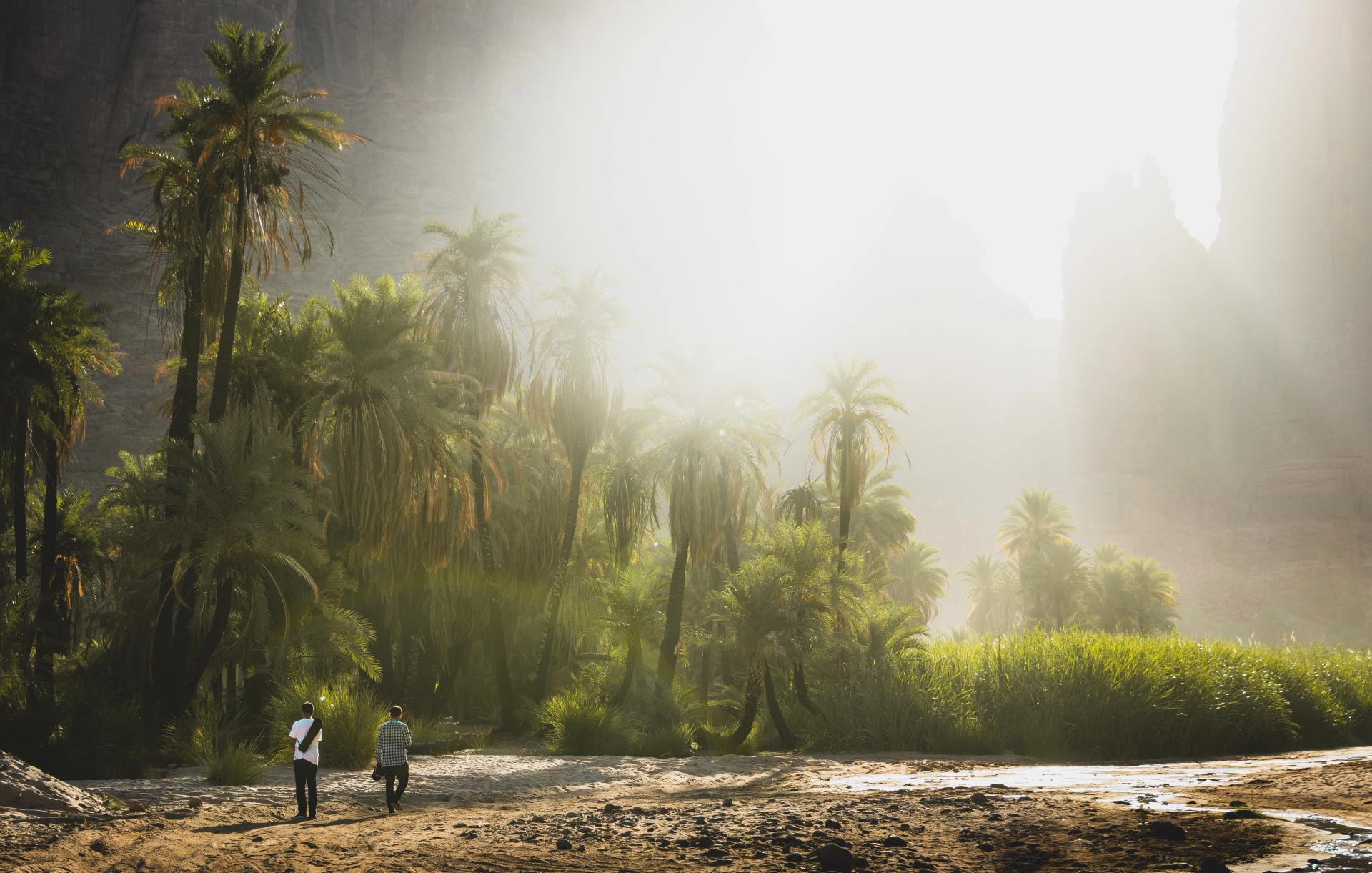
The mountainous Wadi Al Disah is ripe for exploration. The stacked rocks here give way to lush foliage, palm trees and water streams in a picture-perfect oasis so pretty it could have been plucked from a postcard. In Al Disah (the valley of the palm trees), there are plenty of tours available and opportunities for solo hiking, as well as beautiful picnic spots where you’ll likely see locals pouring tea and enjoying the view. Book a tour from Tabuk City or take a drive out there yourself – you’ll need a 4x4 to get through the valley.
2. Spot diverse marine life in the Red Sea
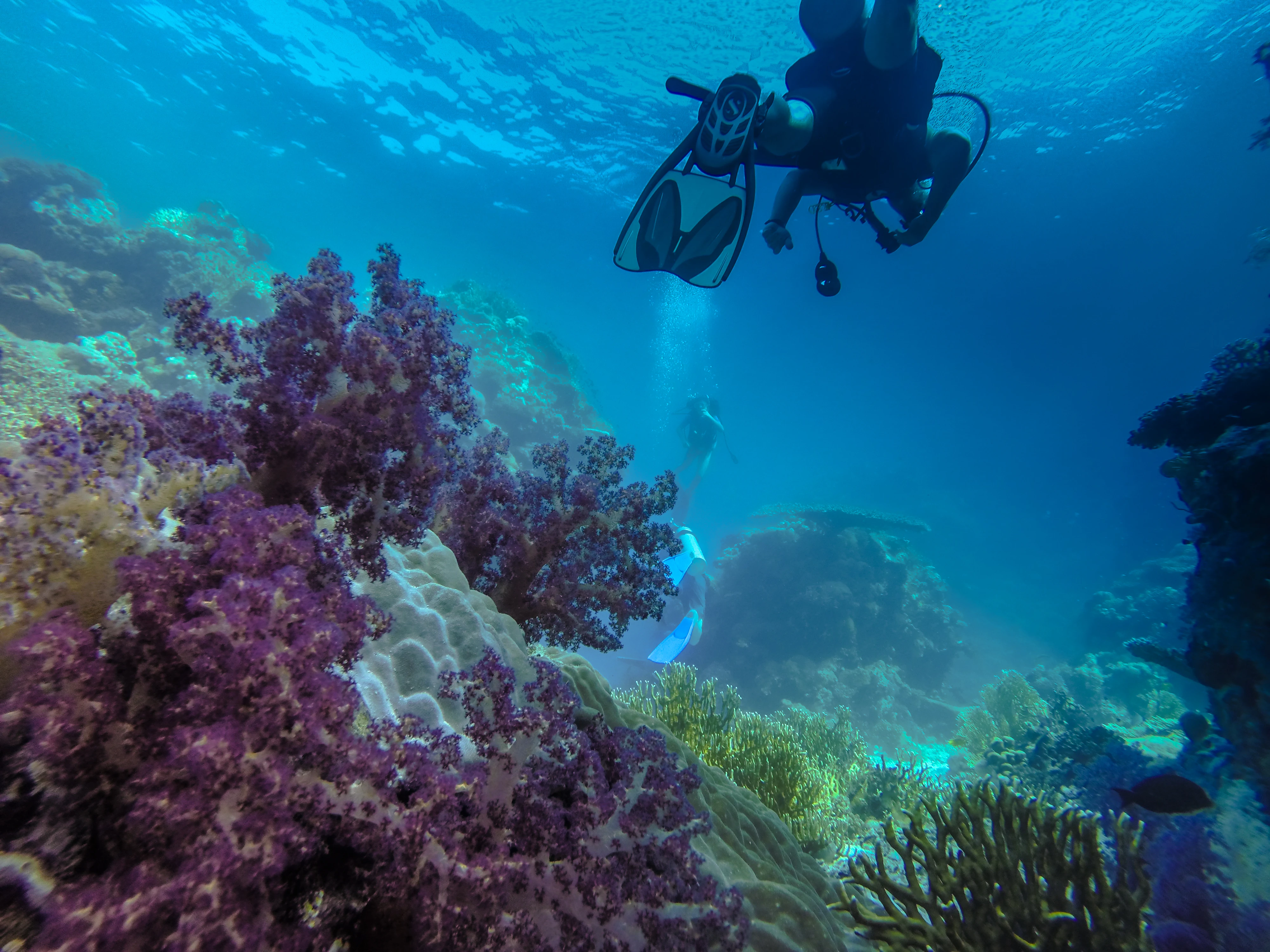
The sheer volume of marine life in the Red Sea makes a dive (or snorkelling) trip here well worthwhile. There are several locations in Tabuk where you can hire equipment or organise dive excursions – a few hours’ drive from the city, you’ll be rewarded with 30-metre visibility (in the right conditions), uncrowded dive spots and a biodiverse coral reef that is home to a wealth of marine life, from clownfish and lionfish to stingrays, dolphins and even sharks (the elusive whale shark can be spotted in some locations in the Red Sea). Try offshore dives from Haql or Umluj, where you can find decent snorkel spots not far from shore (perfect for kids or adults who don’t have diving experience).
3. Spot antelope and oryx at Bajdah wildlife reserve and desert
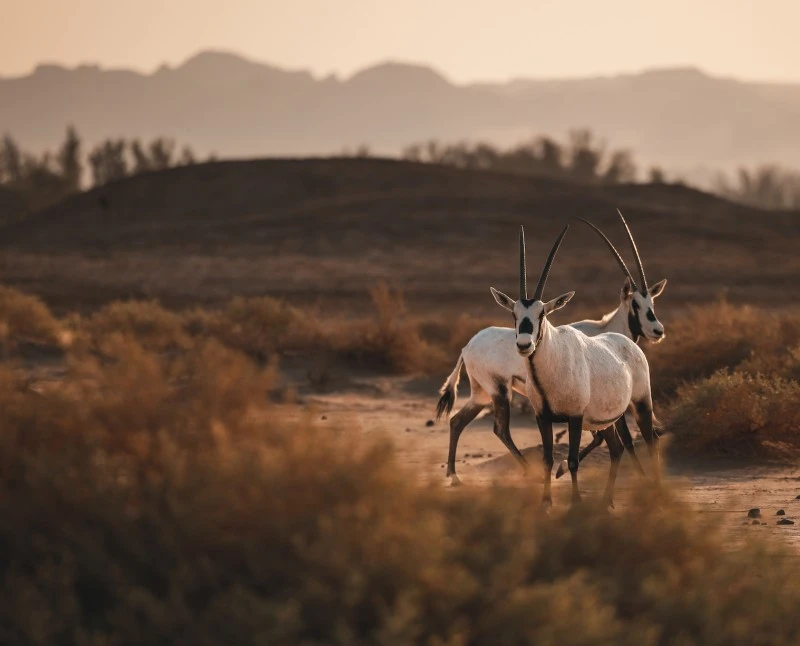
The rewilding efforts in NEOM have made Bajdah Wildlife Reserve a great place to spot antelope, gazelle, Arabian oryx and Nubian ibex. There are also great hiking trails through the mountains (go alone or as part of a tour) and the verdant secret garden canyon, exploding with greenery. You can also speed past bubblegum-pink sand dunes and rock formations on a dune-bashing 4x4 trip (it’s pretty hair-raising), or wander around on foot. There are also camping and overnight tours available here – the stargazing is out of this world.
4. Take in some of region’s history at Tabuk Castle
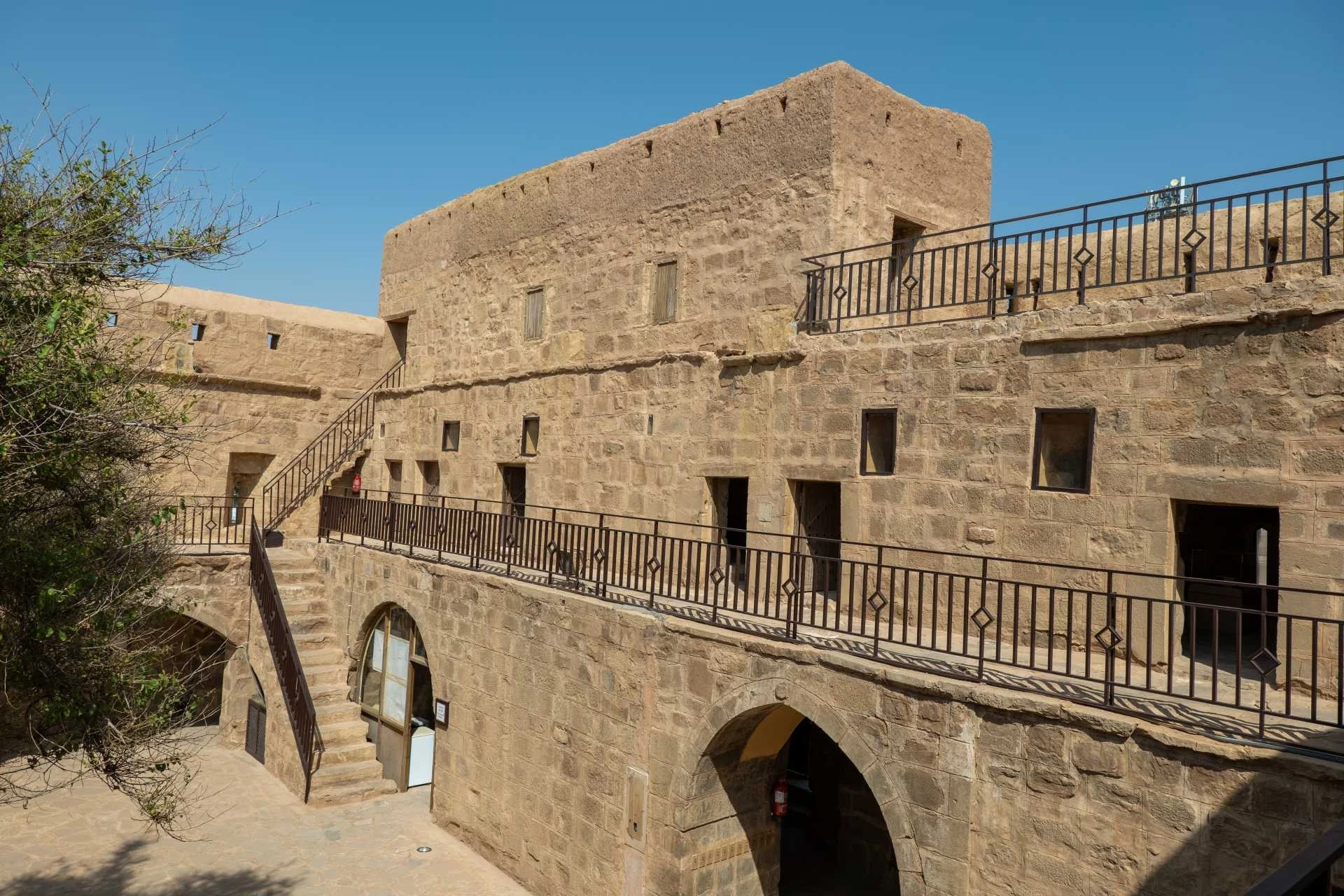
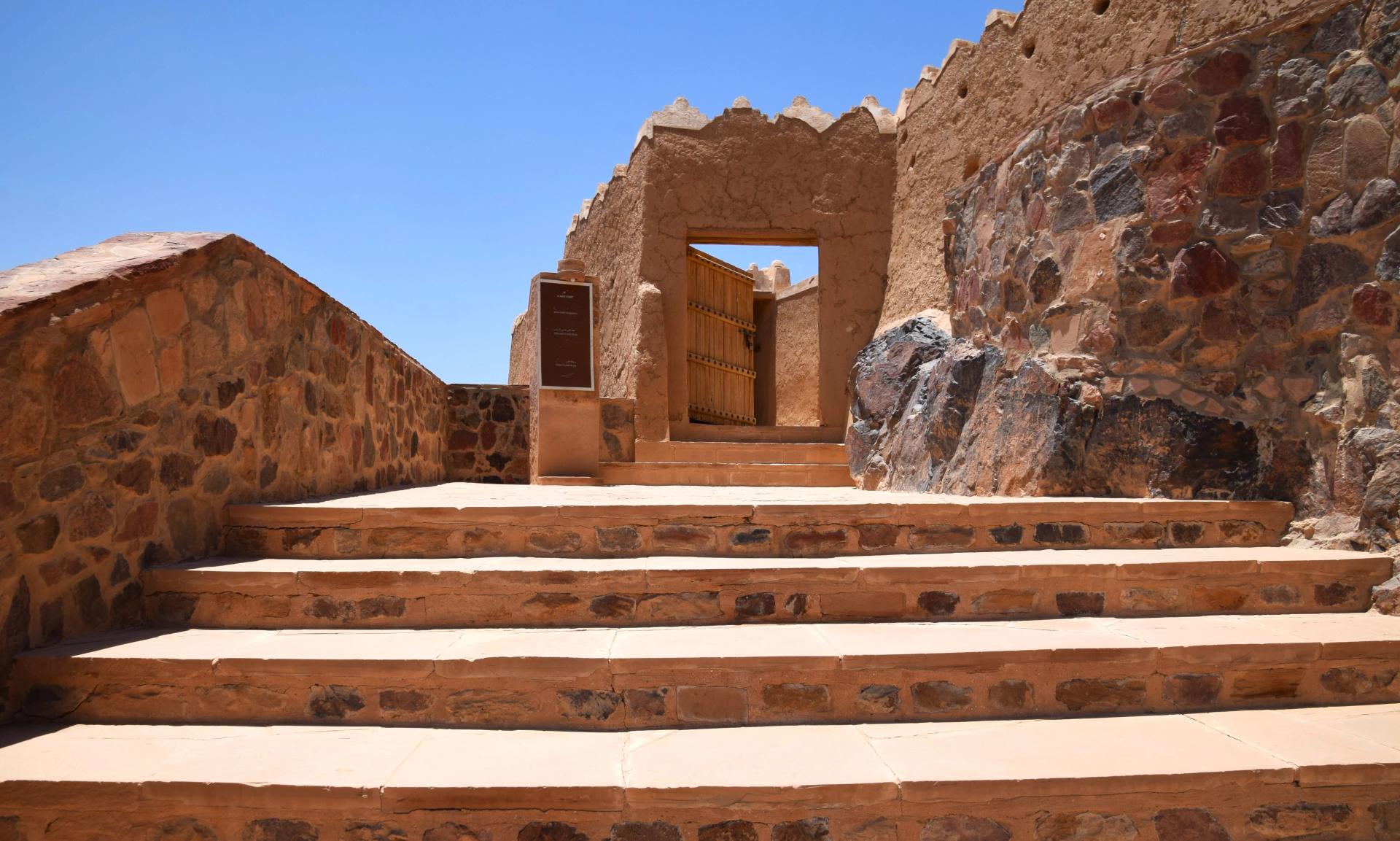
One of the more popular (and populated) sites for tourists in Tabuk, this Ottoman Castle dates back to 1559 and was renovated in 1993. In addition to being able to explore a piece of history in the castle itself, it has now been turned into a museum. You’ll find artefacts and historical information on Tabuk and the Ottoman era, as well as how the castle connects to the Prophet Muhammad (PBUH). The two-storey structure also features a mosque, courtyard and watchtower. Entry is SAR 50; kids go free.
5. Have an adventure in the Red Sand Dunes
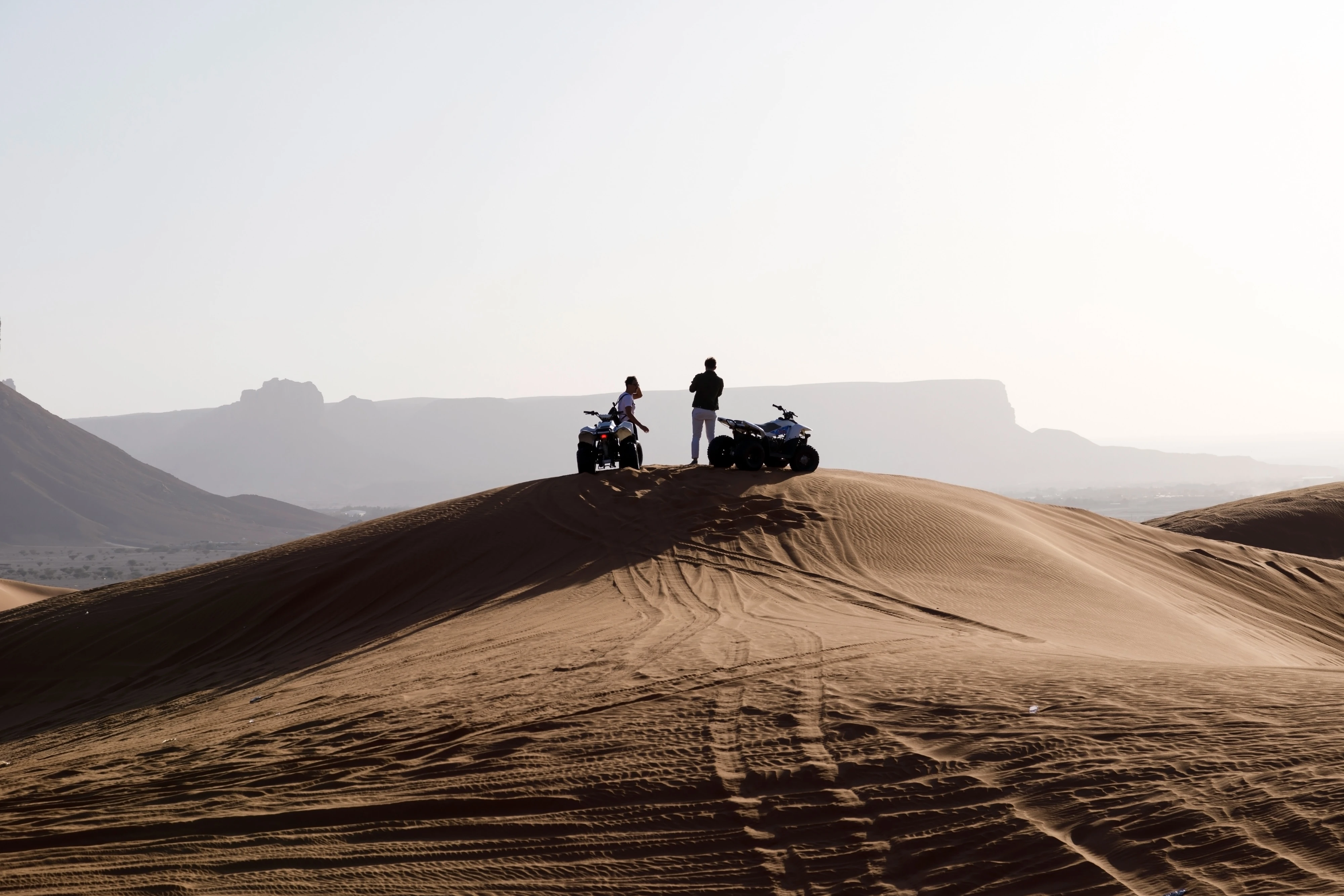
Activities are king in the Red Dunes, where the young and young at heart can try sandboarding (a bit like surfing, but with sand instead of water), dune bashing in a 4x4, or taking the wheel in a dune buggy (check age limits on this if you’re travelling with younger kids). Riyadh Trips runs Red Dunes tours that include "sand games," transport to and from the dunes, and an evening picnic-style meal complete with music and plenty of local stories.
6. Al Tawba Mosque
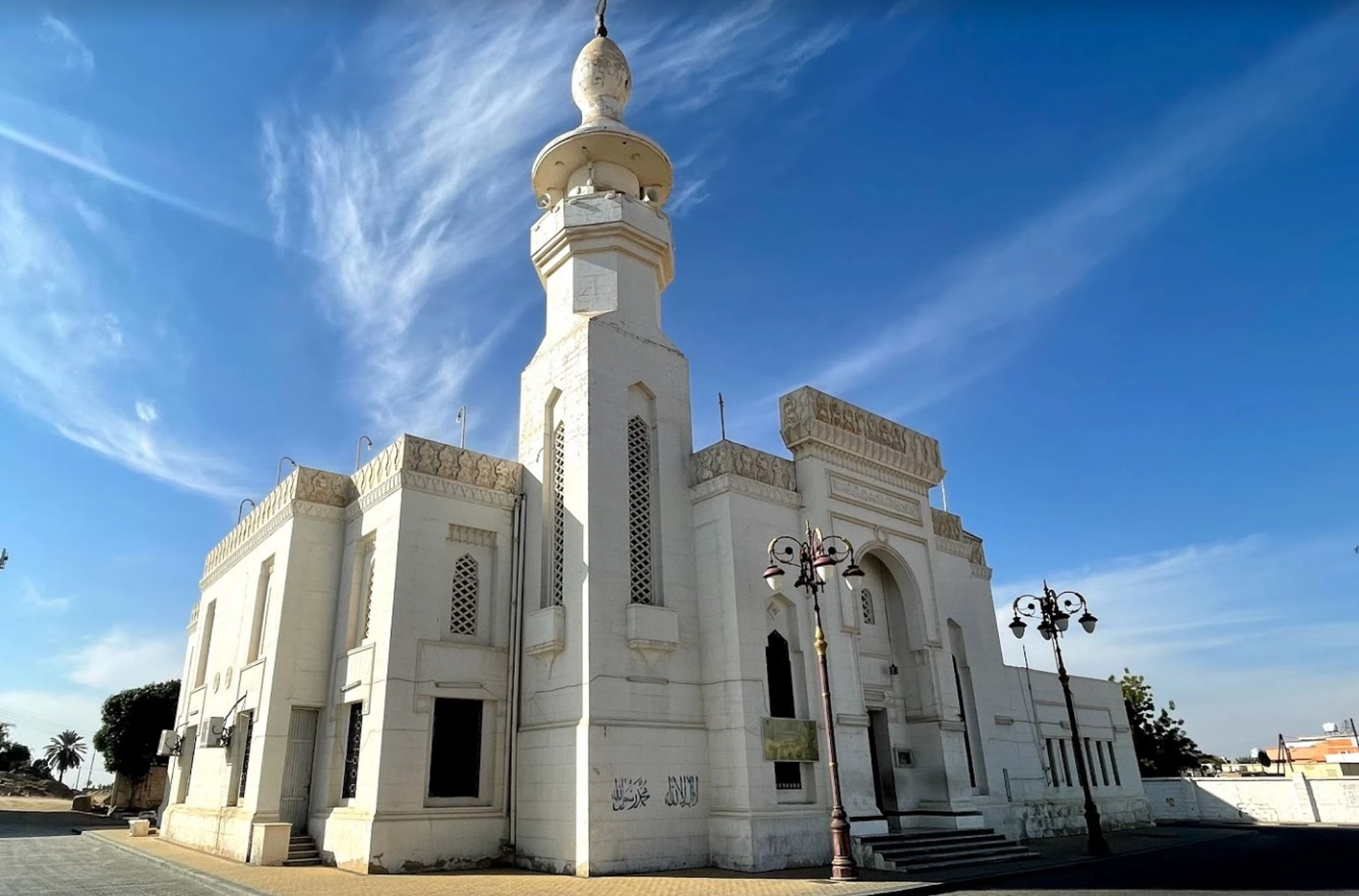
Known locally as the Prophet’s Mosque, Al Tawba Mosque is believed to be built on the spot where the Prophet Muhammad (PBUH) prayed during the Battle of Tabuk. The original mud structure was rebuilt in brick in 1652, and is a fascinating place to visit and take in some religious history and culture. The building is open every day for prayer, but for non-Muslims it’s best to visit outside of worship times (also note that there is no women’s section of the mosque).
7. Pick up artisan products at Souq Twaheen
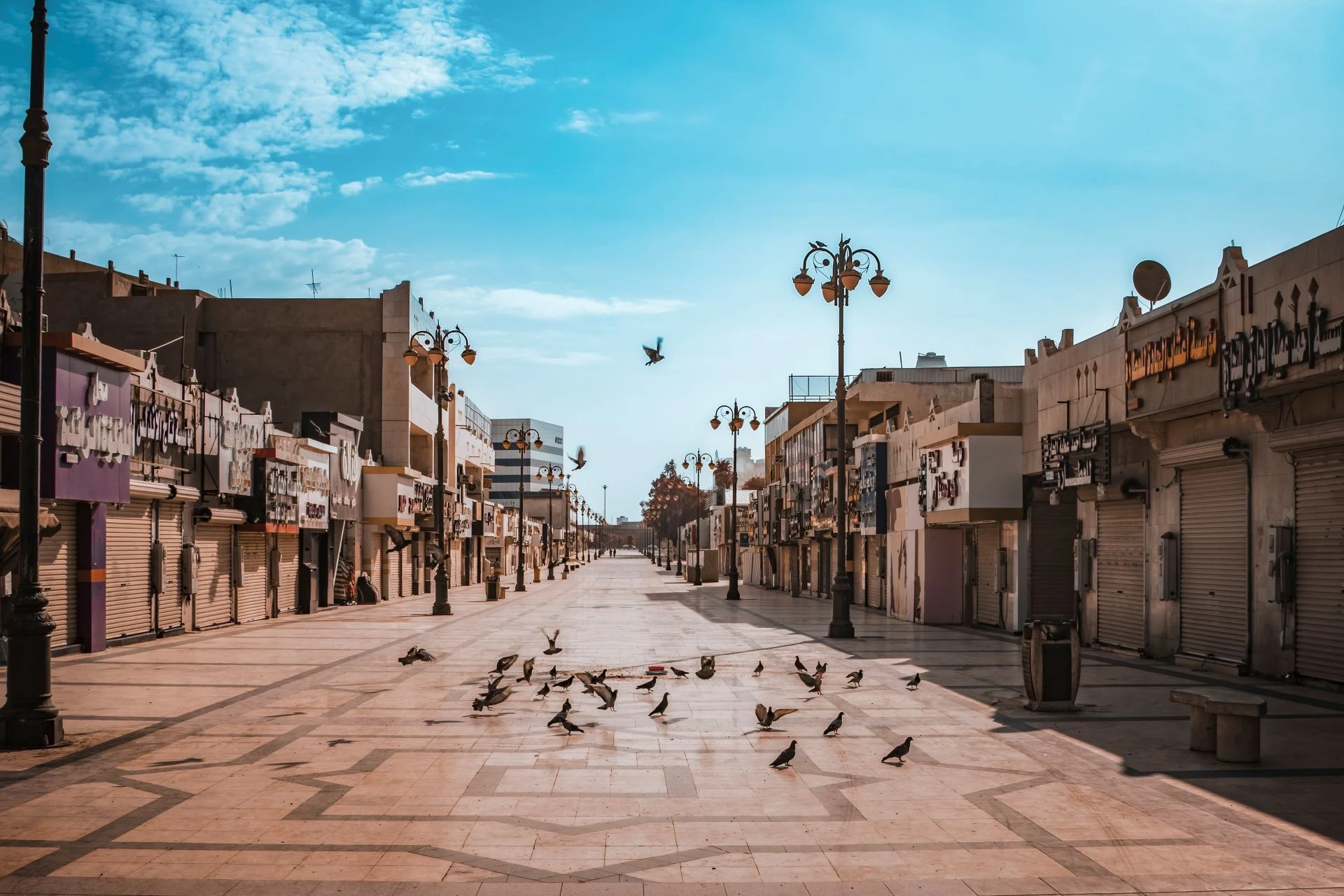
This traditional market in the old quarter of Tabuk City is half shopping experience, half history lesson, with vendors selling authentic produce often using production methods dating back hundreds of years. Here you can see items still used by Bedouins today, such as goat-hair tent covers, camel saddles and woven rugs (it’s fine to barter here; your success will depend on your haggling skills). The small shops joined together help the market street maintain its authentic old-world feel. Arrive with an appetite – there are plenty of street food options dotted around, serving local cuisine.
8. Visit the ancient city of Madyan Shuaib
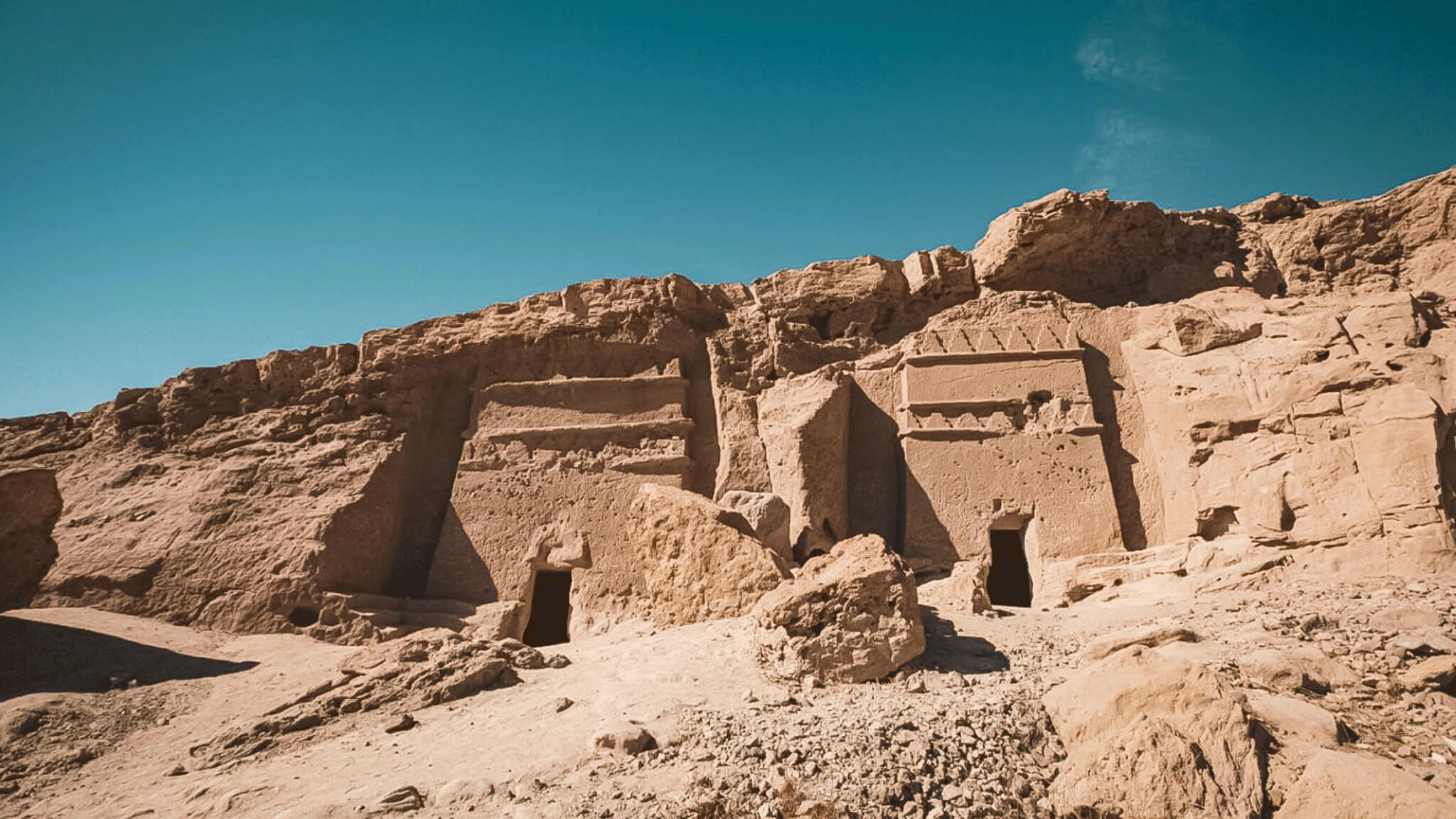
One for the history buffs: the ancient city of Madyan Shuaib dates back around 2,000 years. Once a trading point, the area was renamed after Prophet Shuaib during the medieval Islamic era. Here you’ll find houses, tombs and facades carved into the sandstone, as well as large spaces carved into the huge rocks. You’ll also find Nabataean inscriptions in the burial sites – it’s worth booking onto a tour for a full history lesson as you explore. A fair drive from Tabuk City, it’s not particularly child-friendly but well worth it for adults.