


Saudi Arabia’s government, led by HRH Crown Prince and Prime Minister Mohammed bin Salman, has approved a new property ownership law enabling non-Saudis to purchase real estate in selected areas of the Kingdom, from next year.
Passed on July 8 and set to come into effect in January 2026, the legislation will permit foreign ownership in major urban centres including Riyadh and Jeddah. In contrast, property transactions in Makkah and Madinah will remain subject to specific cultural and regulatory conditions. This shift in legislation surrounding foreign ownership and purchasing of property in the Kingdom, underscores the country’s commitment to expanding international investment opportunities while preserving heritage in its most historically significant cities.
For international investors, high-net-worth travellers and expats alike, this new ruling signals more than a policy shift — it’s an invitation to participate in the Kingdom’s transformation.

With Saudi Arabia’s real estate sector contributing nearly 12% to GDP in 2024, the new law is expected to accelerate growth in residential, commercial, and mixed-use developments, particularly in urban hubs already experiencing a surge in demand.
This new law is part of a broader strategy under Vision 2030, which aims to diversify the economy beyond oil and position Saudi Arabia as a global destination for tourism, culture, and investment. According to HE Majed Al Hogail, Minister of Municipal and Rural Affairs and Housing, the legislation will “increase real estate supply by bringing in international investors and developers,” while ensuring market stability through geographic and procedural controls.
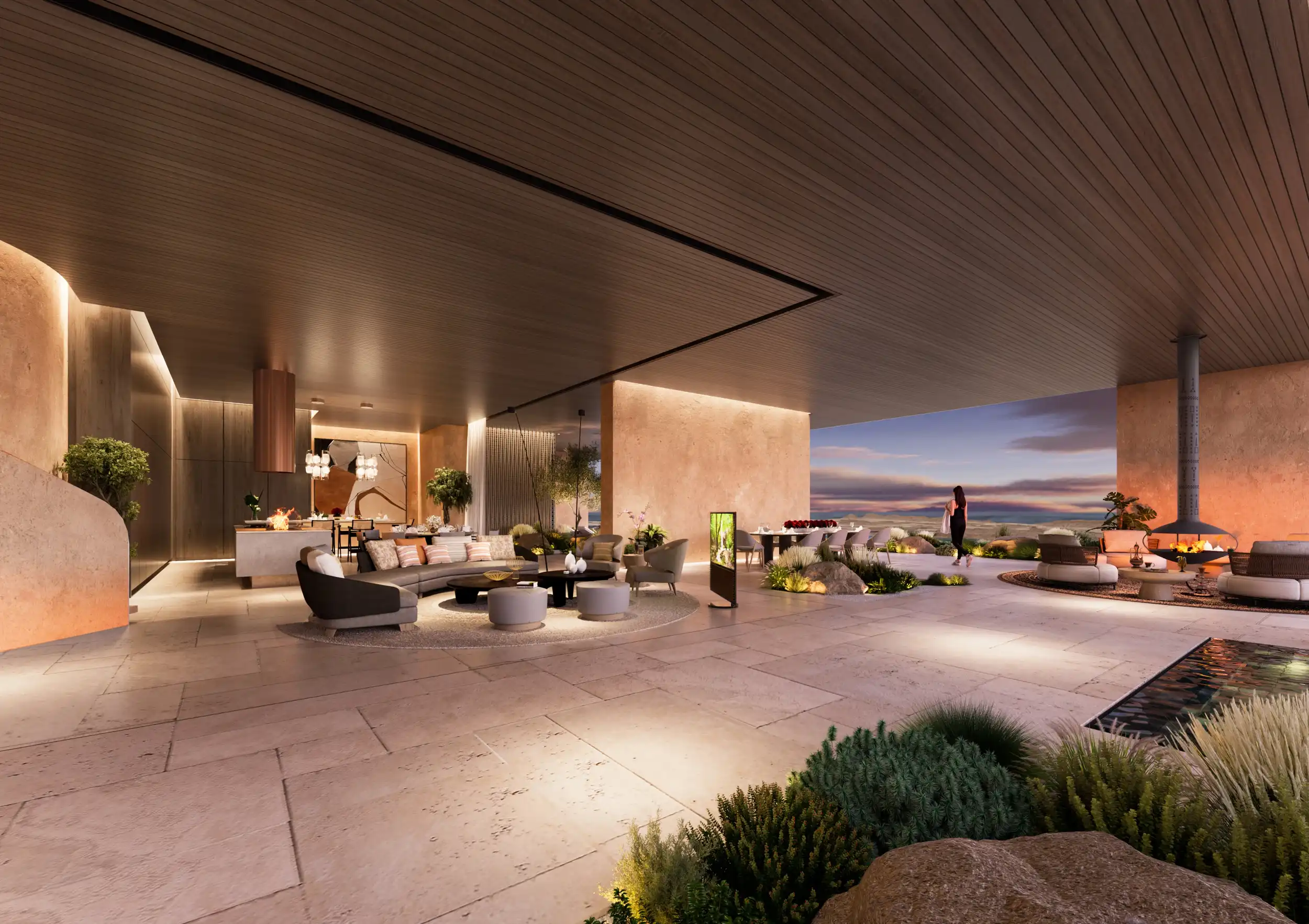
For luxury travellers, the implications are tangible. Riyadh’s skyline is evolving with top-rated condos and communities, high-end hospitality and newly announced branded residences, while Jeddah’s coastal developments offer proximity to the Red Sea’s resort corridor. This new legislation also complements the Kingdom's Premium Residency Program (colloquially known as Saudi's Green Card), a residency permit that allows eligible foreign nationals to live, work, and invest in Saudi Arabia without a local sponsor, further encouraging eligible foreigners to own multiple properties and access long-term visas in the Kingdom.
Executive regulations will be published within 180 days on the Istitaa public consultation platform, detailing eligible zones and eligibility factors, acquisition procedures, and compliance mechanisms. These will align with existing frameworks, including GCC agreements and residency laws, ensuring a seamless integration into Saudi Arabia’s legal and economic landscape.
For those seeking a more permanent foothold in Saudi Arabia, and in the Kingdom's next chapter, the journey begins from January.