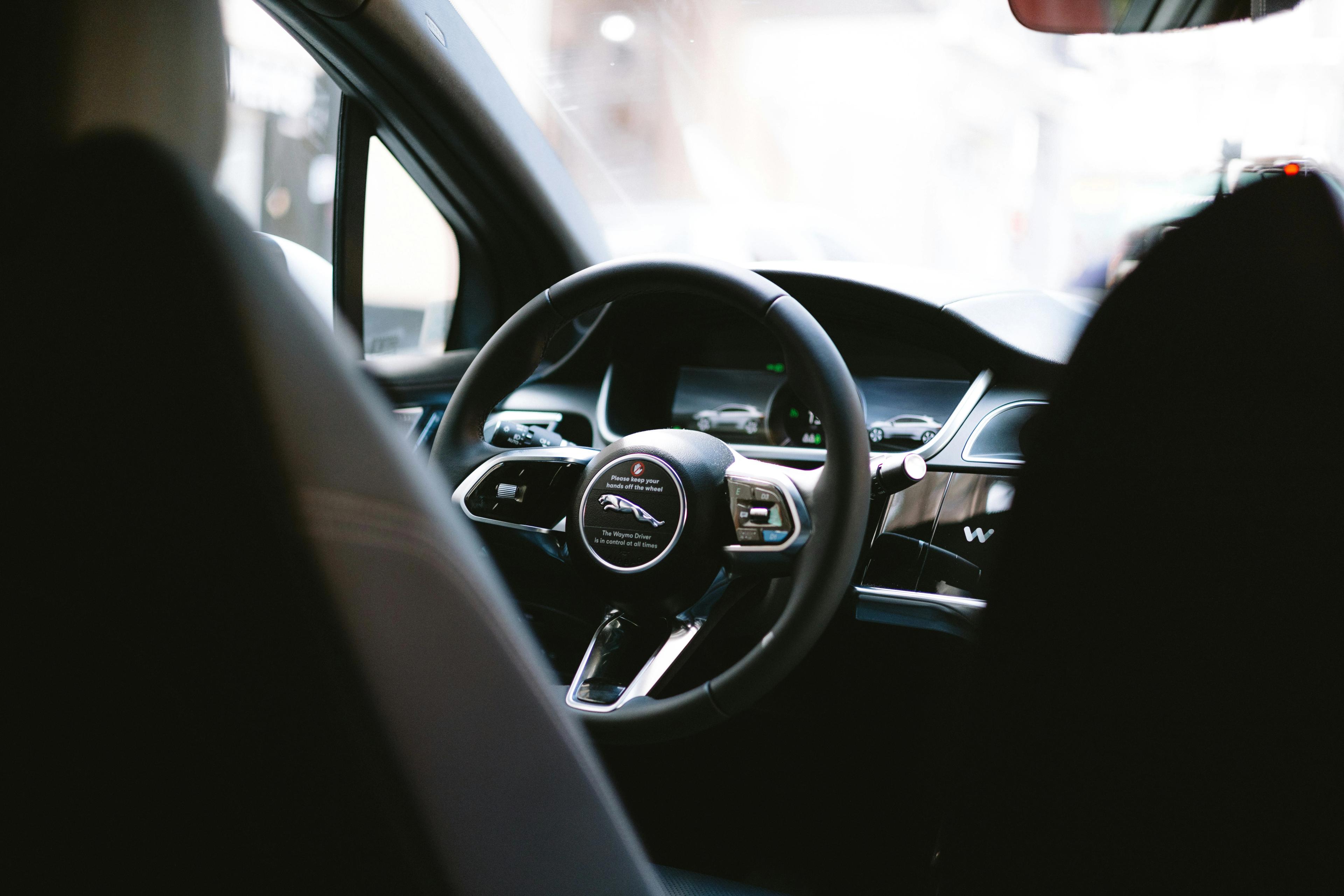





Saudi Arabia has officially entered the autonomous mobility race with the launch of its first driverless vehicle pilot in Riyadh.
This move towards driverless cars has been hailed as a milestone in the Kingdom’s push toward creating smart and sustainable transport options for all. Spearheaded by the Transport General Authority (TGA) and inaugurated by Eng. Saleh Al-Jasser, Minister of Transport and Logistic Services, the initiative reflects Saudi Arabia’s commitment to innovation under the Vision 2030 project.
Everything We Know About the Pilot Scheme
The 12-month pilot will see autonomous vehicles operating across seven strategic locations, including Terminals 2 and 5 at Riyadh's King Khalid International Airport, Roshn Business Front, Princess Nourah University, North Train Station, and the TGA headquarters.
For now, a total of 13 pickup and drop-off points have been designated as part of this driverless transport trial, with vehicles navigating both major highways and urban roads under close regulatory supervision.
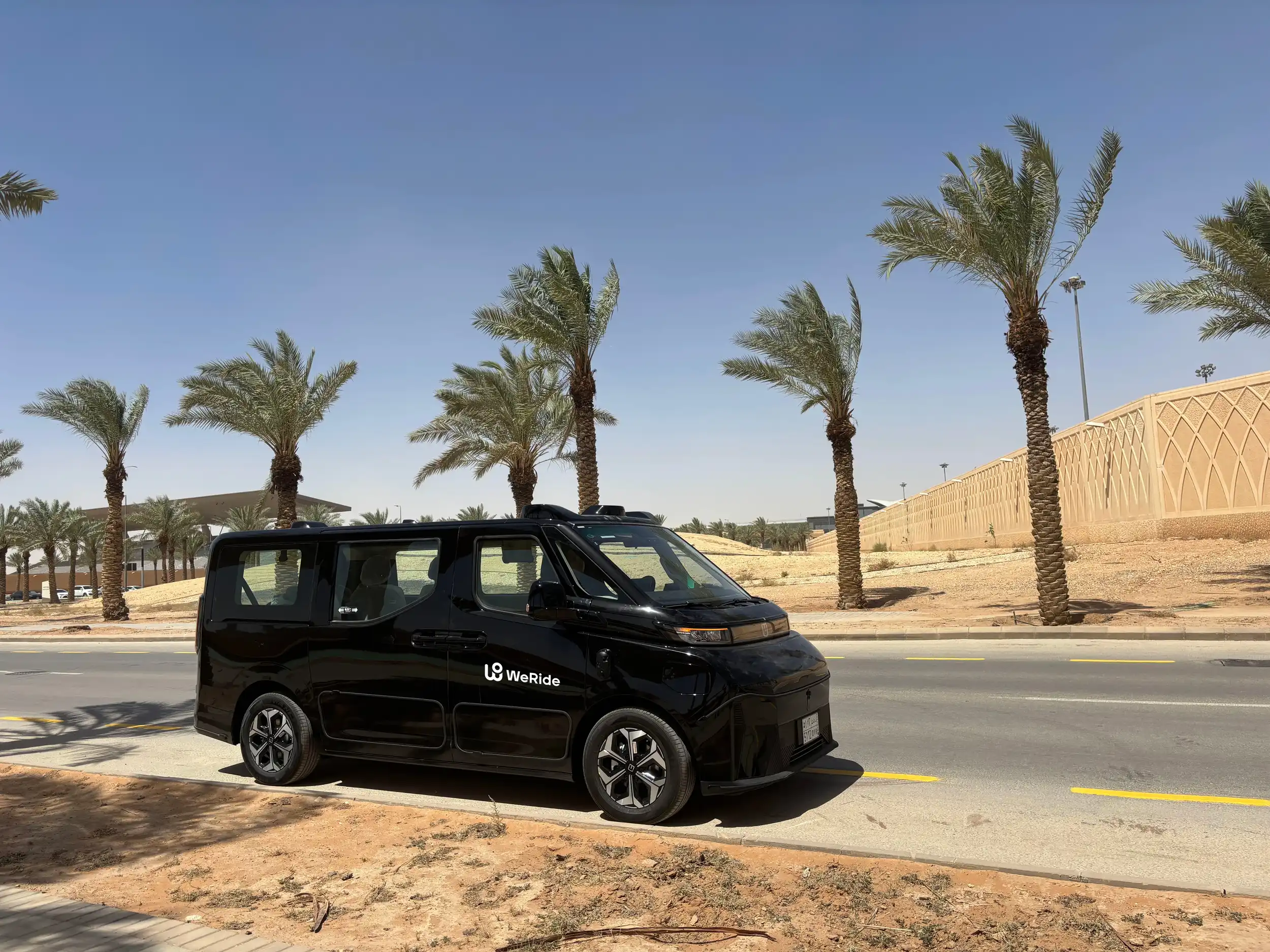
Each vehicle is equipped with advanced navigation systems, real-time traffic sensors, and AI-based decision-making capabilities. To ensure safety during this early phase, trained onboard safety officers will monitor system performance and passenger experience.
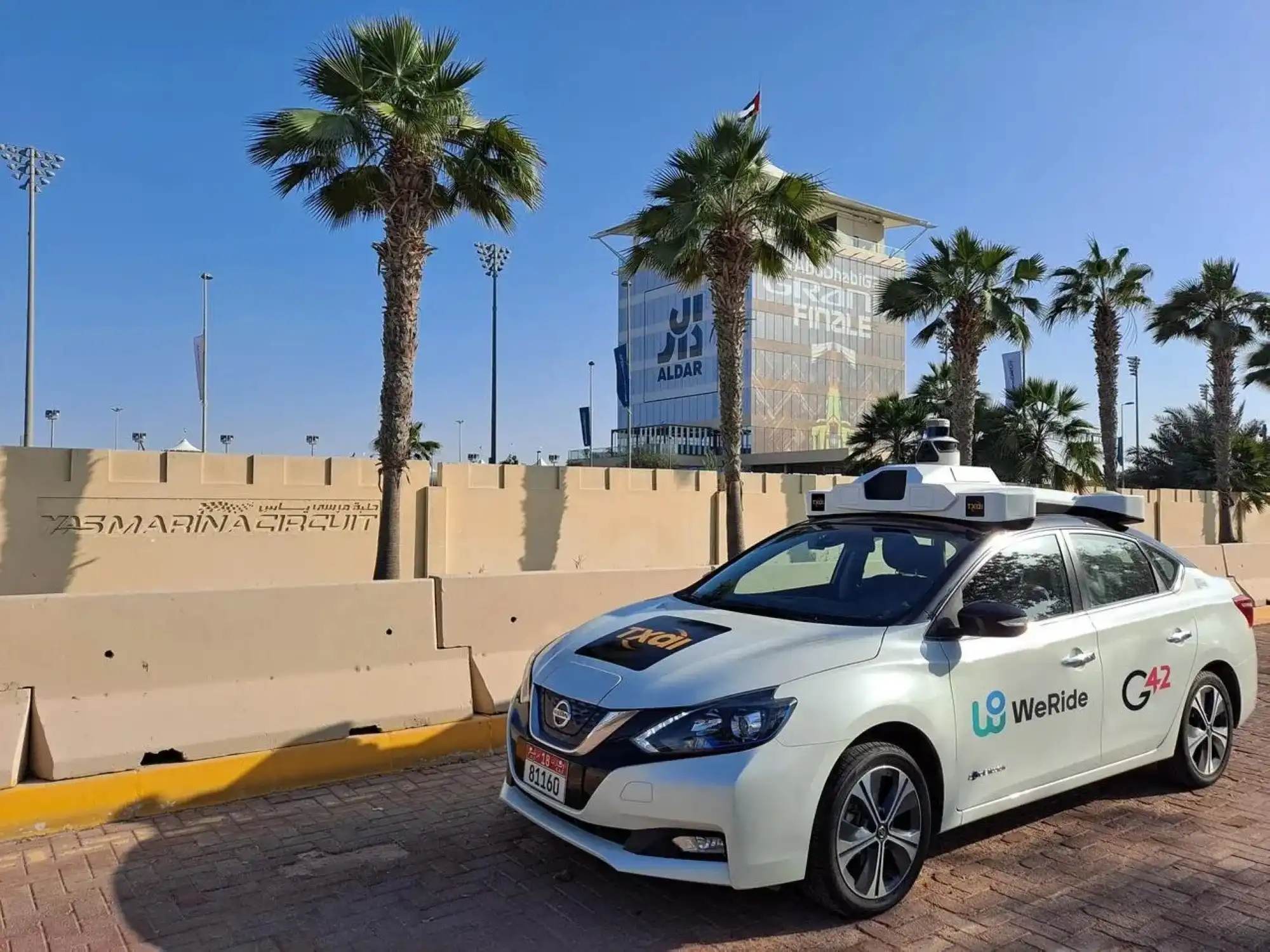
The pilot is the result of a multi-sector collaboration, involving the Ministry of Interior, Saudi Data and Artificial Intelligence Authority (SDAIA), Geospatial Authority, and the investment of a selection of private tech firms including AiDriver, WeRide, and Uber. Notably, WeRide has secured Saudi Arabia’s first autonomous driving permit, making Riyadh one of only a few global cities to host its Robotaxi service.
You Might Also Like: Getting Around Riyadh - The Ultimate Guide
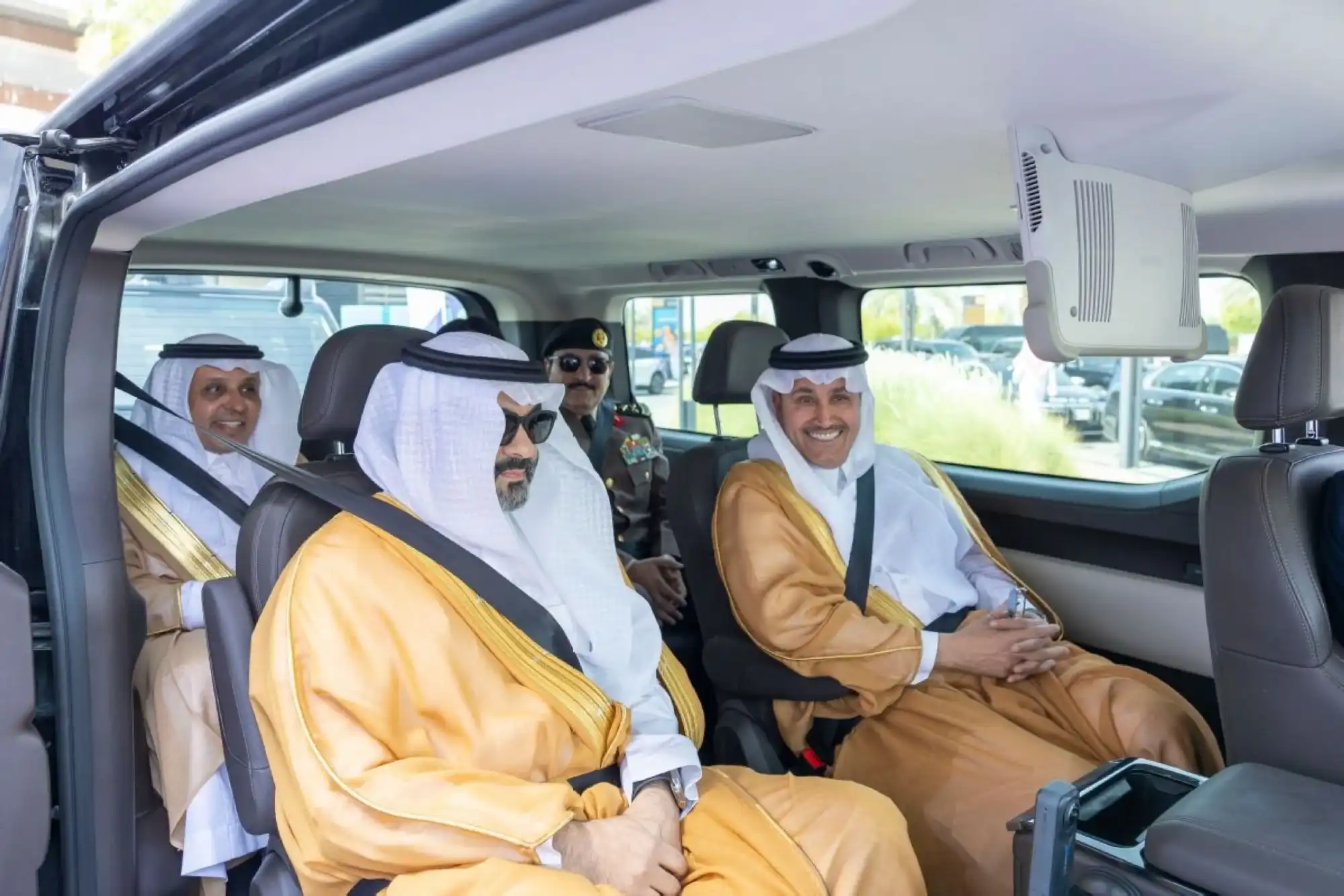
“This pilot phase embodies the Kingdom’s ambitious vision to build a future-ready transport sector that supports economic diversification, enhances quality of life, and promotes technological innovation,” said Al-Jasser.
The initiative aligns with the National Transport and Logistics Strategy, which aims to position Saudi Arabia as a global logistics hub and reduce emissions through smarter technologies. If successful, the pilot could pave the way for a nationwide rollout, placing Saudi Arabia at the forefront of autonomous mobility in the Middle East.
As Riyadh joins the ranks of global capitals testing driverless tech, the Kingdom’s journey toward intelligent, AI-driven transport is no longer a distant future, it’s already on the road.
Driverless Ubers in Saudi
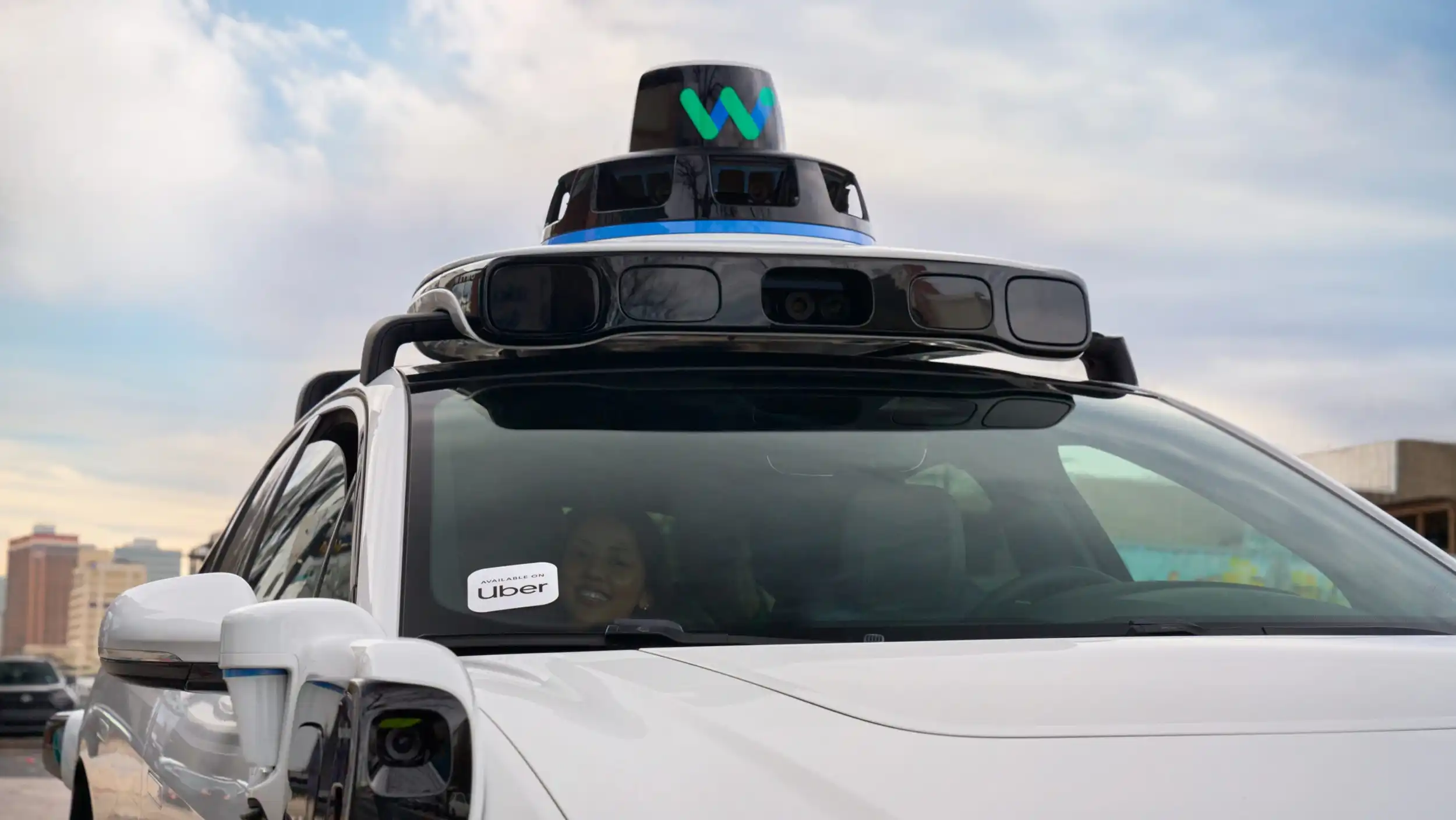
This announcement of the live driverless car trial comes just two months after it was confirmed that Uber would be launching a fleet of driverless vehicles onto the roads of Riyadh by the end of 2025. Ushering in a new era of autonomous travel for the Kingdom, this ambitious initiative stems from a strategic partnership between Uber and the Transport General Authority (TGA), formalised under the patronage of Minister of Transport and Logistics Services, Saleh Al Jasser.
In the early stages, the autonomous vehicles will operate with onboard safety drivers to ensure passenger protection and facilitate real-time monitoring. Uber's goal is to gradually widen public access to self-driving technology while working hand-in-hand with regulatory bodies to build a comprehensive framework for autonomous transport.
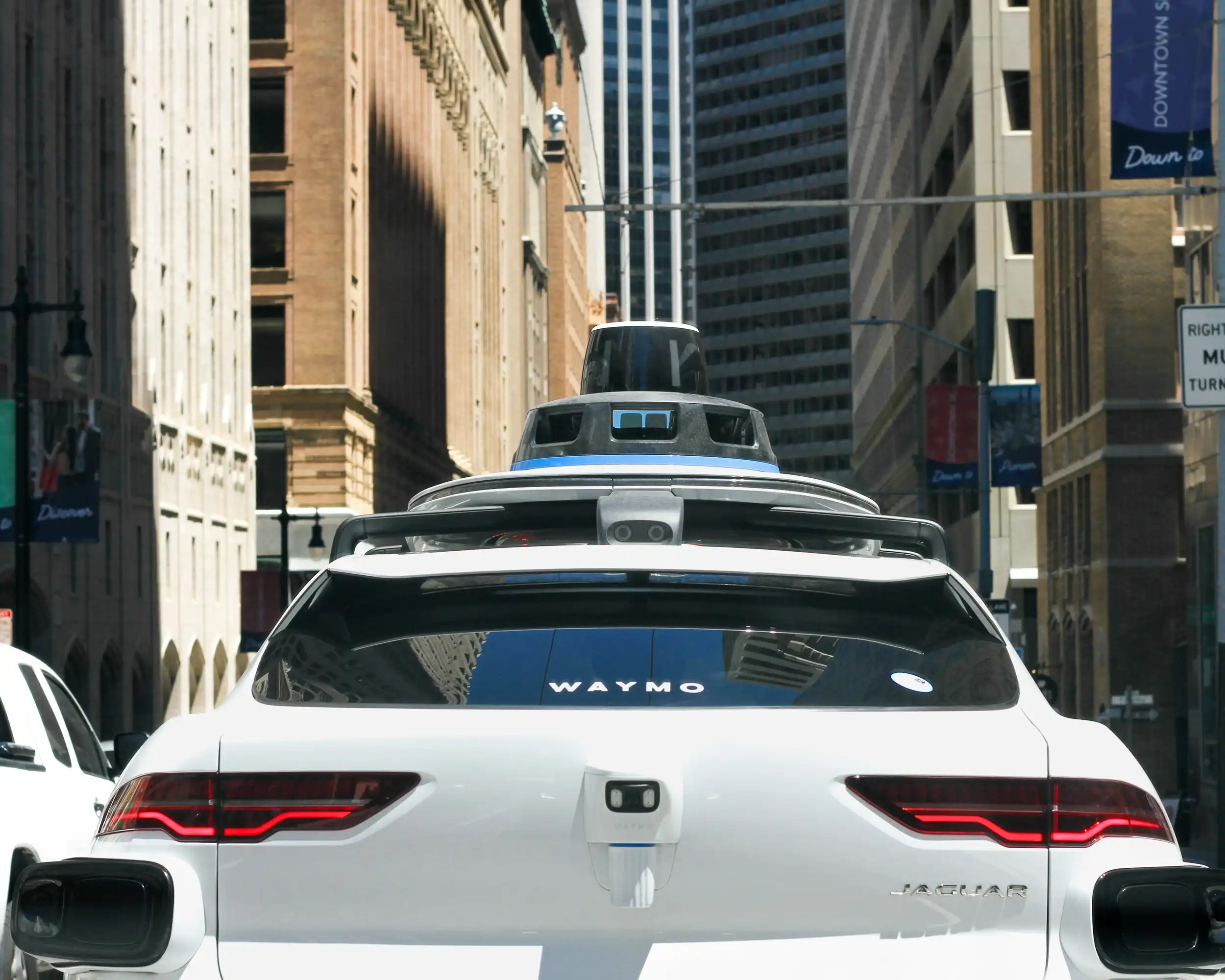
The move aligns with global trends. In the United States, Uber has already introduced autonomous rides in Austin, Texas, with expansion plans underway. Meanwhile, cities like San Francisco, Los Angeles, and Phoenix have witnessed notable success with the rollout of Waymo — the pioneering driverless taxi service that evolved from Google’s original self-driving car project.
Read more about the driverless Ubers here