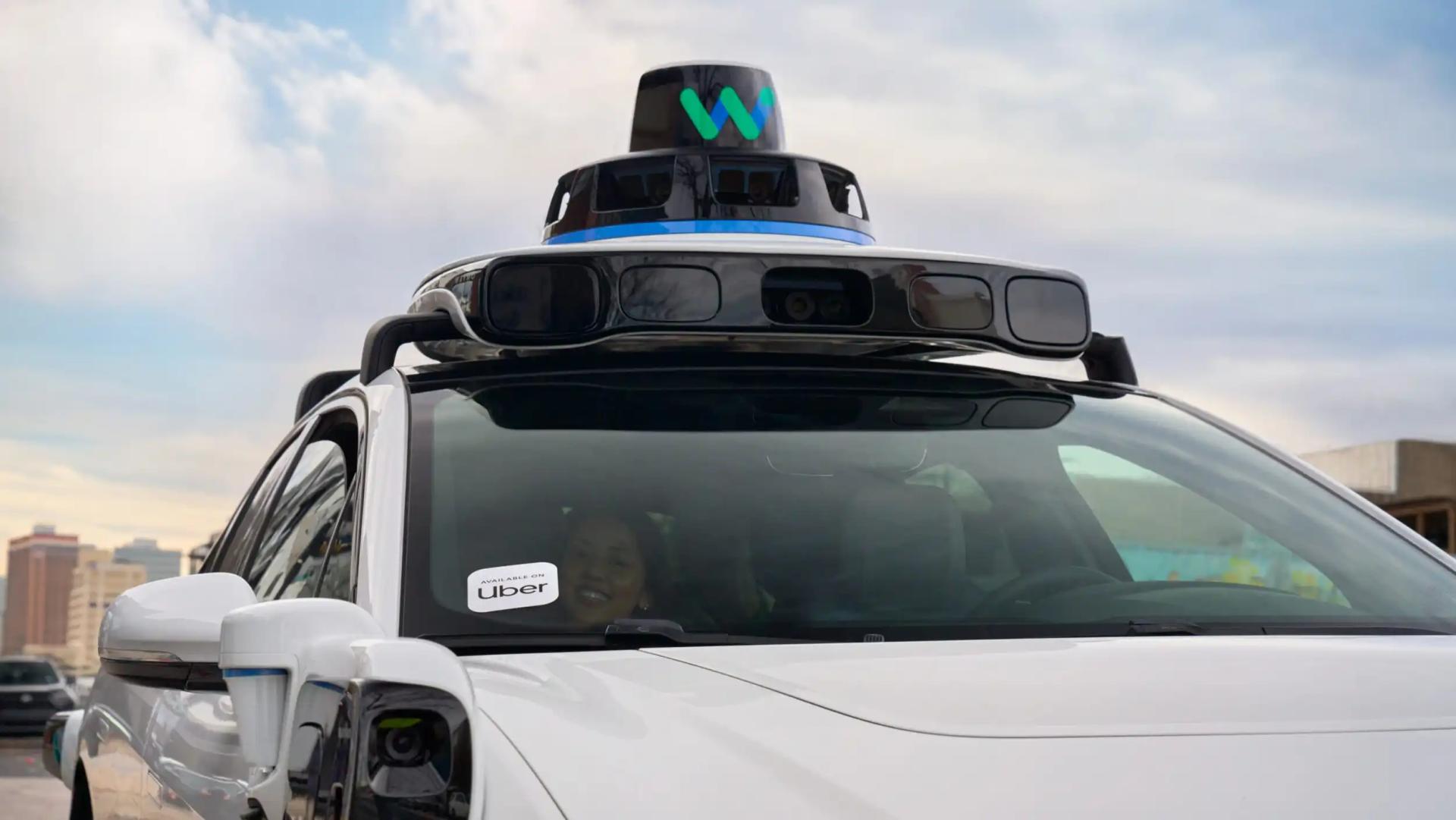





Saudi Arabia is set to take a major step forward in smart mobility as Uber announces the launch of self-driving vehicles in the Kingdom by the end of 2025.
Slated to roll out later this year, this futuristic move towards smart mobility and driverless transport aligns with Saudi Vision 2030, which aims to integrate advanced technology into the Kingdom's transportation infrastructure, will place a focus on enhancing both efficiency and sustainability. With autonomous vehicles poised to transform urban mobility, Uber’s driverless initiative marks a significant milestone in Saudi Arabia's rapidly evolving transport sector.
You Might Also Like: A guide to getting around Saudi Arabia
Driverless Uber in Saudi
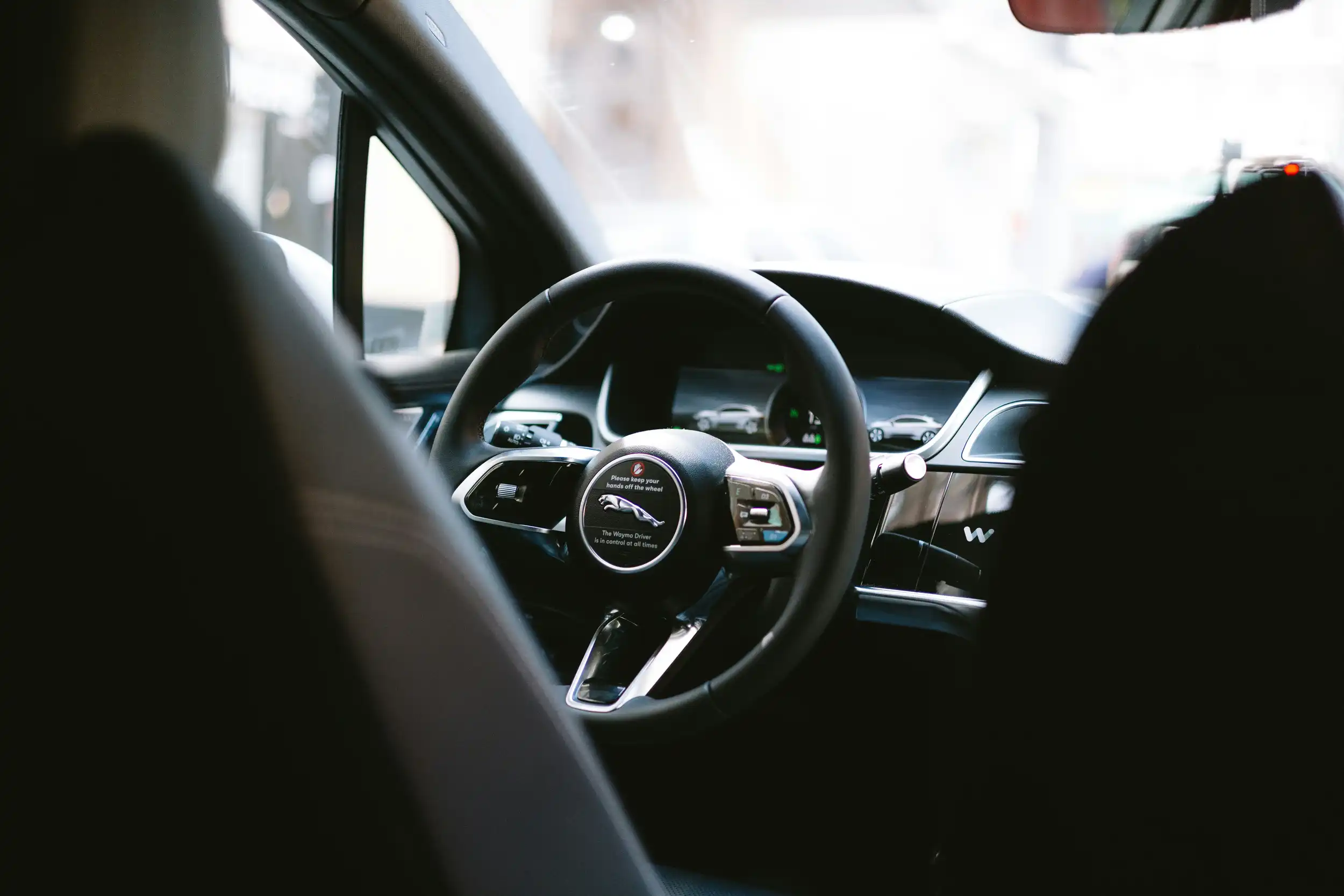
Uber’s self-driving fleet will be deployed in major Saudi cities, offering passengers a glimpse into the future of autonomous travel. The initiative follows a strategic partnership agreement between Uber and the Transport General Authority (TGA), signed under the patronage of Minister of Transport and Logistics Services Saleh Al Jasser.
Initially, the autonomous vehicles will include onboard drivers to ensure safety during the early stages of implementation. Uber aims to expand consumer access to self-driving technology while working closely with local regulatory bodies to establish a structured framework for autonomous transport.
Autonomous Ubers are already available in Austin, Texas as part of plans for a wider roll out, other cities such as San Francisco, Los Angeles and Phoenix, Arizona have already seen incredible success since the launch of the driverless taxi company, Waymo — formerly the Google self-driving car project.
What This Means for Riders
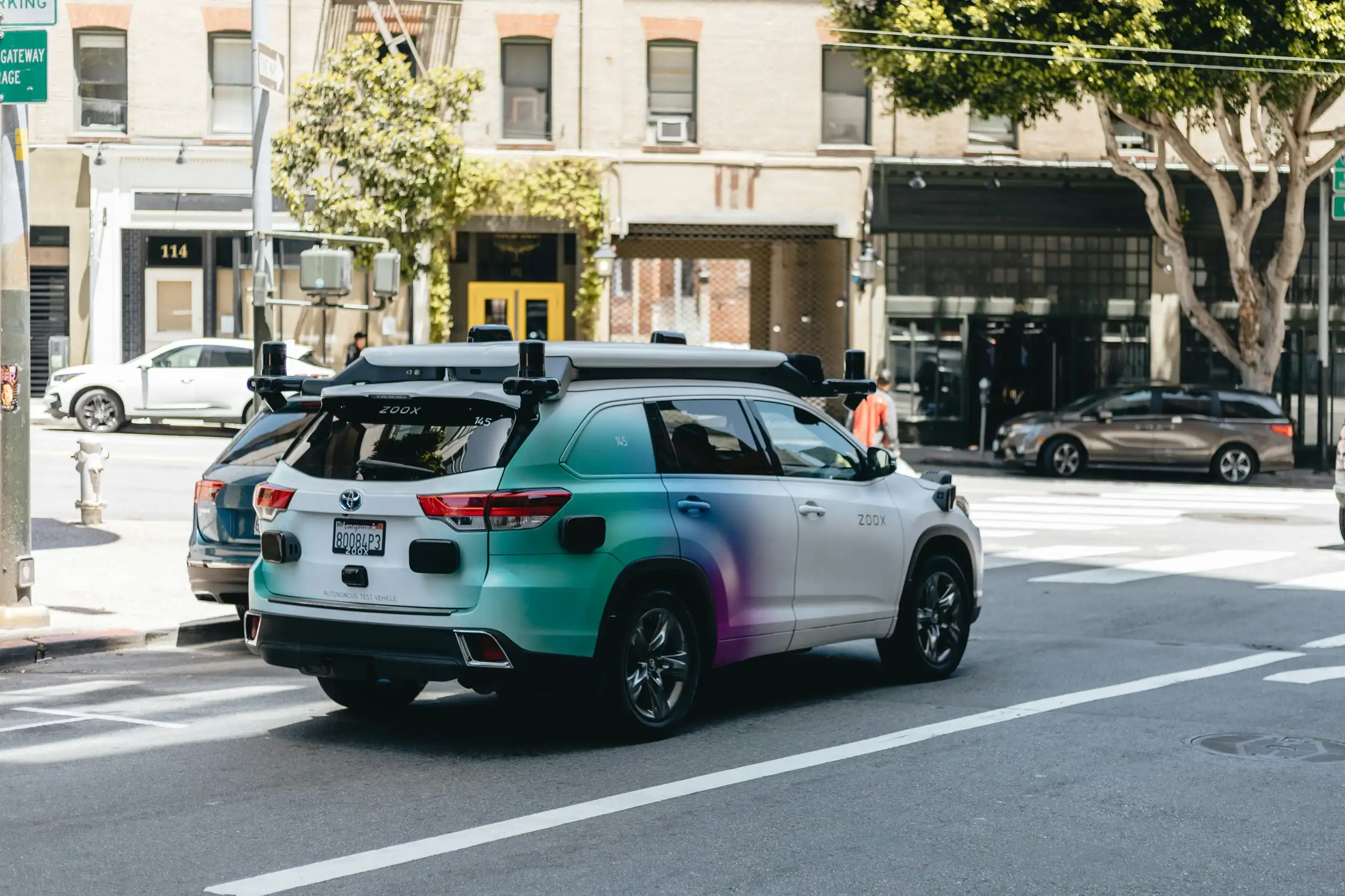
Passengers in Saudi Arabia can expect lower costs, improved accessibility, and enhanced safety as Uber integrates autonomous technology into its ride-hailing network. The company is collaborating with 18 autonomous vehicle partners worldwide, ensuring that the rollout is technologically advanced and seamlessly integrated.
The introduction of self-driving Uber vehicles is part of Saudi Arabia’s broader efforts to modernise its transport infrastructure. The Kingdom has been actively investing in smart mobility solutions, including electric buses, AI-driven transit systems, and autonomous taxis. Uber CEO Dara Khosrowshahi emphasised the transformative potential of autonomous vehicles, describing them as a 'safer alternative' to human drivers, capable of continuous learning through data and experience.
With Saudi Arabia emerging as a global leader in smart mobility, Uber’s self-driving initiative is set to redefine urban transport, paving the way for a future where AI-driven vehicles become the norm.
A More Connected Saudi
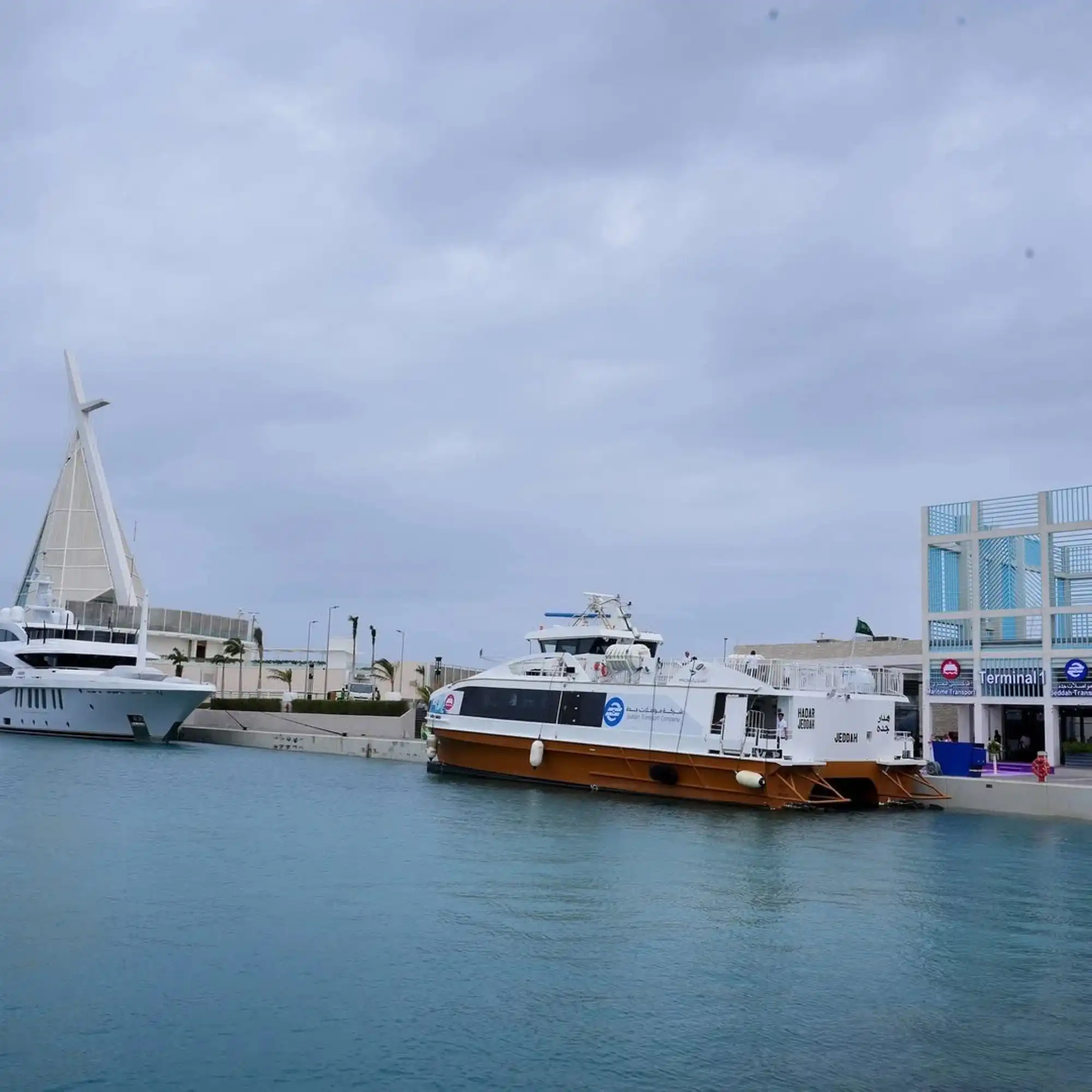
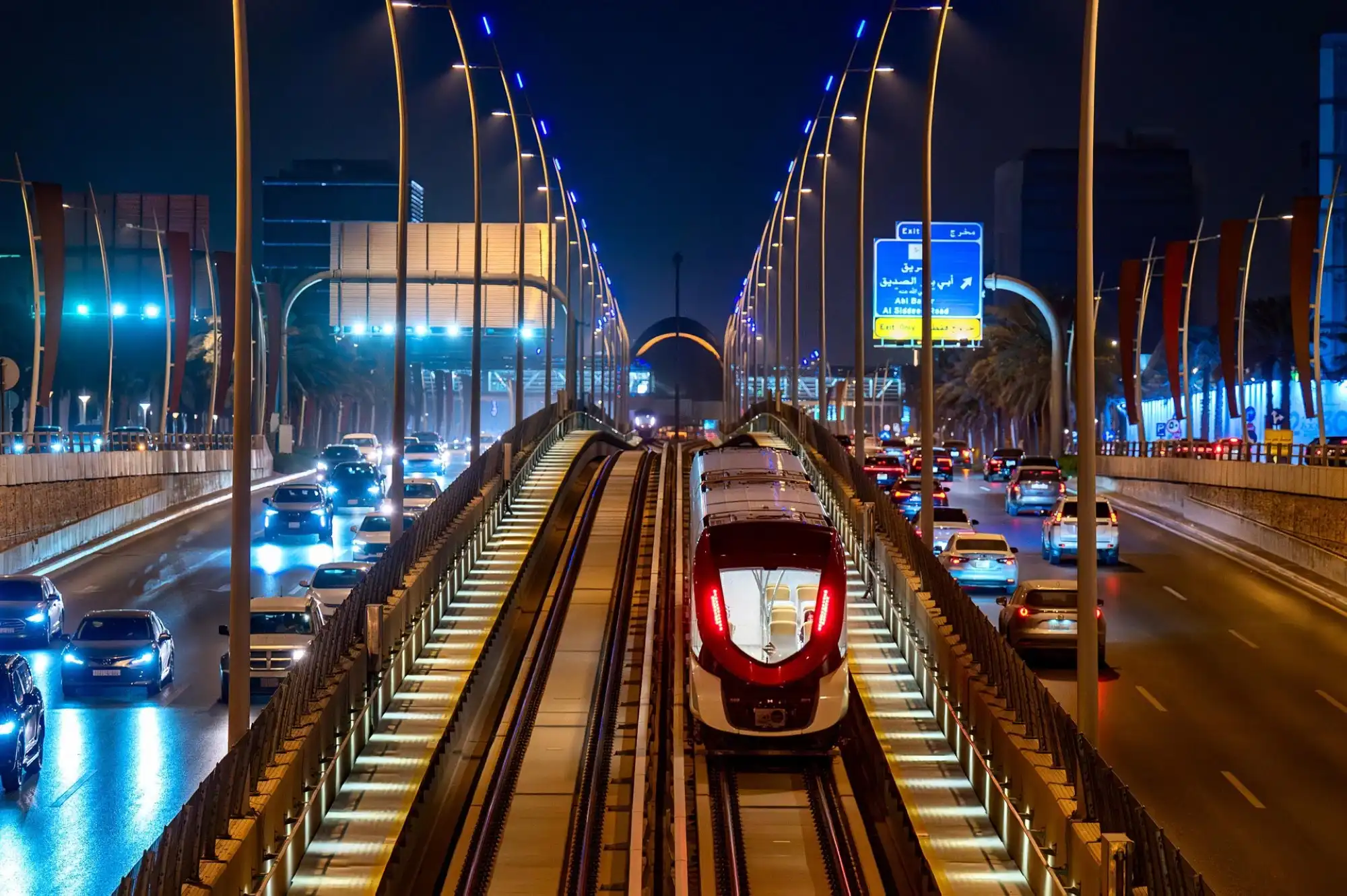
Already this year, citizens and residents have seen a number of new transportation options launched across the nation. For example, the capital city of Riyadh has welcomed the fully functioning network of six metro lines, which now connect 85 stations spanning an area of over 176 kilometres - including a link to the King Khalid International Airport (KKIA). Whilst Jeddah has seen the launch of the Jeddah Water Taxi, which connects three popular waterside destinations in the Red Sea city: Jeddah Yacht Club, Jeddah Historic District (AlBalad), and the Sharm Obhur District.
And in 2024, it was confirmed that the Kingdom will see autonomous flying taxis in full operation in Saudi Arabia by 2026. Within the next two years, these transportation options will connect passengers to NEOM, AlUla, and Makkah. A successful test flight of the eVTOL vehicle took place above NEOM in June of 2023, further advancing the movement towards flying taxis becoming a very real option in the near future. It is hoped that these flights would become autonomous by 2026 to allow for additional passengers and ease of movement.