


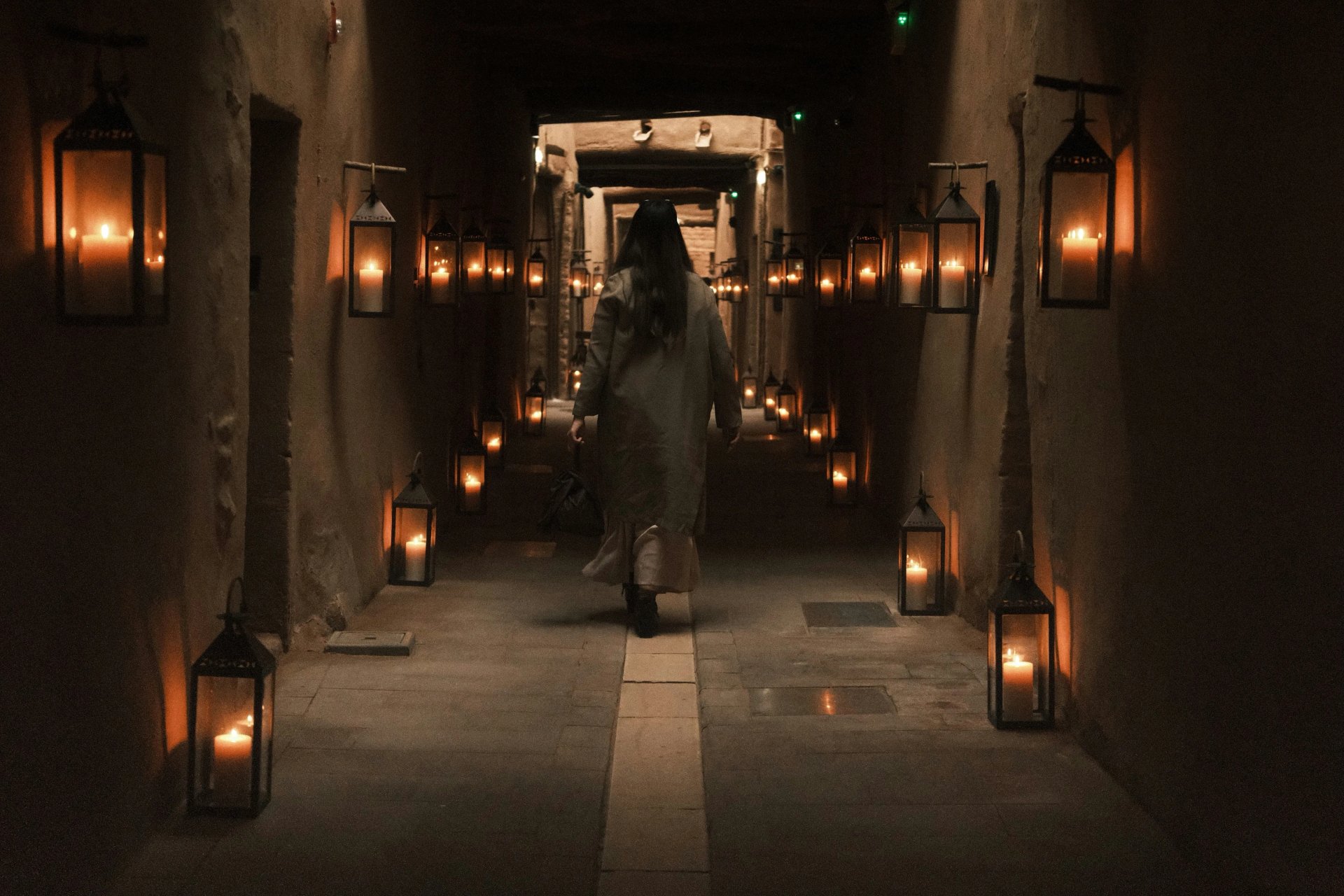
Outside the KSA, Dammam is chiefly known for being the place where the nation’s oil was first discovered, changing the country’s fortunes forever. But Saudis know Dammam, plus the other two key Eastern Province cities of Al Khobar and Dhahran, for being culturally liberal, full of coastal charm and packed with fun things to do.
Safe, welcoming and less expensive than Saudi’s other major cities, it’s definitely worth adding to your holiday itinerary. Find out everything you need to know before visiting, in this first-time guide to Dammam.
When should I go to Dammam?
There’s plenty to do in Dammam year-round, but to be able to make the most of its outdoor beauty spots – the parks, beaches and islands – as well as the indoor museums and cultural centres, it’s best to time your visit between November and March.
The weather during this period is mild and rarely tops 25-27°C during the day. These months are peak season, so accommodation is more expensive and the region is busier – travellers keen to cut costs or avoid crowds would do better to book later in the year. Generally, it’s best to avoid July and August when it’s very hot and muggy, and there are few events or entertainment options to make the challenging weather worthwhile.
Where should I stay in Dammam?
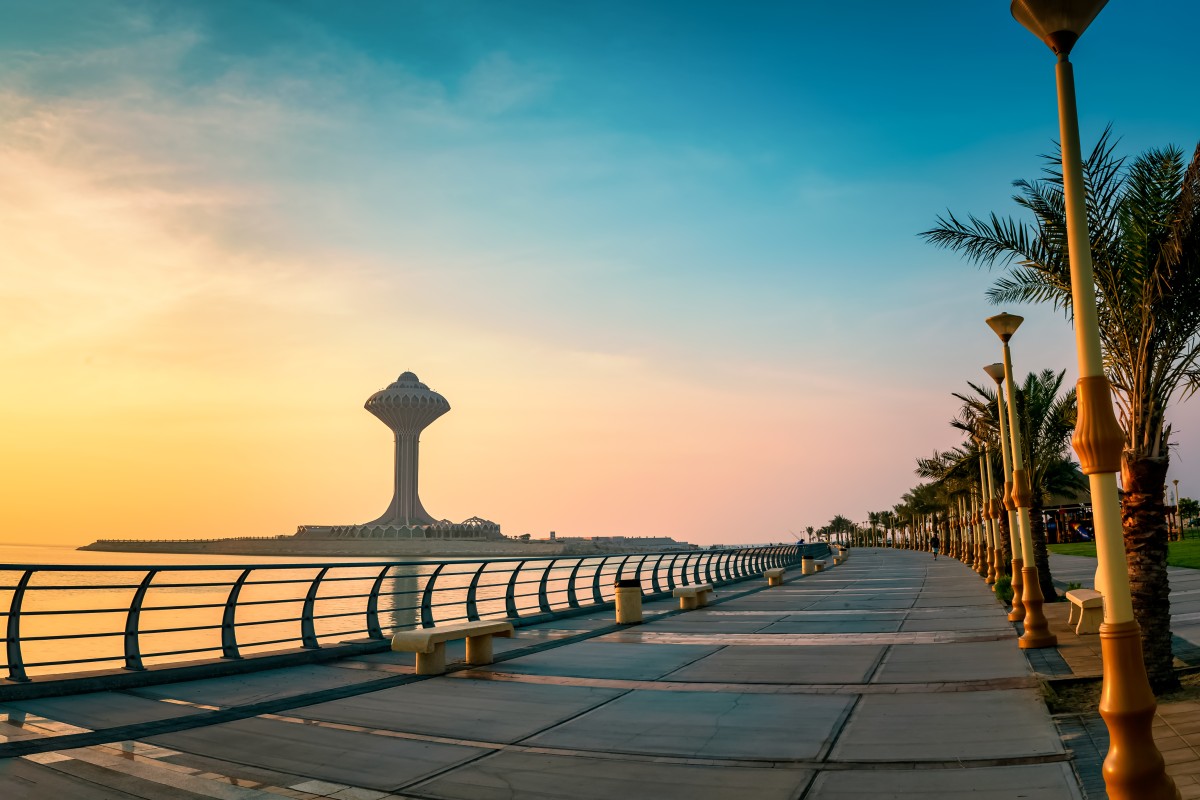
Most visitors to the city of Dammam choose the coastal area to stay in – with the beautiful seafront, top attractions and great restaurants nearby, it’s a no-brainer. There are clusters of hotels near the Dammam Corniche and in the Ash Shati Al Gharbi area.
The latter neighbourhood is a top pick for first-timers to the city, as it offers easy access to King Abdullah Park, Marjan Island and the Heritage Village. More walkable than other neighbourhoods, the open spaces and wide pathways give it a relaxed, serene feel.
Families looking for a livelier base often opt to stay further south, in Al Khobar. The Corniche here is buzzing with casual seaside cafes, gardens and play areas and there’s a string of luxury international chain hotels along the seafront.
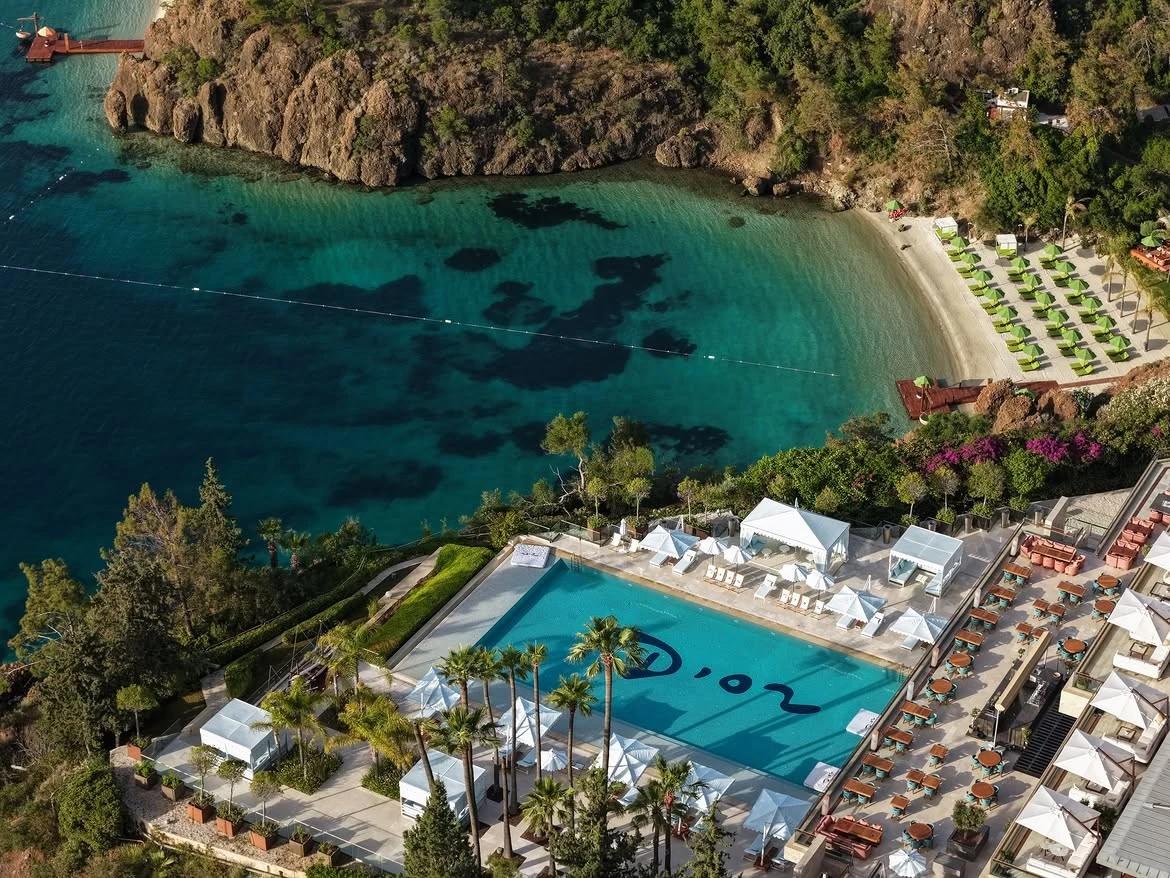
Finally, for those craving beach time, the best choice is nearby Half Moon Bay, the long, curved beach known for its clean white sands, excellent facilities and endless activities – watersports and horseback riding among them.
Is it easy to get to and around Dammam?
The easiest and quickest way to get around Dammam is by car, whether that’s hiring your own or taking a taxi. Even journeys between Dammam, Khobar and Dhahran are rarely more than 30-40 minutes long. Saudi’s two biggest ride-hailing apps, Uber and Careem, operate here, and numerous taxi companies can be hailed in the street or picked up at taxi ranks across town.
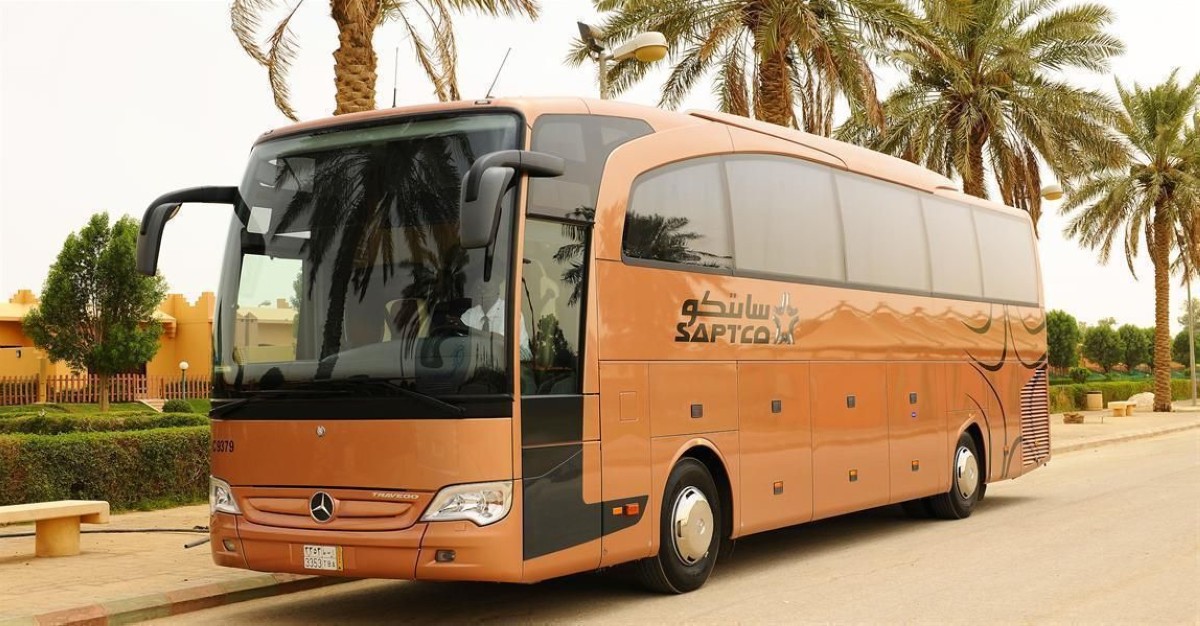
Public buses are run by SAPTCO, but tourists have complained that they’re tricky to use, especially if you’re new to the region – bus stops are not always clearly marked, plus payment is made via an app that requires a Saudi phone number.
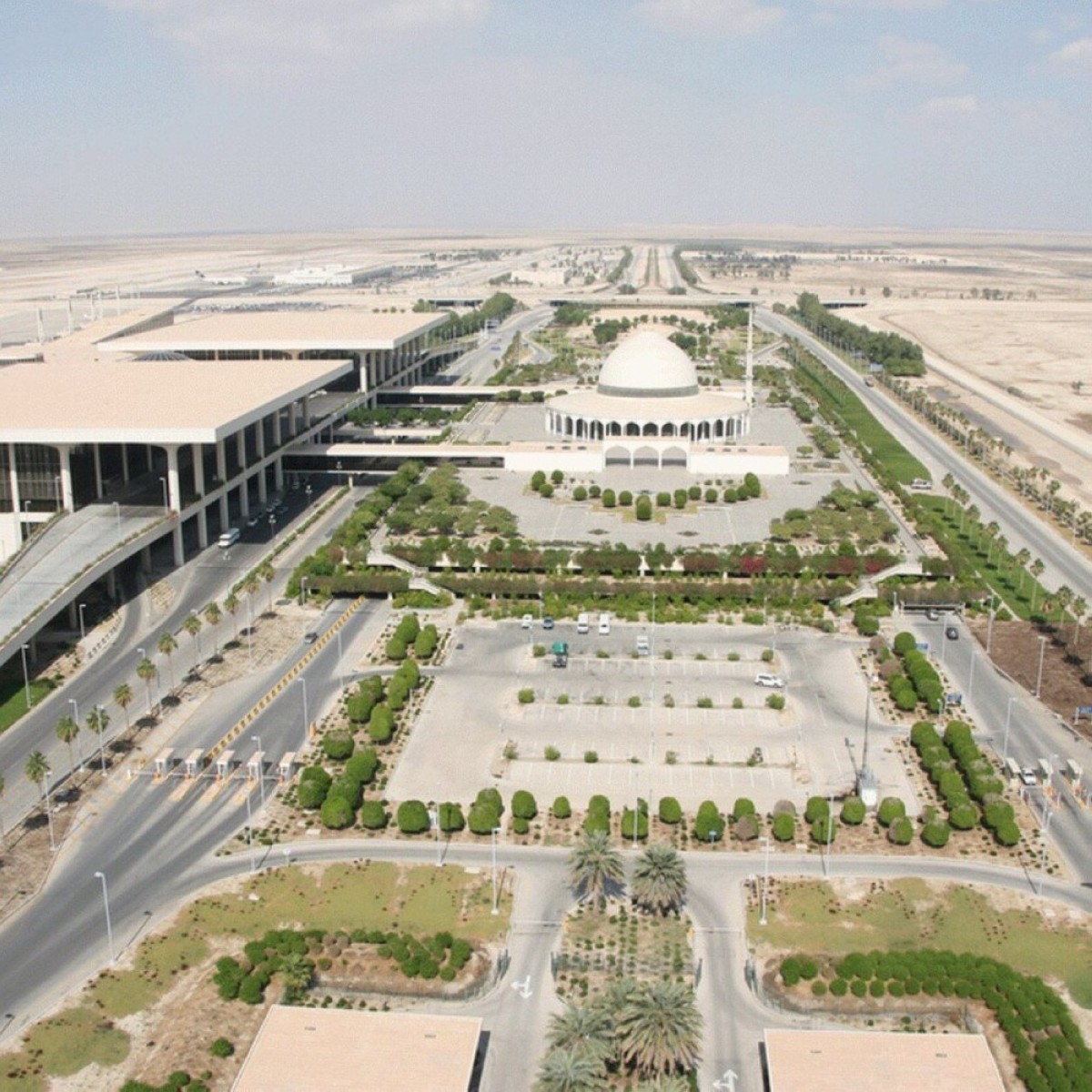
King Fahd International Airport is approximately 40 km northwest of Dammam city and is the largest airport in Saudi Arabia. Taxis are plentiful, and the ride downtown takes around 35 minutes and costs approx SAR 125, depending on your destination. There’s also a SAPTCO bus transfer from the airport to the city (final stop Marina Mall) that costs SAR21 but the journey is not direct and takes closer to 50 minutes.
Top things to do in Dammam
Half Moon Bay
The lovely, crescent-shaped beach just outside Dammam is one of the best places in the Eastern Province for a relaxed day out. White sands, calm shallows and plenty of things to do such as scuba diving, kite surfing, jet skiing and sailing make it a very popular destination beach, especially for families.
The King Abdulaziz Center for World Culture (Ithra)
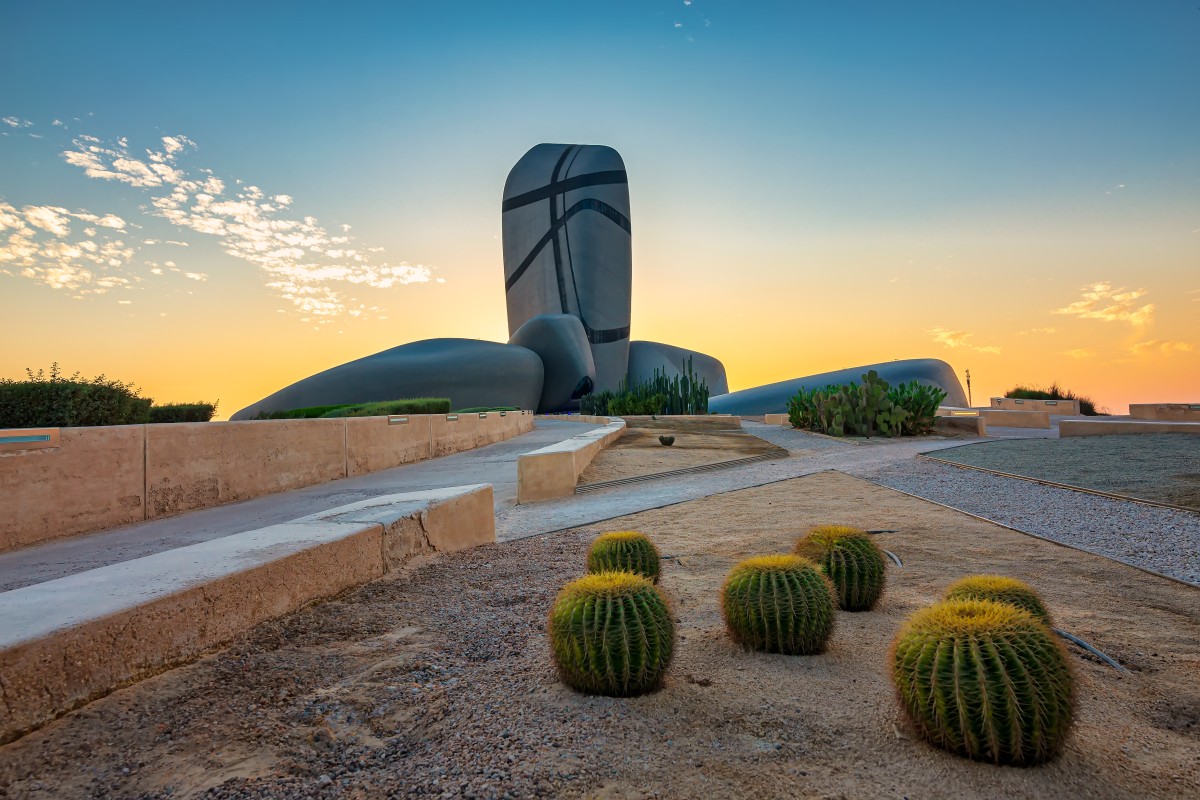
Ithra, also known as the King Abdulaziz Center for World Culture, is simply a must-visit, named by Time magazine as one of the world’s greatest places to visit. It’s architecturally stunning, with four colossal pebble-shaped buildings that house the cultural centre’s various zones. Inside are museums, a library, and venues where events and exhibitions are regularly hosted.
Dammam Corniche
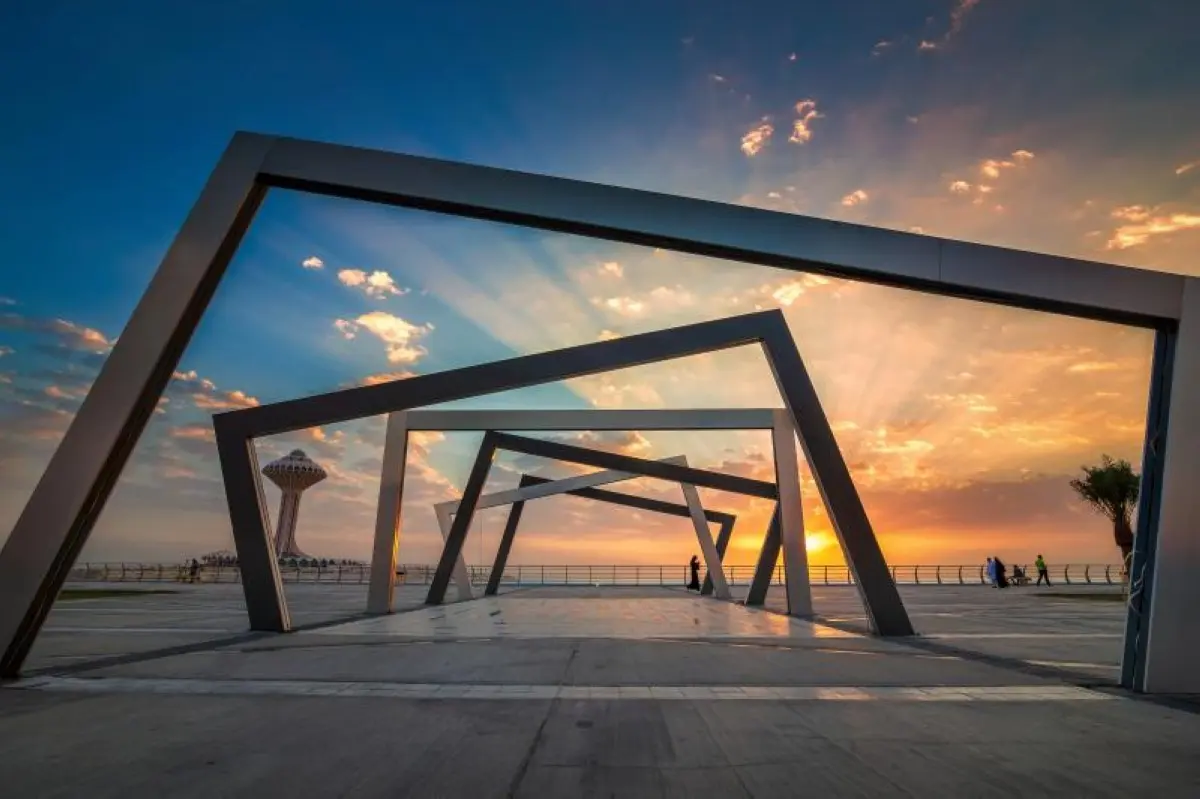
Picturesque and peaceful, the Dammam Corniche is the perfect place for an evening stroll. Soak up the Arabian Gulf views and a cool breeze if you’re lucky, grab an ice cream or snack from one of the local food stalls, or pack a picnic to enjoy in the waterfront parks.
How much money will I need for Dammam?

Since Dammam’s infamous oil reserves mean it’s one of the ‘richest’ places in the world, you might imagine prices here to be astronomical – fortunately, that’s not the case at all. There are plenty of mid-range hotels in great locations around the SAR 400-per-night mark.
Cultural attractions usually have a small fee (entrance to Ithra’s museum costs SAR 35 though the centre itself is free to enter), while amusement parks tend to be a little more expensive (general admission to Loopagoon’s women-only waterpark is SAR 175). And of course, most of the outdoor destinations, such as parks, beaches and seaside walkways are free.
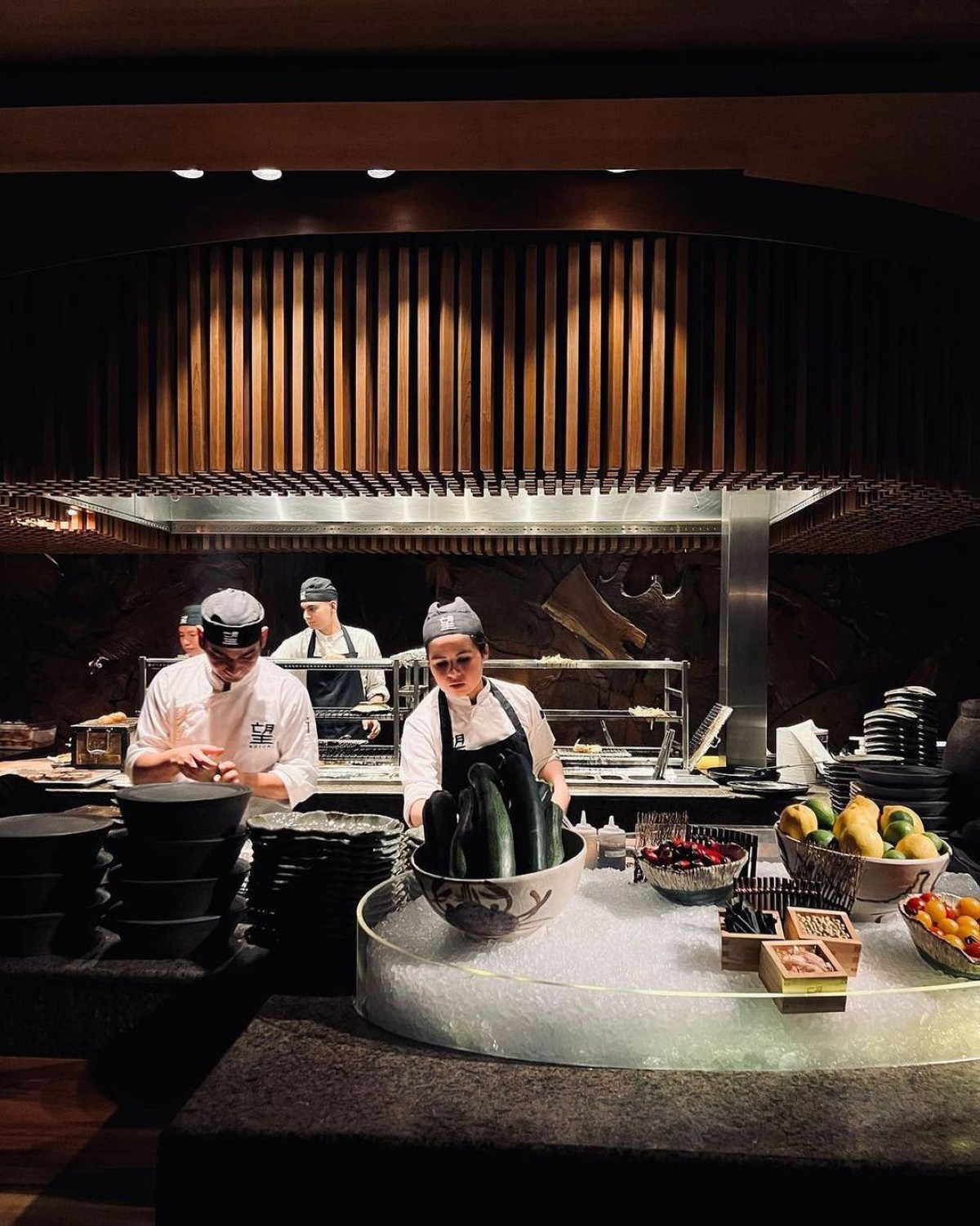
As for eating out, that’s where you can really choose to splurge or save. The kind of low-cost places you’ll find across Saudi – shawarma stalls, casual cafes and fast food joints – are plentiful in all the liveliest areas. And at the opposite end of the price scale, you’ll find fine-dining restaurants galore in the top hotels and more upmarket malls – the bill for a meal at the highly-rated Nozomi, for example, could easily reach upwards of SAR 1000.
Frequently asked questions about Dammam
Is Dammam safe?
In comparison to other major cities, the crime rate in Dammam is low. Foreigners are rarely targeted and many public areas are lively and well-lit after dark. While the usual precautions are worthwhile taking (for example being vigilant about pickpockets in crowded areas) visitors can generally feel at ease about their personal safety.
What should tourists wear?
In terms of dress code, the usual Saudi guidelines apply to this region, with both men and women expected to wear loose, opaque clothing that reaches past the elbows and knees. Women don’t have to cover their heads or wear an abaya, but both might be needed when visiting religious sites. Only wear swimsuits or bikinis at private beaches or pools if it’s clearly signposted as permitted. Many women carry a cover-up when out and about, which is also handy when moving from the hot outdoors into chilly air-conditioned spaces.