
Wondering what to wear, what to eat, how long to stay or what the etiquette is in Jeddah? Jeddahwis are very accommodating of visitors – immigrants, pilgrims and business travellers have been coming here for years, and locals are kind about foreigners not getting everything right first time.
Cultural faux pas won’t be the end of the world as long as tourists show respect and a willingness to respect local customs and rules. We’ve got answers to all these questions and more, in our guide to the most important things to know about visiting Jeddah.
1. Don’t drink alcohol during your trip
There are no (legal) opportunities for tourists to drink alcohol in Jeddah, including in hotels and private property. The most respectful and authentic way to experience Jeddah is without alcohol, and there’s a great nightlife culture that doesn’t revolve around drinking. Enjoy the late-night specialty coffees and artisan mocktails the city is famous for instead.
2. Do immerse yourself in Jeddah’s unique food culture
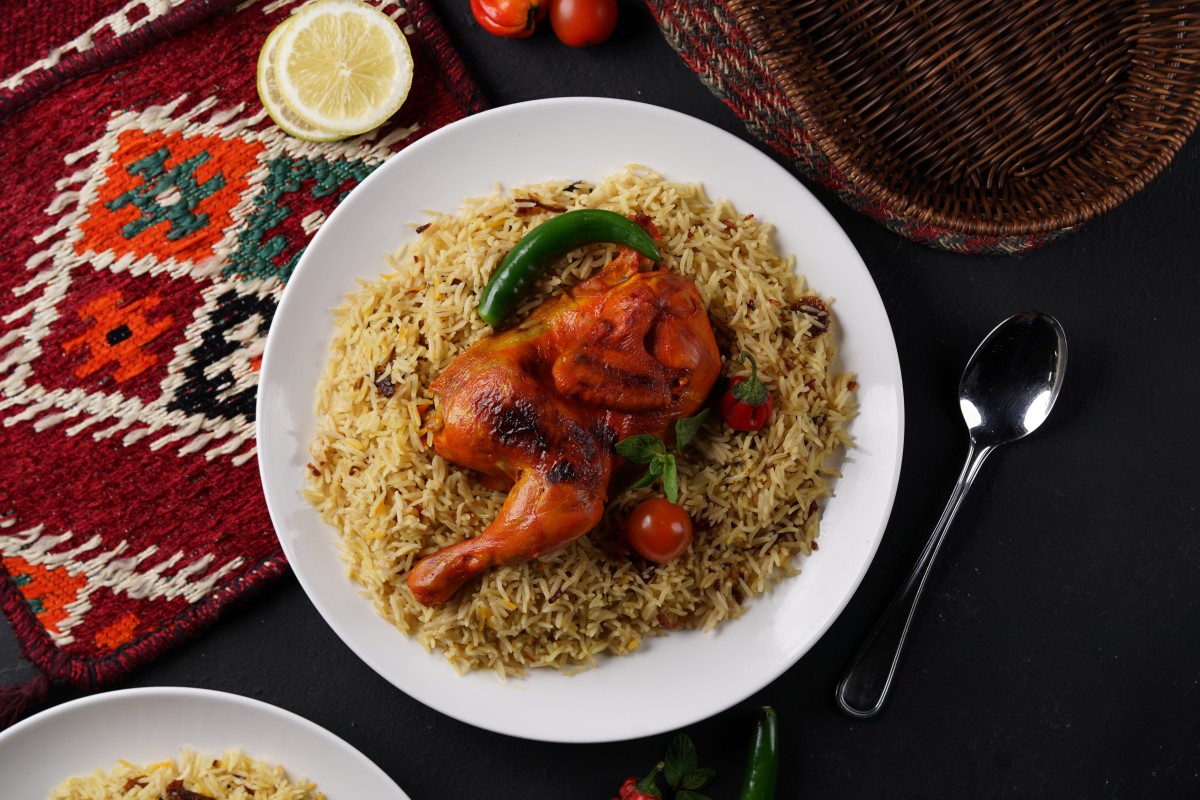
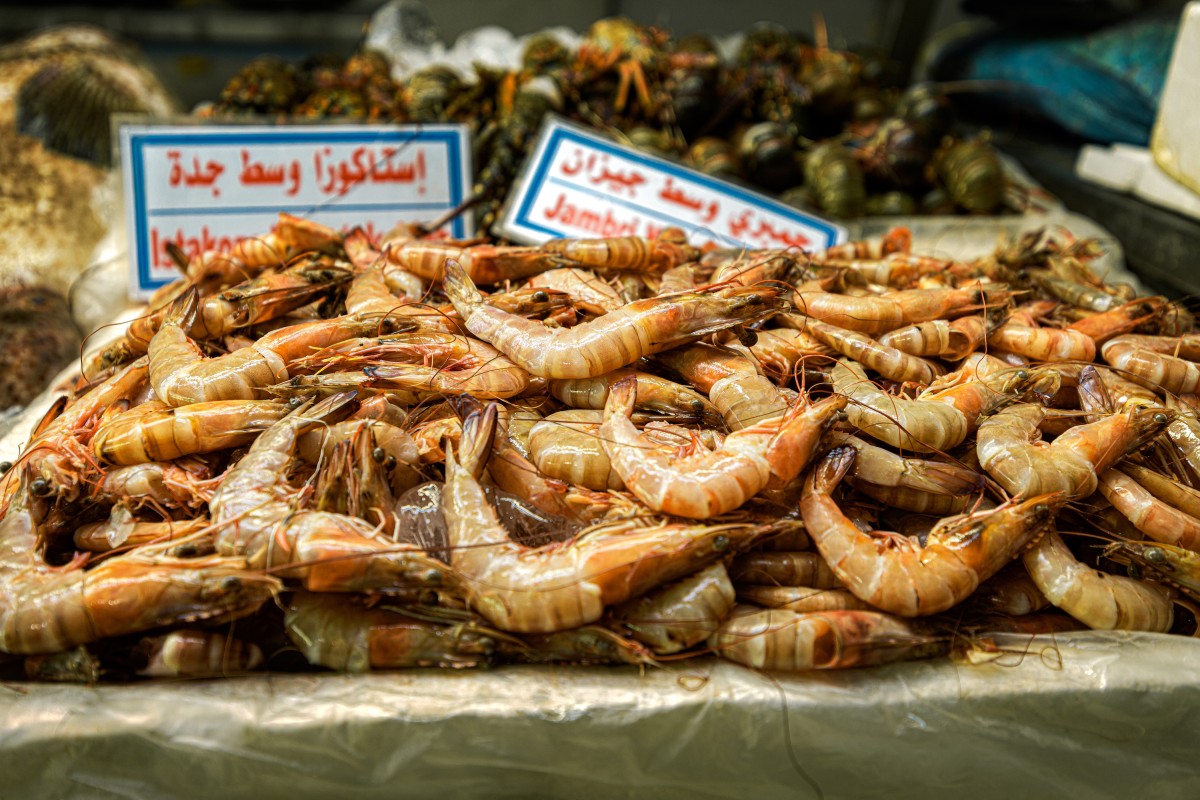
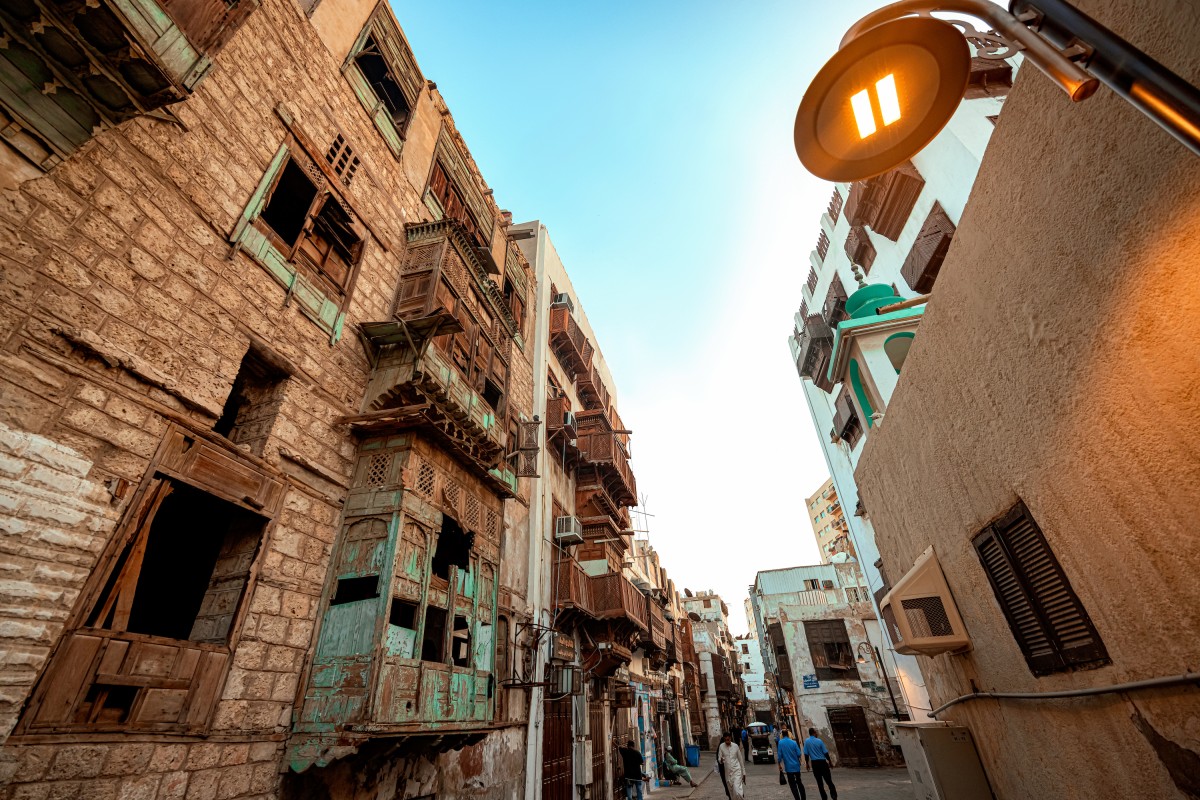
Jeddah is becoming known as a foodie destination due to its incredible local flavours and fresh seafood. Whatever else you do, make the most of these. Head to Al Balad to try Saudi’s national dish, kabsa (meat and rice), shawarma, ful medames, falafel and hummus. And for possibly the freshest seafood you’ll ever taste, visit the Central Fish Market, where you can pick what you want to eat from the morning’s catches, then have it cooked right there and then in the market’s on-site restaurant.
3. Learn the polite way to greet people in Jeddah
It’s polite in Jeddah (and throughout Saudi Arabia) to say ‘Assalam 'alaikum’ (May peace be upon you) as a greeting, and the standard reply is ‘Wa 'alaikum assalam’ (Peace be upon you too). Handshakes are common between members of the same sex. As a man, it’s best not to initiate a handshake with a woman in case she’s not comfortable with the physical contact, but it’s fine to reciprocate if she reaches a hand out first. A very warm, respectful gesture that anyone can make is to hold a hand over your heart as a greeting.
4. Book enough time to pack in Jeddah’s top things to do
Traditionally, many visitors have used Jeddah as a place to pass through – pilgrims en route to Mecca or Medina, or travellers heading onwards to AlUla or northwards along the Red Sea coast. While that’s still the case, Jeddah’s attractions make it worth at least two or three days to explore the city itself and five or more if you’re using it as a base for day trips (the roses of Taif and the beaches of King Abdullah Economic City are both less than two hours drive away) or diving excursions.
5. Stay up late to enjoy the city even when it’s scorching
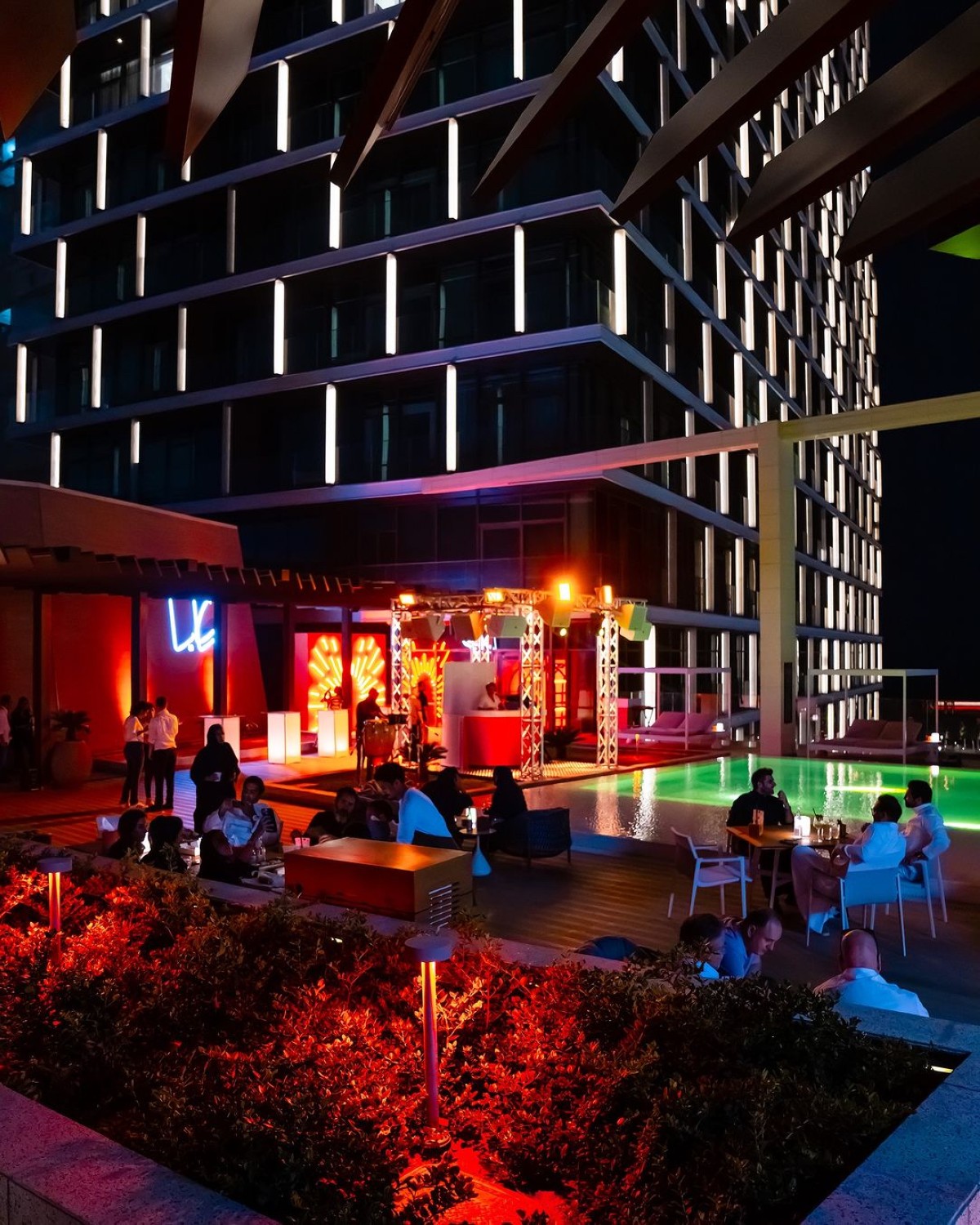
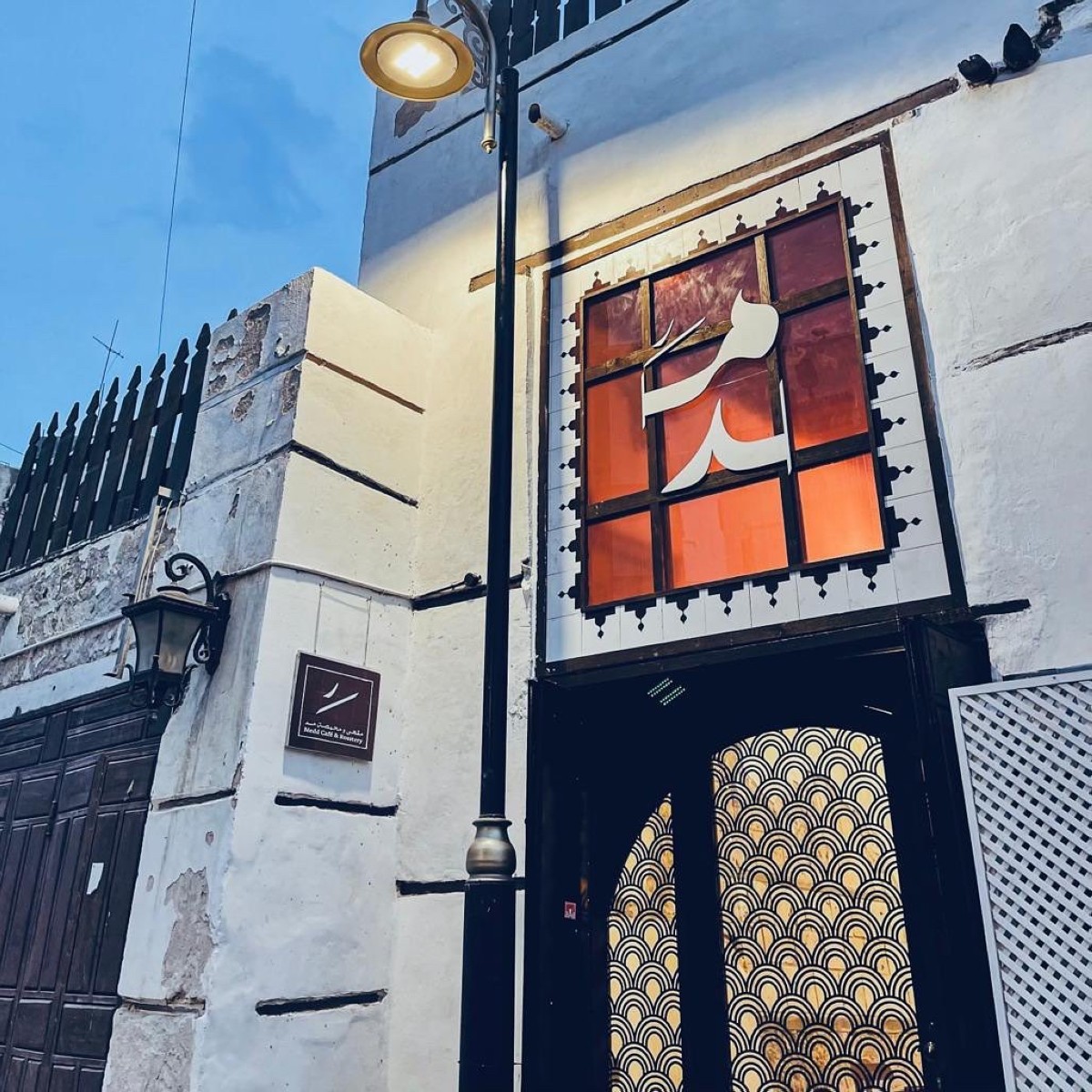
Jeddah does get incredibly hot in the summer months, with the mercury often rising above 40°C in July. Fortunately, the city is set up to deal with the climate, and there are lots of heat-beating tricks if you’re travelling at this time. Late-night activities are common, including family-friendly things to do, so you can snooze during the hottest part of the day and enjoy being out and about in the cooler evenings.
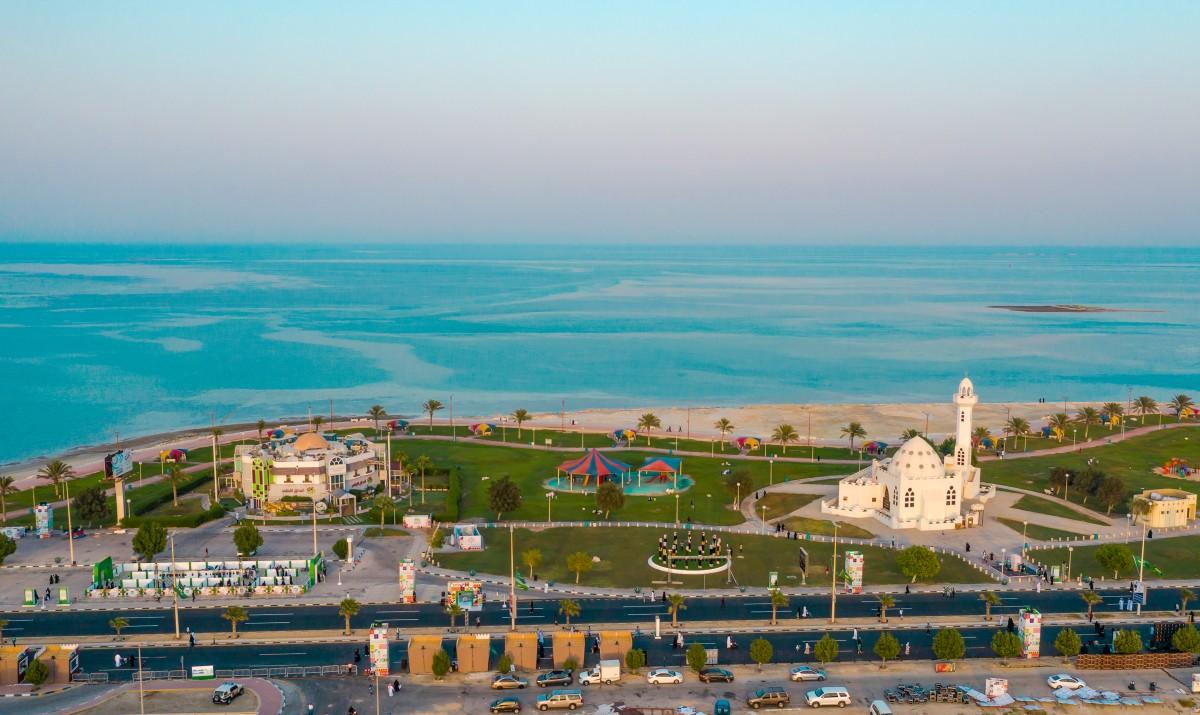
The Red Sea Mall with its children’s play area, Al Shallal theme park, most restaurants and other venues are often open past midnight, while the breezy Jeddah Corniche, with its walkways and playgrounds, is busy and well-lit until late.
6. Respect local etiquette regarding public displays of affection
Solo women travel freely across Saudi Arabia, including Jeddah, and it’s also fine for unmarried couples to travel together and share hotel rooms. Avoid OTT public displays of affection during your trip, however – kissing and cuddling are frowned upon even if you’re married and it’s important to be respectful of local culture.
7. Get your travel documents in order before you go, and check for any restrictions
Jeddah’s visa requirements are the same as for Saudi Arabia as a whole, and getting the right one is an easy process for the citizens of most countries. European Union member states and travellers from many other nations can get an e-visa online. It costs SAR395, allows for stays of up to 90 days, and is processed instantly. Visa on arrival is also available for the same set of countries.
Your passport must be valid for at least six months from the date of entry into the Kingdom. The only restriction to note specifically for Jeddah is that in recent years Saudi authorities have stopped visitors who are not performing Hajj from flying to Jeddah during this time. You may need to show a Hajj visa to fly to Jeddah then – check with your airline before you depart.
8. Travel between November to March (and avoid Ramadan) for the best outdoor experiences
The coolest time to visit Jeddah is from November to March when humidity is low and the temperature is a comfortable 18-29°C. For anyone planning to pack their visit with day trips, outdoor activities, excursions and beach time, these are definitely the months to pick.
The holy month of Ramadan falls in March in 2025, which is usually peak season in Jeddah – however, if you’re not a practicing Muslim, this can be a tricky month to travel in because sunrise to sunset fasting is strictly observed. Even as a non-Muslim, you’ll need to avoid eating, drinking and smoking in public areas during the day, and restaurants won’t be open until evening.
9. Pack a scarf, even if you don’t typically wear one
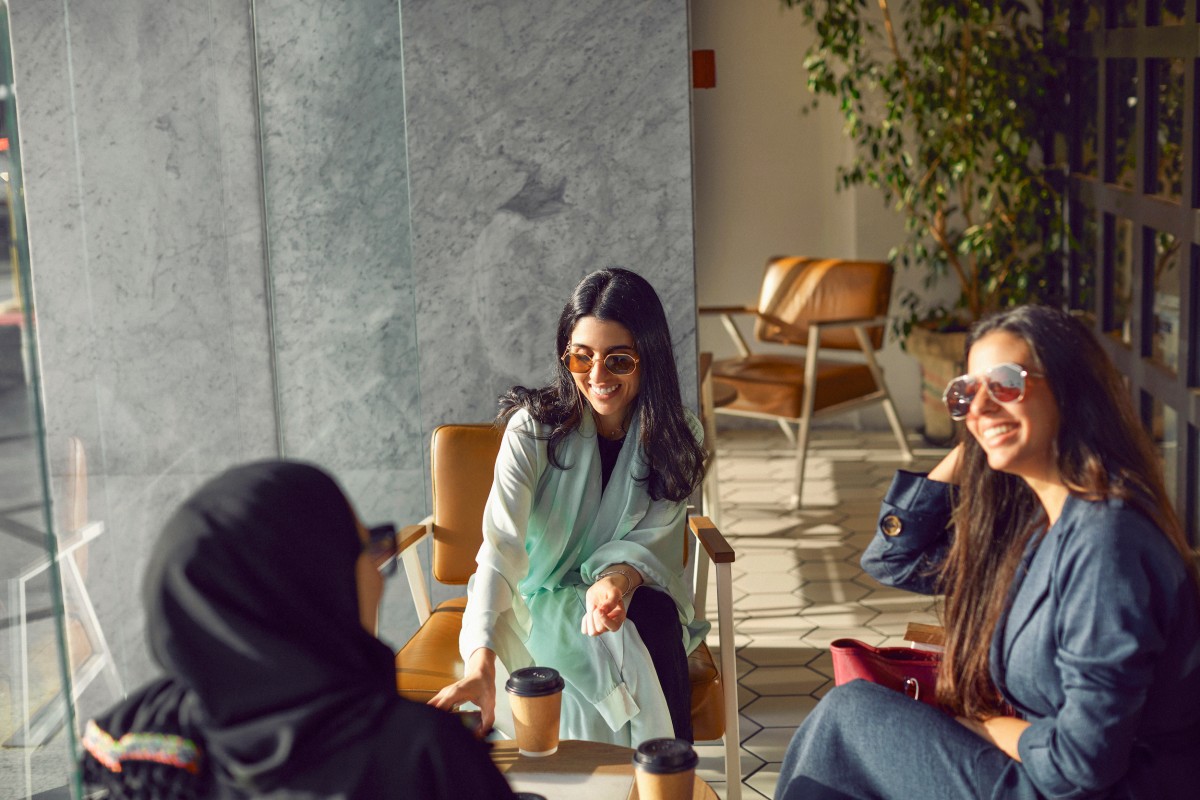
Pack loose-fitting clothing and anything that doesn’t show a lot of skin – clothes should pass the elbows and knees at least. Women are not required to wear an abaya or a headscarf (although some mosques or other religious sites might request it). Both sexes should dress appropriately – avoid clothing that looks like nightwear and don’t wear any visible religious imagery that isn’t Islamic.
Remember also that in the hottest months, you’ll likely be spending a lot of time in air-conditioned buildings which can be quite chilly – carrying a scarf means you’re prepared if you unexpectedly need to warm up or cover up.