



When choosing when to visit Qatar there is an awful lot to consider. Firstly, the heat. By July, the temperature is already well above 40C and during the height of summer it can hit 50C. Luckily, Qatar is built to handle the heat and there are lots of fun things to do indoors, but it’s naturally not an ideal time for outdoor adventures.
But it isn’t just about the weather. Qatar’s coastline is resplendent with wildlife, and for animal lovers and bird-watchers, migratory patterns and turtle-hatching season are something to consider. Events are also seasonal, and usually – though not always – take place in the cooler winter months. Then there are Qatar’s museums, which regularly host temporary exhibits that might be worth timing a trip around. This is everything you need to know about choosing the best time to visit Qatar.
What are the best months to visit Qatar?
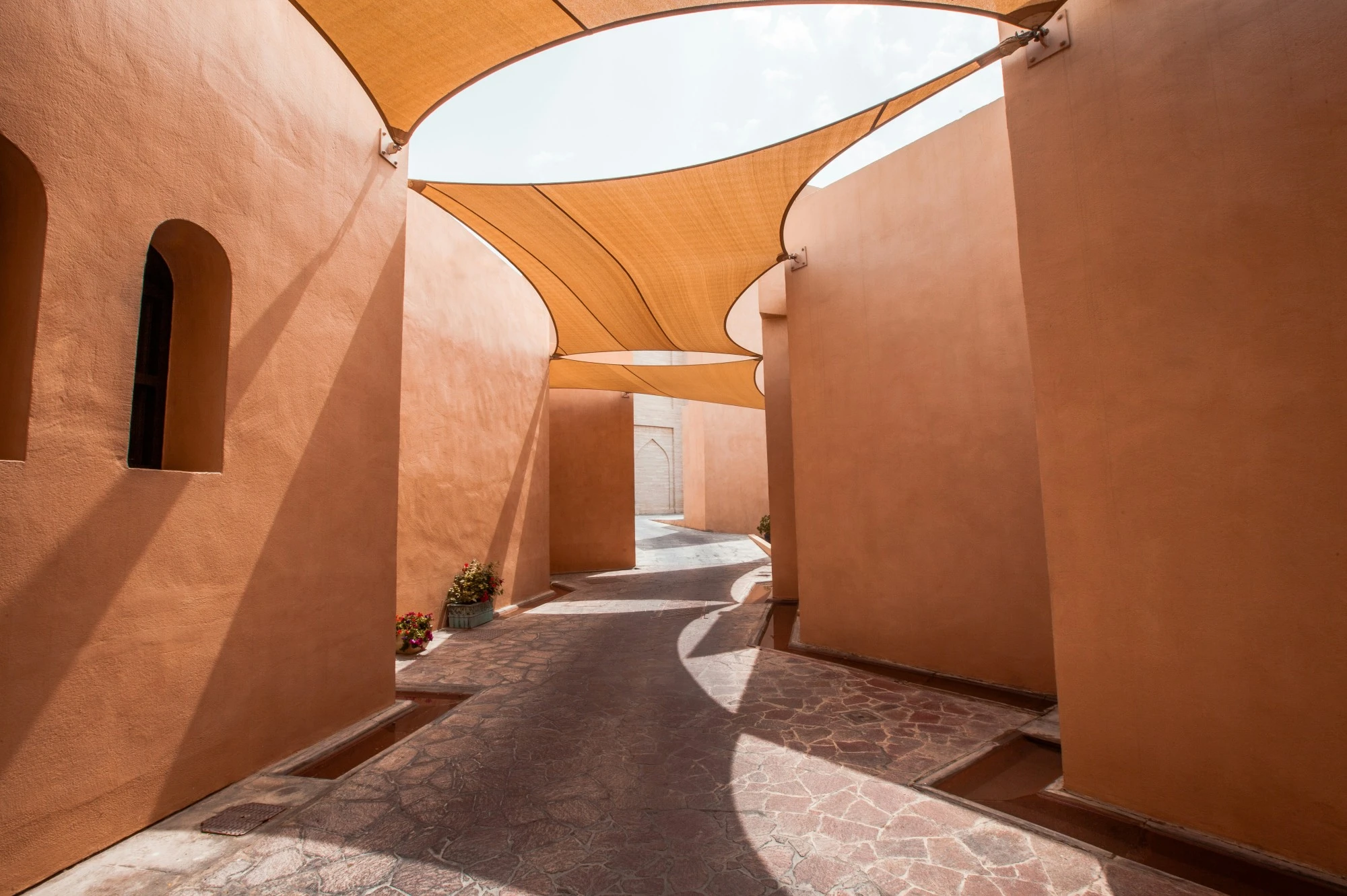
Like elsewhere in the Arabian Gulf, peak season is from November to March when daytime temperatures hover between 15–25 °C, making it perfect for outdoor exploration, cultural tours, and beach days, and ideal conditions for first-time travellers to the region.
As the most popular months to visit, November to March is also when the bulk of Qatar’s events are held, sporting or otherwise, and the prices of hotels and flights rise accordingly. This is especially true around Christmas and New Year, when Doha is not only popular with families fleeing the grim European winter, but connecting flights bring in a surge in transit passengers.
If you want to avoid the crowds – and save a bit of money – it might be worth timing your holiday for the Qatari spring (February to April), when plants are blooming and the mercury rises into the early 30s. If you like the heat, late September and May are also good times to visit.
When is the cheapest time to visit Qatar?
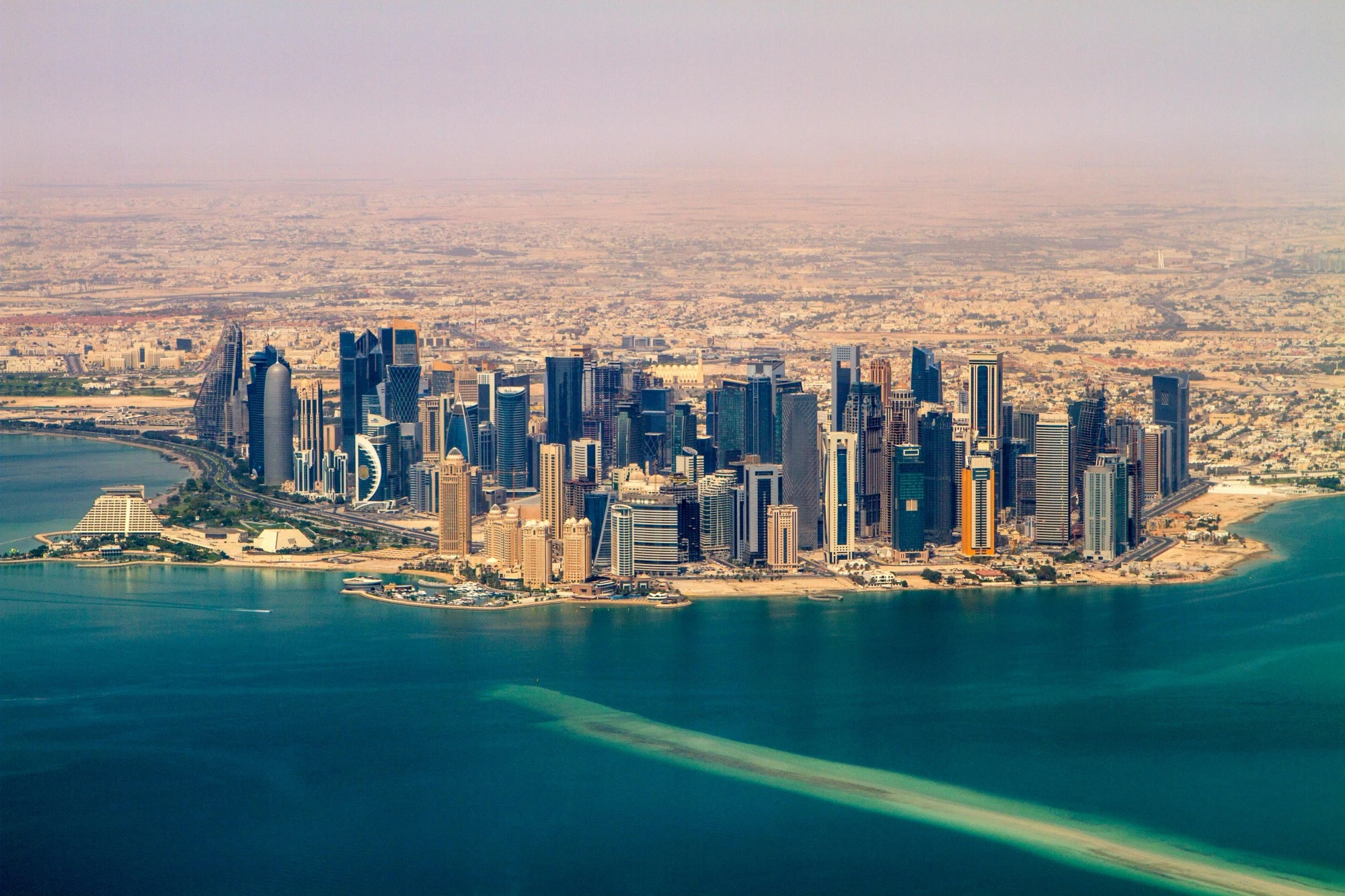
The off-season months – June to August – see dramatically lower airfares and hotel rates, as expatriates and Qataris that can afford it head for milder climes. That means that restaurants where you may have struggled to get a table will be hustling you through the doors, and hotels that may have been beyond reach in December seem suddenly well within your budget.
While outdoor activities are limited, there are numerous cultural activities – including world class museums and malls – to keep you busy (and cool). And while the sea temperature is such that a dip in the ocean is akin to wading through a warm bath, Qatar’s luxury hotels keep their pools ice cold.
How hot does it get in Qatar?
It regularly tops 45C, and occasionally reaches 48C, with heat waves coming in thick and fast in July and August. This means that trips to the west coast or Khor Al Adaid are not feasible, and even a walk along the corniche at sunset can leave you drained.
How cold does it get in Qatar?
Surprisingly cold. At night in January and February it can dip to 15C, so be sure to pack layers, especially if camping or desert-touring. The temperature in the day rarely drops below 20–25C and it’s usually clear and bright, failing the very occasional sandstorm.
When is the best time to go for events?
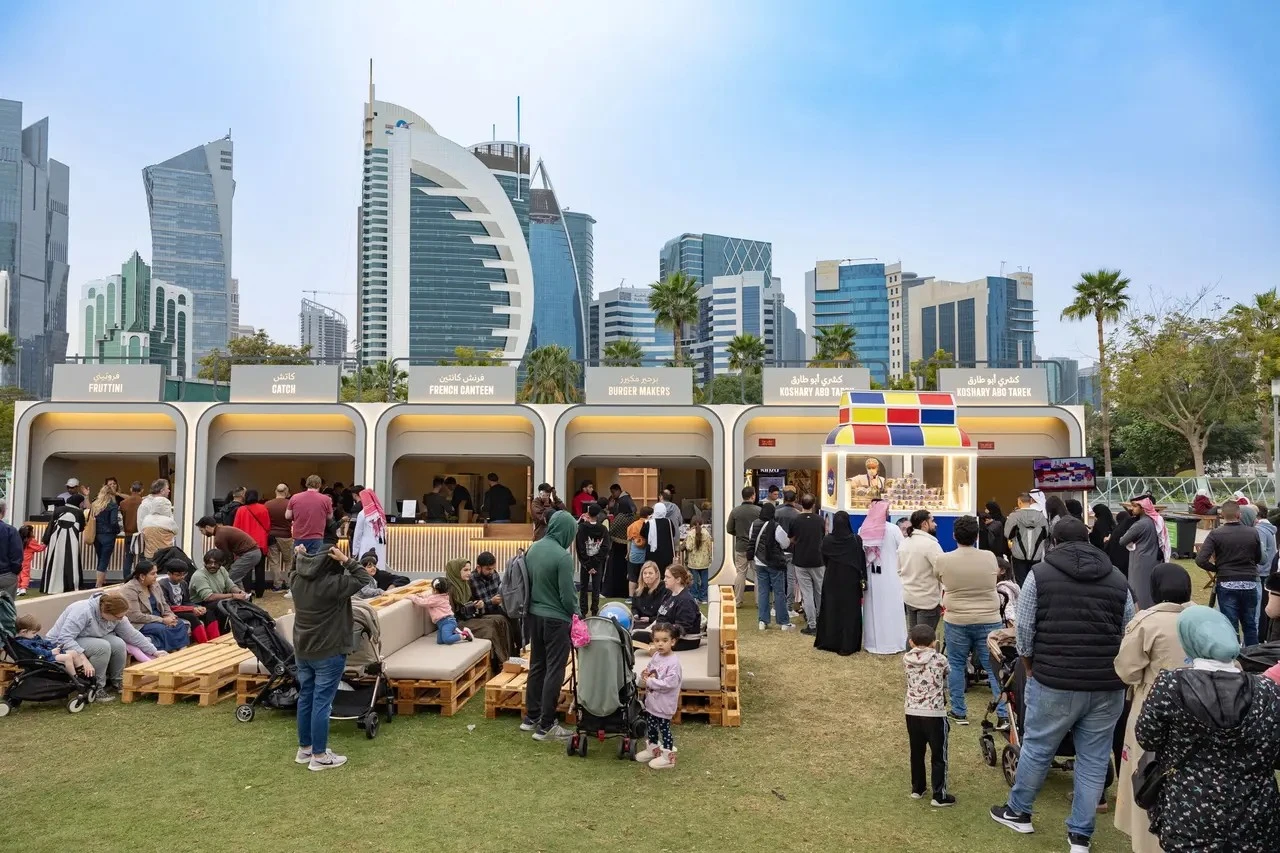
Regular fixtures in the calendar include the Qatar International Food Festival in February, a wonderful time to browse through the souqs by day, sampling karak and other Arabian Gulf delicacies and stocking up on spices, and then hit some of Doha’s best restaurants by night. If you prefer malls to souqs, Qatar’s shopping festival (December to February) brings deals, events, and an undeniably festive vibe to the country’s malls and shopping centres.
For sports, the Qatar Airways Formula 1 Grand Prix takes place in November, and Qatar will host the MotoGP Grand Prix in April 2026. There will also be a number of ATP & WTA Tennis events in 2026.
For cultural events, be sure to check the websites of both the Museum of Islamic Art and the Qatar National Museum for talks, movie screenings and temporary exhibits.
When is the best time to go for outdoor adventures?
On Qatar’s west coast, ostriches, Arabian oryx and gazelles roam freely, and the mangrove forests that dot the coast are home to flocks of flamingos, herons and other water birds.
June to September is the best time to see whale sharks – which can be viewed by boat on a private tour – and turtle nesting season is April to July, during which time some of the northern beaches are closed.
Should I go to Qatar in Ramadan?
For Muslim and non-Muslim travellers alike, Ramadan can be an exciting and atmospheric time to visit the Middle East. After evening prayers, the streets come alive and an Iftar (the meal that Muslims use to break their fast) is a wonderful experience if you can get an invite.
But eating and drinking during daylight hours, inside or outside, is forbidden and the rules are strictly enforced (not to mention how culturally insensitive it would be to flaunt them). Hotels may offer screened-off areas for non-Muslims to eat and drink, but restaurants and cafes are closed in daylight hours and – especially when Ramadan falls during the hotter months – being unable to even have a sip of water on the beach or by the pool can be a challenge.
Eid, on the other hand, at the end of Ramadan, is an amazing time to be in Doha or any Middle Eastern city, although hotel room rates will be a lot higher.