

Saudi Arabia’s Ministry of Tourism has introduced a new rule requiring all tourist accommodation providers to offer guests a minimum of 20 hours between check-in and check-out. The move, which is in line with international hospitality benchmarks, aims to improve guest satisfaction, ensure service consistency, and support the Kingdom’s growing tourism ambitions.
Under the policy, hotels and other hospitality facilities can set their own check-in and check-out times based on location and clientele. However, they must guarantee that the gap between these times is at least 20 hours. The schedule must also be clearly stated in booking documents to avoid confusion.

Importantly, late arrivals will not extend a guest’s stay. For example, checking in at 10:00 p.m. still means a check-out of 12:00 p.m. the following day, with no adjustments made. The Ministry says this ensures rooms are properly prepared for incoming guests, maintaining high cleanliness and service standards.
The rule also reinforces guests’ rights to receive the exact room type, amenities, and services advertised on booking platforms. Travelers are encouraged to review policies before booking, and any complaints can be directed to the Unified Tourism Center at 930.
The 20-hour minimum stay policy is part of Saudi Arabia’s wider tourism strategy under Vision 2030, which seeks to diversify the economy and attract more international visitors. Alongside megaprojects such as NEOM and the Red Sea Project, the policy is intended to enhance the overall visitor experience and strengthen the Kingdom’s reputation for quality hospitality.
Investing in tourism
The 20-hour minimum stay policy is just one element of Saudi Arabia’s wider tourism strategy under Vision 2030, which puts the sector at the forefront of efforts to diversify the economy and reshape the Kingdom’s global image. The plan involves significant investment in infrastructure, destination development, and cultural programming, along with a year-round calendar of high-profile international events, from Formula 1 races to art biennales and music festivals.
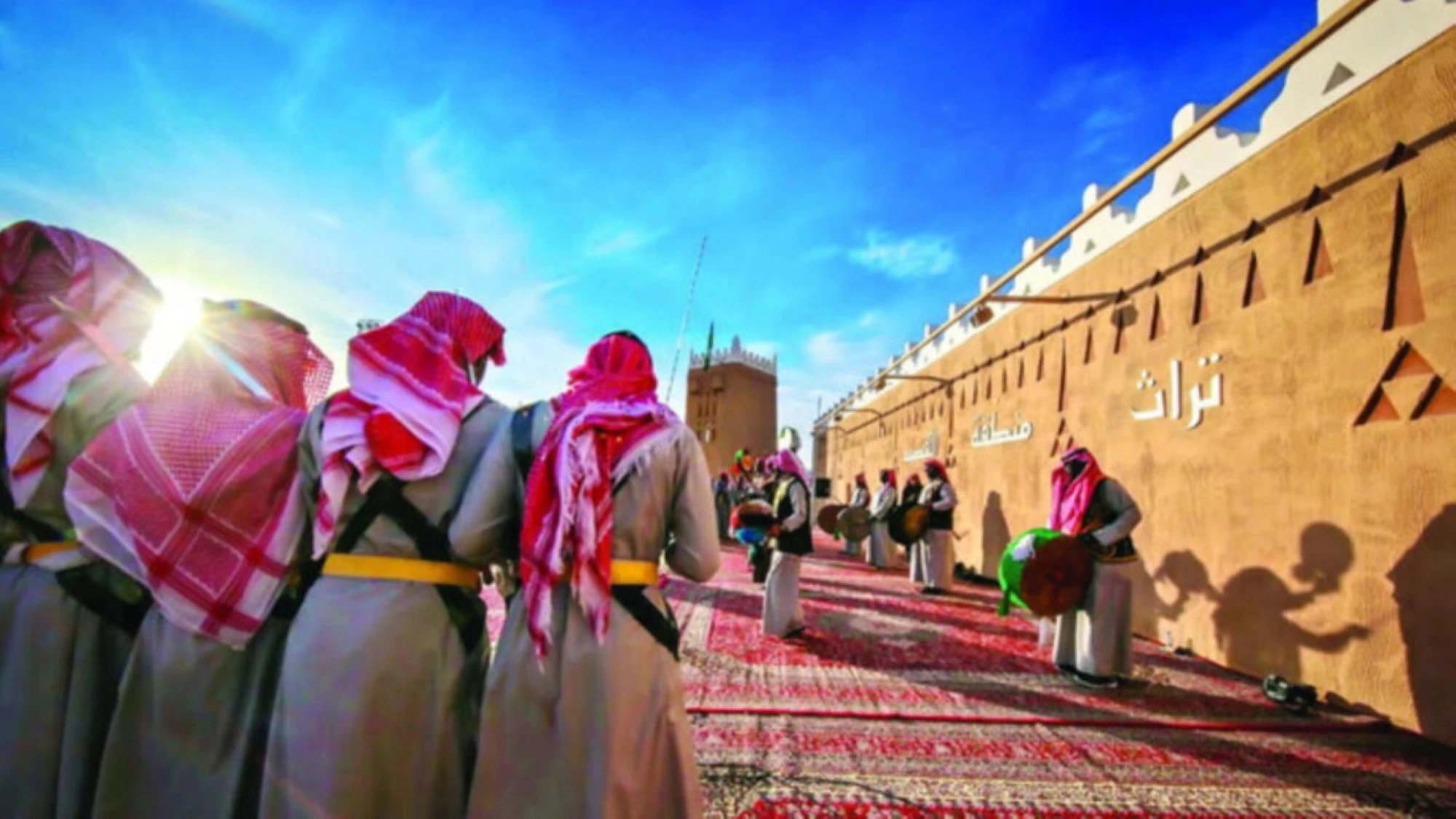
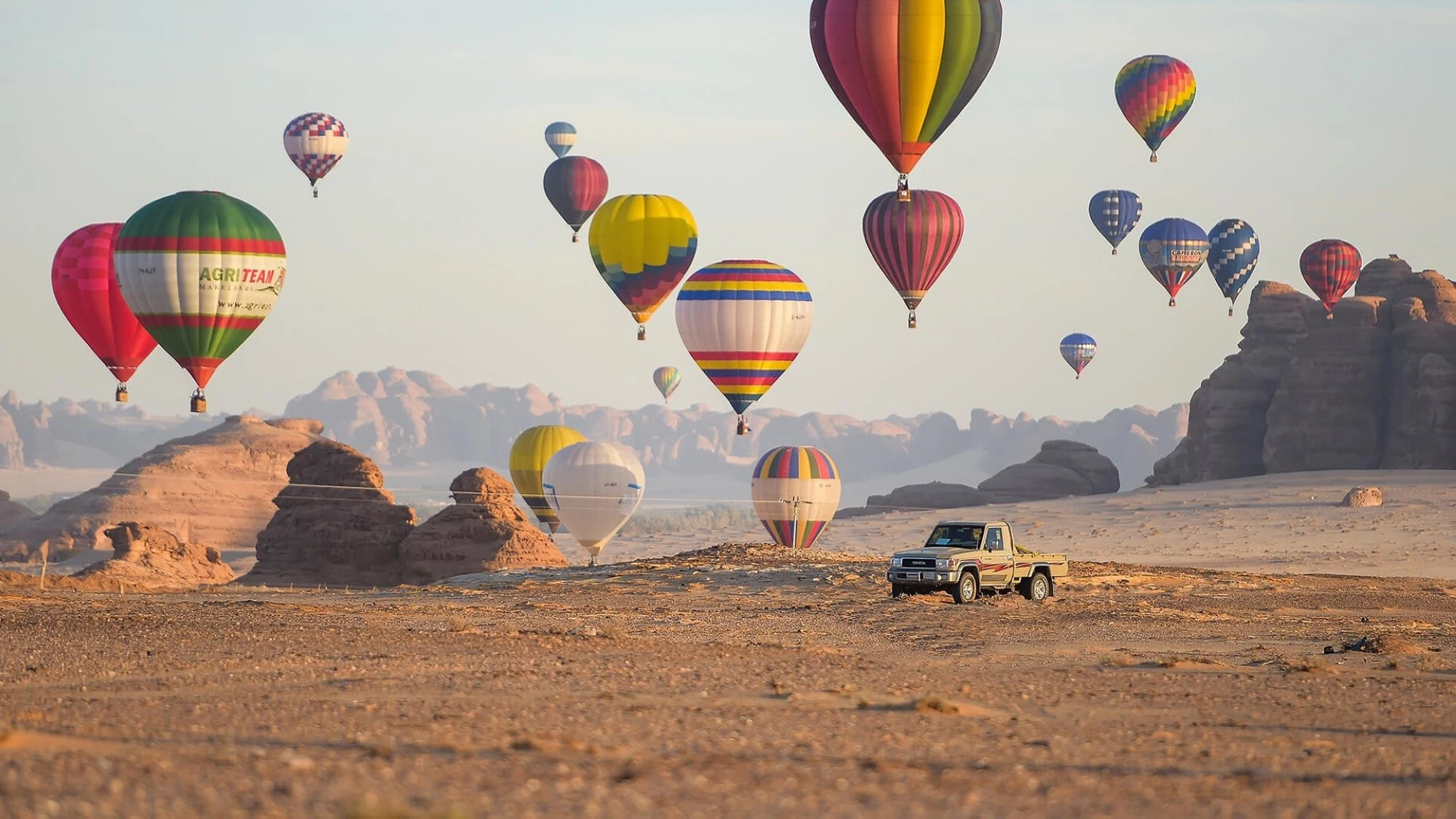
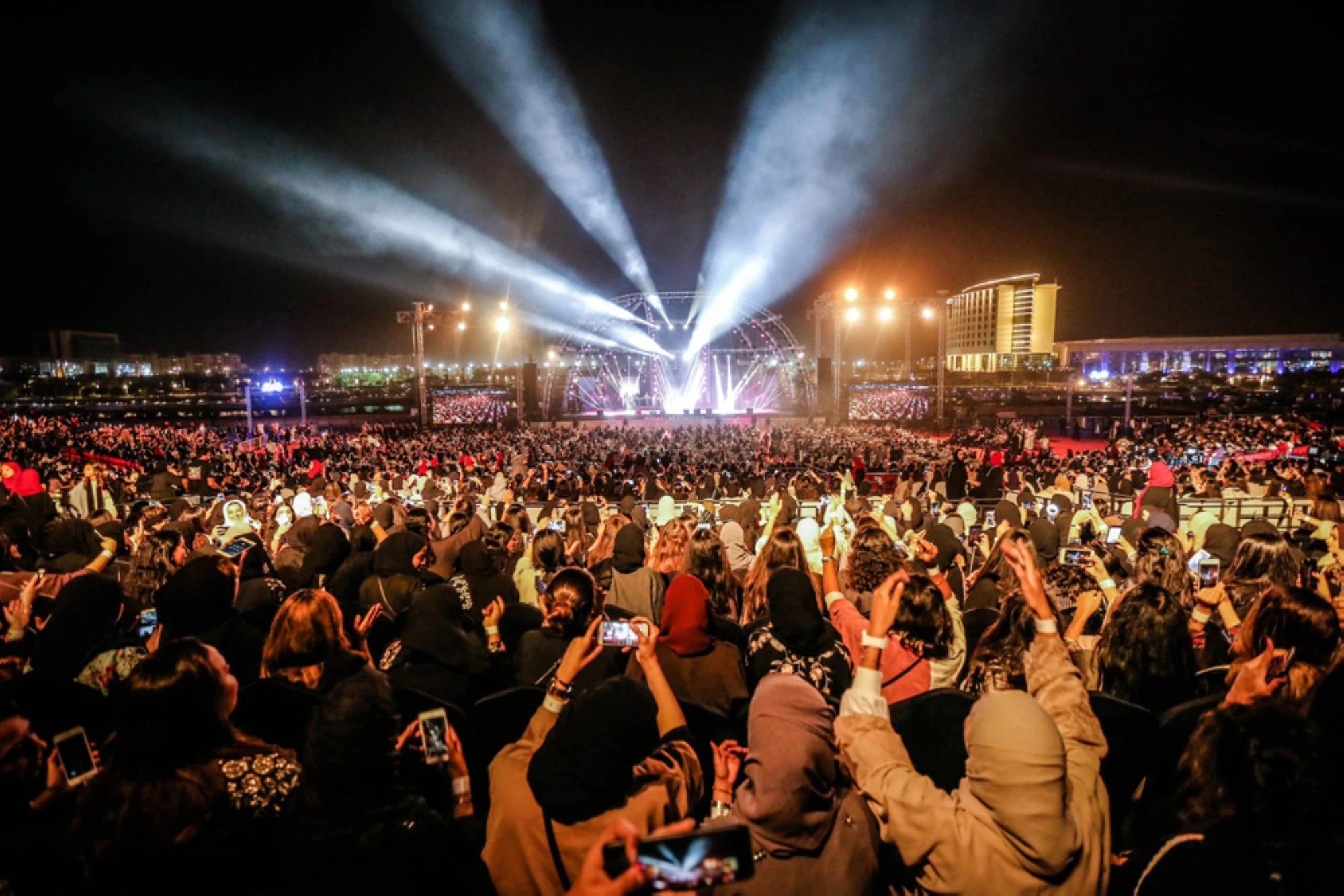
“By 2030, the tourism sector will be, next to oil, the highest contributor to our economy,” Tourism Minister Ahmed Al-Khateeb said in May 2025. Cities such as Riyadh and Jeddah are setting the pace, blending modern luxury with rich heritage. Attractions like the UNESCO-listed At-Turaif, the thrill-packed Atallah Happy Land, and upcoming giga-projects along the Red Sea coast are drawing international attention.
The results are already visible. Saudi Arabia topped all G20 nations for international tourist growth in the first seven months of 2024, signalling the success of its long-term planning and ability to attract a new wave of global travellers. By 2030, the Kingdom aims to welcome 50 million international visitors annually and double tourism’s share of GDP from 5 percent to 10 percent. The sector’s workforce has also expanded rapidly, rising from 2 percent to 7 percent of the population in under a decade, with a strong push to involve Saudi youth in the industry’s growth.