
The sound arrives before the light.
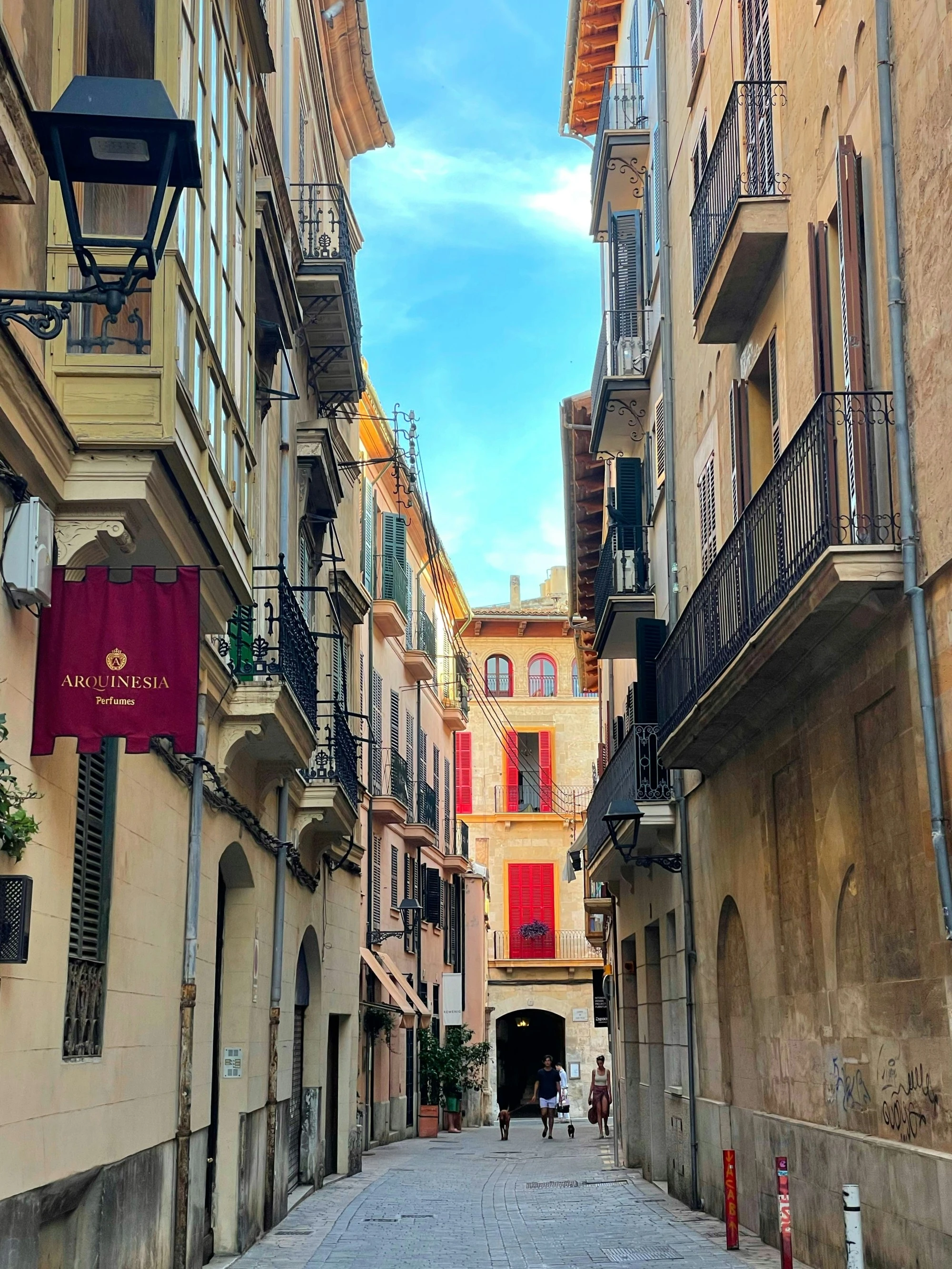
In the calm streets of Palma’s Old Town, just after dawn, wooden shutters crack open in sequence, a gentle percussion that announces the beginning of an island day. The air carries two competing perfumes: salt from the Mediterranean and the yeasty warmth of ensaimadas, the traditional spiral pastry that is Mallorca’s edible signature, rising in century-old ovens. This is Palma in the off-season, when the city returns to itself, its honeyed sandstone warming in the sun and time moves to the cadence it was always meant to keep.
To arrive in Mallorca during this quiet period is to see the island exhale. From the aircraft window, the landscape shifts from summer’s fierce heat into something gentler: deep green hills and valleys, softened by a gentler light. The crowds have thinned, the frantic energy has subsided, and what remains is the island’s authentic character. Stepping out into the crisp air, the calm is immediate, settling over the city’s grand avenues and marina like a promise kept.
How to start your day
Modern life trades in urgency. Palma offers something increasingly rare – permission to slow down.
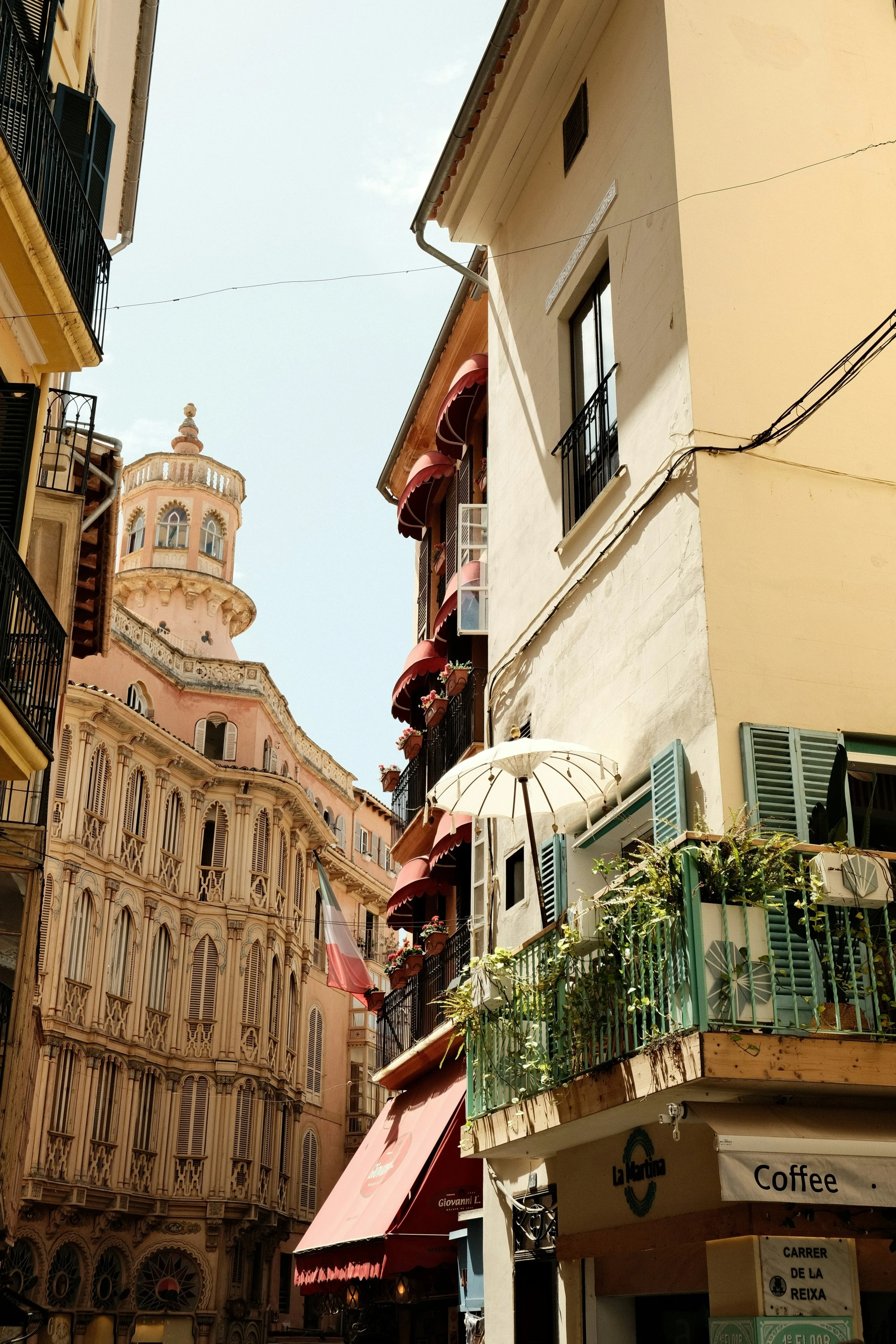
Here, in Mallorca’s ancient capital, a revelation awaits those who surrender to an older, wiser pace. Your day begins in the maze of stone that forms Palma’s historical centre. The squares, plaças in Catalan (and Mallorquin), are steeped in a deep stillness at this hour; the cafes are just lifting their metal shutters. I’ve returned to these streets time and again in the cooler months and the pull never weakens. There is something restorative in being among the first to arrive, before the city fully wakes.
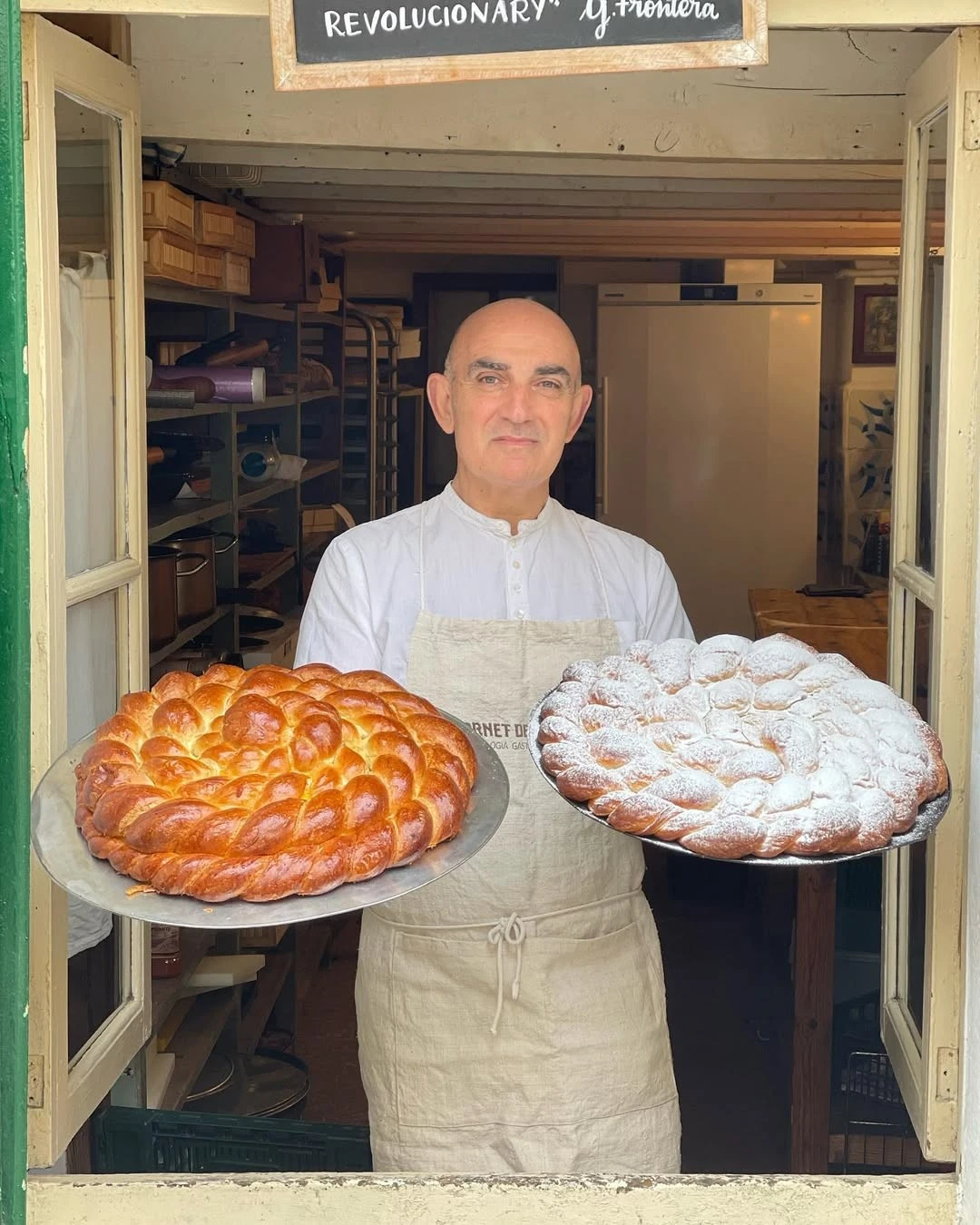
Make your way to Fornet de la Soca, a bakery celebrated for reviving ancient Mallorcan recipes, or to the legendary Ca’n Joan de s’Aigo, where locals have been gathering since 1700 for peerless hot chocolate and pastries. Order a coffee and a vegetarian ensaimada, an ideal choice for halal-conscious travellers, offering an authentic taste of the island. Settle into a seat and watch the city emerge as elderly women exchange morning gossip and shopkeepers unlock doors with keys that look centuries old. It is a city that understands the immense value of slowing down, refusing to accelerate for anyone.
What to do in Mallorca during off-season
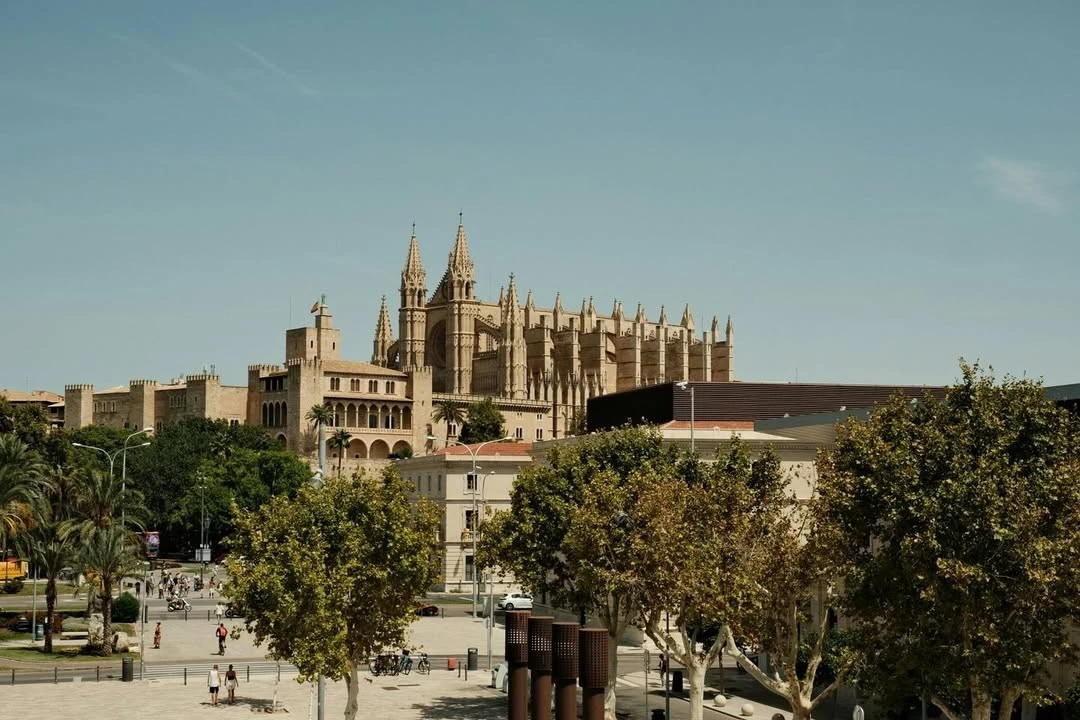
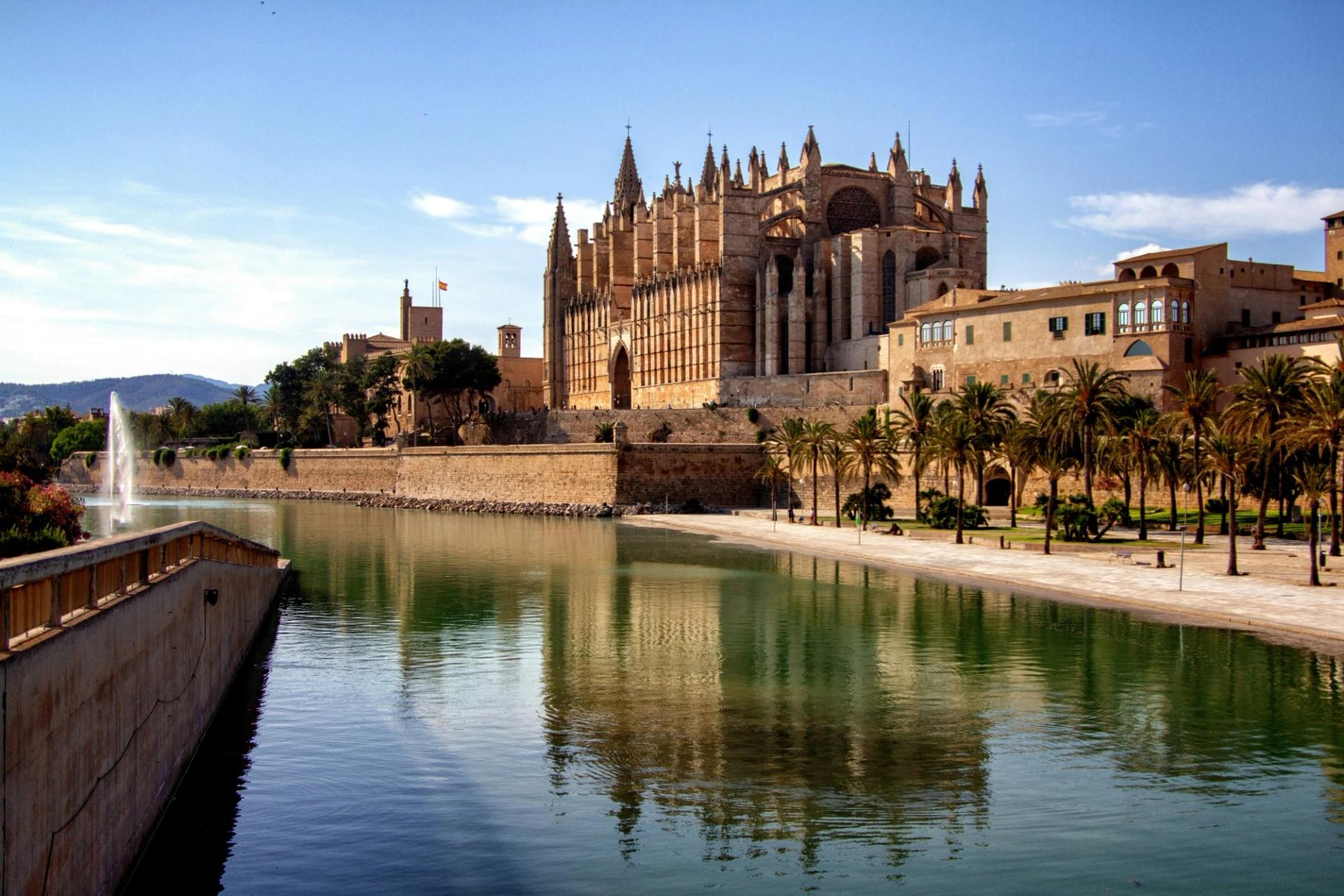
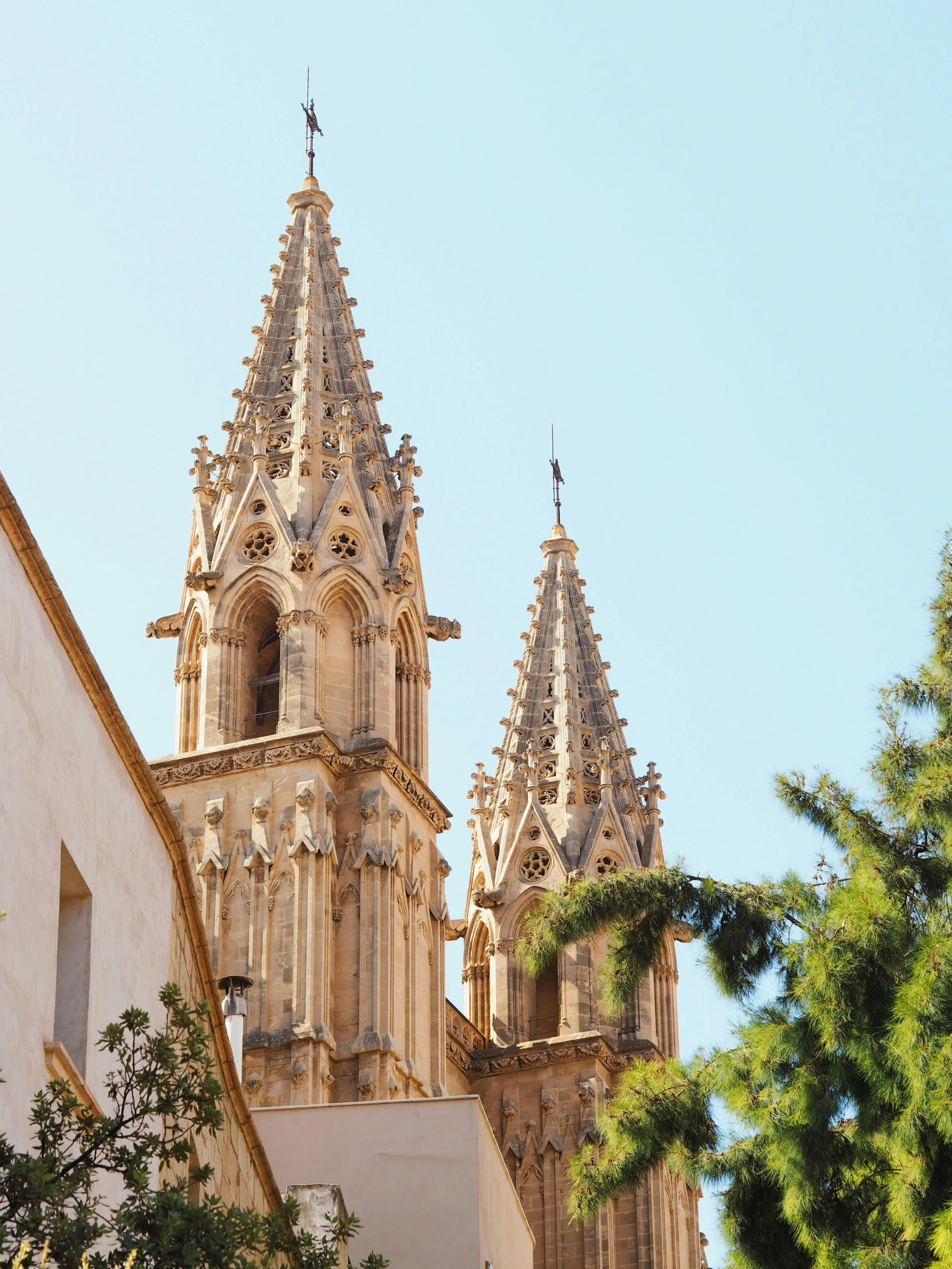
With the taste of almond and coffee still on the tongue, you step back out into the lanes, where Palma’s grandeur announces itself not all at once, but gradually. Round a corner and suddenly the Catedral-Basílica de Santa María de Mallorca rises before you: a Gothic colossus of sandstone and stained glass, whose interior was famously transformed by the hand of Gaudí. His most striking contribution is a surreal, crown-of-thorns-inspired canopy, hung suspended over the main altar. The scale induces silence, the kind that makes you aware of your own breathing.
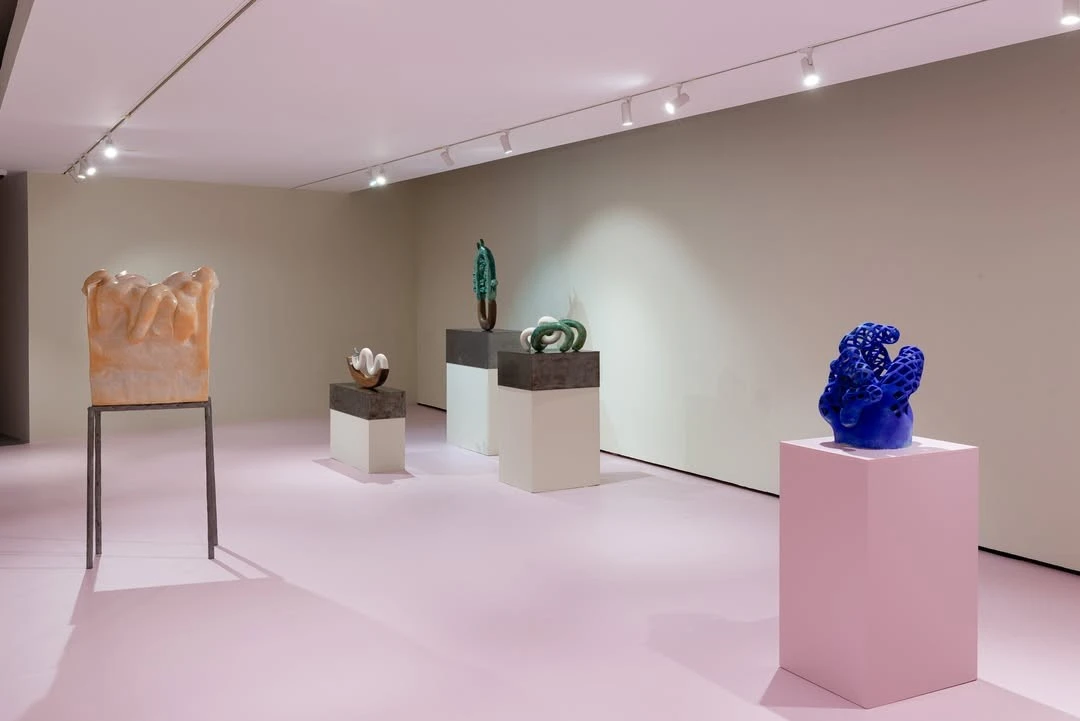
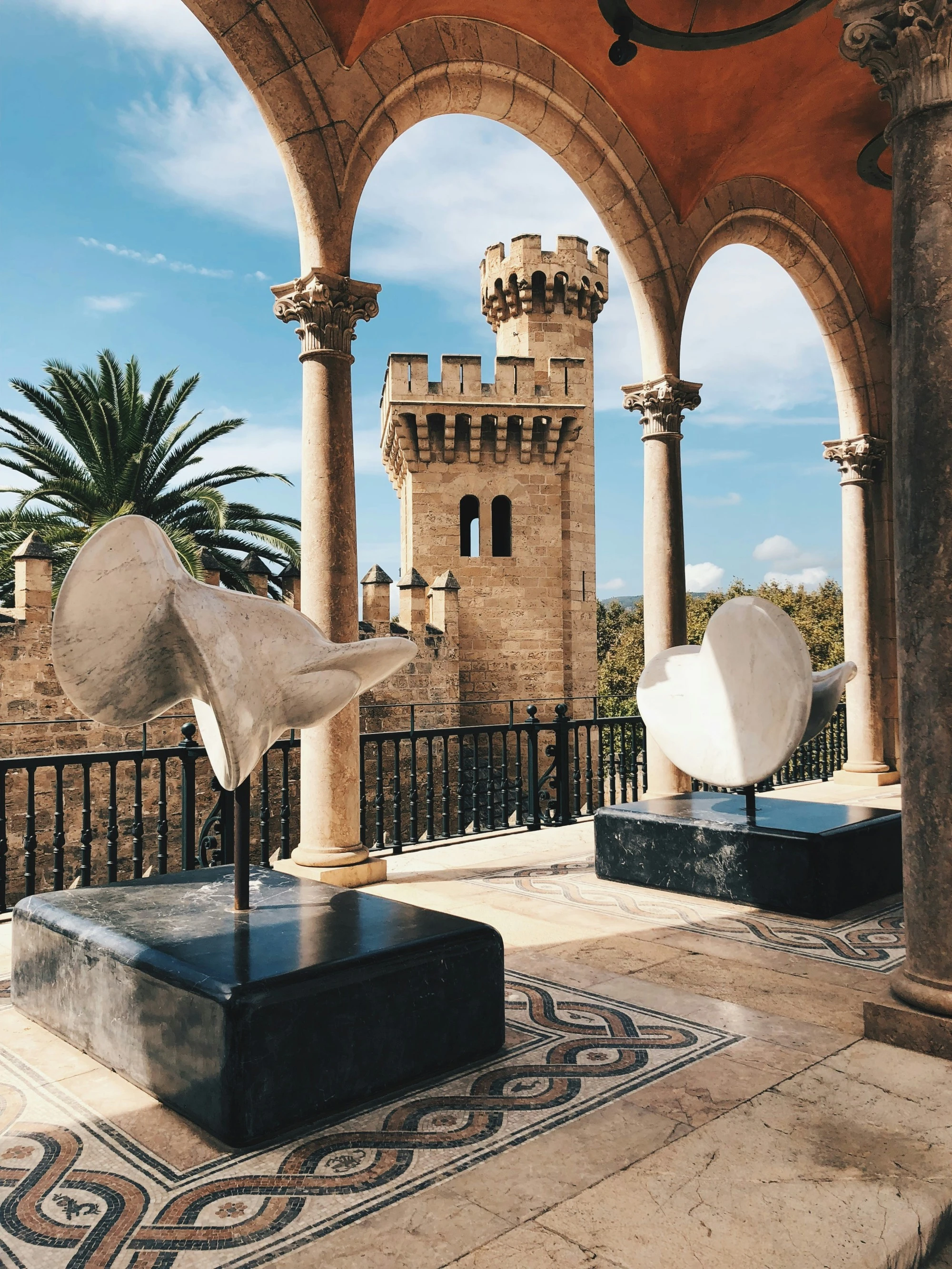
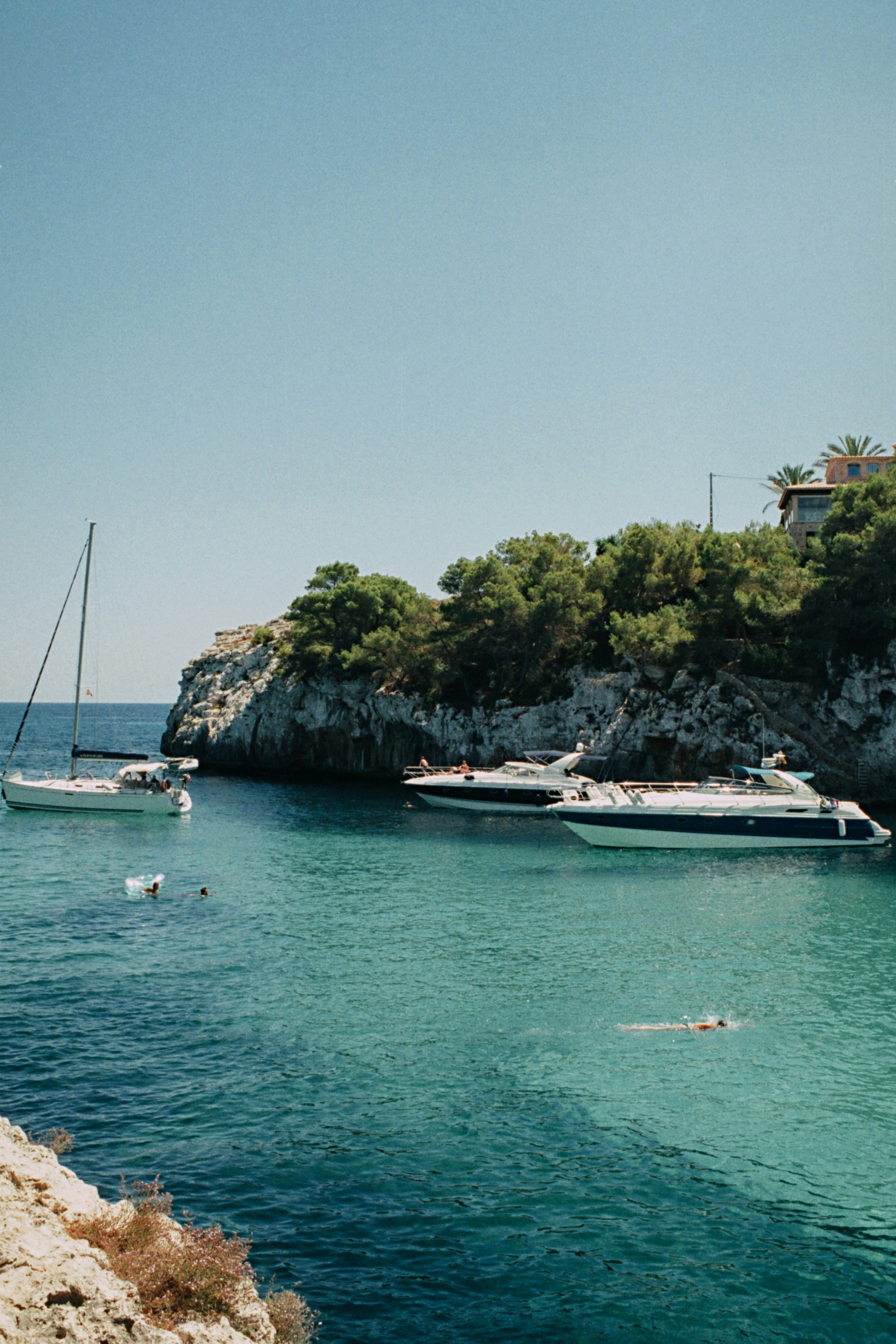
From the cathedral, climb towards Es Baluard Museu d’Art Contemporani de Palma, a contemporary art museum. The modern gallery is ingeniously built into the Sant Pere bastion, a vast 16th-century defensive wall that once held back naval attacks. For a remarkable €6, you gain access to a superb collection of works by Joan Miró and the ancient ramparts themselves. The terraces offer astonishing views across the marina; I recall standing there in the afternoon, the silence broken only by the distant, expensive whirr of a yacht gliding towards open water. That feeling of protected tranquillity becomes the measure by which everything else is judged.
Where to stay
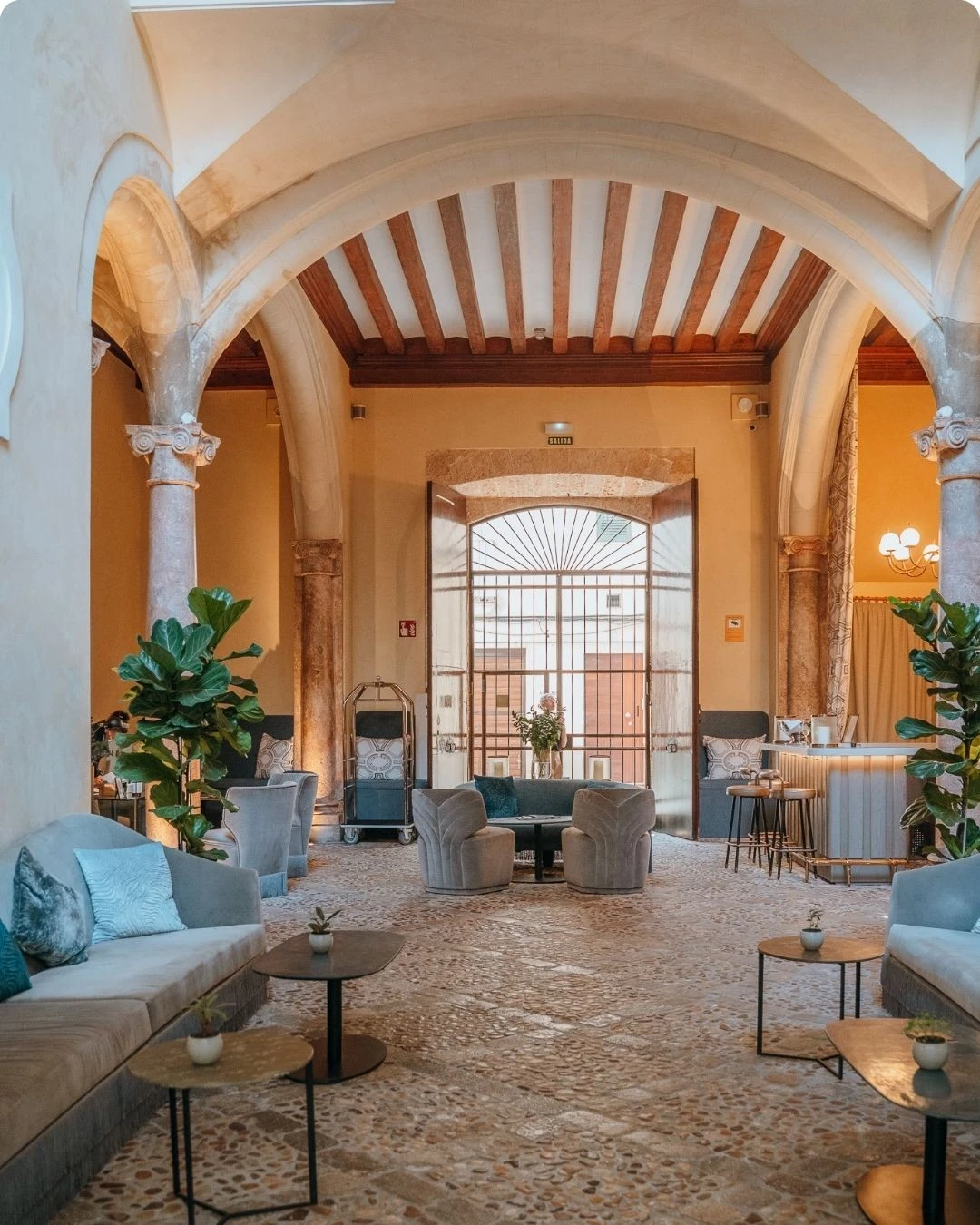
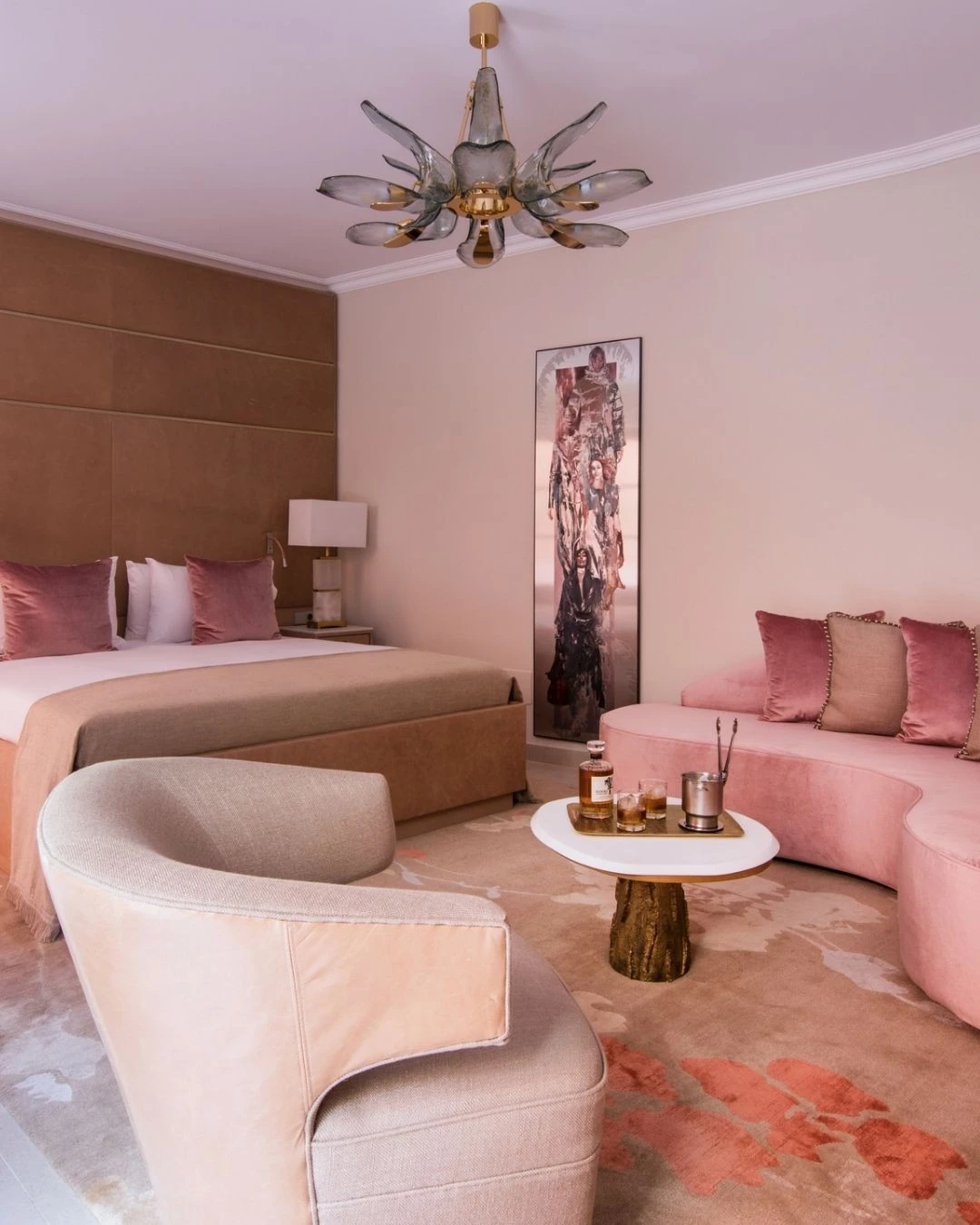
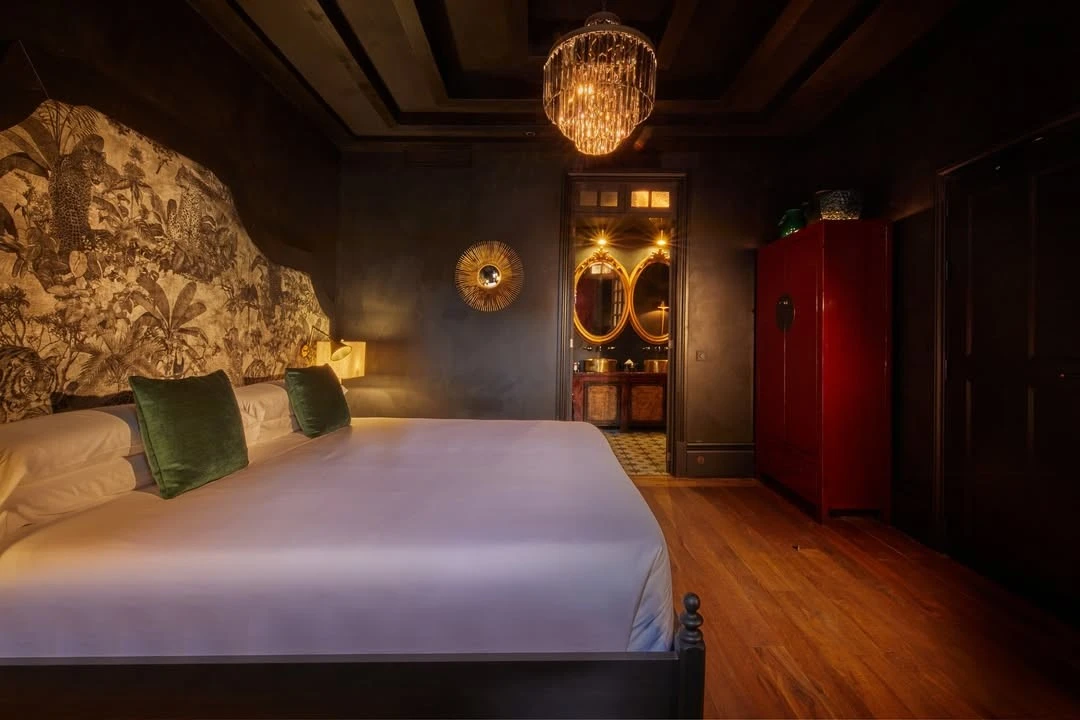
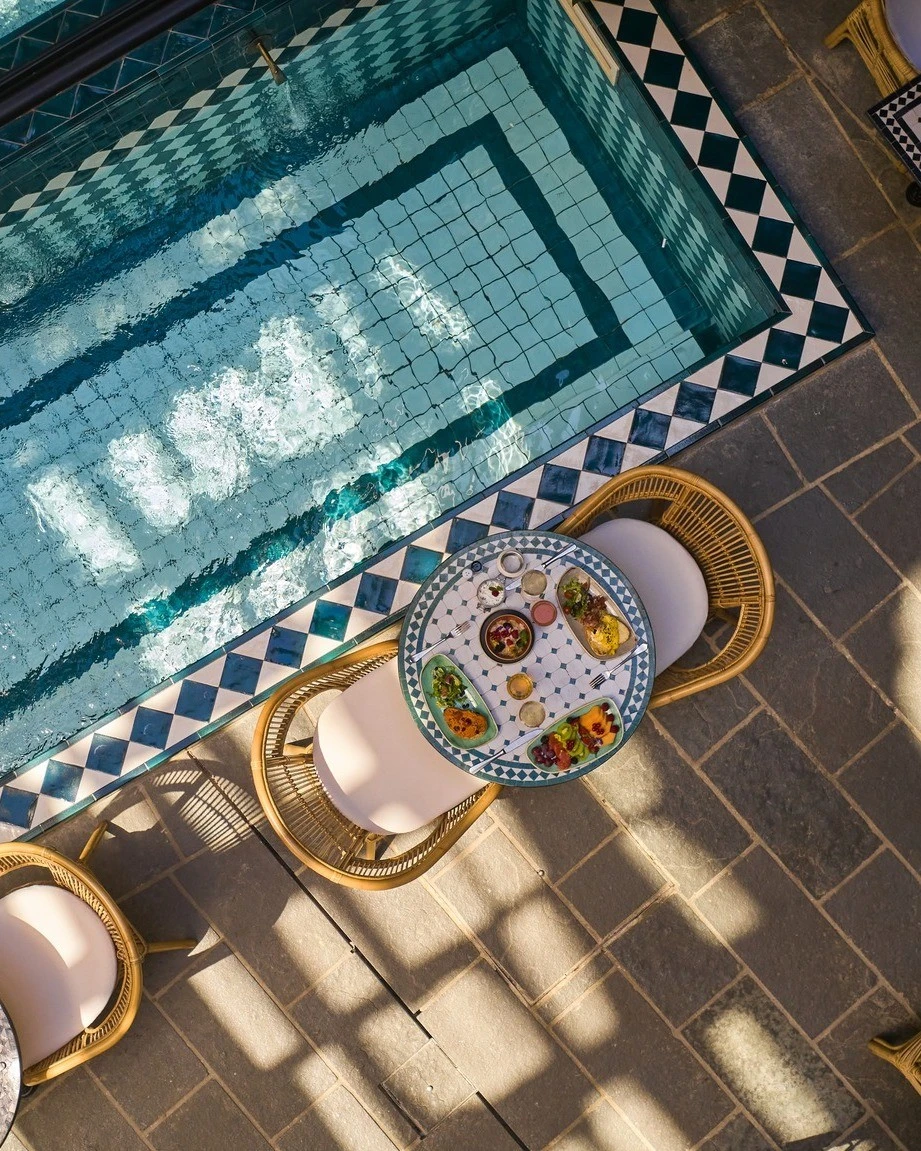
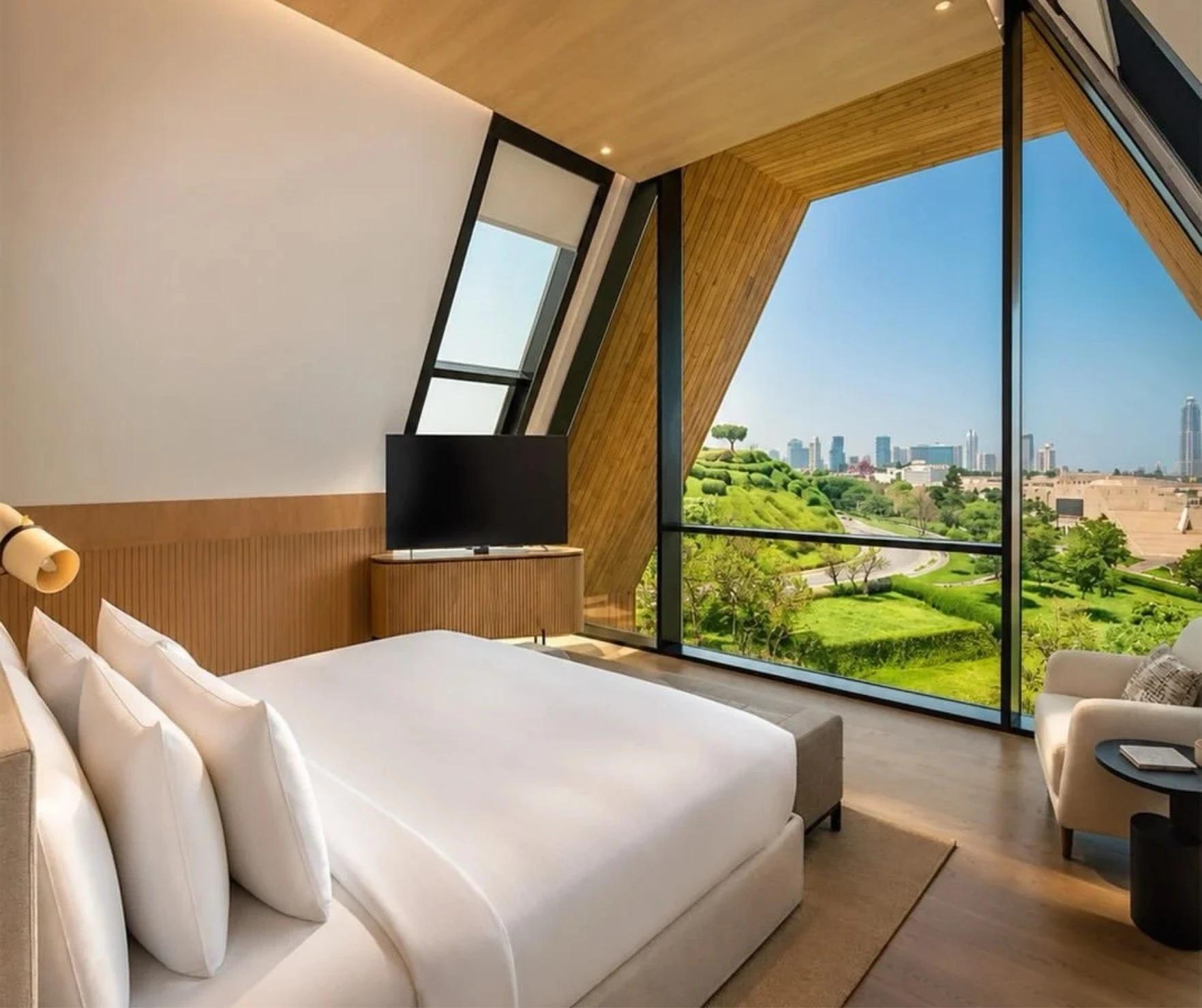
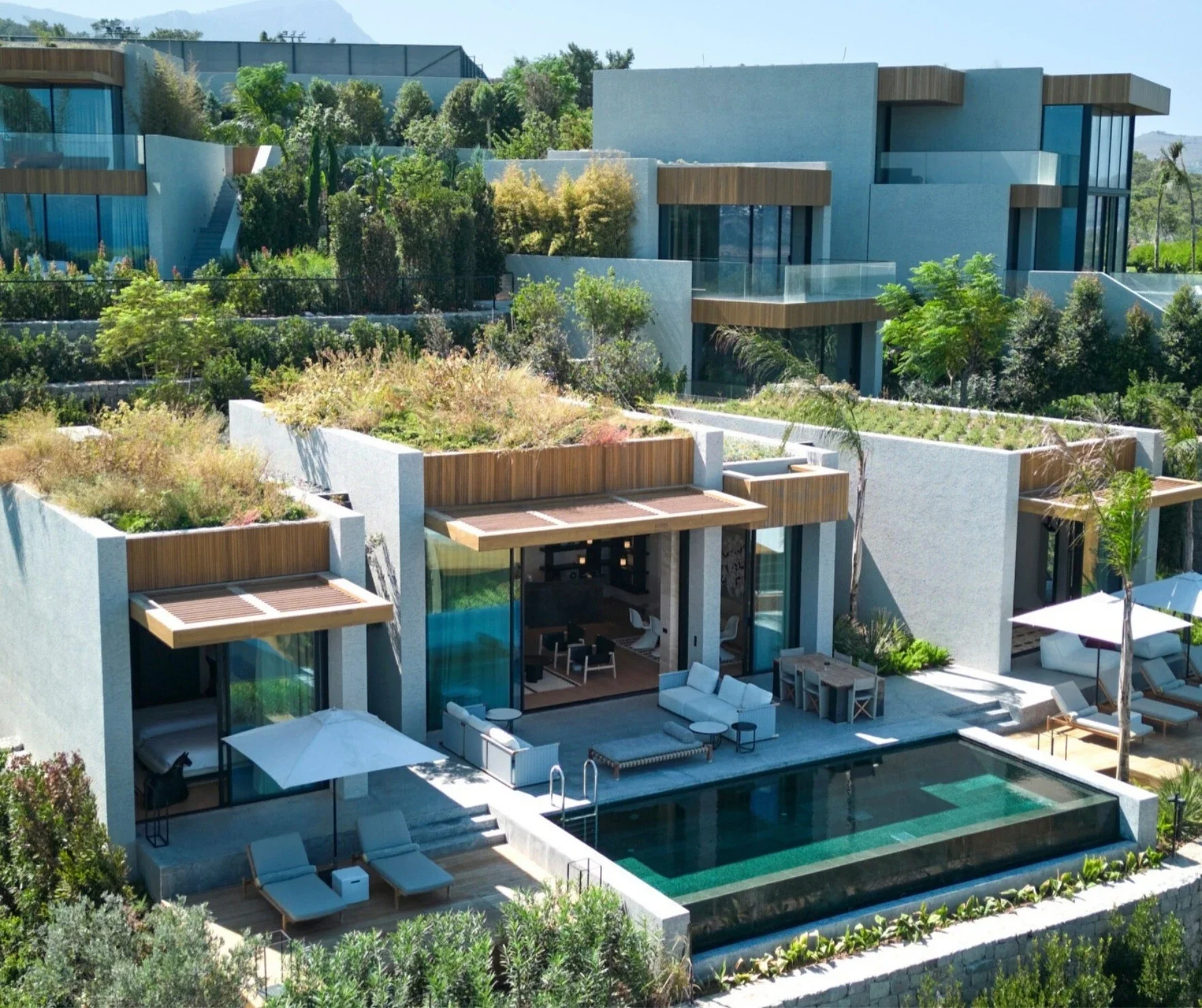
Your accommodation should extend this sense of sanctuary. In the heart of the Old Town, Palacio Can Marqués occupies an 18th-century palace of frescoed ceilings and interior courtyards, where history feels less like a museum display and more like a living inheritance. These are hushed retreats where privacy is the ultimate currency. For even greater seclusion, Palma Riad borrows from Moroccan tradition to create an urban oasis designed for absolute discretion. It is a world of one’s own, shielded from the public gaze. Your own palace, your own tempo. The city remains close enough to taste but far enough to breathe. Sanctuary made absolute.
Book your stay at Palma Riad
@palma.riad
Book your stay at Palacio Can Marques
@palaciocanmarques
Where to eat
By noon, the streets hum with conversation. Mallorcans possess a genius for conviviality – animated and warm, yet never rushed. They understand what much of the world has forgotten: that eating is ceremony. At unassuming institutions like Restaurante Azabache, you’ll find honest island cooking for a price that seems suspended in another decade.
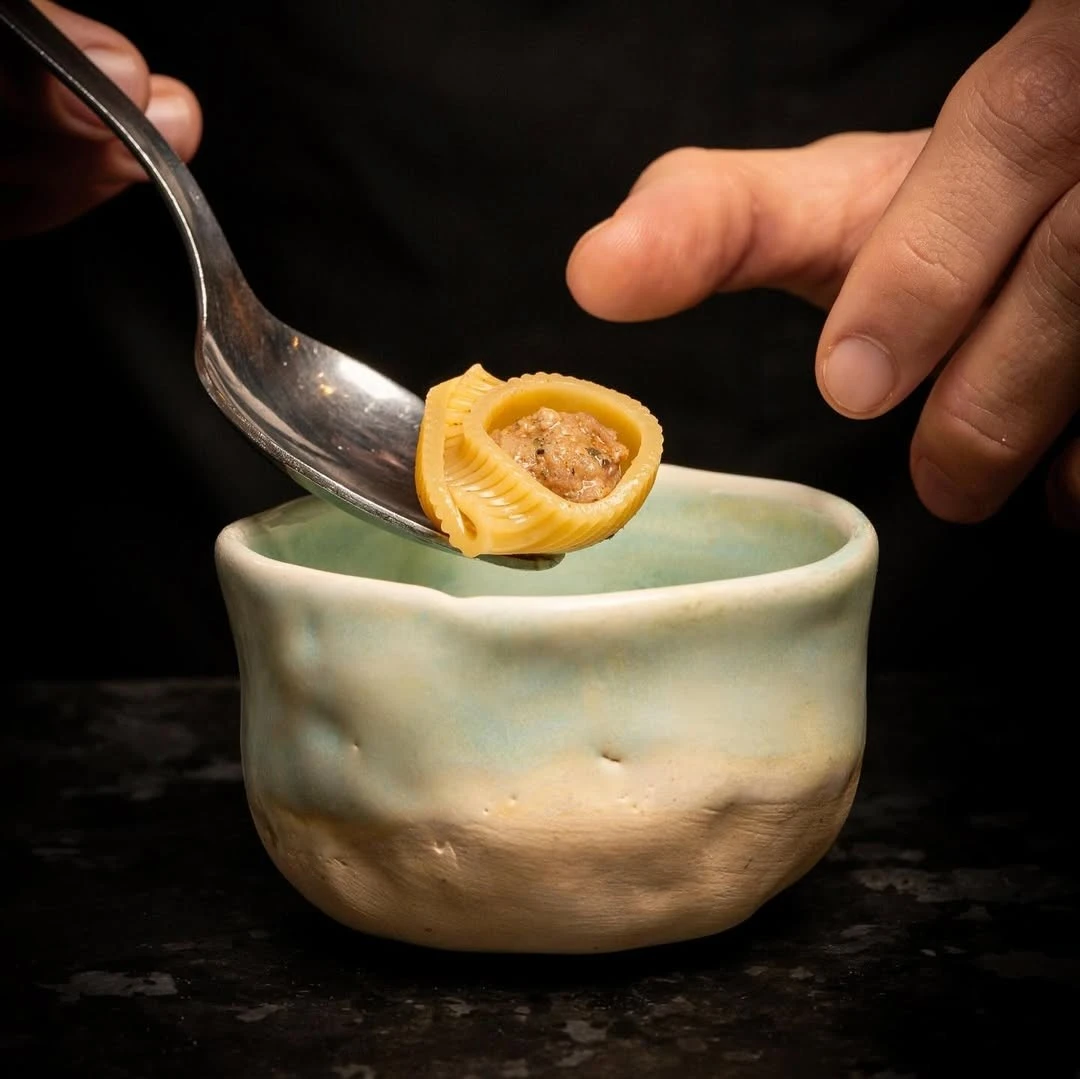
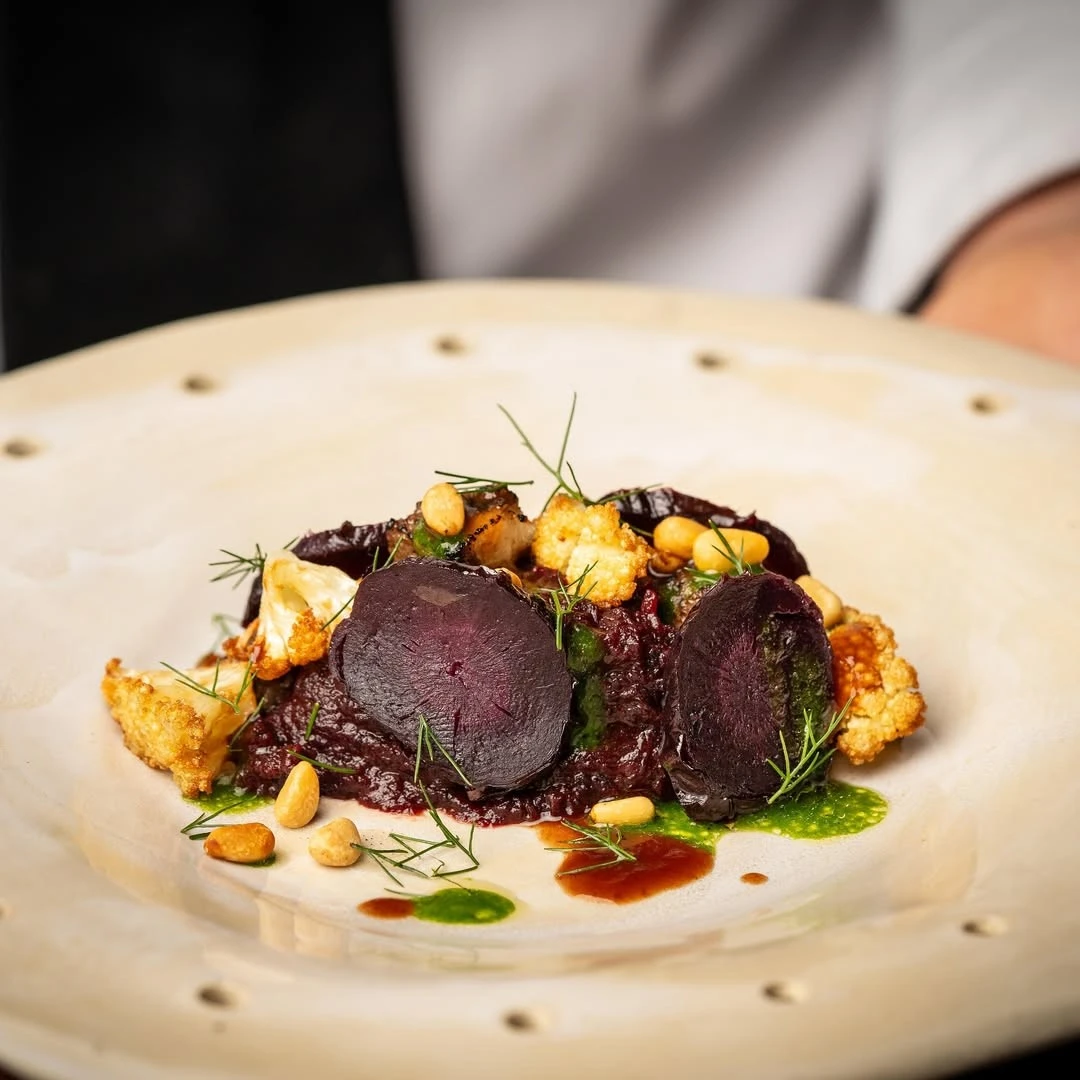
For an elevated interpretation, book a table at DINS Santi Taura. Here, Taura, the island’s most prominent celebrity chef, excavates old recipes with scholarly precision, an approach that has earned him a MICHELIN star. His approach is a kind of alchemy. Humble sardines given the reverence of caviar. Mountain lamb slow cooked until it surrenders. Local lobster graced with sauces from centuries-old recipe books. The simplest vegetables utterly transformed. It is history served on a plate, and it is devastatingly good.
@restauranteazabache
@dinssantitaura
The Afternoon Agenda
After lunch, the shutters close once more. The siesta arrives.
This is a cultural institution as much as rest, a deliberate uncoupling from productivity’s constant pull. To surrender to it completely is to embrace the island’s core philosophy. In that quiet darkness, the frantic rhythms of daily life dissolve. It is a reset, a moment of deep disconnection that allows for truer reconnection later.
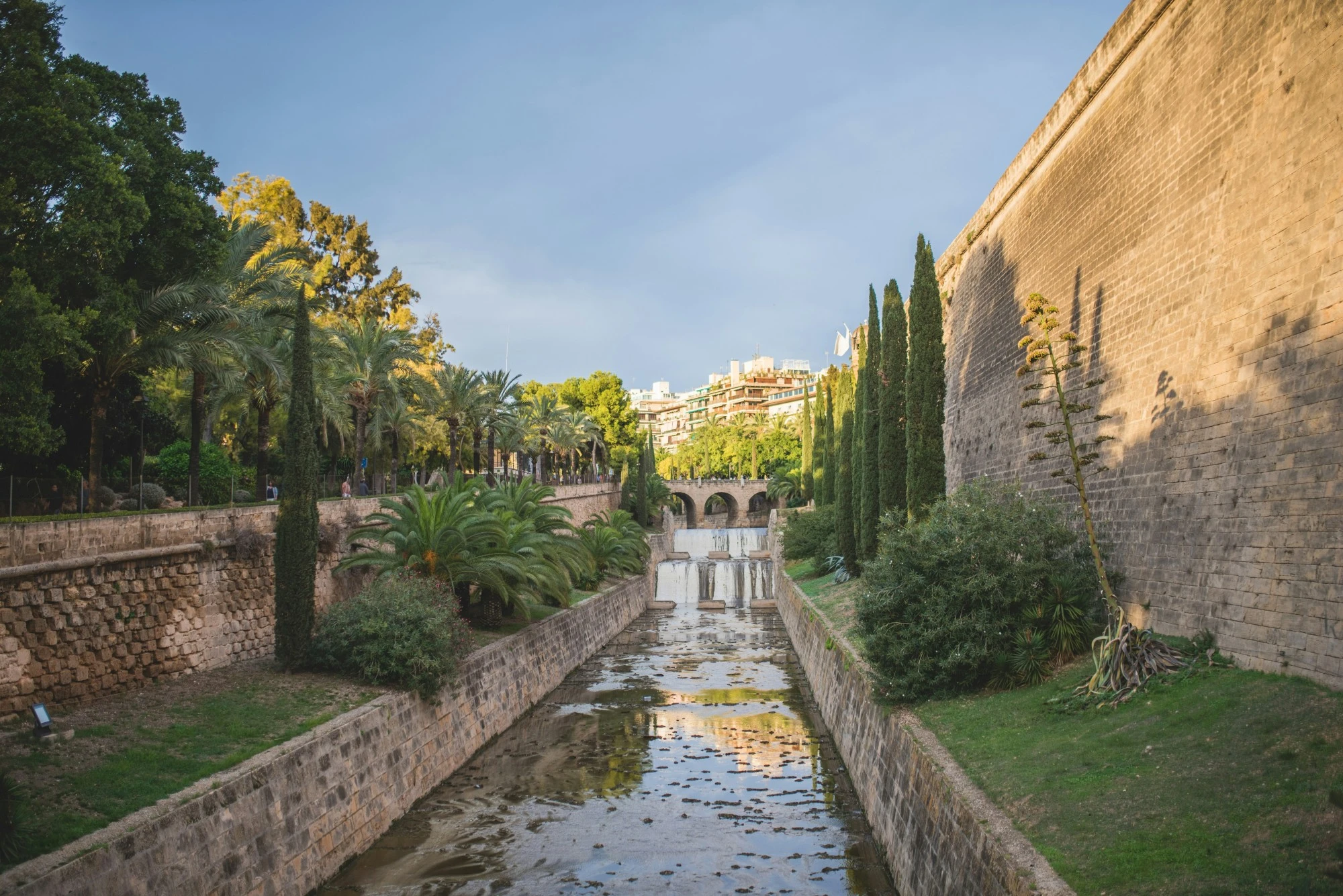
As the afternoon sun softens, the city stirs. This is the golden hour, when Palma’s limestone takes on a warm inner light. A walk along the old city walls, the Passeig de Ronda, is essential. From this vantage point, you can watch the city transition towards evening and observe residents enjoying a paseo, the traditional evening stroll that marks the day’s gentle conclusion.
Eventually, you must leave. But Palma’s gift travels with you. What it offers is not found in what you can buy, but in what it allows you to reclaim: time, attention, the capacity for wonder. You carry its cadence – the slower beat, the insistence on pleasure over speed. You’ll remember the sound of shutters opening, the sight of sunset turning the marina gold from the ancient city walls. You’ll remember how it felt to move through the world at a different pace. The island will still be there, turning at its own rhythm, long after you’ve gone. And that, somehow, is the most comforting thought of all.