


Blaring public address displays, urgent gate calls and late passenger calls, and repetitive safety reminders echo endlessly off steel and glass, trapping passengers in a perpetual state of heightened alertness; disorienting for most travellers, and a genuine sensory overload for those with auditory sensitivities.
A silent airport fundamentally challenges this architecture of this chaos.

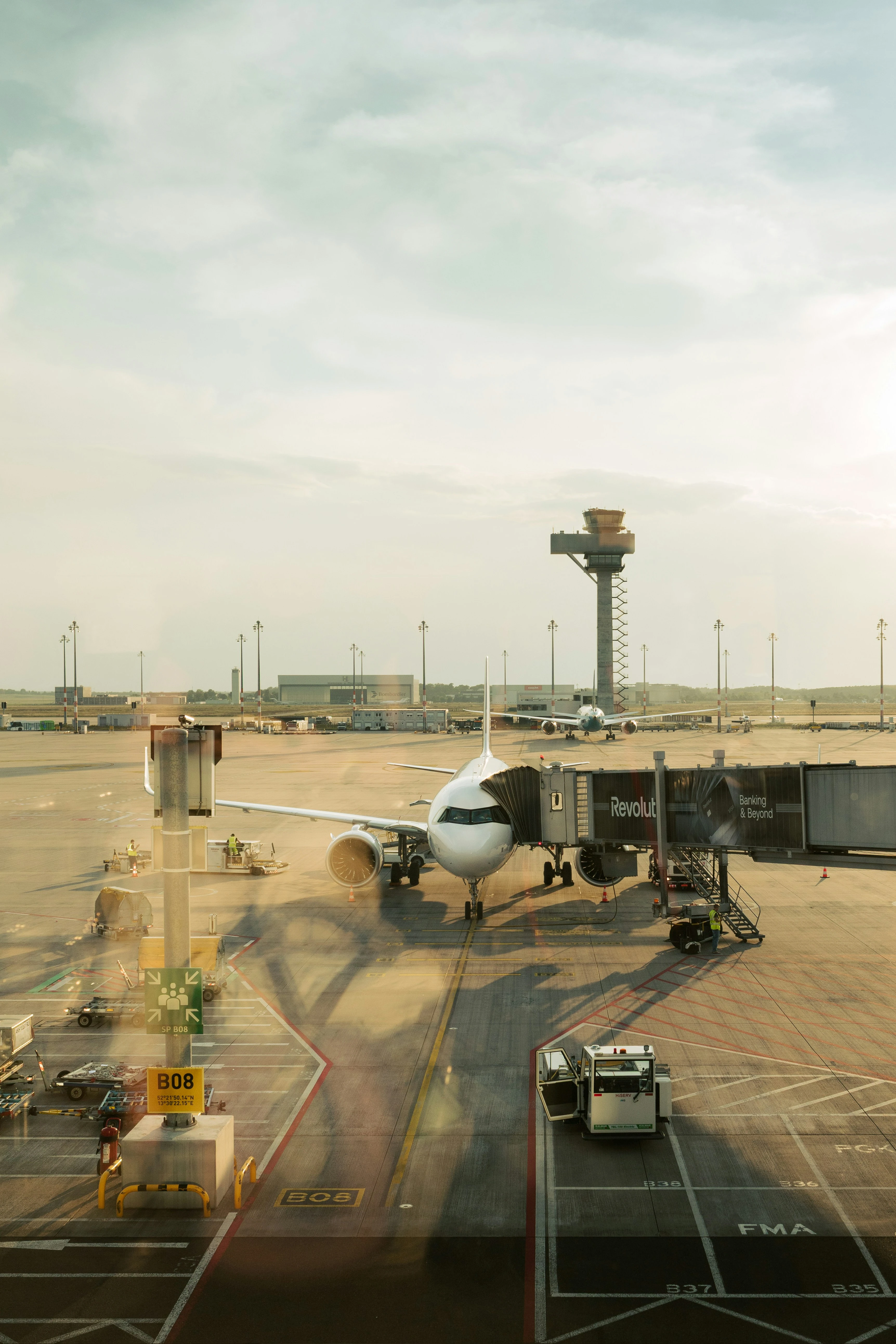
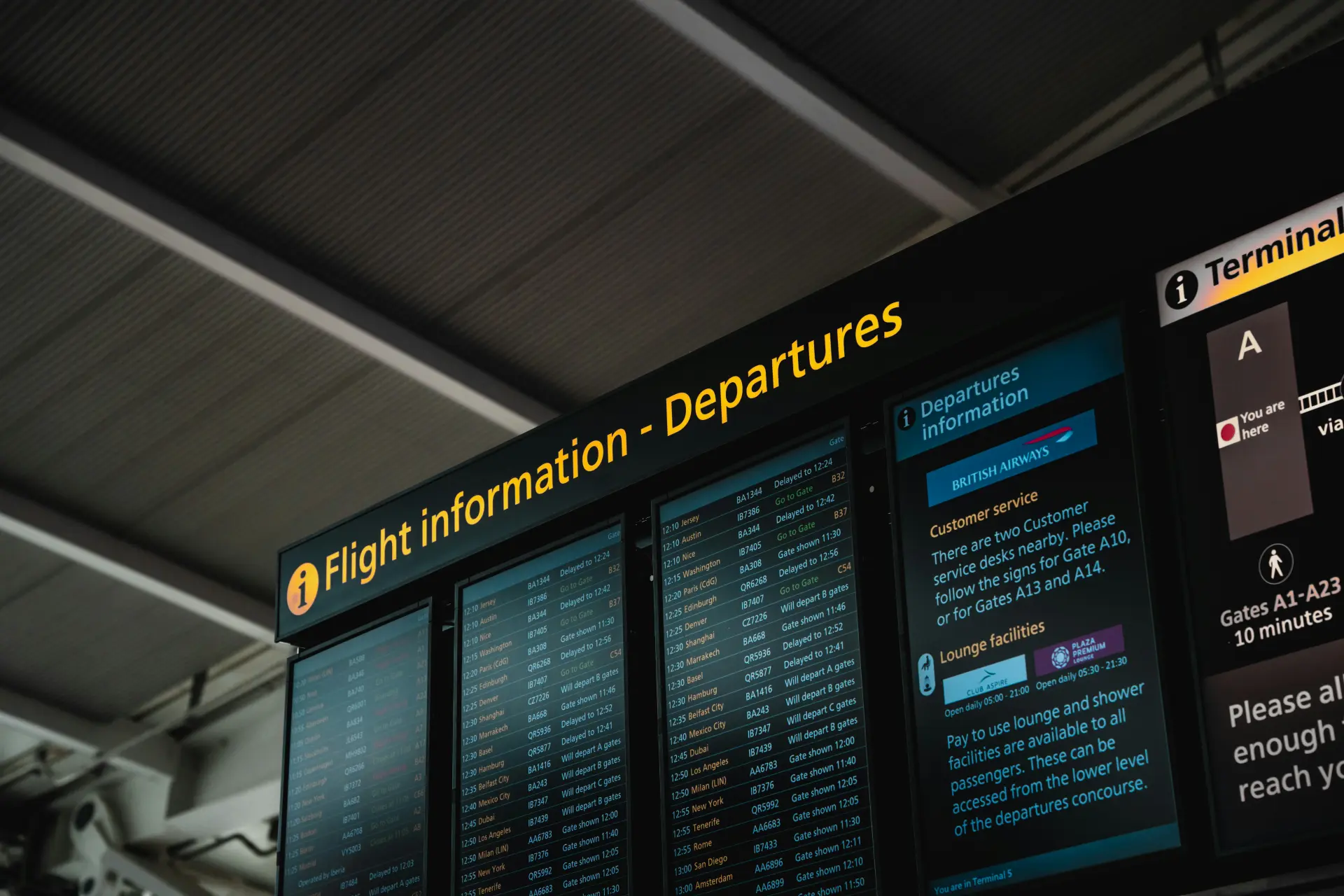
By stripping away non-essential loudspeaker broadcasts and restricting audio strictly to critical announcements and emergencies, airports are aiming to replace auditory friction with intentional calm. Information sharing and updates have shifted seamlessly from blaring megaphones to subtle digital signage, personalised and immediate mobile and email alerts from airlines, in addition to sleek lounge displays that give more information that ever before; each element empowering travellers to navigate the airport on their own terms, with less distractions.
You Might Also Like: Shocking reshuffle in top 10 airports in the world for 2026
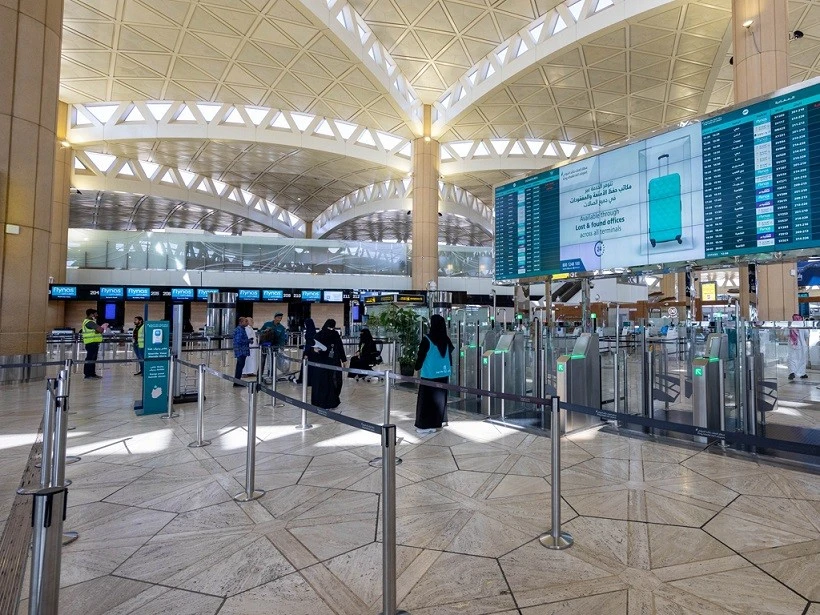

In an overstimulated world, silence has become the rarest commodity. By turning down the volume, this movement has propelled even the most mundane airport journey towards a more luxurious experience. Airport terminals have actively chosen to dismantled the noise anxiety that has long plagued air transit, inviting travellers into an environment that mirrors a boutique hotel lobby or private gallery rather than a chaotic clearinghouse.
The psychological benefits of a silent airport are palpable: cortisol levels are lower, the cognitive overload vanishes, and passengers regain a sense of personal agency. Rather than bracing against the noise, guests are liberated to dine, read, or contemplate in relative stillness, proof that the ultimate luxury in the modern travel experience is not merely fine dining or plush seating, but the restoration of mental clarity.
Major Travel Hubs Are Embracing Silence
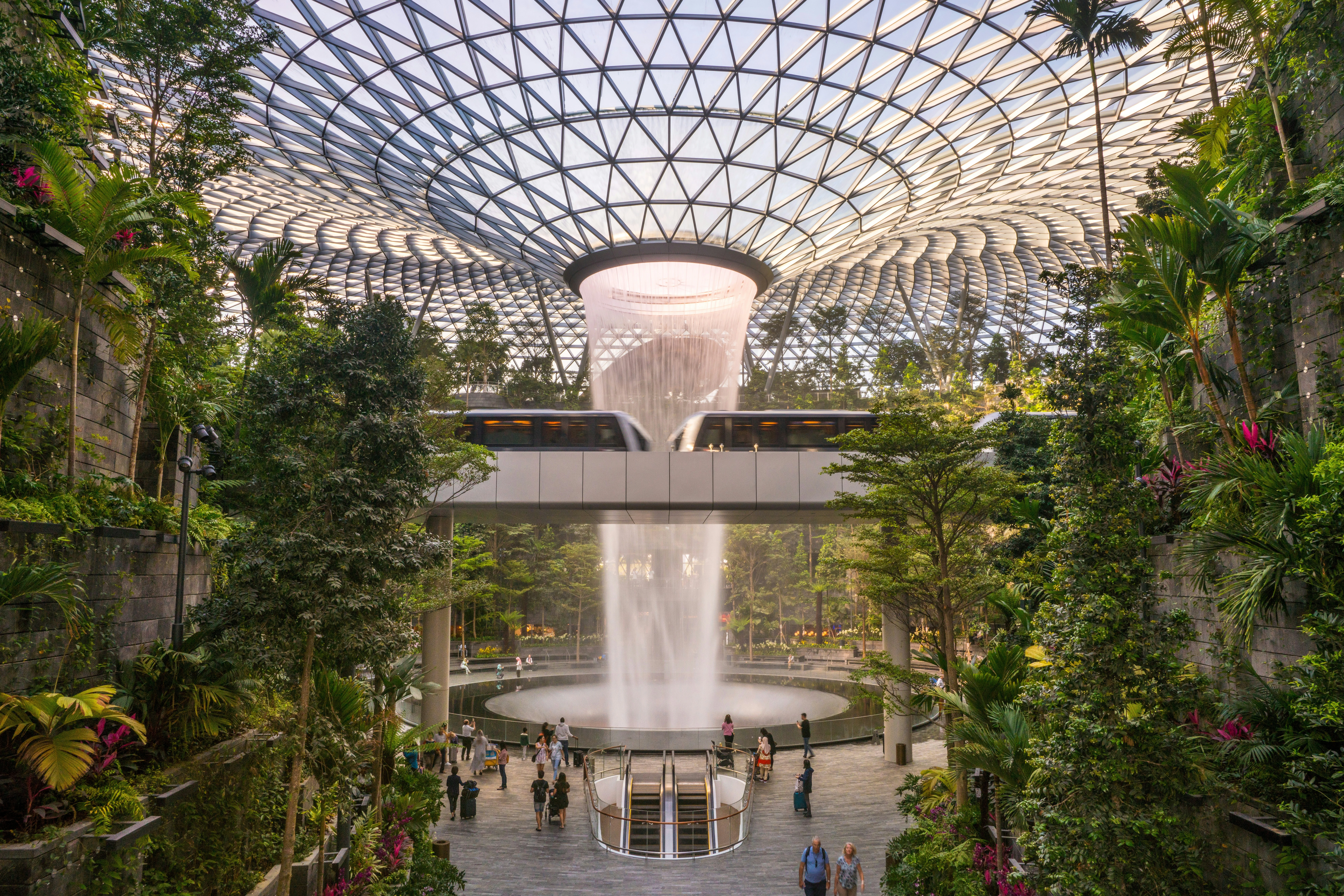
The most major international travel hubs around the world are already embracing the 'silent airport' movement.
Global and European gateways such as London's busy Heathrow, Amsterdam's Schiphol Airport, and Venice's Marco Polo were among the first to severely restrict terminal broadcasts, cultivating more calm concourses where quiet conversation and in-person or digitised announcements replaced loud panicked gate sprints. Singapore's famous Changi Airport has seamlessly integrated silent protocols to complement its lush, botanical indoor environment. Major flagship carriers operating out of these hubs, including Emirates, Singapore Airlines, KLM, and Saudia, have adapted their gate procedures to match, using localised boarding calls and personalised mobile alerts to keep travellers seamlessly informed without disrupting the quiet calm of the terminal.
You Might Also Like: 10 strictly adults-only sanctuaries for an uninterrupted reset
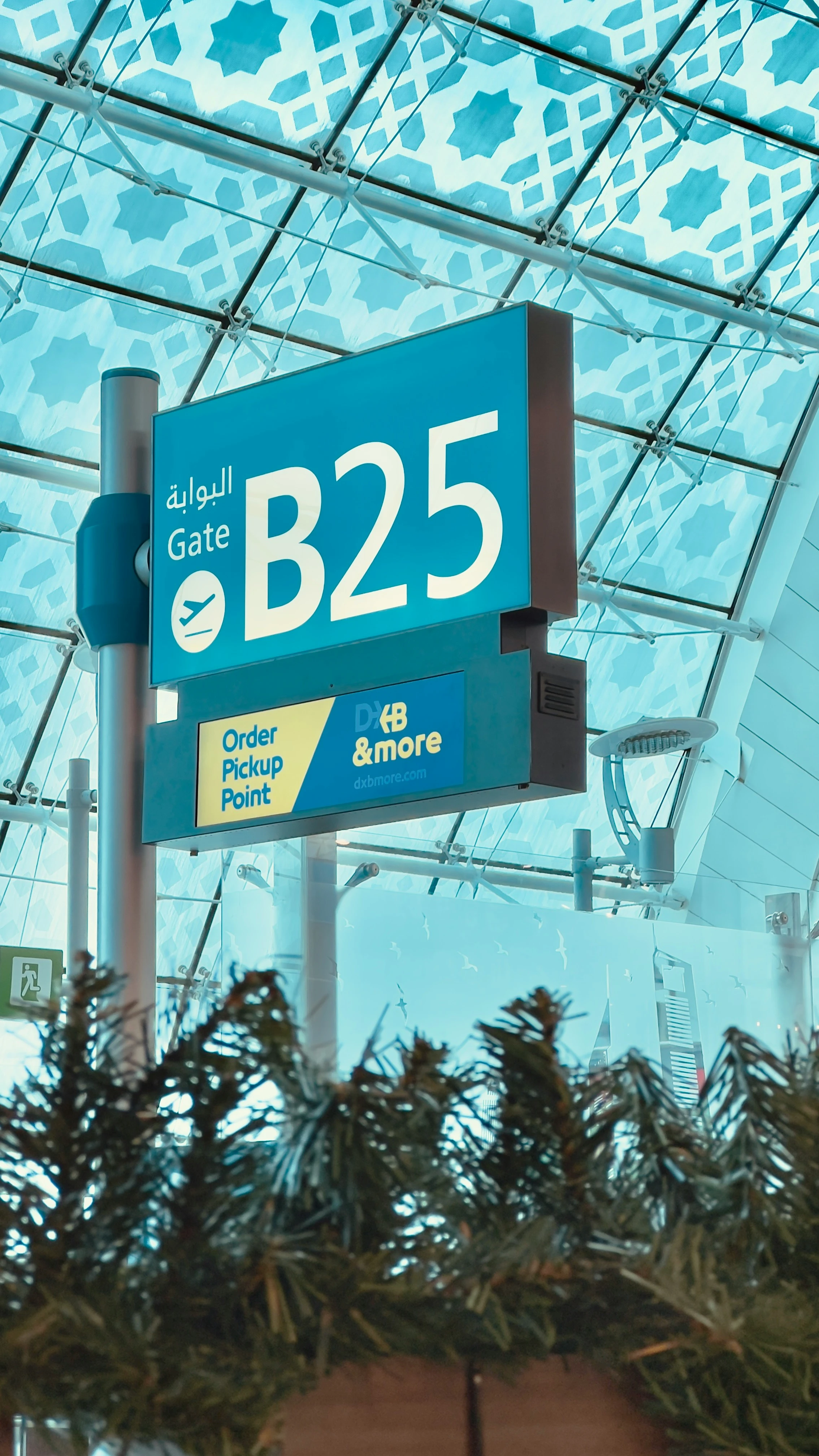
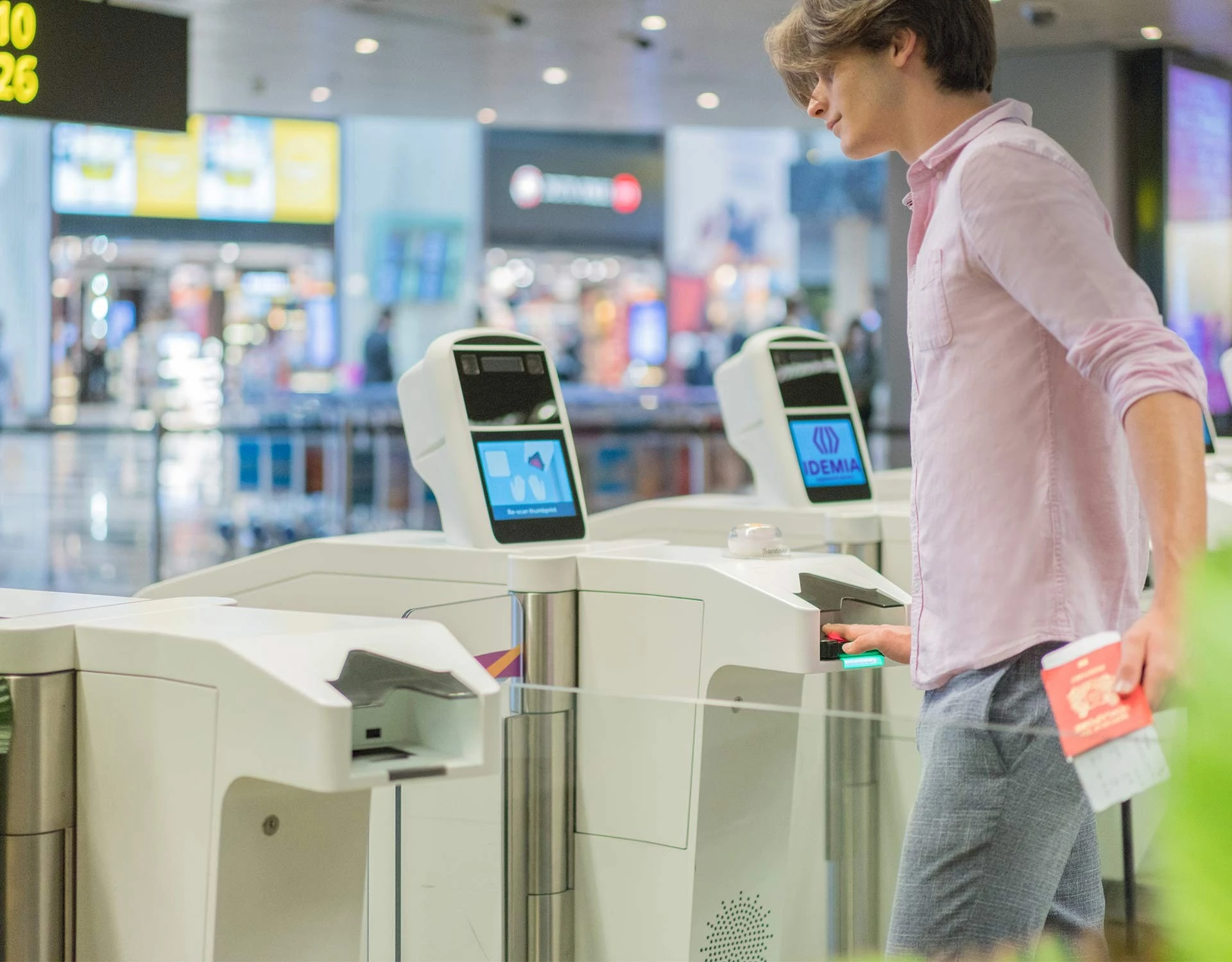
Closer to home, Dubai International Airport became an early global pioneer when it introduced a silent policy across its concourses back in 2010. By eliminating thousands of routine daily announcements, the hub created a far more refined and unobtrusive atmosphere for the millions of international passengers passing through each year.
Saudi Arabia's Silent Airports
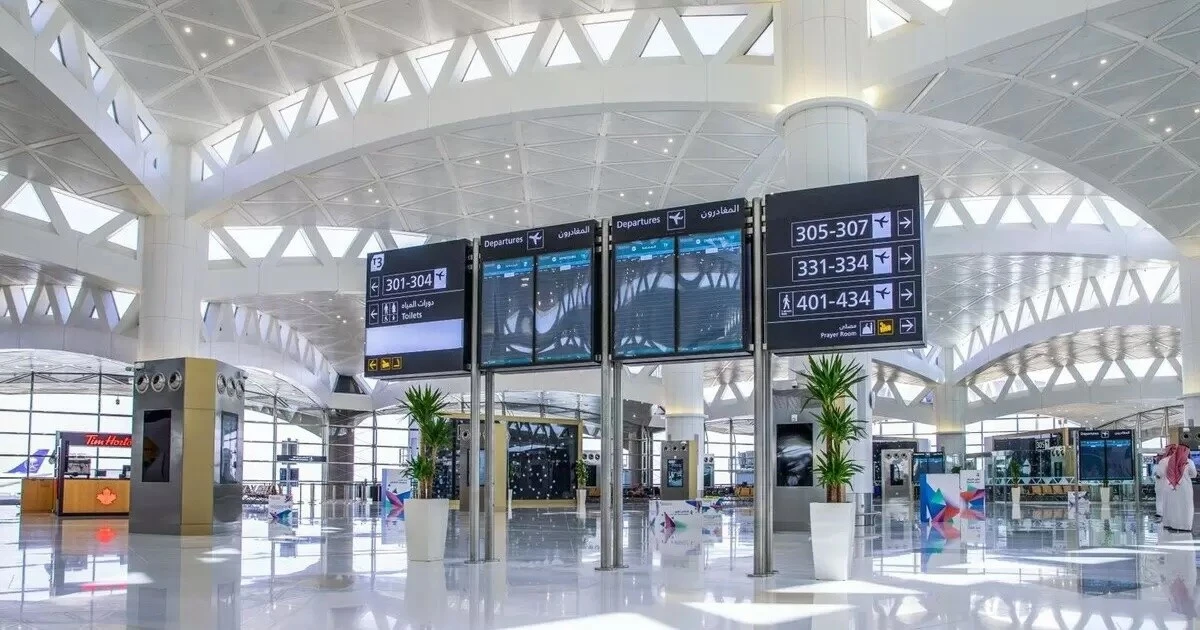
Saudi Arabia is also advancing this model as part of its vision for providing world-class hospitality.
Now partially open, Abha International Airport was announced to be Saudi Arabia's first noise-free aviation hub in May 2024. Loudspeakers are reserved strictly for critical updates like major delays, cancellations, or emergencies, whilst boarding, take-offs, and last calls have shifted towards digital screens, and mobile or email notifications.
King Khalid International Airport in Riyadh launched its silent airport initiative this month, beginning with the newly renovated Terminal 5, dedicated to international flights. Soon, the busy international airport will remove non-essential departure broadcasts and encouraging travellers to rely on intuitive digital flight boards and smart device notifications instead. The implementation of a silent terminal in the capital city's main international airport, serves as the vital first phase of a strategic transition toward an entirely silent airport ecosystem. As a growing and pivotal destination for domestic, regional and international travel, by embracing the 'silent airport' initiative, King Khalid International Airport is deliberately shifting how the Kingdom approaches guest experience, prioritising ease and overall travel experience.
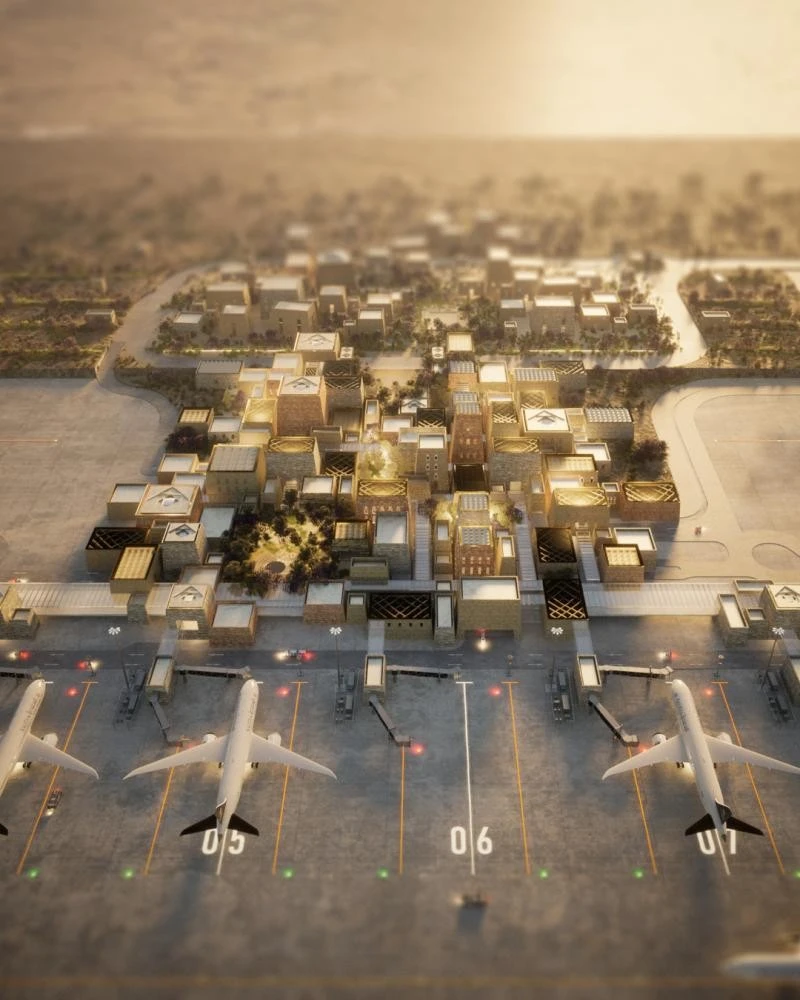
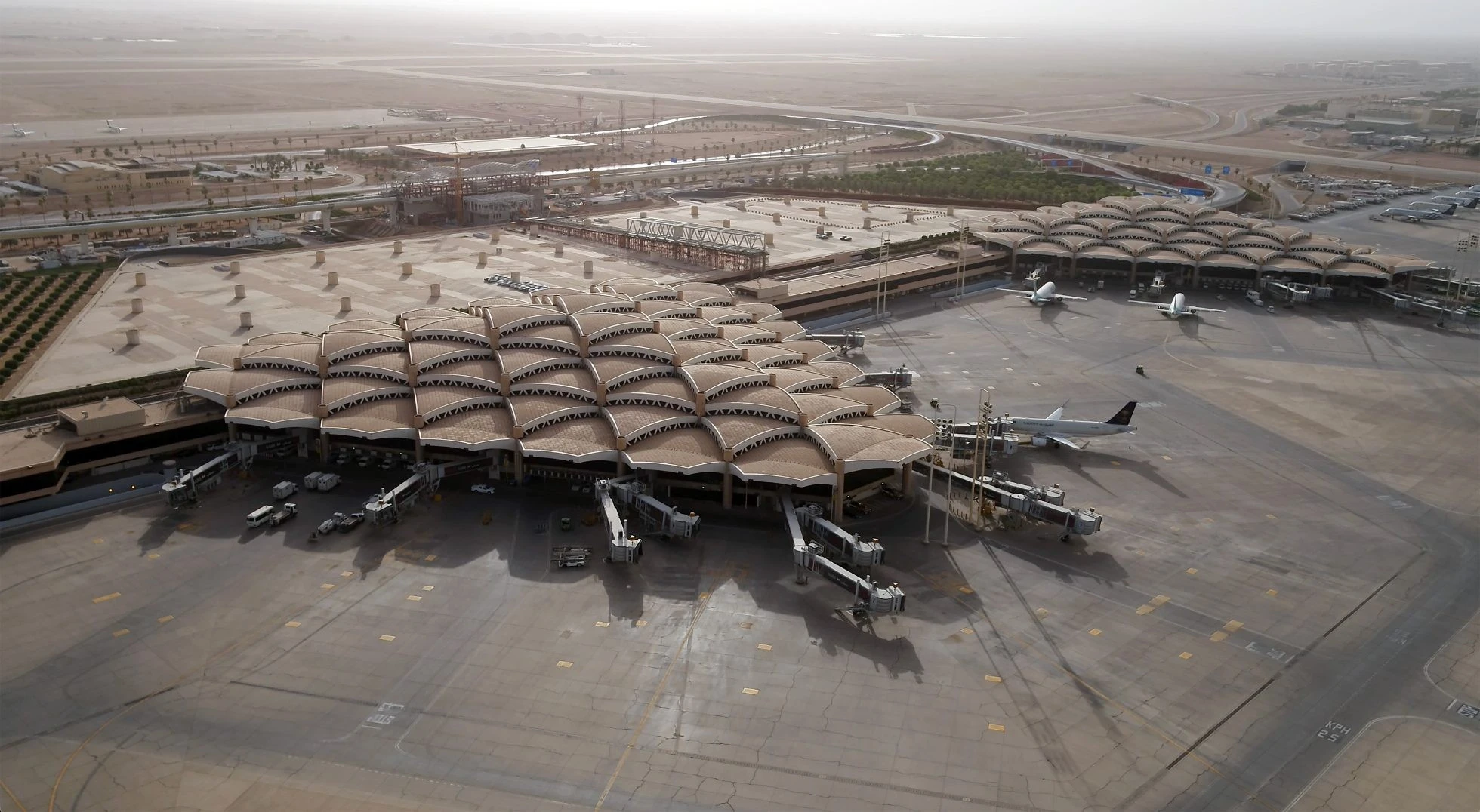
The rise of silent terminals forces a broader question about how we design spaces for human connection and transit. In stripping away the artificial urgency of the terminal, silent airports restore a long-lost element of travel: romance. When the concourse grows quiet, the mind opens to the anticipation of the destination ahead. As global aviation continues to evolve, silence is proving to be far more than the simple absence of sound; it is the definitive hallmark of future-focused luxury.