
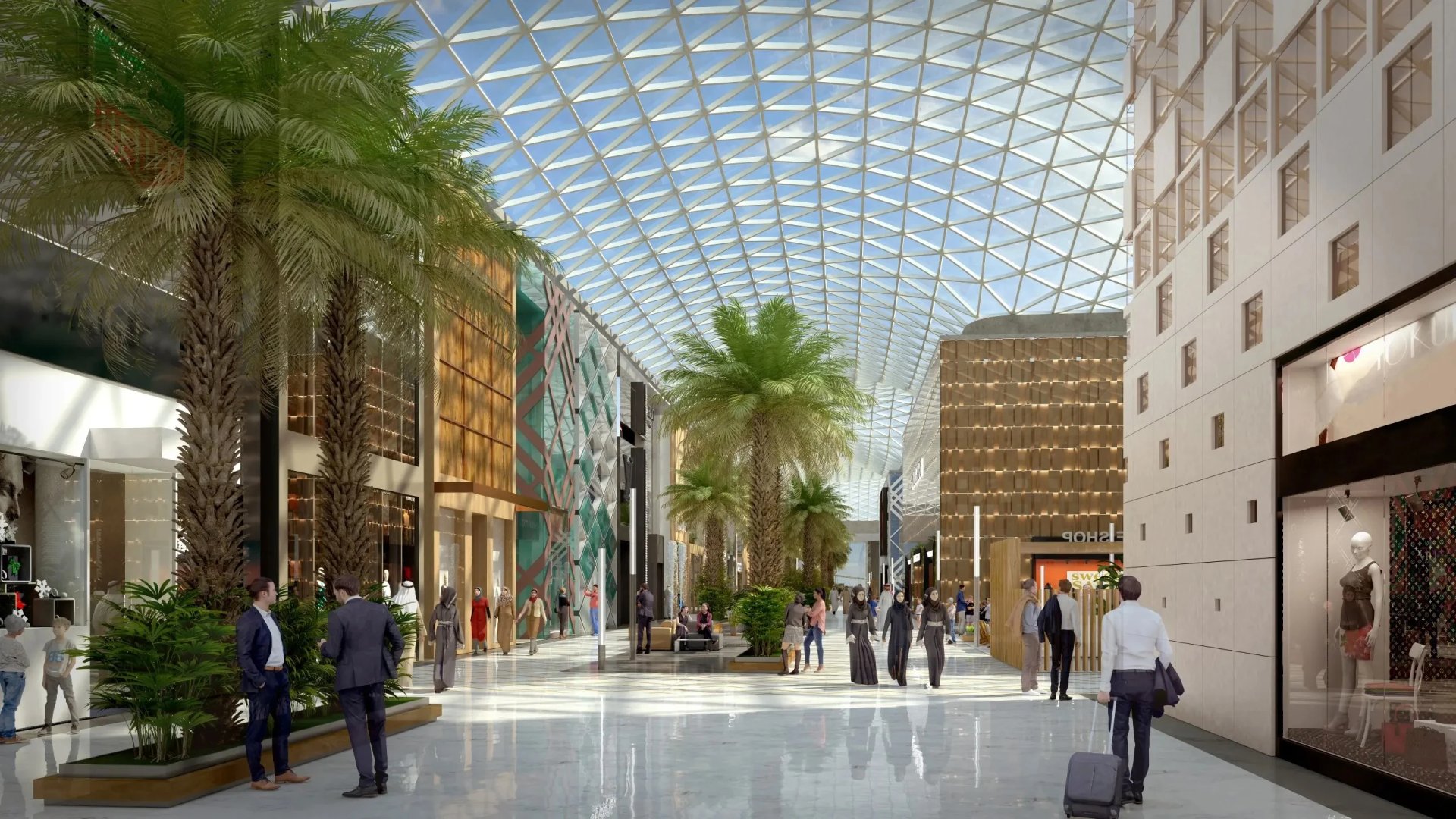

While beauty is – of course – in the eye of the beholder, we like to think that there are certain attributes that leave visitors with a lasting impression. It could be a sunset on a warm evening in the desert, the perfect lines of a meticulously designed building, or the sights, sounds and smells of spices in an atmospheric downtown souq. The good news is, Qatar has all that. And more.
It is also all very attainable, with even the furthest reaches of the country around two hours by car. Even if you don’t drive – or don’t want to – a legion of tour operators in Doha can facilitate trips to most, if not all, of the sites below: indeed, it is easy enough to visit two or three of them in the same day. Within Doha, public transport is ubiquitous, reliable, and cheap.
1. Souq Waqif and Doha Corniche
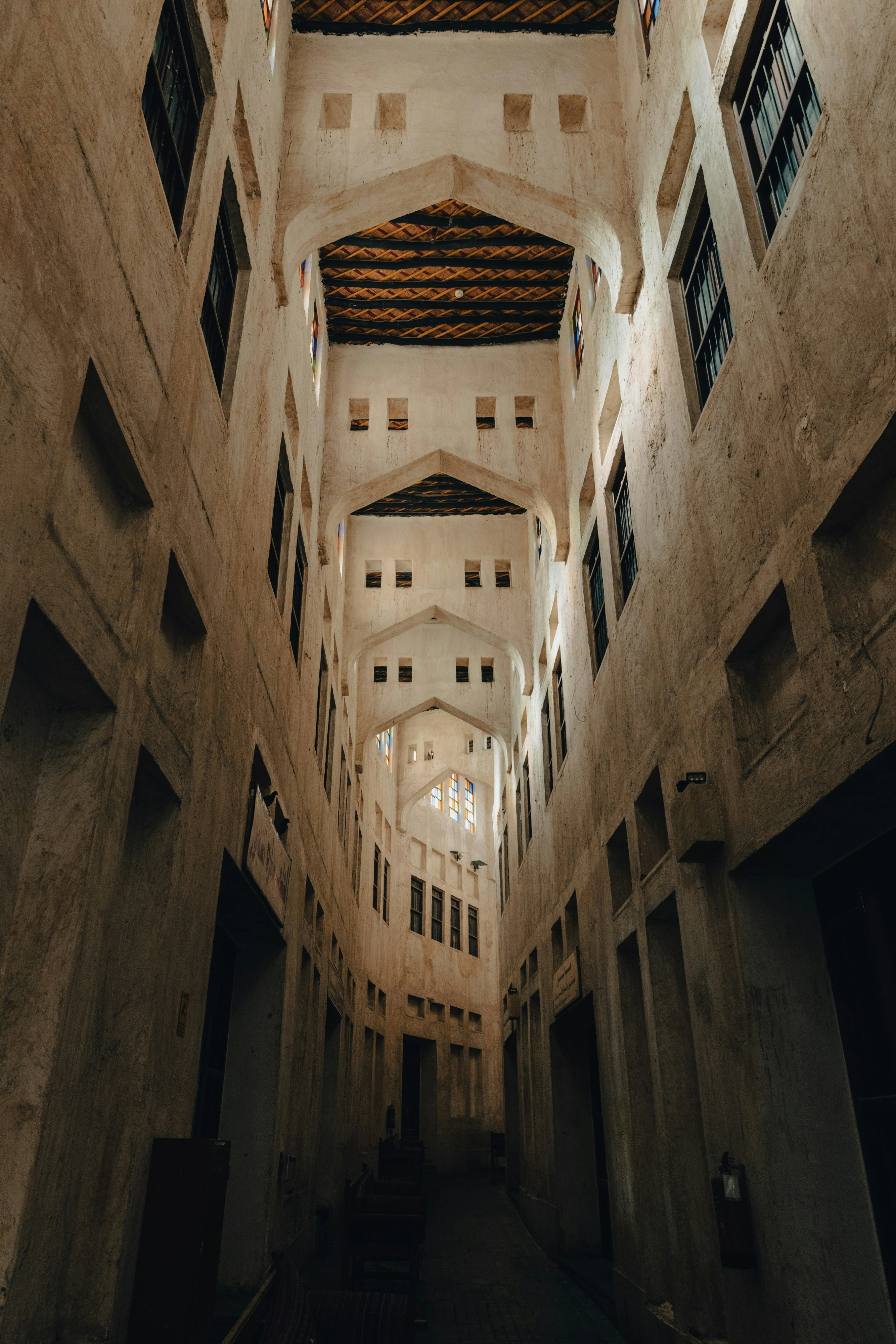
Souq Waqif may be a modern version of the Bedouin market it once was, but it has retained the winding alleys, classical architecture, and lively atmosphere of a traditional Arabian souq. The market comes alive with the smell of spices, karak tea, and grilled delights in the evenings, when local tradesmen in their white robes sit outside their stalls, chatting and holding their prayer beads. It’s easy for visitors to cast their minds back to the days long before oil and international football, when Souq Waqif was the heart of Doha.
From the souq, stroll up to the corniche for sunset and take in the Arabian Gulf punctuated by dozens of sails of traditional dhows on the water, as well as the more modern beauty of the starchitect-designed tall towers of West Bay in the distance. As a spot for an early evening run or cycle ride – or a picnic with the family – the corniche on a cool evening is unrivalled.
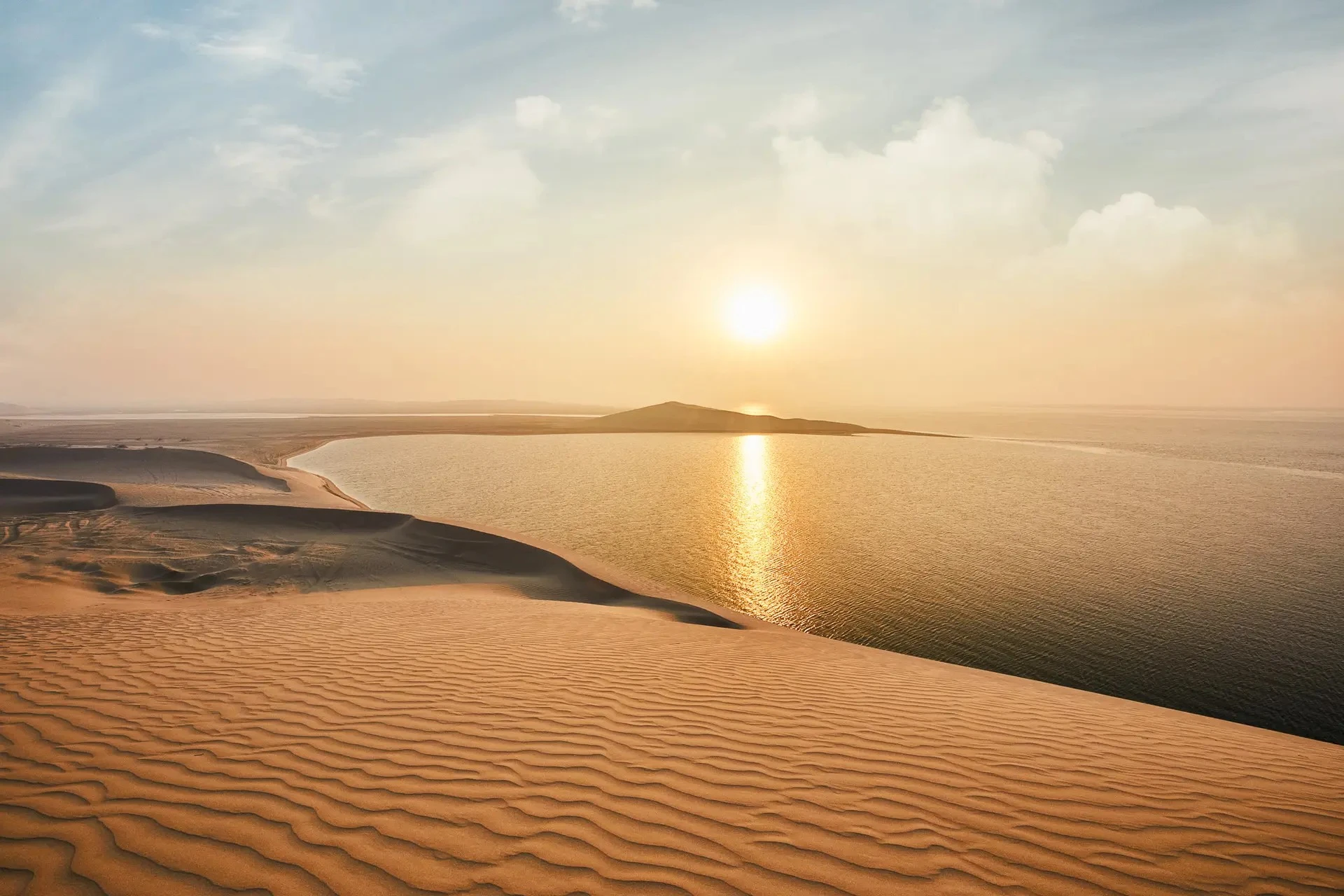
2. Khor Al Adaid
This remote natural reserve in southern Qatar is only accessible by 4X4 and is known as the spot where the desert meets the sea. The Inland Sea itself is a large lagoon fringed with sand dunes just north of the border with Saudi Arabia. It is a relatively large area, so even on the weekends and evenings when locals descend upon Khor Al Adaid, it is possible to find a quiet spot to have a picnic, take photographs, and watch the sunset. You can also camp in the reserve, and it is a wonderfully remote spot for star-gazing followed by a dawn wake-up in the desert.
If you don’t have your own wheels, myriad local operators organise day trips and overnight stays at Khor Al Adaid, most of which involve entertainment from dune-bashing (driving at high speed over sand-dunes), camel riding, and sandboarding, while the lagoon itself is a wonderful spot for a cooling dip. Many operators also offer overnight stays in the reserve.
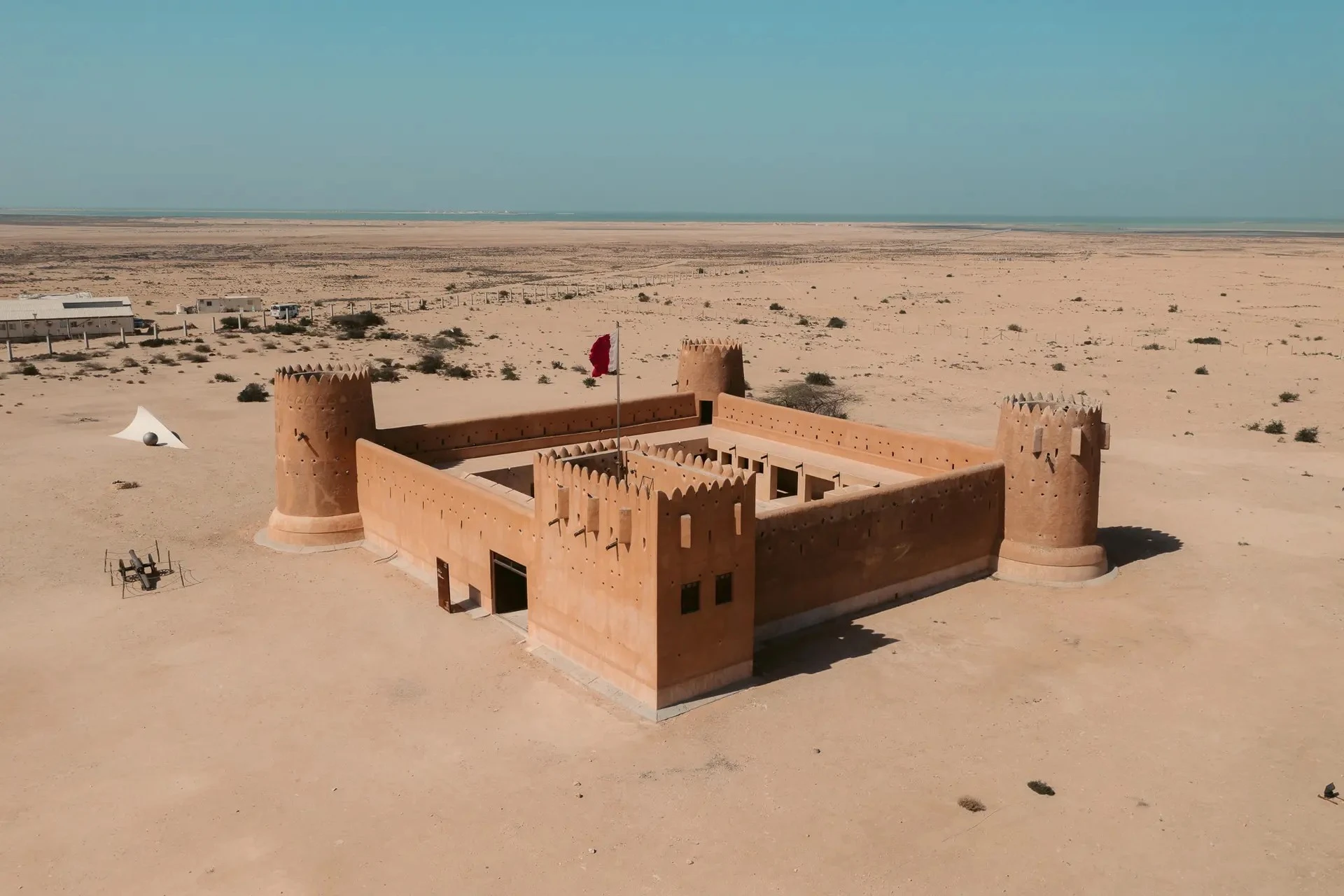
3. Al Zubarah Fort and Archaeological Site
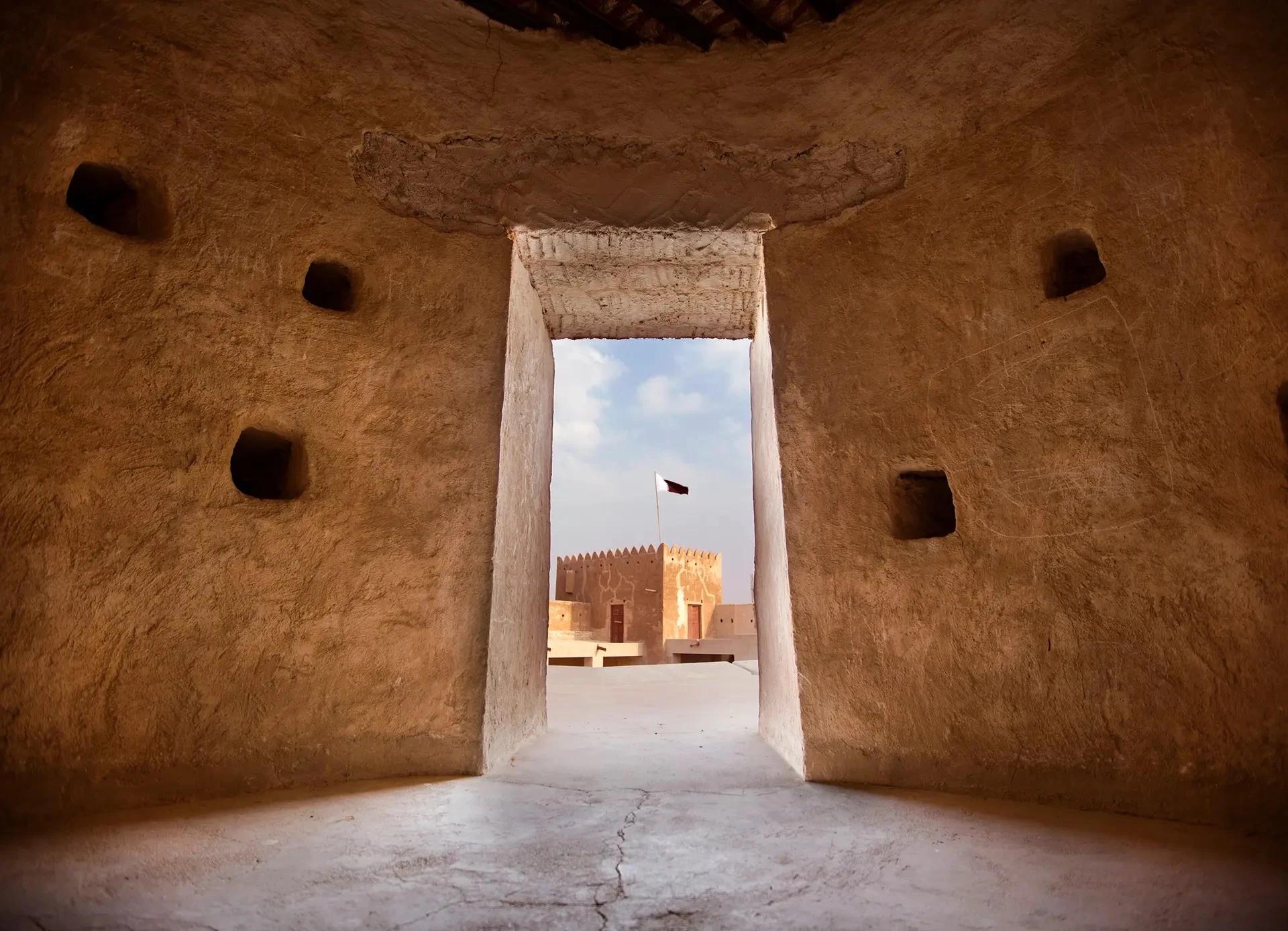
Before Doha was the centre of life in Qatar, Al Zubarah was a thriving hub for trade and pearl fishing. Al Zubarah Fort is all that remains of this urban centre today, but the remnants of the wider settlement around it can also be viewed by a relatively new network of raised boardwalks.
The ruins include date presses, mosques and houses, and many of the finds have now been moved inside the fort, which includes a museum (others have been moved to the National Museum of Qatar in Doha, which also has a reconstruction of Al Zubarah itself).
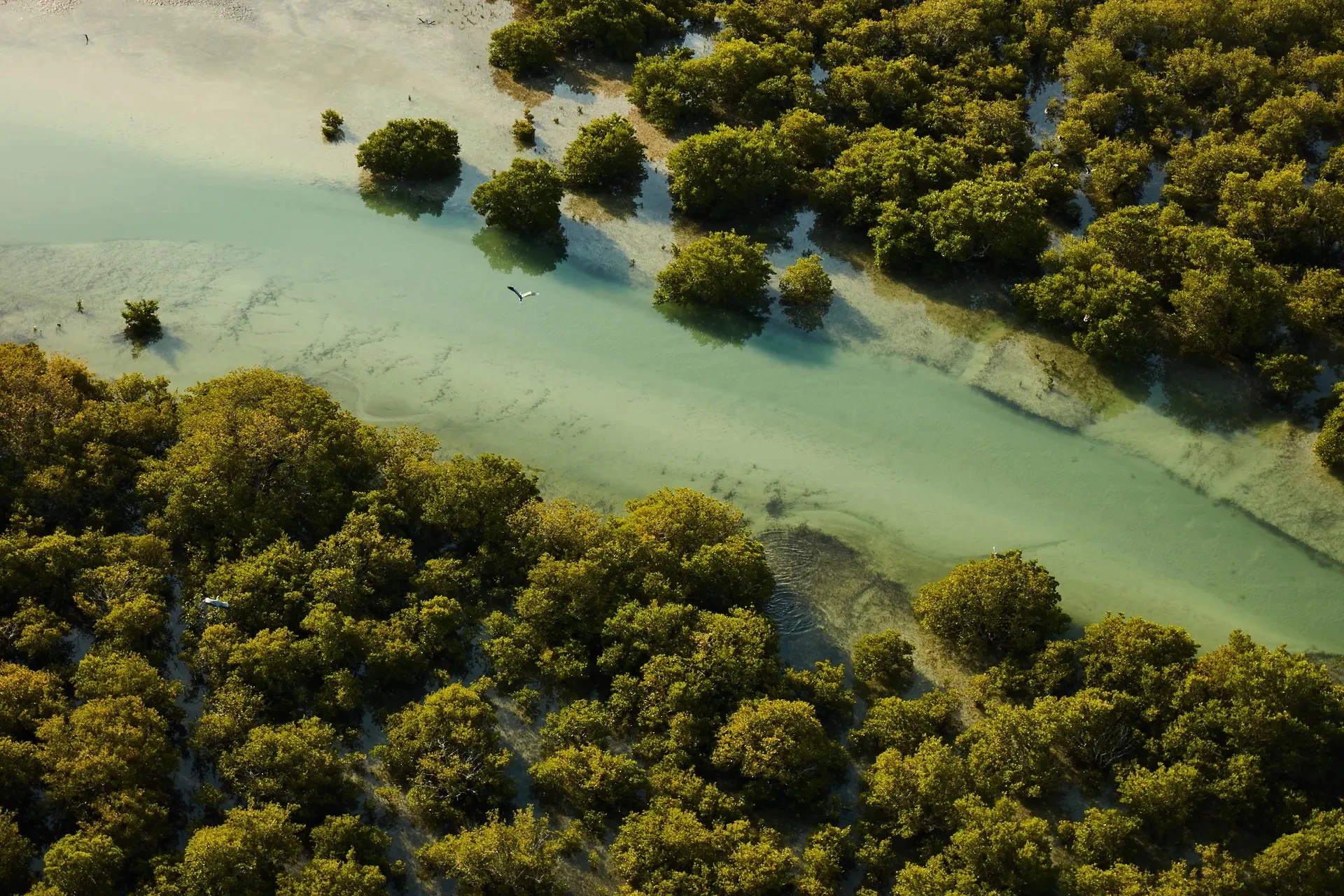
4. Purple Island (Al Thakira)
Located near Al Khor, Purple Island is a peaceful and very accessible site known for its mangroves and salt marshes, as well as its abundant bird and animal life, especially during the cooler months. The name originates from the purple dye that was harvested from shellfish that are native to the bay in ancient times, and it has a timeless quality that is far removed from uber-modern Doha.
You can’t swim at Purple Island, but camping and hiking are permitted, and wooden boardwalks link the various parts of the island to the car park.
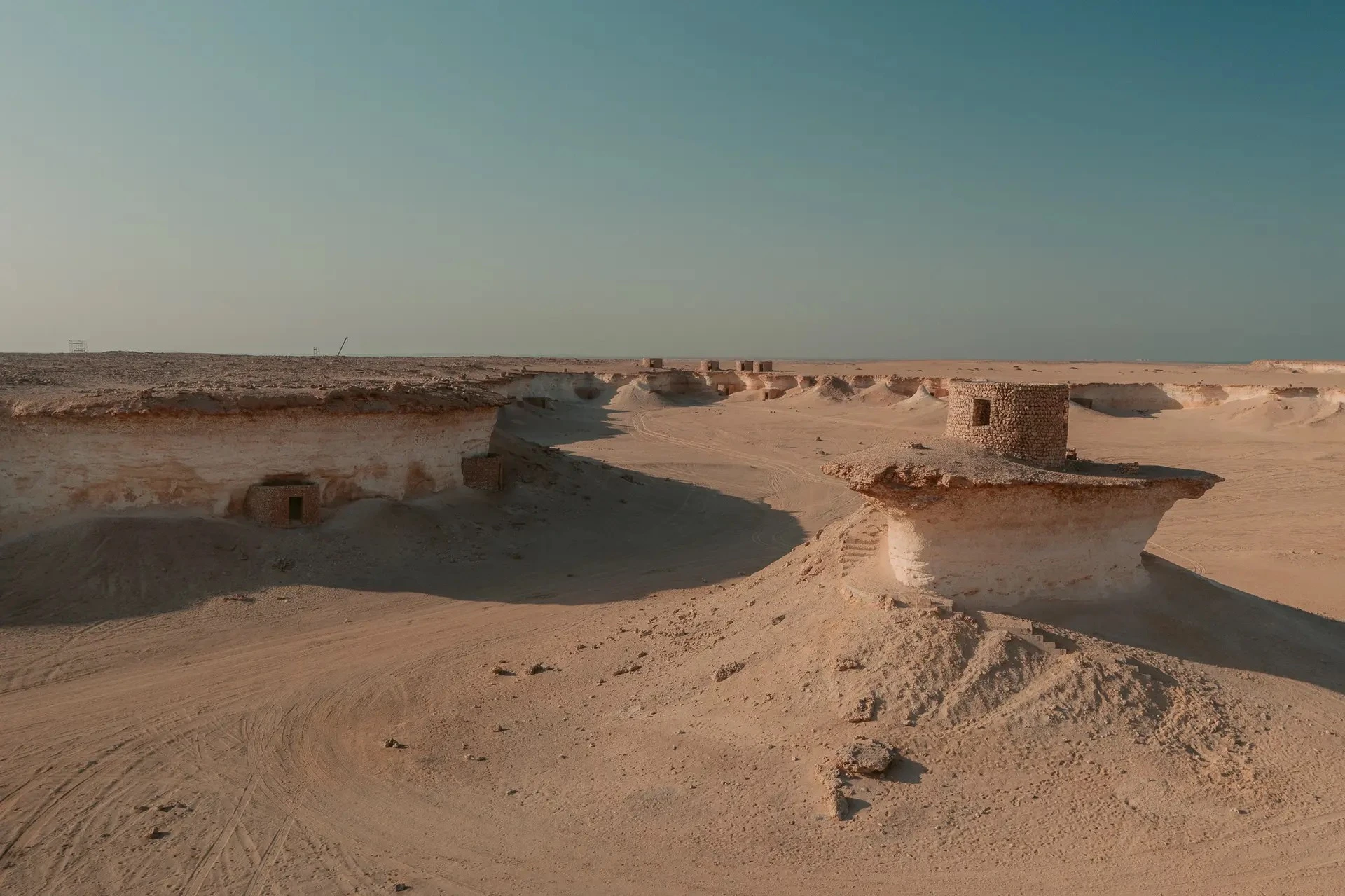
5. Zekreet and the West Coast
Qatar’s Wild West is far removed from Doha and the east coast, a region of wild, open deserts, mangroves and animal life including Arabian Oryx and gazelles in the interior and flamingos and other water birds on the coast. Zekreet, in particular, is known for its wind-carved limestone formations, mushroom-like rock structures, and surreal desert scenery.
Zekreet is also home to Richard Serra’s East-West/West-East installation, a massive set of steel sculptures that rise out of the empty desert and create a powerful, other-worldly atmosphere.
6. Msheireb Downtown Doha
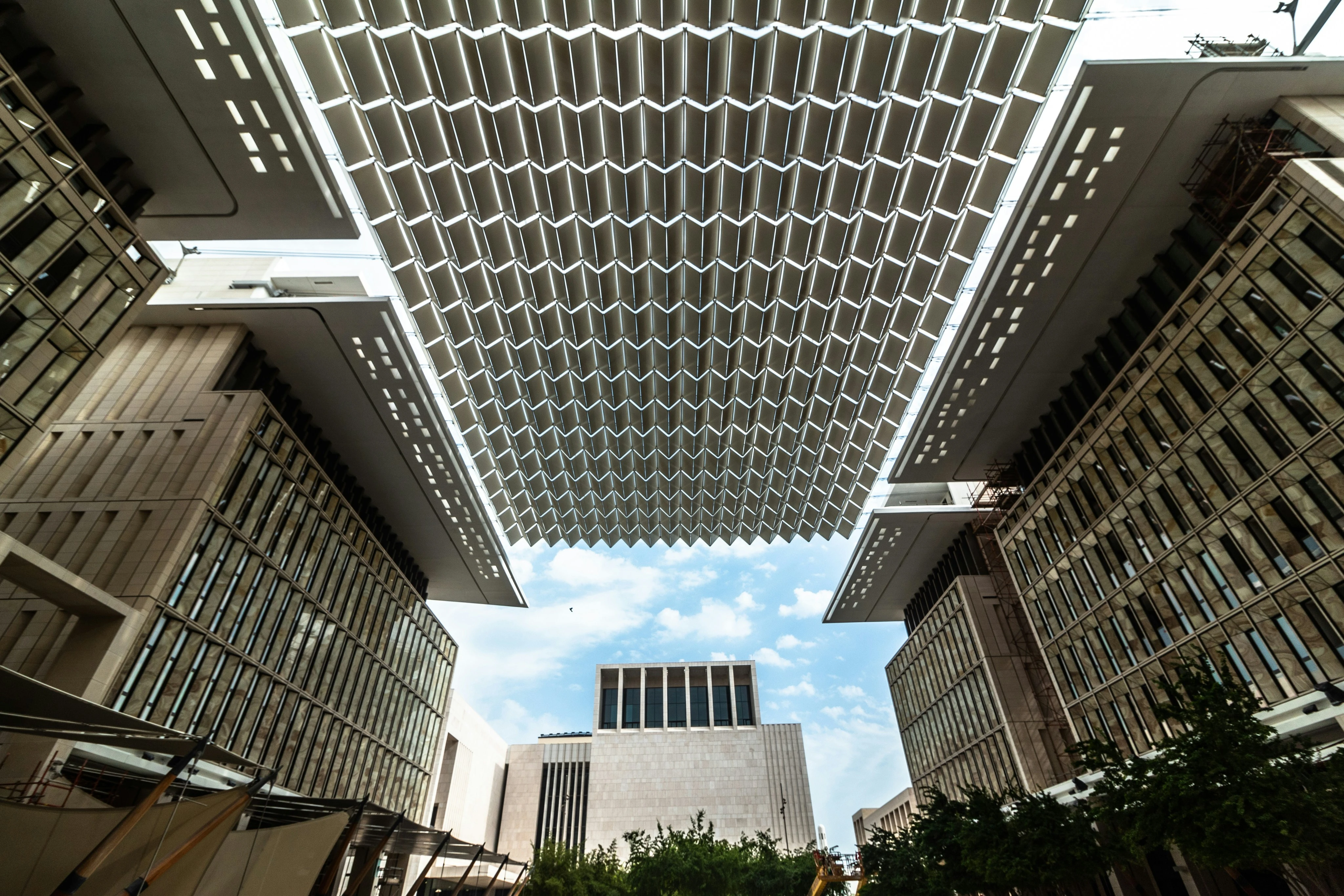
At the other end of the scale is the recently completed Msheireb Downtown district, which showcases innovative modern architecture and sustainable design, with shaded walkways, traditional-meets-contemporary buildings, and a thoughtfully planned layout. The area is especially beautiful at night when its lighting scheme brings the public spaces to life.
However, don’t get so distracted by the snazzy buildings, artsy cafes and restaurants, and five-star hotels that you miss Msheireb’s four, lovingly restored heritage houses, all of which host interesting museums that shine a light on the various eras of Qatar’s history.
7. Al Wakrah Beach
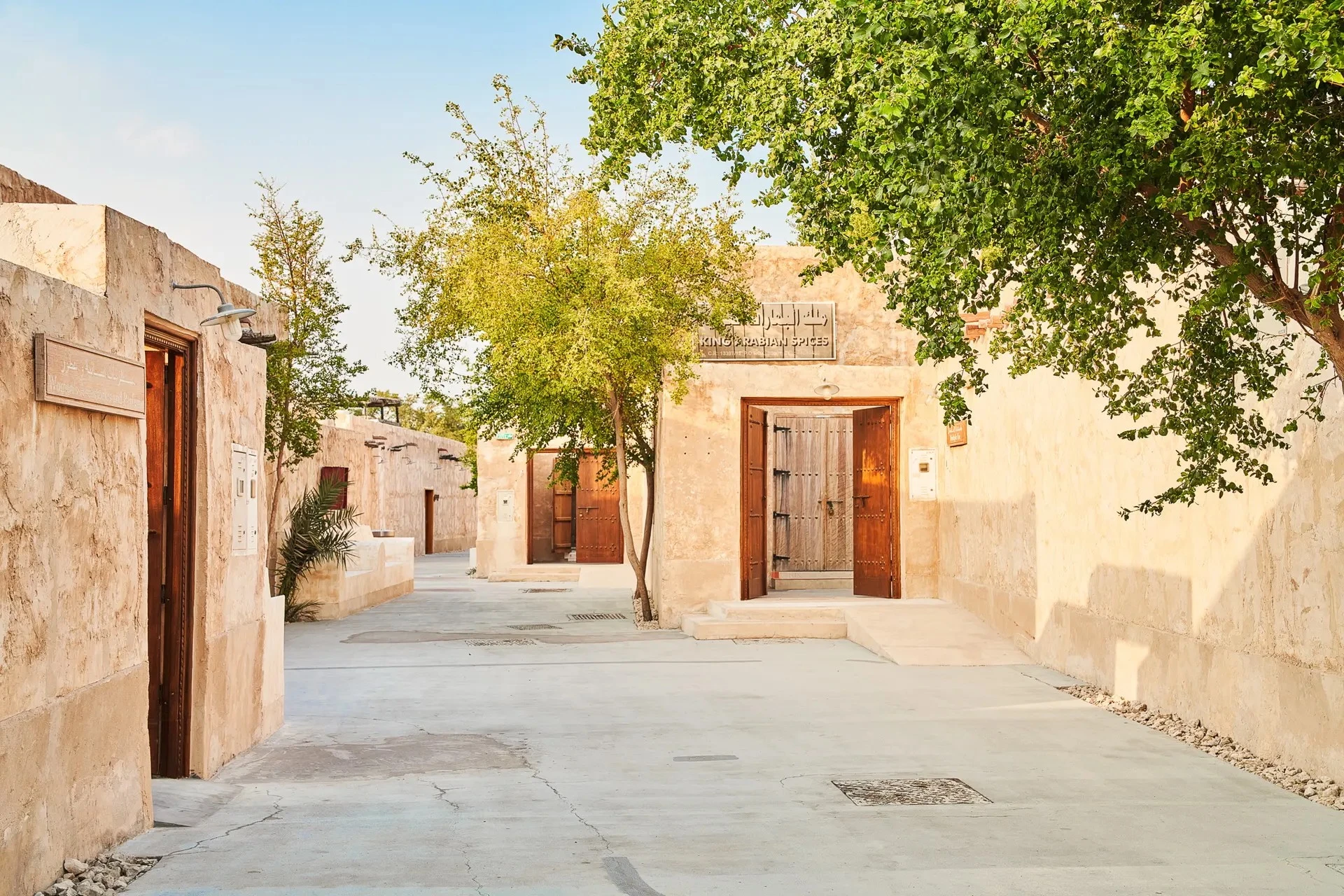
South of Doha, the coastal town of Al Wakrah is set around a scenic waterfront and is known for its traditional architecture and family-friendly beaches. The corniche is perfect for a leisurely walk, especially at sunset, and the historic town centre retains a quiet charm that can serve as a reminder of what Doha probably felt like half a century ago.
8. Aspire Park
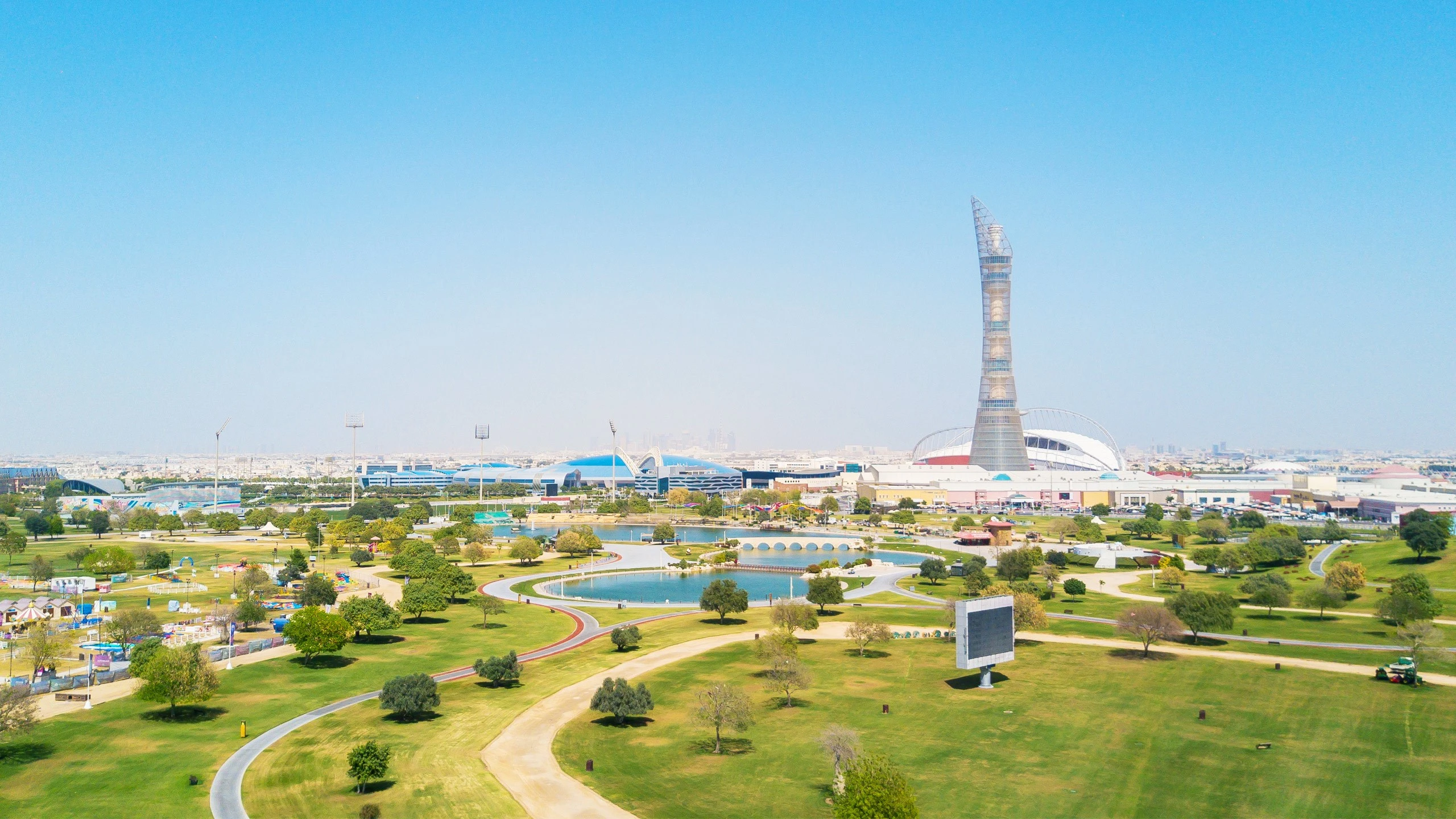
One of the largest green spaces in Doha, Aspire Park is set around lakes, fountains and walking trails, with wide open lawns and views of the epic Torch Tower. It’s a popular spot for locals and visitors alike and its lush vegetation is a marked contrast to the desert surroundings. The park is particularly beautiful in the early evening, when the skyline is reflected in the water.
9. Museum of Islamic Art (MIA)
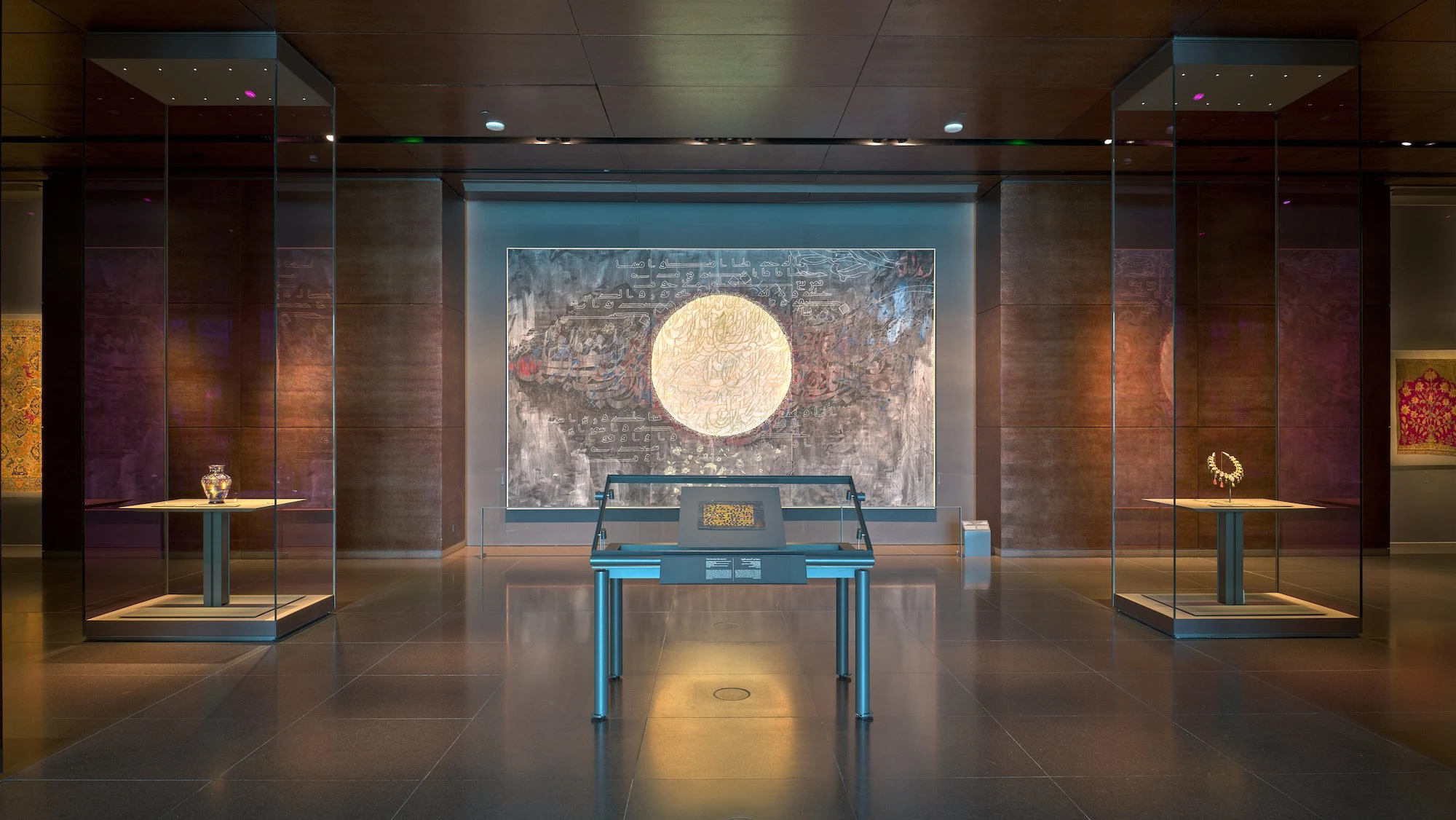
Set on its own purpose-built island with panoramic views of the Doha skyline, the Museum of Islamic Art is one of Qatar’s most beautiful and recognisable landmarks. Designed by I.M. Pei, the building combines bold geometric lines with traditional Islamic motifs. The surrounding park, reflecting pools, and palm-lined promenade make this a peaceful and photogenic destination, especially at sunset. Inside, the museum houses a world-class collection of Islamic art spanning over a thousand years.