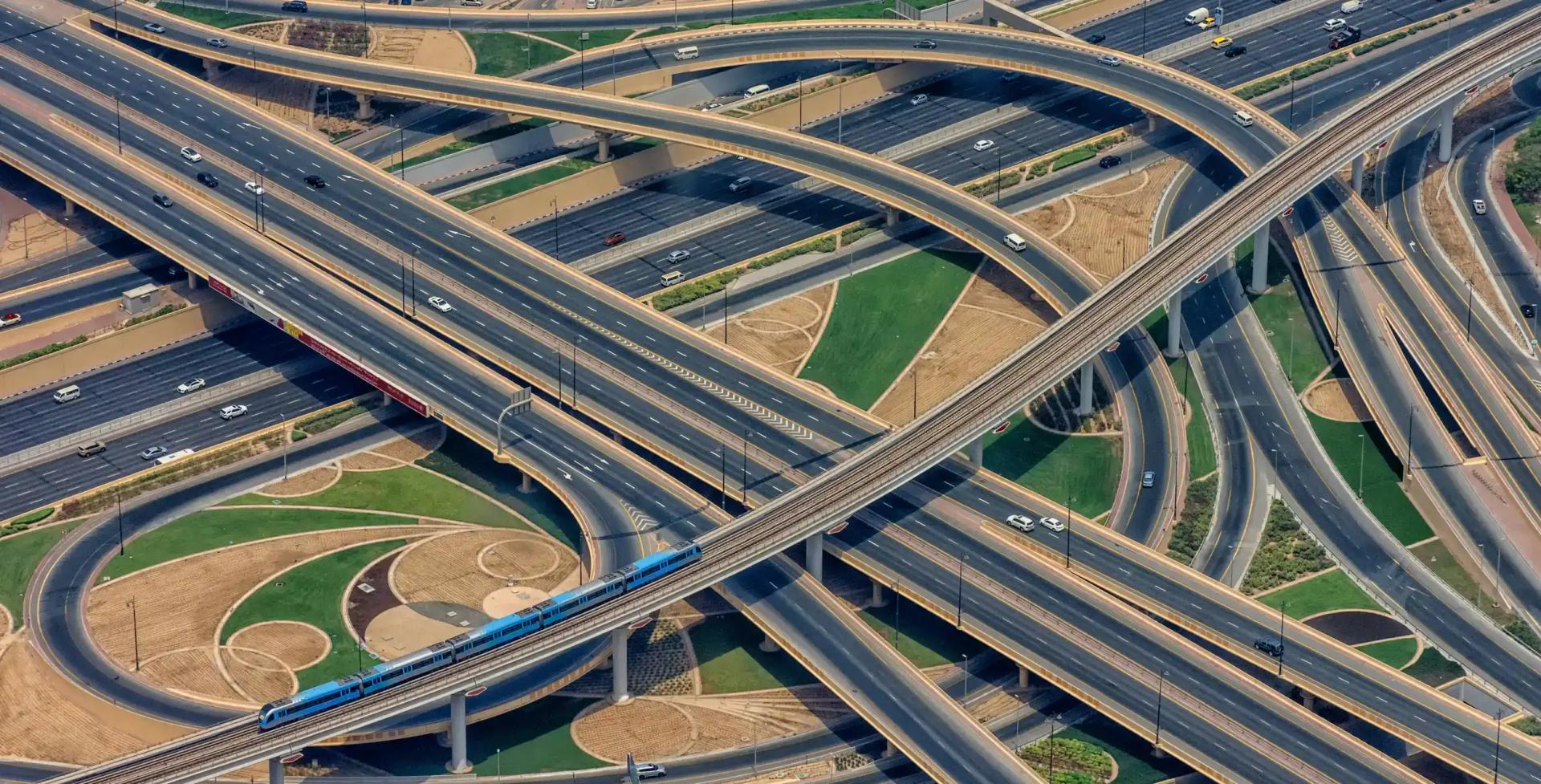




Even if you are a first-time visitor to the United Arab Emirates or the wider region you will likely find that getting around the country is easier than you expected.
Dubai and Abu Dhabi are thoroughly modern cities with robust transport infrastructures, much of it less than a decade old. For anyone who has experience with the London Underground or the Paris Metro, the Dubai Metro will feel like a different (better) world.
Taxis are ubiquitous, well-regulated and affordable – if not exactly cheap – and the advent of ride-sharing apps has made the whole process even more simple. Meanwhile, the UAE has ambitious plans for a train infrastructure that will link Dubai to the other emirates and – finally – to Abu Dhabi via the metro, which will make inter-city transport easier still.
It is worth noting that while the major cities are well connected, if you’re visiting the outer emirates or you want to get off the beaten track, by far the best way to travel is by car. But if you’re spending your entire break in Dubai, you absolutely do not need a car: indeed, the traffic and parking issues will make life far more difficult than it needs to be.
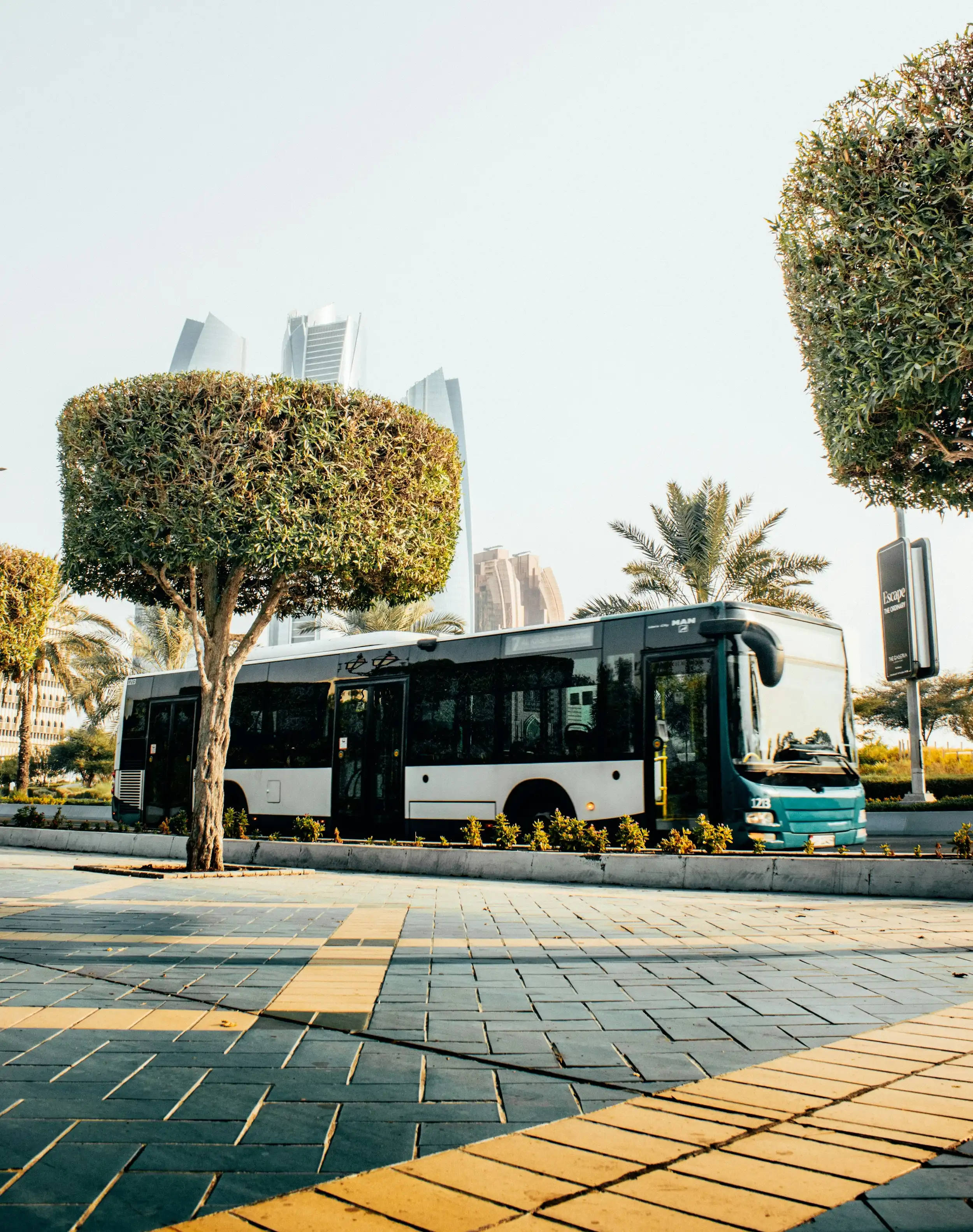
Stretch your budget by taking the bus
All the emirates have functioning bus services, but unless you’re really short of cash it is best to use buses for intercity travel (in the absence of the much-anticipated intercity train service) rather than for short hops, which are better done via taxi or metro, where available.
You will need a NOI or Halifat (meaning bus in Arabic) card – both of which can be pre-loaded – although you can also pay in cash (bring small change).
Dubai’s buses have made strides in recent years and now run from 4am to 1am, and 24 hours on at least one line (C01) that serves the central business district. Abu Dhabi now has the Yas Express, a free shuttle that connects all the major sites and hotels on the Island and runs until 11.30pm.
Buses are especially useful for Dubai-Abu Dhabi travel, which can be very expensive by taxi. The E buses – E100, E101 and E102 – connect major bus stations in Dubai (Al Ghubaiba and Ibn Battuta) to the Abu Dhabi Central Bus Station. From Sharjah to Dubai is more complicated, especially if you’re arriving at Sharjah Airport. You will need to take a bus from the airport to Al Jubail Bus Terminal in Sharjah and then another bus to Dubai.
You may also find yourself using the bus in the outer emirates, Fujairah or Al Ain, but carry some cash as the payment cards that are standard in the other cities – NoI and Halifat – may be greeted with a bemused stare by bus drivers in more off-the-beaten track parts of the country.
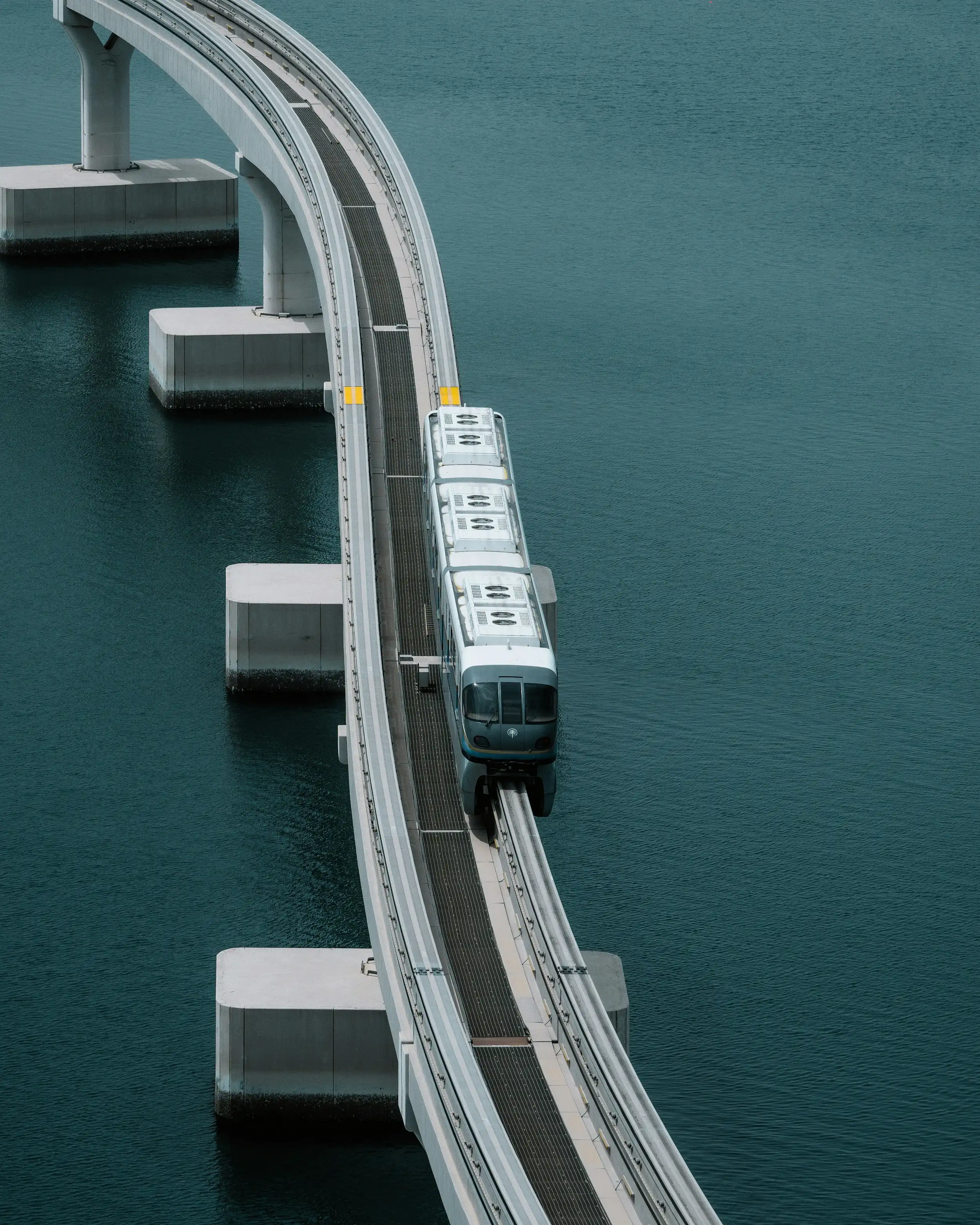
Cover ground quickly with rail connections
Mention the much-vaunted intercity rail services in the UAE to any long-term residents and they may well roll their eyes: the service has been mooted for decades but little track has actually been laid. But then, the same about the Riyadh Metro, and now look at it!
Dubai’s Metro is a revelation (seethe next section for more info on that) but as it stands, the Red Line stops at the UAE Exchange Metro station in the south (east) of the city, from which is it an hour’s drive to Abu Dhabi (rather than two-hours plus from Deira or Bur Dubai).
If you’re at the airport or staying in the north of Dubai and want to go to Abu Dhabi, take the metro as far as you can and then grab a taxi – plenty will be waiting and very willing for what is a pretty good fare by any standards.
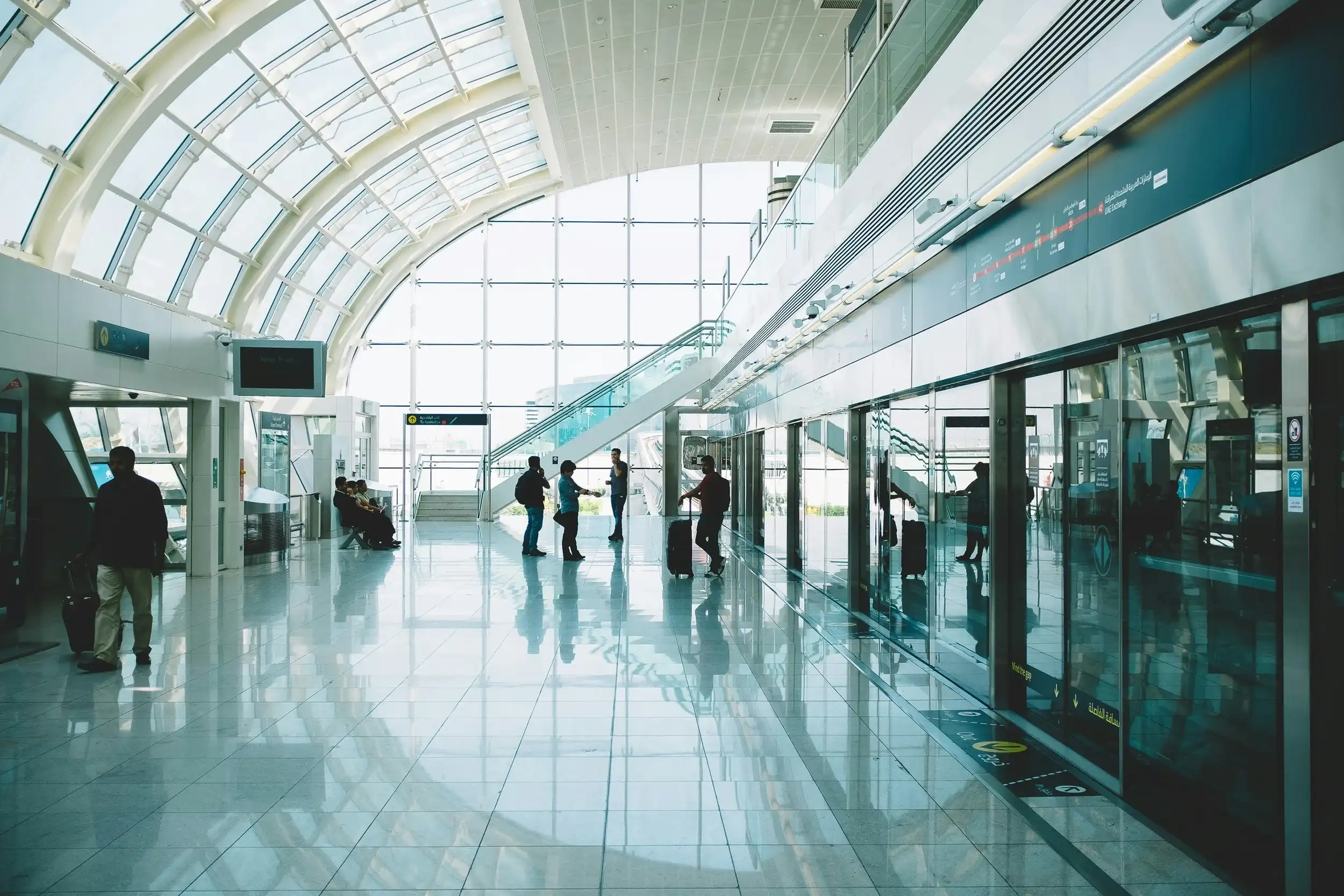
Do UAE cities have metros?
Dubai has a top-of-the-range driverless metro that has the added benefit of being above ground, meaning it provides fantastic views of the city both during the day and at night. In total, the Dubai Metro covers 74.6km across 47 stations and 2 lines (Red & Green). It serves both airport terminals, and runs 5am to midnight, Monday to Thursday, and from 5am to 1am on Fridays. On Saturdays, the stations are open from 5am to midnight, and on Sundays, they open at 8am and remain open until midnight.
Trips cost between AED3 and AED7.50 with a Silver NOL card and AED4 to AED8.50 for a Red NOL card. For multi-zone travel or longer trips, fares can be higher and Gold Class fares are more expensive, but you get a nicer carriage and more chance of a seat.
The Metro is also interconnected with many of the malls and offices meaning that in the hotter months, it provides an air conditioned thoroughfare to many destinations. None of the other cities in the UAE have Metros, at present.
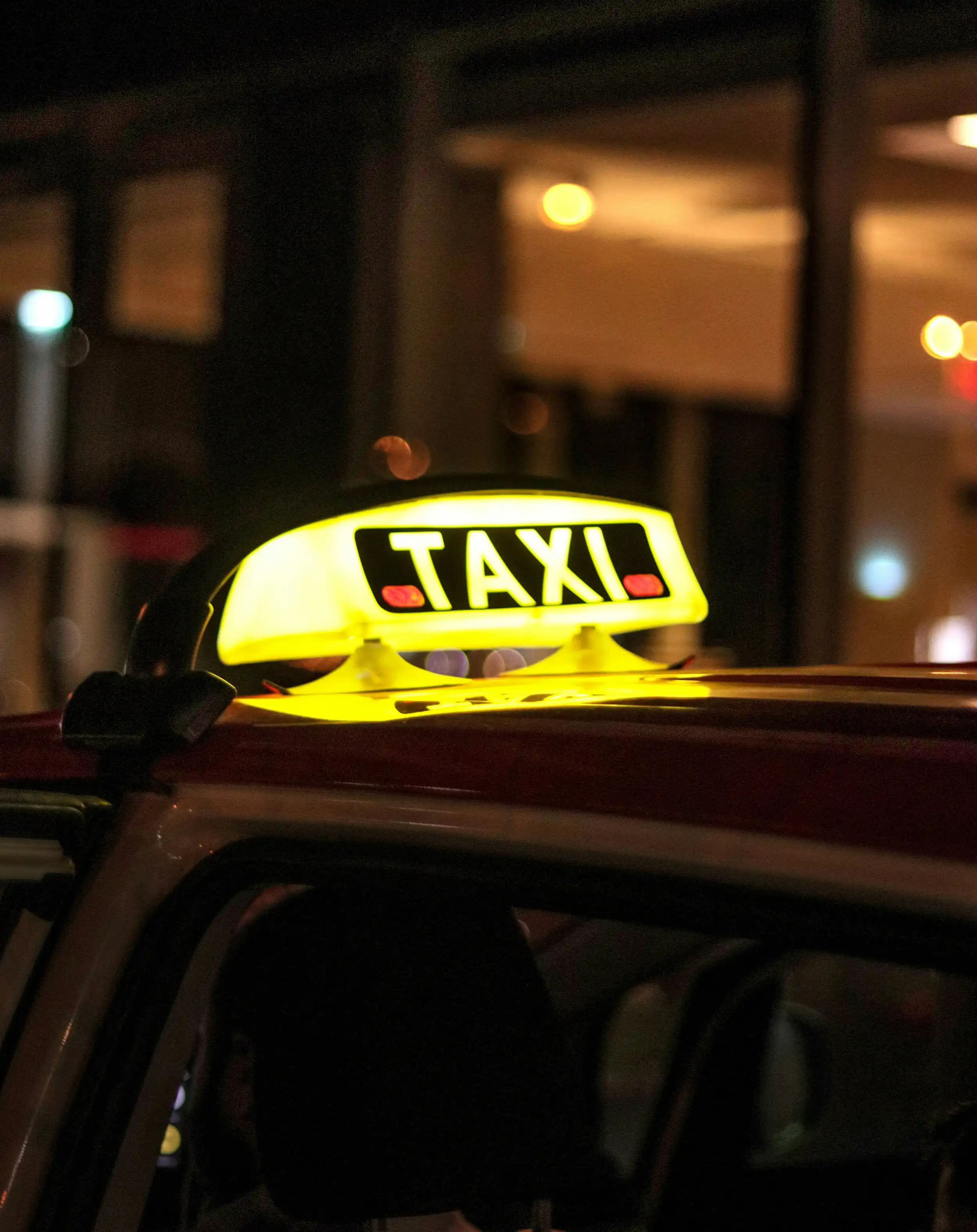
Taxis and ride-hailing apps are everywhere
Night or day, you will never struggle to find a taxi in the major cities and even in emirates like Ajman, Fujairah and Ras Al Khaimah. Taxis are safe, metered and clean, and most drivers will speak a little bit of English – many will be fluent. In Dubai and Abu Dhabi, taxi prices can add up because of the distances often involved (for example, Deira to Dubai Marina, or downtown Abu Dhabi to Yas Island), but for short hops they are cheap and convenient.
Ride-hailing apps like Uber and local rival Careem are also everywhere in cities like Dubai and Abu Dhabi, although less common in the smaller emirates. There are also ride-sharing apps for women available including Pink Taxis in Dubai. You can use your card to pay for taxis in Abu Dhabi and Dubai, although some taxis in the former require you to use the PayBy app, which will need to be downloaded. It is always a good idea to keep some cash for emergencies.
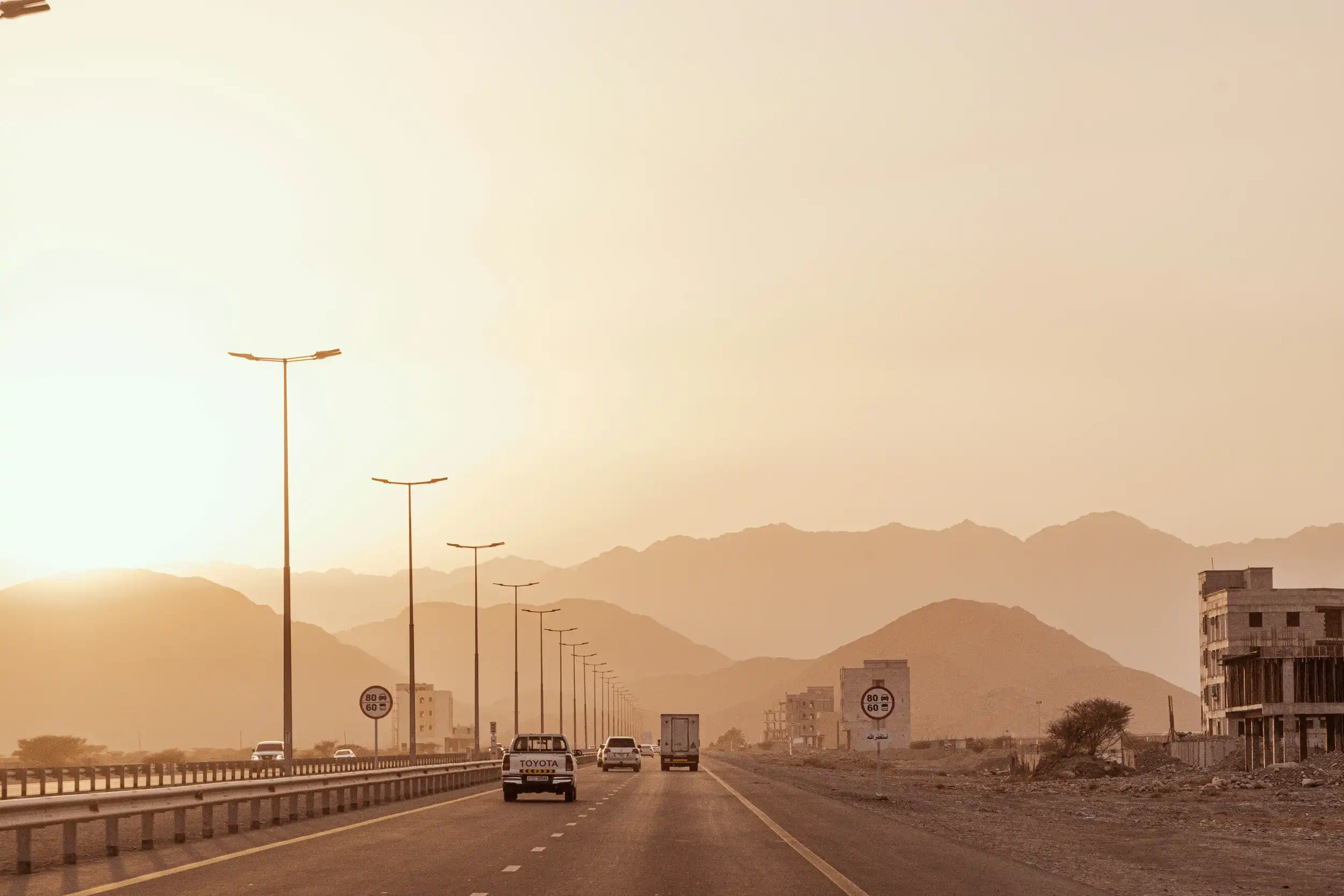
Rent a car for more remote travel
Driving in the UAE may seem intimidating for Europeans that are not used to eight-lane highways and high speed, but the roads are mostly very good and the days of highways running for hundreds of kilometres and then simply stopping in the desert are coming to end. Fuel is incredibly cheap by Western standards, and affordable valet parking is common at hotels and even at malls. If you’re planning to visit either the desert or the northern emirates, a car is essential, and will work out far cheaper than hiring a driver for the day.
The UAE government officially states that drivers will need a valid International Driving Permit (IDP) to rent a car, but it is worth checking with your car rental company.
Be aware that while you will regularly see egregious violations of speed limits and general traffic rules, speed cameras are ubiquitous (even on remote desert highways) and fines are exceedingly high. Drivers would be advised not to join the boy racers in the fast lane and drive assertively but defensively unless they want to face an enormous bill when they bring their car back.
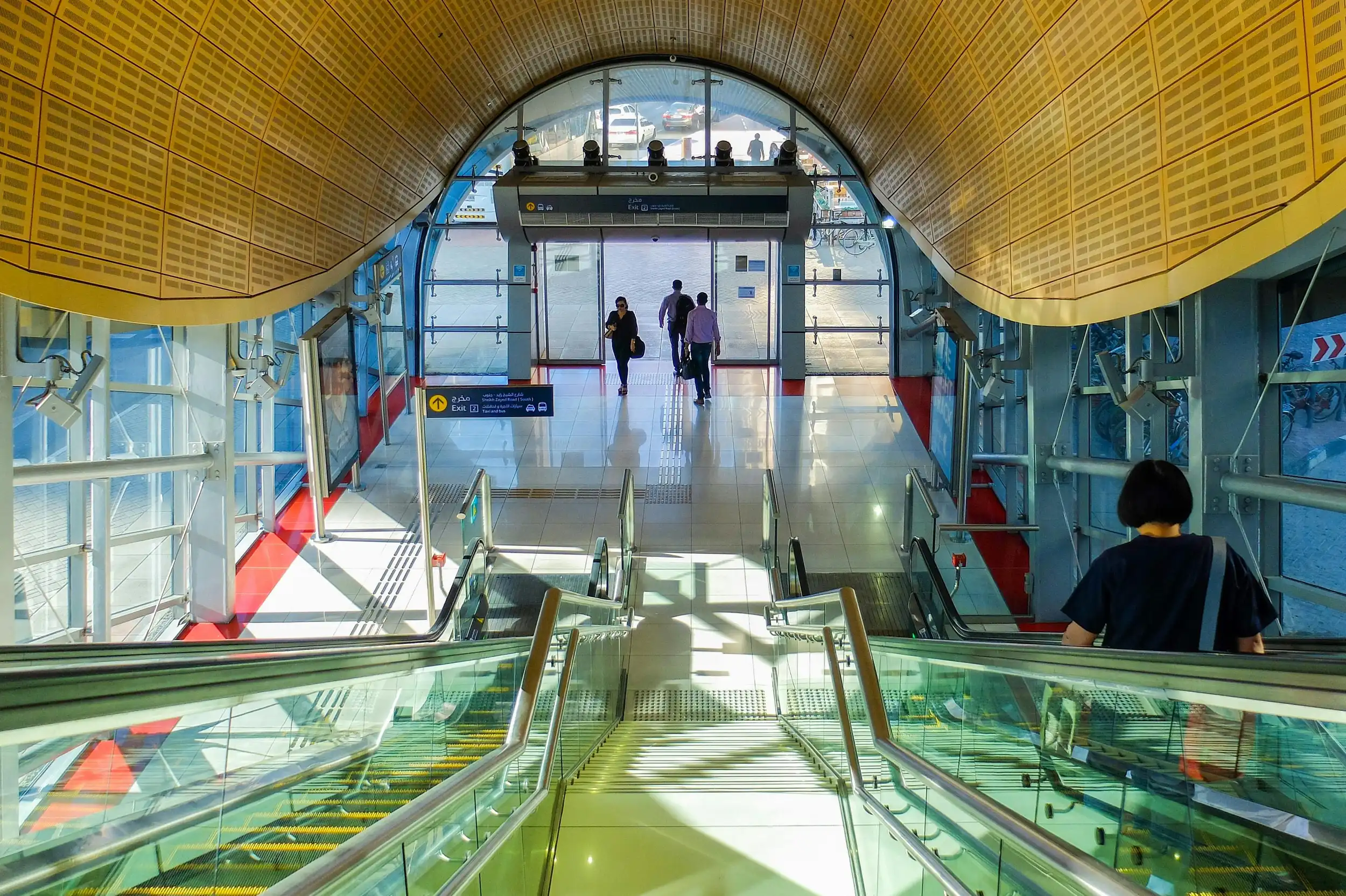
Accessible transportation in the UAE
The Dubai Metro is very modern and, as such, accessible for everyone; all stations have escalators. Although the newer buses have ramps, in the northern emirates it may be more difficult for people with mobility issues. Dubai’s ‘People of Determination’ scheme – the phrase replaces the term ‘disabled’ in the UAE – has committed to providing wheelchair-accessible taxis and public transport, as well as accessible services and facilities, including parking, restrooms and ramps. Outside of Dubai and Abu Dhabi, options for those requiring accessible transport are harder to find.