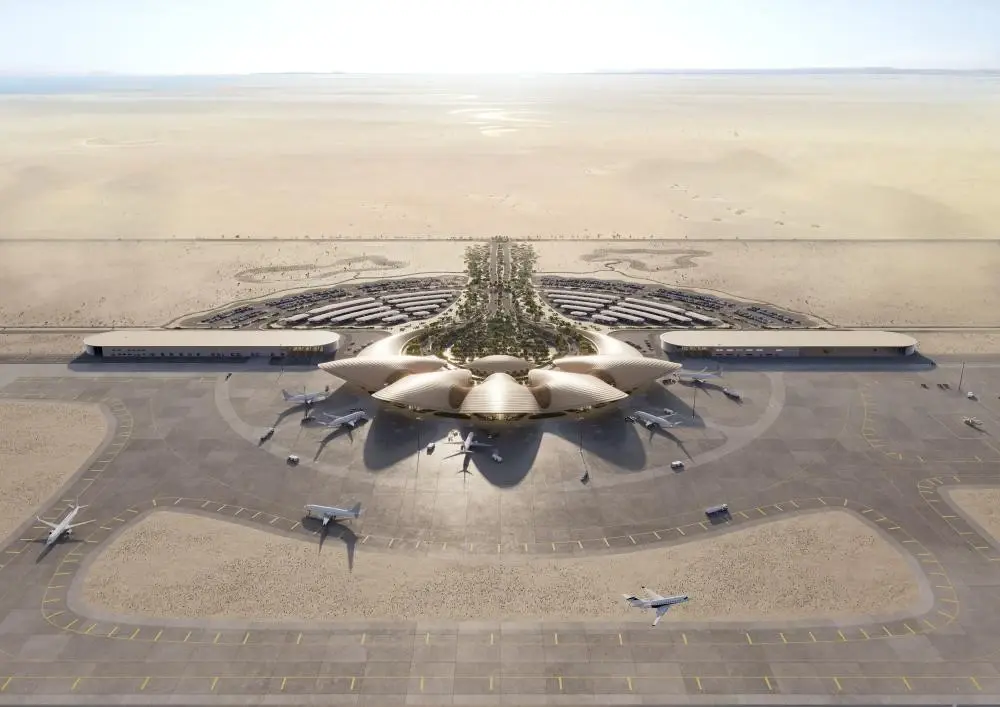


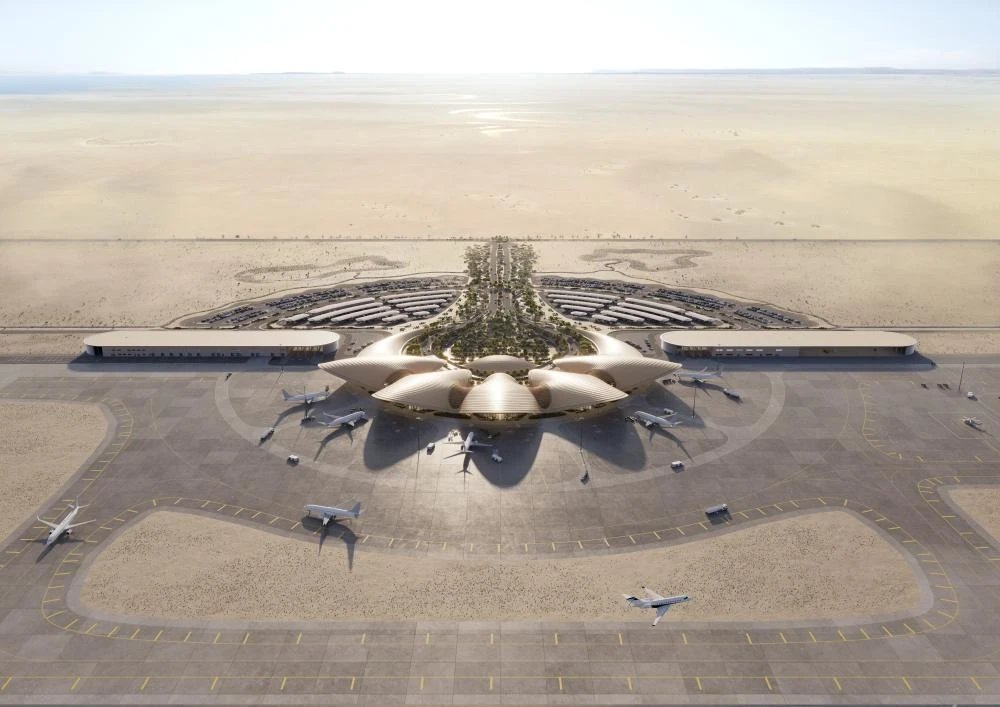
Samarkand is in the midst of a renaissance. The ancient Silk Road capital that once connected east and west is now positioning itself as Central Asia's most accessible luxury destination. With visa-free entry for GCC passport holders, a new airport styled like an open book, and a wave of five-star hotels opening across the city, Samarkand offers something rare: the spiritual depth of the Islamic golden age wrapped in the comfort of modern hospitality.
Magnificent by design, ambitious in outlook, and rooted in faith, it is neither the dust-choked ruin imagined by 19th-century travelogues nor the sterile Soviet museum of cold war isolation. Samarkland is a reawakened giant.
Getting There
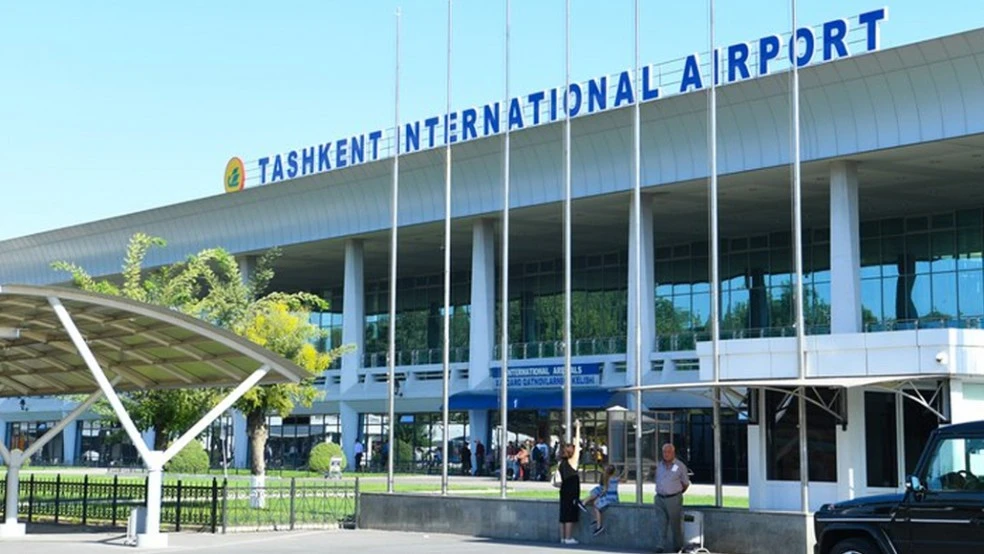
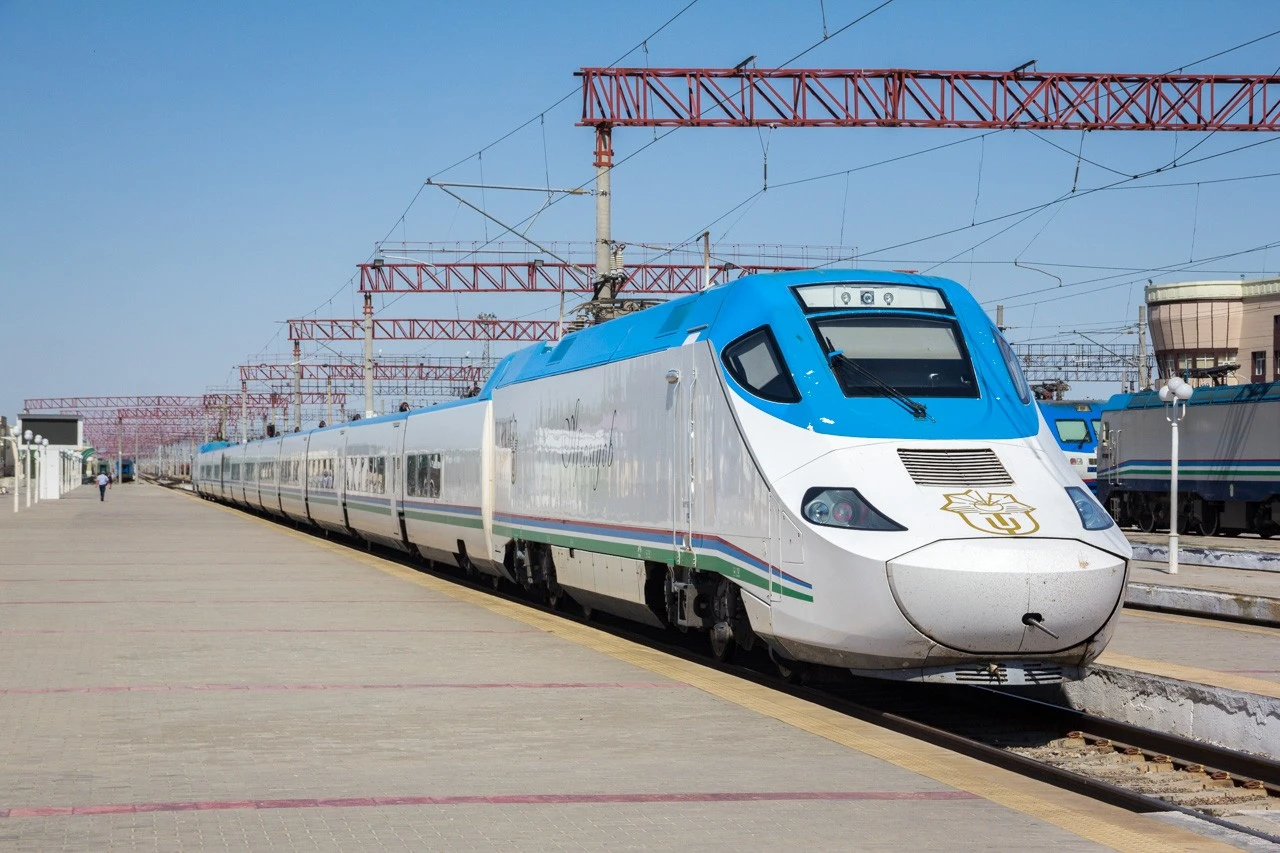
Direct flights from European and Asian capitals begin next year, bypassing Tashkent. Until then, fly into Uzbekistan’s capital and board the vaunted Afrosiyob, a high speed bullet train. This train cuts through the arid steppe with a silent confidence that renders the sprint almost clinical. Samarkand Railway Station, an 1888 relic, was an imperial terminus for Tsarist explorers. Today’s interior is a manicured indoor garden where light catches elegant murals, and the VIP section functions with the dignified quiet of a private members' club.
Where to Stay
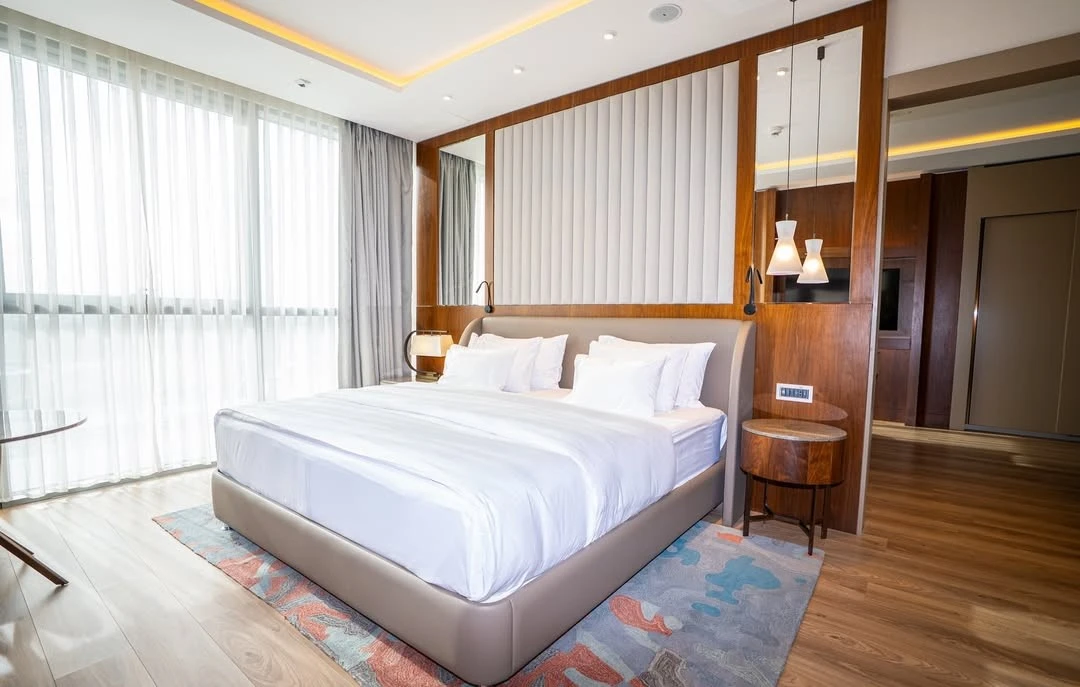
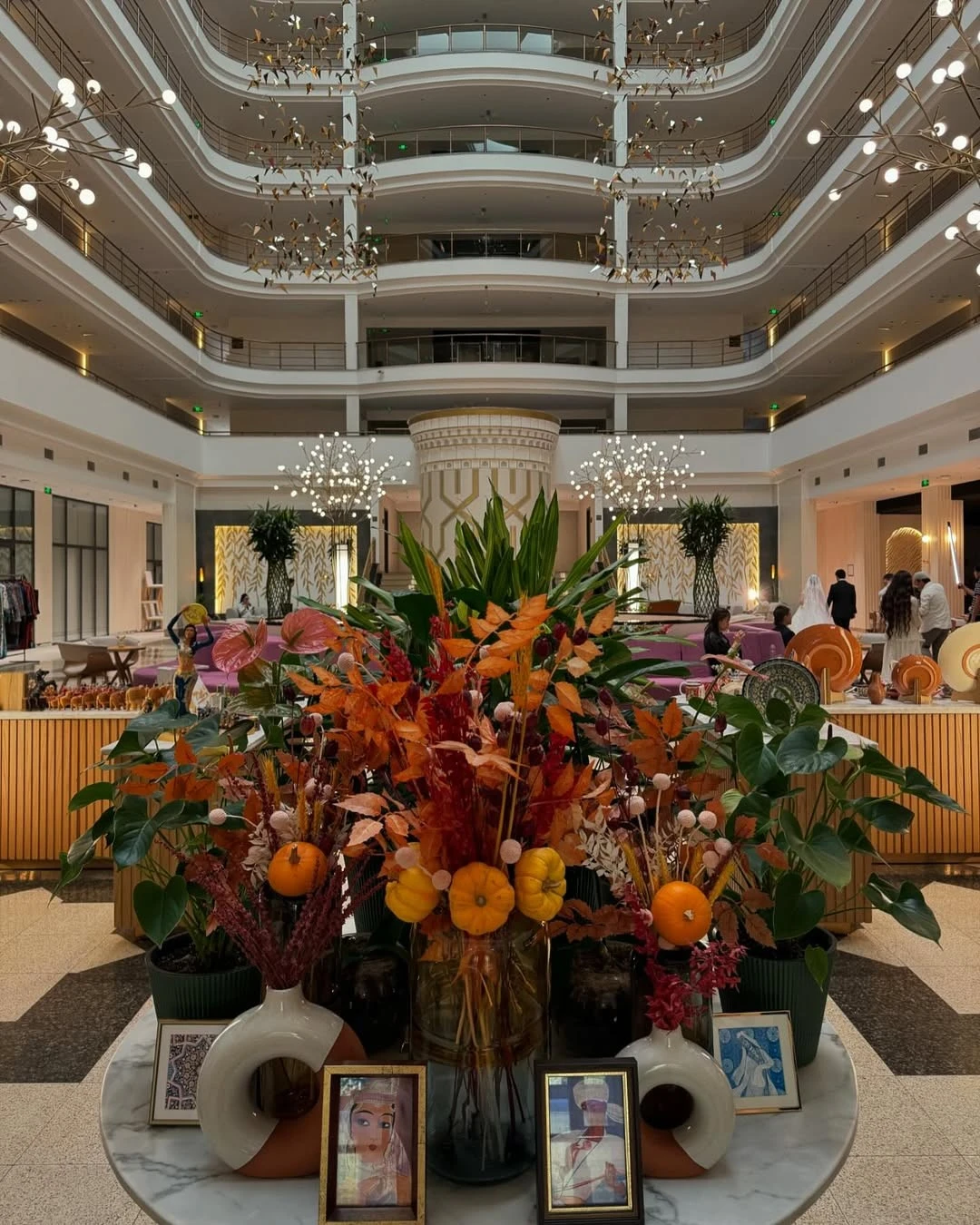
Accommodation options reflect the city’s blend of heritage and ambition. For a high-end stay with a side of brand recognition, Hilton Samarkand Regency or Mövenpick Samarkand both deliver. For those seeking a more intimate connection to the city, Kosh Havuz Boutique Hotel offers a refined alternative near the historic centre.
Silk Road Samarkand complex represents a $580m wager on the city's future. Opened in 2022 to great fanfare, it seeks to prove that the city can welcome world leaders in absolute luxury. A number of new luxury hotels cluster around the Eternal City ethnopark, a living reproduction of ancient architecture where visitors can dine, shop, and stroll through 44 buildings replicating lost regional styles. Partnerships with big hotel brands, like Hilton and Lia!, a younger lifestyle brand operated by Minyoun Hospitality (a major Asian hotel chain), signal the project’s ambition.
The Perfect Beginning
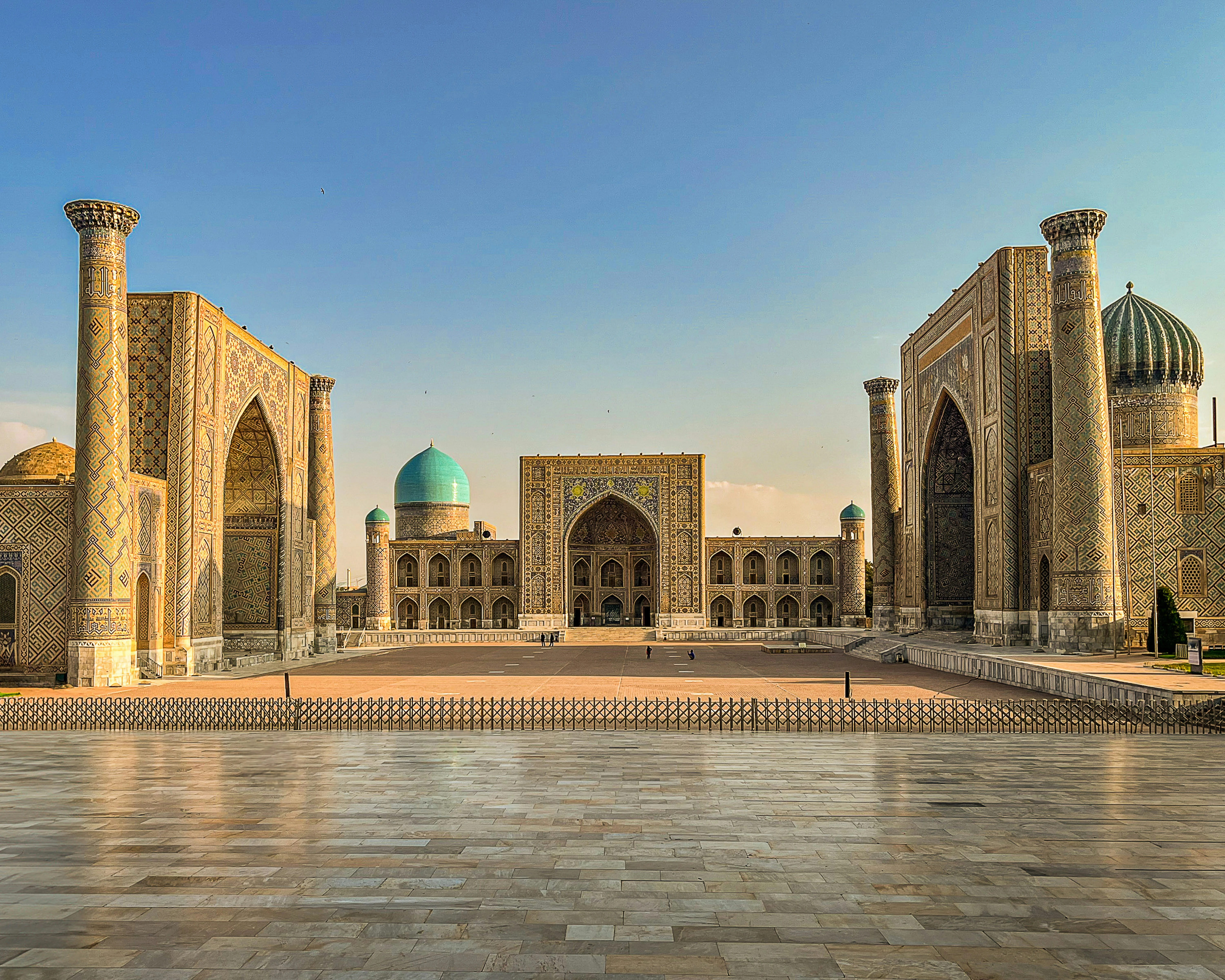
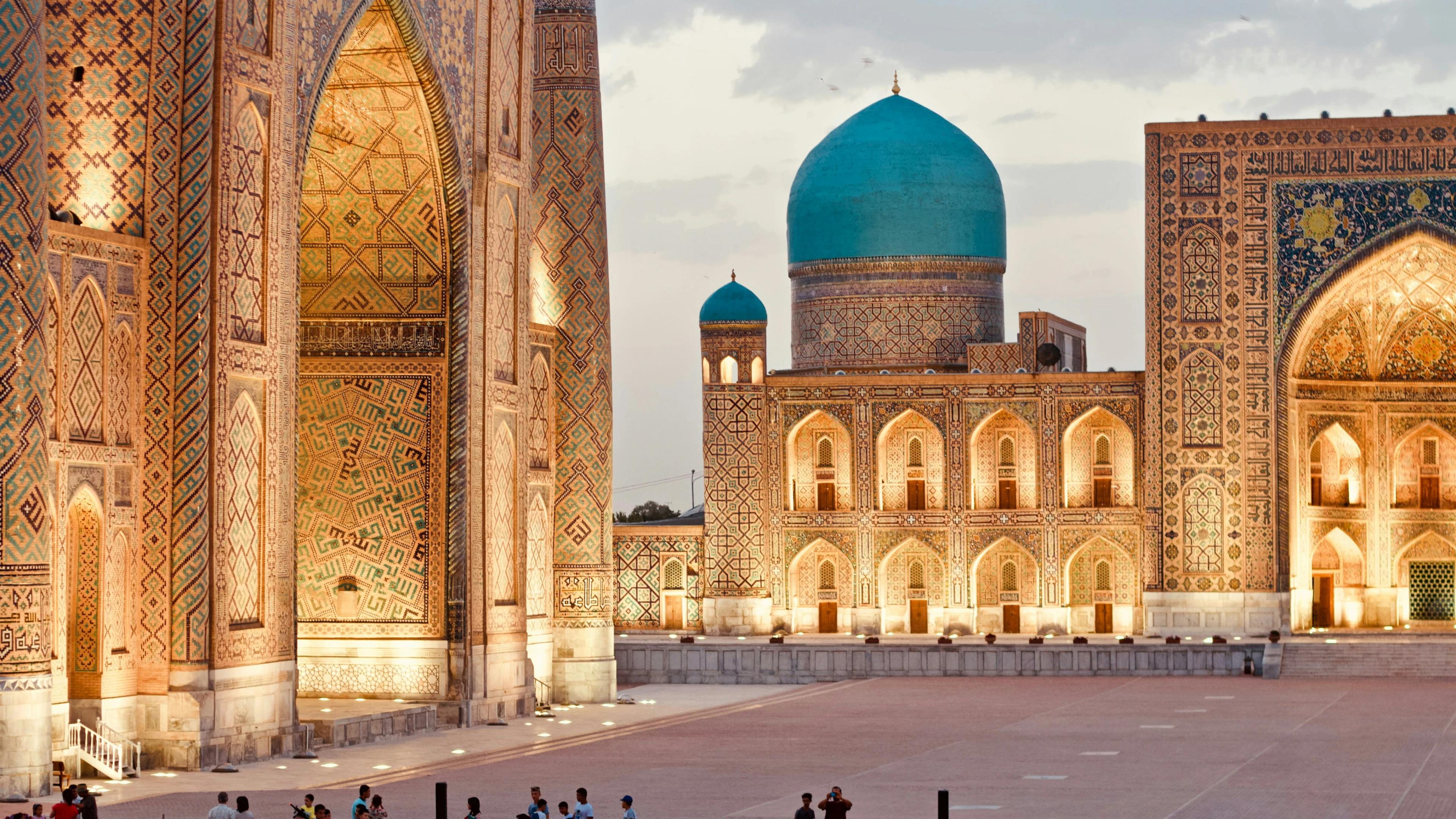
Your first morning belongs to the Registan. The name translates prosaically as Sandy Place, but the reality is a Silk Road fantasia of turquoise domes and soaring minarets. Three madrasas stand in perfect symmetry: Ulugh Beg, Sher Dor, and Tilla-Kori. Their geometry adorns every banknote and postcard, yet seeing them in person delivers the promised jolt of wonder.
That perfection, however, is due to a more recent engineering miracle. By the mid-20th century, sand had swallowed the foundations, leaving the minarets leaning like earthquake survivors. Soviet engineers removed thousands of cubic metres of soil and used hydraulic jacks to sever the minarets from their bases, rotating them painstakingly back to verticality. Amid this grandeur stands a tribute to Khoja Muhammad Kotangu, a butcher who fed the builders for free for 14 years – a quiet reminder that sadaqah provides the mortar for these monuments as much as lime and brick.
Culinary Intermission
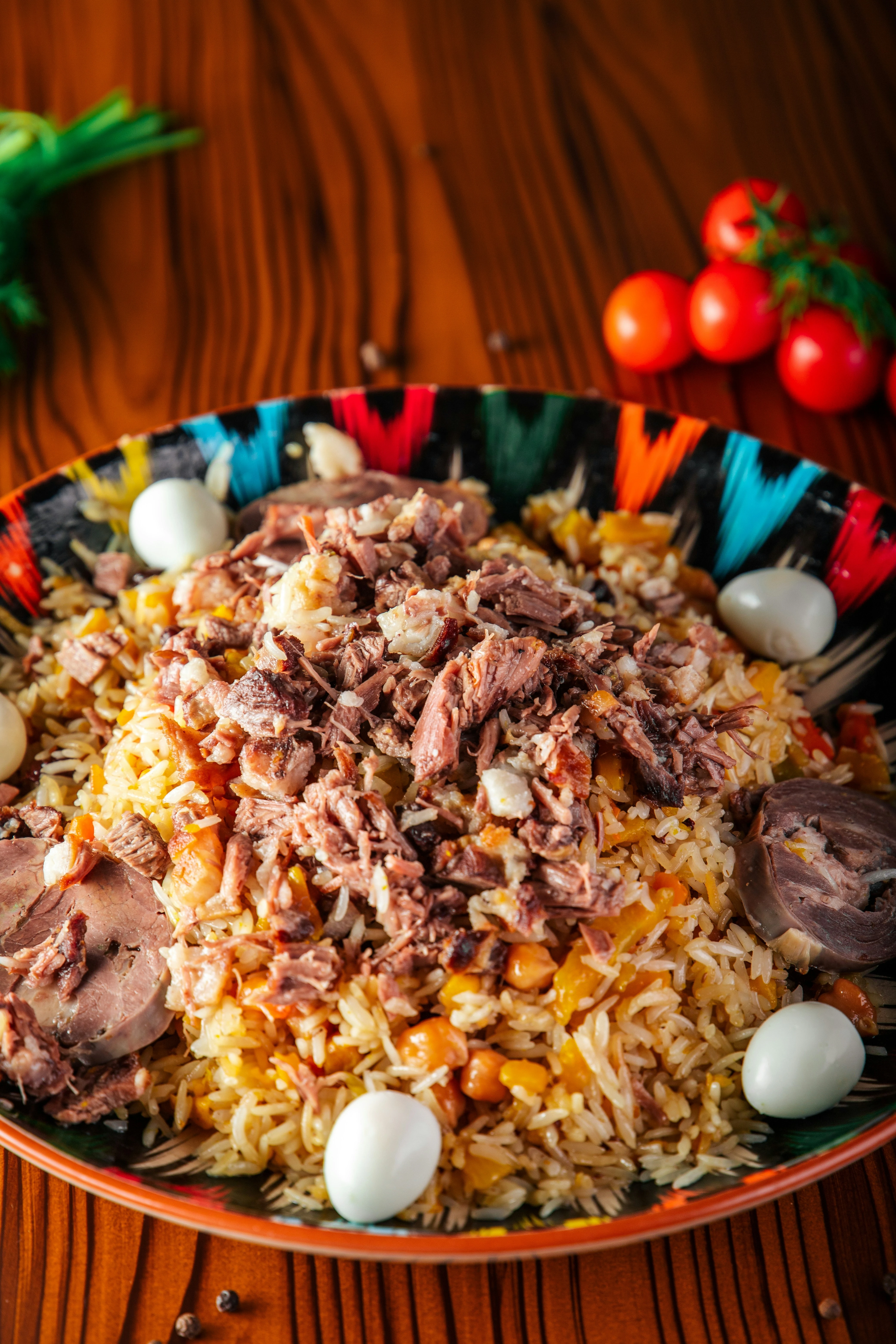
Lunch, invariably, means plov. But Samarkand plov is a discipline of construction rather than mere cooking. Unlike the mixed versions around Uzbekistan, it arrives in ceremonial layers of golden chickpeas and tender lamb atop yellow carrots cooked to butter-like consistency. Whole garlic cloves and slivers of chilli punctuate rice glistening with linseed or cottonseed oil. You do not mix it. You eat through the strata in a lesson on patience.
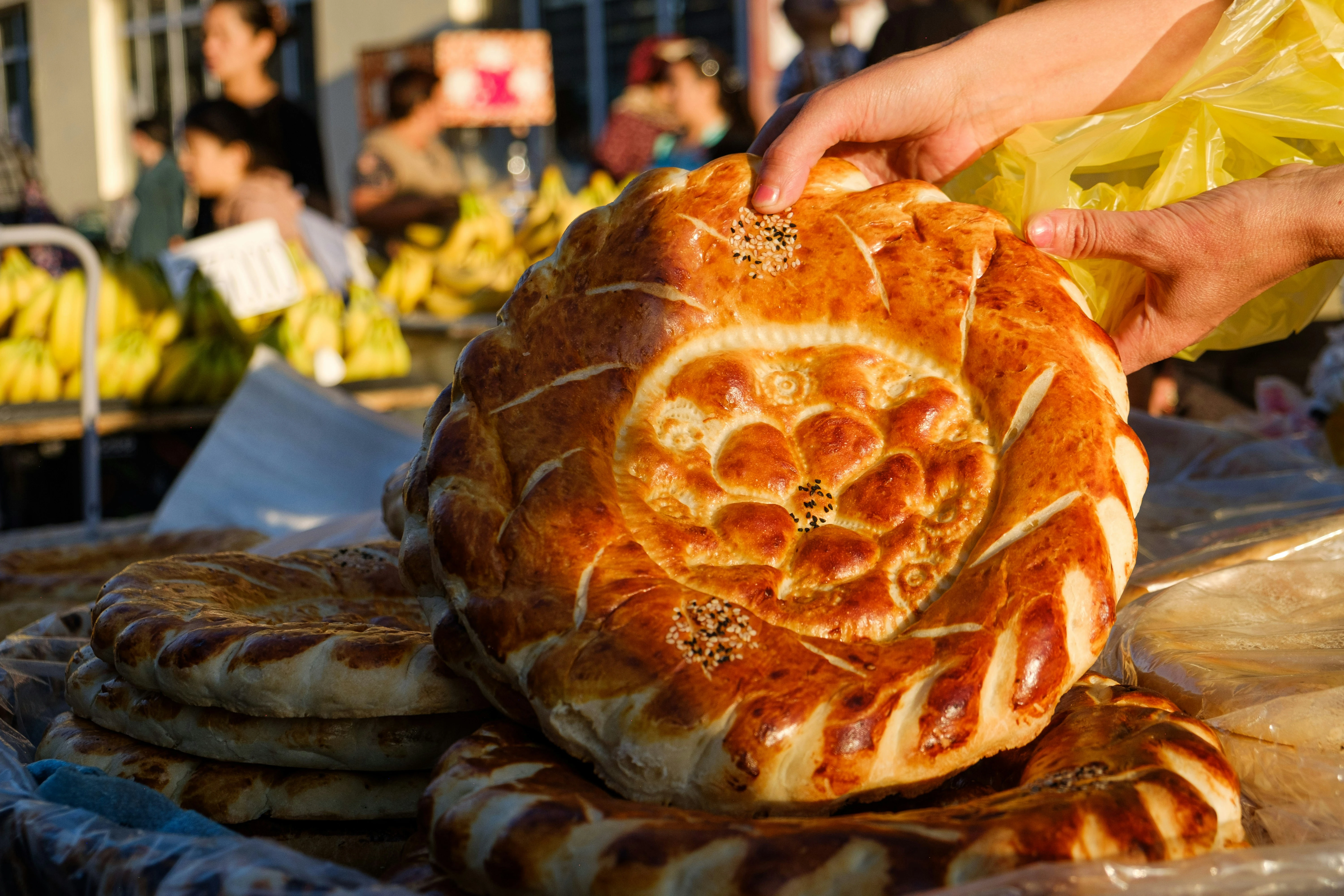
Quality is marked by the presence of locals and the liveliness of massive, bubbling cast iron kazans. The table fills with garden salads and tandoor-baked somsa and non (delicious Uzbek bread). Food is communal, always halal and abundant. For Muslim travellers, this food culture offers a particular comfort: you needn’t ask nor check, with adherence to Islamic standards the norm.
Day One Sightseeing
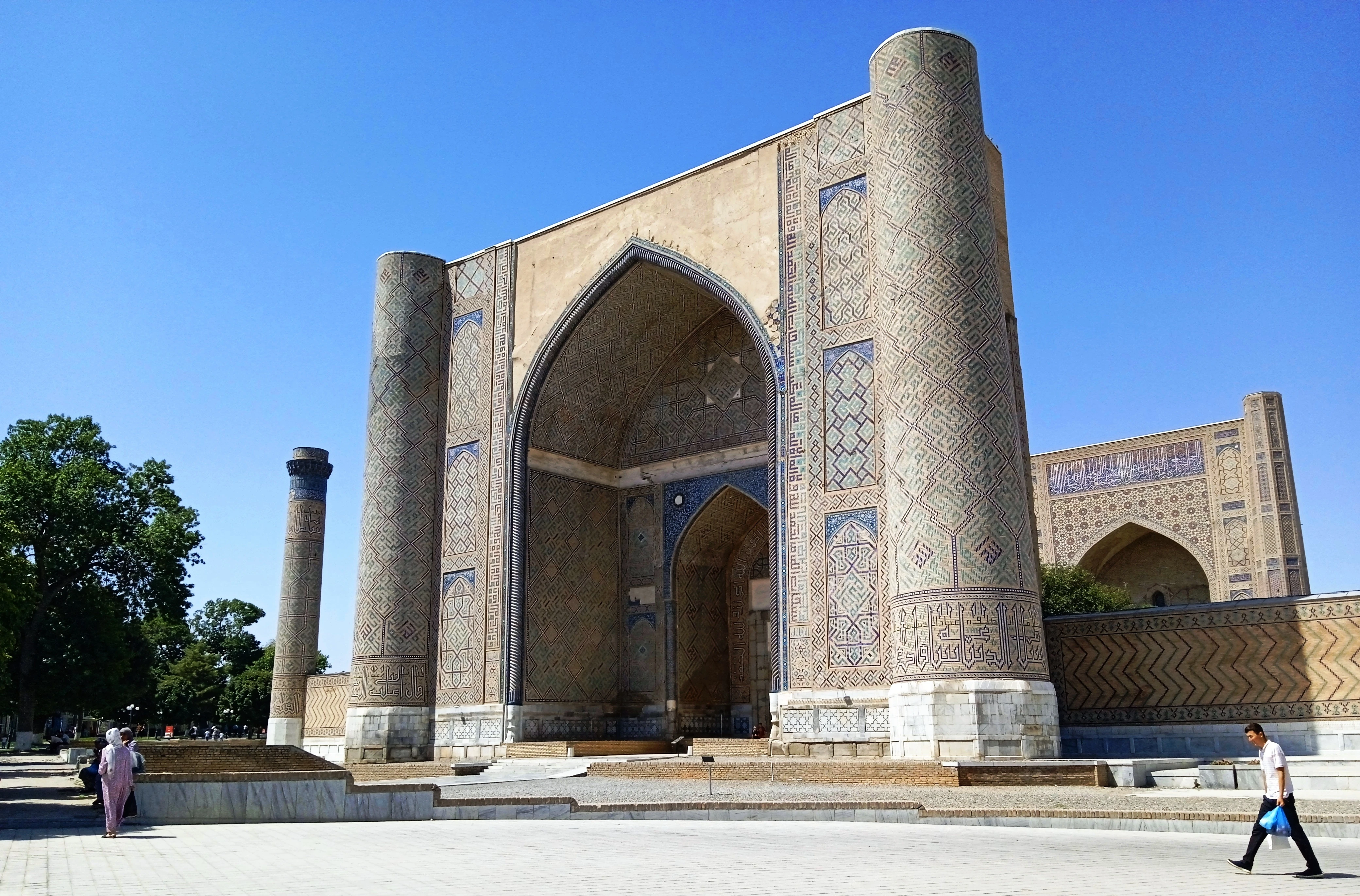
The afternoon unfolds across the spiritual landscape. Bibi-Khanym Mosque looms with the ambition of Timur himself – too grand, some said, to ever be completed. At Hazrati Khizr complex, perched on a hill, is Islam Karimov’s mausoleum. Uzbekistan's first post-independence president’s burial here, beside ancient saints and within sight of Timurid monuments, was deliberate. In death as in life, Karimov sought to link modern national identity to ancient lineage.
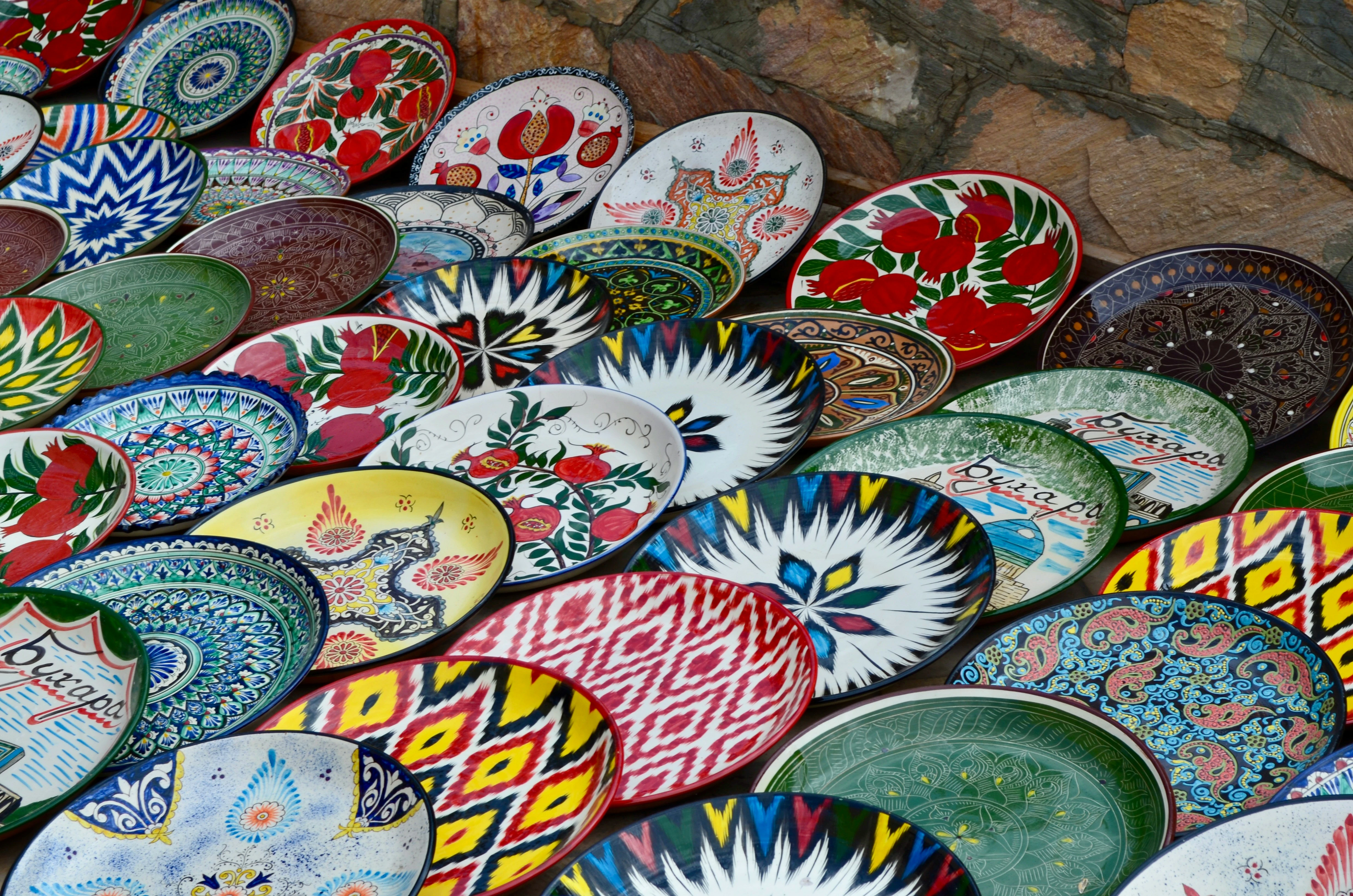
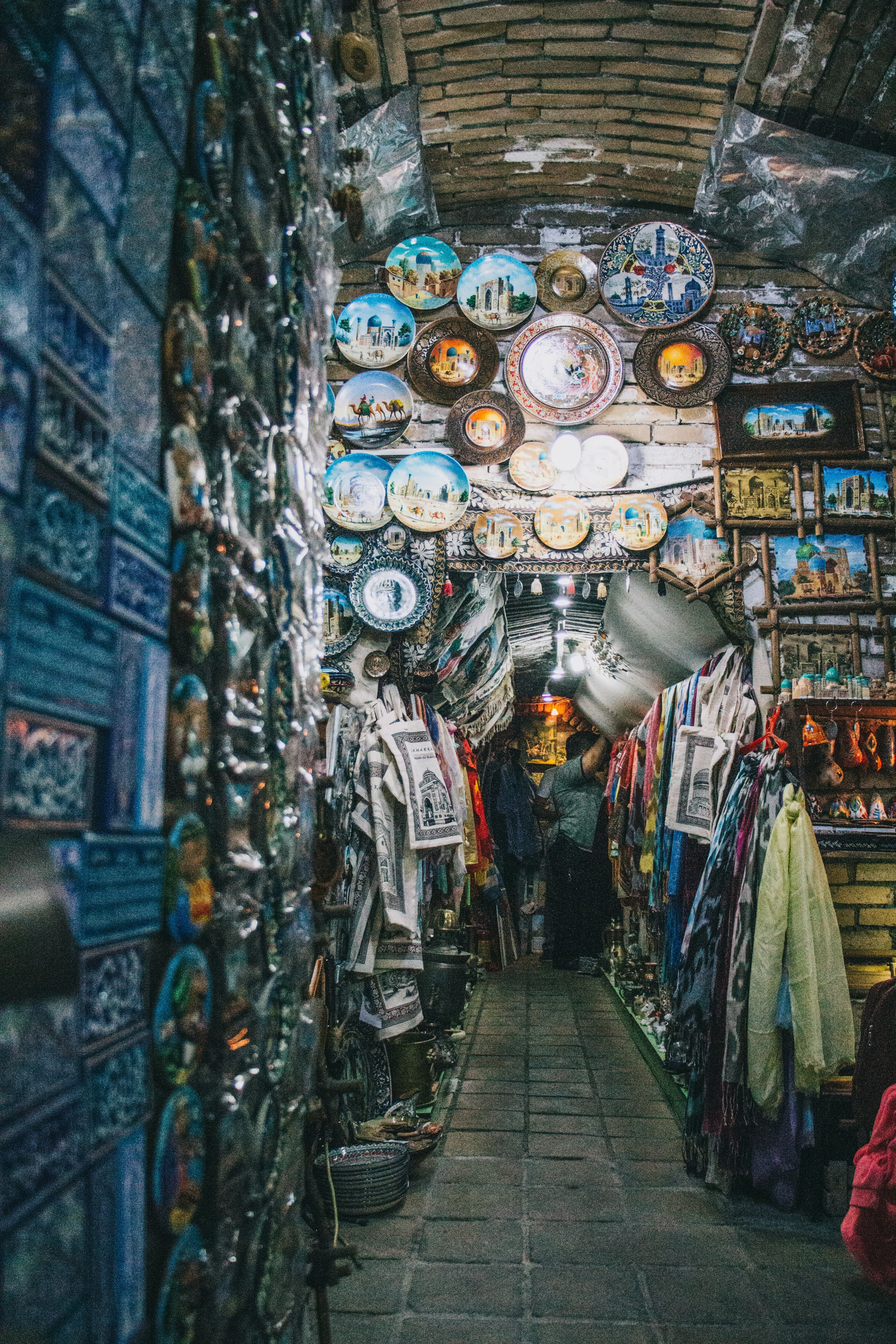
Finish the day in Siyob Bazaar, where spices, dried fruits, textiles, bread, yoghurt, and doppi – the nation’s iconic square-sided skullcap – spill abundantly across stalls. Here, sensory inputs overwhelm the intellect in a chaotic profusion that feels unchanged since the caravan days.
Samarkand is two cities layered atop one another. The Old City, with its narrow lanes and ancient madrasas, is the spiritual heart. But drive through the Russian Quarter, with its wide tree-lined boulevards built in 1868 by General Kaufman, and you see the other Samarkand: the colonial city designed for European administrators who sought to remake Central Asia in their image.
Day Two Explorations
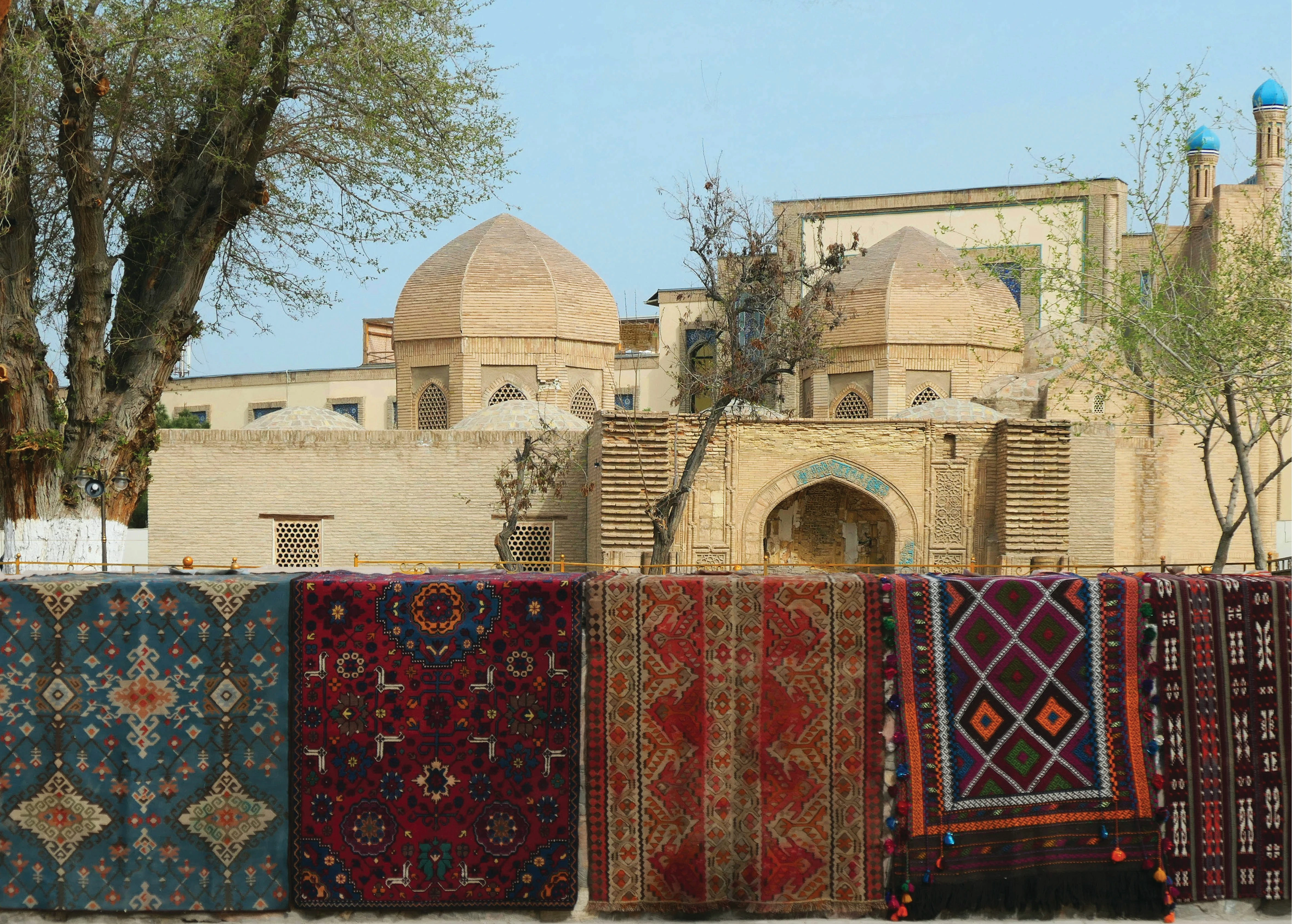
Begin your morning at Samarkand-Bukhara Silk Carpets factory, where the 102-year-old owner still oversees production. World leaders have passed through these halls, drawn by pieces that are not merely functional but works of enduring art. Each piece can take up to a year to complete, woven entirely by hand using natural dyes and silk threads.
There is a test here that separates authentic from industrial imitation. Fold the carpet and examine the knots. Machines cannot replicate them. If the backing is uniform and stiff, it is synthetic. Real silk carpets knotted by hand reveal their labour in every inch. Machines create uniformity. Masters create soul.
Paper Older Than Print
At Konigil Tourist Village, the air thrums with the rhythmic thud of water-powered wooden gears pounding mulberry bark into pulp. This is Samarkand paper, boiled and strained before being polished with agate stones until it is durable enough to hold the holy word for 2,000 years. To hold a sheet is to hold a technology older than the printing press.
The Blue Corridor
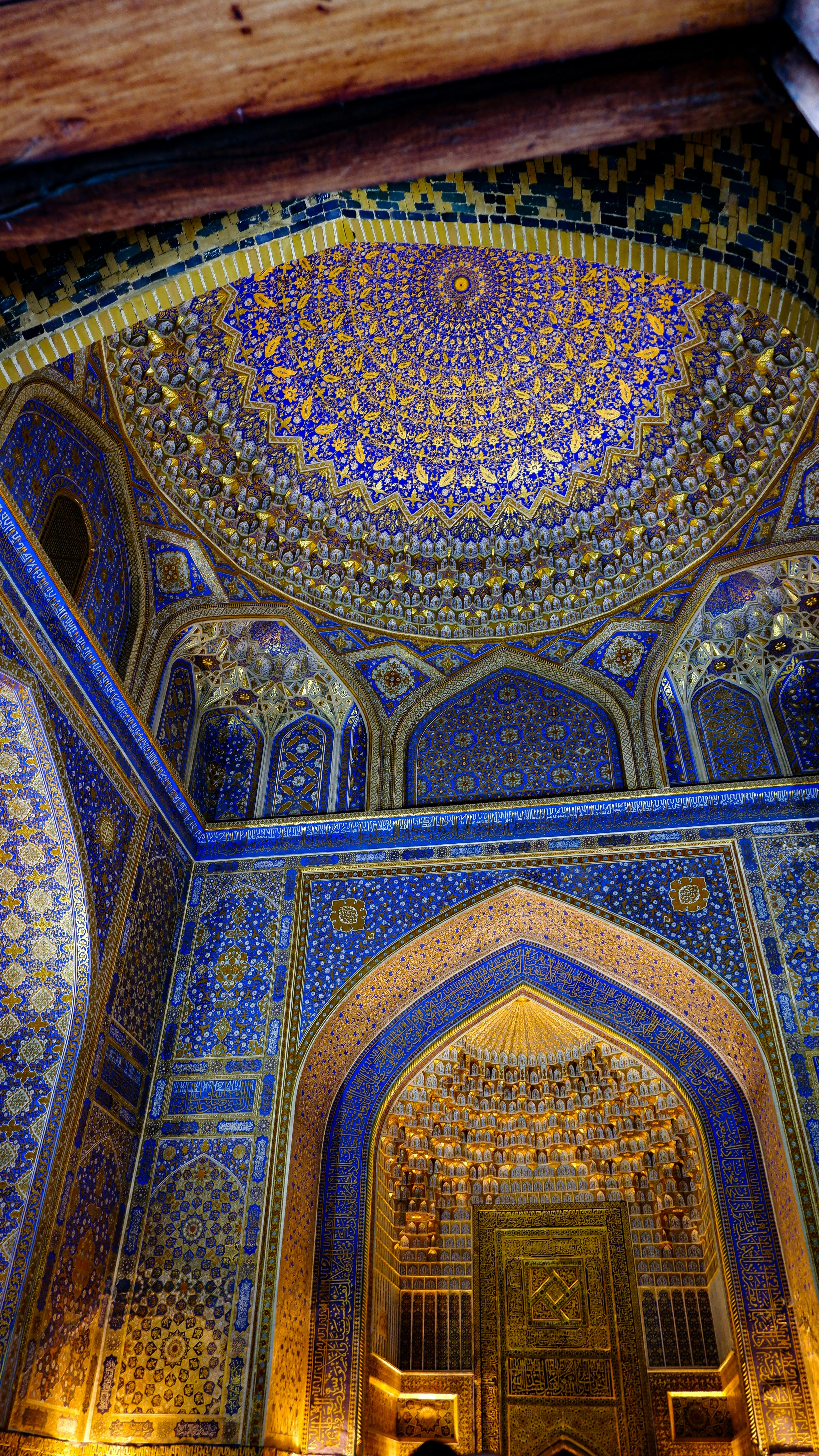
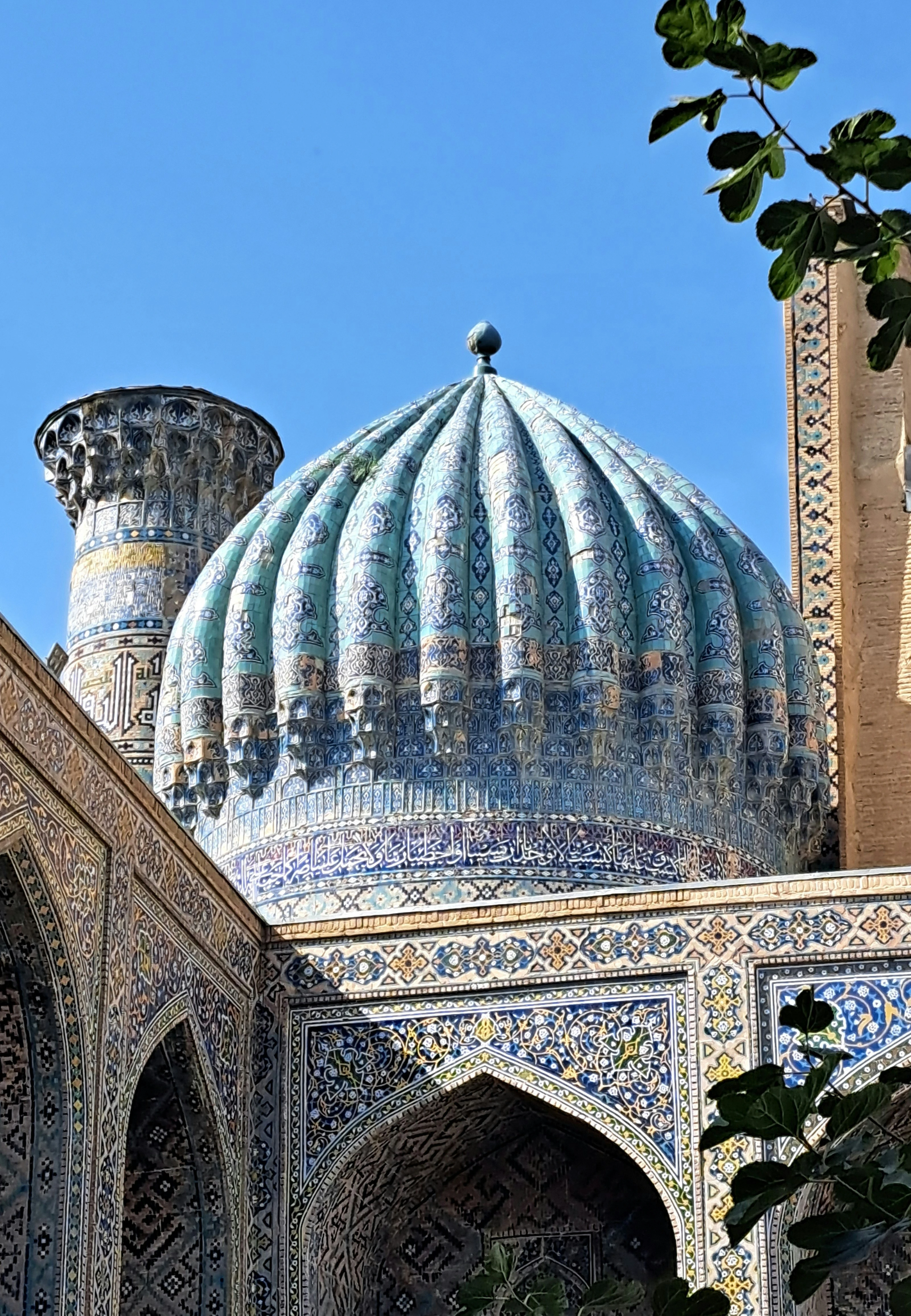
Later, you should climb the steps of Shah-i-Zinda, the “blue corridor” where the necropolis climbs the hillside in a riot of cobalt, turquoise, and azure tilework. The ancient tiles were baked at alternating temperatures, a technique that gave them extraordinary resilience. Soviet restorers tried to replicate them in the 20th century, but their work lacks the originals’ depth and soul.
The true magic of Shah-i-Zinda lies in the steps. Local tradition holds that if you count them on your way up, make a wish, and count them again coming down, a matching number means your wish will be granted. If the counts differ, you will have to return to Samarkand. From the top the vista spreads below: a city of domes and minarets framed by parks, built to separate the monuments from the residential mahallas.
Before You Leave
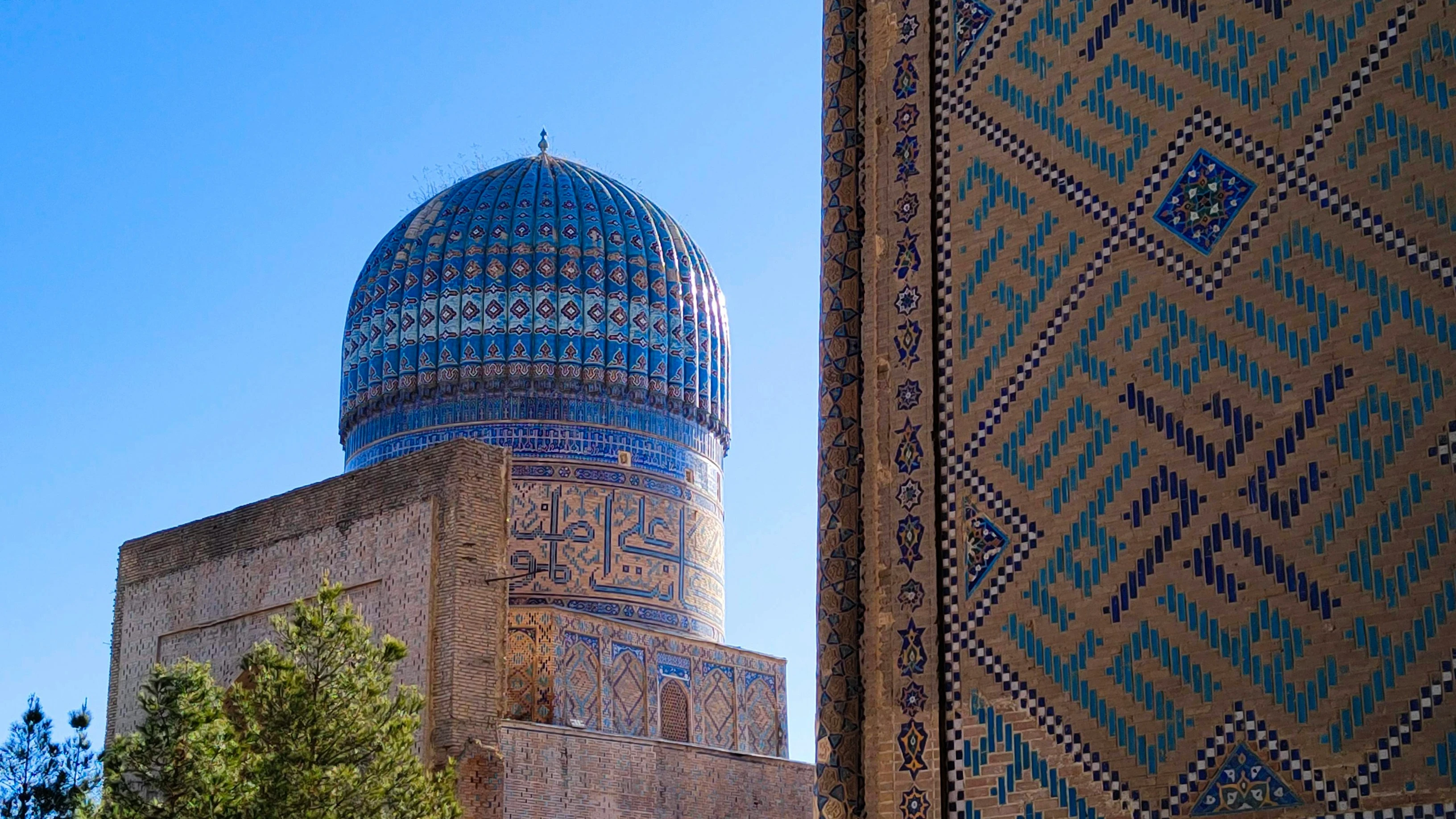
Visit Gur-e-Amir, Amir Timur's mausoleum. The doors alone, ornate and towering with impossible detail, are a reminder that, in Uzbekistan, doors have always been the ultimate signifier of wealth and status. Inside, Timur's humility is on full display. His tomb is modest compared to those of his teacher and children, placed at their feet as a mark of respect.
The Golden Road is open once more, offering the soul of the Islamic golden age wrapped in the ease of the 21st century. The only question left is when you will make your wish on the steps of Shah-i-Zinda and whether your count will match.