


Named after the gentle breeze, new opening, Nasim brings inventive Levantine dining to an extraordinary heritage setting in the Kingdom.
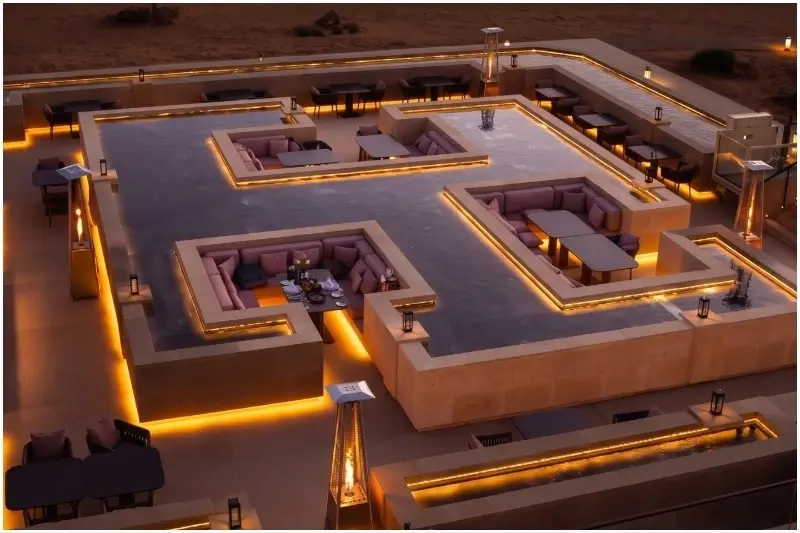
The view from the newly opened Nasim restaurant at The Chedi Hegra, overlooking Saudi Arabia’s first UNESCO World Heritage Site in AlUla, is so stunning that the food almost doesn’t matter.
Luckily, when you can finally drag your eyes away from the blue-hour sunset on the horizon, the tastes of this desert banquet prove worth travelling for too. Hegra, a remarkable historic settlement in north-west Saudi Arabia, features 111 monumental tombs with elaborate façades, alongside wells and channels built by the Nabataeans more than 2,000 years ago.
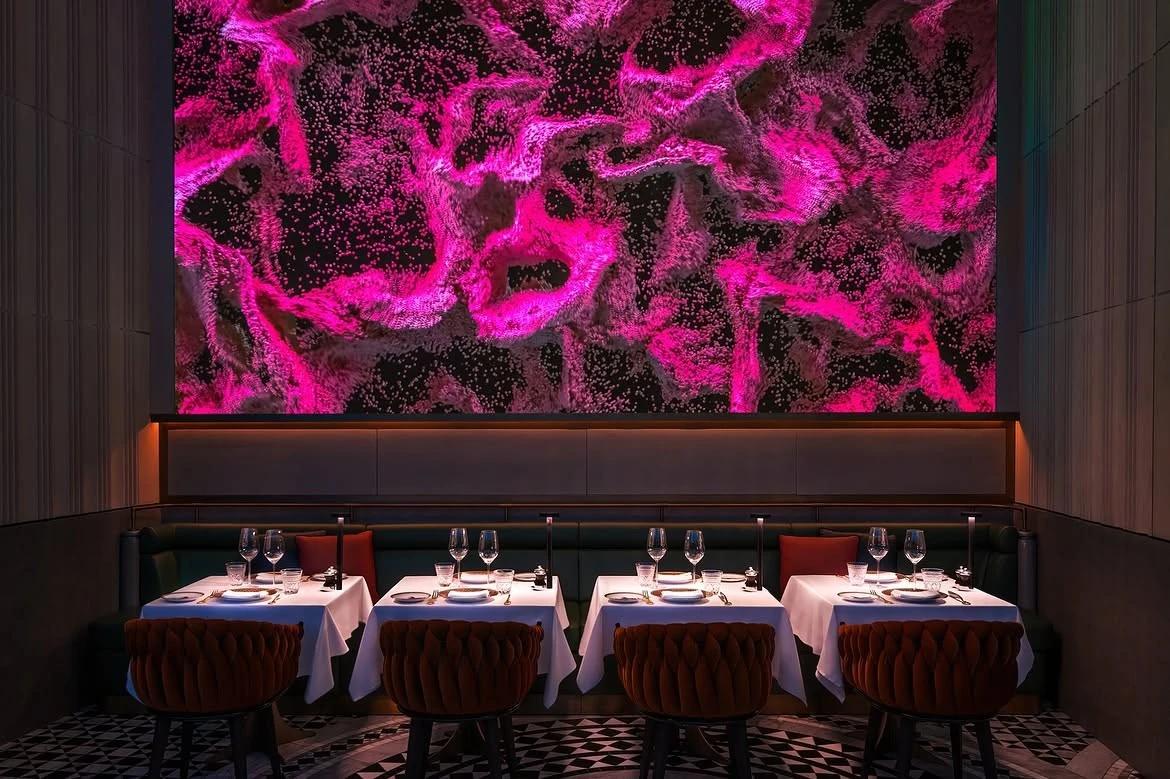
Atmosphere & Design
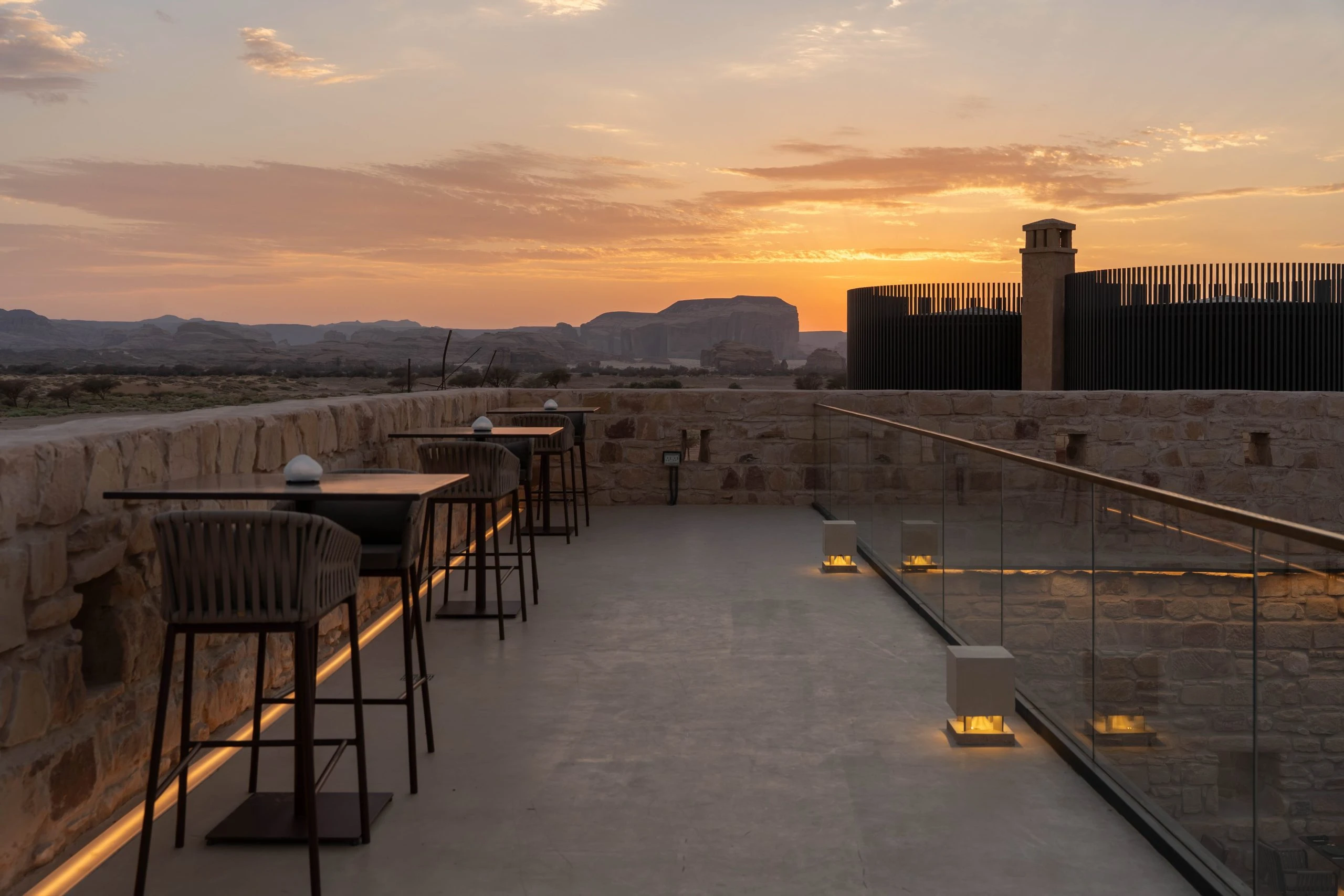
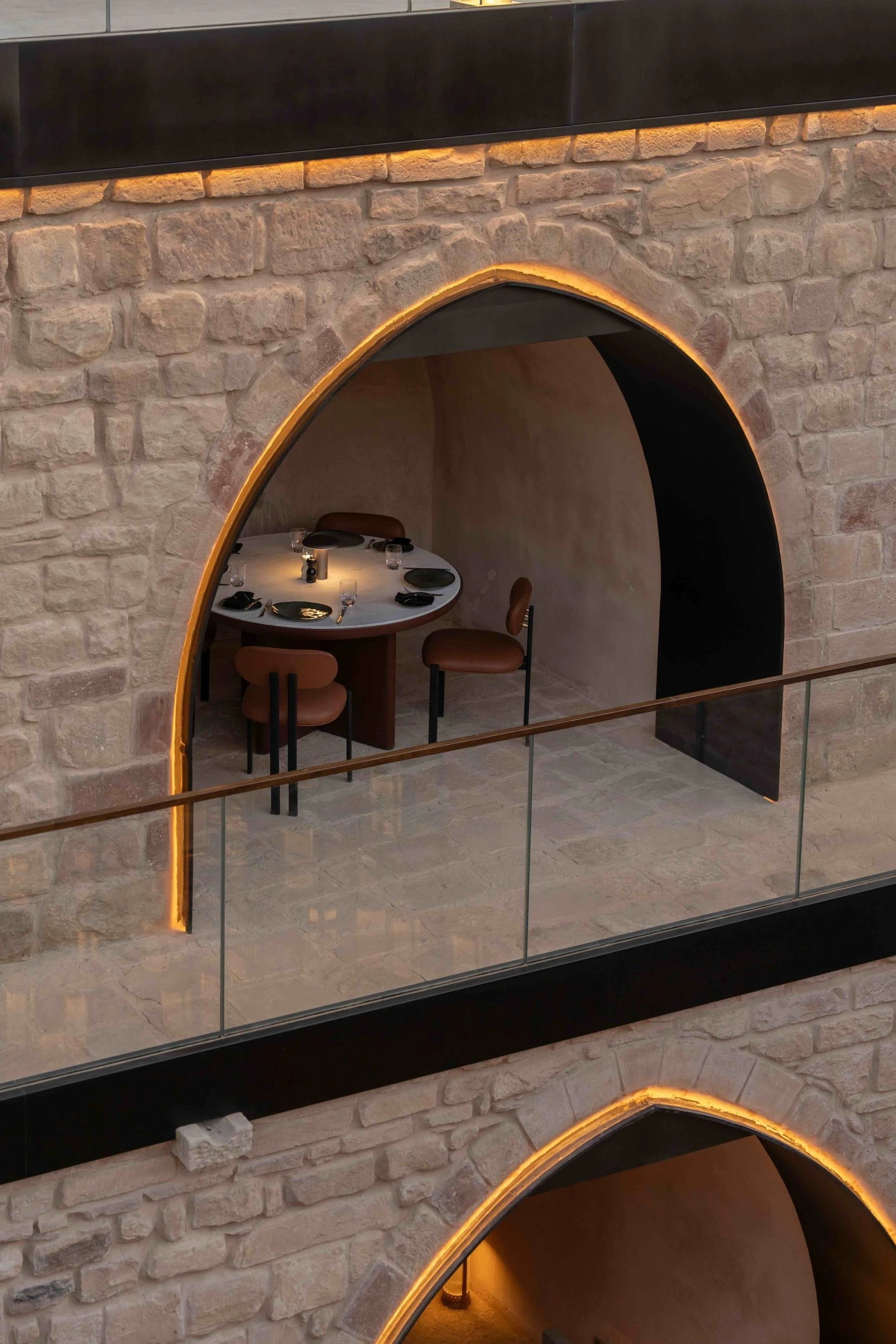
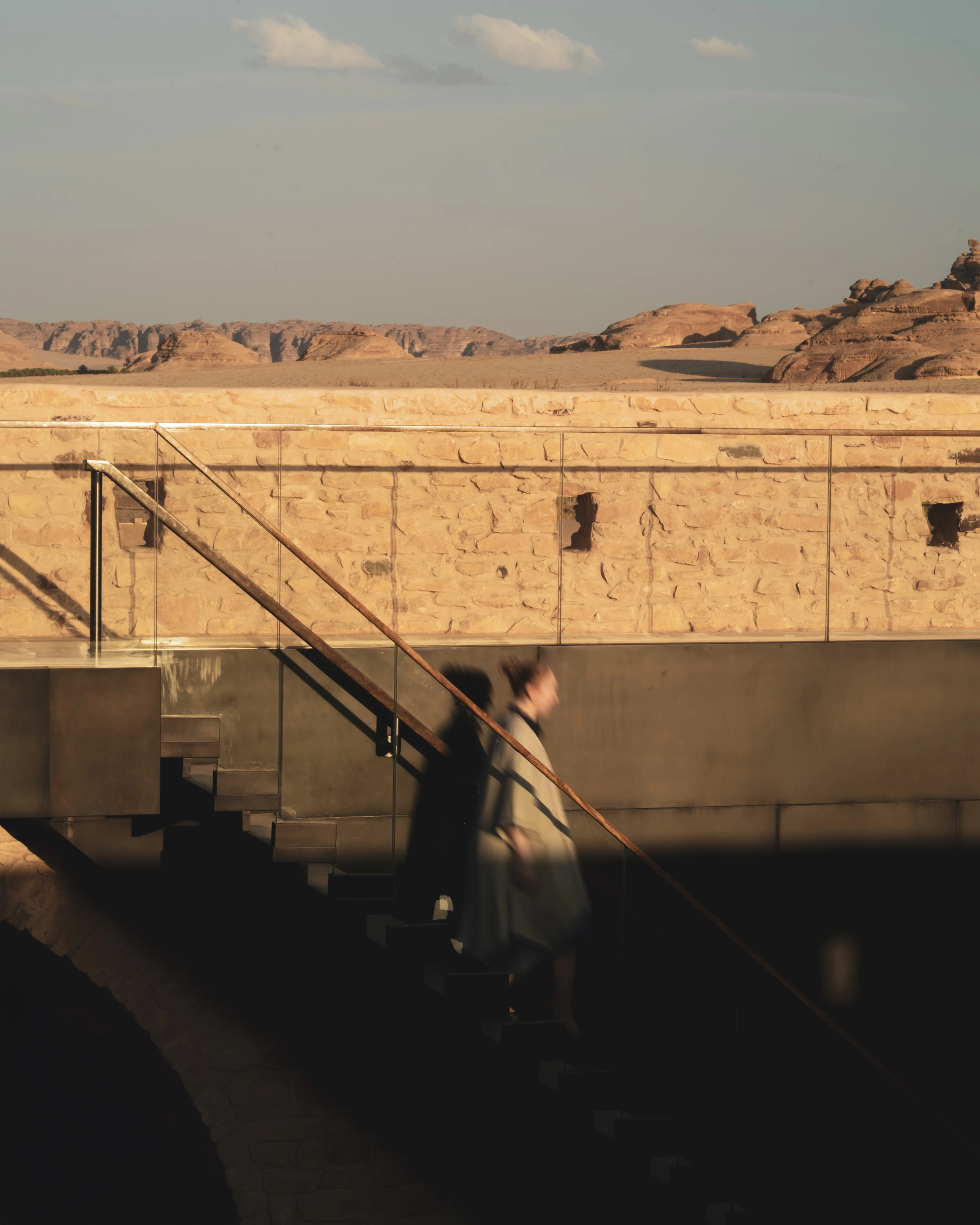
Dining in a restored stone building that was once part of Hegra Train Station on the Hejaz Railway is thrilling.
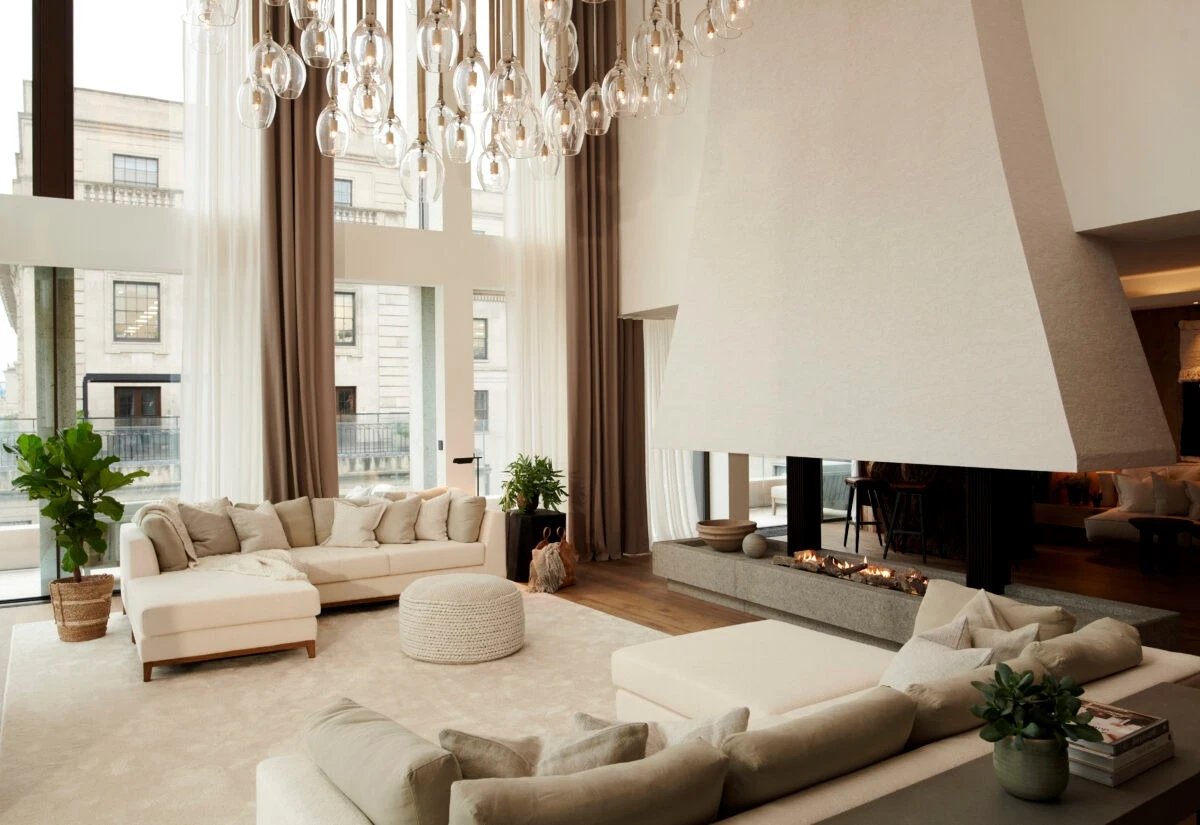
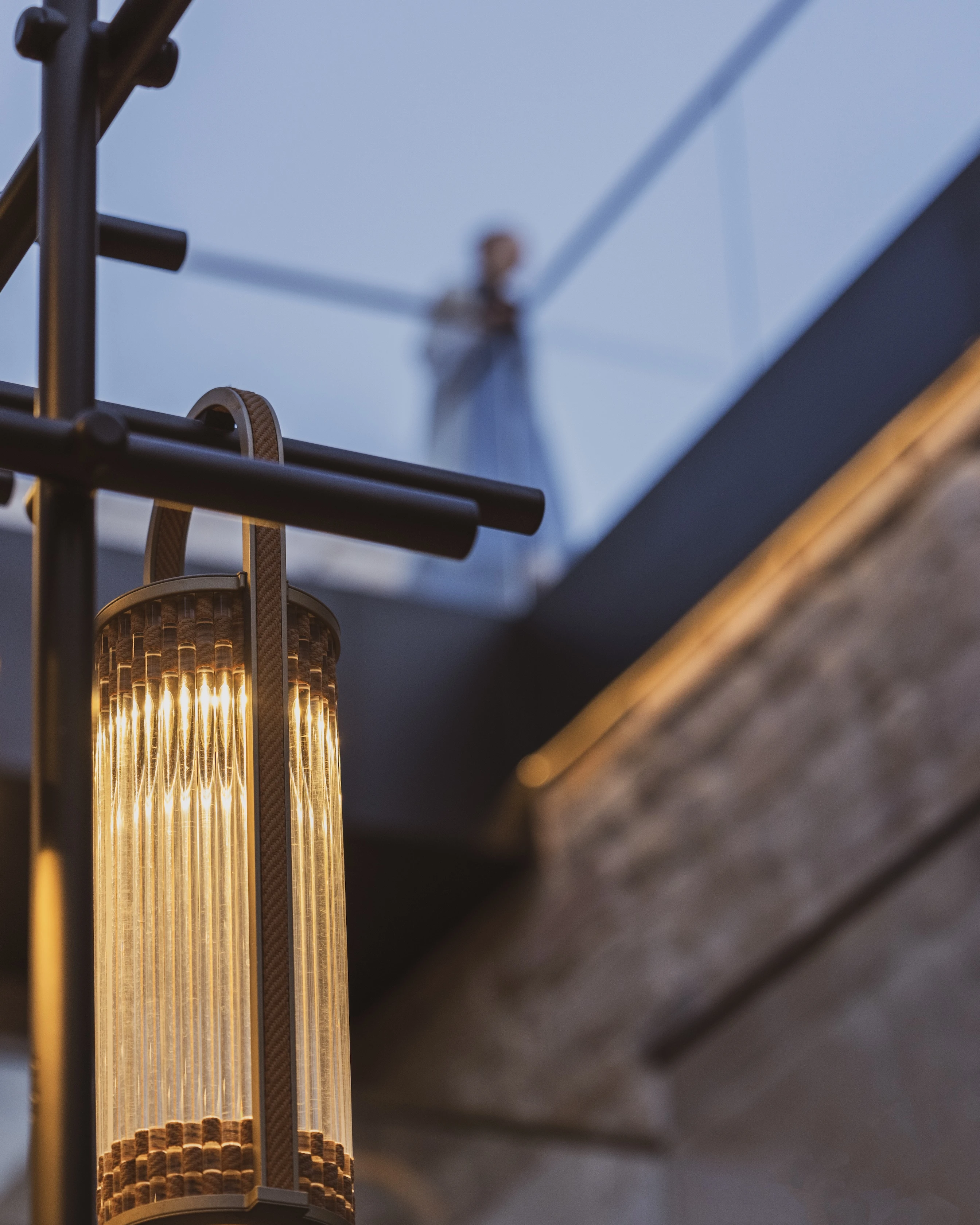
The design of the hotel, in its entirety focuses on a context-driven concept that balances contemporary luxury with low-impact conservation, using sandstone tones, burnished metals, and glass to maintain seamless views of the desert and ancient Nabataean tombs. The elements of interior design mimic, embrace and envelope those found in the surrounding, ancient destination.
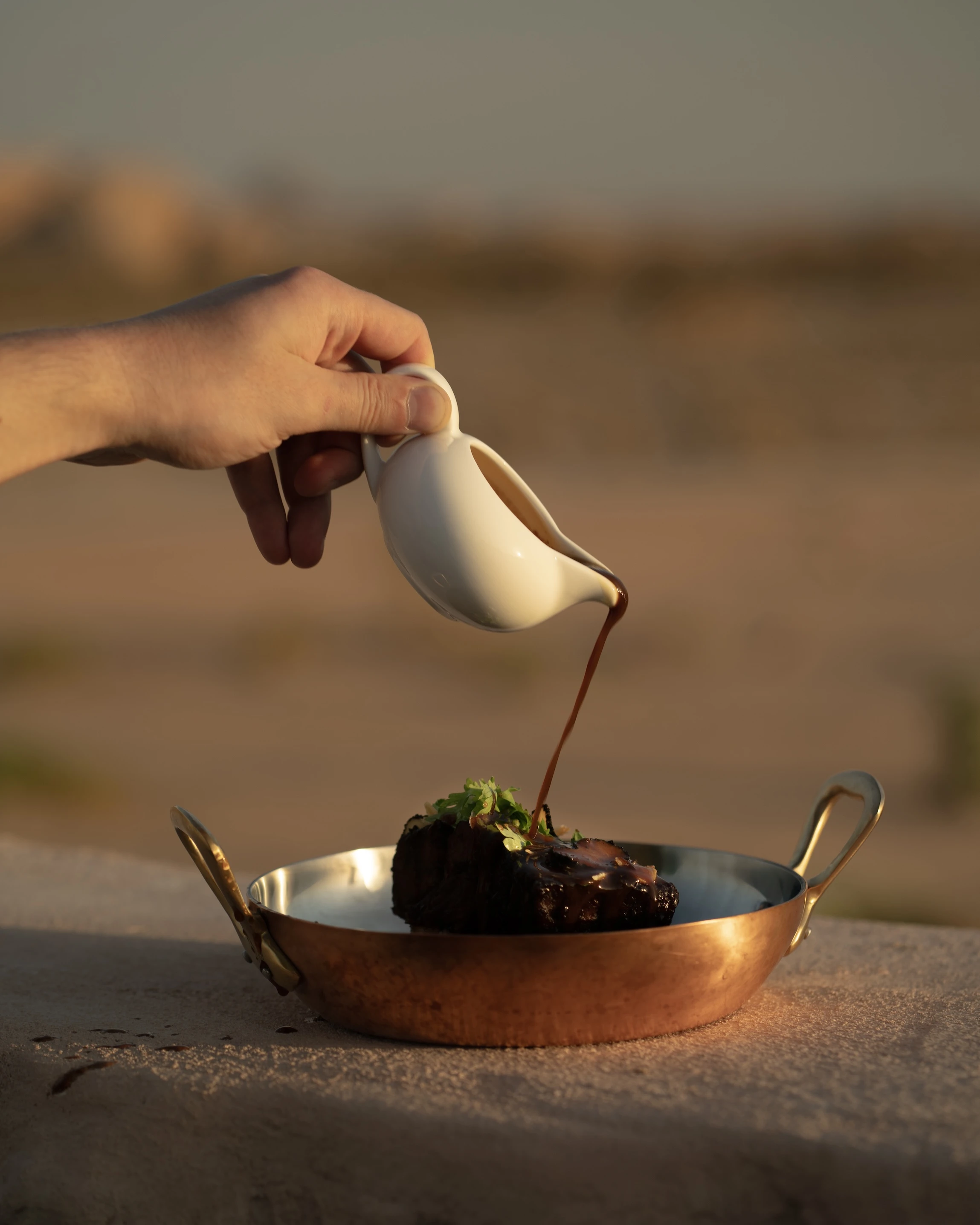
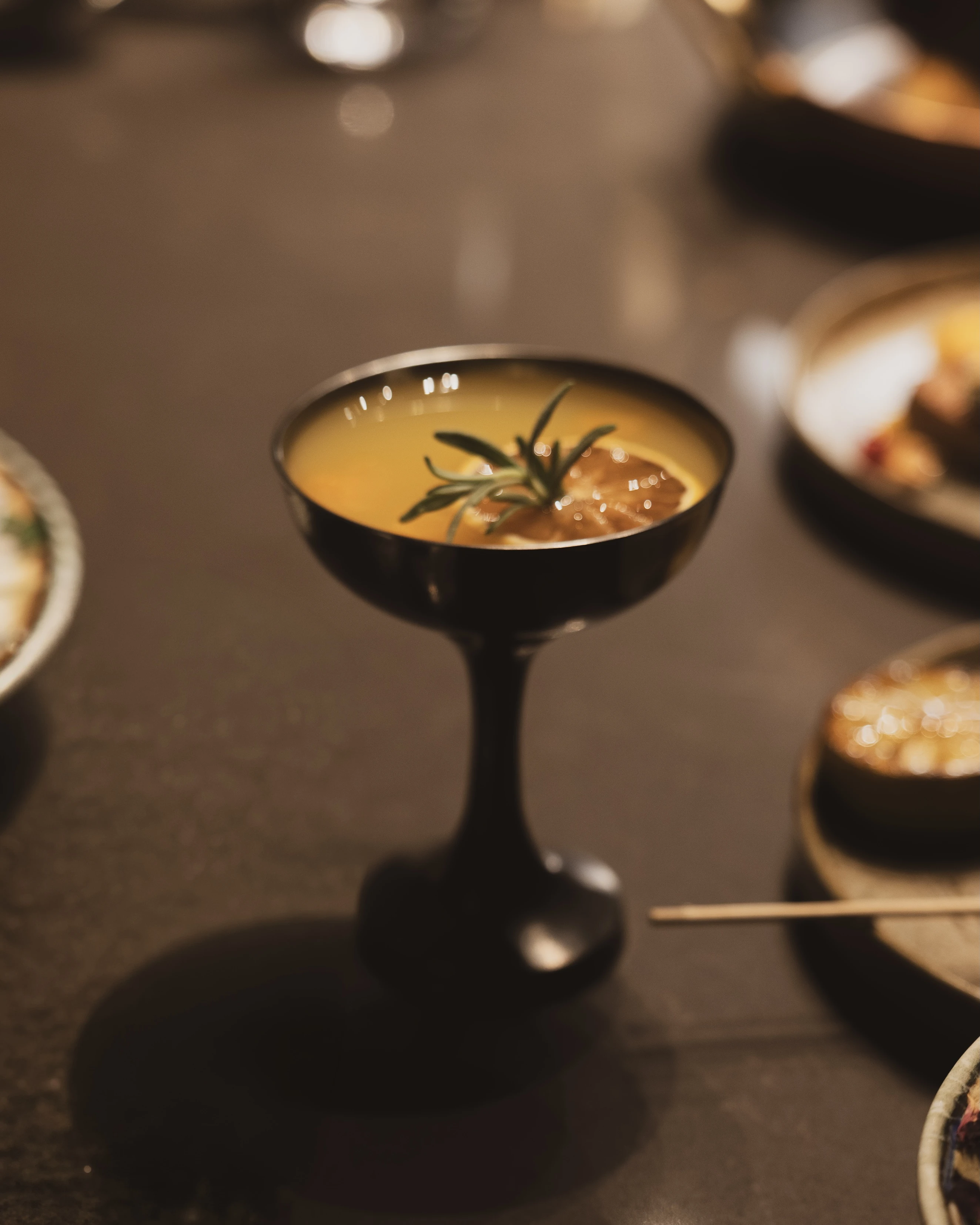
Azerbaijani-born Chef Rashid describes his culinary direction as inspired by AlUla’s extraordinary landscapes and heritage. “At Nasim this vision finds expression through Levantine flavours, refined craftsmanship and the generosity of shared dining. Thoughtful combinations, precise execution and elegant presentation bring a contemporary sensibility to dishes rooted in tradition,” he says.
More compelling than the setting and the views is the chance to discover the cuisine of executive Chef Rashid Ahmadzada and understand its place at the table of history. Rooted in Levantine food principles - plants, fresh herbs, delicate spices and a careful balance of tastes - the menu is designed around mezze and communal sharing. But to place it solely within Levantine culture would do a disservice to the vision and imagination behind its array of flavours and influences.
We started with zaytoon parverdeh, where the sweet nuttiness of Taggiasca olives was perfectly balanced with herbs, garlic, walnut and pomegranate - part of an extraordinary 20 ingredients in this dish alone. It was accompanied by finely diced scallops, basil hummus, beef tartare and raw, crispy vegetables. It feels almost mean to reduce this first course to words: the flavours exploded in the mouth in combinations unlike anything even committed lovers of Levantine food might have experienced before. While the provenance of much of the food is rooted in Saudi Arabia, Chef Rashid is not afraid to experiment.
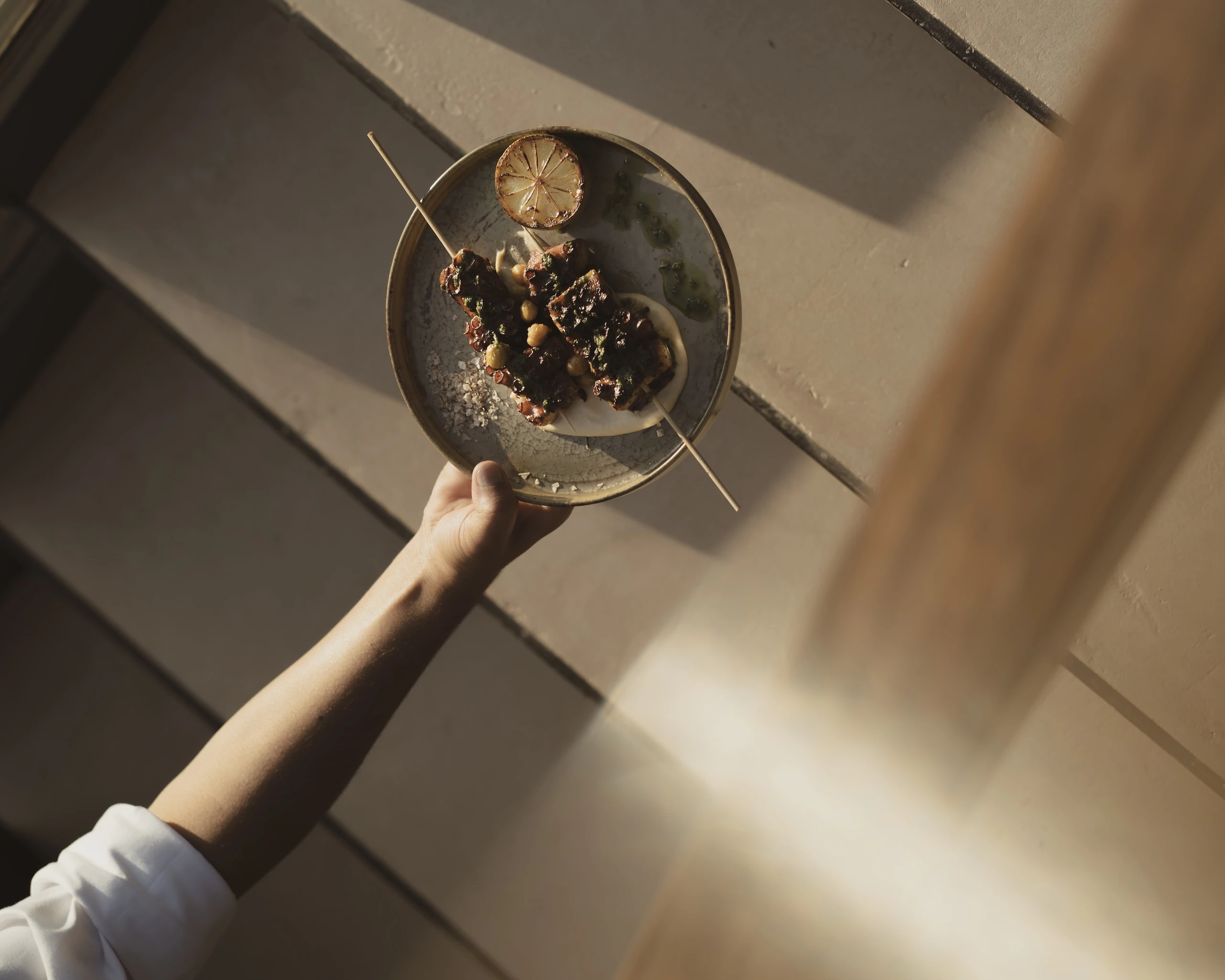
The middle course brought seared foie gras, charred grilled octopus and baby lamb arayas, while the main course of short rib, charred broccolini and Hegra-style potato also included toothfish sayadiyah - a rich, buttery Chilean sea bass paired with heavily caramelised onion broth and spiced rice. It would be worth going to Nasim for this alone.
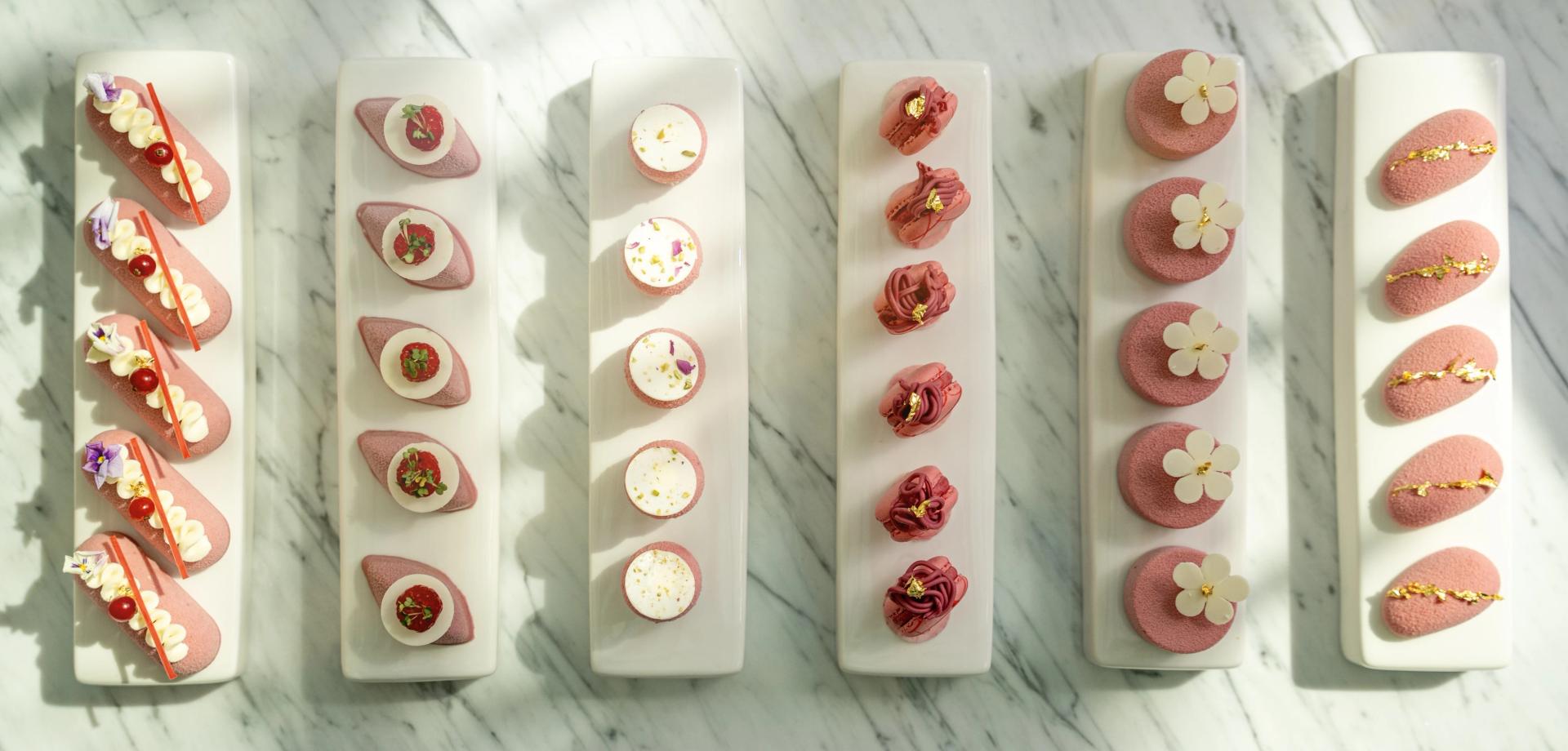
Dessert brought AlUla citrus fruits, strawberry bastille and chocolate stones carefully designed to resemble Jurassic rock formations, completing a true desert feast. The first three courses were accompanied by curated mocktails exclusive to Nasim while Saudi cofee and teas were served with dessert. The Wild Berry Basil Fizz features mixed berries, strawberries, lime juice, sparkling water and fresh basil, while the Citrus Festival is based on AlUla sweet mandarins, fresh lemon, ginger syrup, honey and sparkling water.
But the absolute highlight of our drinks was the Liquid Tabbouleh, which shouldn't work, but somehow did. The slightly sweet, slightly savoury combination of herbs, lemon juice, tomato water, honey syrup, and sumac hit the tongue alongside a satisfying crunch of crispy bulgur. It managed to be simultaneously crisp and fruity, cool and peppery and deeply memorable.
Service & Overall Experience
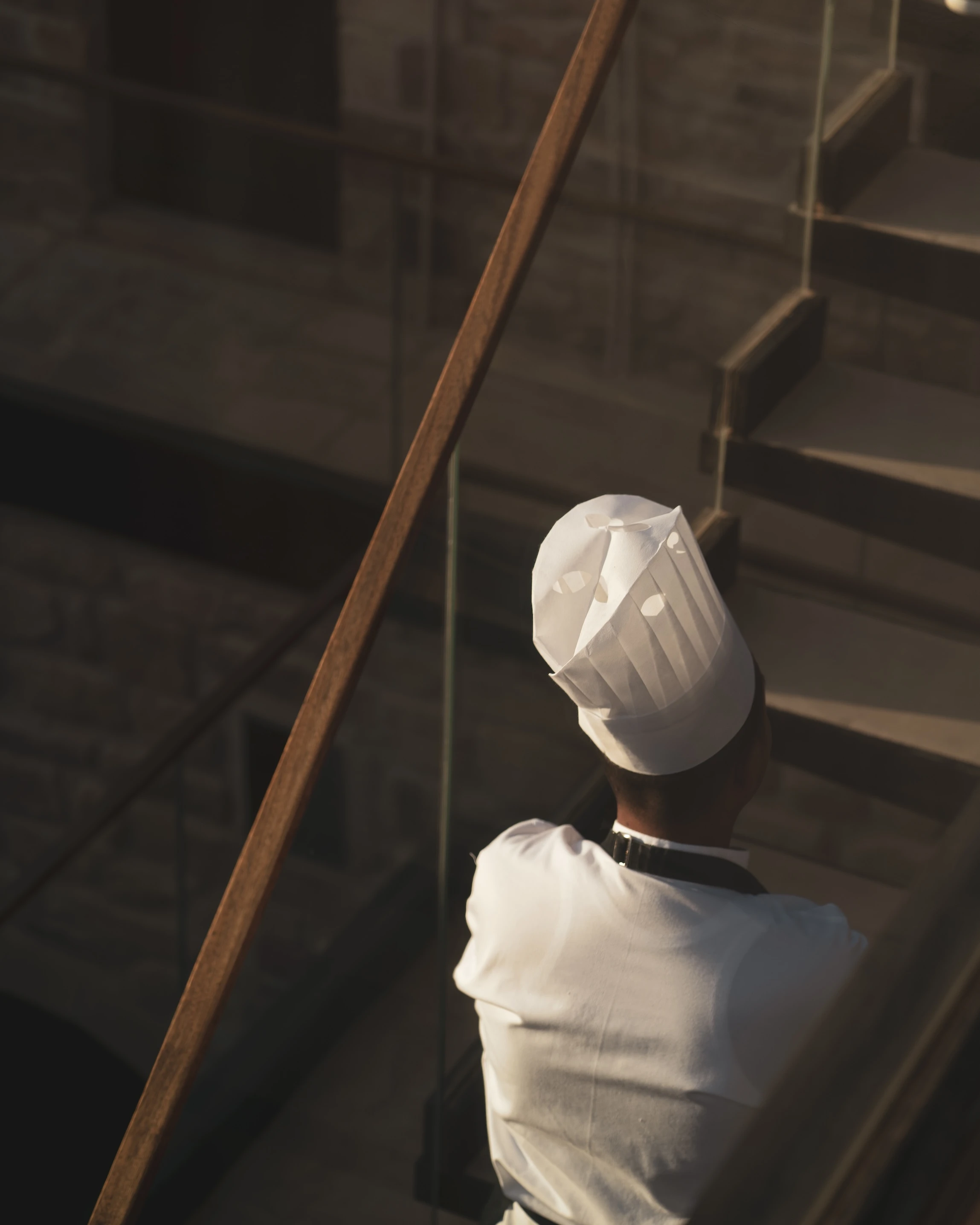
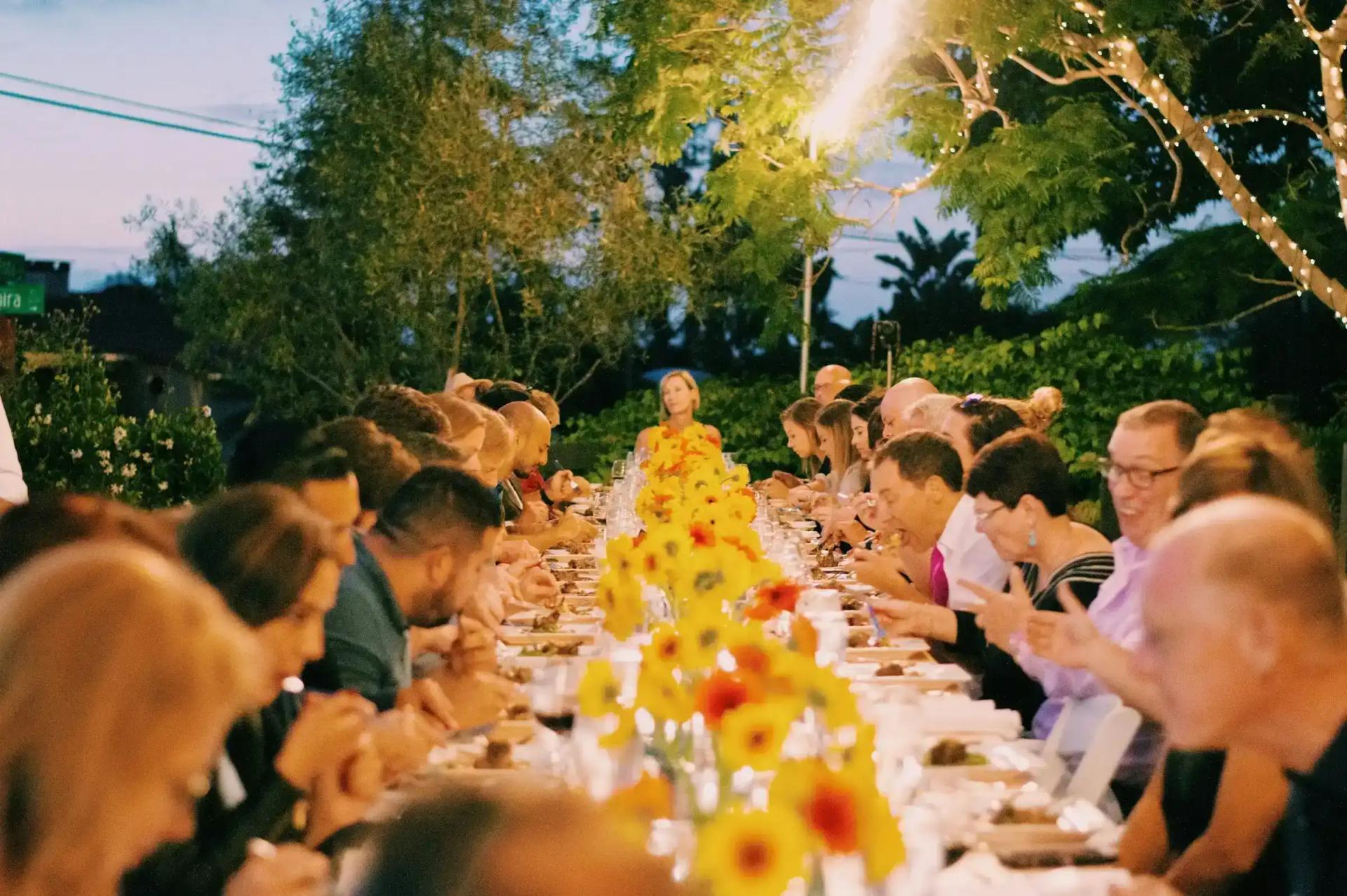
Waitstaff explain the story and local provenance behind Executive Chef Rashid Ahmadzada's menu, elaborating on complex dishes (such as the 20-ingredient zaytoon parverdeh) and native Saudi ingredient sourcing. The service pairs traditional, warm Saudi hospitality with GHM Hotels’ signature Asian-inspired, discreet luxury approach. The focus is on highly attentive, personalised, and detail-oriented guest care.
When it comes to Nasim itself, Chef Rashid’s ambition is to create dining experiences with a distinct sense of place, considered in every detail and remembered long after the final course. He has succeeded. I am still dreaming of a very special Arabian night overlooking an ancient city in a breathtaking landscape on the incense route that brought spices from southern Arabia to the Mediterranean and Mesopotamia.
And when I dream, I can still taste those spices.