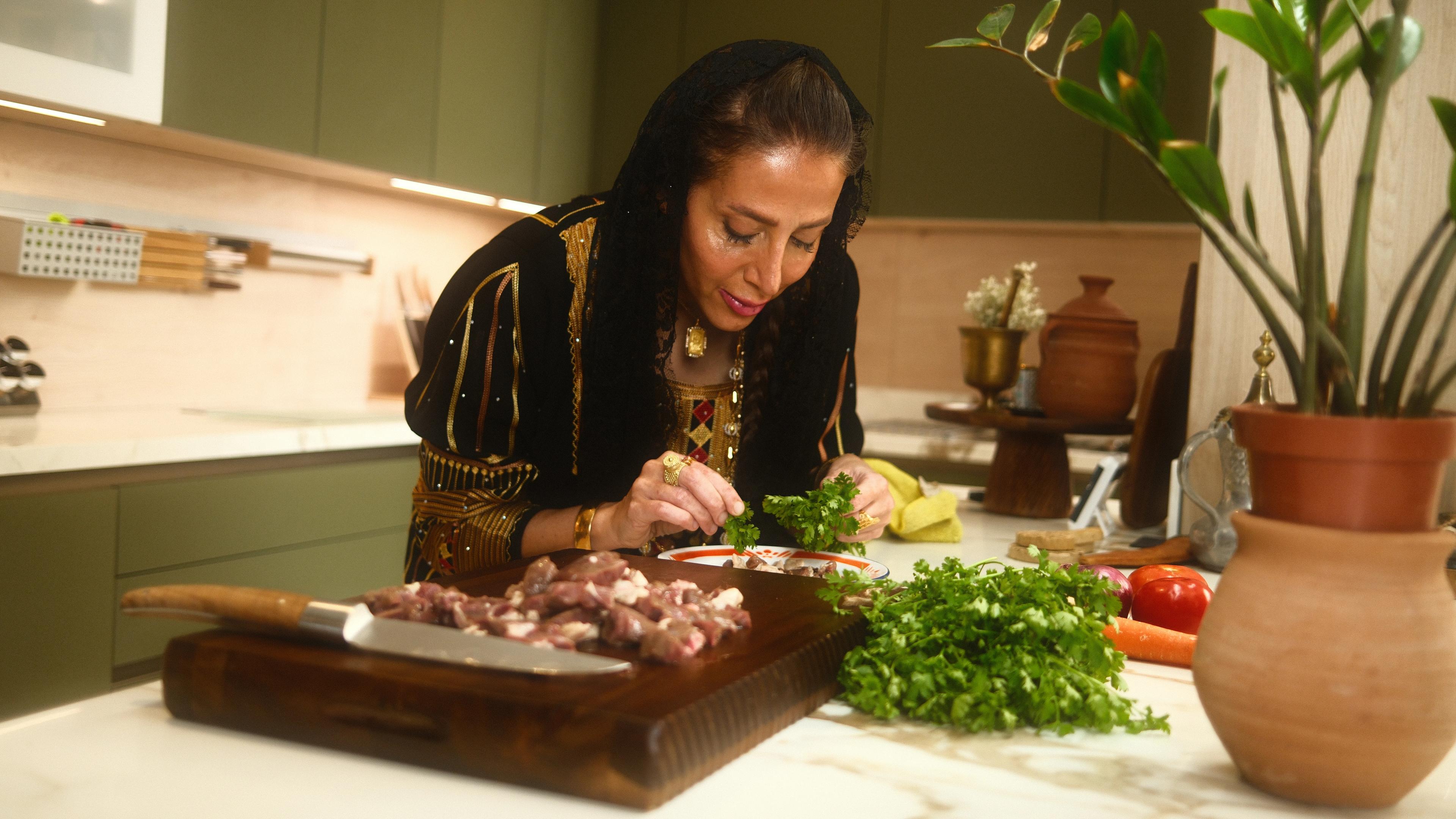




She’s lived in six countries, but Chef Eman Gazzaz is firmly rooted in her heritage, her culinary compass eternally pointing home to Saudi.
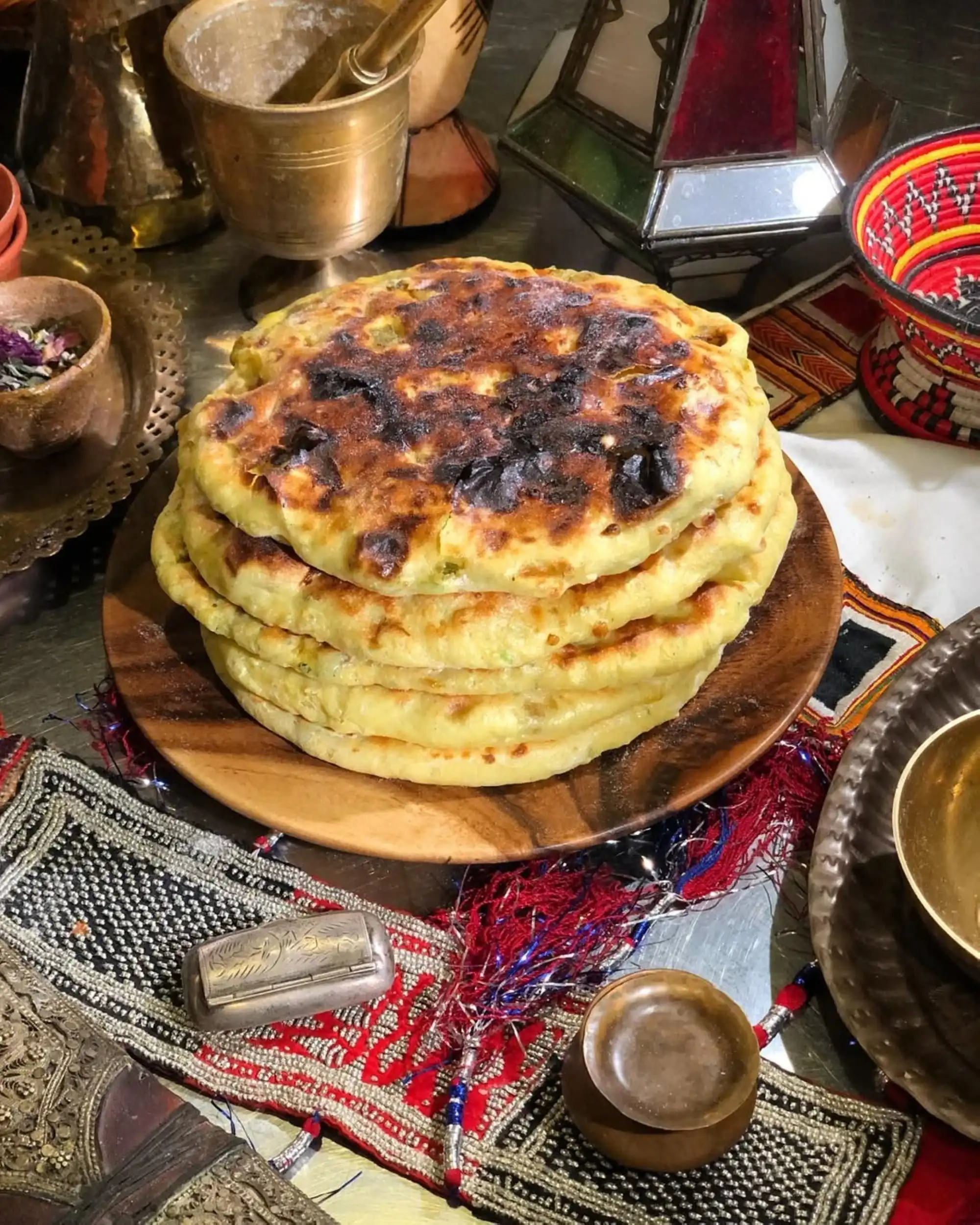
This isn’t just about reviving recipes, it’s a cultural reclamation. Her boldest move? Commanding the spotlight at the Buenos Aires International Book Fair, where the Kingdom was guest of honour. There, she wowed 270 guests, including ambassadors, ministers, and journalists, with five iconic dishes: tawa bread with date molasses, Bedouin biscuit with peppery arugula salad, marqooq stuffed with slow-cooked vegetables, royal jareesh with Argentine lamb, and hanini for dessert. “It was a tremendous success,” she reflects proudly.
We sit down to hear Eman’s story as she rewrites Saudi cuisine’s place in the global gastronomic lexicon.
Cross-Continental Challenges
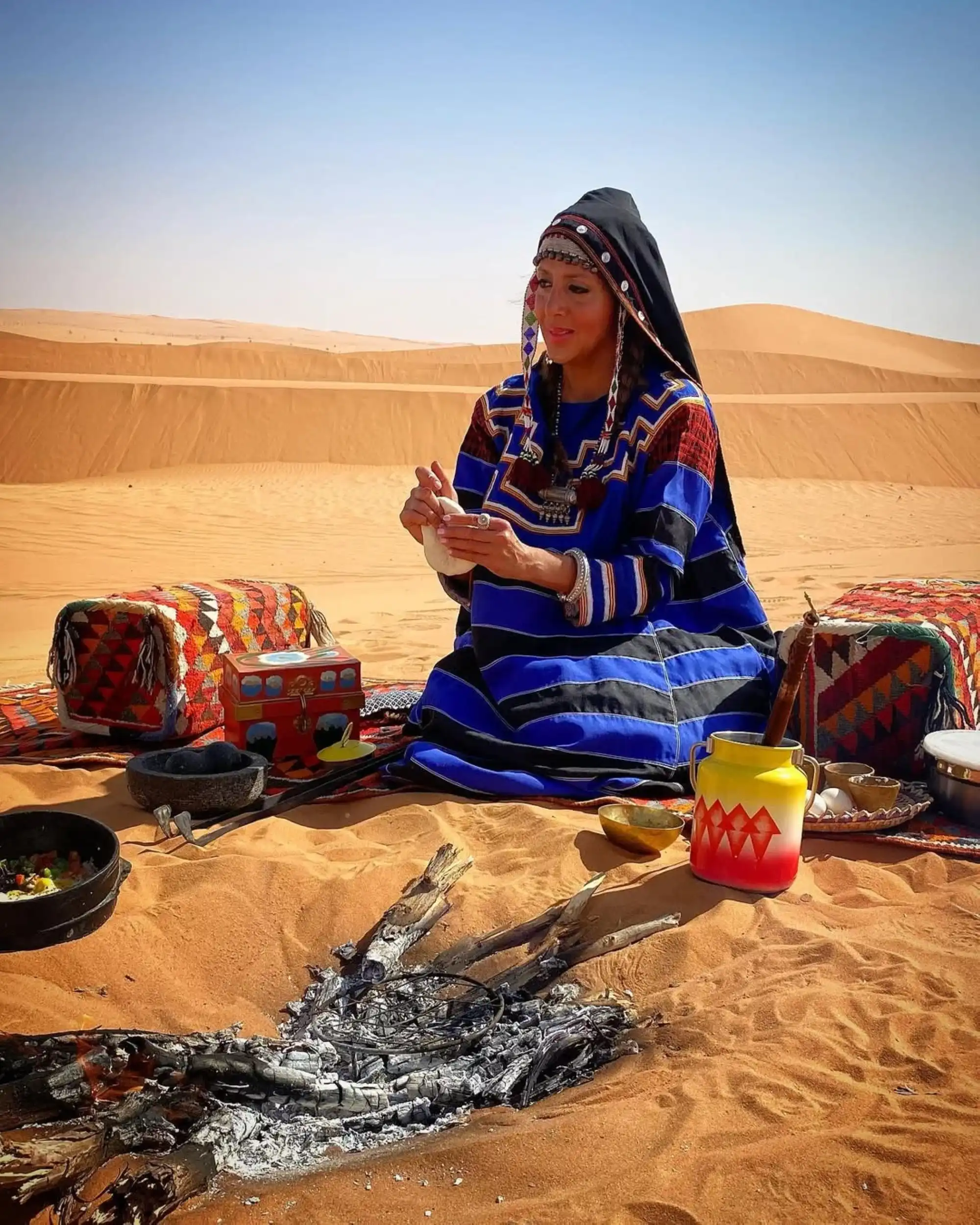
Argentina is famously carnivorous, with its reputation built on beef. Eman’s culinary conquest faced an immediate challenge – sourcing high-quality lamb. “I met many Argentinians who had never tasted lamb in their lives,” she explains. Including Najd’s distinctive spices was also a test. So, before her trip, she scoured traditional markets in the Kingdom, buying large quantities of precious spices. “I shipped everything from jareesh to spices, dates, ghee, and black vinegar,” she recounts.
Roots to Recognition
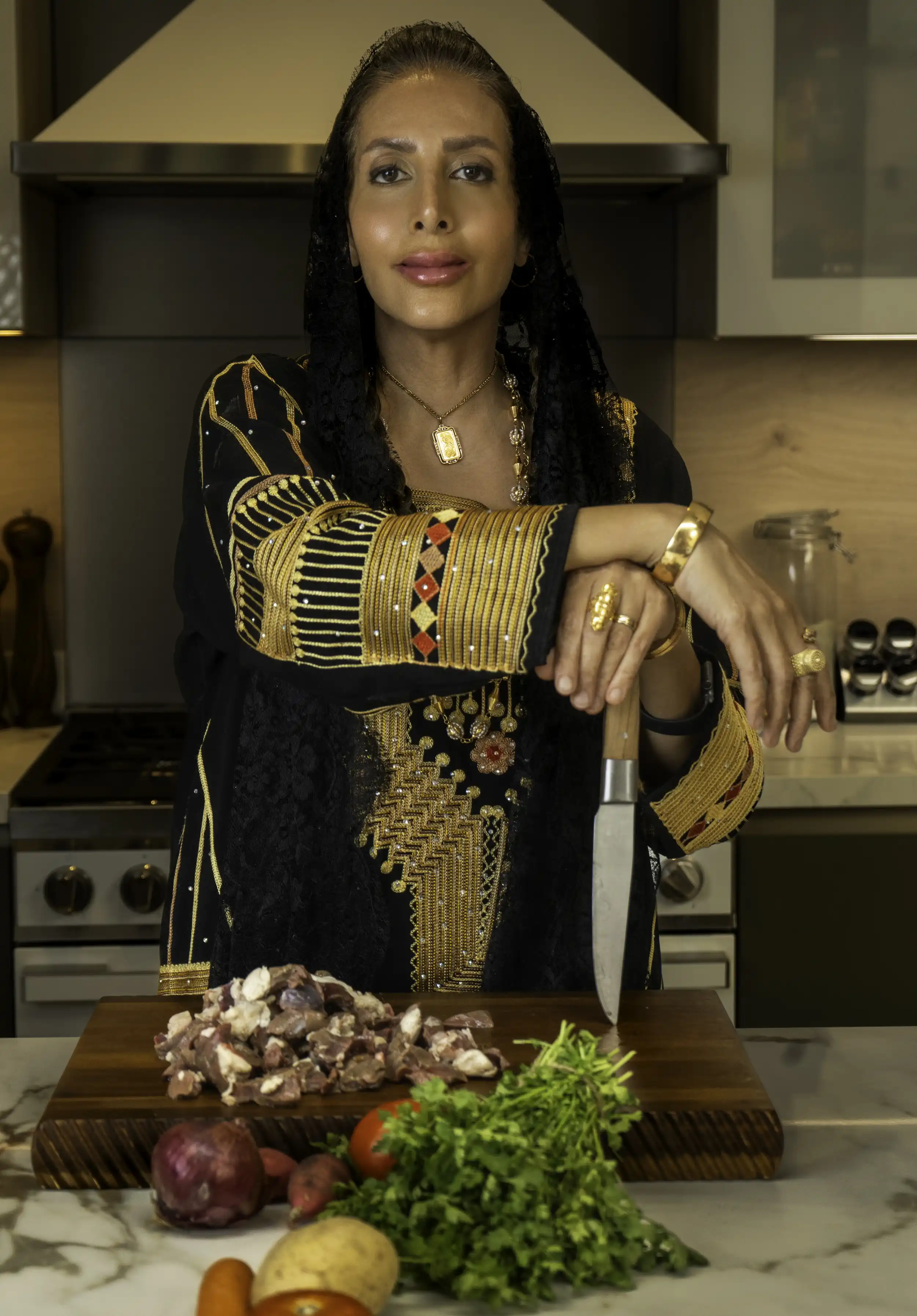
Eman’s talents extend beyond the kitchen. Her palate has shaped flavours across continents through her work as a culinary consultant. She’s helped an Indian firm develop spice blends tailored to Saudi and Gulf dishes, curated menus for various restaurants, including ZAAD London (a pop-up in London that offered an exquisite taste of Saudi), and designed a palace-worthy feast at Riyadh’s historic Masmak during Riyadh Season’s inaugural edition.
This wealth of experience, she believes, goes back to her childhood. “I loved cooking from a young age, inspired by my mother, whose feasts were talked about for days,” she recalls. “My father, who was an ambassador, was one of the best cooks I knew. He would make barbecues for us at the beach and sulaik when we went to the desert. Sometimes my parents would join forces in the kitchen, cooking up unforgettable meals.”
She credits a chance encounter for her foray into the world of social media cooking: “A Moroccan friend visiting from America had a YouTube channel sharing traditional Moroccan dishes,” she says. “She suggested we record a video together to showcase Saudi cuisine. We did, and the video quickly gained traction. That’s how the idea for my channel was born. I started sharing Saudi recipes in English.”
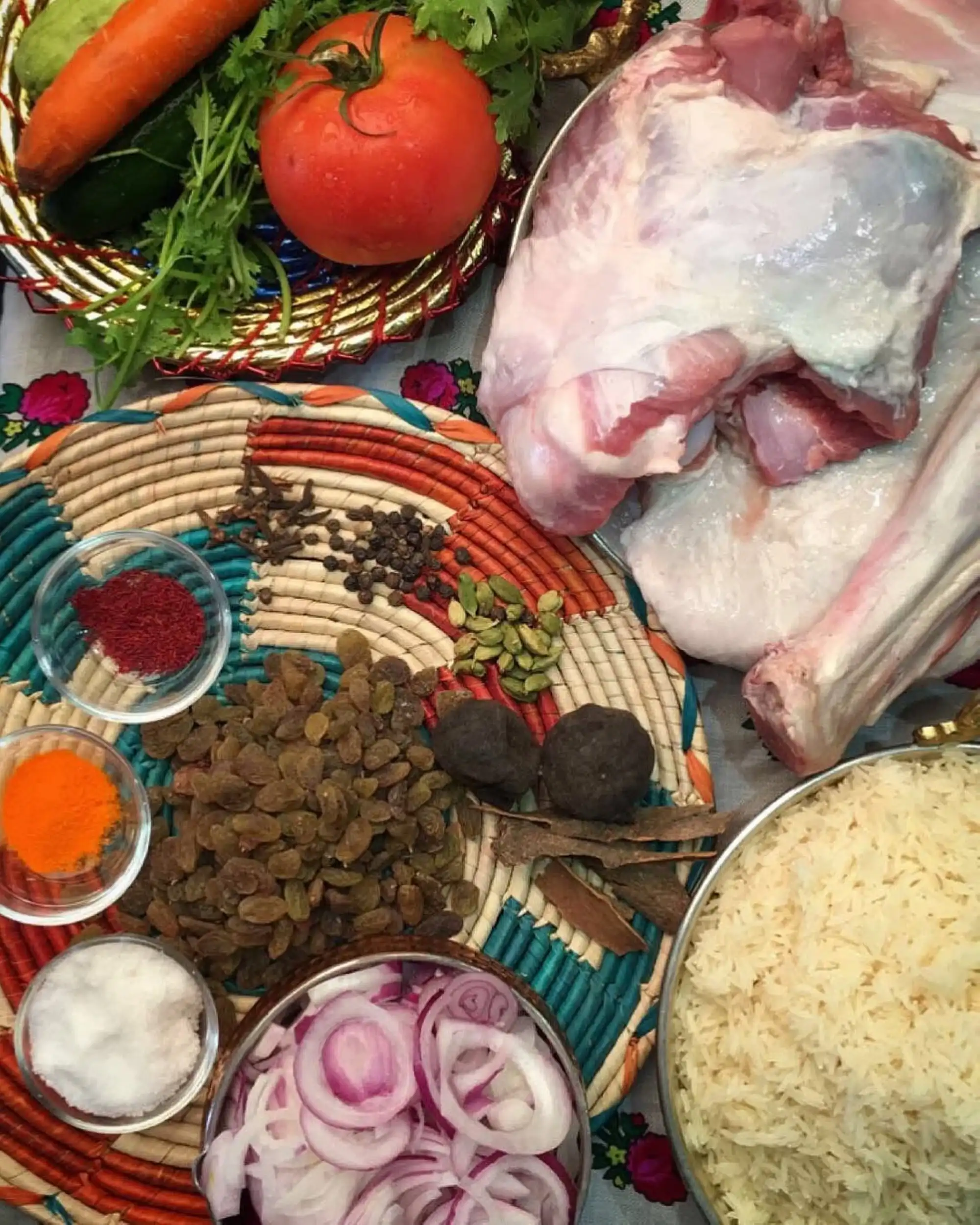
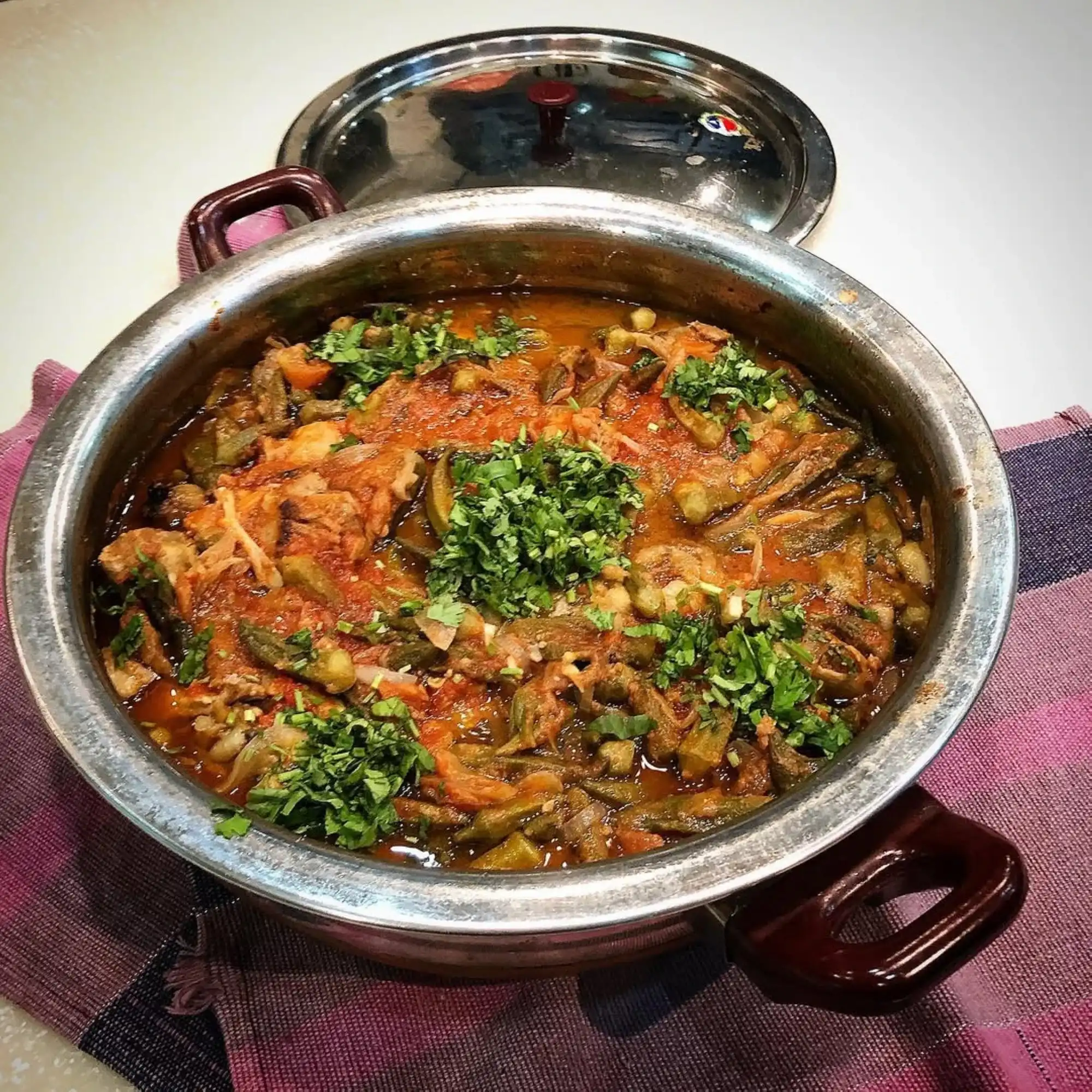
Eman is convinced that the Kingdom’s cuisine, with its rich and complex flavours, deserves its place on the global stage. In her view, one milestone – a Michelin-starred Saudi restaurant – would mark a decisive turning point. She also sees the need for culinary schools in the Kingdom to cultivate local talent and stresses the importance of community and government support to bring Saudi restaurants to international acclaim.
Sustainability: A Part of Saudi’s DNA
While zero-waste cooking dominates global food conversations, Eman traces the practice back through generations of Saudi kitchens. “This isn’t a new concept for us,” she insists. “My mother wouldn’t waste a thing.” She honours this legacy, using every part of a sheep in her cooking, a philosophy that some would say mirrors zero-waste practices of today but that has been perfected over centuries in Saudi homes.
Future Aspirations
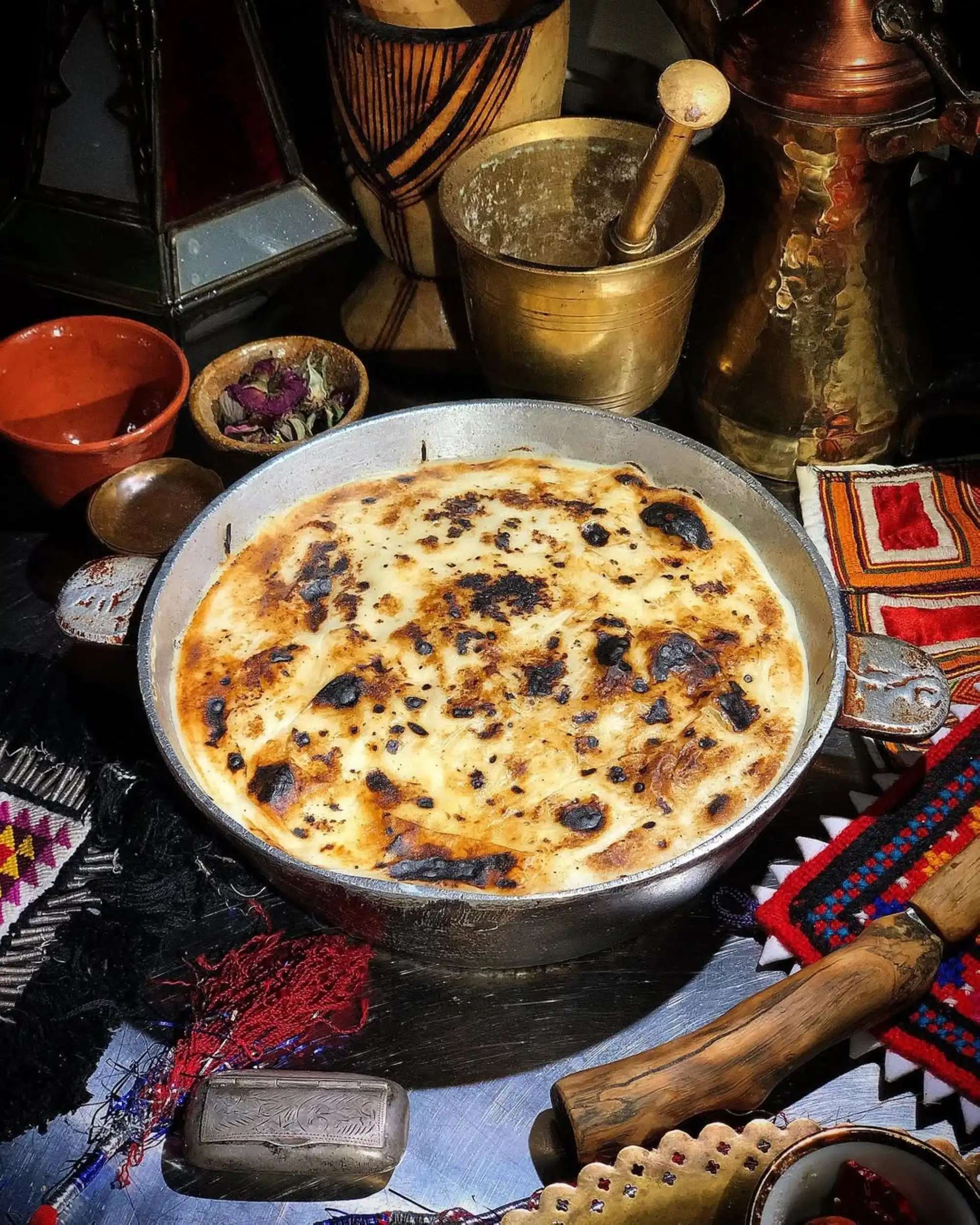
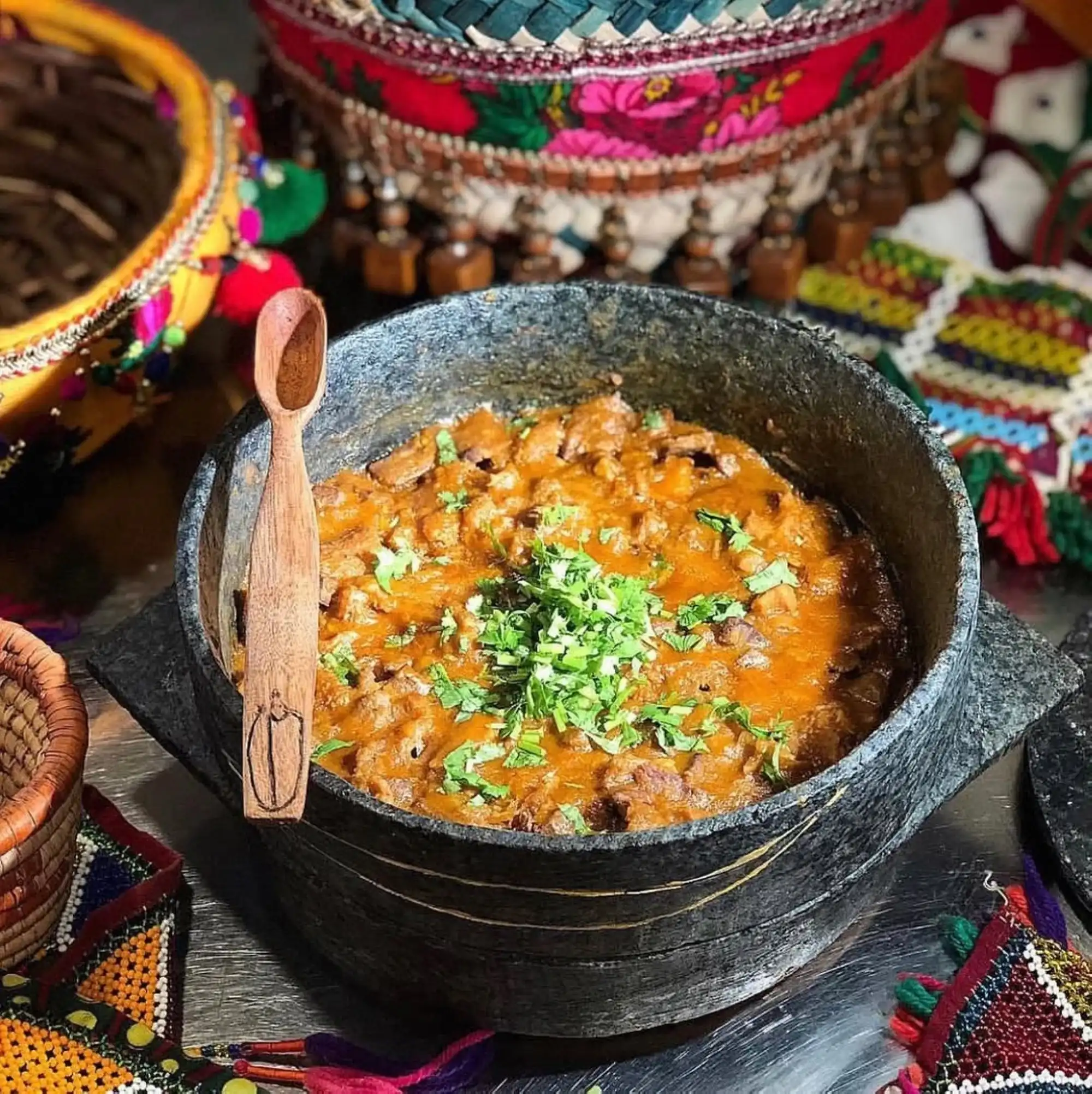
Eman is clear-eyed about her culinary ambitions. “If the right conditions come together, I’d like to open my own restaurant,” she says. “But it wouldn’t be fine dining; that’s not in line with the generous spirit of Saudi hospitality. I’d want to serve the best flavours in generous portions that highlight our culture. I want the food to go straight from the farm to the table, arriving hot and fresh.” She also envisions using traditional cookware, cooking over charcoal, and using animal fats in her recipes to evoke genuine, rustic flavours. “I want to bring back the taste of food our grandparents ate.”