Within the burgeoning expanse of King Salman Park, a cultural phenomenon is taking shape.
The Royal Arts Complex is a collaborative endeavour between the King Salman Park Foundation and the Ministry of Culture, and it is not simply a construction project; it's a carefully orchestrated cultural intervention. Upon completion, King Salman Park will span an impressive 13.3 square kilometres.
The plans for the park—which will be four times the size of New York City's iconic Central Park—was unveiled by His Royal Highness in 2019, and subsequently named in his honour.
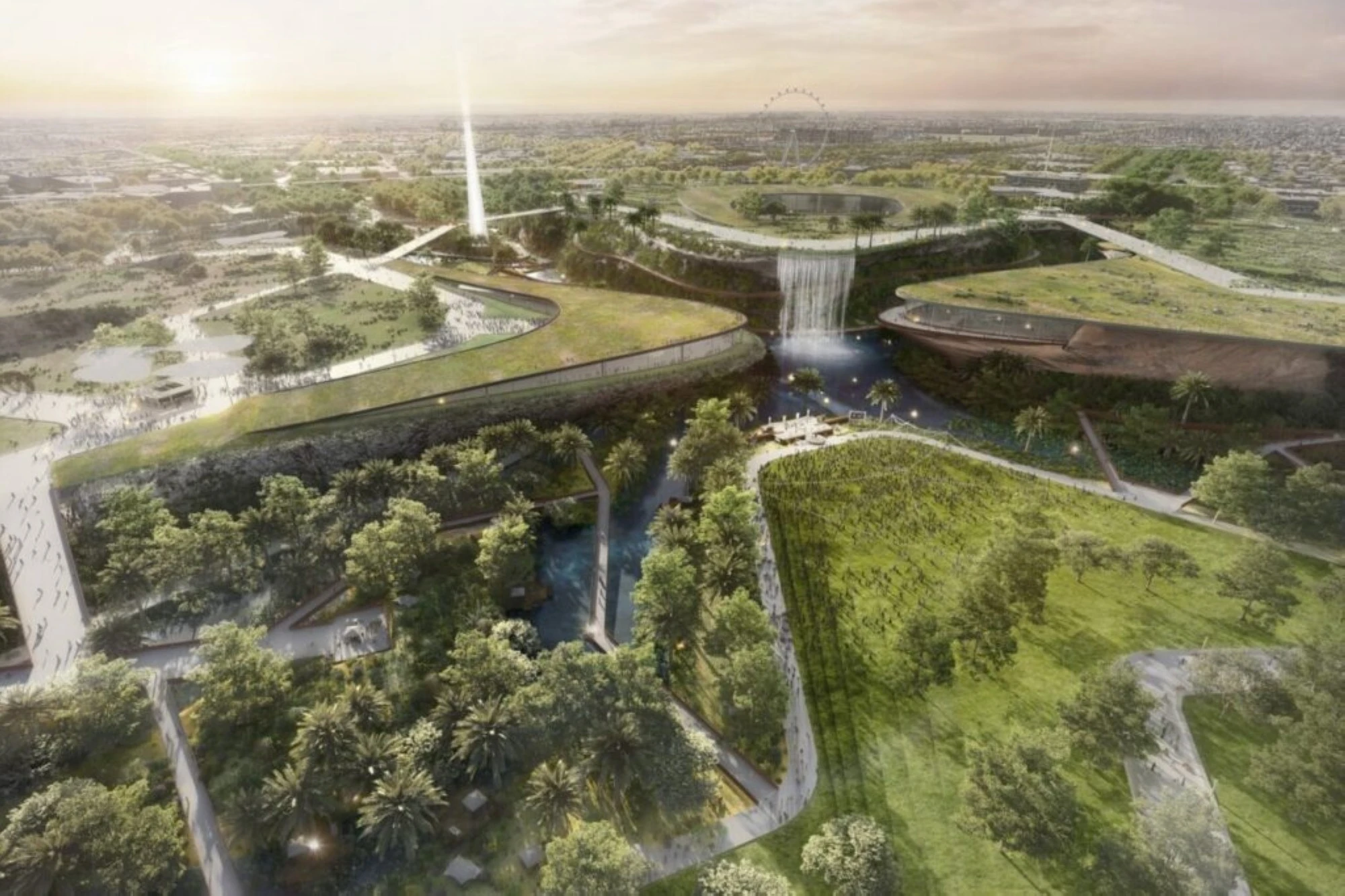
The new cultural complex is slated to transcend the traditional museum and theatre experience or expectations, becoming a living, breathing testament to Riyadh's ambition to forge a dynamic cultural identity. The Royal Arts Complex will become a space where the echoes of the past resonate with bold steps towards the future, a place where art becomes a force for transformation.
This exciting cultural initiative marks a significant collaboration between the King Salman Park Foundation and the Ministry of Culture, with the new museum poised to establish a landmark cultural experience within the expansive King Salman Park.
You Might Also Like: Everything You Need to Know About King Salman Park
The Architecture of the Royal Arts Complex
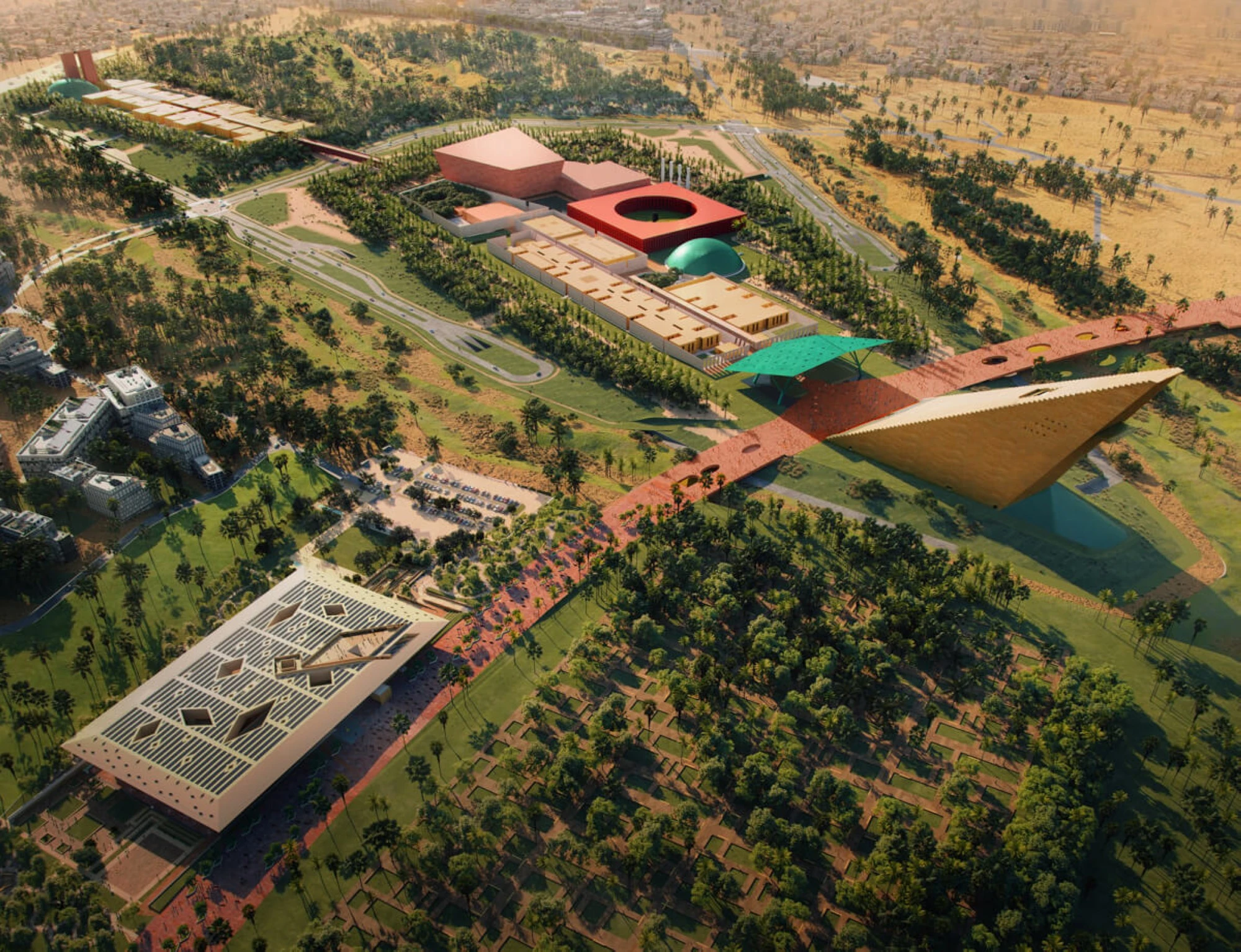
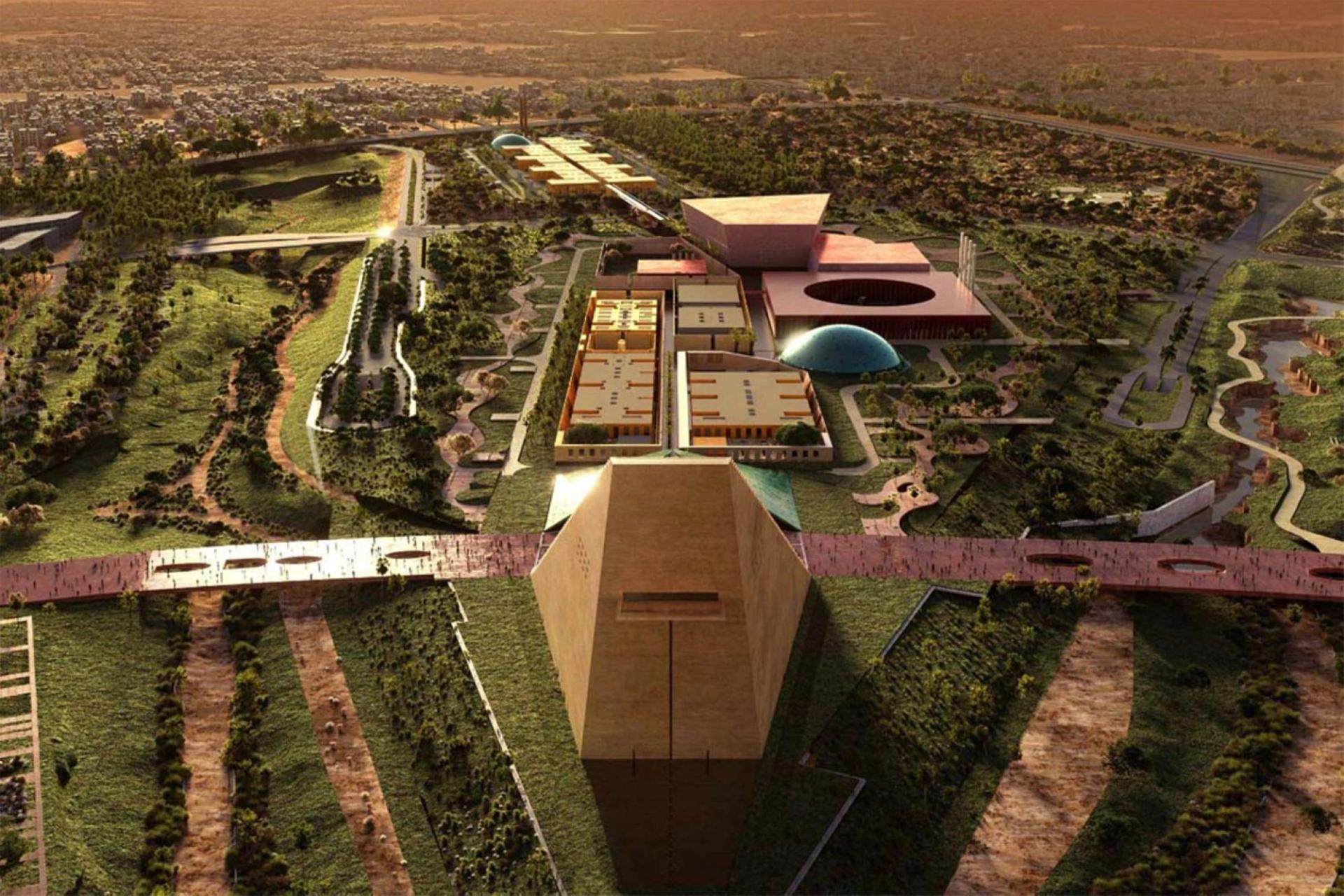
The architectural design, conceived by renowned Spanish architect Ricardo Bofill, integrates contemporary aesthetics with the established principles of Salmani architecture, yielding a complex that reflects both innovation and heritage. This fusion aims to create a cohesive and culturally resonant environment, facilitating a sophisticated engagement with artistic expression.
In addition to embracing the traditional and culturally significant aspects of Salmani design, the Royal Arts Complex will also embrace the future as it will be structured around seven distinct cultural assets, each aligned with the strategic objectives of Vision 2030, specifically the advancement of artistic talent and the enrichment of the cultural sector.
Facilities of the Royal Arts Complex
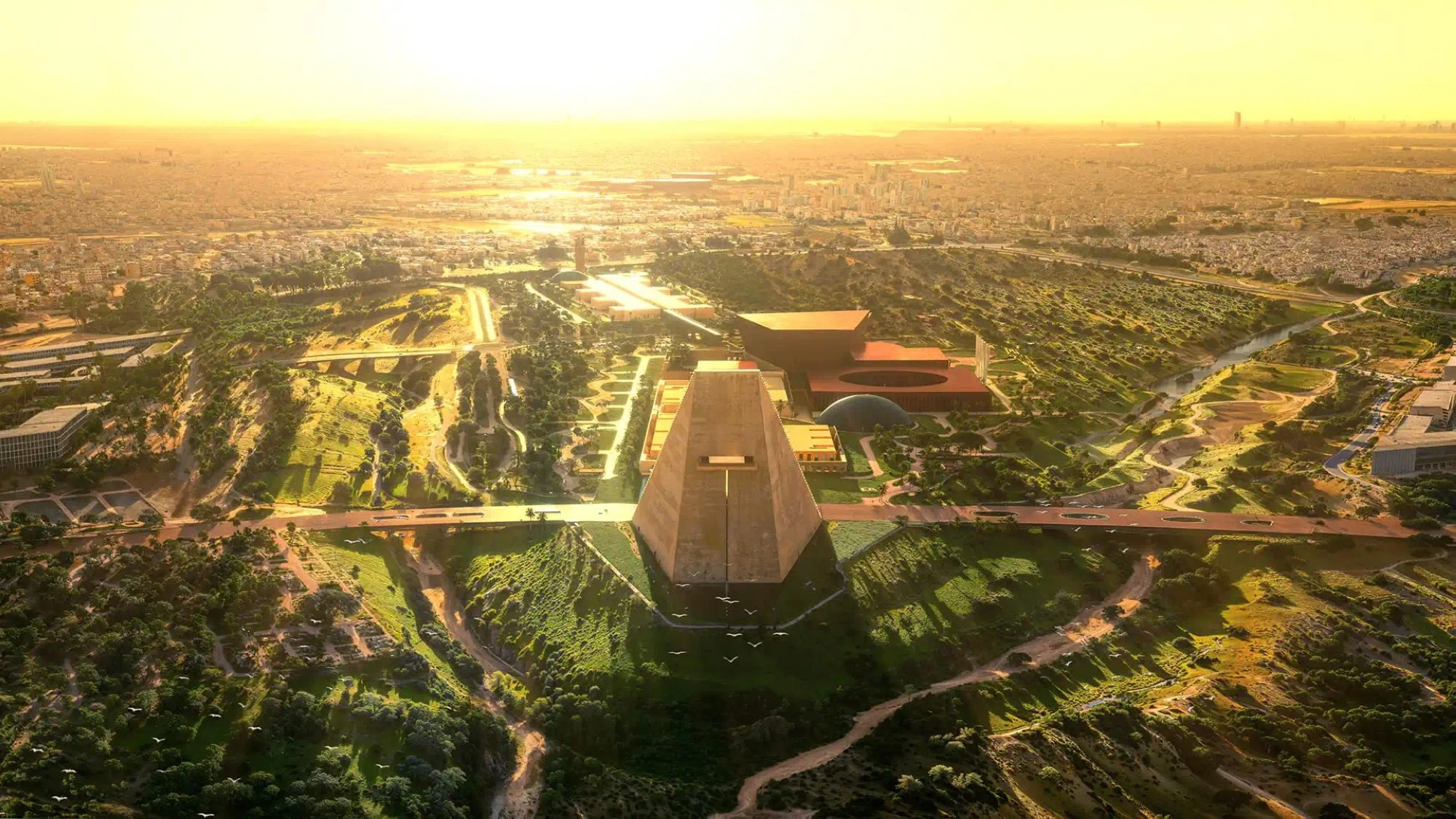
The Royal Arts Complex will span an area of more than 500,000 square metres, and will comprise of three distinct cultural destinations - the city's new Museum of World Cultures, a National Theatre, and a Royal Institute of Traditional Arts.
Complementing facilities within the complex include a cultural cinema hub which will be specifically designed to host film festivals, in addition to screenings of local and international productions; a sculpture and artwork pavilion, dedicated to the exhibition of contemporary and historical works; and a specialised library, providing a comprehensive resource for cultural and artistic research.
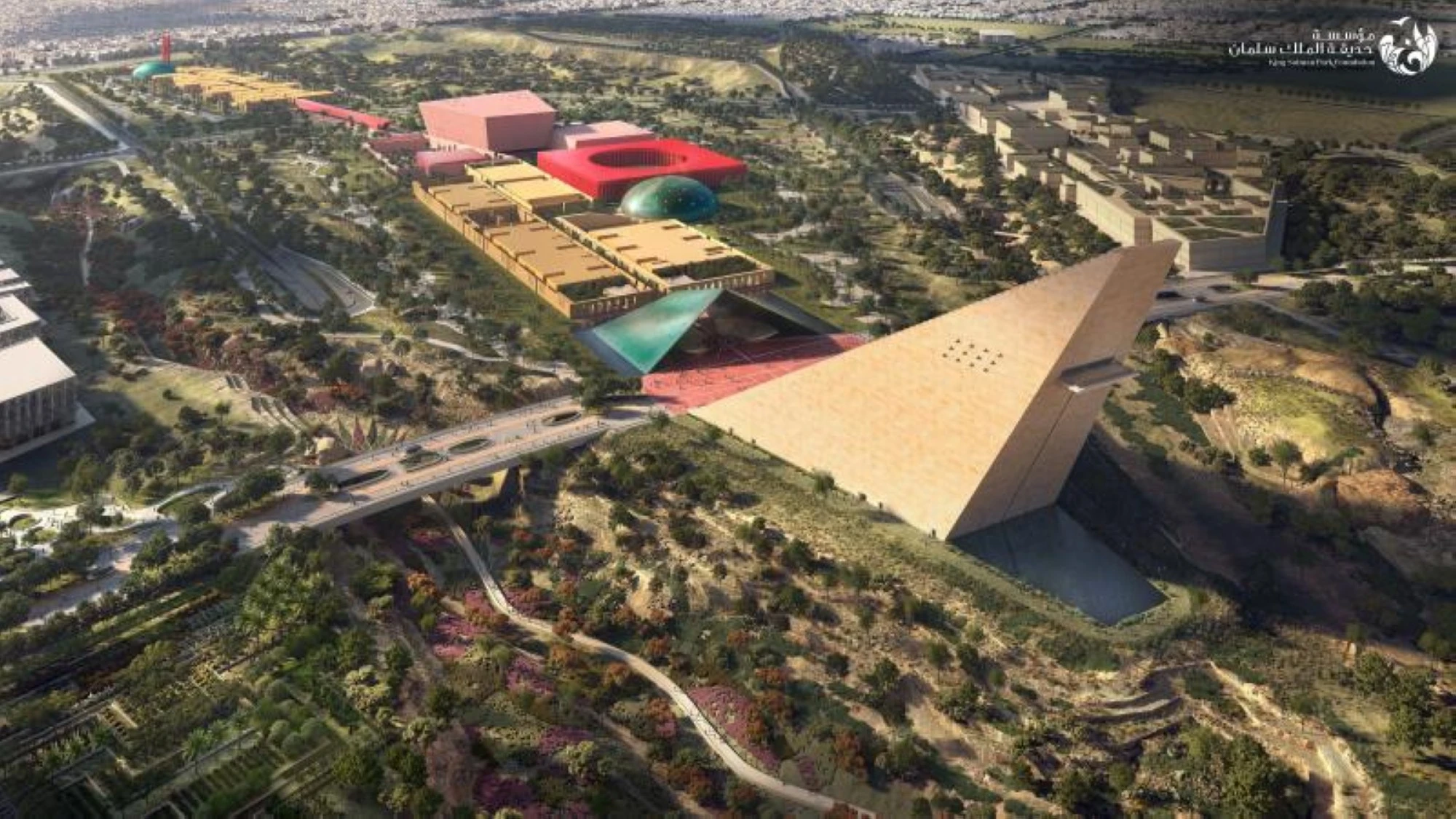
A central dome-shaped space will serve as a multi-functional venue, accommodating a range of artistic presentations and cultural events, thereby fostering a dynamic environment for artistic dialogue and exchange.
The Royal Arts Complex is designed to function as a catalyst for cultural development, providing a framework for artistic innovation and heritage preservation. Its establishment reflects a strategic commitment to enhancing Riyadh's cultural infrastructure and positioning the city as a significant cultural destination. The complex is intended to serve as a long-term investment in the cultural landscape, contributing to the realisation of the cultural objectives outlined in Vision 2030.
You Might Also Like: These are the most impressive museums in Saudi Arabia
The Museum of World Cultures
In July 2024, it was announced by the Saudi Museum Commission that German art historian and museum master, Dr. Hartwig Fischer was appointed as the Founding Director of the new Museum of World Cultures within the Royal Arts Complex. The museum is slated to open some time in 2026.
With an impressive height of 110 metres, the Museum of World Cultures will eventually be able to host approximately 2,300 people.
The Museum of World Cultures will serve as a prominent architectural component within the King Salman Park, and will act as a repository and exhibition space for diverse global artistic expressions.
The Royal Institute of Traditional Arts
The Royal Institute of Traditional Arts, comprising the Academy of Traditional Visual Arts, the Academy of Cultural Heritage and Restoration, and the Academy of Theatrical Arts, will provide specialised training and research opportunities, ensuring the preservation and evolution of traditional artistic practices.
The Royal Institute of Traditional Arts already serves to narrate the artistic history and stories of traditional artworks and crafts. And in its new location within the King Salman Park, the Royal Institute of Traditional Arts will cultivate expertise in traditional arts through its three academies: the Academy of Traditional Visual Arts, the Academy of Cultural Heritage and Restoration, and the Academy of Theatrical Arts.
Through workshops, courses and formal education, the Royal Institute of Traditional Arts will aim to ensure the sustainability and growth of traditional art and building techniques by nurturing local artistic talent and advancing the skills and expertise of Saudis in these traditional ways, to protect and revitalise Saudi Arabia's cultural heritage in a tangible way.
The National Theatre
Although not much has been released about the plans for the National Theatre, we do know that it will function as a platform for both domestic and international performing arts, with the ultimate aim to foster a dynamic cultural exchange between nations.