


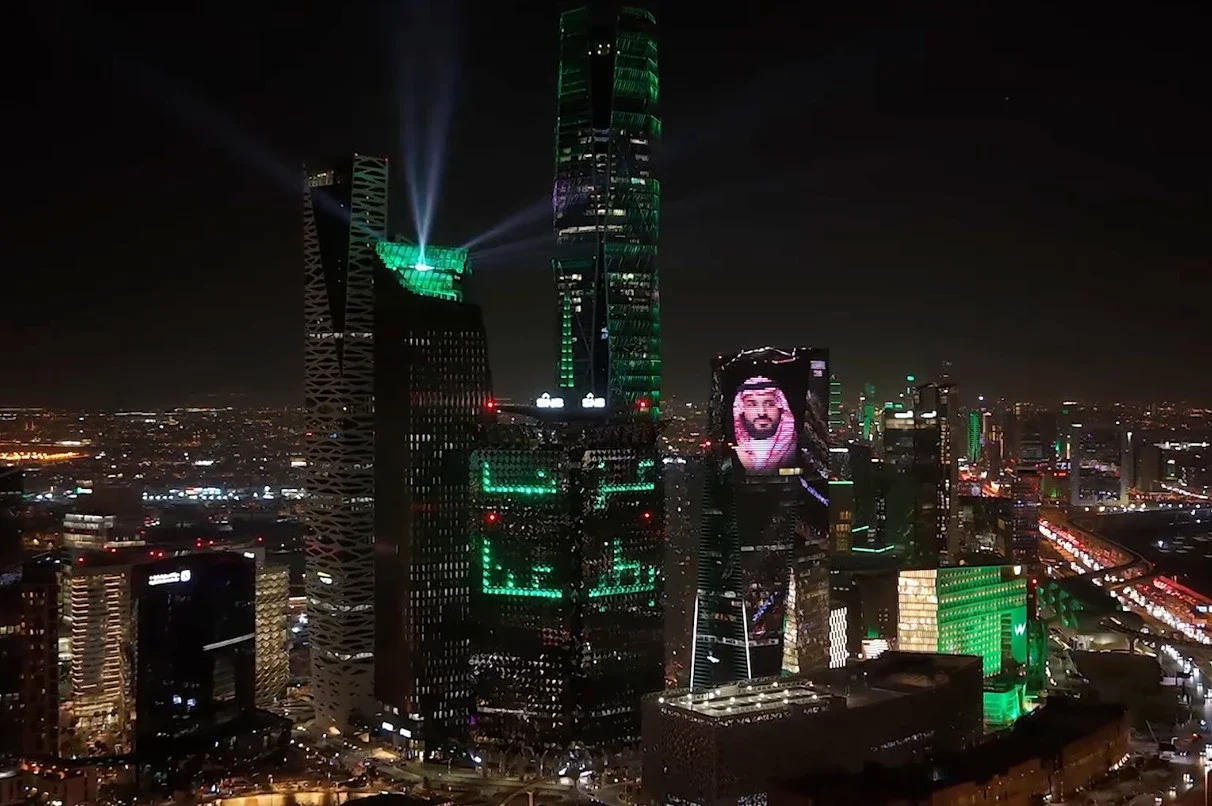

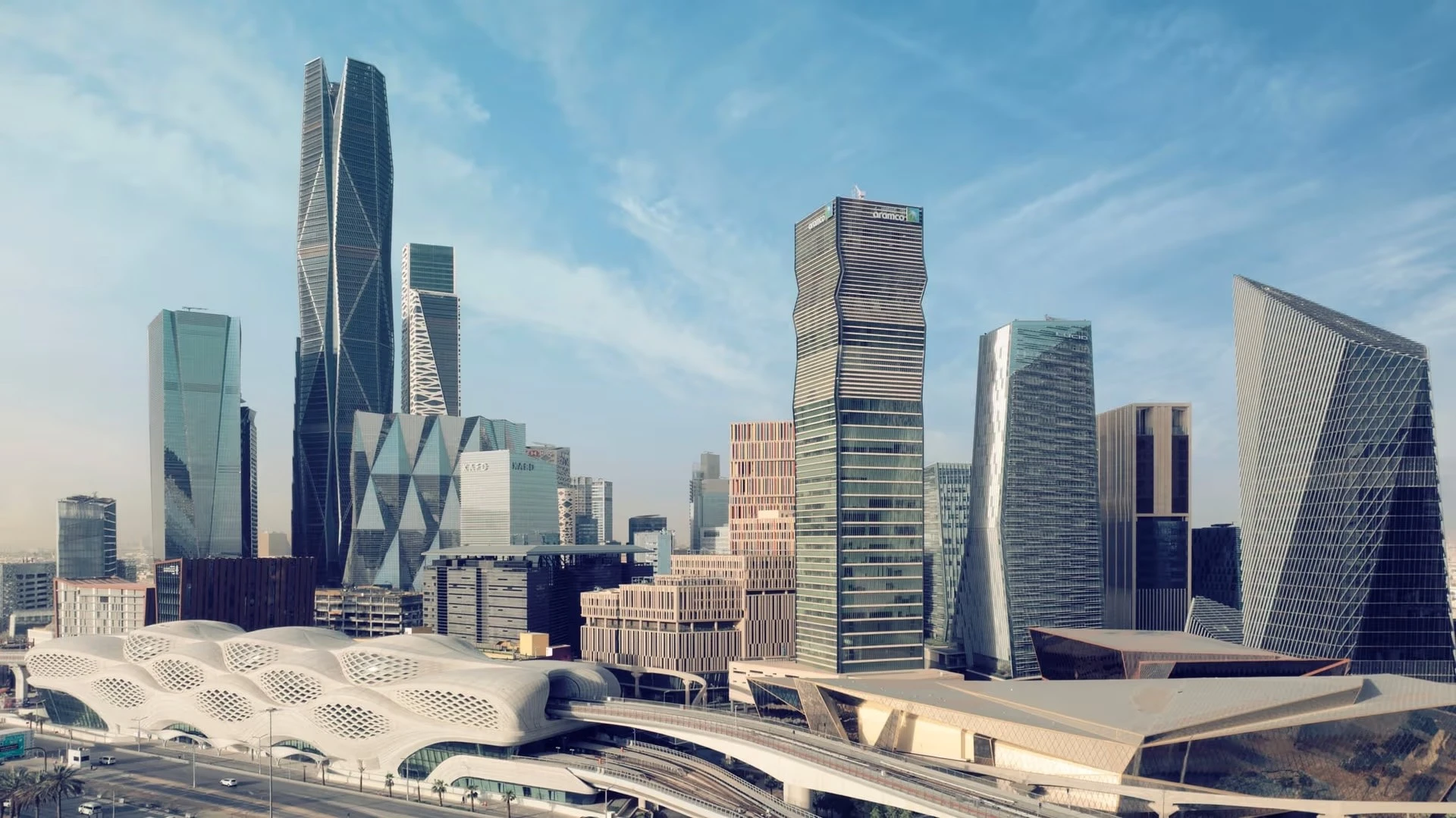
A decade into its sweeping national economic transformation, Saudi Arabia has delivered on 93% of the objectives outlined within its Vision 2030 framework, HRH Crown Prince Mohammed bin Salman announced during an address to the Shura Council.
Delivering the opening speech on behalf of HRH King Salman, HRH, the Crown Prince highlighted how ten years of structural diversification, regulatory modernisations, and targeted capital deployment have re-engineered the domestic economy, shielding the Kingdom against volatile global markets and external financial shocks.

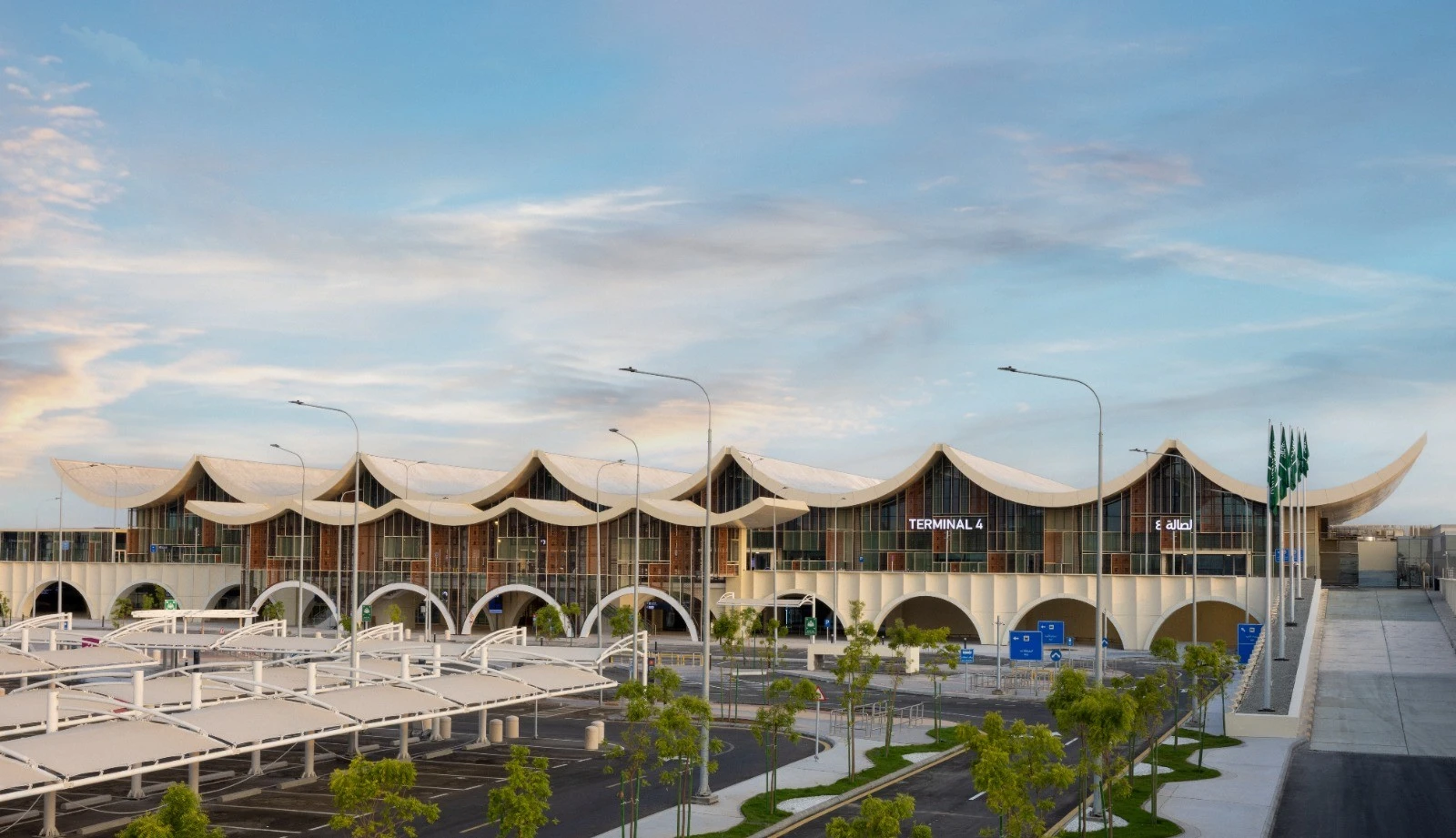
Central to the progress report was the accelerated pace of economic diversification. Saudi Arabia’s non-oil exports recorded a 155% increase compared to 2016 baselines. Simultaneously, the private sector's contribution to the total gross domestic product reached 51%, meeting a major structural benchmark intended to reduce state dependency. HRH also emphasised the resilience of the Kingdom's transport and logistics network, noting that domestic infrastructure has successfully navigated recent disruptions across international supply chains to maintain an uninterrupted flow of goods and services.
You Might Also Like: What is Saudi Vision 2030?
Targeted use of development funds
The financial strategy of Vision 2030's achievements remains anchored by the Public Investment Fund (PIF), which is entering its next five-year operational phase. The sovereign fund is prioritising high-yield domestic economic sectors, scaling local content, and deepening co-investment partnerships with private enterprises. Complementing PIF’s capital deployment, the National Development Fund continues to provide targeted annual financing across key growth industries to support strategic long-term development targets.
Digital achievements and the 'Year of Artificial Intelligence'
Saudi Arabia’s public and technology sectors posted marked gains across global performance benchmarks, securing the top spot worldwide in the Digital Readiness Framework, the ICT Development Index, and key cybersecurity metrics, while ranking second globally in the GovTech Maturity Index and entering the top 10 most attractive jurisdictions for mining investment. Building on these digital frameworks, the government has formally designated 2026 as the Year of Artificial Intelligence, a strategic initiative aimed at scaling domestic AI capabilities, embedding machine learning across public services, driving labor productivity, and cultivating specialised local tech talent.
On the domestic front, economic reforms have translated into improvements across public welfare and social infrastructure. Structural real estate updates expanded mortgage options, boosted overall market efficiency, and drove up homeownership rates among Saudi citizens.
Investment in human capital remains central to long-term economic planning. Ongoing updates to the General Education Law aim to elevate academic standards across public schools, while broader healthcare transformations continue to expand specialised medical coverage and service quality nationwide.
Reflecting on a decade of progress, HRH, the Crown Prince observed: "Long-term planning does not mean rigidity or stagnation; it means the ability to adapt to changing circumstances." He reiterated that the Kingdom’s economic policy will continue prioritising promising sectors, attracting foreign and domestic capital, and directing resources toward high-impact social and economic projects.
Regional Defense Alliances and Global Energy Security
Addressing regional security, the Crown Prince reaffirmed that the safety and stability of the Gulf Cooperation Council (GCC) states are deeply interconnected. He pledged continued strategic cooperation, economic integration, and joint defence action across the region. He highlighted the Makkah Joint Defence Agreement — formed alongside Turkey and Pakistan — as a key initiative reinforcing regional stability, while expressing gratitude to international partners supporting peace in the Middle East.
On international markets, the Crown Prince noted that Saudi Arabia remains a stabilising factor for global energy security, ensuring uninterrupted oil supplies despite ongoing geopolitical friction. Furthermore, the Kingdom's leadership in forming a Multinational Maritime Defence Alliance aims to safeguard key international shipping lanes, ensure the flow of essential goods, and prevent commercial waterways from being weaponised for economic pressure.



Social upgrades in housing, health, and education