



Looking for the perfect escape this May?
Instead of planning a trip to a typical city break destination, why not consider venturing to extraordinary landscapes that offer unique appeal. May often represents a sweet spot for travel – a shoulder season in many parts of the world, promising pleasant weather, fewer crowds than the peak summer month, and a chance to explore unique environments beyond the familiar bustle.
From the ideal dry-season conditions perfect for exploring the mysteries of Machu Picchu high in the Andes, to the vast, warming Gobi Desert entering its prime travel window, the month of May unlocks incredible adventures. These destinations offer deep dives into history, unique cultural encounters, and unforgettable natural beauty perfectly suited for a May getaway.
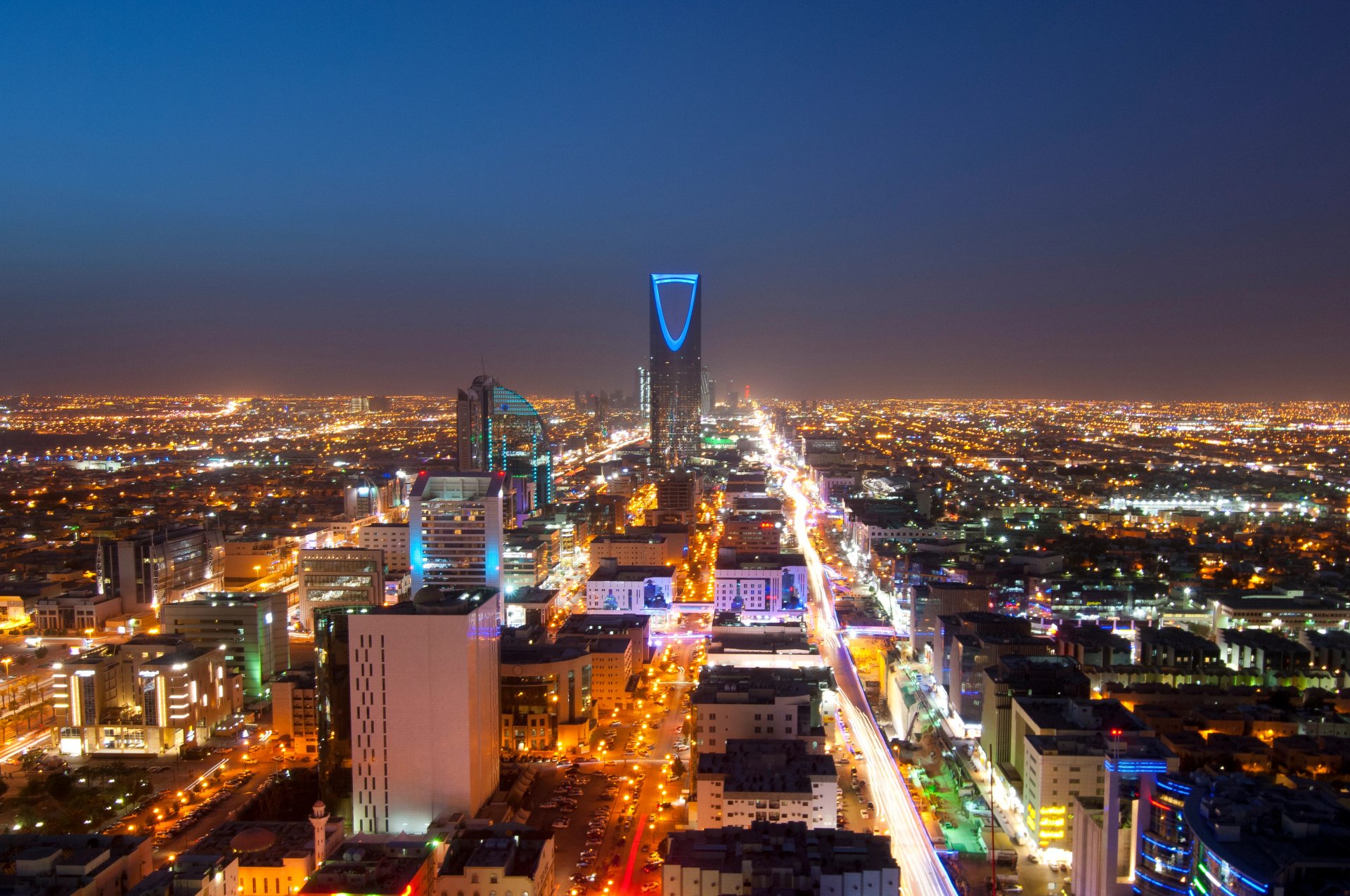
You Might Also Like: 5 exciting escapes just 5 hours from Saudi
Ushaiger Heritage Village, Saudi
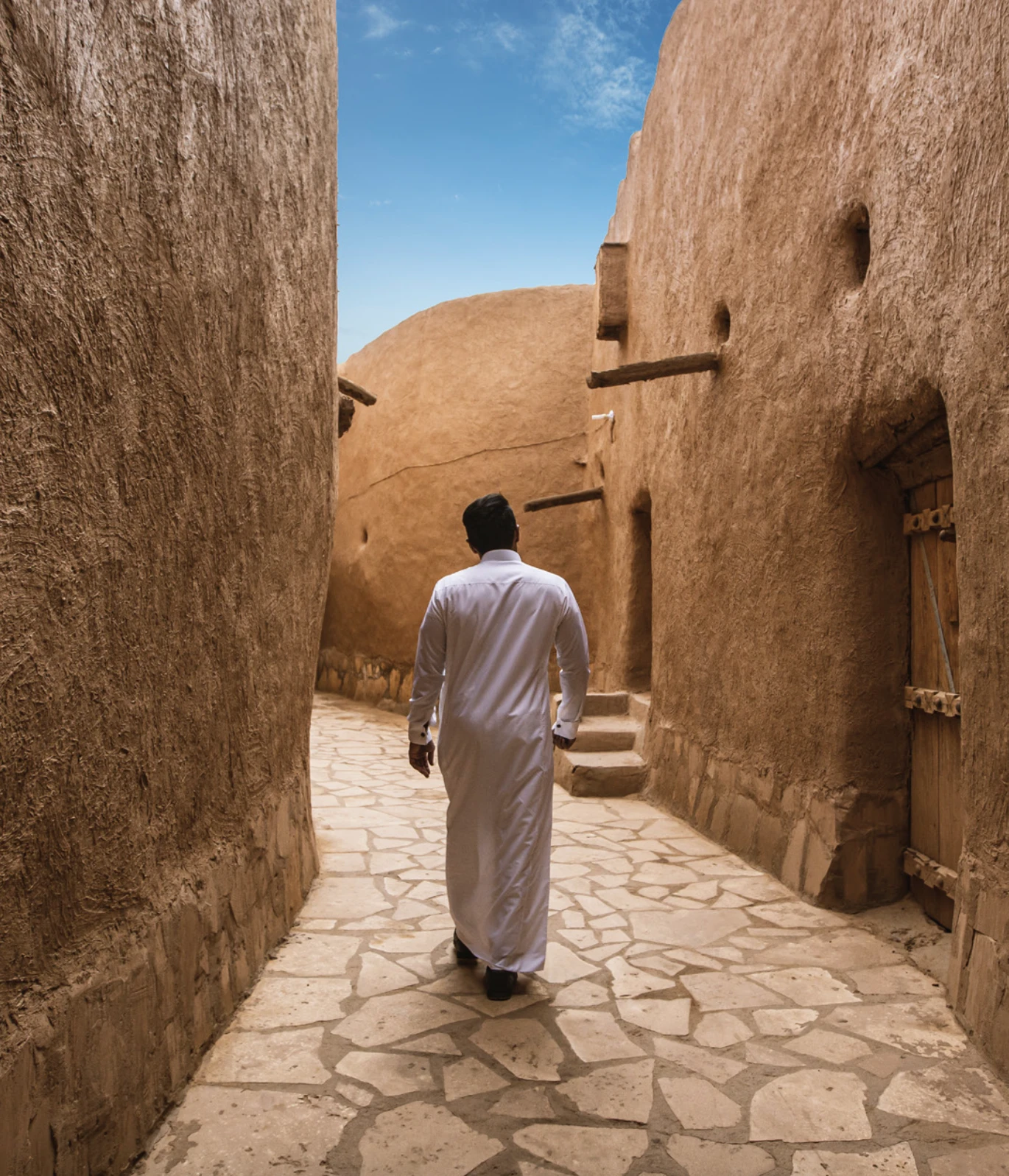
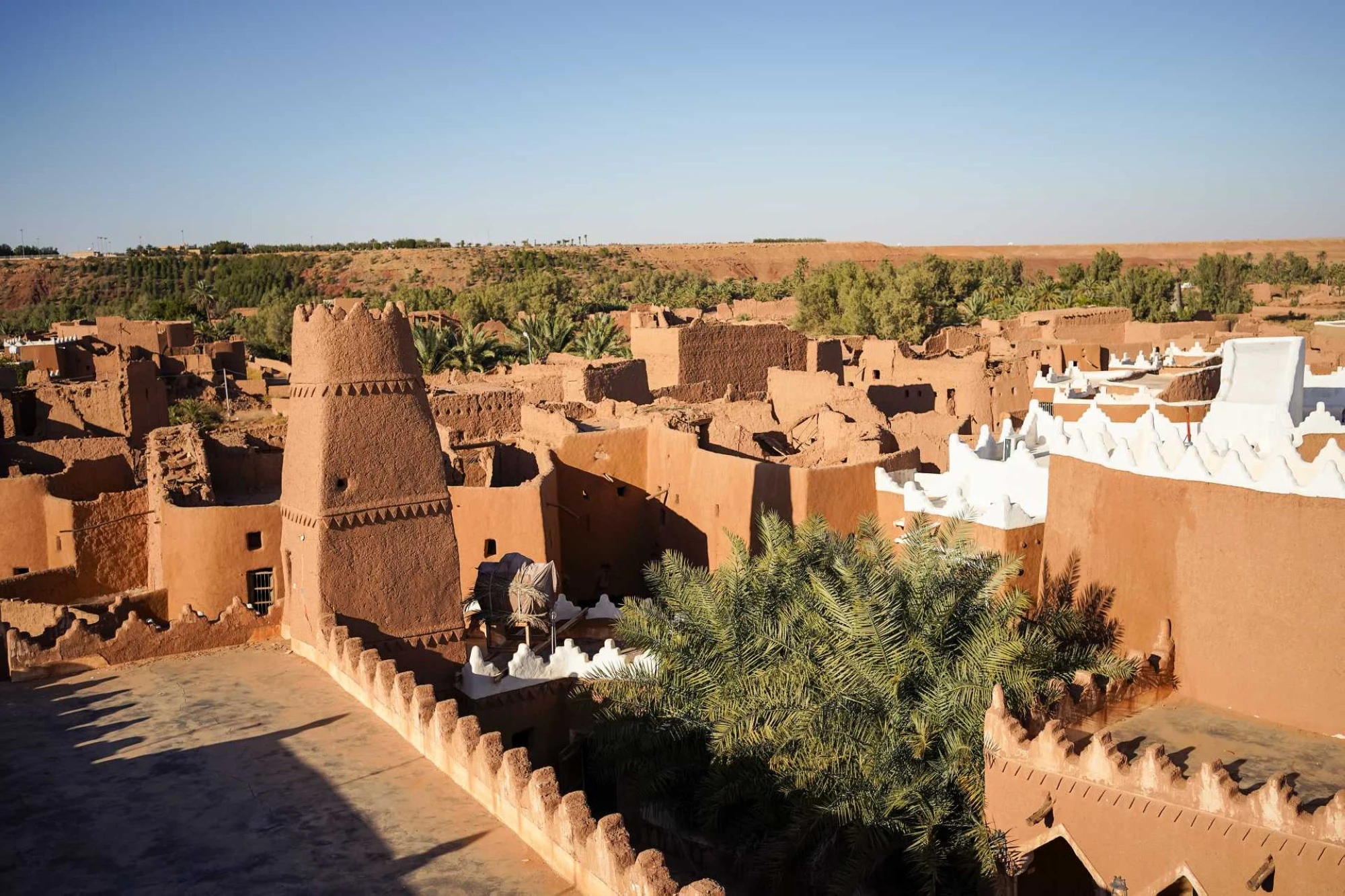
To wander around the narrow alleyways of Ushaiger Heritage Village is to journey back in time – its mud-brick architecture reflects one of the earliest architectural concepts upon which houses, forts, and palaces were built in the Kingdom. Ushaiger, which translates to “little blonde,” has a red mountain looming in the distance, shadowing the yellow mud homes of the village. Standing close to 200km north-west of Riyadh in the Najd region, it’s a definitive destination for history buffs.
Between its freshwater springs and the respite offered by the shade of olive and palm groves, Ushaiger was once a vital pit stop for pilgrims arriving from Iran, Iraq, and Kuwait. The advent of modern transport, however, made its importance plummet. Today, this ancient settlement is among the oldest in the region, so take the time to appreciate its unique features. Ornately carved wooden doors displaying residents’ family names, for example, are characteristic of Najdi architecture.
While you’re there: Get acquainted with the eclectic range of artefacts at Al Salem Museum with the help of its famously hospitable guide – each has a backstory worth hearing.
Machu Picchu, Peru
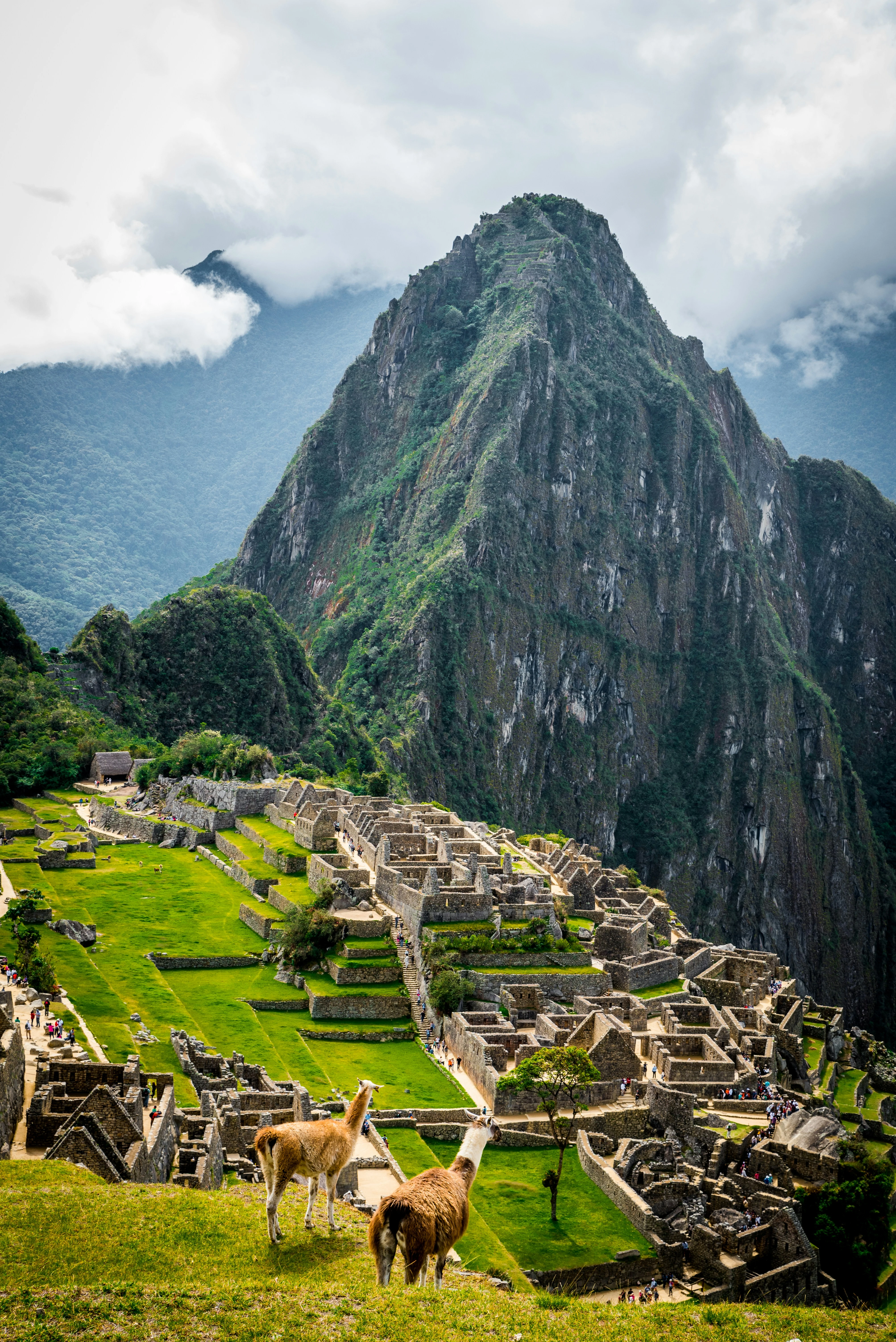
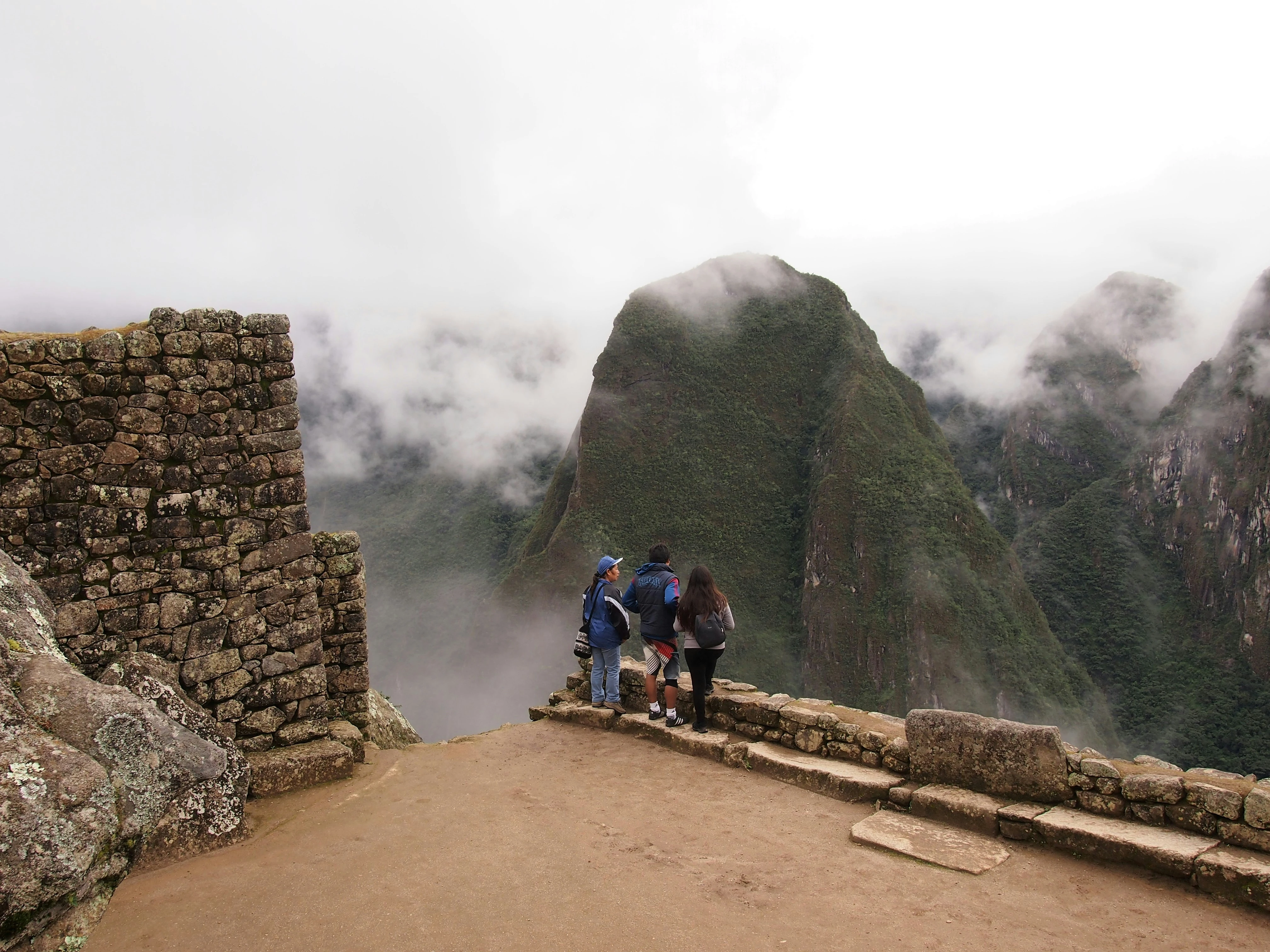
Nicknamed the Lost City of the Incas, Machu Picchu ranks highly among adventure travellers craving a bit of everything – culture, architecture, nature, mystery – and rightfully so. Located over 2,000 metres above sea level in the Andes, it remains one of the least understood archaeological sites on the planet. In fact, researchers are yet to determine Machu Picchu’s original function (royal estate, ceremonial site, place of worship, and astronomical observatory are all theories). The logistics of reaching this 15th-century citadel aren’t straightforward and, as of 2001, hiking the Inca Trail without a guide isn’t permitted. Sure, it’s only 39km, but you’ll go over bridges, under waterfalls, around mountains, along cobbled paths, and through ancient ruins, making this a truly once-in-a-lifetime experience. With the rainy season ending, the April to May period is the best time to visit, promising mild weather and moderate crowds.
While you’re there: Linger in the capital of Lima to dine at gastronomic hotspots such as Maido,
Gobi Desert, Mongolia
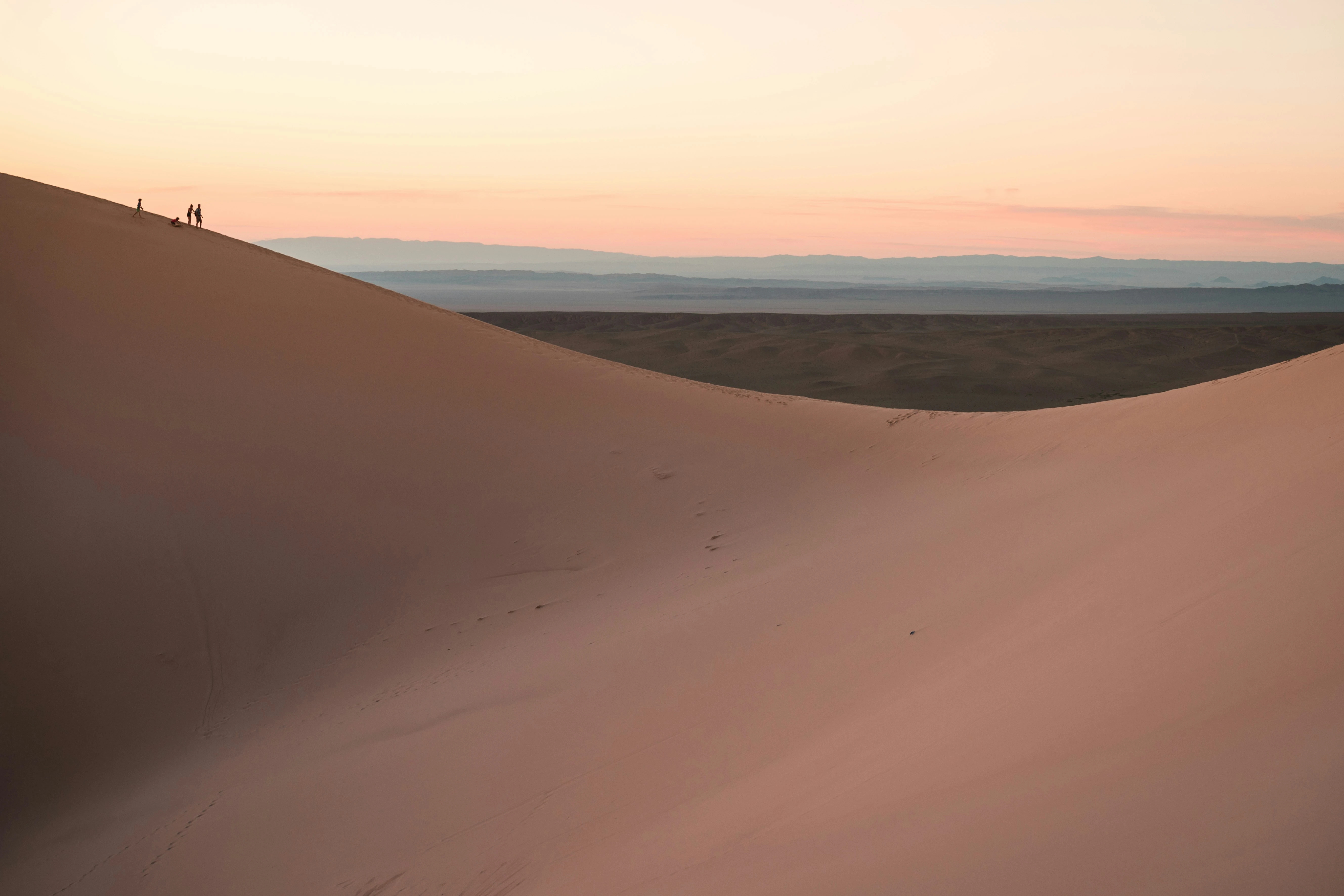
At a staggering 1.3m sq km, the Gobi desert is the fifth largest desert in the world – but it’s not just dunes in every direction, despite Mongolia’s reputation as one of the world’s emptiest countries. In fact, nomadic herders have lived off the land for centuries. Formed by the Himalayas and stretching across southern Mongolia and northern China, its landscape is surprisingly diverse – oases, lakes, barren steppes, and even lush green valleys inevitably catch adventurers off guard. Most famous are the fiery red Flaming Cliffs, where fossilised dinosaur eggs and Protoceratops skeletons were unearthed back in 1923. And while fossils are discovered across the Gobi desert to this day, it’s more than a playground for palaeontologists.
Soaking up the beauty of its vast, rugged terrain aside, you can ride two-humped camels, visit monasteries built in the 18th century, and immerse in nomadic culture by staying at a ger (or yurt) camp.
While you’re there: Purchase a selection of traditionally made felt items like figurines, slippers, and throw pillows.
Farasan Islands, Saudi
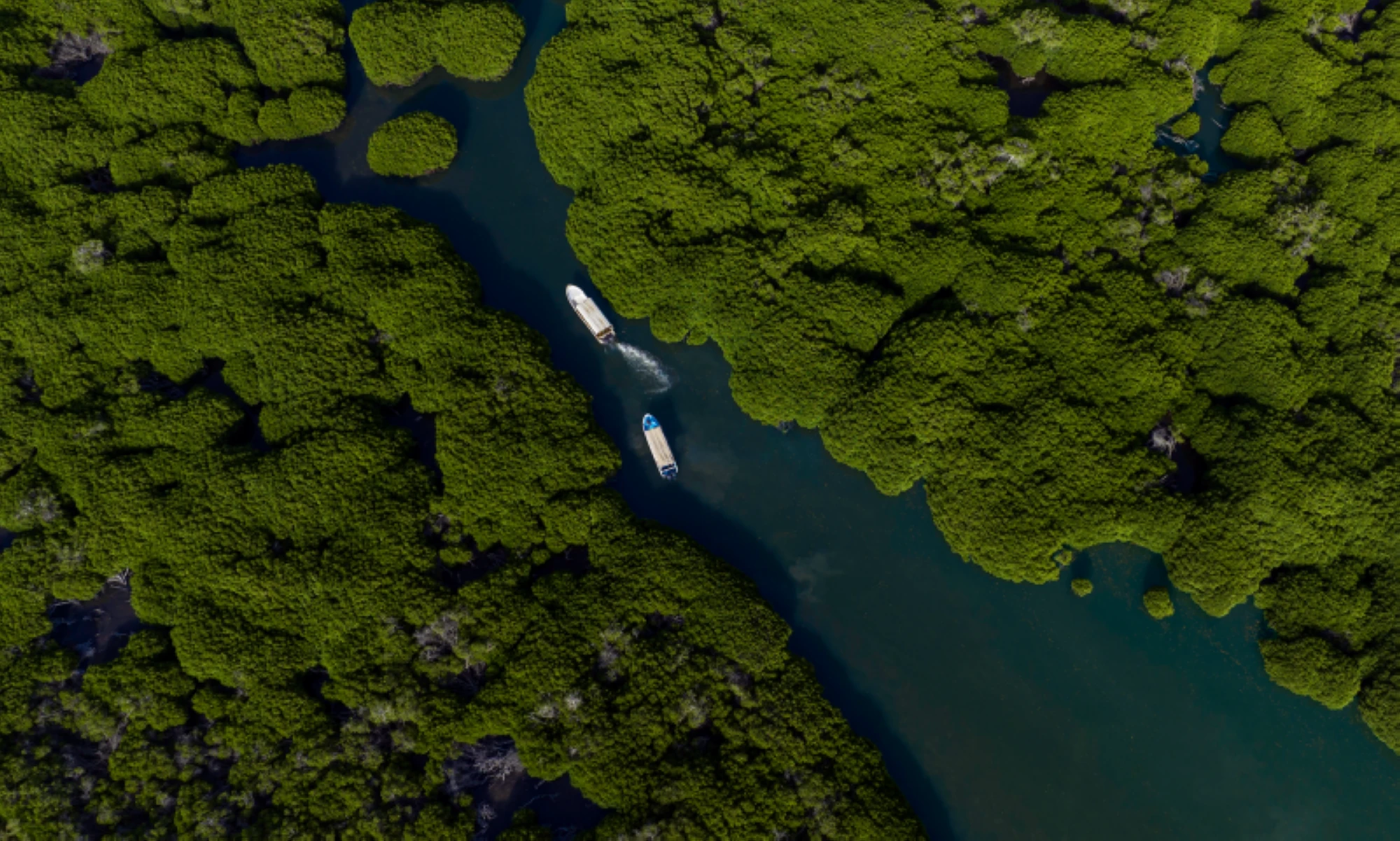
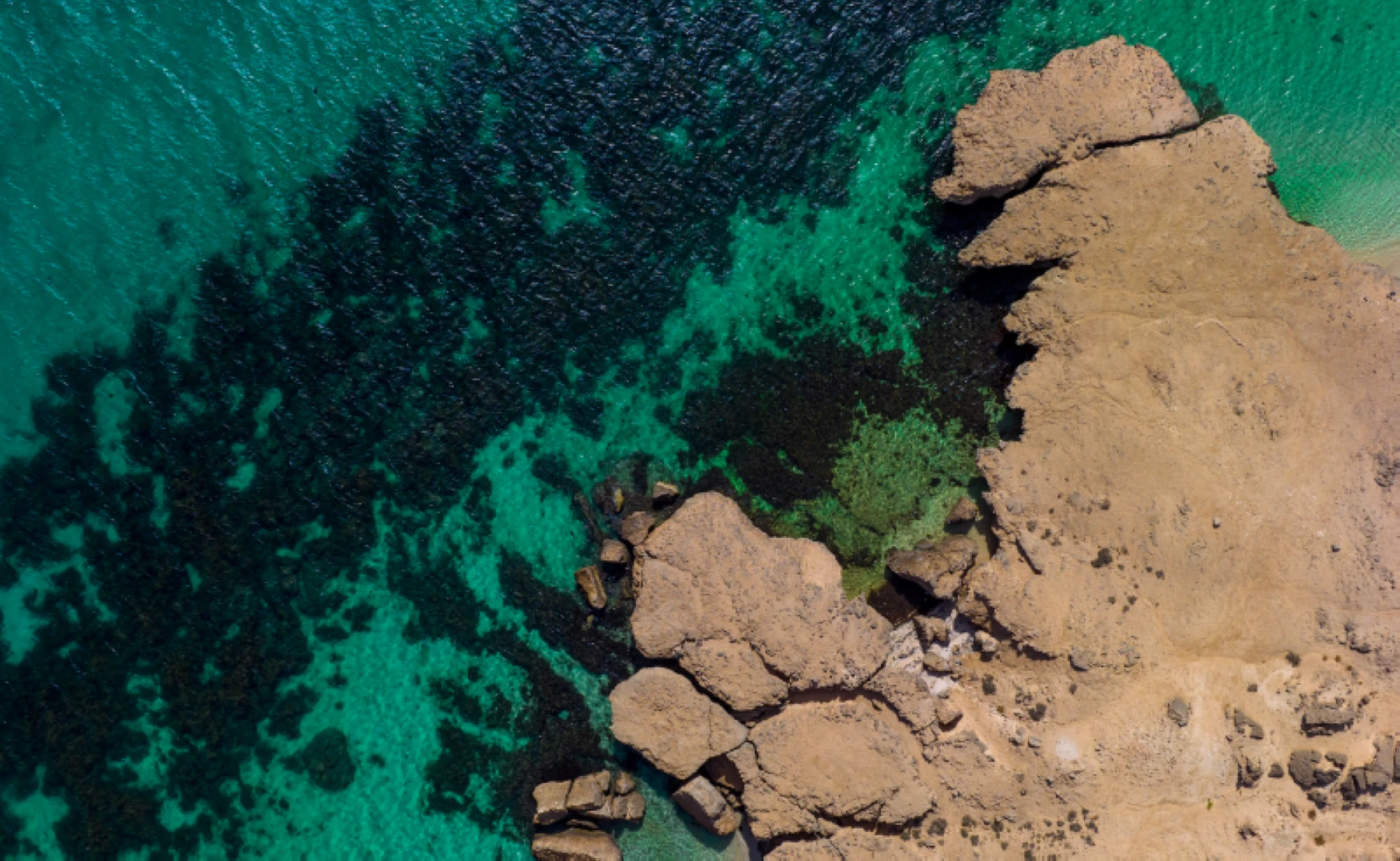
With May heralding the start of summer, the idyllic Farasan Islands beckon with temperate weather and the kind of natural beauty that stays with you. Untouched and essentially uninhabited, this archipelago is located approximately 40km off the coast of Jazan and home to more than 17 islands and islets, many of which hold secret worth uncovering – just ask the few locals who have been lucky enough to explore a handful. It’s only a matter of time until The Red Sea gives way to upscale resorts in the region, so if you like the idea of escaping to an untamed paradise for an afternoon of fishing and snorkelling, now’s the time to do it. Those interested in heritage tourism, meanwhile, ought to add the main island of Farasan to their bucket lists. Here remain multiple artefacts and architectural structures that echo the archipelago’s rather unexpected role as the farthest outpost of the Roman empire.
While you’re there: Make your way up the stairs of Ottoman Fort, a military base during the early 20th century, for aerial views of the surrounding islands.
Vientiane, Laos
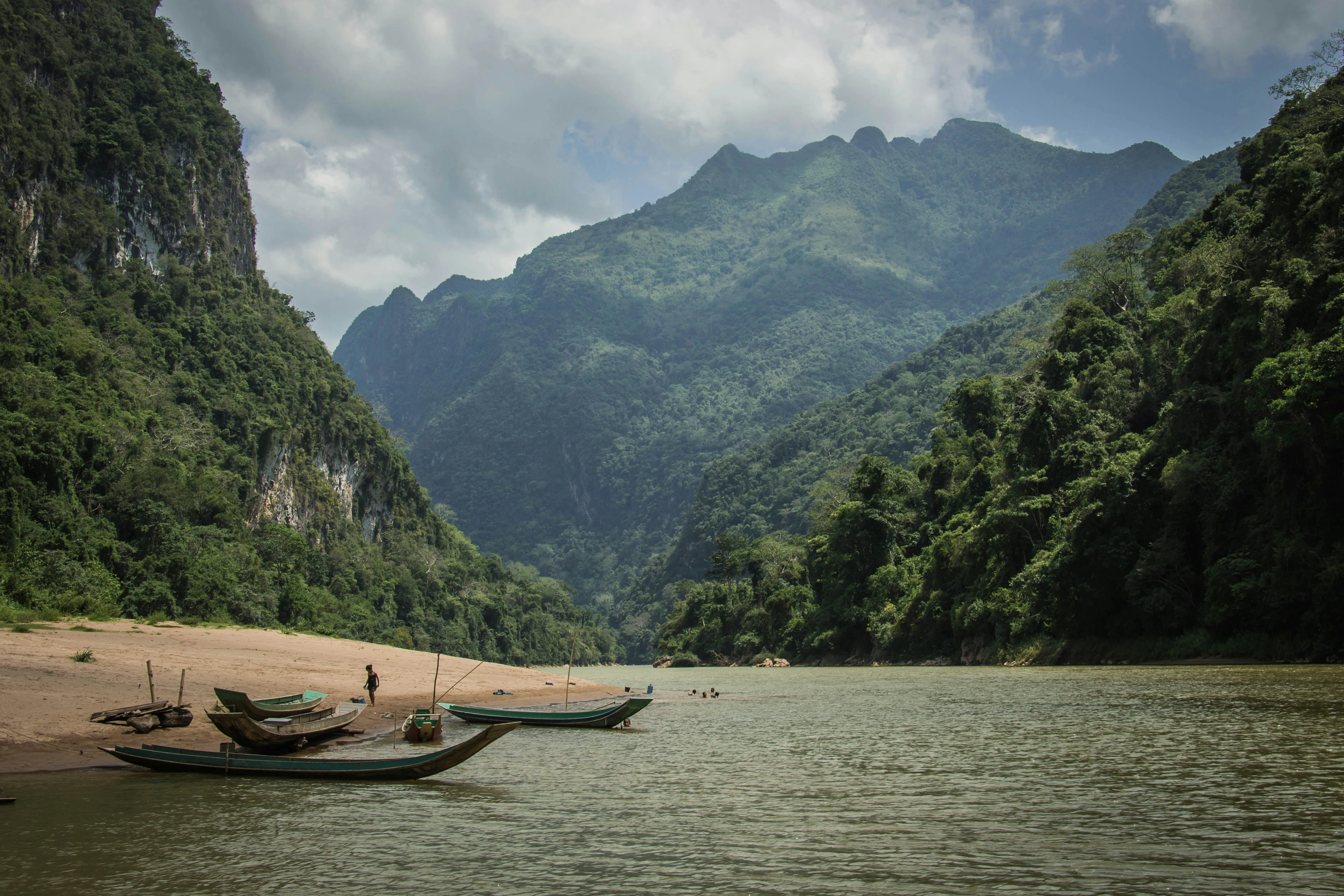
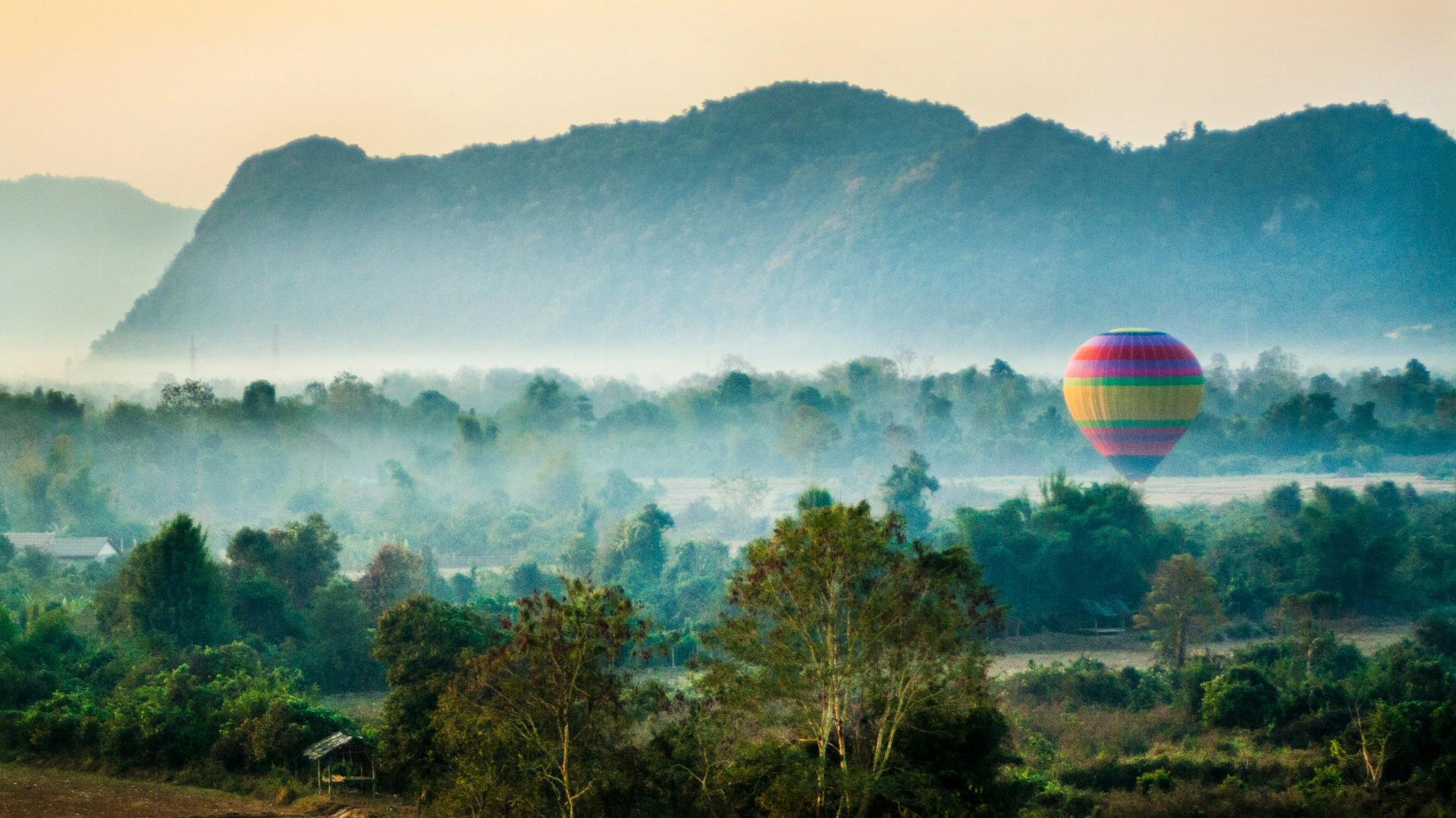
Going beyond the tourist trail in the tiny, landlocked country of Laos happens naturally – it’s still the best-kept secret of south-east Asia. Start in its capital, Vientiane, to gain insights into the resilience and recovery efforts that have shaped its cultural fabric. Between 1964 and 1973, during the Vietnam war, the US dropped over 2 million tonnes of ordnance on Laos, making it the most heavily bombed nation in history. Even today, unexploded bombs remain a danger to communities. The COPE Visitor Centre sheds light on this lasting impact and the crucial role of prosthetics in supporting those affected. Next, sail upstream on the mighty Mekong River, gliding past primeval jungles, limestone cliffs, and riverside villages where time seemingly stands still before arriving in the UNESCO-designated Luang Prabang, a cultural gem that once served as the royal capital of the Lan Xang kingdom.
While you’re there: Explore the megalithic Plain of Jars, which gets its name from over 2,100 stone jars used for funerary practices in the iron age.