





Dammam is one of Saudi Arabia’s most dynamic cities, the capital of the Eastern Province, and the site of the nation’s first oil well. As such, it is the centre of the industry that has proved to be the lifeblood of modern Saudi Arabia and is home to hundreds of thousands of people that work in the petrochemical industry, from labourers right up to the executives.
But while Dammam is all about business, a trickle of tourists is growing into a steady stream as the nation opens its doors. Al Khobar and Dhahran are nearby and interesting sites such as Al Ahsa Oasis and Qatif also reachable by car, taxi and bus. In certain neighbourhoods, the city is eminently walkable outside of the summer months. This is what you need to know about getting around Dammam.
Buses are a budget-friendly option
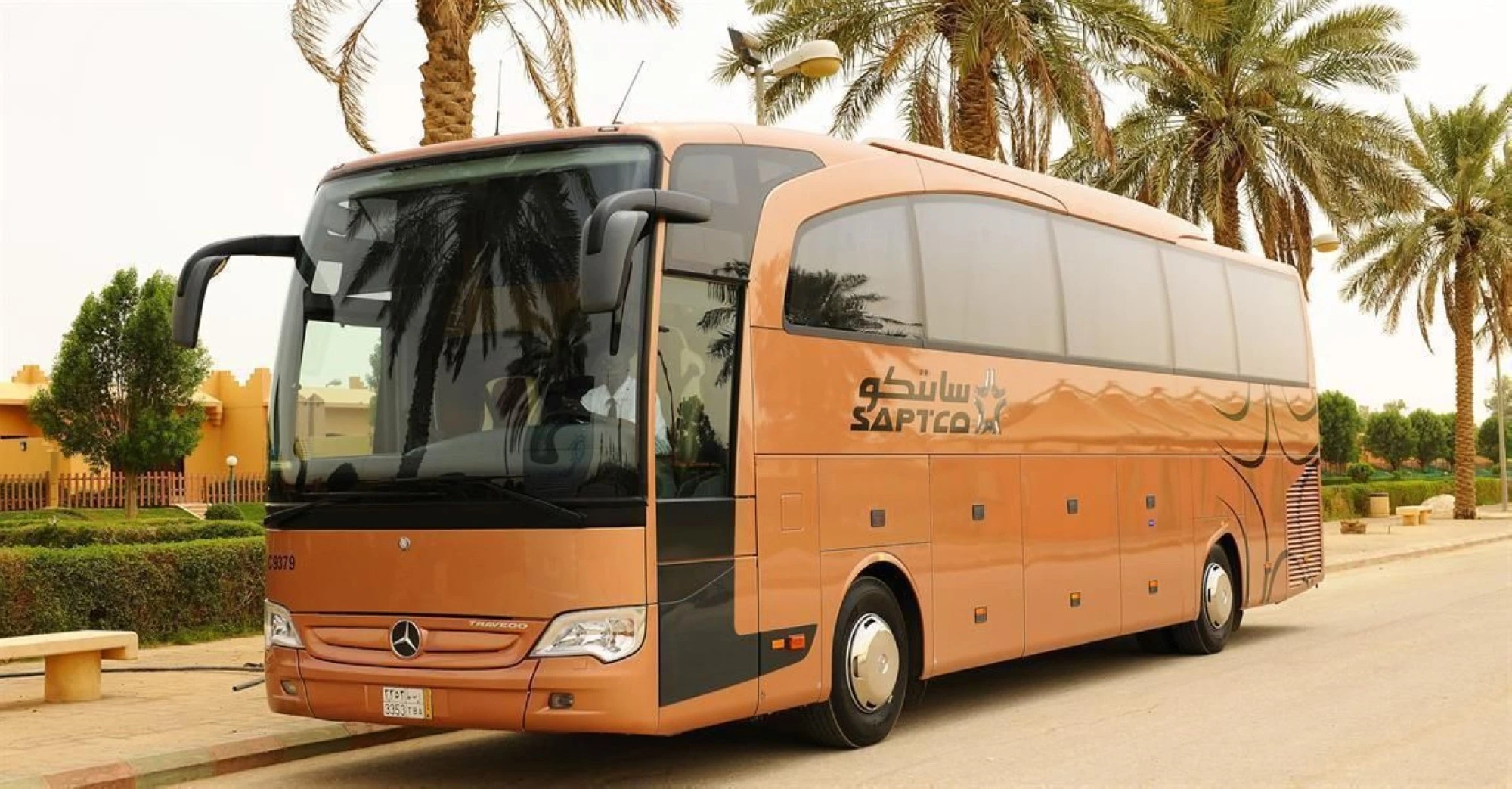
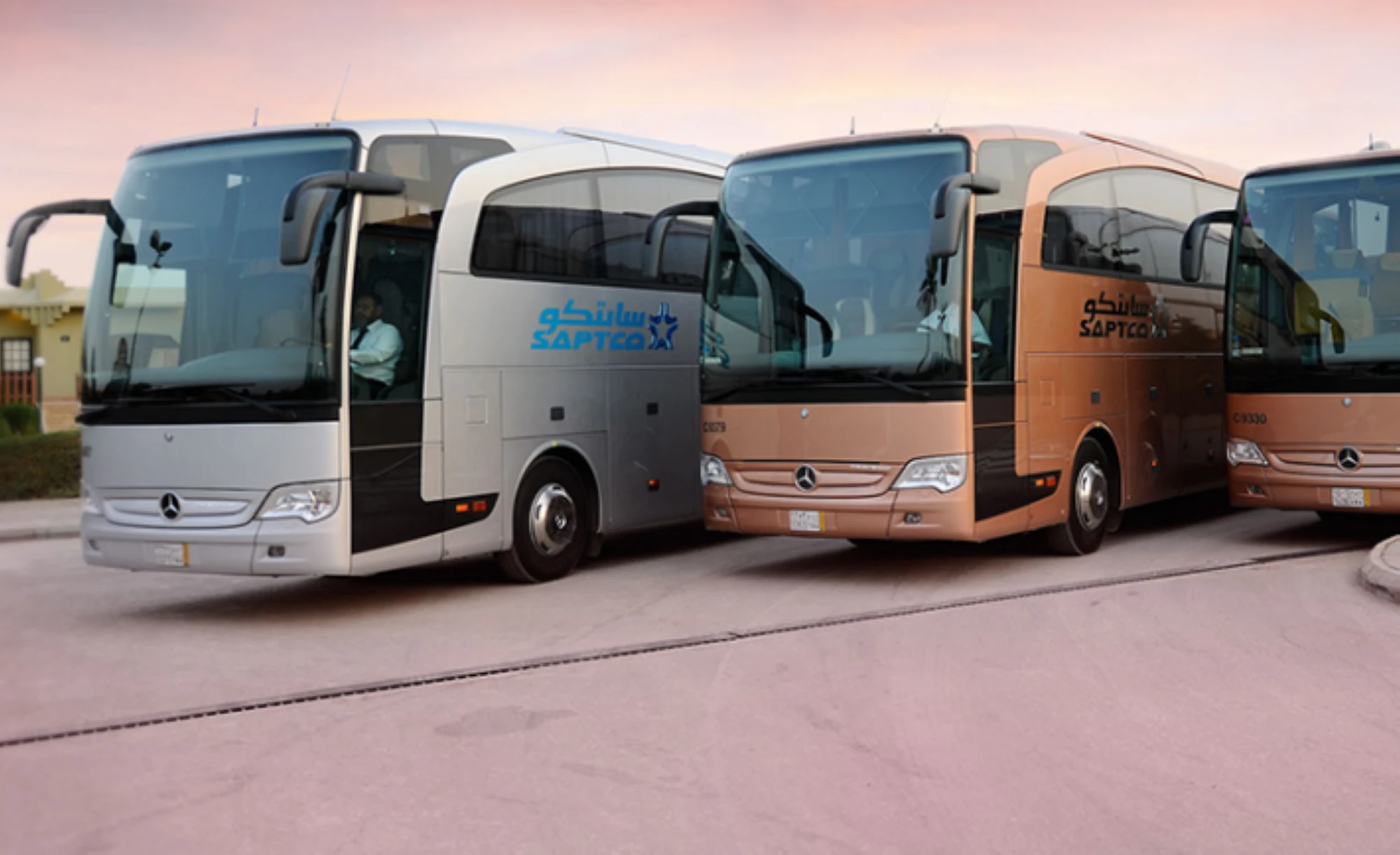
Operated by the Saudi Public Transport Company (SAPTCO), Dammam’s bus network connects major areas such as the Dammam Corniche, Al Khobar, and key commercial districts. The buses are clean, air-conditioned and generally reliable.
They are also affordable, with a single journey costing between SAR3-5, depending on your route. A trip from King Fahd International Airport to the city centre, for example, costs about SAR12. Tickets can be purchased directly from the driver or through the SAPTCO app, which offers service in both Arabic and English.
Like in other cities, the bus network has its challenges. There is limited English signage and the schedules are inconsistent but services are clean and low-cost. With a little help from locals or a translation app, buses are certainly the most adventurous choice, and for intercity travel by far the cheapest.
Explore on foot during cooler months

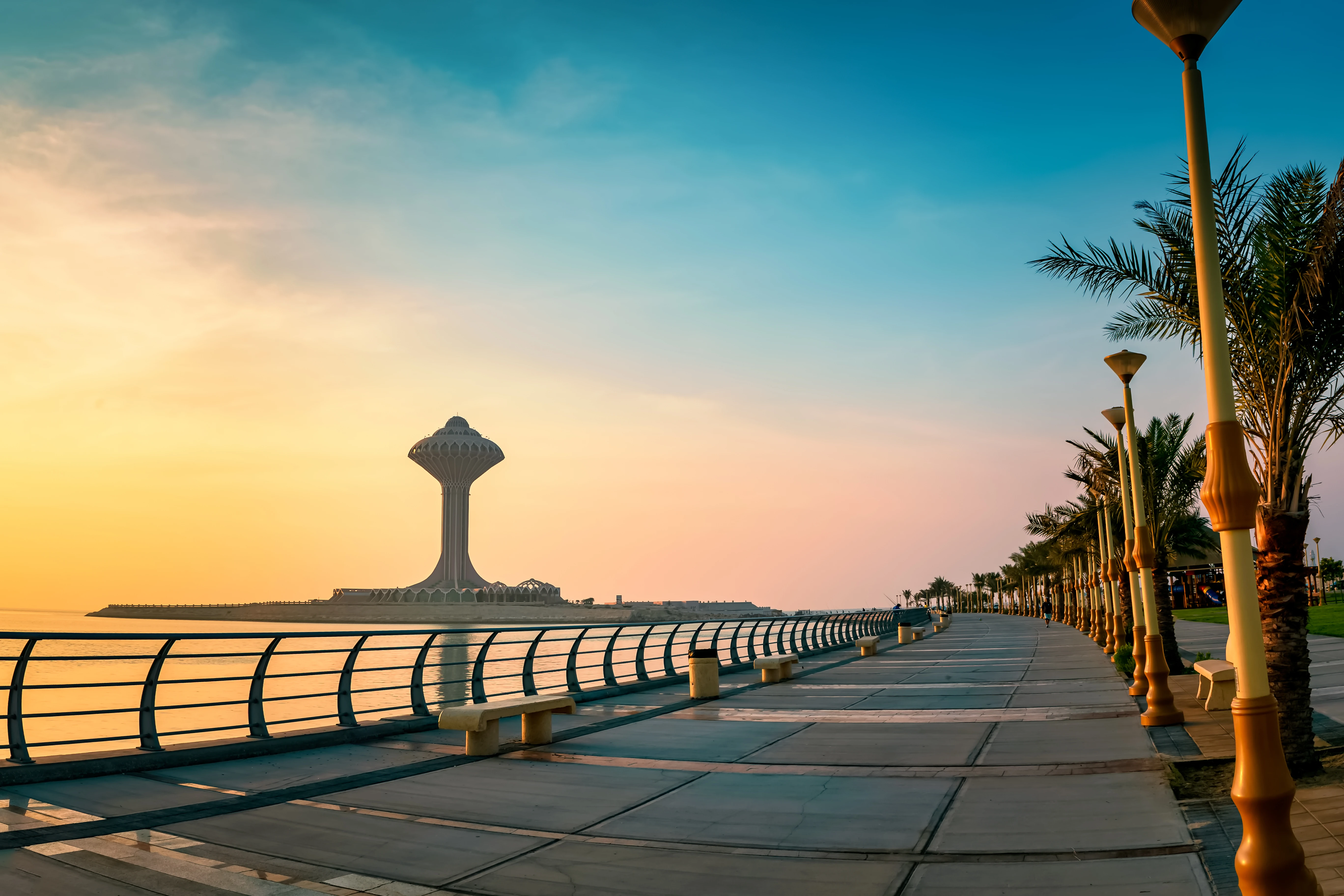
Dammam is relatively flat, making it an easy city to navigate on foot – especially in the cooler months from November to March. The Dammam Corniche is a favourite among locals and tourists alike due to its beautiful views of the Arabian Gulf. The Souq Al Hob (Love Market) is another excellent spot to explore on foot, with its vibrant atmosphere and traditional market stalls.
Bear in mind that in summer, the weather in Dammam can be brutal, with temperatures often exceeding 40°C (104°F). Walking long distances during the day in these conditions is not advisable. While Dammam is a safe city to explore on foot, it’s wise to avoid walking alone in isolated areas at night as in any big city.
Take a bike ride along the coast
Although Dammam doesn’t have a formal bike-sharing system, renting a bike is still a popular activity, particularly along the scenic Corniche. There are several local vendors offering bike rentals near the waterfront, allowing you to enjoy a relaxing ride with stunning sea views.
Bike rentals typically range from SAR 20-30 per hour, making it an affordable and enjoyable way to explore. Opt for early mornings or late afternoons when the temperature is cooler, and the Corniche is less crowded.
Taxis and ride-hailing services are convenient and quick
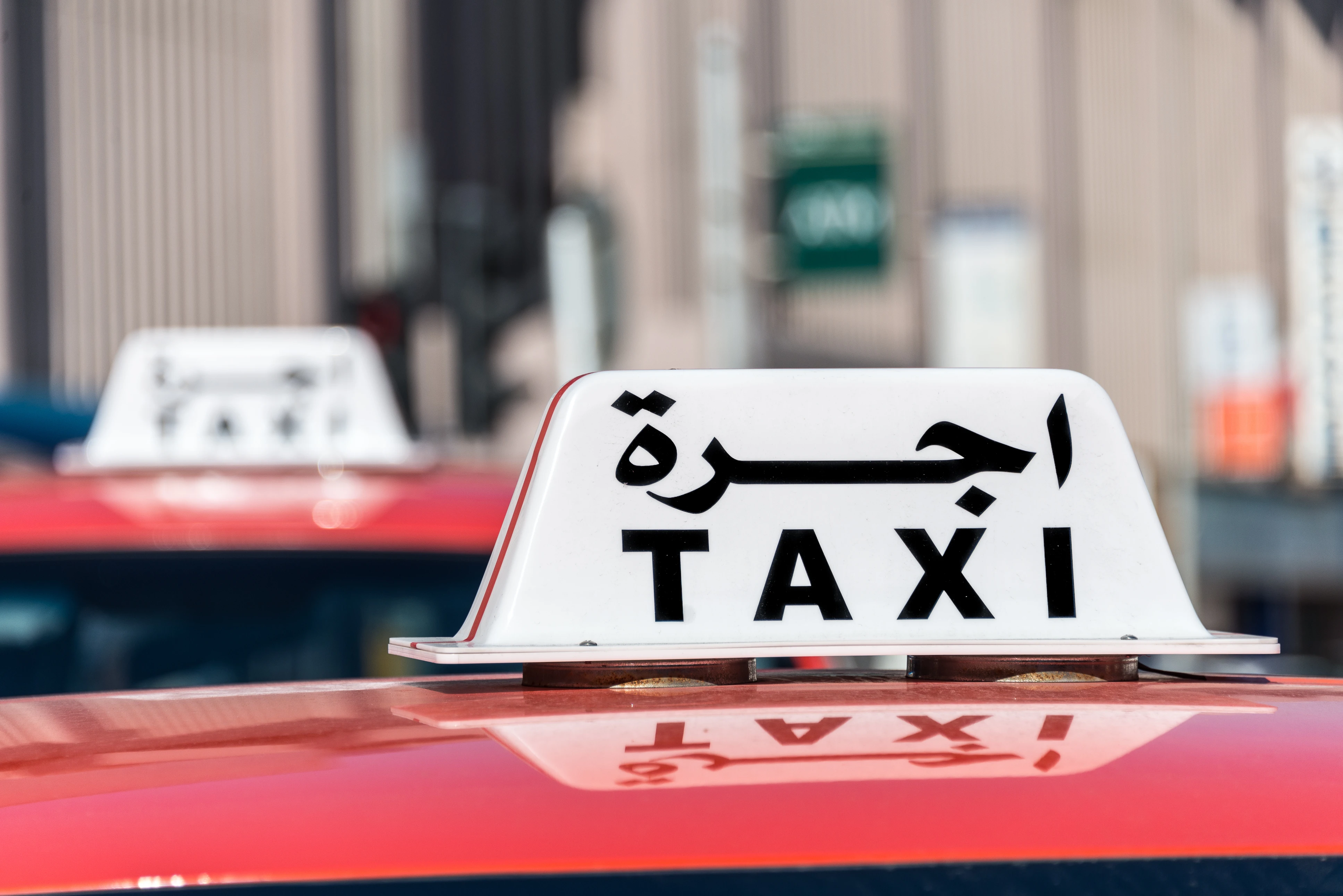
Taxis and ride-hailing apps like Uber and Careem are widely available in Dammam, offering a convenient and relatively affordable way to get around. Taxis are metered, but it's a good idea to confirm the fare before starting your journey, especially for longer trips.
A typical taxi fare starts at around SAR10, with additional costs per kilometre. Uber and Careem fares vary depending on demand but are often comparable to, or even cheaper than, traditional taxis.
Pro tip: Ride-hailing apps allow you to track your journey and share your trip details with friends or family, providing an extra layer of security. This makes them a great option for solo travellers, particularly women, who are also able to select female drivers.
Hire a car if you want to explore beyond the city

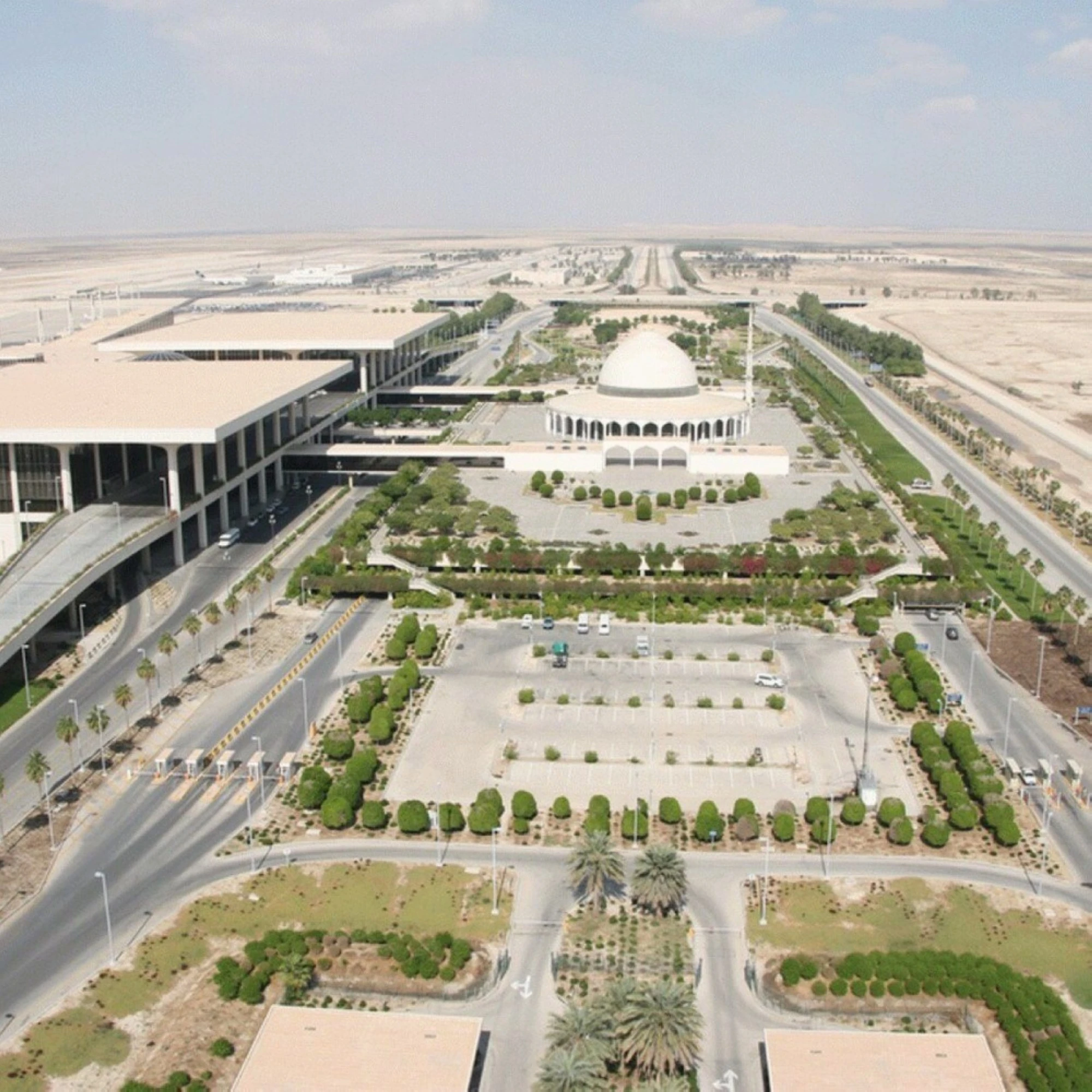
If you’re planning to venture beyond Dammam and explore nearby cities like Al Khobar or Dhahran, renting a car is an excellent option. There are several car rental companies available at King Fahd International Airport and around the city. Driving in Dammam is relatively straightforward, with well-maintained roads and clear signage in both Arabic and English.
Expect to pay around SAR100-150 per day, depending on the type of vehicle you rent. With petrol prices at SAR2.50 per litre, driving is both affordable and convenient. Make sure to have an International Driving Permit (IDP) if required.
Be mindful of traffic during rush hours, especially on main roads connecting Dammam with neighbouring cities. As with other Gulf cities – and cities in general – parking can be a challenge.
Accessibility in Dammam
Dammam is gradually becoming more accessible for travellers with mobility issues, though public transport can still present some challenges. Some buses and taxis are equipped with wheelchair access, but it’s a good idea to confirm availability in advance, especially when using ride-hailing apps.
Families travelling with young children or strollers may find the city’s pavements and public spaces a bit tricky to navigate. In this case, Uber and Careem are often the most convenient and stress-free options for getting around.

FAQs: Getting around Dammam
Can I walk around Dammam?
Yes, especially in the cooler months. Walking is safe and enjoyable, particularly along the Corniche and in the city’s central districts.
Does Dammam have public buses?
Yes, SAPTCO operates affordable buses throughout the city, with fares ranging from SAR3-5.
Are ride-hailing services available in Dammam?
Yes, Uber and Careem are both widely used in the city, offering a convenient and safe way to get around.
Is public transport safe in Dammam?
Absolutely. Buses, taxis, and ride-hailing services are considered safe options for both locals and visitors.
Can women travel alone in Dammam? Yes, women can safely use public transport and ride-hailing services in Dammam.
Transport passes in Dammam

Currently, Dammam does not offer specific tourist passes for buses or other forms of public transport. Tickets are sold on a pay-per-ride basis. For frequent travellers, SAPTCO offers multi-ride cards and subscription services, but these are primarily designed for residents or commuters rather than tourists.
For most visitors, purchasing individual tickets or using the SAPTCO app to manage rides will be the most convenient option. The app allows you to top up a stored-value card, making it easier to use the bus system without constantly purchasing single tickets.