



Given that Qatar is barely 200 kilometres from north to south, it is relatively difficult to get lost in the pint-sized Arabian state. It benefits from (mostly) excellent roads and a fantastic public transport network that is practically brand new.
Unless you are camping – or opting for one of the handful of beachside resorts outside the capital – you will likely be staying in or around Doha, which is the hub of transport for the rest of the country, via car or bus, and the rest of the world via the Hamad International Airport.
If you are staying in Doha, you do not need a car. If you want to venture outside the city, you probably will need your own wheels, although even non-drivers can get to key sites using public transport, and myriad tour operators offer trips to all of the country’s sites.
This is everything you need to know about getting around Qatar.
Stretch your budget by taking the bus
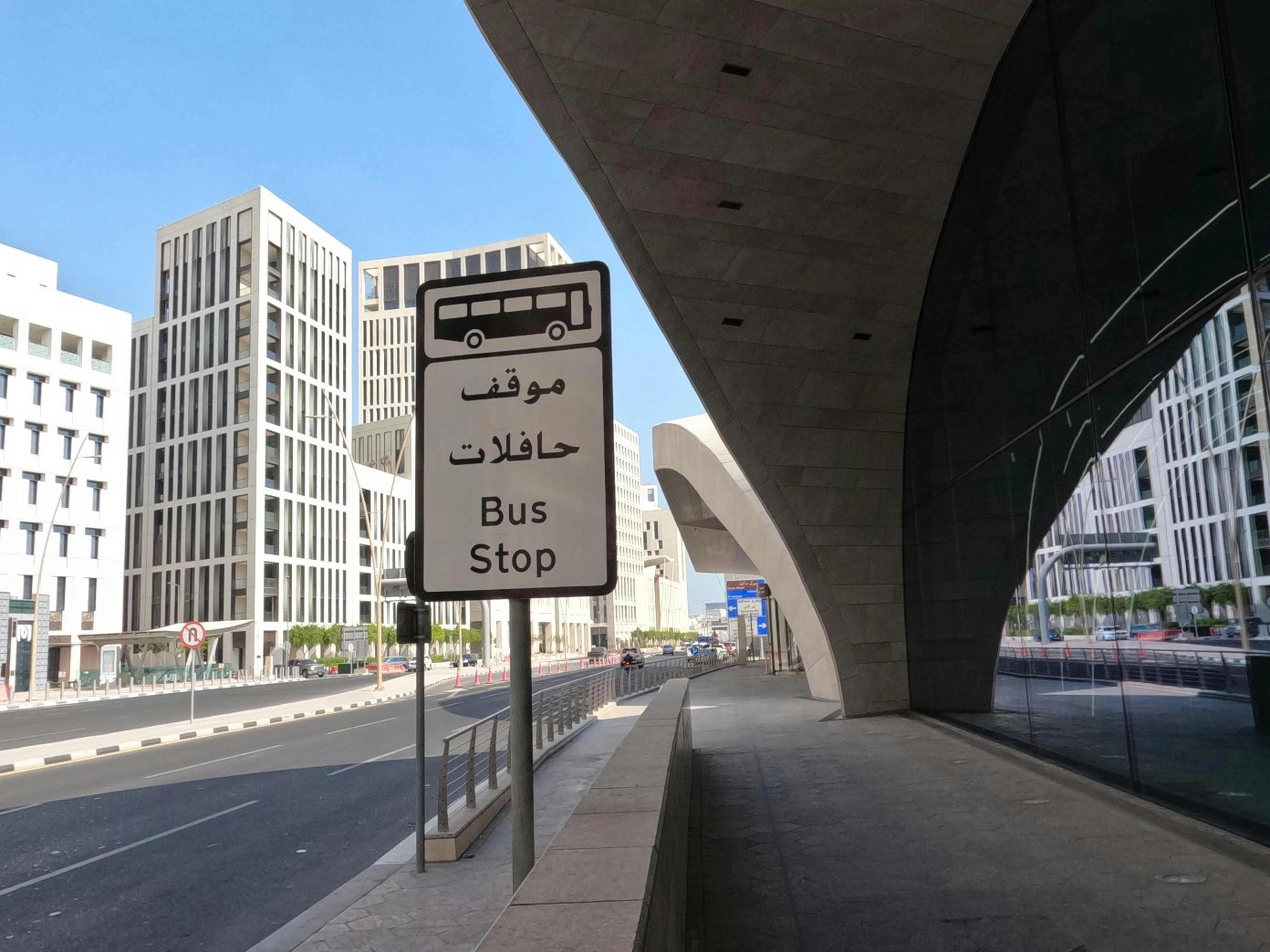
Qatar’s buses, operated by Mowasalat Karwa, are one of the cheapest ways to get around. Although, in Doha, you are far better off taking the metro. Visitors that are staying in the capital will likely only use the bus network when taking feeder buses from some sights to metro stations.
Bus tours, like the Doha City Tour offered by Discover Qatar, also ferry layover passengers around key sights, including Souq Waqif, the Pearl and the Katara Cultural Village.
To board, you’ll need a Karwa Smartcard, which you can buy and recharge at metro stations, some supermarkets, and vending machines.
It is possible to visit other places in Qatar via bus, such as from Doha to Al Khor (for Purple Island) or from Doha to Al Zubarah Fort (or nearby Al Ruwais). You can also get to the Saudi border by bus from central Doha Bus Station, near the Gold Souq. There is also a bus between Riyadh, Saudi Arabia, and Doha, which takes six-and-a-half hours, as well as to Dammam.
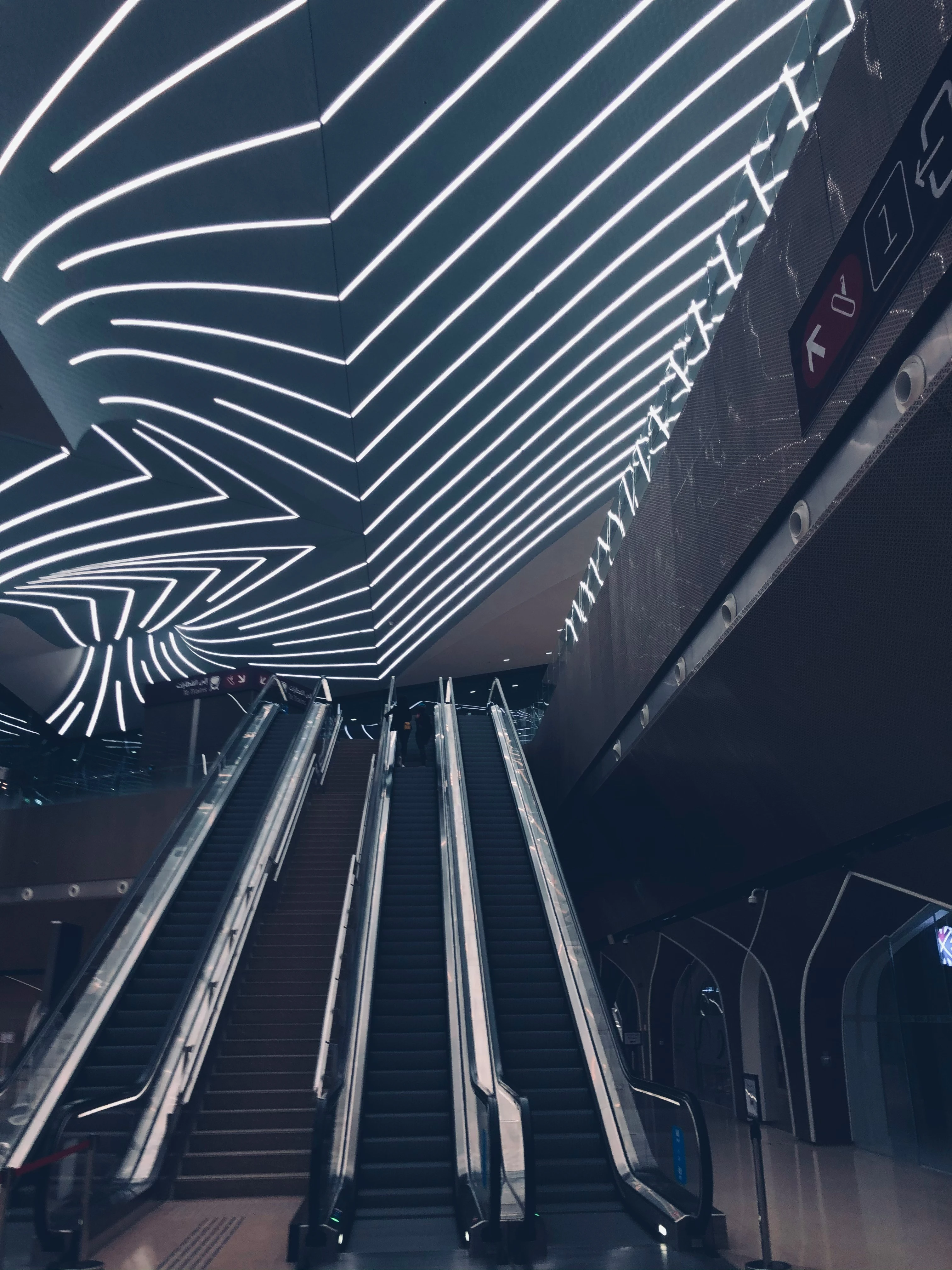
Cover ground quickly in Doha on the metro
The Doha Metro is the transport of choice for almost everyone in the capital – it’s cheap to use, air conditioned, and covers almost every destination in the city.
The Metro has three lines (Red, Green, and Gold), and connects Hamad International Airport, Lusail, Education City, Souq Waqif, and many malls and museums.
Tickets cost QAR 2 per ride and QAR 6 for a day pass, with special carriages for Gold Class passengers and for families (and solo women). Trains, which are wheelchair accessible, run every three to six minutes during peak times, and all signage is in English and Arabic.
Rely on Uber and Karwa for door-to-door travel
Uber is widely available in Doha and is a convenient, app-based option for travellers. You can book airport pickups, cross-town trips, and even short hops in areas not served by public transport. The official local taxi service, Karwa, is also reliable and can be hailed on the street or booked in advance via the Karwa app. Taxis are metered and generally affordable.
For journeys outside the city, it is possible to negotiate with taxi drivers for a day rate or a return trip, although this is best done via your hotel.

Rent a car for road trip freedom
If you’re heading to remote spots like Zekreet, Al Thakhira or the Inland Sea, renting a car is the best way to travel. Roads are well maintained and signage is in English and Arabic. Car hire is relatively cheap by international standards, at around QAR 100–150 per day, and fuel is very cheap.
Note that many drivers will need an international driving permit to hire a car, although some nationalities can do so for a short time on their national license (UK drivers, for example, can hire a car for a week on their UK license, but no longer). Hire car pick ups are usually at Hamad International Airport and hotels across Doha.
You do not need a car if you plan to stay in Doha. Indeed, it may end up being a hindrance given the traffic and parking challenges, as well as the generally frenetic pace of driving. But outside of Doha you can cover a lot of ground with your own wheels, and see the best sites at your own pace and in your own time. Look out for speed cameras, as penalties are steep.
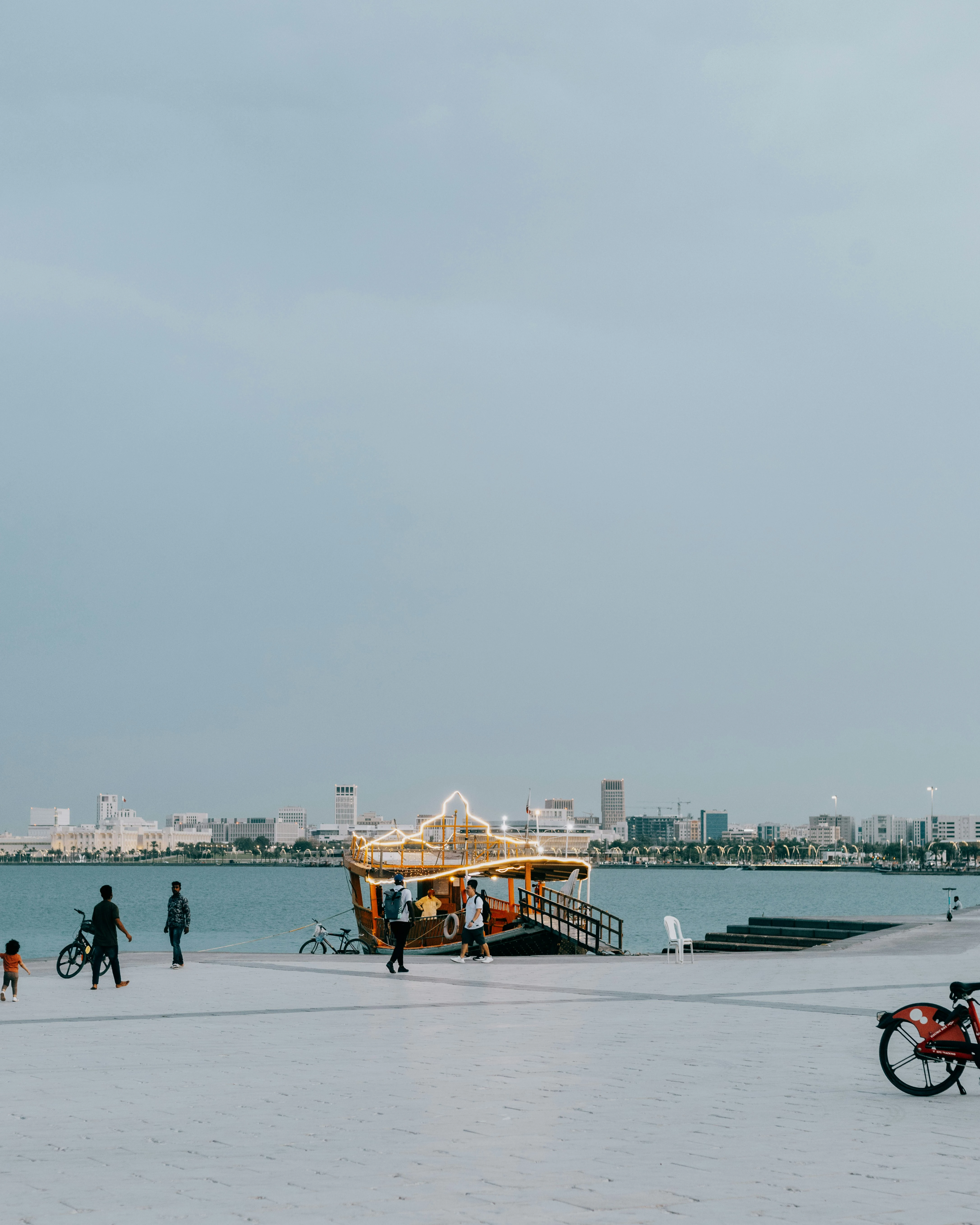
Explore scenic routes on Qatar’s cycling paths
Perhaps not the first mode of transport you think about when considering getting around a Gulf nation, but cycling is growing in popularity in Qatar, as evidenced by the number of bike paths appearing in the city’s parks and other areas.
These include the record-breaking Olympic Cycling Track, which is 33km long and ideal for road cyclists, and bike lanes and shared-use paths at Lusail & Education City. Bike facilities at MIA Park, Al Bidda Park and the Corniche are more tourist focused, with scenic loops and on-site bike rentals available from QAR 20-40 per hour.
Like elsewhere, e-scooters have had ups and downs in Doha, oscillating between latest-tech-bro-craze and transport bogeyman, and authorities have issued stern warnings as recently as March 2025 that they shouldn’t be taken on roads lest users want to get hit with a fine.
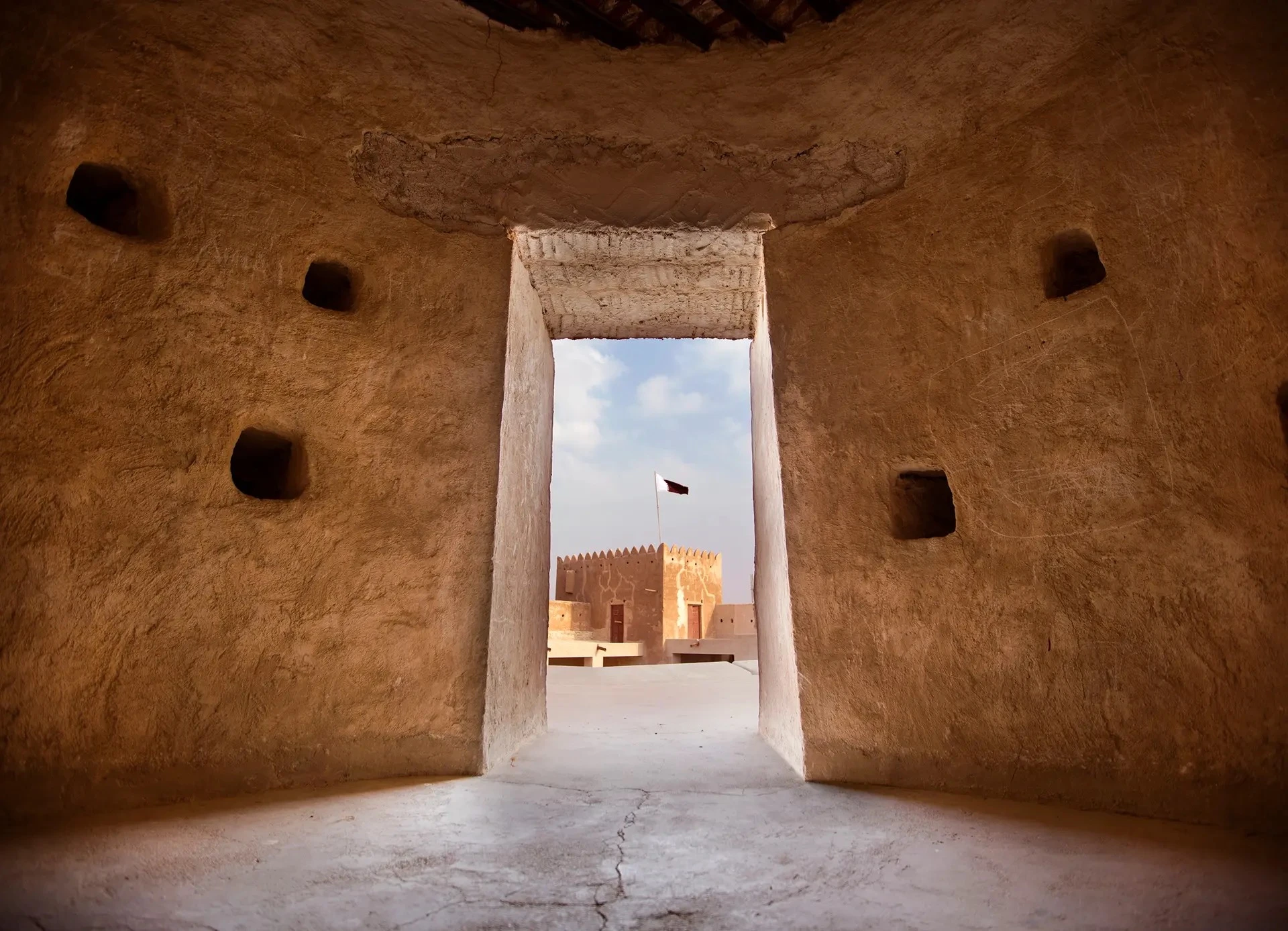
Book guided tours for effortless day trips
If you want to see the country and you don’t want to hire a car, there are many companies that offer day trips to every location in Qatar, including the Inland Sea, Purple Island and the historical sites of the north, as well as to western Qatar. Most packages include hotel pickup and drop-off, plus transportation to top attractions like Al Zubarah Fort.
Accessible transportation in Qatar
Qatar has improved accessibility for all travellers, with fully wheelchair-accessible trains on the Doha Metro (as well as elevators, ramps, and wide gates), and wheelchair and stroller accessible buses. Karwa and Uber also provide the options to request accessible taxis through the app when booking in advance.
Public areas like malls, museums and parks are generally accessible, though sidewalks in older areas may be inconsistent. If you're travelling with mobility equipment or strollers, metro and mall routes offer the most convenience.
Common FAQs about getting around Qatar
Is Uber available in Qatar?
Yes, Uber operates in Doha and is widely used.
Can I pay cash for the metro or buses?
No. You’ll need a metro travel card or a Karwa Smartcard, available at stations and vending machines.
Is public transport safe at night?
Yes. Qatar is one of the safest countries in the world. Public transport is clean, patrolled, and well-lit.
Do I need to speak Arabic?
No. Most signs and announcements are in English, and staff generally speak English at stations and in taxis.