

One of Islam’s holiest cities and the resting place of the Prophet Muhammed (PBUH), Medina (known locally as Madinah) is hardly new to tourism. It is visited by millions of pilgrims every year, many flocking to the hotels around the Prophet’s Mosque, Al Masjid an Nabawi, and other religious sites. There is a well-established Madinah itinerary amongst visitors – the mosques, the museums and some historic sites like Mount Uhud, the scene of the Battle of Uhud, one of the most significant in early Islamic history.
Unlike Mecca, non-Muslim tourists are able to visit some – but not all – of the religious and historic sites, and that openness is changing all the time. These top tips will help you plan your trip to Medina with ease.
1. Non-Muslims cannot enter certain parts of the city
Unlike Mecca (Makkah), where a prominent highway junction directs all non-Muslims away from the city many miles from the centre, non-Muslims are able to visit large parts of Medina. They can even get to within a few hundred metres of the Prophet’s Mosque, which is separated by a stone mashrabiya barrier that nonetheless provides a good view of the building, one of the most interesting examples of Islamic architecture in the world. Guards are placed at each entrance of Nabawi Square to prevent curious non-Muslim travellers from entering.
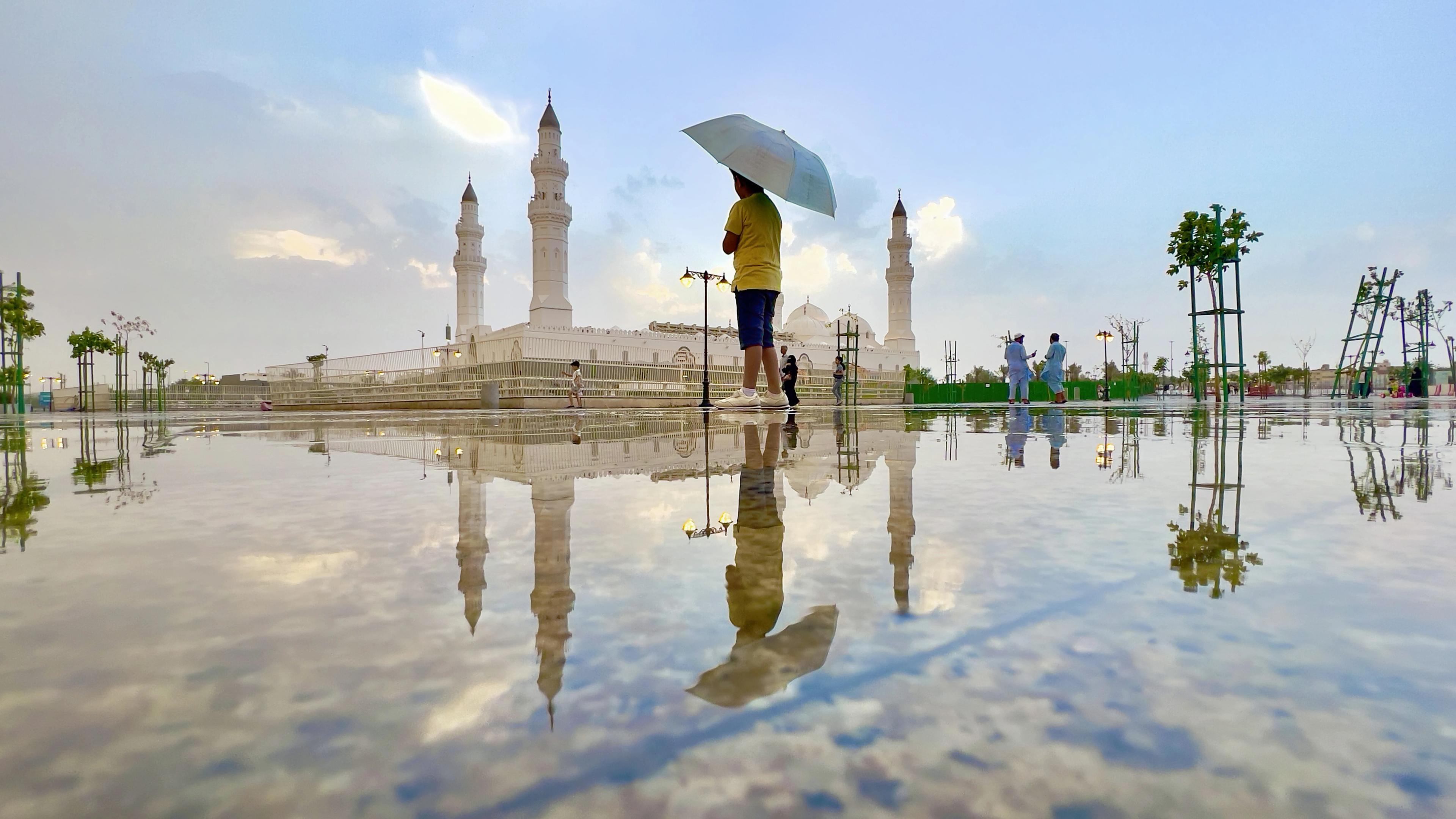
Non-Muslims can visit the Dar Al Madinah Museum, which is a private museum containing models of old Medina, and the Quba Mosque, the first mosque in Islam that was believed to have been built by the Prophet Mohammed himself.
2. Medina’s transport network is a breath of fresh air
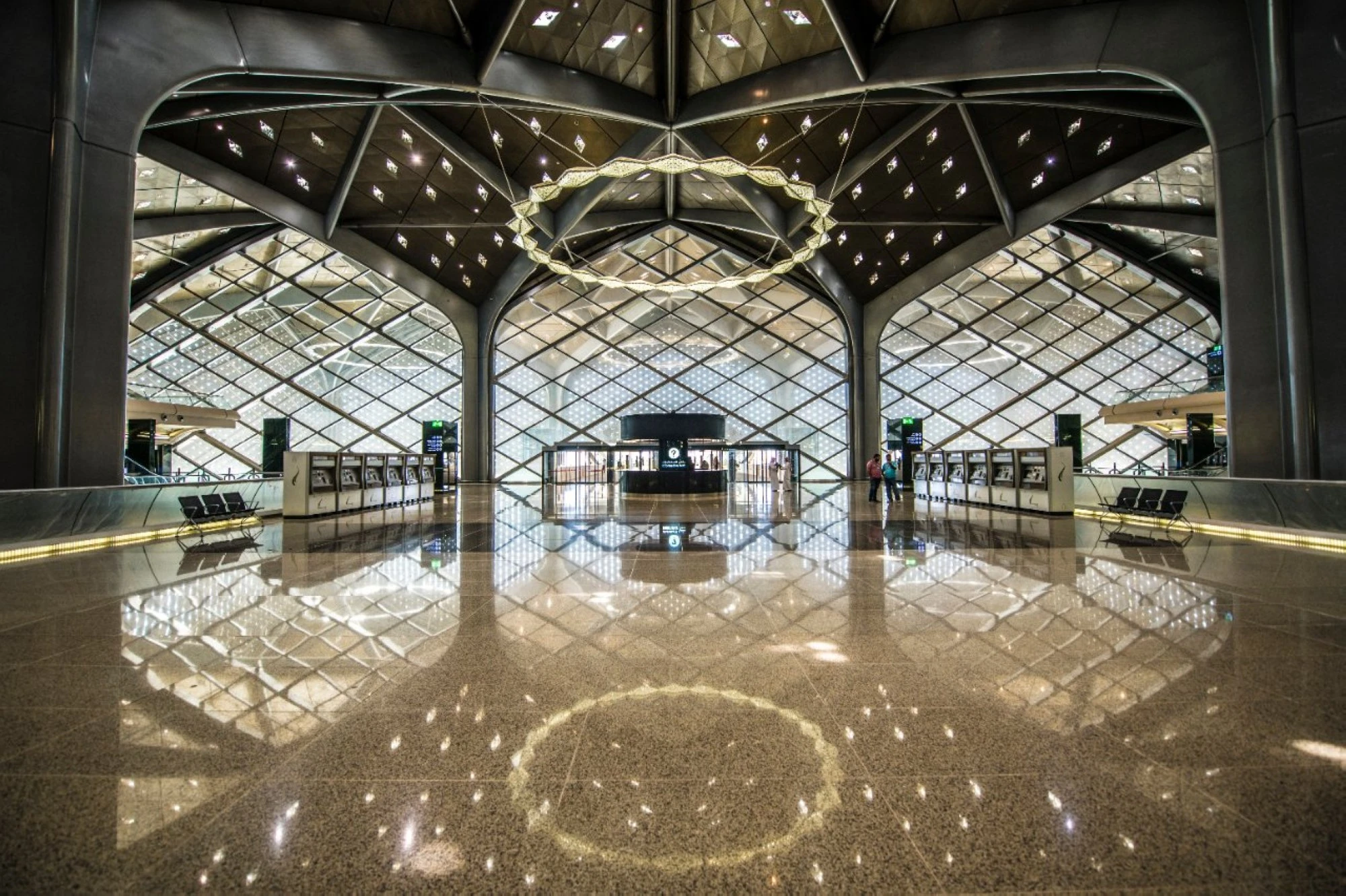
You can take a train from Jeddah in just two hours via the Haramain high-speed train, which also connects the city to Mecca and costs around SAR 140. There are also regular flights from Riyadh (one hour). Unlike many Saudi cities, there are excellent connections within the city as well, with buses linking all the major sites to downtown and a very good route map that is in Arabic but illustrated for those that don’t speak it.
Taxis and even golf carts ply the main routes between the Quba Mosque and the Prophet’s Mosque, although they can drive an extremely hard bargain as they are not short of customers. There’s even a hop-on-hop-off bus and your ticket allows you 24 hours to visit all of the city’s major attractions.
3. Plan your visit around the weather
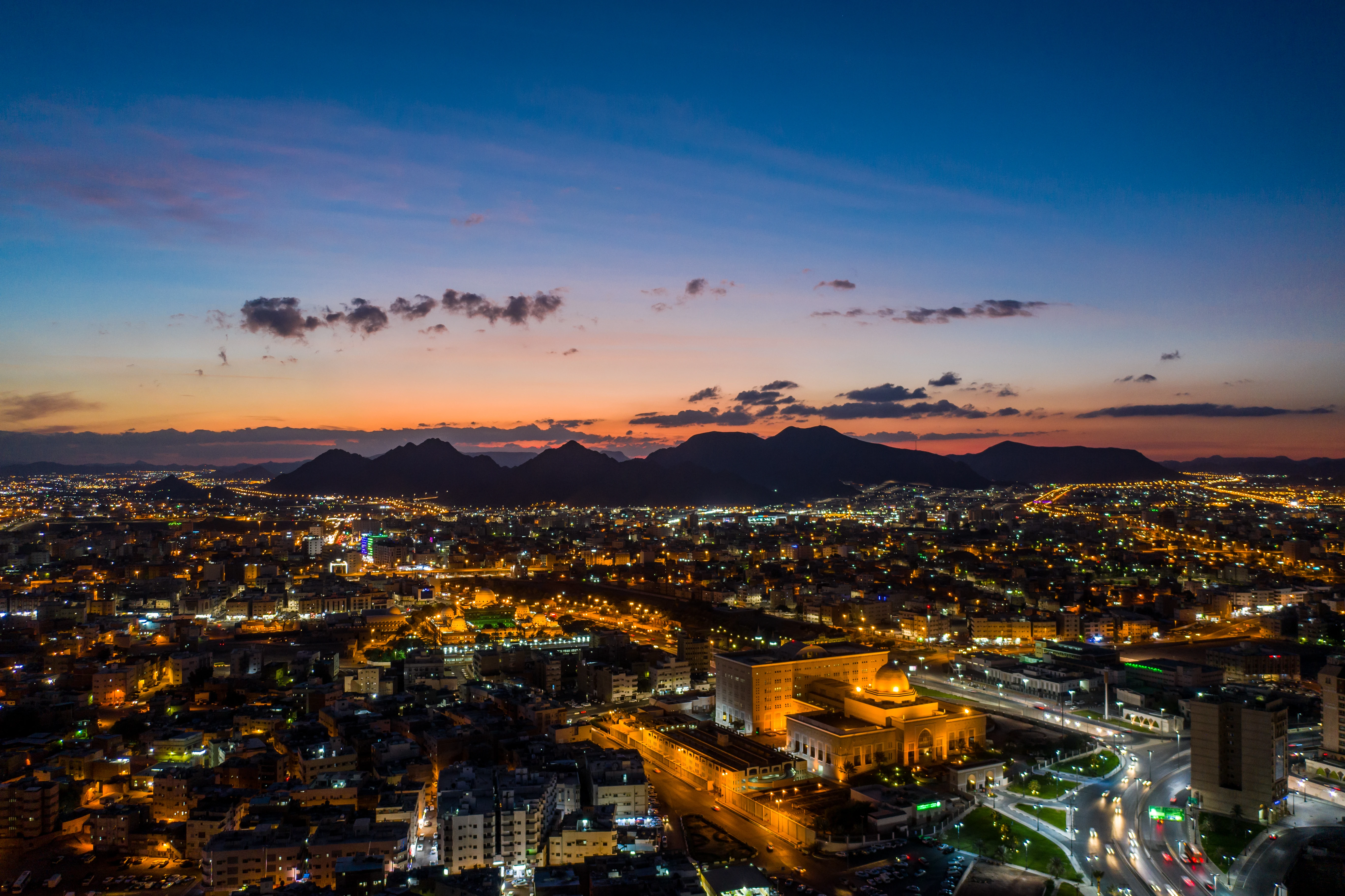
The weather in Medina can be extreme, especially in the summer months when temperatures exceed 40°C (104°F). Winter is easier, with daytime temperatures averaging 24°C (75°F), but it is still too hot to pound the pavements from site to site. Even in the winter months, expect most of the action to happen after 5pm in the hours before and after evening prayer. This is also the most scenic and serene time to be around the Prophet’s Mosque and the Quba Road, which links the mosque with the Quba Mosque and is lined with restaurants and cafes.
Because of the heat, it is not unusual – particularly in the summer months – to see families outside on the streets at 2am. Do as the locals do and join them.
4. You will not struggle to find a place to stay
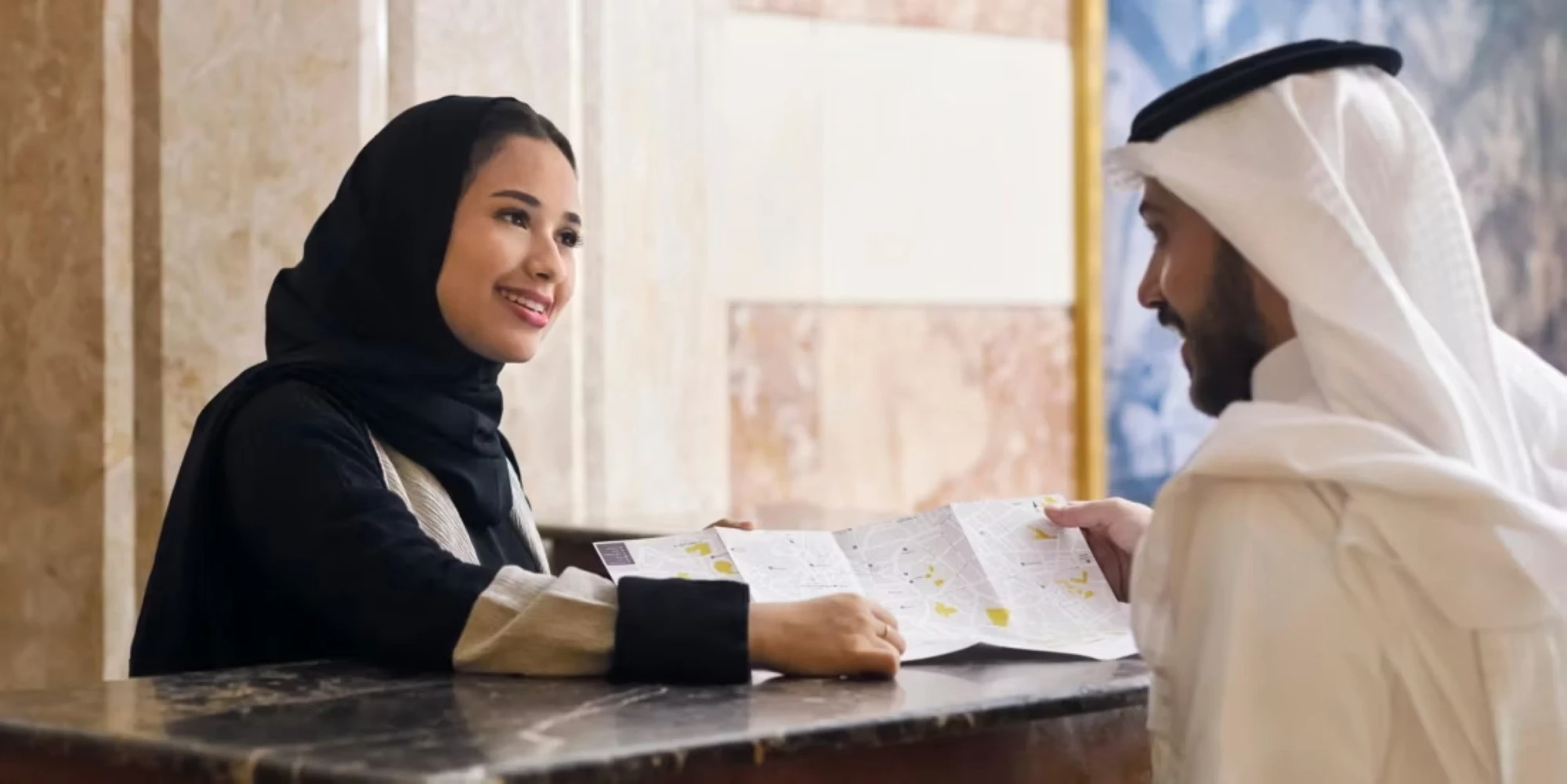
Medina’s history as a place of pilgrimage for Muslims from across the world means that there is a huge amount of affordable accommodation smack in the middle of downtown. Some of it can be pretty basic as pilgrims aren’t travelling to Medina to hang out in their hotel room, and some of it can be luxurious in the extreme, but generally you can find a decent place to stay for under SAR 280 a night.
That said, be sure to book early during Hajj and Ramadan, as these periods see a surge in visitors and hotel rooms near the Prophet’s Mosque will book up fast.
5. The dress code is more reserved than in other Saudi cities
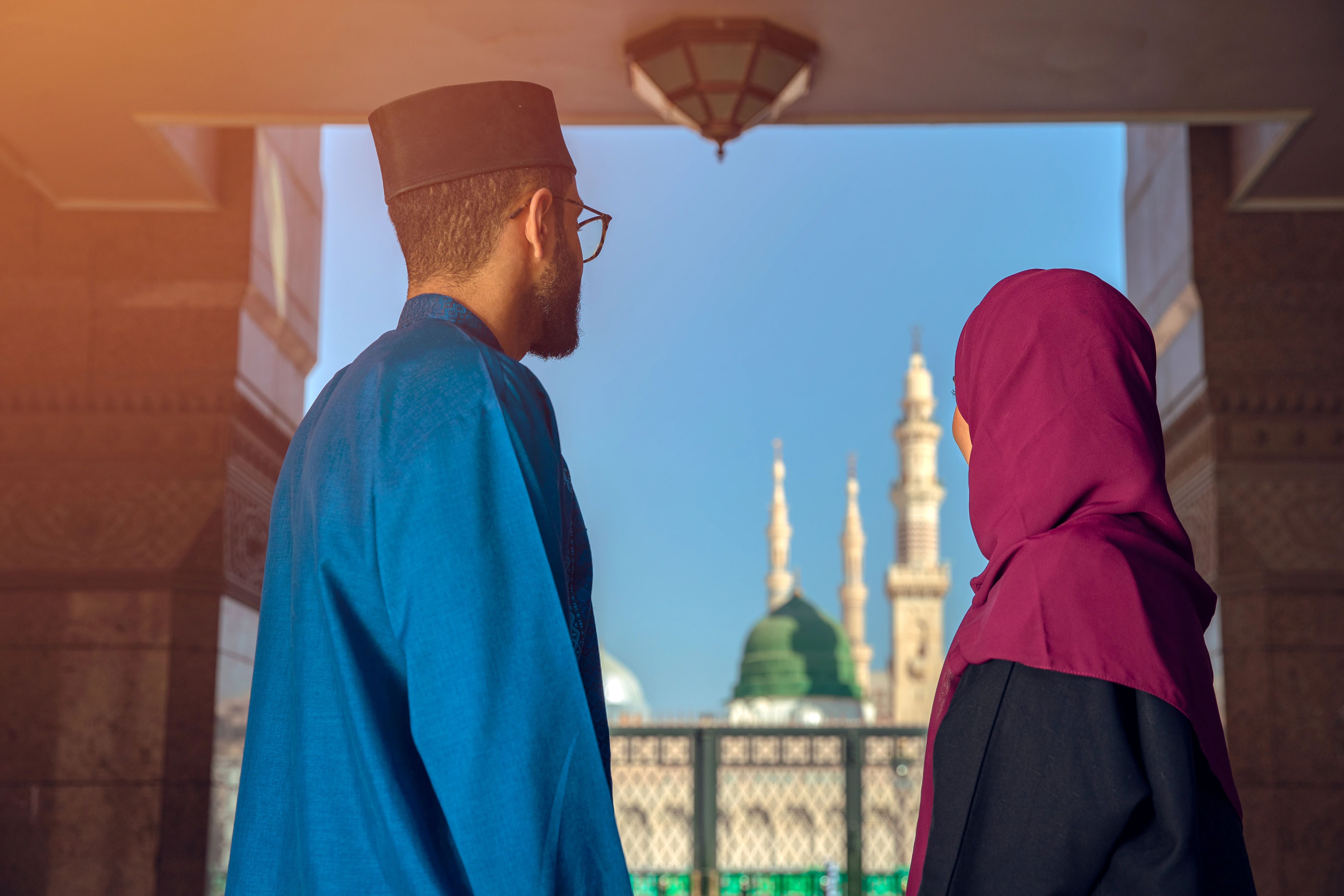
Non-Muslim travellers to the city are still something of a curiosity in Medina and even though you are perfectly able to wear the kind of clothes you would wear in Riyadh or Jeddah, most travellers opt to respect the holiness of the location with modest clothing.
Most of the other travellers in Medina will be pilgrims and will wear traditional Muslim attire, although with distinct regional varieties. Most women wear headscarves and traditional long clothing will be more common than jeans and t-shirts.
6. Be aware of prayer times
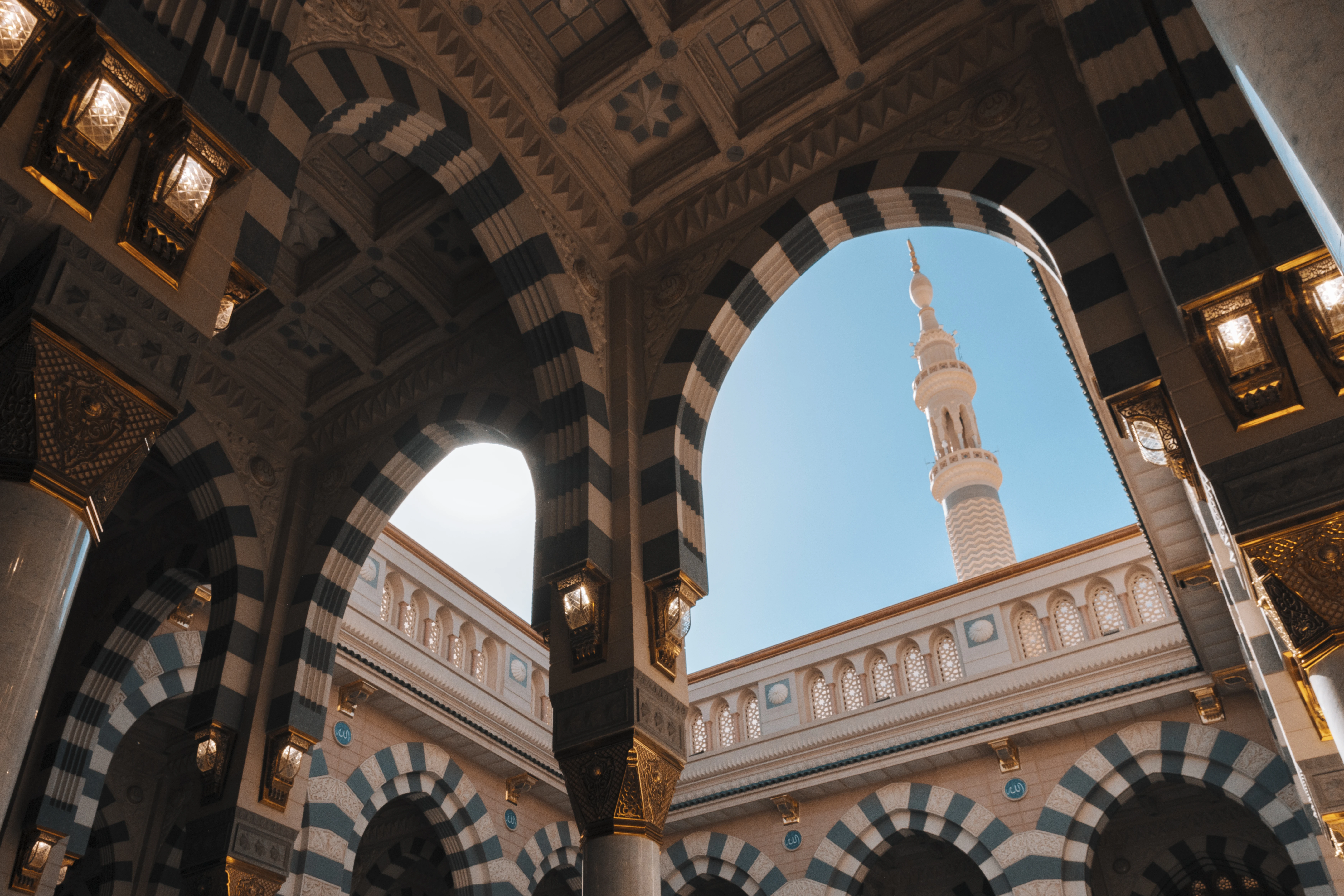
Prayer times dictate the rhythm of life in Medina – what you can do and when revolves around the five daily Islamic prayers. Shops and restaurants often temporarily close during prayer times, and Friday morning is generally a quiet time as everyone is in the mosque. However, prayer times can be the best occasions to observe Medina at its spiritual best as the call to prayer reverberates around the city and millions of Muslims bow down to pray in the mosques and – at busy times – in the courtyards of the mosques.
7. Learn about Medina’s history to appreciate it
Medina, along with Mecca, is one of the most interesting cities in Islam, the place where the Prophet Mohammed lived, and died, following his departure from Mecca. Many of the sites of the city were founded by the Prophet himself, and many others are associated with his close companions and relatives. A large portion of the Quran was revealed to Prophet Muhammed in Medina, including the instruction to pray towards Mecca rather than Jerusalem.