

There is a growing intensity in the travel industry for the sought-after long-haul routes, which has ushered in an era of travel where the aircraft itself is as vital as the destination.
Whether traveling for business or leisure, I have found that for myself and many other frequent long-haul passengers, picking the aircraft type is now as vital a decision as choosing your preferred seat. The aircraft itself dictates the standard of comfort and cabin refurbishment; it influences everything from cabin pressure and floor space to the quality of the entertainment systems and the overall dining experience. We've all been disappointed by the last minute swapping out of an Emirates A380 to a Boeing 777; if you know, you know.
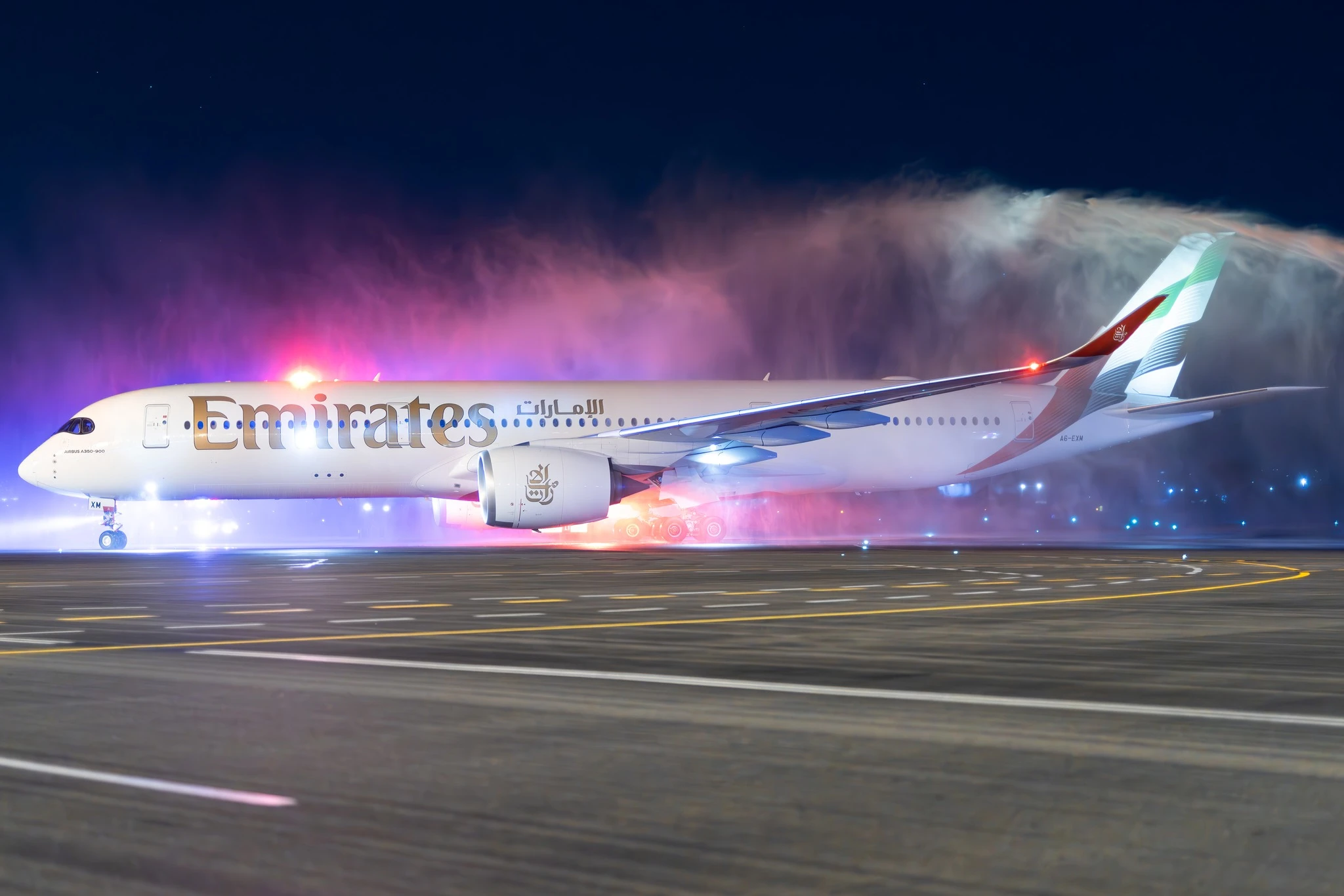
Now, for those travelling between the Middle East and South Australia, the arduous 13-hour journey just received a significant upgrade.
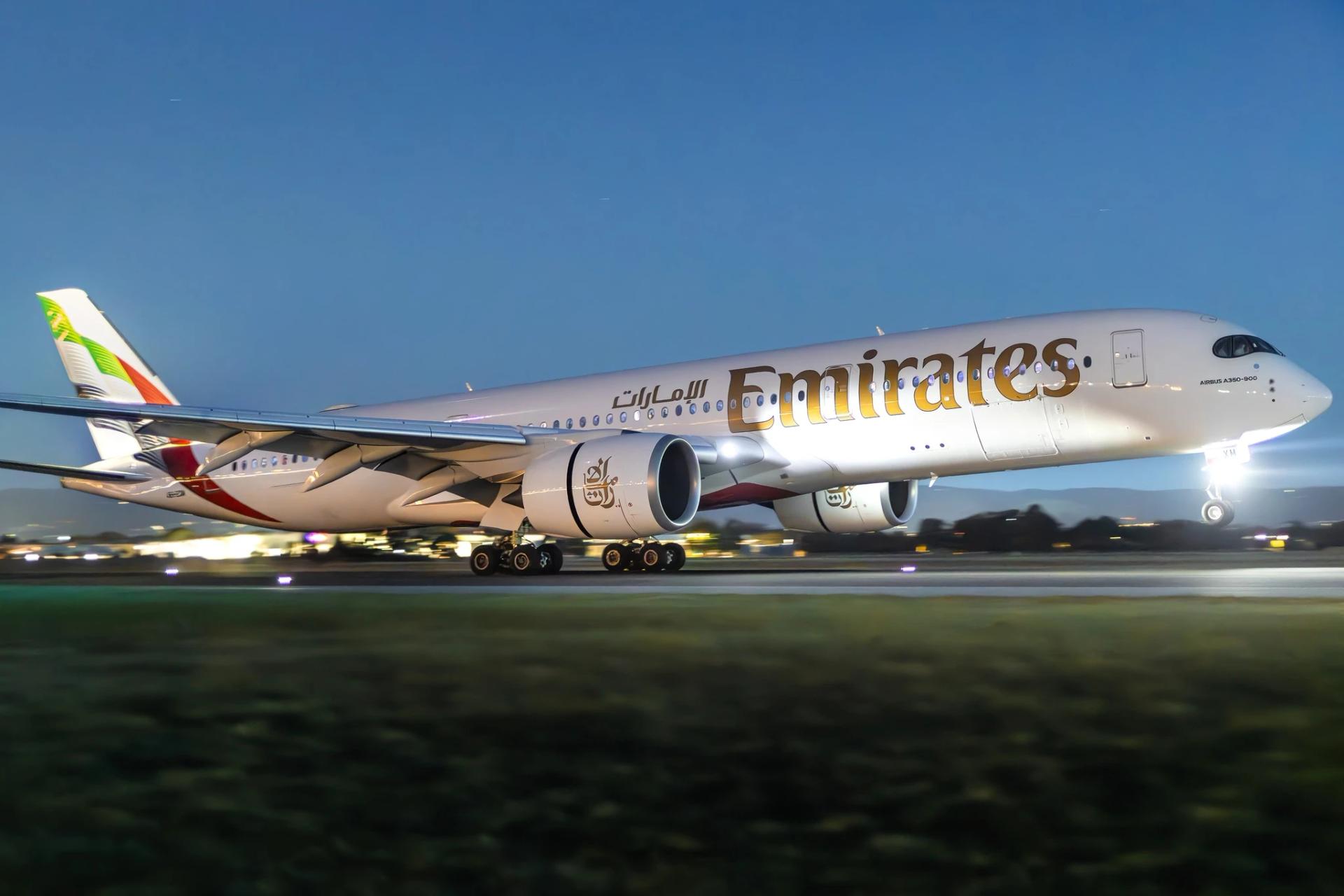
Marking the airline's international debut of this aircraft, Emirates has selected the Australian city of Adelaide as the first global destination to receive its state-of-the-art Airbus A350-900ULR (Ultra-Long-Range) aircraft, an unprecedented move that signals a massive investment in the Australian market and introduces a new benchmark for inflight comfort.
You Might Also Like: A Sleep Expert's Guide to Quality Rest: 3 ways to beat jet lag
Cabin Classes & Seating Configuration - Emirates A350-900ULR
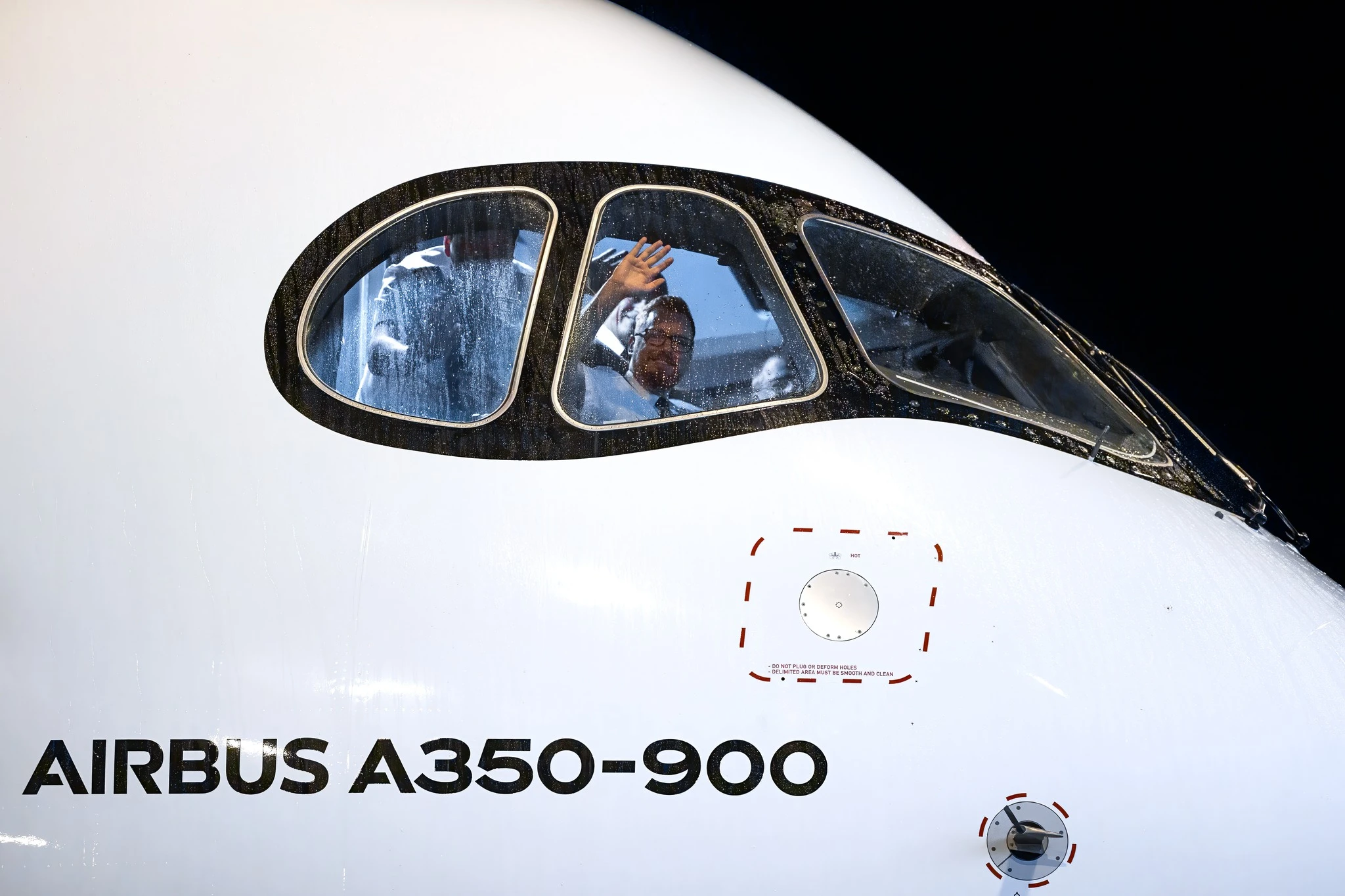
The new aircraft deployed to Adelaide is the Ultra-Long-Range (ULR) variant, optimised specifically for flights lasting up to 15 hours.
Launched in December 2025, the arrival of Emirates’ new A350-900ULR in Adelaide marks a significant moment, as the South Australian capital became the first city in the world to be served by this specific long-range aircraft variant. Capable of staying aloft for up to 15 hours non-stop with a range exceeding 14,000 km, the top-of-the-range aircraft is a powerful statement of Emirates’ commitment to the growing long-haul market, with this route promising South Australians direct access to the airline’s most advanced and efficient product.
The A350-900ULR flying the daily Dubai-Adelaide route accommodates 298 passengers and features a three-class configuration emphasising space. The new Emirates A350 features three distinct, spacious cabin classes for 298 passengers: 32 next-generation Business Class seats arranged 1-2-1, 28 Premium Economy seats in a 2-3-2 layout, and 238 comfortable, generously pitched Economy Class seats in a 3-3-3 configuration.
You Might Also Like: Why Emirates is banning the use of power banks during flights
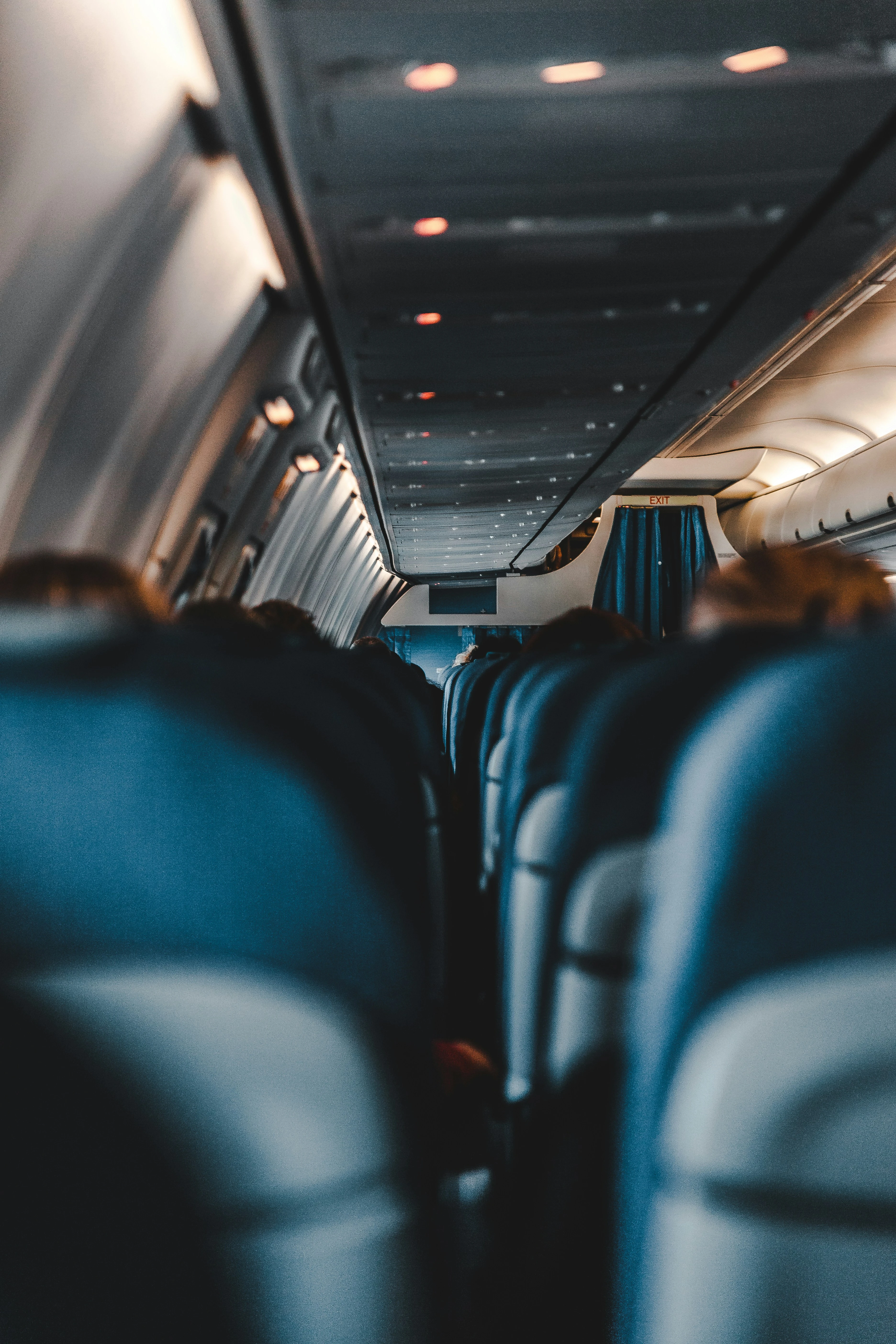
How does the A350-900 ULR beat jet lag?
Currently the gold standard for marathon flights like Singapore Airlines’ 19-hour journey to New York, and now this route between Dubai and Adelaide. The sleek and upgraded aircraft, designed specifically for ultra long haul travel pivots on a combination of advanced atmospheric engineering and lighting science to mitigate the effects of jet lag.
The A350’s design introduces subtle yet effective features aimed at tackling the fatigue associated with ultra-long-haul travel:
- Noise Reduction: Although not often accounted for on the surface, noise fatigue is a major factor in jet lag. Using engines from Rolls-Royce (Trent XWB) that are considered some of the quietest in the world, the aircraft's cabin is touted as the “quietest twin aisle cabin of any aircraft,” significantly reducing passenger fatigue caused by constant ambient engine noise. By reducing the constant "white noise" hum by several decibels, the brain undergoes less cognitive load during the flight, making it easier to achieve
deep, restorative REM sleep. - Balanced In-Cabin Humidity: Standard older aircraft (like the Boeing 777 or older A330s) are made of aluminium, which corrodes with moisture; therefore, the air is kept extremely dry (often below 10% humidity). The A350 is built with over 50% carbon-fibre composites, which don't rust. This allows Airbus to maintain much higher humidity levels, preventing the dehydration, dry eyes, and "scratchy throat" that significantly contribute to post-flight fatigue.
- Precision Temperature Control: Jet lag is exacerbated by poor sleep, and a common complaint on long-haul flights is being too hot or too cold. The A350 uses advanced air conditioning that divides the cabin into several small temperature zones. This allows for much finer control, ensuring that the air remains fresh and at an optimal sleeping temperature without the chill or "draftiness" associated with older planes.
- Circadian Optimised Lighting: Entertainment screens allow users to control blue light exposure by switching to an ‘eye comfort mode’ which has been specifically designed to reduce blue light exposure, aiding in natural sleep cycles. In cabin, the more generalised lighting system throughout the plane can be fine-tuned to include sunrise simulations that gradually wake the body to match the destination time zone.
- Altitude Adjustment: While you may be flying at 40,000 feet, the interior of an A350 is pressurised to a "cabin altitude" of approximately 6,000 feet, compared to the 8,000 feet found on older jets. This means your blood can carry more oxygen throughout the flight; higher oxygen levels reduce headaches and that "heavy" or achy feeling in your limbs upon arrival.