Saudi Arabia has entered the world’s top 30 tourism markets.
As of 2026, the Kingdom officially ranks 29th globally in the 2026 Travel and Tourism Development Index (TTDI) released by the World Economic Forum (WEF). According to figures published by the Ministry of Tourism, the Kingdom's climb of three places since 2024 — and an advance of 17 places since 2019 — highlights the growing global competitiveness of its tourism sector and its expanding role in the national economy.
Celebrating its 10th edition in 2026, the World Economic Forum’s Travel & Tourism Development Index (TTDI) has long served as a key benchmark for destination growth. First established in 2007 and restructured in 2022, the framework gives governments and industry leaders data-backed insights to guide sustainable development and strengthen tourism resilience against global disruption.
Leading the Region
The WEF’s biennial Travel and Tourism Development Index assesses 110 economies, evaluating factors that drive destination sustainability, resilience, and competitiveness. Out of a maximum score of 7, Saudi Arabia scored 4.45, marking a 3.4% increase over its 2024 score and a total gain of 7.8% since 2019.
This year, Saudi Arabia rose to 29th place, breaking the top 30 for the first time. Within the Arabian Gulf, the Kingdom holds second place among GCC nations, positioned just behind the UAE, which placed 22nd globally. Saudi leads its other regional peers in the 2026 index, ranking ahead of Qatar (47th), Bahrain (55th), Oman (62nd), and Kuwait (88th).
Worldwide, Japan topped the 2026 index with a score of 5.27, followed by the United States, Spain, Australia, and France. Global scores overall showed recovery across tourism infrastructure, service standards, and international transport links.
The Rise and Rise of Saudi
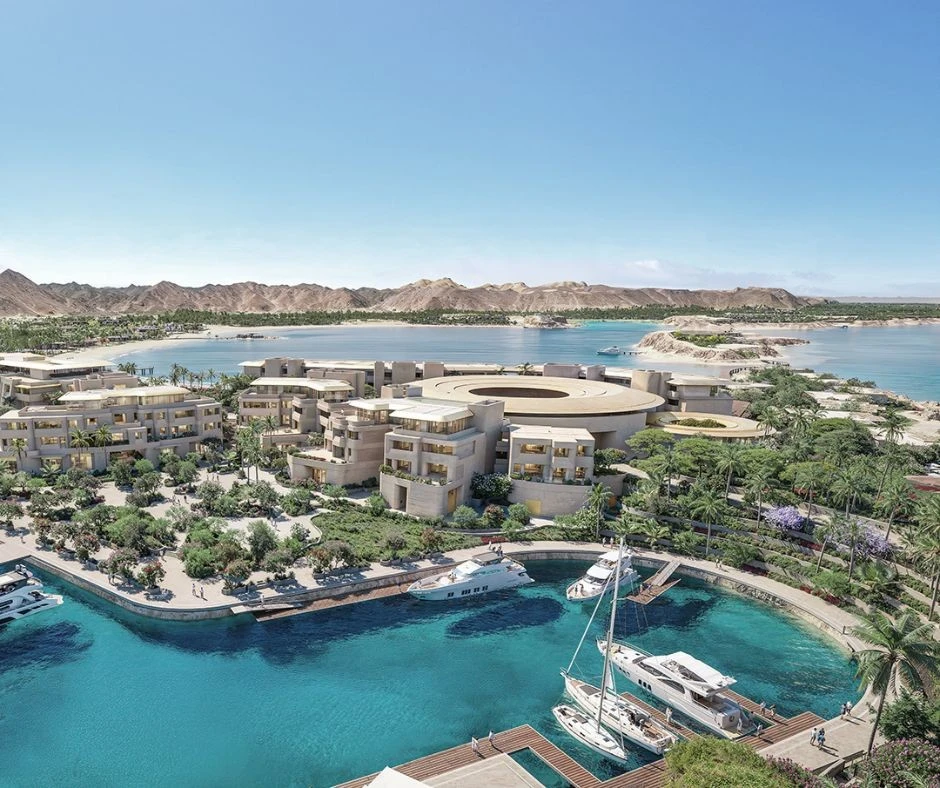
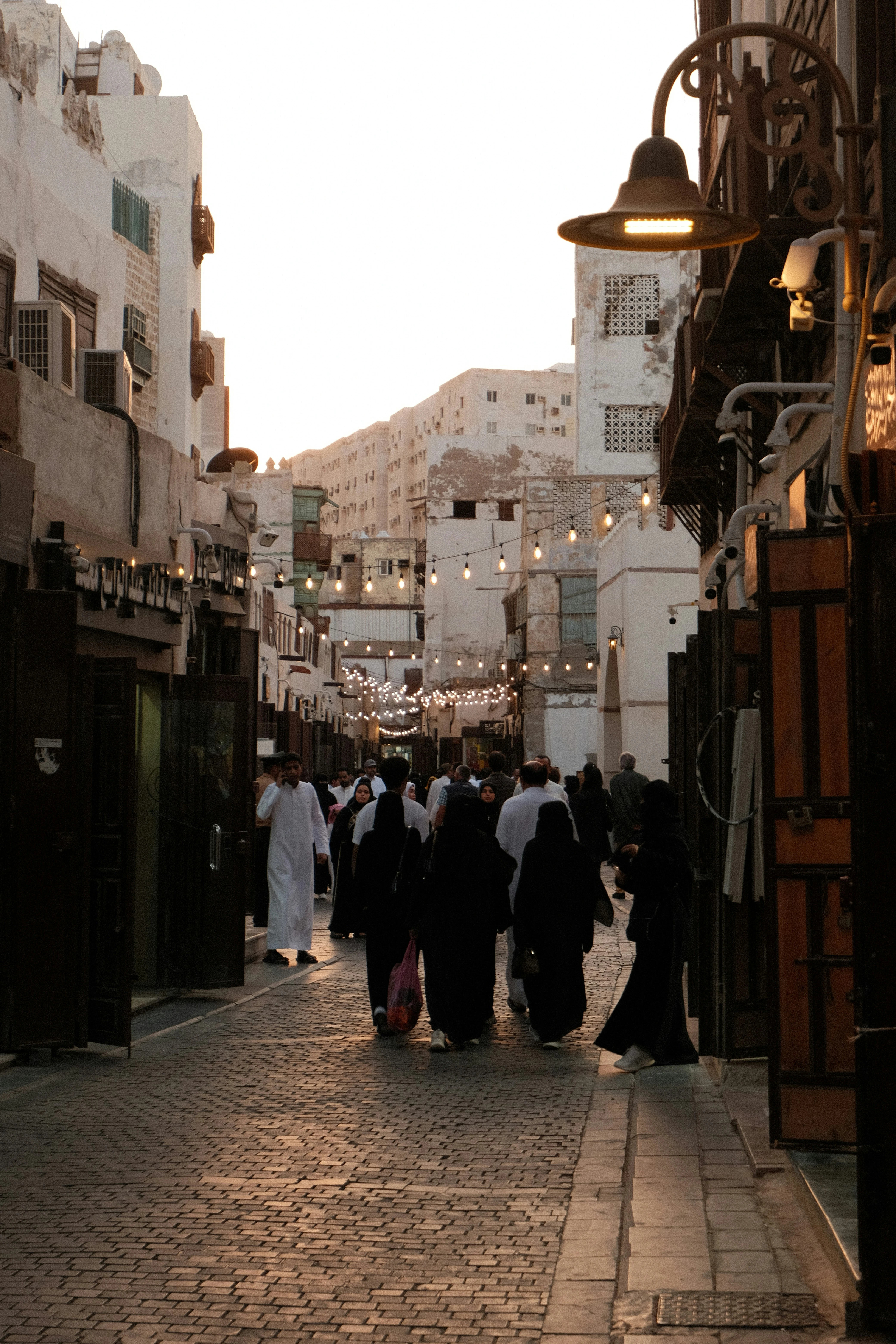
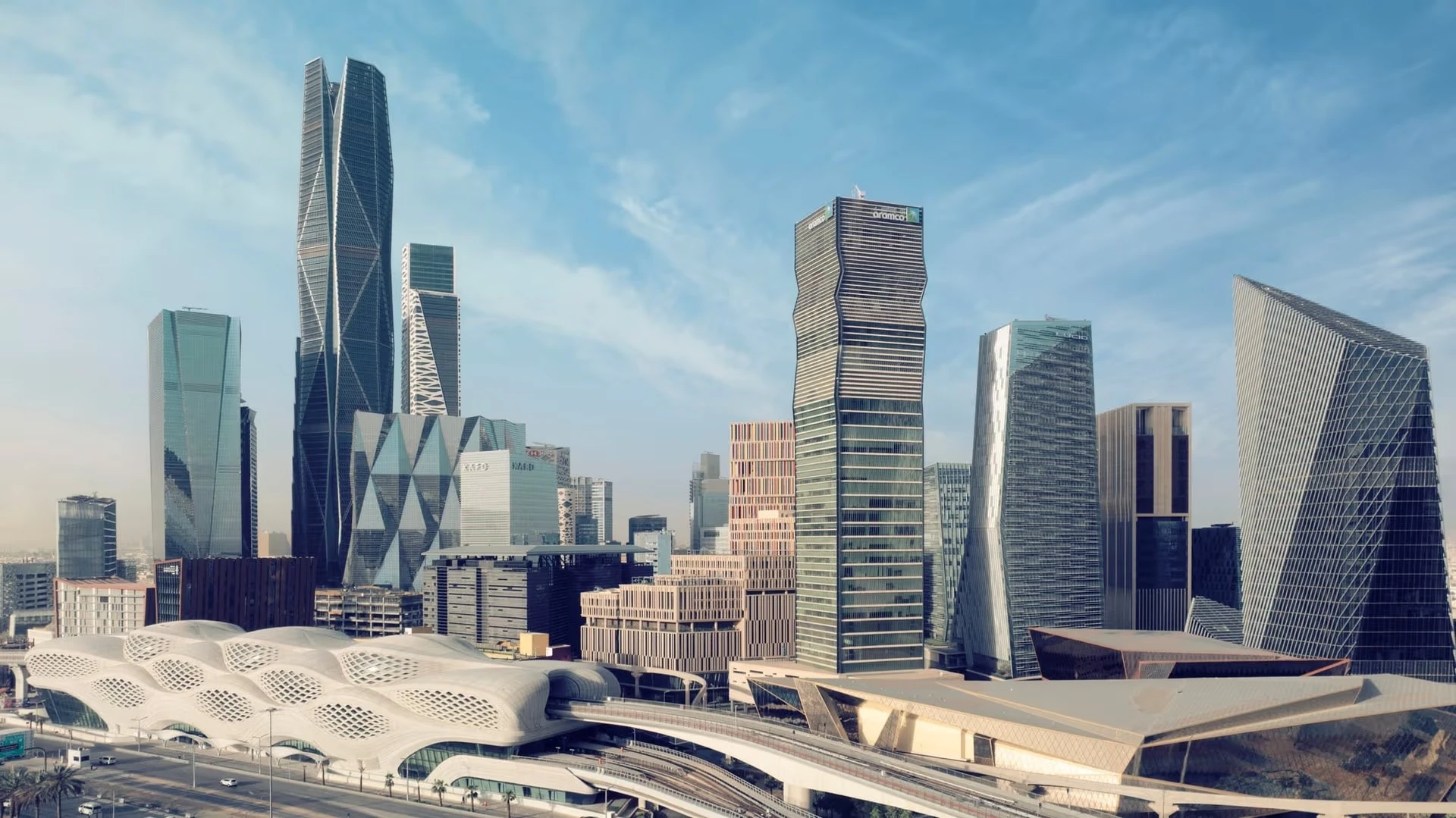
The Kingdom’s rise in the Travel & Tourism Development Index mirrors its broader economic shifts under Vision 2030. After reaching its initial goal of 100 million annual visitors years ahead of schedule, Saudi Arabia raised the bar to 150 million by 2030.
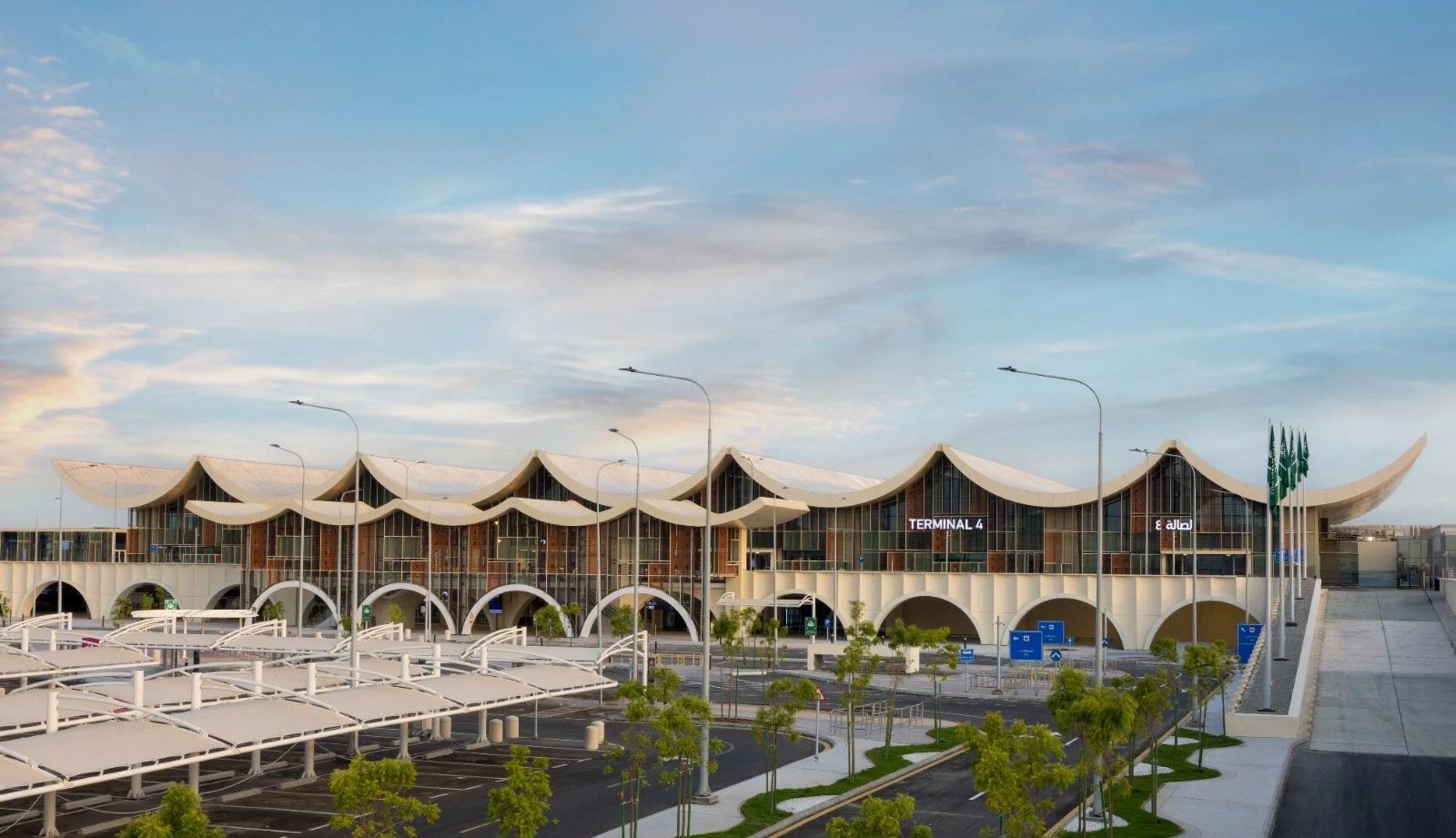
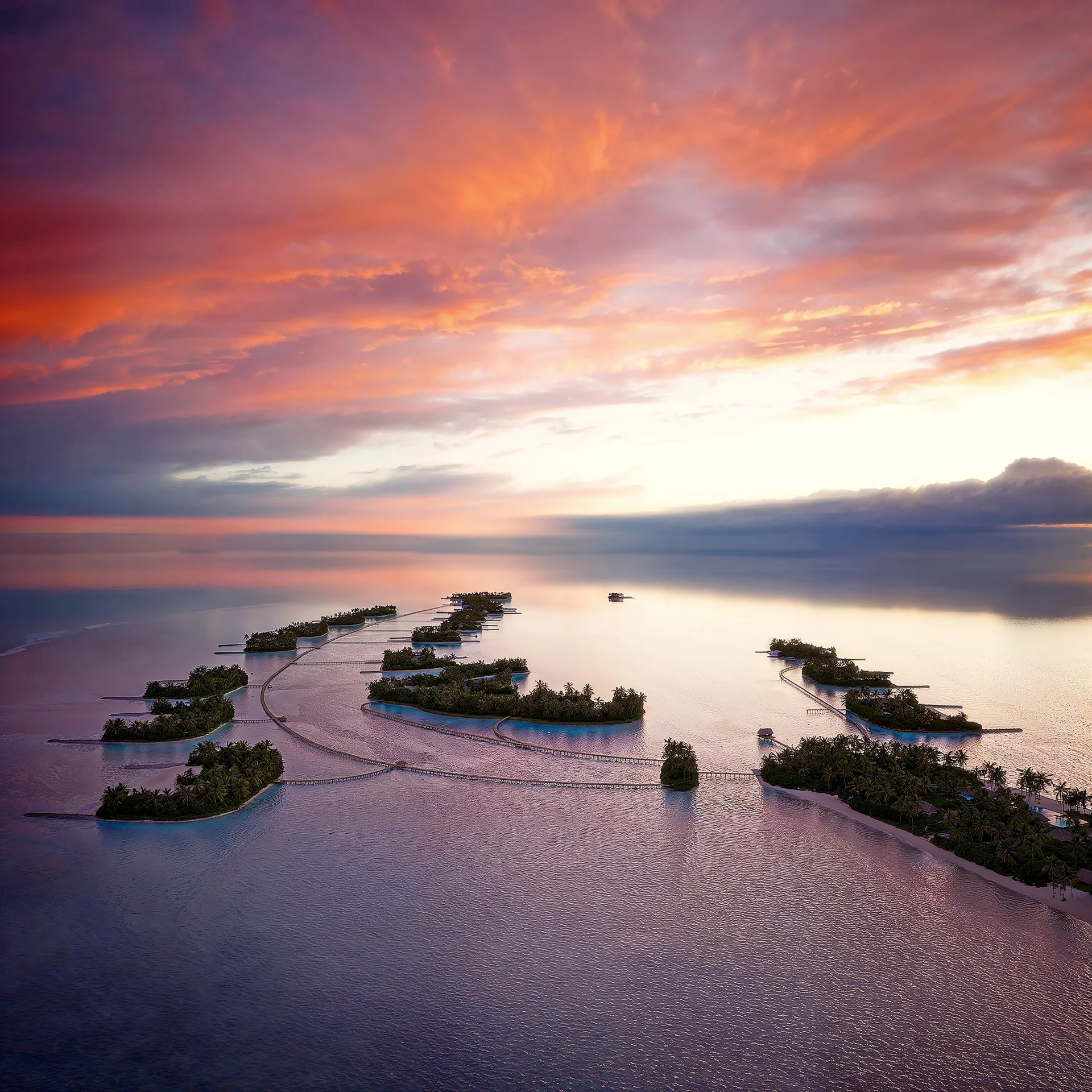
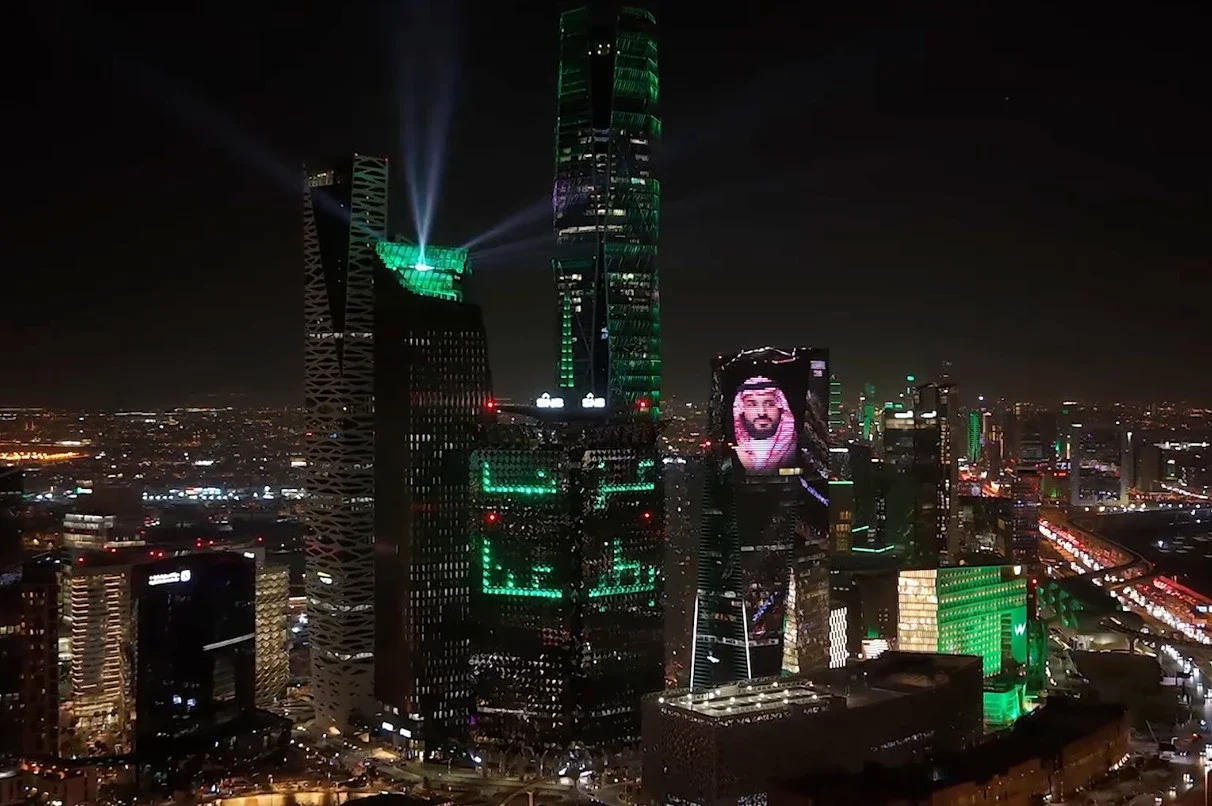
That momentum is backed by major infrastructure upgrades across the country. Key arrivals include Riyadh’s recently opened metro system which surpassed 200 million rides earlier this year, a revamped Terminal 4 at Jeddah’s King Abdulaziz International Airport, and an expanded Terminal 2 at Riyadh’s King Khalid International Airport, which alone increases capacity by 130%. On the ground, new leisure and hospitality hubs continue to take shape, from the commercial pull of Riyadh’s KAFD to luxury coastal developments along the Red Sea and wellness-focussed destination of AMAALA.
Read the full report here
@worldeconomicforum