



As urban populations swell and metropolitan boundaries expand, gridlock has transformed from a daily minor annoyance into a defining characteristic of modern city life. To help quantify this shifting global burden, data analytics platform Numbeo publishes its comprehensive Traffic Index.
The bi-annual tracker acts as a revealing benchmark for urban planners, corporate investors, and global citizens alike. Rather than just calculating average vehicle speeds, the index relies on a multi-dimensional formula that blends average commute times, commuter dissatisfaction, carbon dioxide emission estimates, and overall inefficiencies within local transit networks.
You Might Also Like: These are the world's safest countries for 2026
Most congested cities in the world
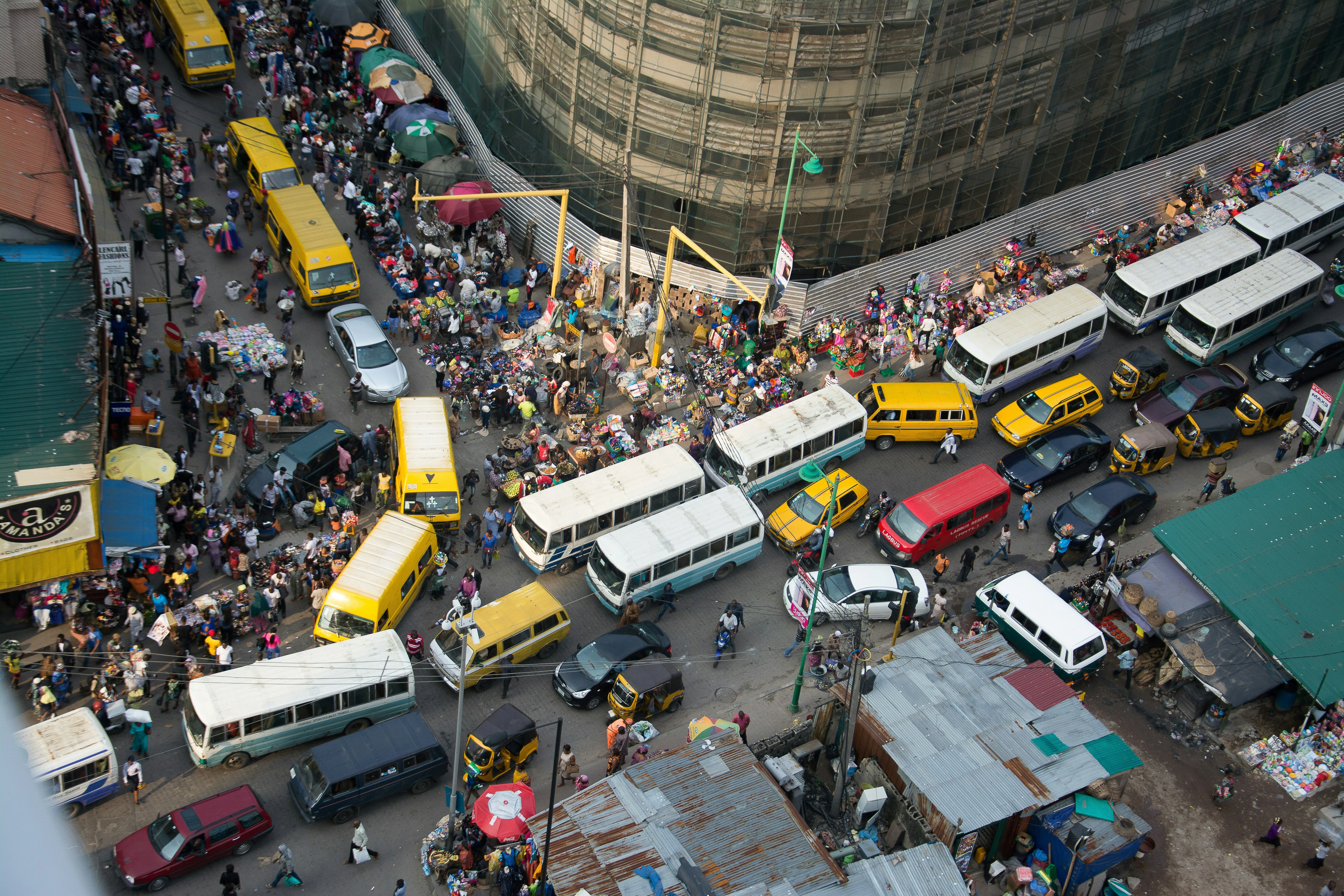
- Lagos, Nigeria
- San Jose, Costa Rica
- Los Angeles, CA, United States
- Sharjah, United Arab Emirates
- Colombo, Sri Lanka
- Delhi, India
- Dhaka, Bangladesh
- Kolkata, India
- Kolkata, India
- Mumbai, India
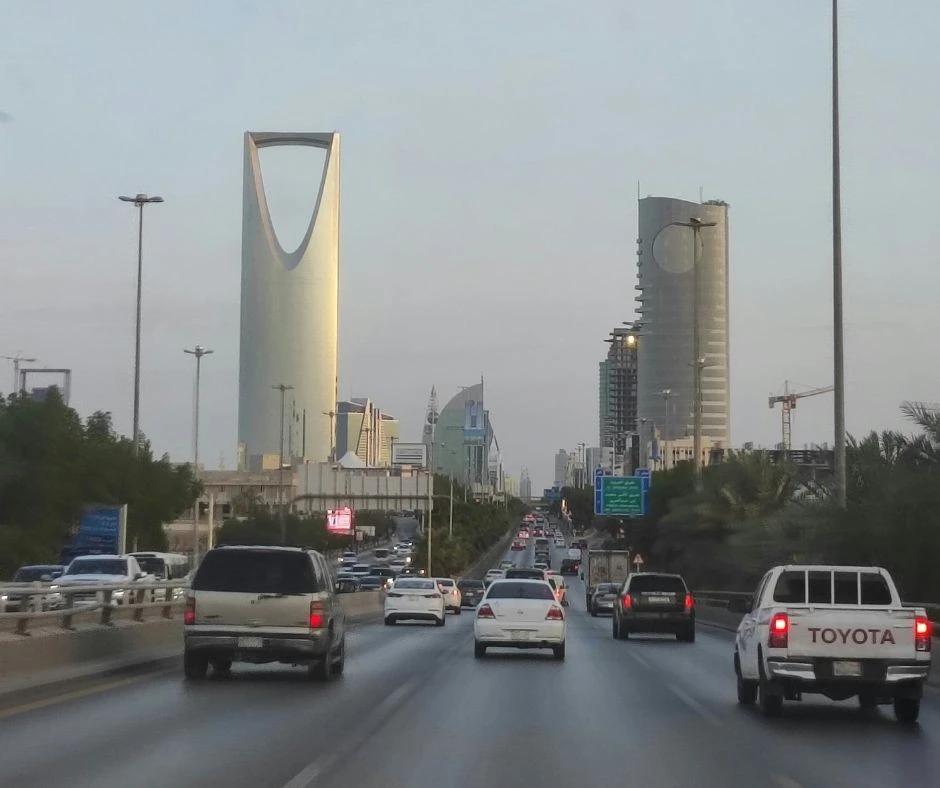
Within the global rankings, Dubai sits closest to the top at 90th place out of 341 cities, followed somewhat surprisingly by Riyadh at 114th - does this surprise you? Meanwhile, Jeddah ranks further down the list in 167th place, with Dammam offering the most fluid commute of the Saudi hubs measured, sitting at 183rd.
New York sits at 101 on the list, whilst London is 119th and Paris is 142nd.
Cities with the most traffic in the Middle East and Asia
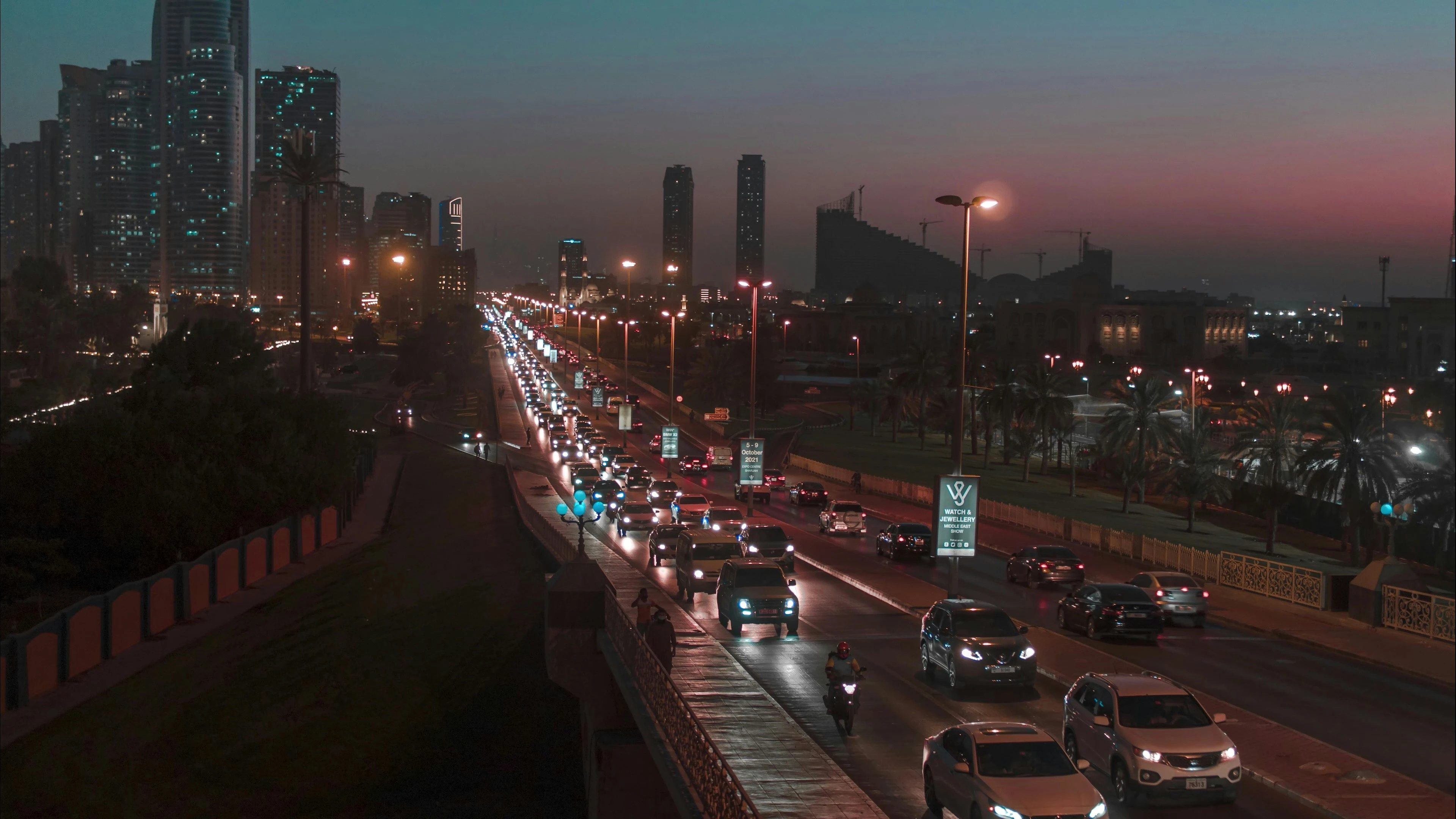
- Sharjah, United Arab Emirates
- Colombo, Sri Lanka
- Delhi, India
- Dhaka, Bangladesh
- Kolkata, India
- Mumbai, India
- Jakarta, Indonesia
- Bangalore, India
- Tehran, Iran
- Istanbul, Turkey
When it comes to regional rankings, the Middle East is paired with Asia. Seventy cities across the Middle East, Central Asia, Western Asia and South-East Asia, Riyadh sits at 23rd on the list, Jeddah at 46th place and Dammam places 51st.
Check out the full rankings here to see where your city sits