



For the modern high-net-worth traveller, the definition of luxury has evolved far beyond five-star suites and bespoke itineraries - and often culminates in the feeling of safety.
In the current global climate, true exclusivity is increasingly measured by a destination's stability and security, and the peace of mind one might expect to experience by either visiting or living there. The 2026 Safety Index from Numbeo is a prominent crowd-sourced global database, and each year, it provides valuable insights into perceived global safety by assessing crime rates, daytime and nighttime safety feelings, and overall security perceptions reported by residents.

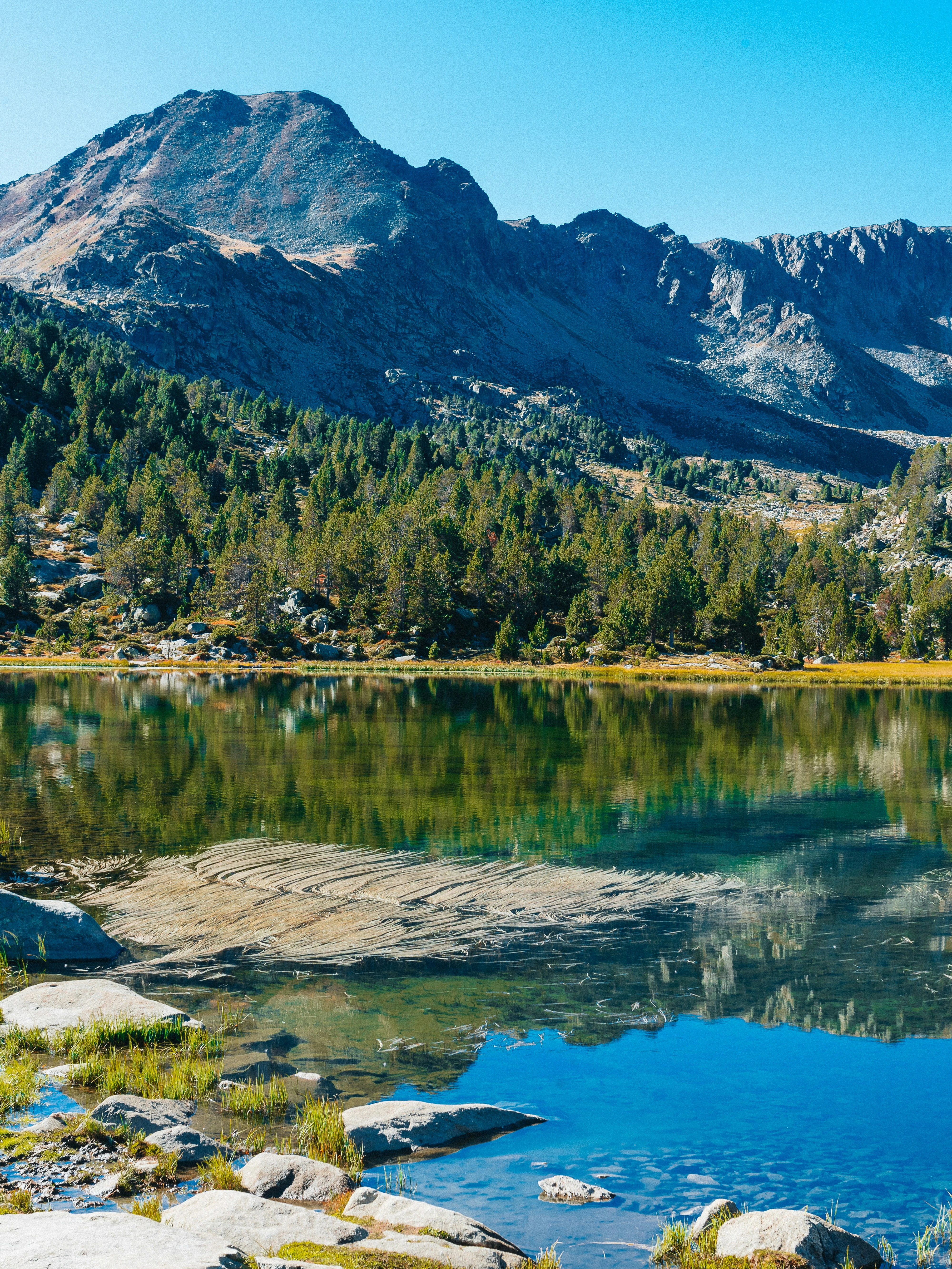
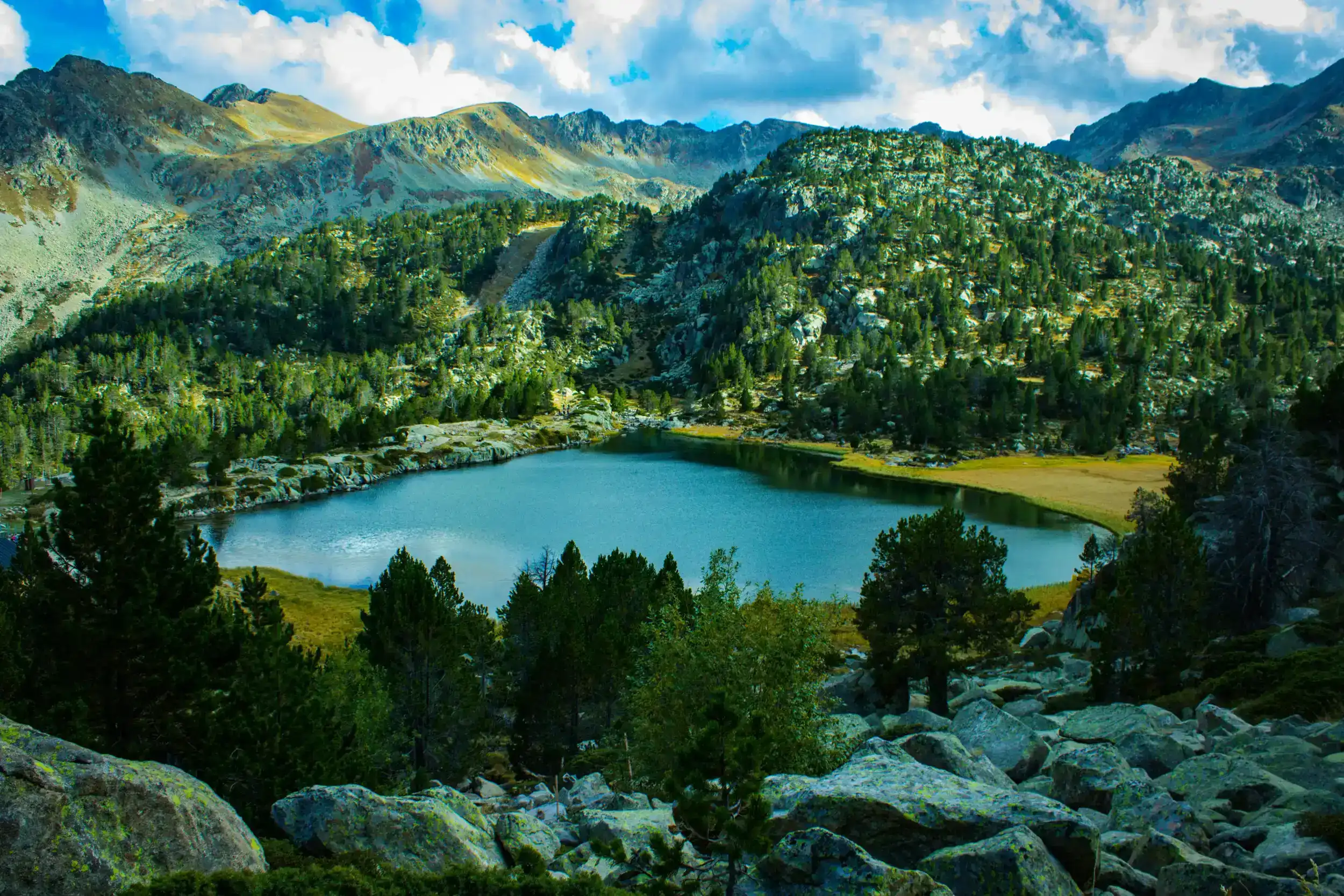
Data sets like these could impact travel trends, where traditional safe havens are being outpaced by ambitious, visionary nations. Topping the list of the Safest Countries in the World is the tiny European principality of Andorra, with a population of approximately just 81,000 people. The country is nestled high in the Pyrenees Mountains between France and Spain, and is loved throughout the region for its luxury ski resorts and beautiful landscapes.
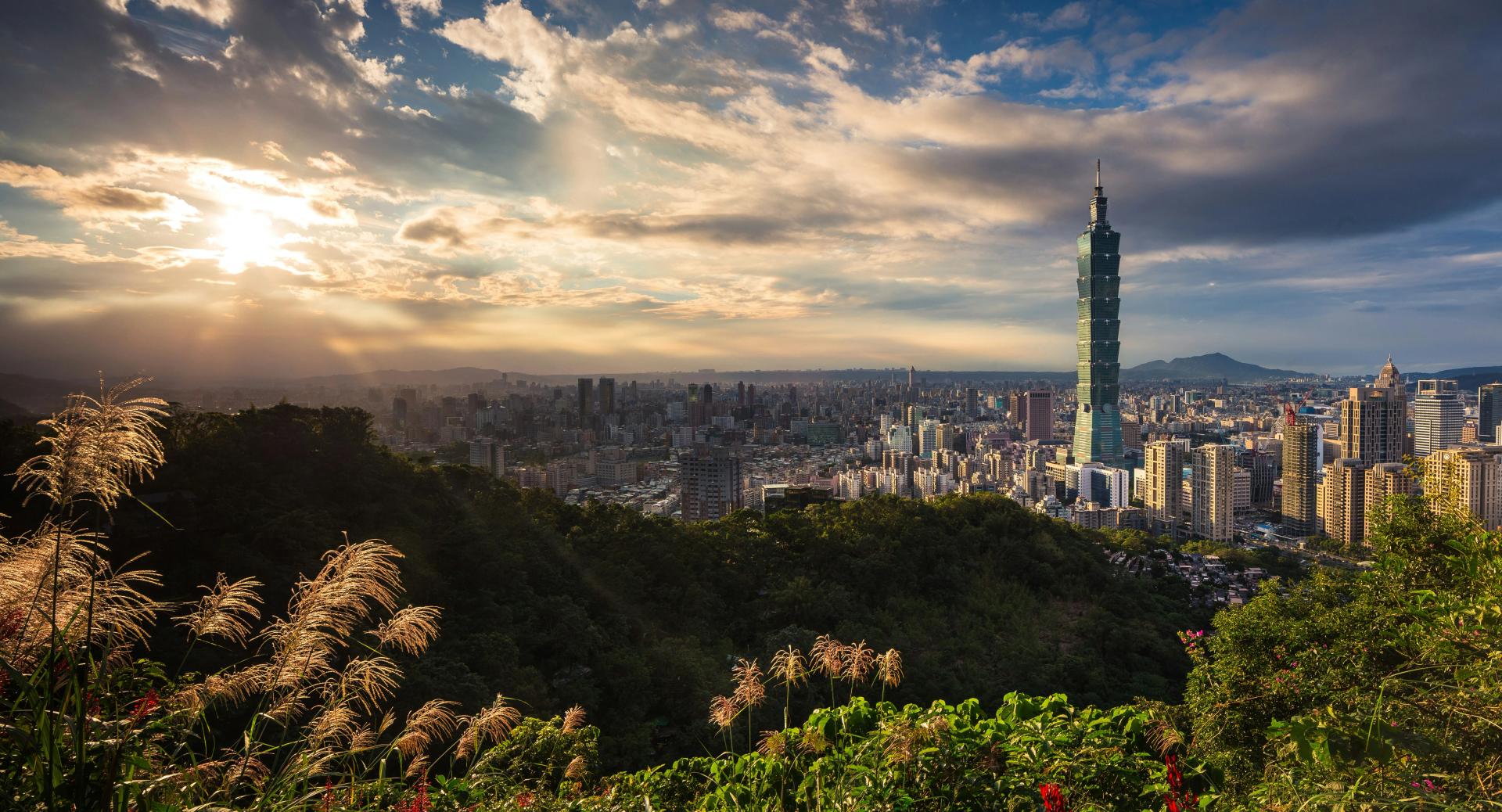
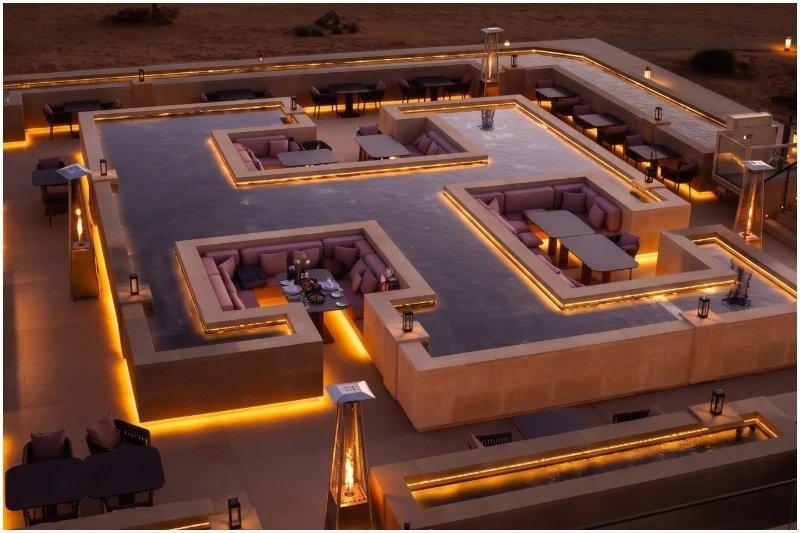
Although a European destination tops the polling, the list's top ten is heavily skewed towards GCC and Asian countries. Coming in second place is neighbours the United Arab Emirates, and Qatar in third position, with Oman following in fifth place. Asian countries like Taiwan, Hong Kong, Singapore and Japan also round out the top ten safest countries in the world.
Saudi Arabia has successfully maintained its momentum from last year, anchoring itself firmly within the top 20 safest countries globally at number 14, with its safety index rising from 76.1 in 2025, to 76.8.
The Safest Countries in the World for 2026
When looking at this list, it's important to remember that the Numbeo Safety Index reflects perceptions based on user-submitted data. While the listing of the World's Safest Country provides us with a valuable snapshot of how safe people feel in different countries, it's always important for travellers to stay informed about local conditions and exercise standard safety precautions regardless of the destination. This includes being aware of your surroundings, securing personal belongings, and staying updated on any local warnings for weather and other events, in addition to following and adhering to government travel advisories.
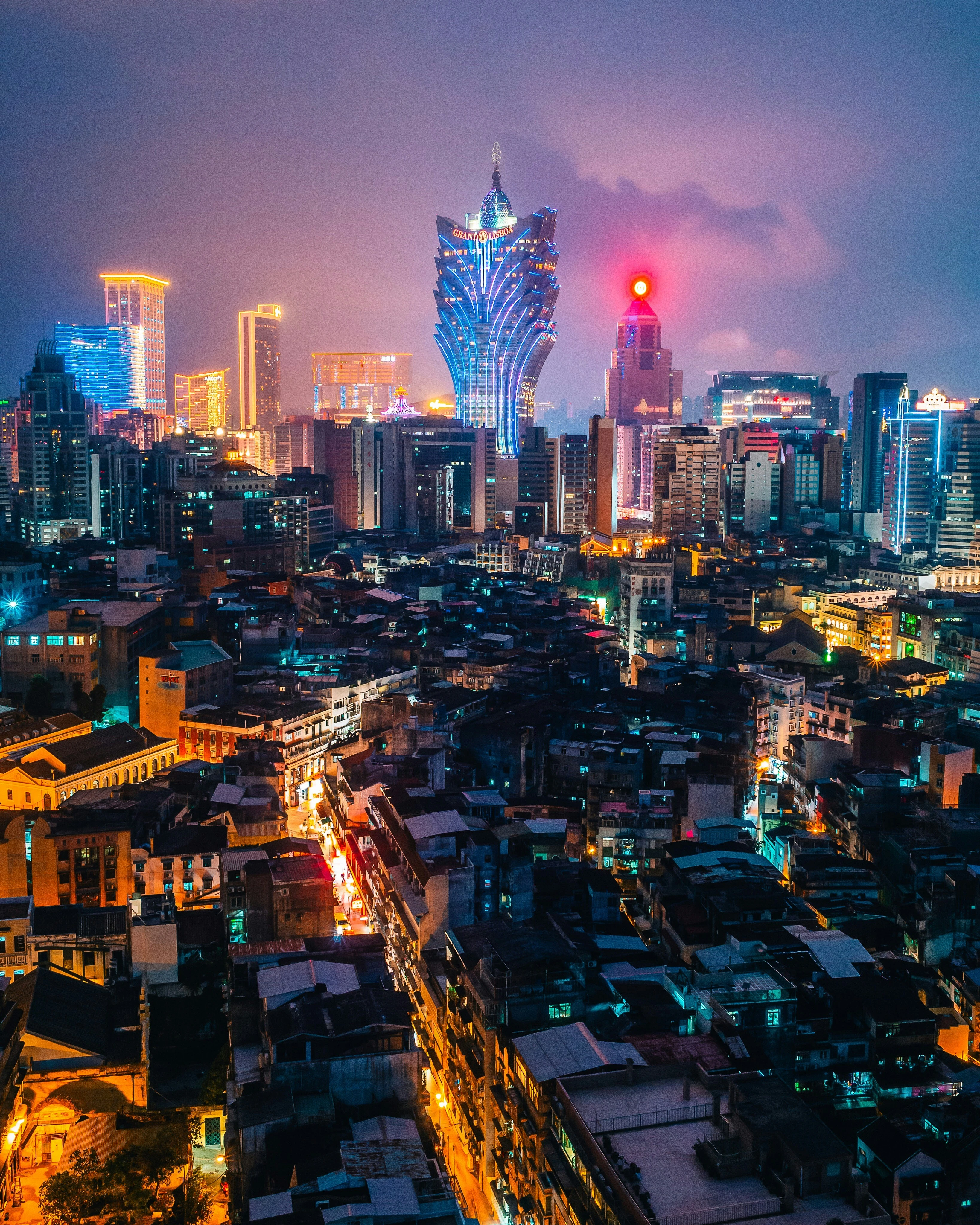
- Andorra – 86.5 (no change)
- United Arab Emirates – 86.4 (no change)
- Qatar – 84.8 (no change)
- Taiwan – 82.9 (no change)
- Macao - 81.8 (new entry)
- Oman – 81.7 (drop from 5th place)
- Isle Of Man – 80.3 (drop from 6th place)
- Hong Kong – 78.2 (drop from 7th place)
- Armenia – 78.0 (drop from 8th place)
- Japan 77.8 (no change)
- Bahrain (rise from 16th place)
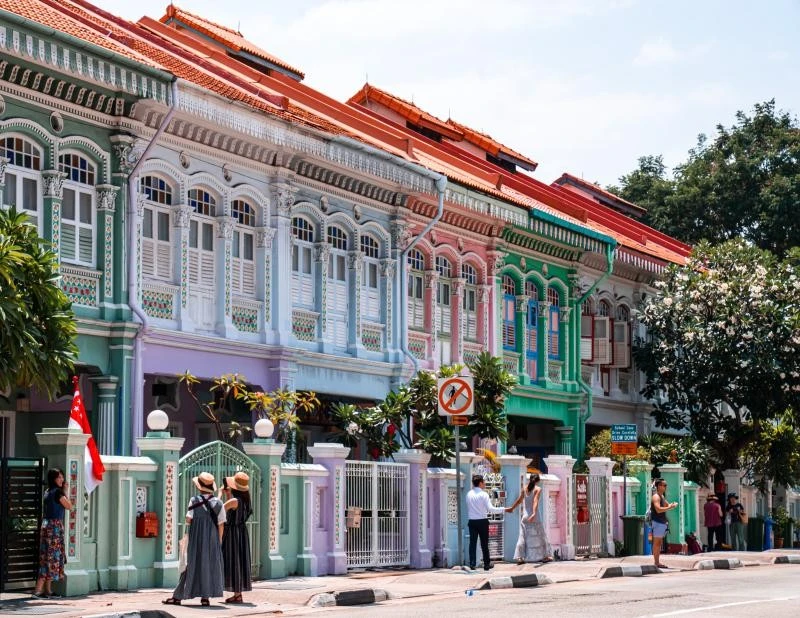
- Singapore – 77.7 (drop from 9th place)
- China – 77.0 (rise from 15th place)
- Saudi Arabia - 76.8 (no change)
- Estonia - 76.5 (drop from 12th place)
- Slovenia - 75.5 (drop from 13th place)
- Croatia - 74.8 (rise from 18th place)
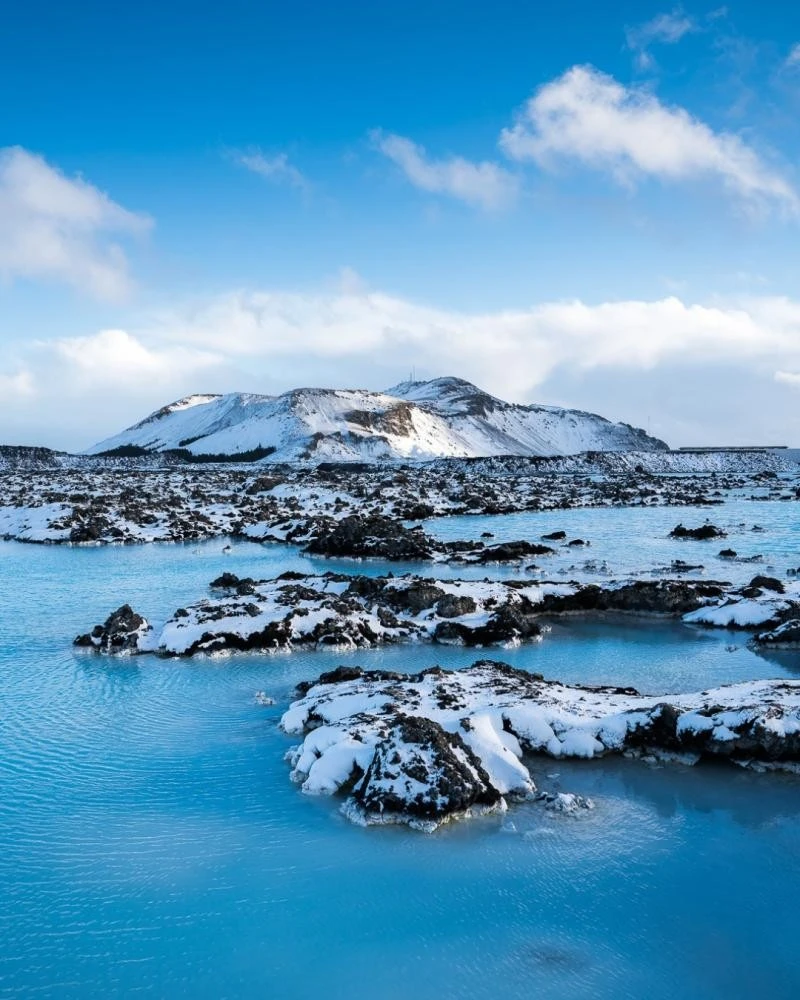
- Iceland - 74.5 (rise from 19th place)
- Monaco - 74.5 (drop from 11th place)
- Finland - 73.7 (rise from 24th place)
Other Countries Popular with Saudi Tourists
Reflecting a broader shift (and slip) in security rankings for key and important European destinations, there has been a notable downturn in rankings. Major destinations that are often popular with Saudi Arabian travellers that have experienced a dip in their safety rankings include the principality of Monaco dropping from 11th to 19th place, while France slid further down the index from 110th to 114th position, and the United Kingdom fell from 87th place in 2025, to 89th position in the 2026 rankings.
The United States of America also slipped down the rankings falling from 89th position in 2025, to 93rd in 2026.
Take a look at the full mid-year listing of 148 countries, right here.