

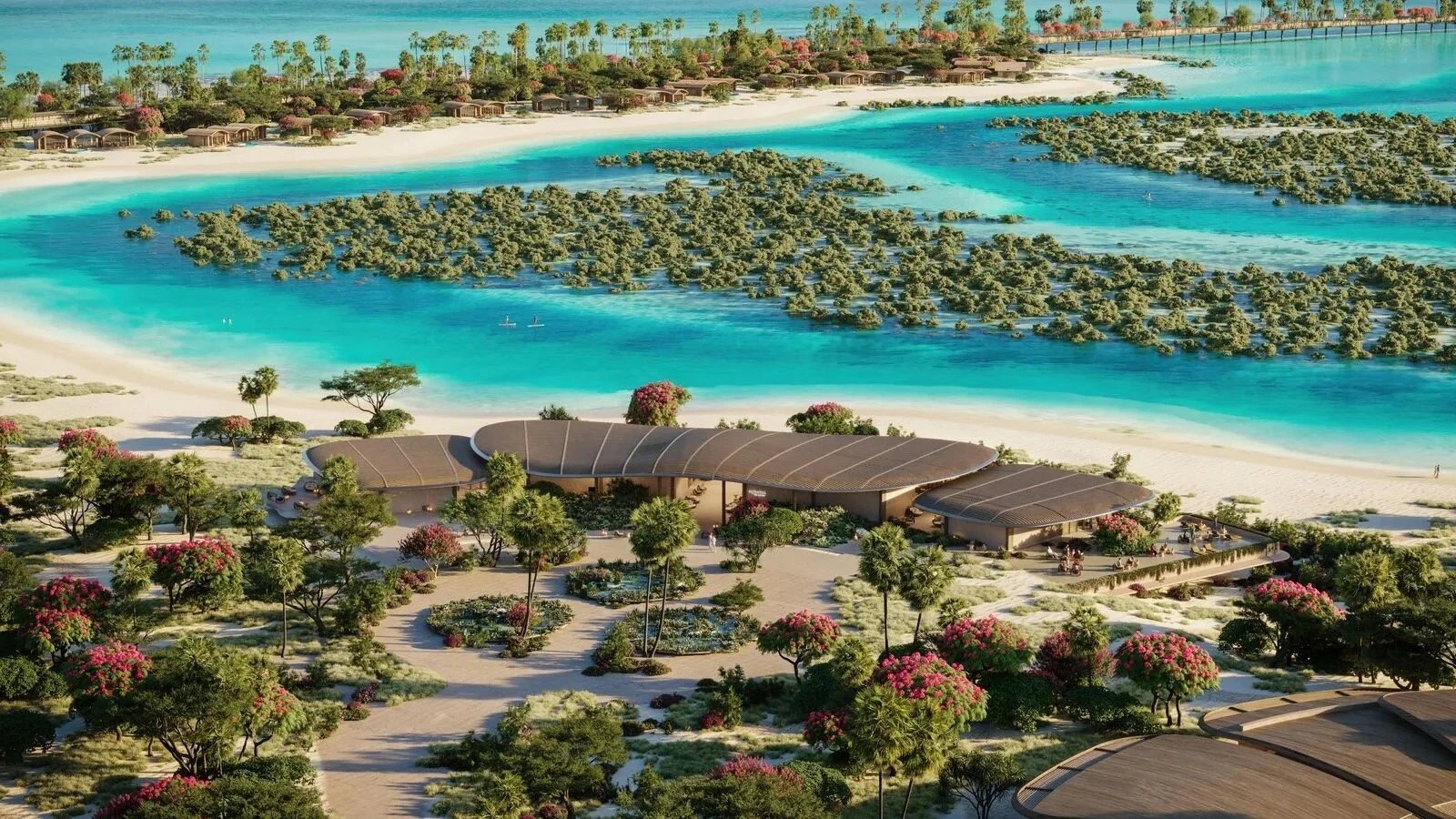
Spanning over two million square kilometres and covering most of the landmass of the Arabian peninsula, travelling in Saudi Arabia generally means covering a lot of ground. Luckily, there are excellent rail routes between major cities, cheap and regular internal flights, and hiring and driving a car in the country is relatively easy – certainly compared to some of its neighbours.
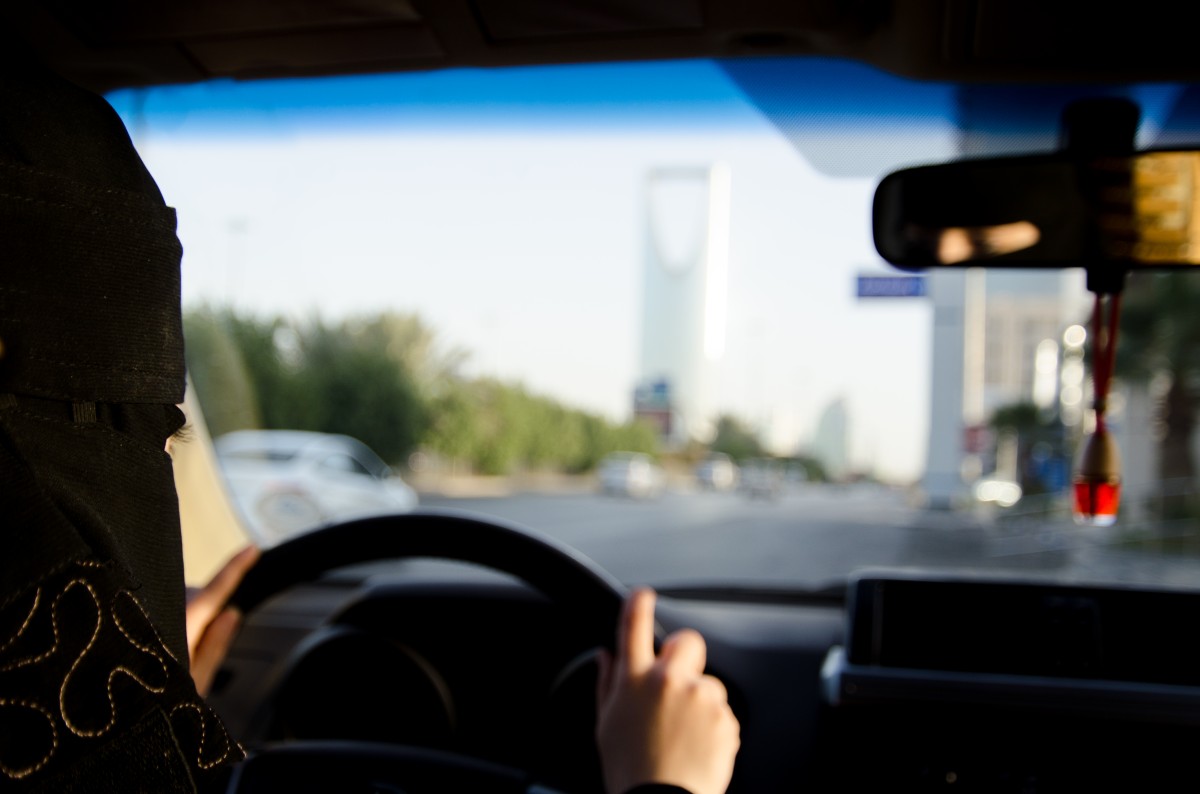
As of June 2018, women are allowed to drive in Saudi Arabia and ride-sharing apps such as Uber have not only recruited female drivers, but allowed customers to specify if they would prefer a woman behind the wheel. Buses and trains, as elsewhere in the Middle East, have special sections for women travellers and children.
While public transport is safe and improving every year, Saudi Arabia is a country that is still dominated by cars, with recent studies suggesting that over 85% of Saudis still use private rather than public transport. As for walking, even if not for the heat, the Kingdom's cities – like many American cities – are not designed for exploring on foot, outside of parks, historical sites and malls. This is everything you need to know about getting around Saudi Arabia.
Jump in a taxi
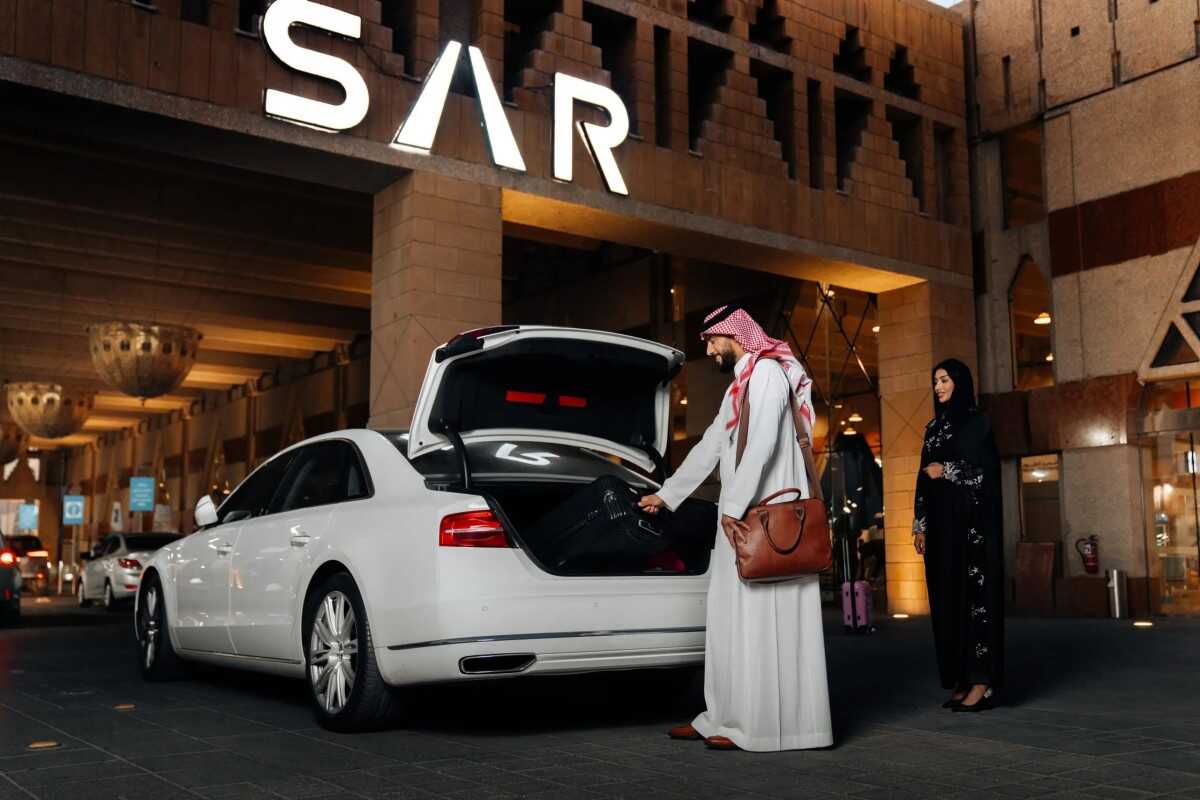
Travelling by taxi or car service in Saudi Arabia has always been popular, particularly in the cities where only a foolhardy traveller would try to drive their own car and find parking during rush hour. It is also a lot easier than it used to be with the advent of apps like Uber and local rival Careem.
Regular taxis are a mixed bag. You can hail both green cabs and regular street taxis in Riyadh and all the main cities, but even though they have meters, you may need to haggle over the price as a foreigner.
Get your own wheels
Driving in Saudi Arabia used to be a pretty hair-raising experience but despite strides being made in the train and bus network in the last decade, Saudi Arabia’s excellent road network and cheap fuel make it a driver’s world.
Notable drives include the Red Sea coast from Abha to Tabuk, a route that takes in some of the country’s most historic towns and villages and traces the incense route that once connected southern Arabia to the Mediterranean. Having a car also makes it far easier to visit beaches and historical sites that are not well connected, particularly if you’re not on an organised tour.
The speed limit is between 120kph and 140kph, although to say that many Saudi drivers see this as only a recommendation – and a modest one at that – is an understatement. Be aware that distances can be significant: for example, Jeddah to Riyadh will take ten hours on a good day, not including the traffic once you hit the city centres.
Ride the metro
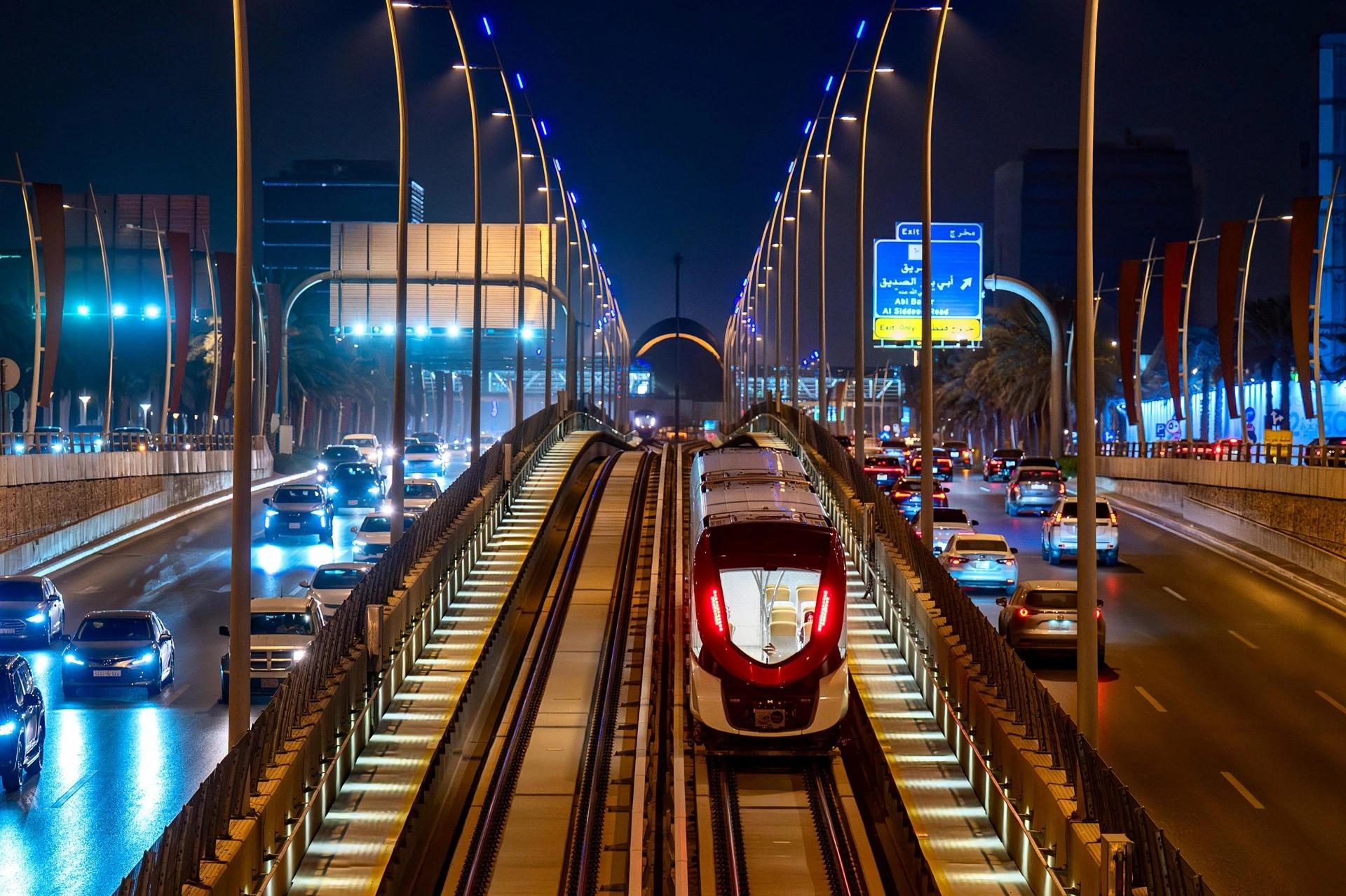
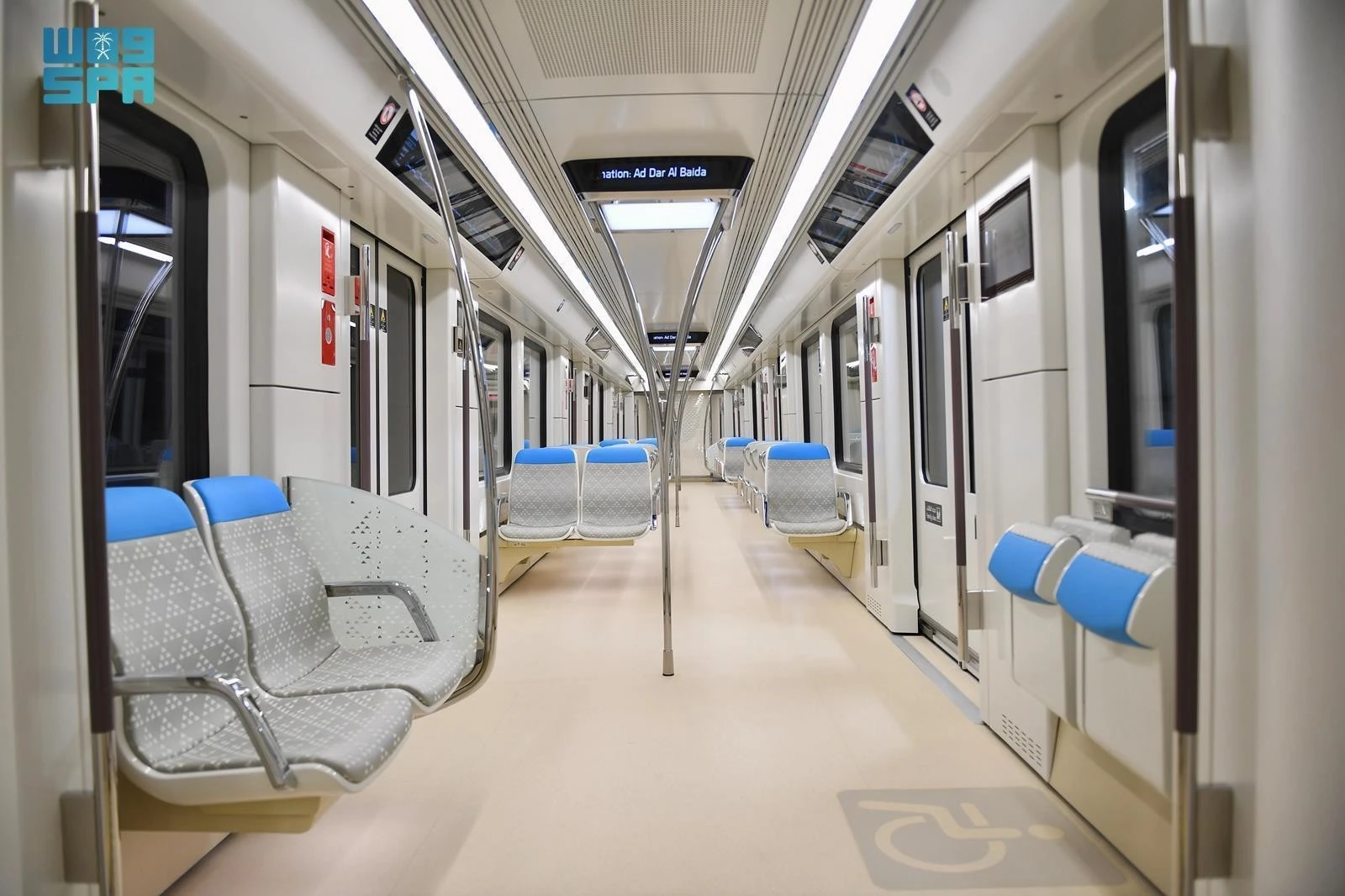
A number of Saudi cities, most recently Riyadh, have rolled out new, expensive metro lines in recent years. When completed, the $22.5 billion Riyadh Metro will consist of 85 stations, cover 176 kilometres, and completely change the daily lives of both citizens and tourists. Cars will be segregated, with special areas for women and families and others for single men.
In Makkah (Mecca), a metro line has been operating for nearly 15 years, ferrying the faithful between sights in Islam’s holiest city. As for Jeddah, a heavily-delayed project to build a metro system in the cultural city has been slated to begin soon.
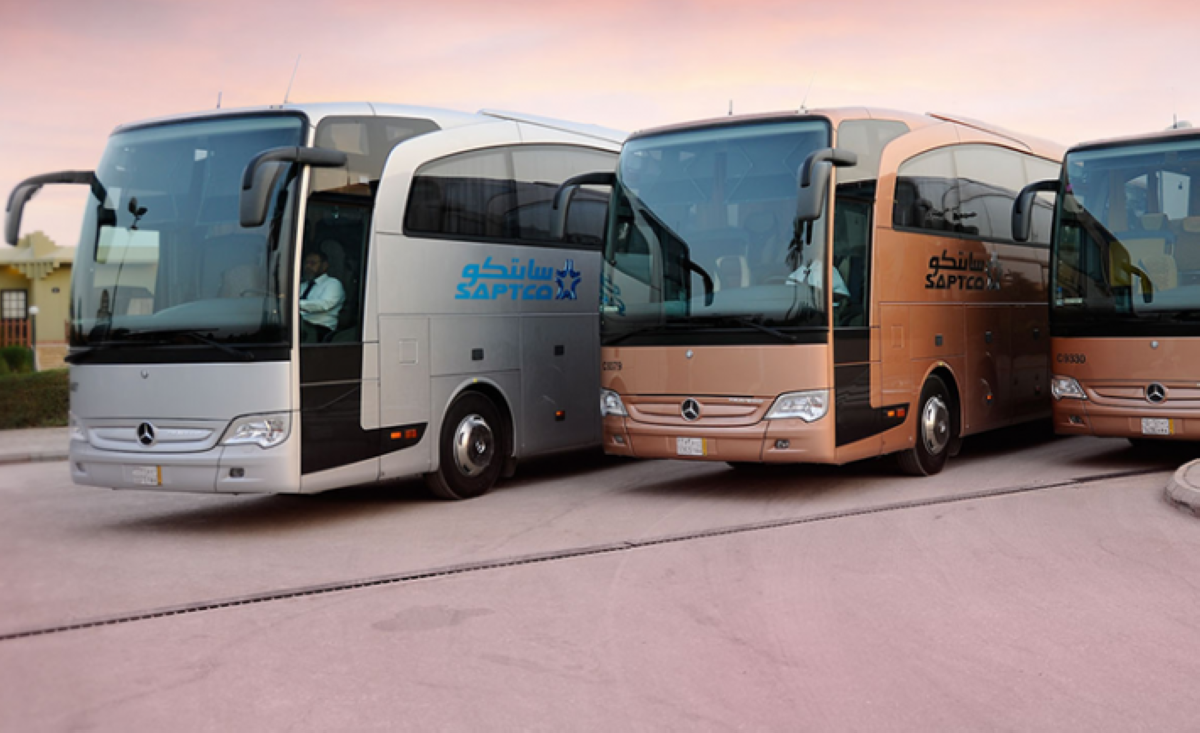
Jump on the bus
Saudi Arabia’s bus company, SAPTCO, operates coaches between towns and cities throughout the country and to Egypt, the UAE, Bahrain, Sudan and Yemen. SAPTCO also has new fleets of buses operating in cities such as Riyadh, which are new, air-conditioned and very cheap – a three-day pass costs just SAR 20.
SAPTCO also has an app for Android and Apple smartphones that allows you to buy tickets.
Riyadh, in particular, is very well served by buses. You can reach the King Khalid Grand Mosque via route 7, the King Abdullah Financial District via route 8, and the Kingdom Tower via route 9. All depart every ten minutes between 5am and 12am. Jeddah’s bus service is equally concise: it has six main lines that serve most destinations in the city between 5:30am and 10:30pm.
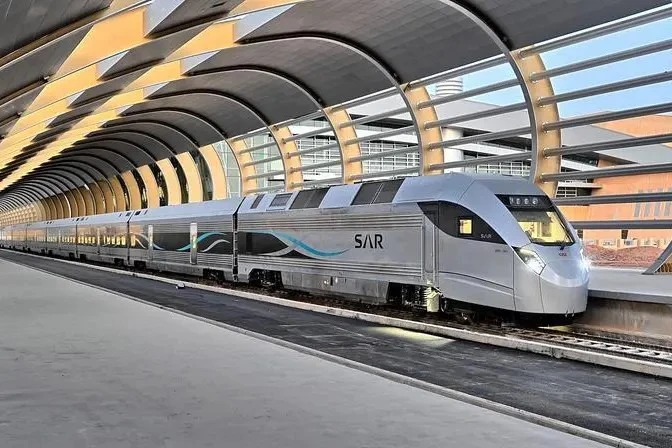
Take a train
Saudi Arabia has a decent train network, with Saudi Arabia Railways running a service between Riyadh and Dammam, which passes through Abqaiq and Hofuf, since 1951. They also operate the service between Riyadh and Hail, which passes through Al-Majmaah and Qassim.
Meanwhile, the Haramain High-Speed Railway runs between Makka and Madinah (also known as Mecca and Medina), passing through Jeddah, King Abdulaziz International Airport and King Abdullah Economic City.
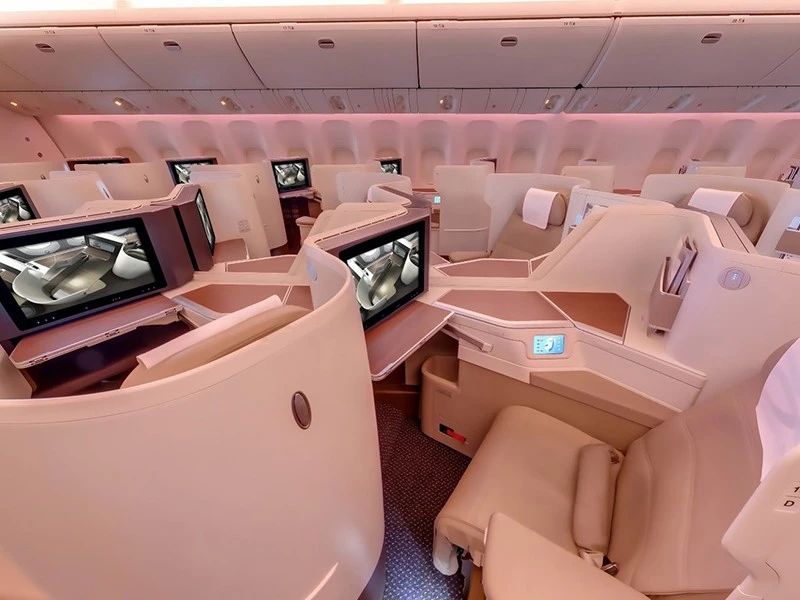
Hop on a flight
One of the most popular ways to get around Saudi Arabia quickly is by air, with Qatar Airways and Saudia (previously known Saudi Airlines) offering relatively cheap flights between all of Saudi Arabia’s main cities and AlUla.
Accessible transportation in Saudi Arabia
As in many parts of the world, accessible travel in Saudi Arabia can be a significant challenge. Newer facilities, like the Riyadh Metro, have committed to providing disabled access on its trains. Meanwhile, most of Saudi Arabia’s airports have good access for travellers with mobility issues and Saudi airlines have made public commitments to ensuring it – indeed, they have been threatened with significant fines if they do not.