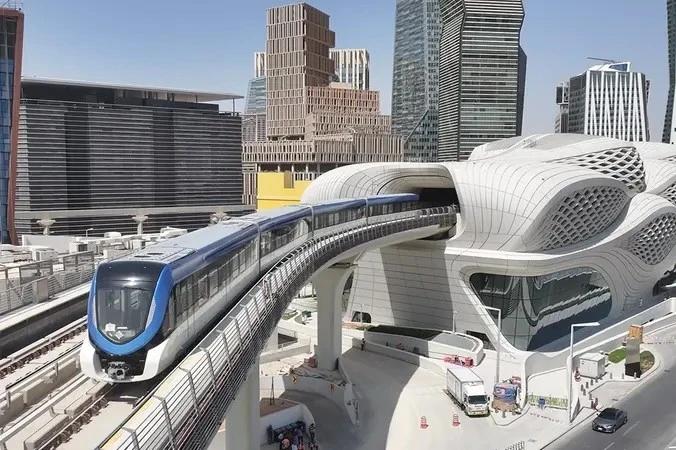
More than 200 million journeys have been made on the Riyadh Metro since it began operations in December 2024.
This incredible milestone moment comes just months after the world's longest driverless transport network surpassed the 100-million journeys mark in August 2025. These growing transit figures signal an accelerating adoption rate among residents and visitors.
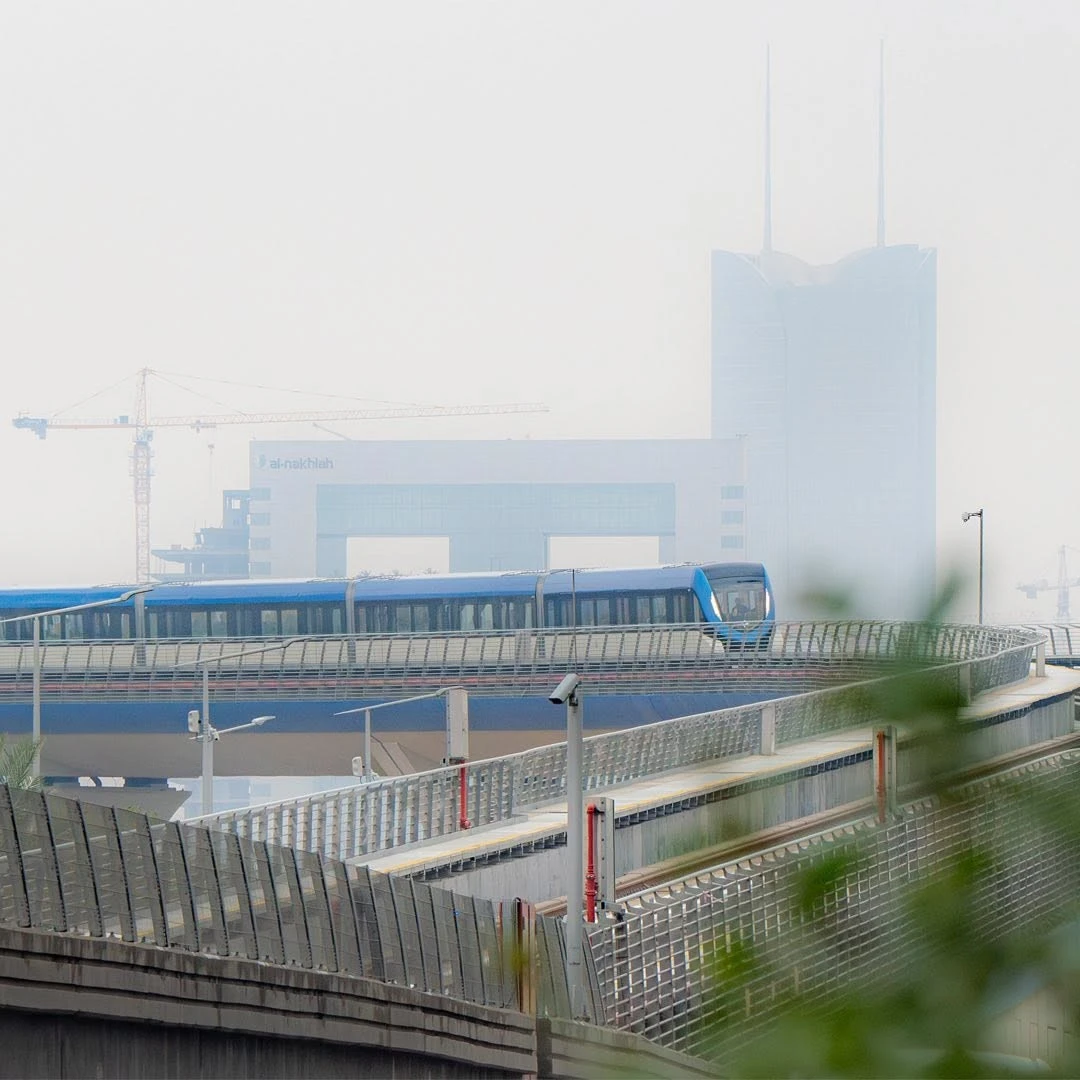
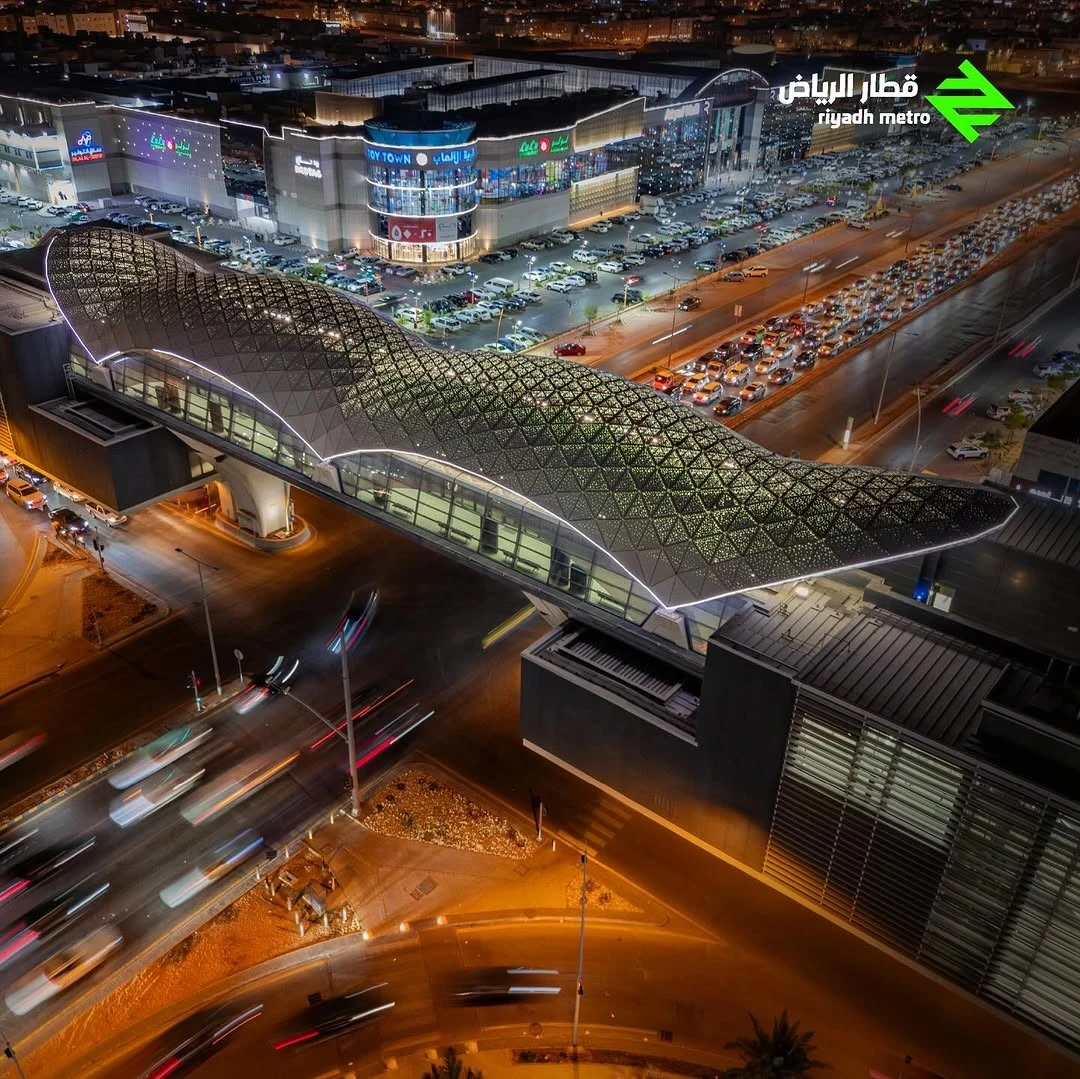
Since its full six-line activation in January 2025, the world’s largest driverless metro system has transformed from a visionary infrastructure project into the primary circulatory system of Riyadh. In the first quarter of operations, the Riyadh Metro confirmed 25 million journeys were made using the network, and the figure has been increasing at a rapid pace ever since.
You Might Also Like: Riyadh Metro secures global record as 'World's Longest Fully Driverless Network'
Ridership Breakdown & Busiest Routes
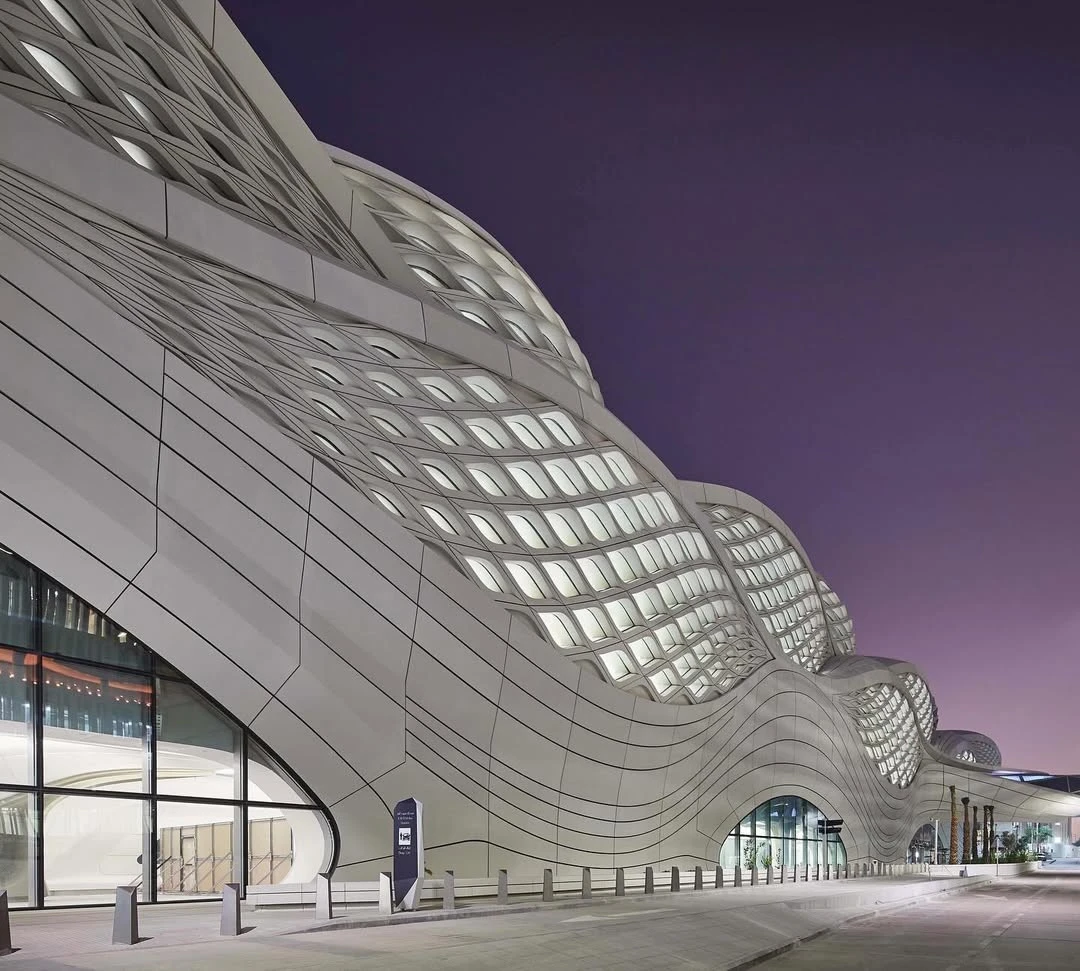
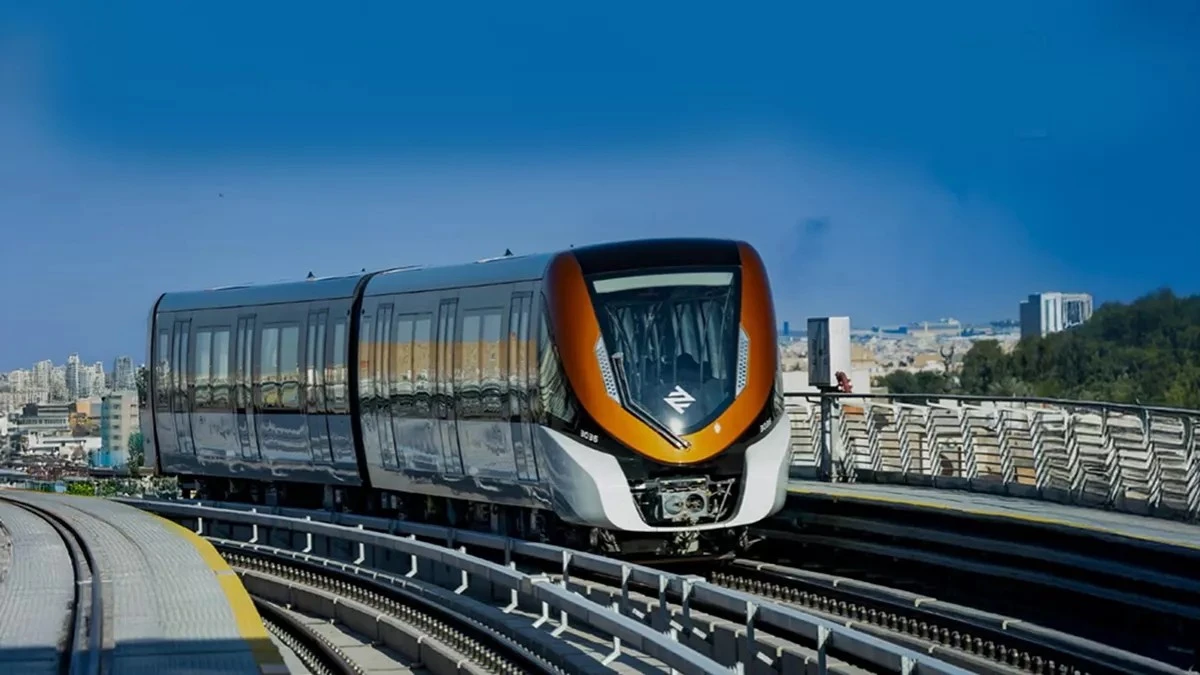
Data released by the RCRC highlights how the city’s geography and accessibility is being reshaped by metro rail. The Blue Line (Line 1), which runs along the high-density Olaya Street axis, continues to be the network's workhorse, accounting for approximately 45% of total ridership. Some of Riyadh Metro's major interchange stations, specifically Qasr Al-Hukm, STC, KAFD, and the National Museum have recorded the highest foot traffic, acting as the primary transition points for the integrated Riyadh Bus 'on demand' system.
Meanwhile other key stations have acted as solid contributors to the 200 million rides milestone include:
- Red Line (Line 2): Serving King Abdullah Road, it accounts for 16% of journeys.
- Orange Line (Line 3): Running along Al-Madinah Al-Munawwarah Road, it follows closely at 14%.
Operational Excellence
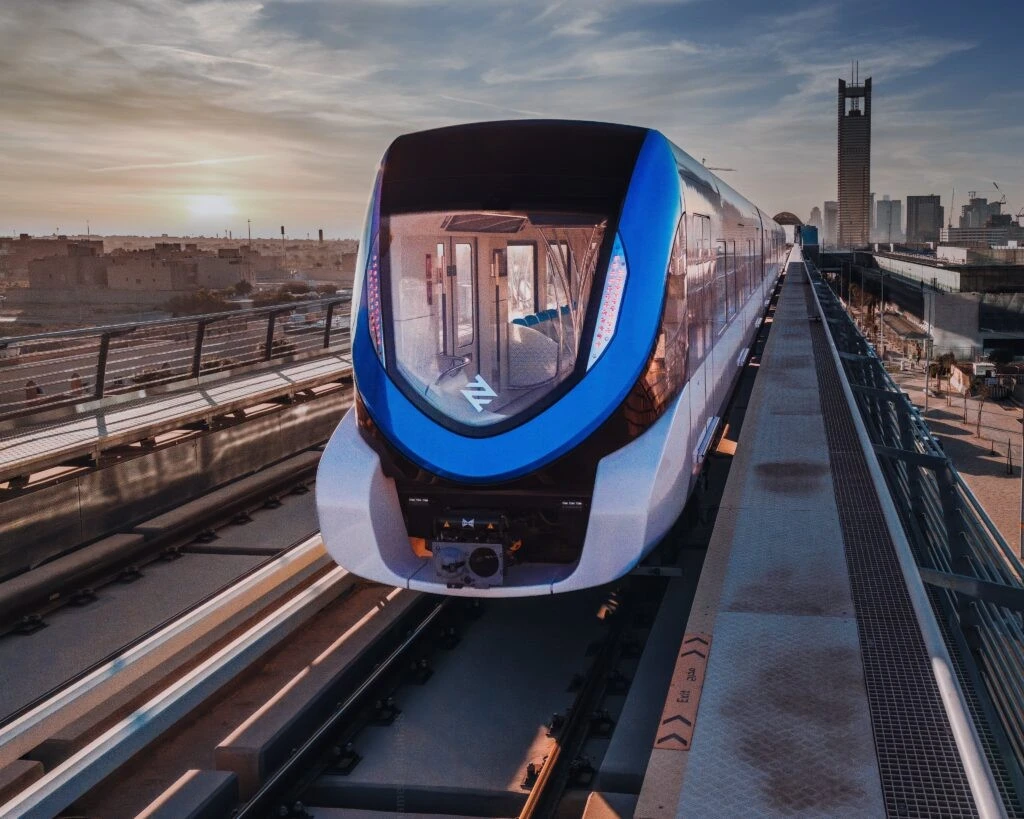
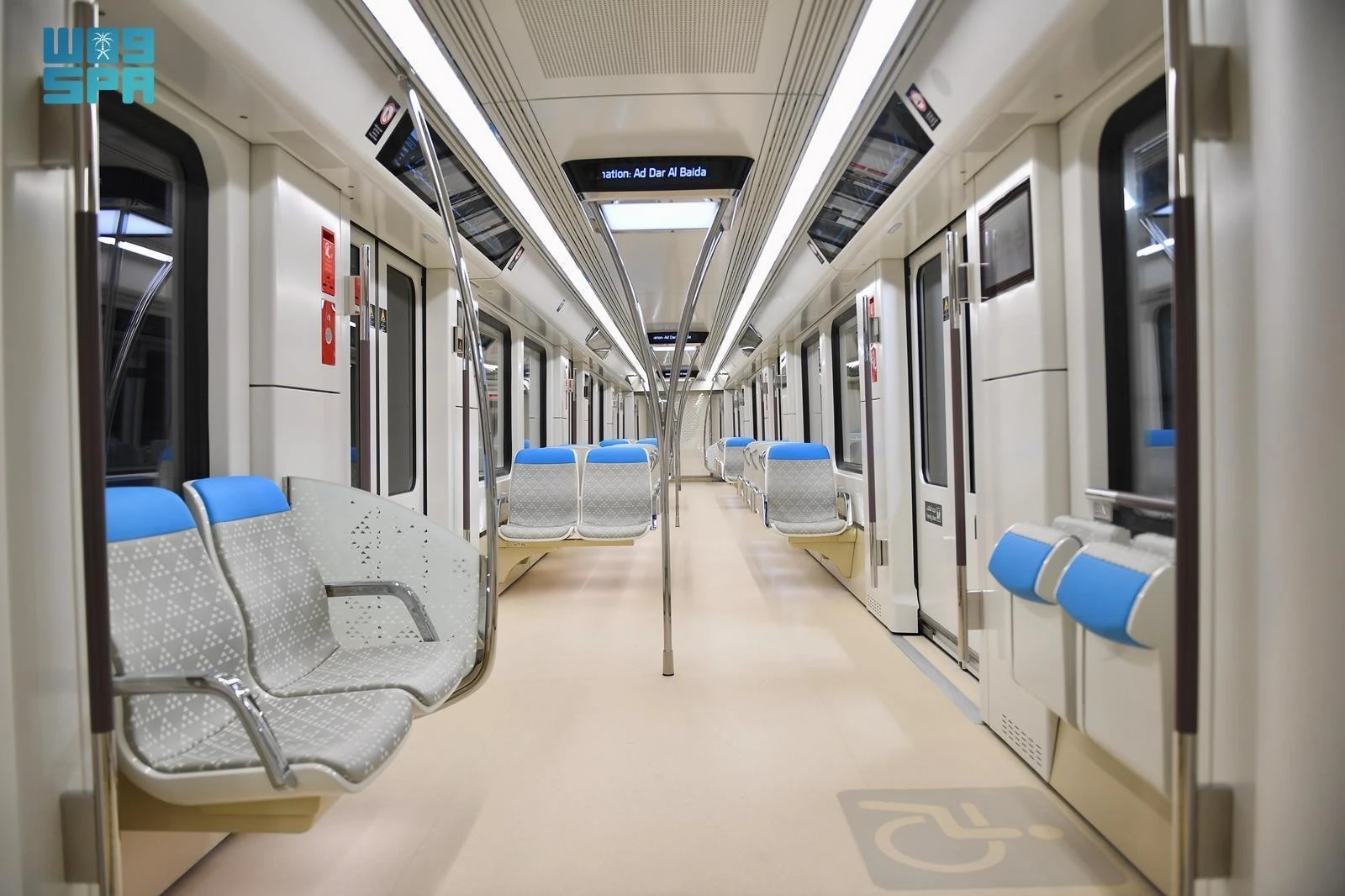
The ridership figures directly reflects a high level of public confidence in the network's efficiency, which has maintained a service reliability rate exceeding 99.8%.
And when looking beyond pure data and statistics, it is clear that the metro’s impact on the city’s environmental footprint is substantial. It is estimated that since its inauguration, the driverless public transit network, has covered over 32.2 million kilometres across 1.13 million trips. With this in mind, it is clear that the relatively new metro system has successfully diverting hundreds of thousands of daily car trips. This transition supports the Saudi Vision 2030 goal of reducing carbon emissions and positioning Riyadh among the top 10 most liveable cities globally.
The implementation of Park-and-Ride facilities, the Darb app for digital ticketing and the integrated bus connections, has streamlined the user experience, making the metro a preferred alternative to the capital's historically congested road network.
You Might Also Like: Which Saudi cities rank on Top Quality of Life Index for 2025?
Metro Line Extension
The 200 million milestone coincides with the next phase of growth for the Riyadh Metro. Construction has officially begun on the Red Line Extension, which is expected to be completed in 2027, and will add 8.4 kilometres of track and five new stations. This project will connect the existing network from King Saud University to the Historic Diriyah and Diriyah Gate development, further expanding the metro's reach into the Kingdom’s premier cultural and heritage sites