
For a long time, Riyadh was off-limits to international tourists, but now the city has thrown itself open and offers a warm welcome to new arrivals. Such enormous changes happening in a short space of time can sometimes make for a confusing mish-mash of guidance for new arrivals.
Worry not! We've got all the tips, advice, dos and don'ts that will help your first trip go smoothly. Here’s everything you need to know about Riyadh before you go, whether you're on a solo trip or visiting with family.
1. There is a lot to see
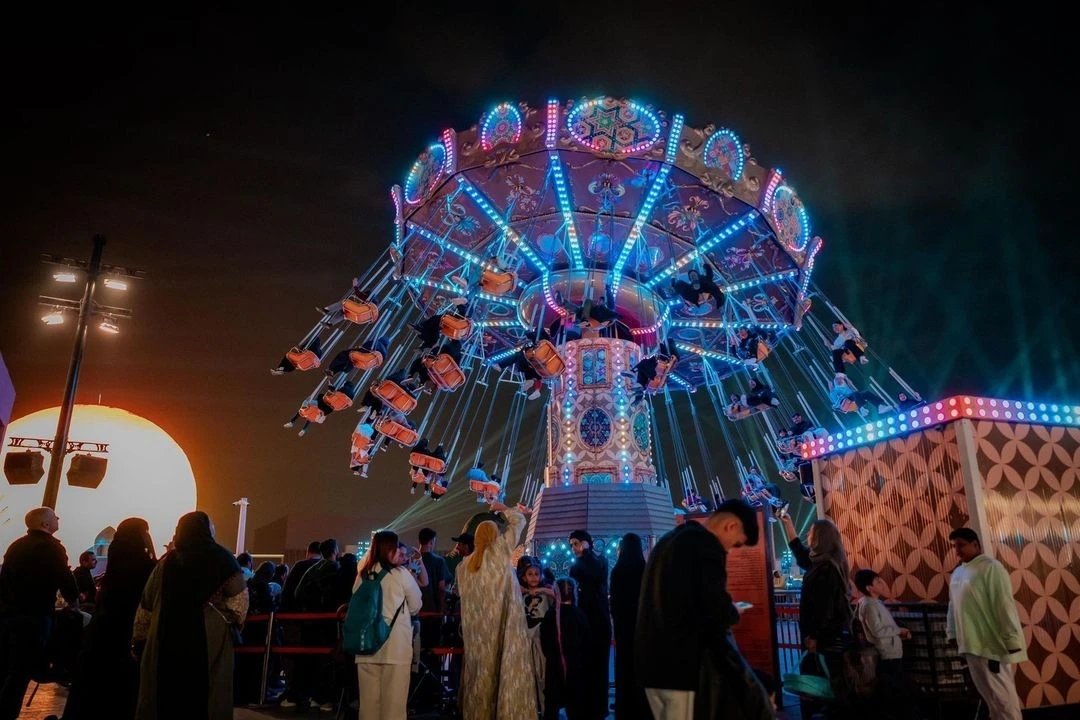
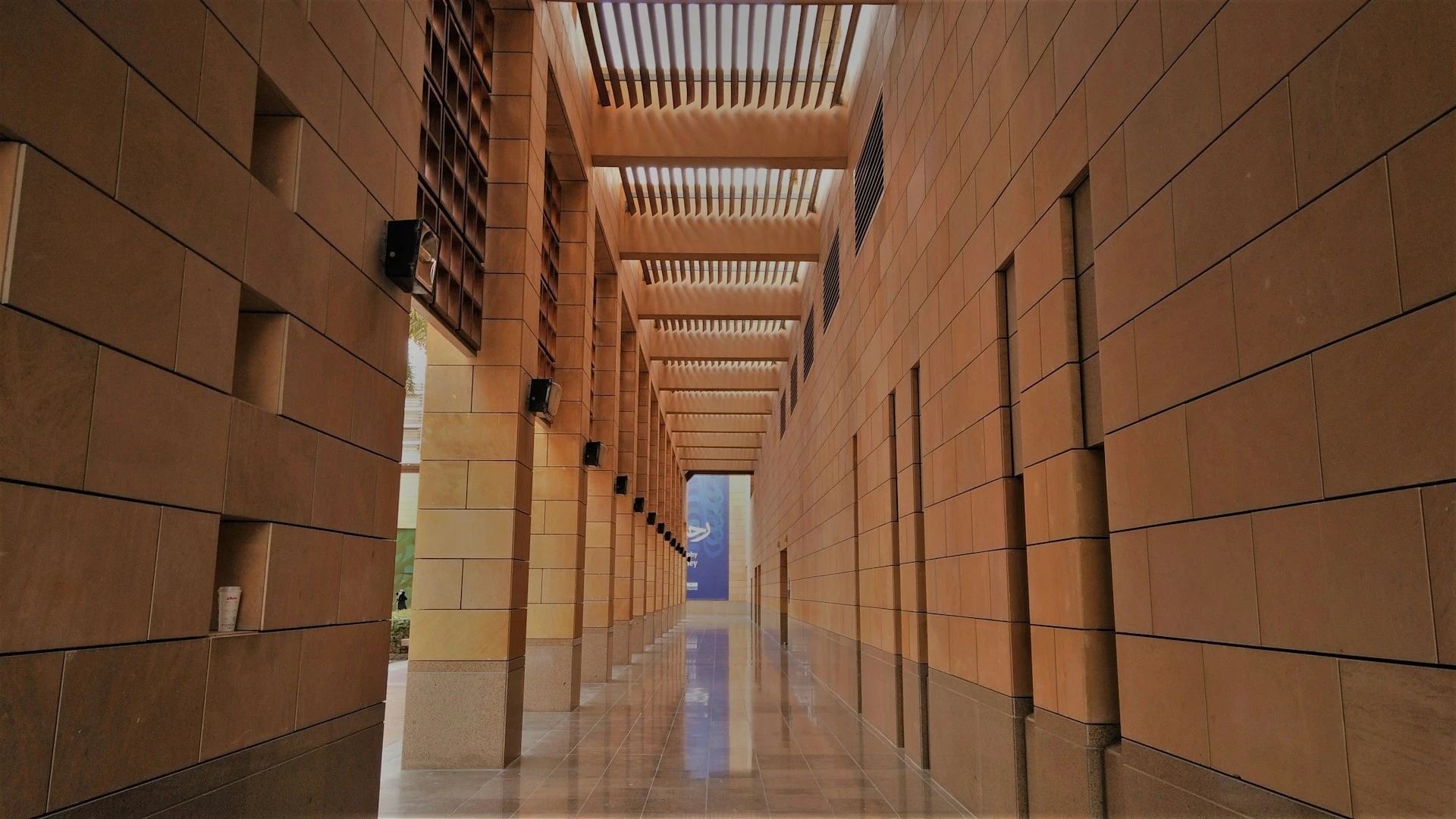
Again, this wasn’t always the case, but Riyadh’s ambitious events schedule alone (Riyadh Season has been an overwhelming success) means that from snooker and UFC to horse racing, there is always something happening in the city. The National Museum and the wider museum district are also wonderful places to explore; the eight-gallery museum itself could take the best part of a day to fully explore. Then there is the shopping: from the street markets and souqs of Al Deira to the malls and outlets of Olaya, anyone who indulges in retail therapy won’t get bored anytime soon.
Read more: Top things to do in Riyadh right now
2. It’s a great base
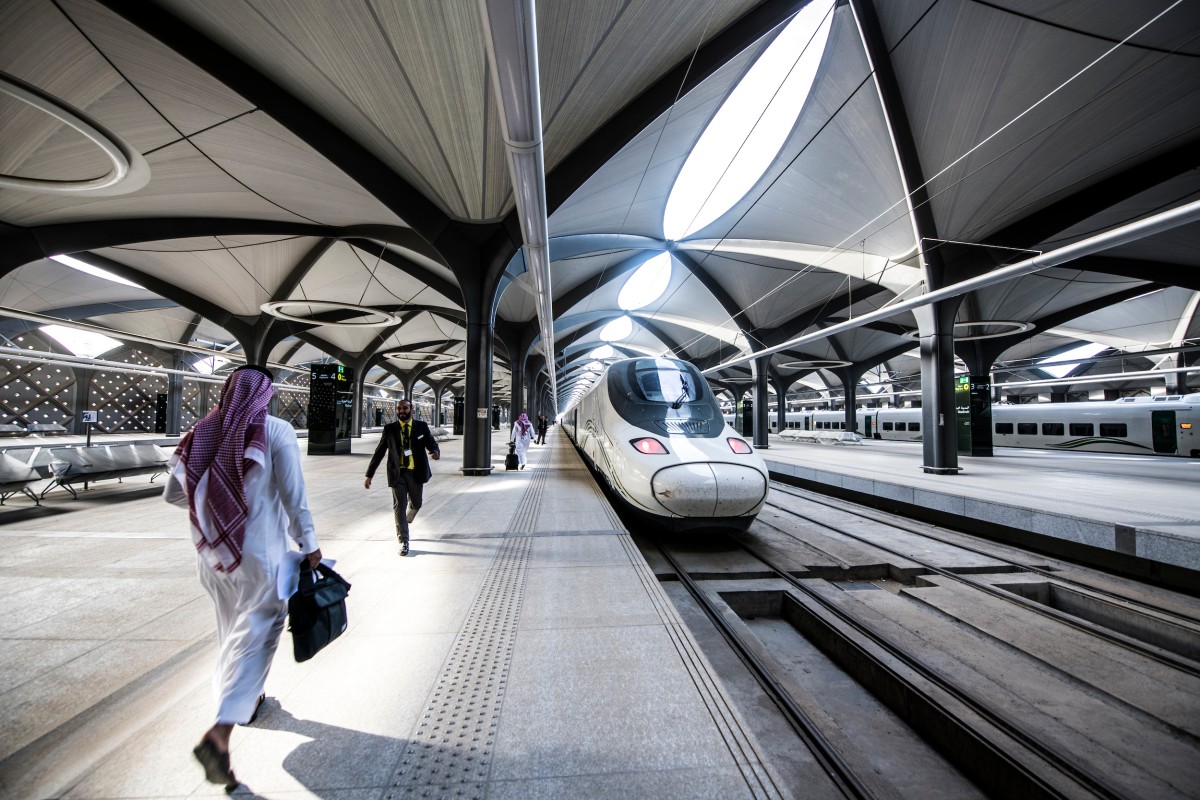
Until very recently, there weren’t many good reasons to use Riyadh as a base for exploring the rest of Saudi Arabia. The natural choice would have been Jeddah, the coastal city on the Red Sea and the Kingdom’s cultural capital. That has now changed – not only is Riyadh closer to some of Saudi Arabia’s most enviable sites, like AlUla, but it also has excellent local and international transport links.
3. The visa process is much easier now
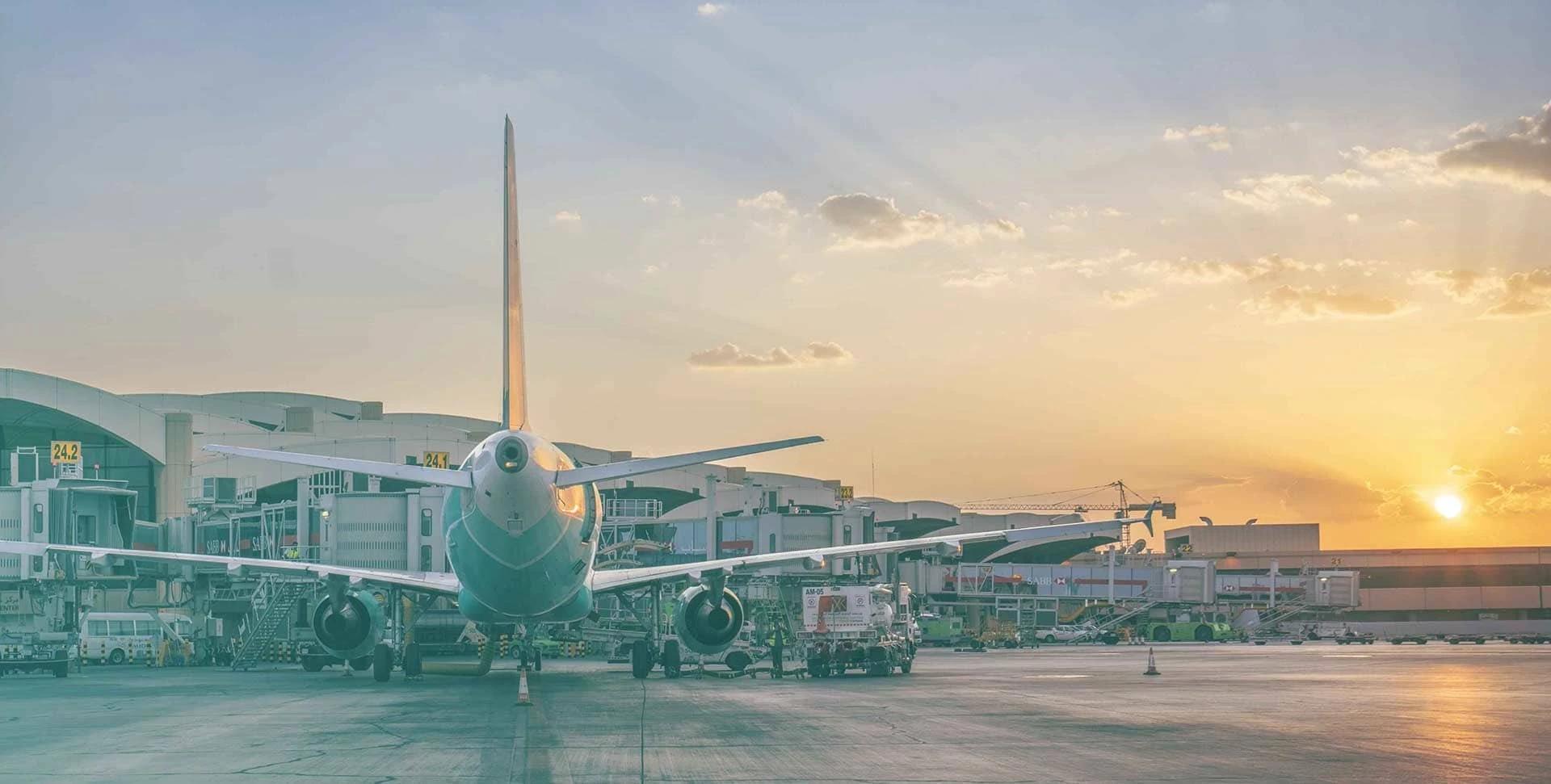
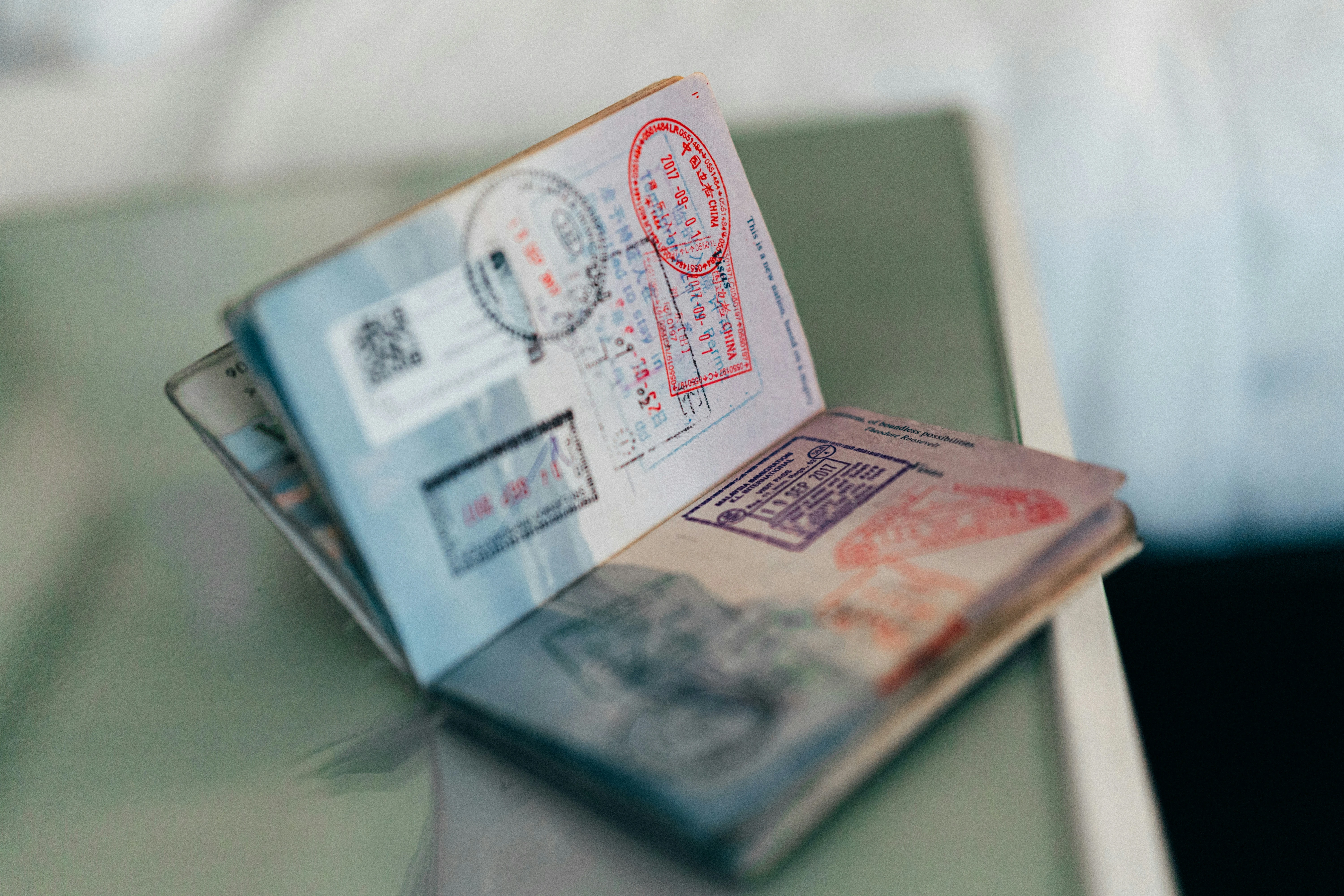
Though obtaining a visa to visit Saudi was a complex situation in the past, the process is now ridiculously easy – a one-year, multiple-entry eVisa can be obtained online before arriving in the country for most European nations, the USA, Canada, New Zealand and Australia. You'll arrive at the gleaming, modern King Khalid International Airport, be greeted with a smile, and find yourself enjoying the city's attractions in no time.
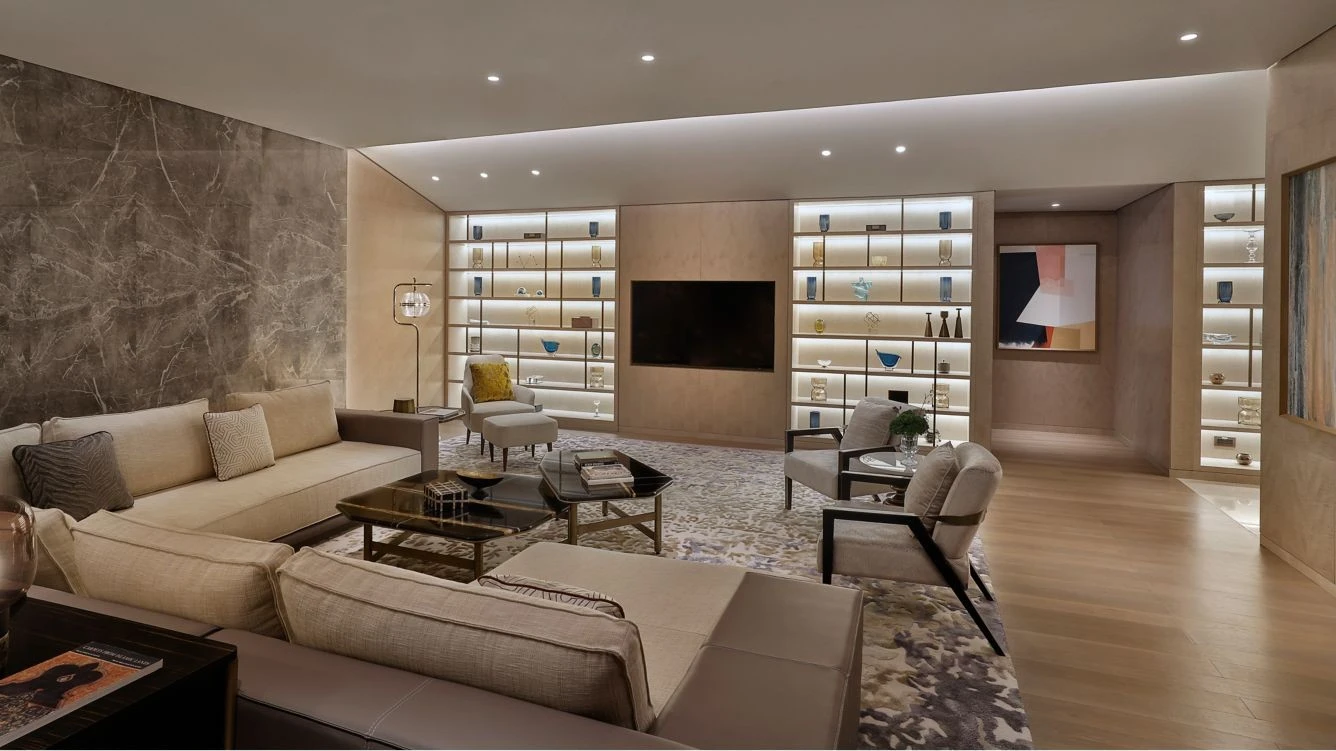
It is now legal for unmarried couples to share a hotel room in Saudi Arabia, so you’ll have no issues sharing the same room as your partner in Riyadh. That said, it’s important to respect local etiquette and culture, so public displays of affection should be kept to a minimum. Holding hands with your partner is absolutely fine, but more demonstrative displays are not the norm between couples.
5. Respect the local dress code
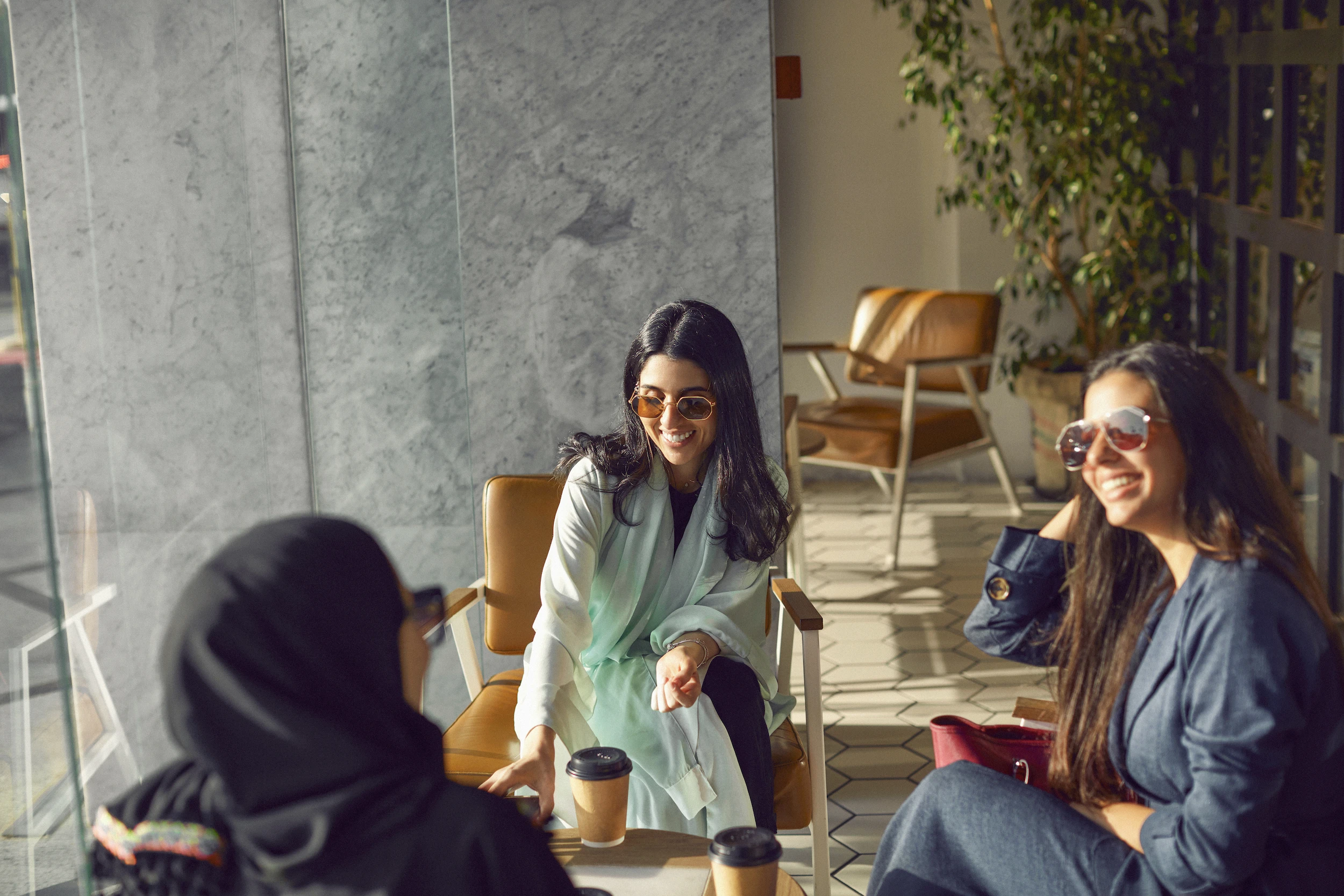
A modest standard of dress is the norm for both men and women in Riyadh. The city is a long way from the beach, so men should leave their shorts in the suitcase and opt for long sleeves when possible. The same applies to women travellers, who may also want to bring a scarf or shawl to wear inside mosques as a mark of respect. A cover-up also comes in handy when you move from the hot outdoors into chilly air-conditioned spaces.
6. Learn a bit of Arabic
If you want to say hello in Saudi Arabia you can say, “A’salam alaikum” (Peace be upon you), the reply to which is “Alaikum a’salam”. You can also use “Marhaba”, which means welcome. To say goodbye, you will mostly hear, “Ma'assalam”. In Riyadh, you will find a great deal of English spoken – many Saudis are educated in British and American schools, and the huge subcontinental diaspora from India and Pakistan also tends to speak good English. But it would be greatly appreciated if you made the effort to learn a few words.
7. It can get very hot
Unless you like extreme heat, most visitors should avoid travelling to Riyadh in the peak summer months of July and August. Temperatures are routinely over 40°C, humidity is in the high 80s, and cities like Riyadh swelter.
However, like elsewhere in the Arabian Gulf, Riyadh is built for the heat and in most malls, hotels and public transport, air conditioning is ramped up (to the extent that you may actually want to pack a sweatshirt for indoors). But if you plan to hike or spend any serious time outdoors, avoid the summer.
8. Ramadan can be difficult if you’re not Muslim
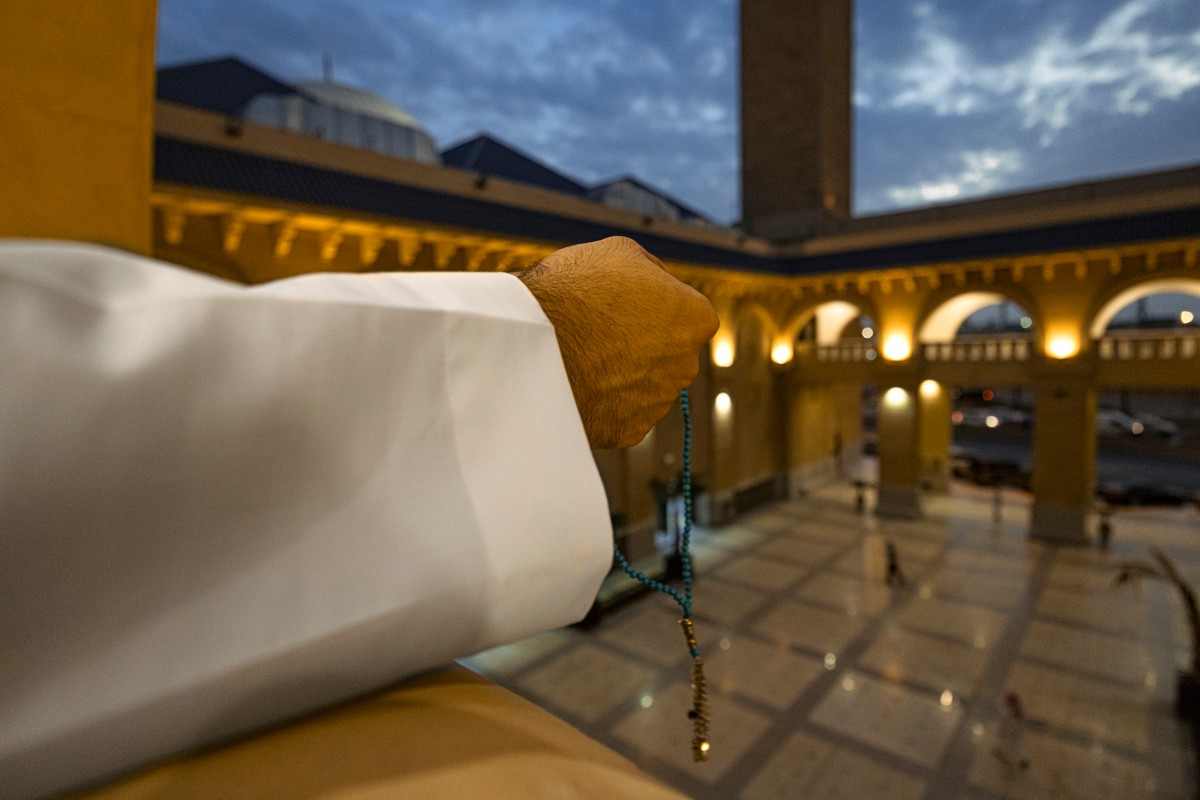
Since it is based on the lunar calendar, Ramadan is 11 days earlier every year, so the timing varies. For Muslims, Ramadan can be an exciting and deeply spiritual (as well as extremely busy) time to visit the birthplace of Islam. For those not participating, it is important to be mindful: you should not eat or drink anything in public between sunrise and sunset, and many sights and most restaurants will be closed. However, Iftar meals after sunset are wonderful community gatherings.
9. You can’t drink alcohol in Riyadh
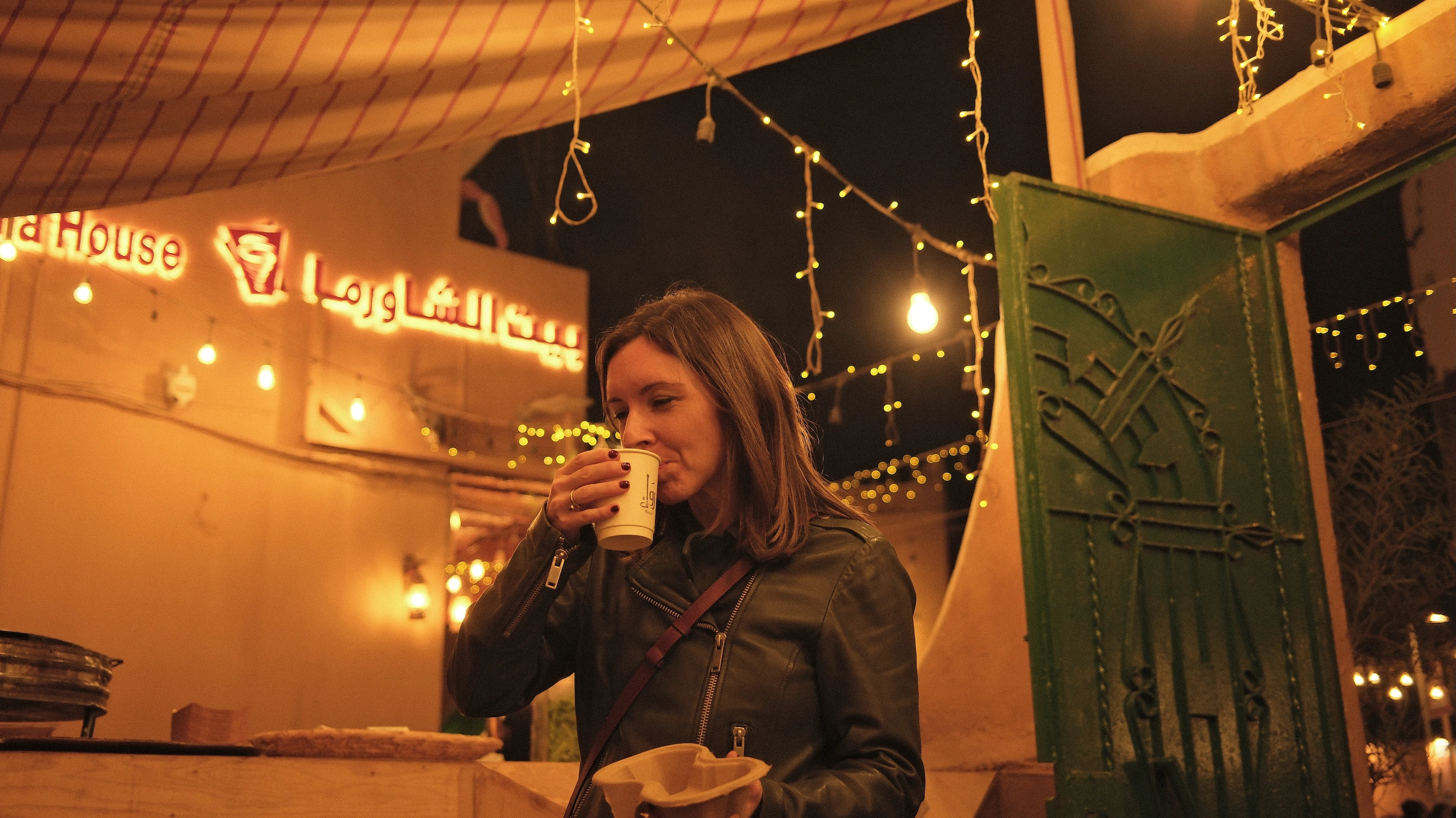
Alcohol is illegal in Saudi Arabia, and you are not likely to come across it. However, don’t make the mistake of assuming no alcohol means no nightlife. Riyadh has a thriving social scene after dark, and you’ll have no shortage of things to do while you’re here. Many restaurants have a wide variety of delicious mocktails on offer to pair with your food, and there's a vibrant social scene at late-night coffee shops around the city.