

It now goes without saying that the Middle East has firmly established itself at the frontier of luxury and ultra-luxury hospitality.
In a region where the standard for luxury is constantly being rewritten, standing still is not an option, even for some of the more internationally renowned hotels. Dubai's, and indeed the region's burgeoning hospitality sector, has been forced to adopt a philosophy of perpetual evolution. As the city matures into a global capital of commerce and leisure, the pressure to innovate and keep up has never been higher.
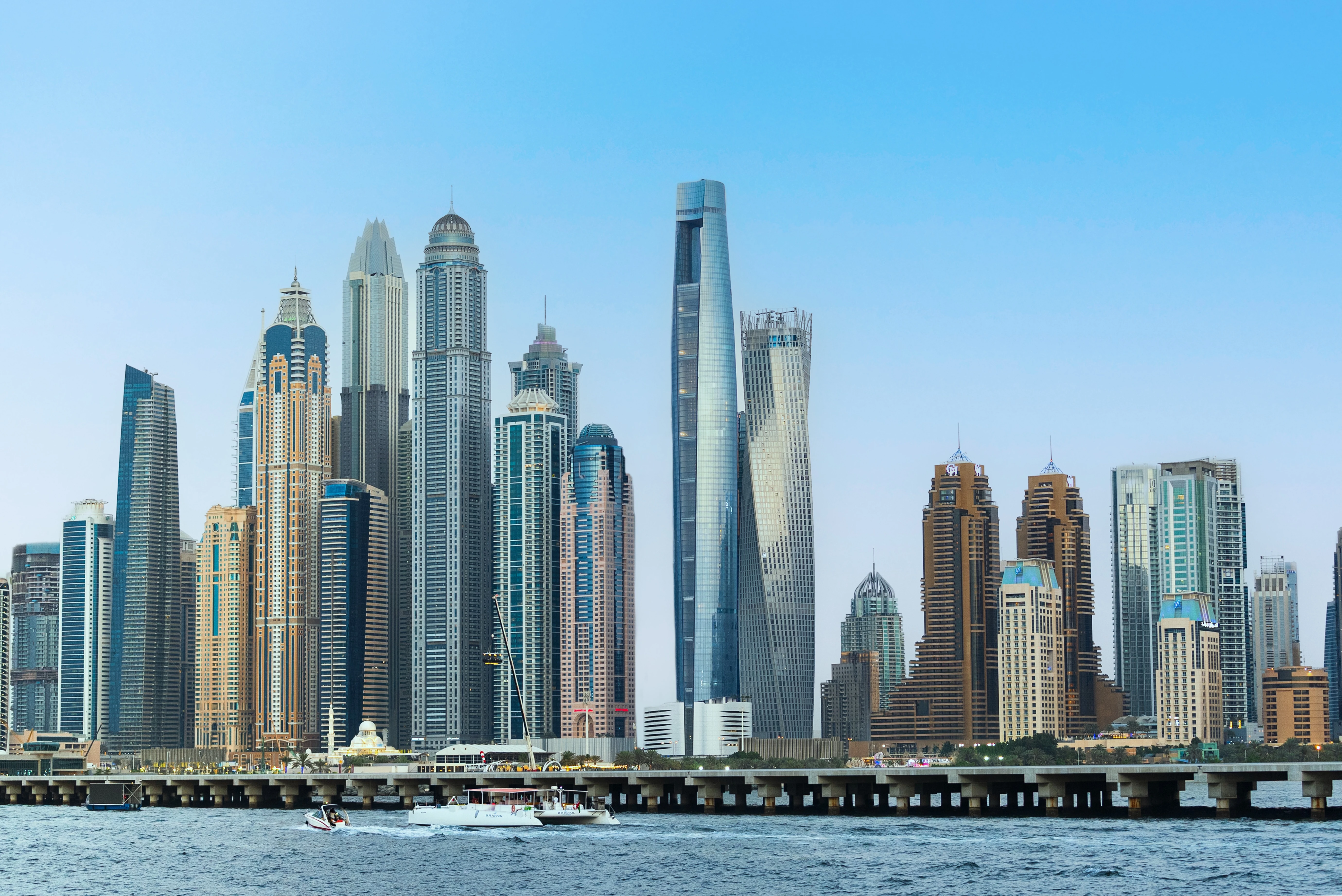
For the most established names in the industry, staying relevant in this hyper-competitive hospitality landscape requires more than just service excellence; it requires a physical reinvention. This summer, several of the city's landmark properties are stepping out of the spotlight, choosing to undergo extensive refurbishments to meet the sophisticated demands of the modern traveller.
You Might Also Like: The List Awards 2026: Best in luxury urban hotels
The Strategy of the Sweeping Seasonal Pause
In Dubai, the decision to close a property entirely rather than renovating in phases is a calculated move toward maintaining the guest experience. By shutting doors during the warmer summer months where footfall and international tourist numbers are at their lowest, hotels can execute major structural and aesthetic overhauls without the intrusive noise or logistical hurdles of active construction near guests. This "refresh" cycle is essential for properties that have defined the skyline for decades, ensuring they can compete with the influx of new, high-tech openings scheduled for 2026 and beyond.
Anantara World Islands Dubai Resort
Unfortunately, not all closures carry the promise of a return. Anantara World Islands Dubai Resort permanently closed on April 10, 2026, with operator Minor Hotels, confirming the decision was taken in alignment with the owning entity, Seven Tides Ltd., following careful consideration. The resort had been positioned as a private island retreat within Dubai's World Islands development. Its closure marks the end of a chapter for the relatively ahead of its time project.
Armani Hotel Dubai
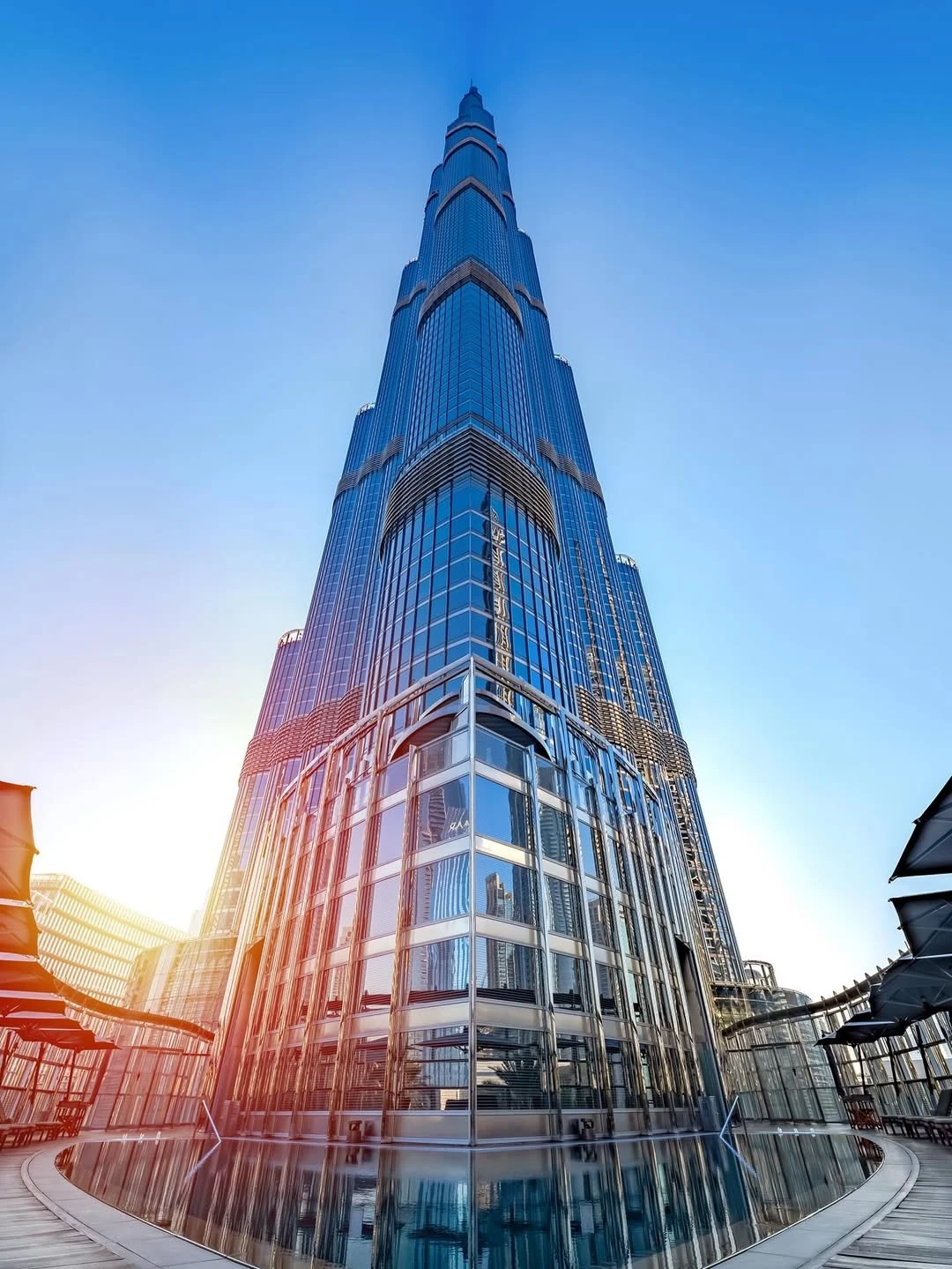
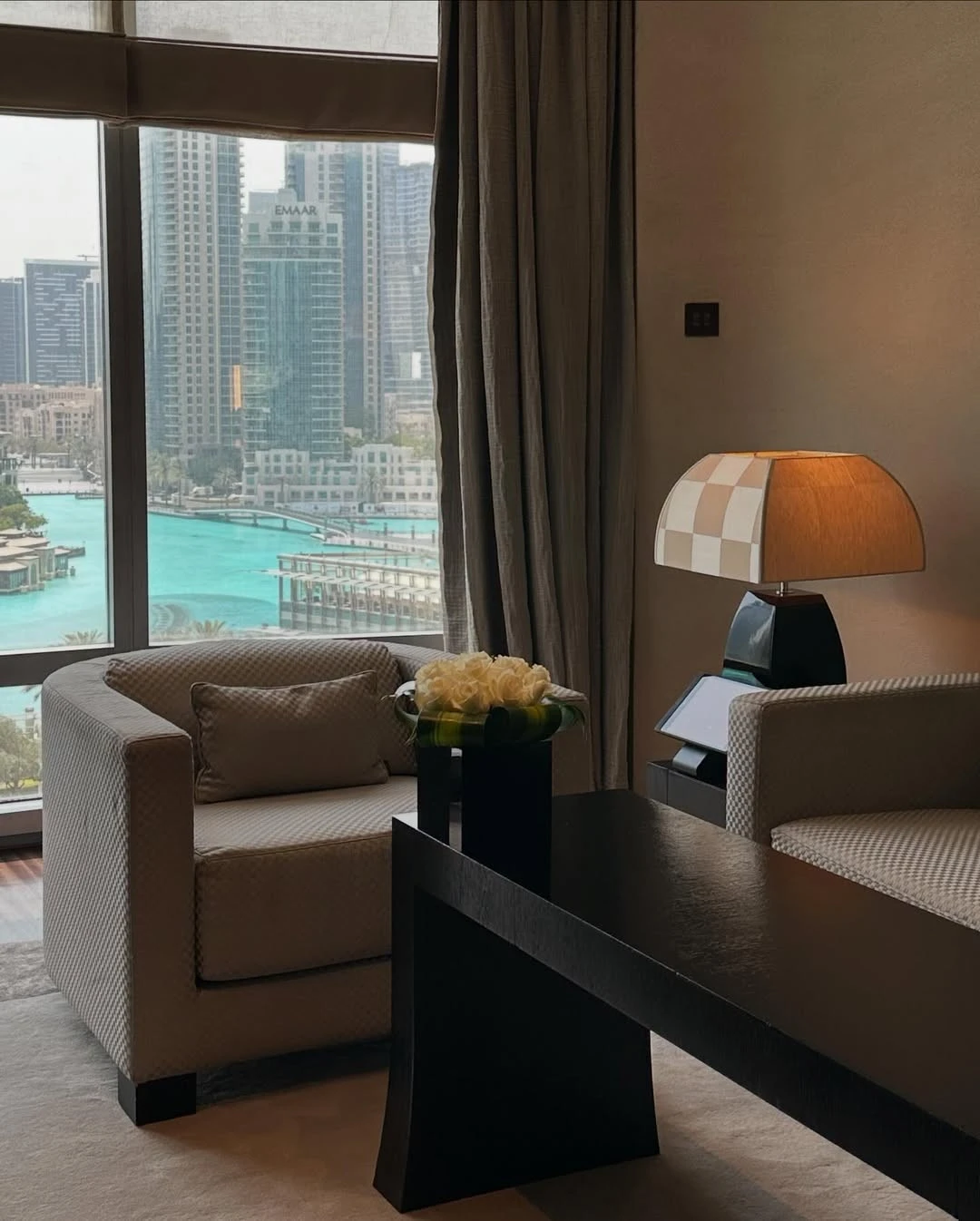
Located inside Dubai's tallest and most famous building (the Burj Khalifa), the Armani Hotel Dubai closed on 1 April 2026 for a comprehensive, full-scale refurbishment, with a planned slated for Q4 2026. The brand described the programme as crafting "the next evolution of Armani hospitality — one that remains true to our iconic style, yet reimagined for the future." The planned works involve a full-scale upgrade spanning design and guest experience.
Jumeirah Burj Al Arab
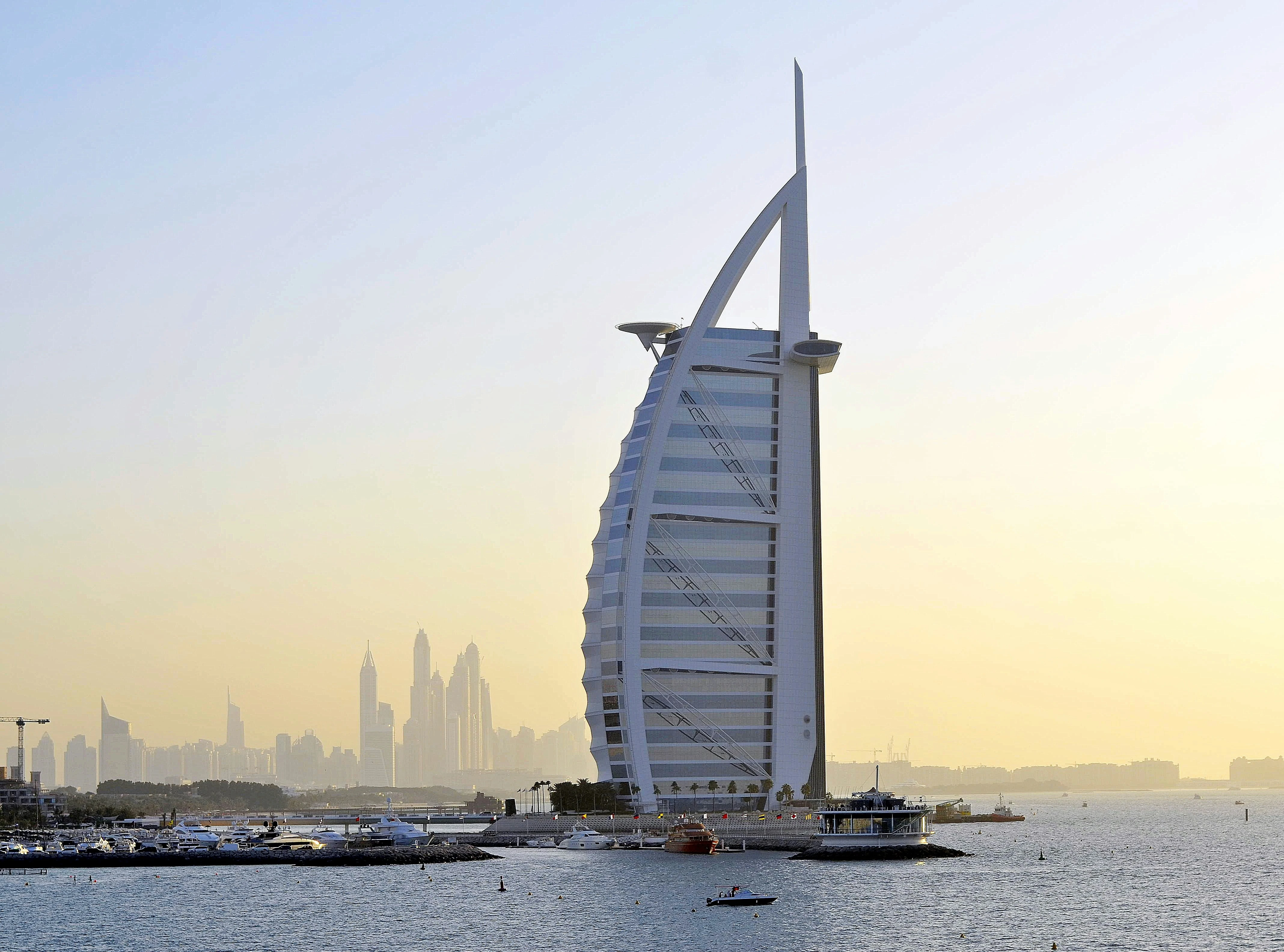
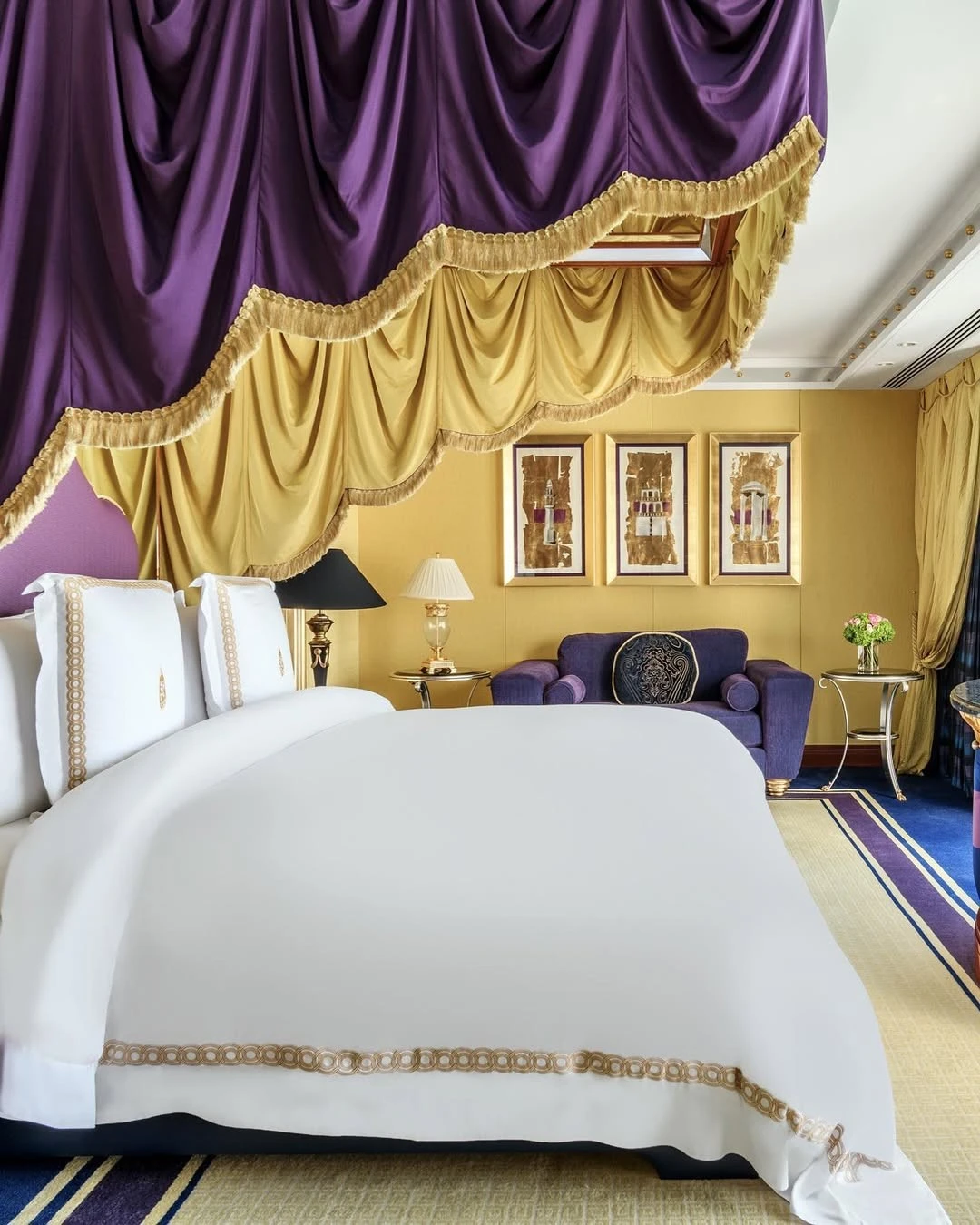
Jumeirah Burj Al Arab will close for around 18 months as it undergoes its first major restoration since opening in 1999. The programme, led by French interior architect Tristan Auer — whose previous work includes the celebrated restoration of the Hôtel de Crillon in Paris — marks the hotel's first major renovation since opening, with reopening expected in late 2027. The focus, Jumeirah has stated, is on preserving the property's extraordinary character while elevating every guest-facing element. The hotel's award-winning restaurants and facilities will also remain currently closed for the duration of the renovation.
Read more about the Jumeirah Burj Al Arab renovations, right here
@jumeirahburjalarab
Park Hyatt Dubai
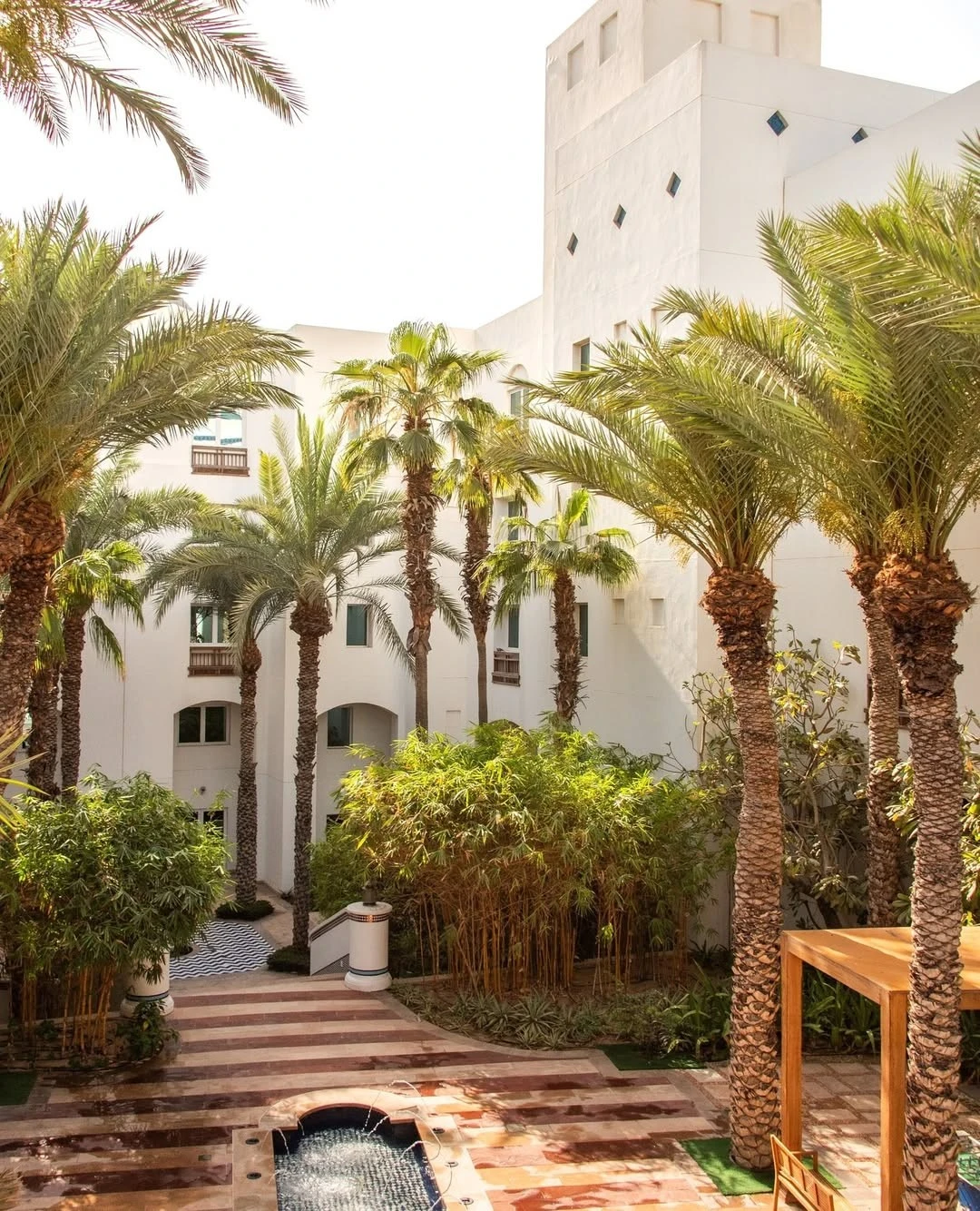
Park Hyatt Dubai has announced it will temporarily close from May 2026 as it enters the final phase of a long-running renovation. The property, beloved for its waterfront position along Dubai Creek, has been undergoing upgrades in stages, with this final closure completing a transformation first announced in 2021. General Manager Ersev Demiroz said the final phase of upgrades had been "carefully planned over time, allowing us to enhance and elevate the experience while staying true to what makes the property so special." The hotel's popular dining venues including NOÉPE and The Thai Kitchen are also closed, though select outdoor spaces remain open for now.
The St. Regis Dubai, The Palm
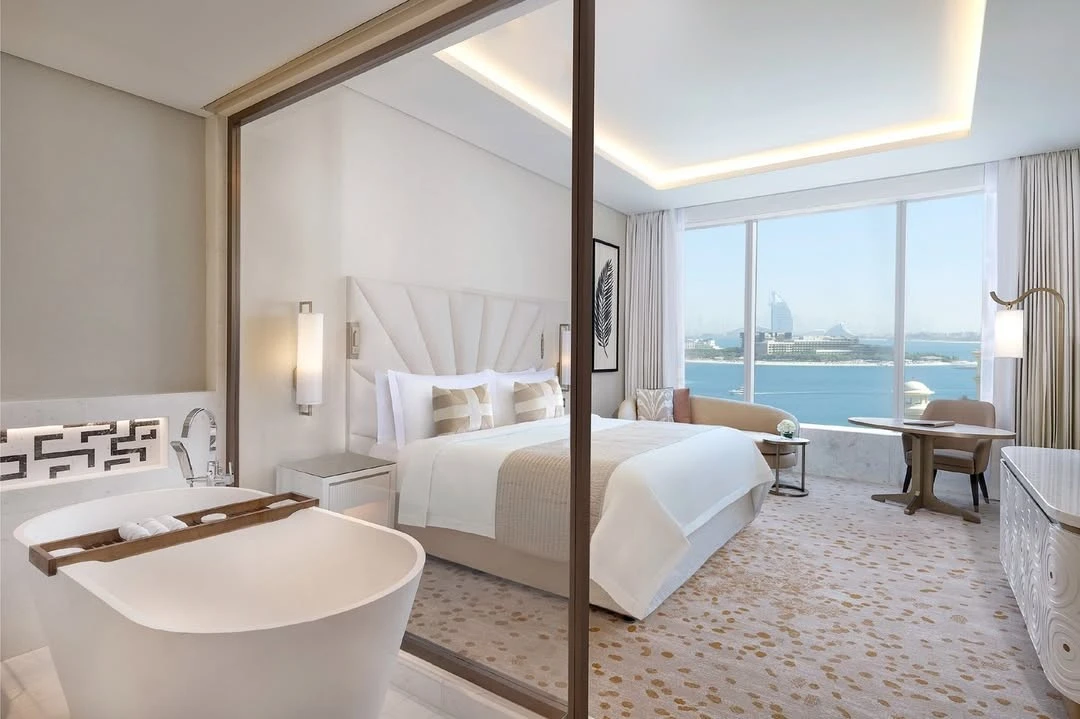
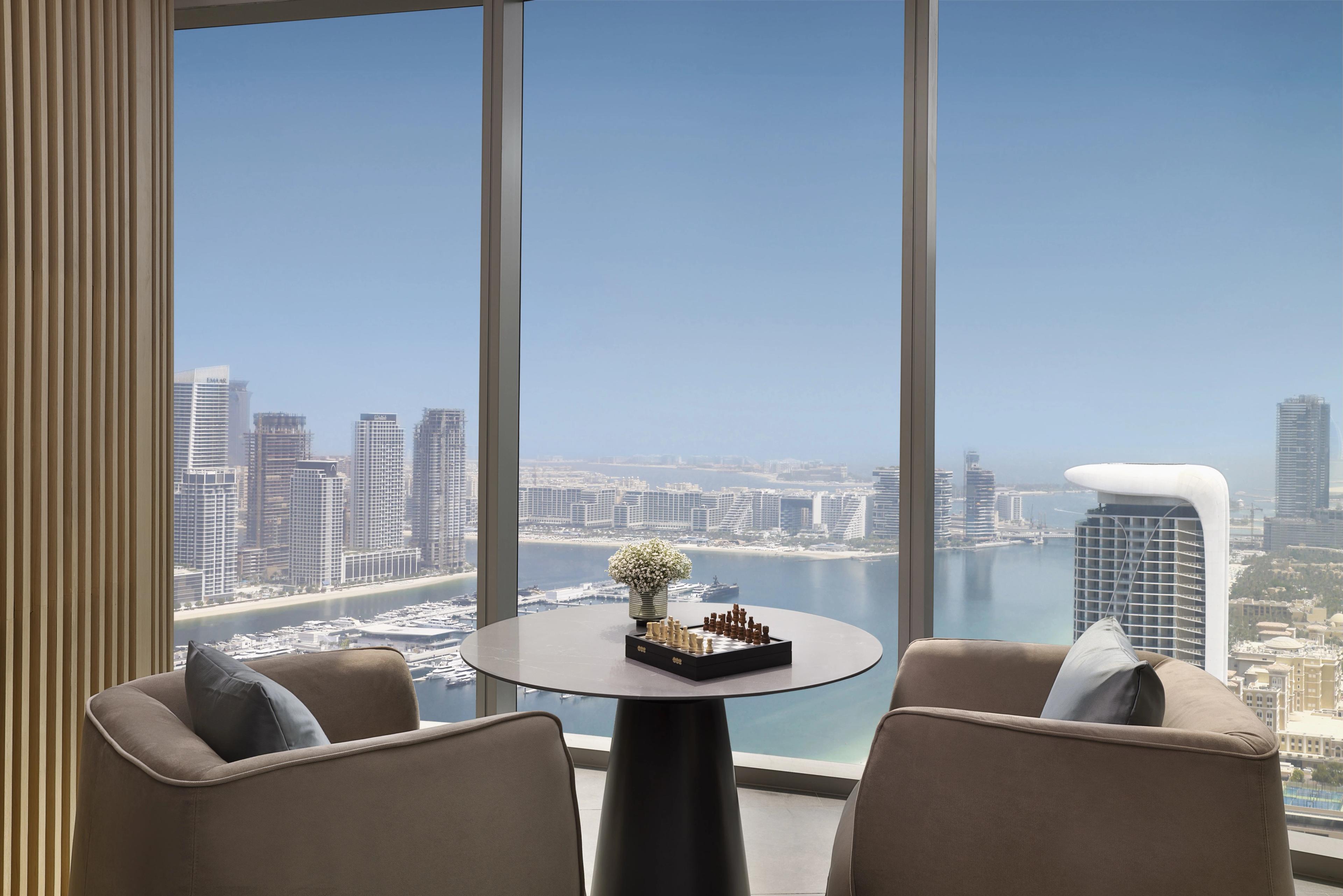
The St. Regis Dubai, The Palm took its rooms offline in mid-April 2026, with renovations set to take place until August 31, 2026. The hotel is adopting a phased approach to its refurbishment. However both residents and tourists will delight in the news that both SushiSamba and Aura Skypool sitting atop the St. Regis Dubai building will remain open and operational throughout these renovations and updates.
JW Marriott Marquis Hotel Dubai

Similar to other venues in Dubai, JW Marriott Marquis Hotel Dubai is making the most out of a slower time period due to regional tensions, and have launched a major renovation programme. The upgrade will see all 1,608 guest rooms and suites redesigned, alongside enhancements to the hotel's two executive lounges and a full transformation of several signature dining venues including Prime68, Vault, and Kitchen6. Tower A will close for renovations until April 2027, before work moves to Tower B by the end of 2027.
Radisson Blu Hotel, Dubai Media City
Radisson Blu Hotel Dubai Media City will close on April 30, 2026 for a planned renovation, with catering services continuing through to the end of the year. The closure also aligns with the hotel's broader transition, as it is expected the location will reopen under a different operator group from 2027.
What This Means for Travellers & Hoteliers
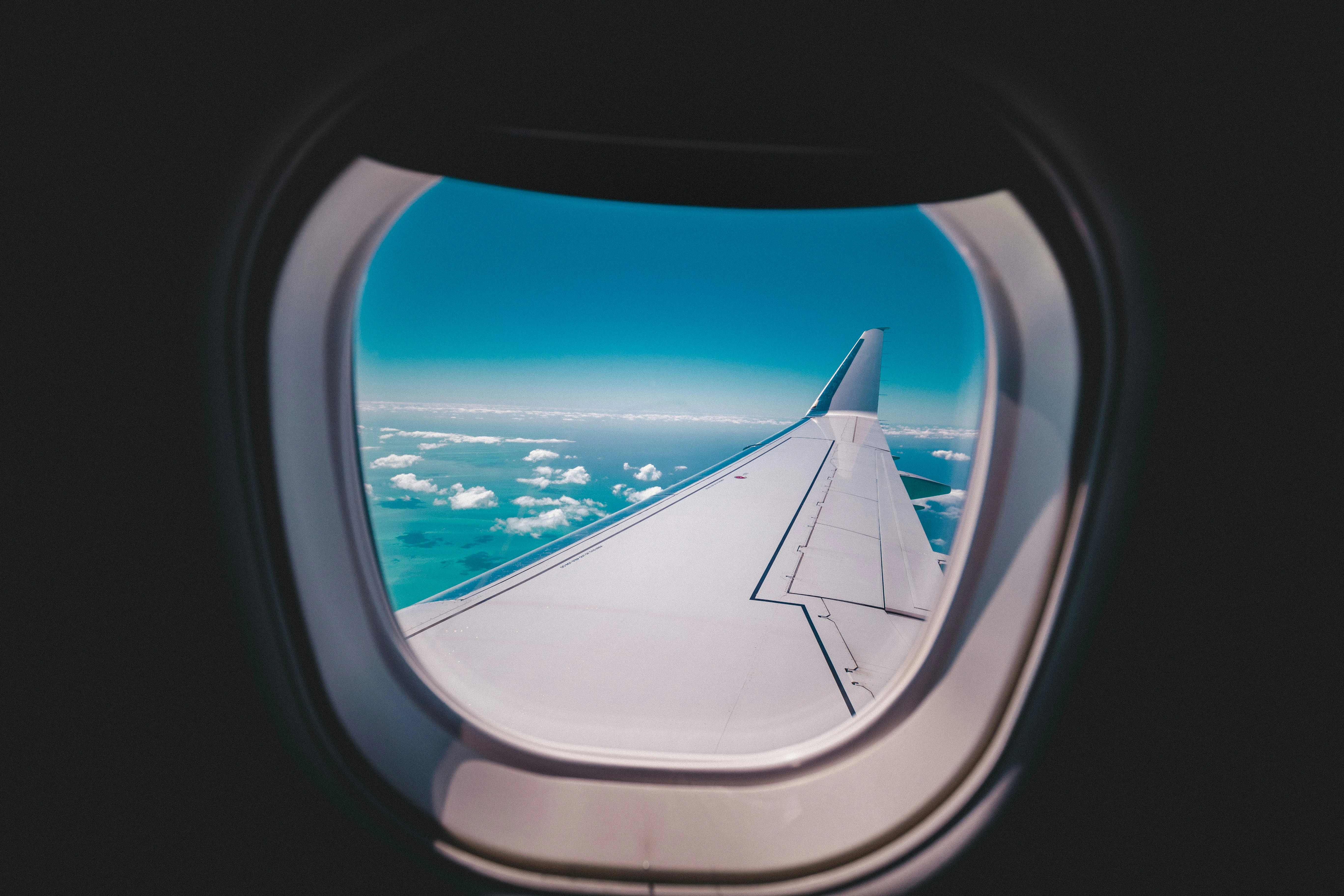
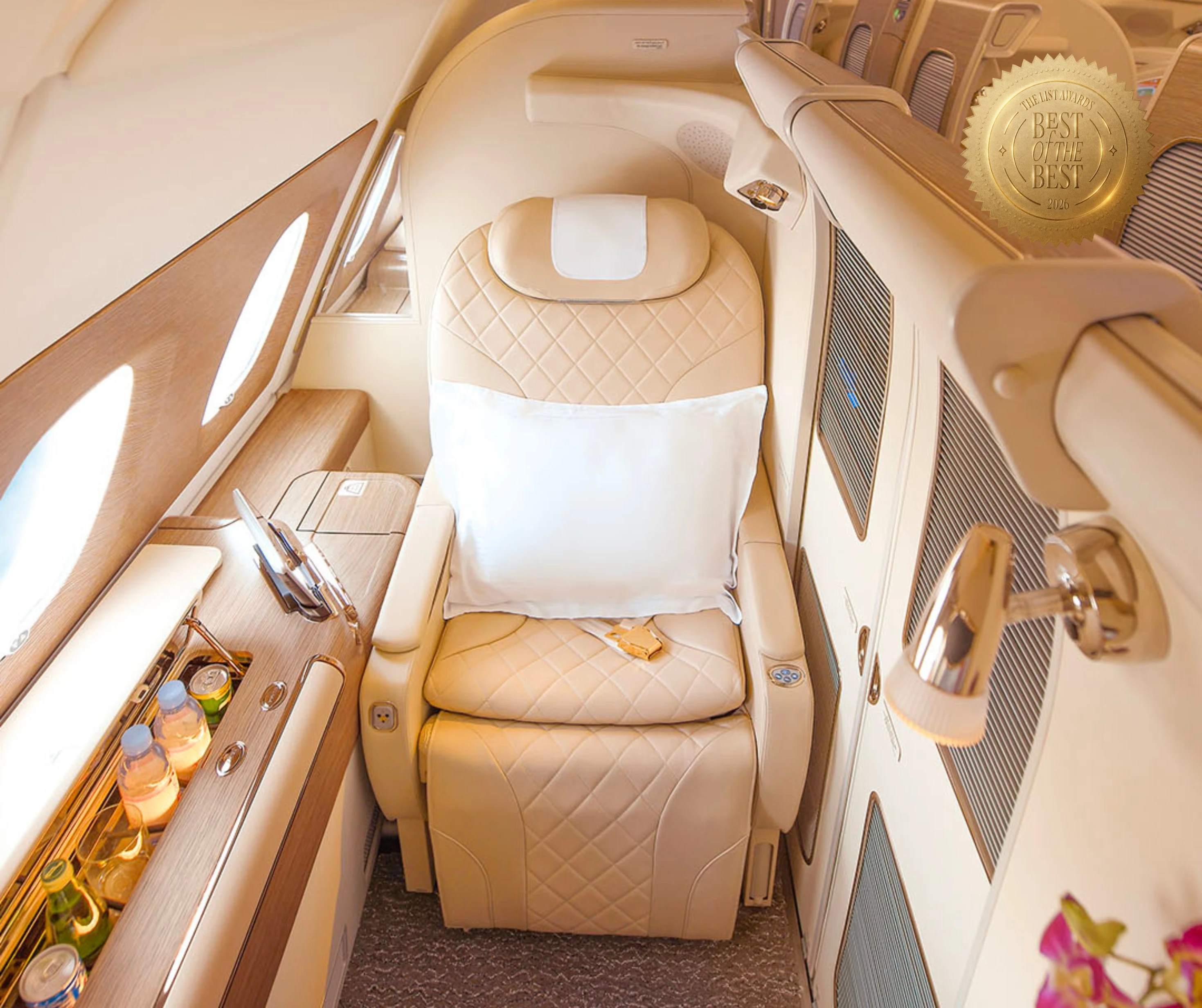
For locals, residents, and international travellers, the magnitude of this time is undeniable — ushering in both a challenging and transformative era for the region's hospitality and tourism landscapes.
Earlier this quarter, CoStar released data which showed that Dubai hotel occupancy had fallen to 36.2% in March, compared with 71.4% in the same month last year. Whilst fresh data from Moody’s Analytics highlights a significant shift in Dubai’s hotel market, with occupancy rates forecast to fall from February’s 80% to just 10% in the second quarter of 2026. The firm expects occupancy to remain below February’s baseline for the remainder of 2026, noting that a return to pre-conflict levels is unlikely before early 2027 due to lingering traveler hesitancy even after hostilities cease.
With this significant dip in occupancy, and the closing in of the slower summer months, many of the emirate's hotels and hoteliers have chosen to treat the quieter period and use this moment as an opportunity to accelerate long-planned refurbishments, rather than absorb the losses of operating at reduced capacity. It is a strategy that echoes the industry's response during the pandemic years, and one that the most astute operators have used before.
For the traveller planning ahead, the message is straightforward: Dubai's most celebrated addresses are not diminishing — they are being returned to the world in finer condition than before. The city that built itself on spectacle is now doing something quieter, and in many ways more impressive: investing, patiently and at enormous expense, in its own future.
What is certain, the doors will re-open. And when they do, they will open onto something better.