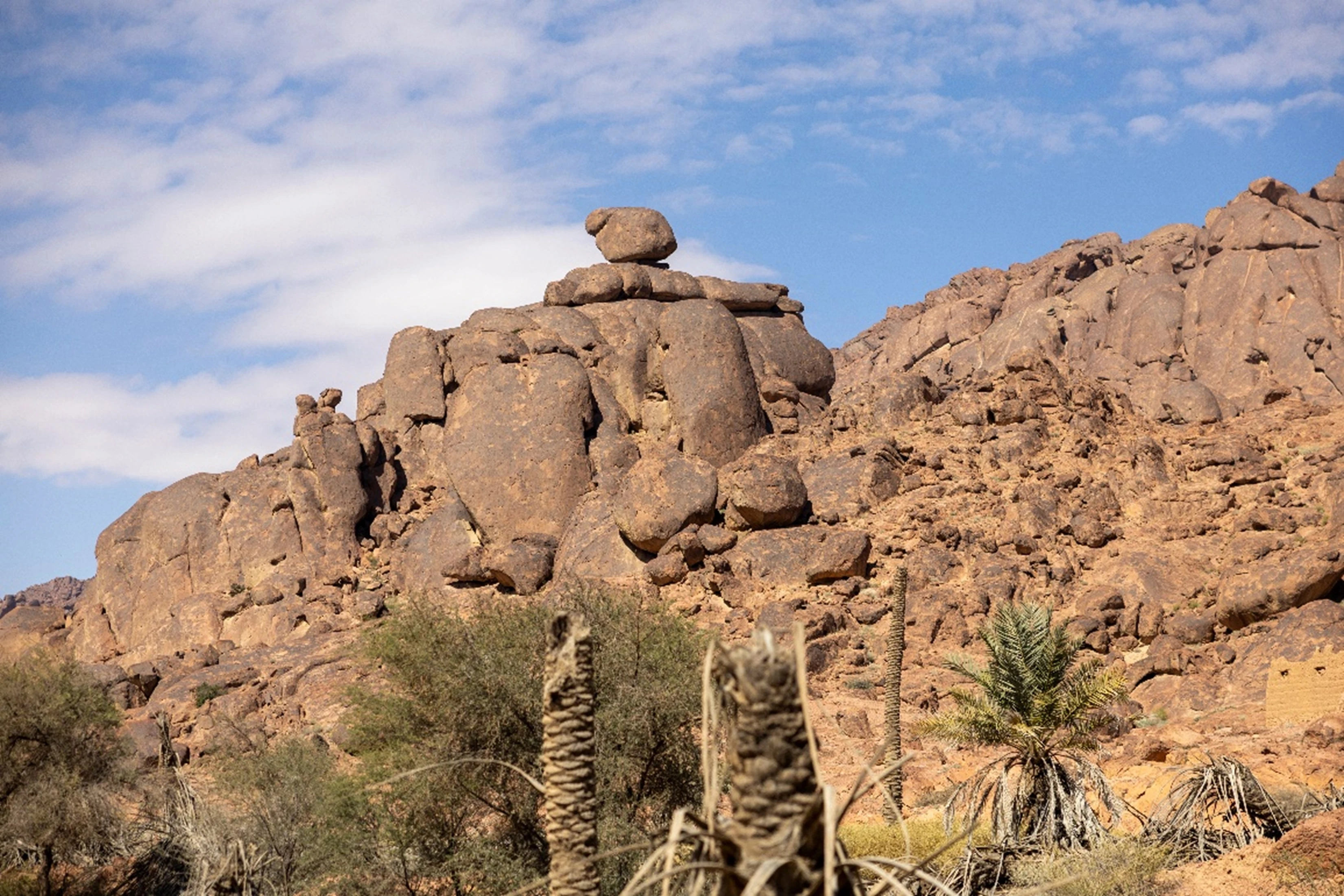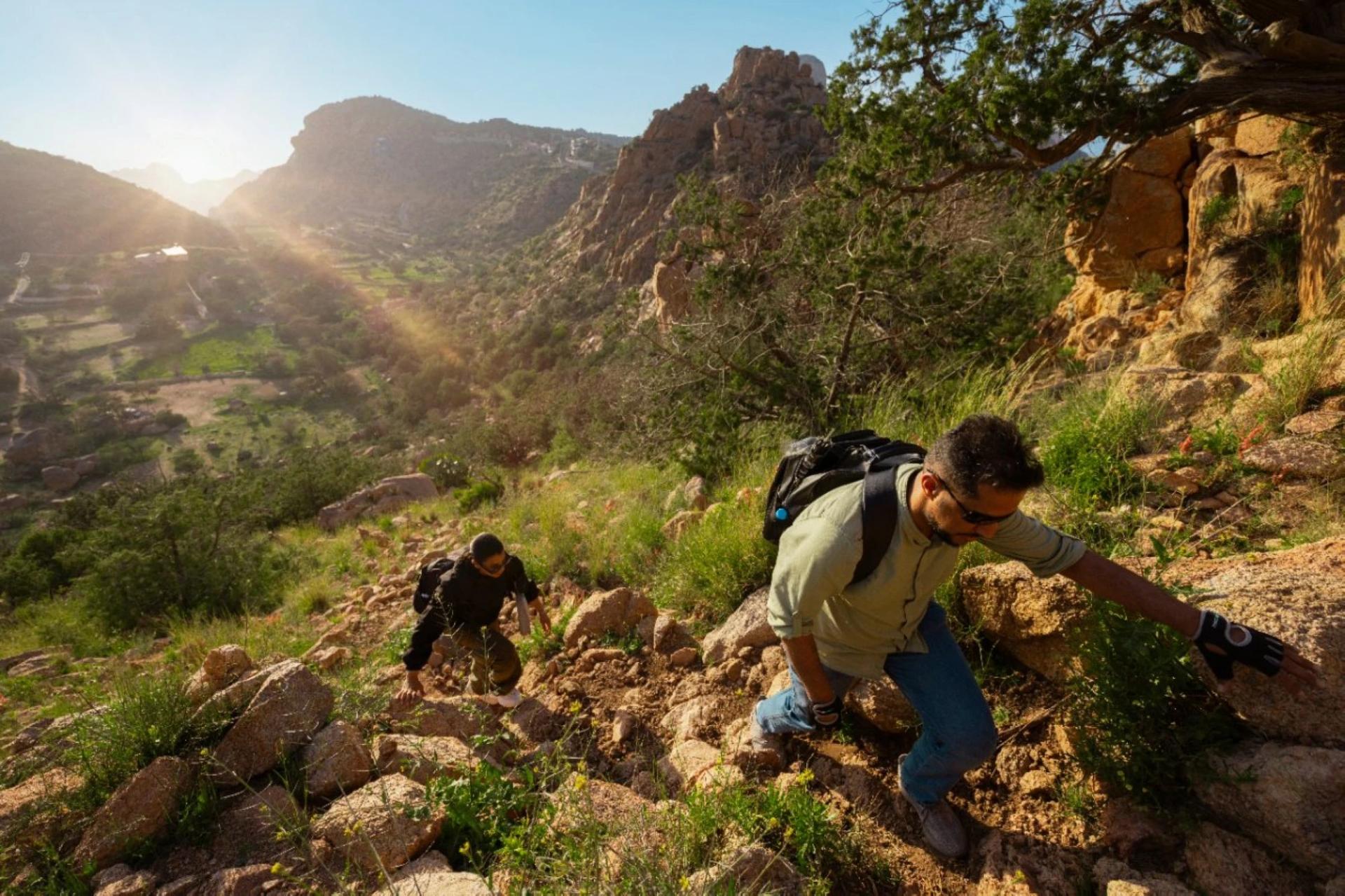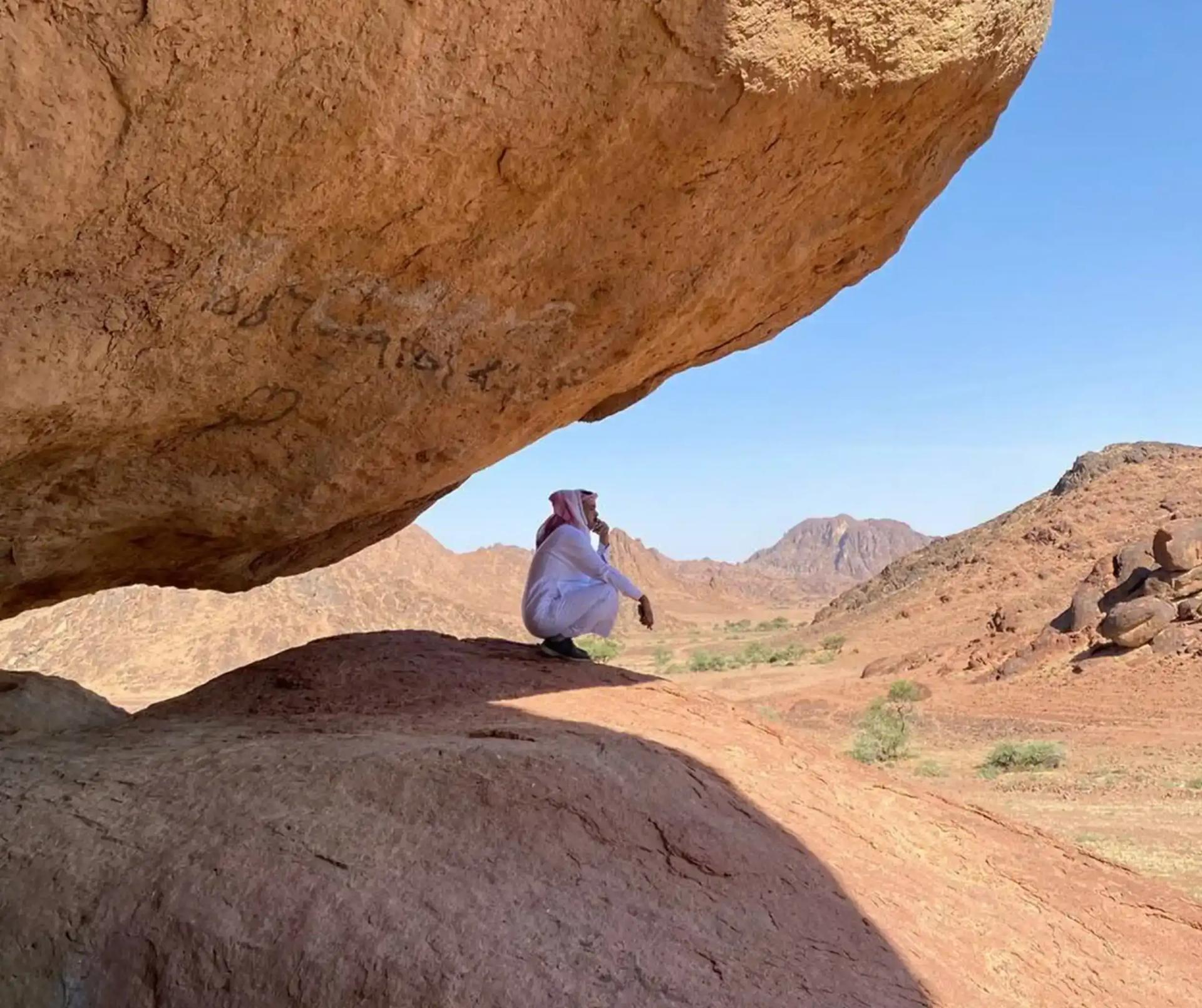


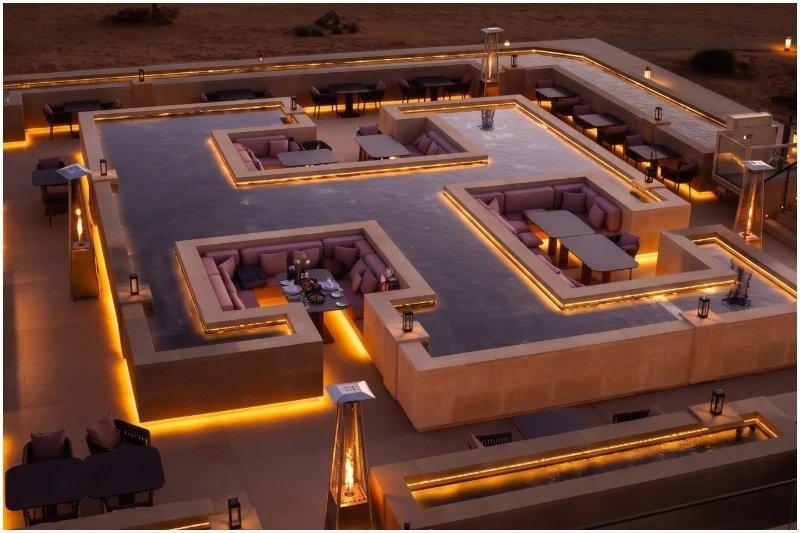

Saudi Arabia's North Riyadh Geopark and Salma Geopark have been nominated for inclusion in the UNESCO Global Geoparks Network, a milestone that would mark the Kingdom’s debut on the list.
The announcement came during the ninth session of the UNESCO Global Geoparks Council, held in Vietnam in September 2024. Out of 21 candidate sites from around the world, only 15 made the cut—including these two from Saudi Arabia.
You Might Also Like: Ultimate guide to UNESCO sites in Saudi Arabia
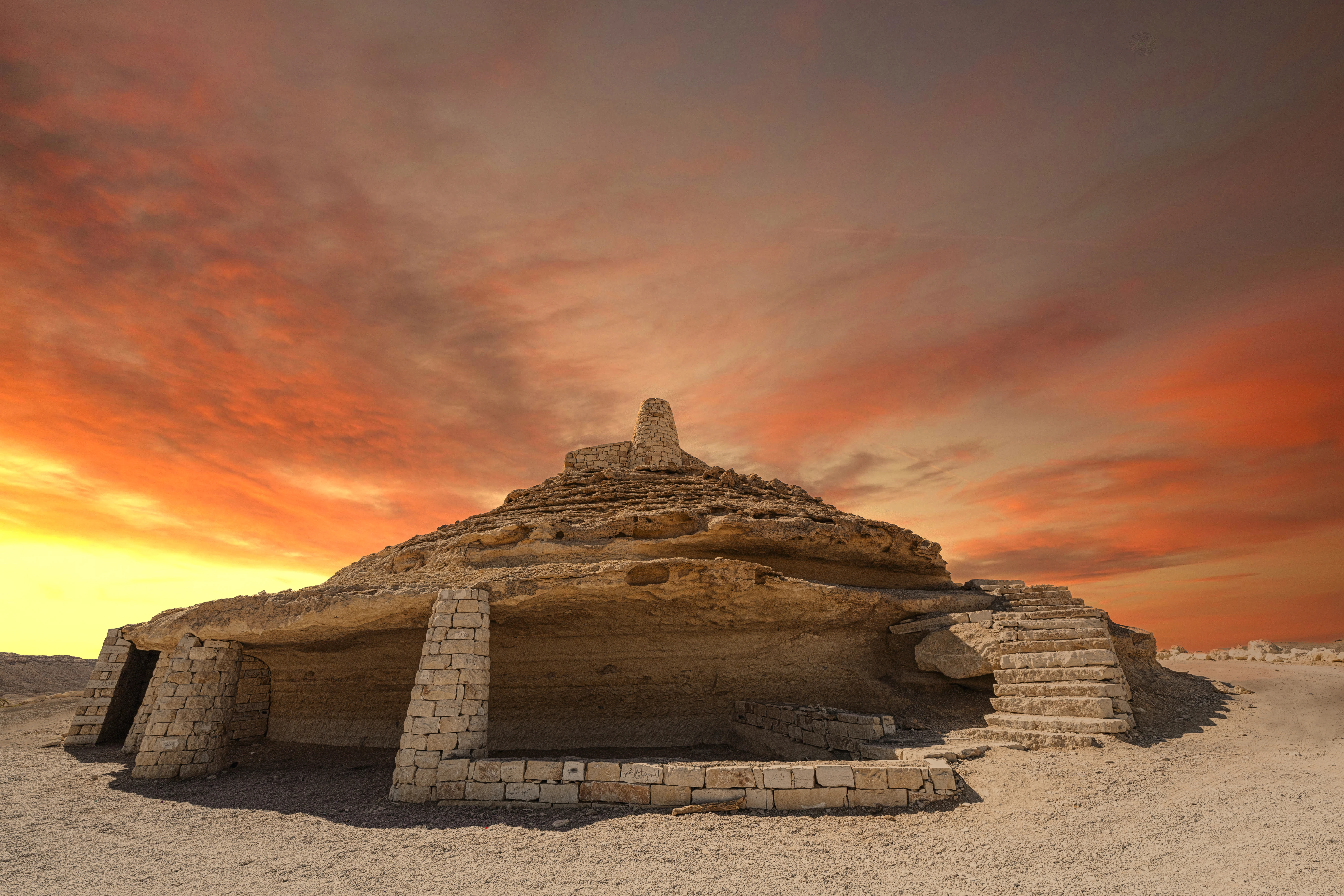
What is a UNESCO Global Geopark?
UNESCO Global Geoparks are sites with exceptional geological value. But they’re more than just pretty landscapes—they’re living laboratories where geology meets culture, education, and sustainable development. Each park must have a clear plan for conservation, community involvement, and education. It is a holistic approach to eco-tourism, tied to the land and the people who live there.
If the nomination is officially approved at the UNESCO General Conference in March 2025, Saudi Arabia will officially join a network that spans 50 countries and 229 geoparks.
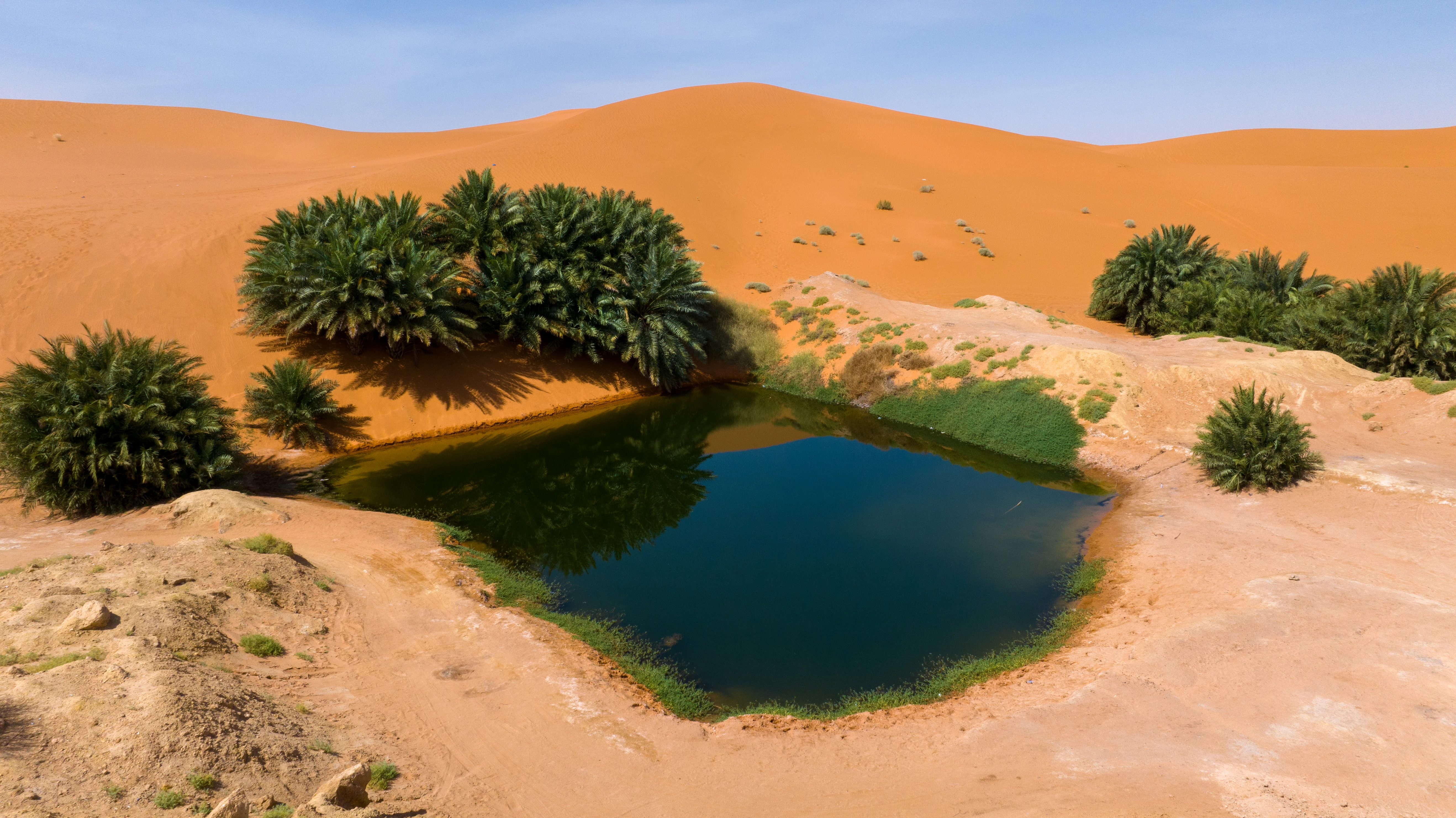
Why were these two sites nominated?
North Riyadh Geopark and Salma Geopark are home to millions of years of geological history, featuring rare rock formations, expansive desert landscapes, and fossil-rich terrain. But it’s not just their natural beauty that caught UNESCO’s attention. These parks also reflect the Kingdom's deep commitment to conservation and sustainability — and they’re designed with local communities in mind.
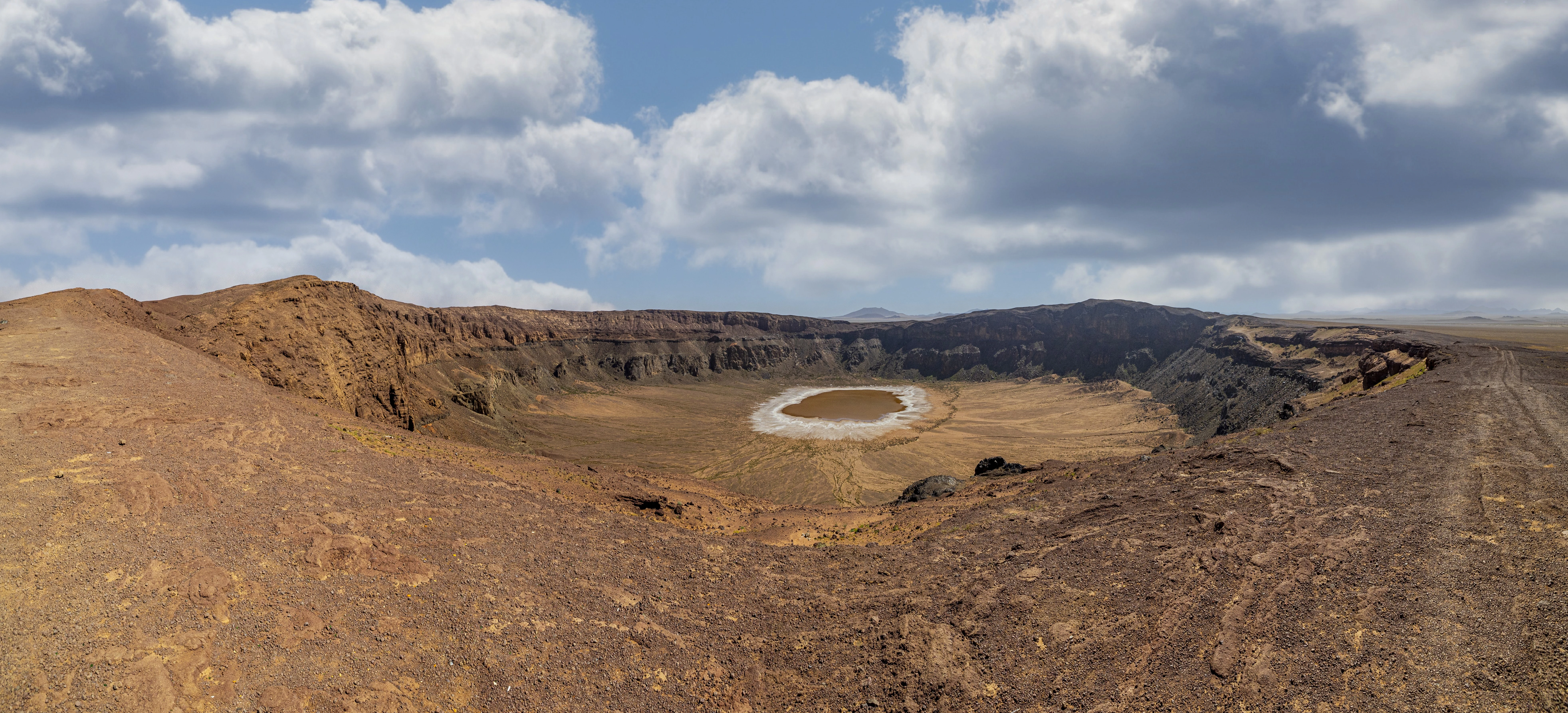
What’s the bigger picture?
For Saudi Arabia, this nomination fits into Vision 2030, the country’s roadmap for diversifying the economy and protecting the environment. According to Dr. Khaled Al-Abdulkader, CEO of the National Center for Vegetation Cover Development & Combating Desertification, these efforts go hand in hand with preserving natural heritage and empowering communities through ecotourism, job creation, and education.
Ahmed Alblihed, Secretary-General of the Saudi National Commission for Education, Culture, and Science, sees this as a way to boost global awareness of the Kingdom’s rich geological heritage while supporting local development.
Pending final approval, the two geoparks will offer local and international visitors the chance to explore Saudi Arabia’s ancient landscapes while also serving as platforms for research, conservation, and cultural exchange. Both parks are set to become models for sustainable tourism, where ecology and economy meet in harmony.
And for a country that’s rapidly establishing itself as a destination for adventure travel, environmental stewardship, and cultural discovery, the nomination is a glimpse into what the future of Saudi eco-tourism could look like.
UNESCO Director General, Audrey Azoulay spoke about the importance of these geopark locations, and recognition of these destinations: "In ten years, UNESCO Geoparks have become models for the conservation of geological heritage. But their role goes much further: they support educational projects, promote sustainable tourism and keep the knowledge and traditions of these territories alive through the active participation of local and indigenous communities. This is the case, for example, in Iceland's Katla Geopark, where local schools are actively involved in the scientific research that is carried out on this landscape, which preserves the memory of volcanic and glacial systems through its lava flows and black sand beaches."