
Many travellers find the culture of Aseer surprisingly different from the rest of the Kingdom, from the bold palette of the region’s distinctive art to the instantly recognisable architecture. This mountainous, southwestern region is known for its vibrant art, ancient villages and well-preserved heritage sites, offering visitors endless opportunities to learn about the area's past and see how Aseer (also called ‘Asir’) is keeping many of its traditions alive today. From the stunning stone houses of Rijal Almaa to the inspiring, women-led artwork on display in the Al-Qatt Al-Asiri Museum, these are just some of the top cultural sites in Aseer.
1. Rijal Almaa Village
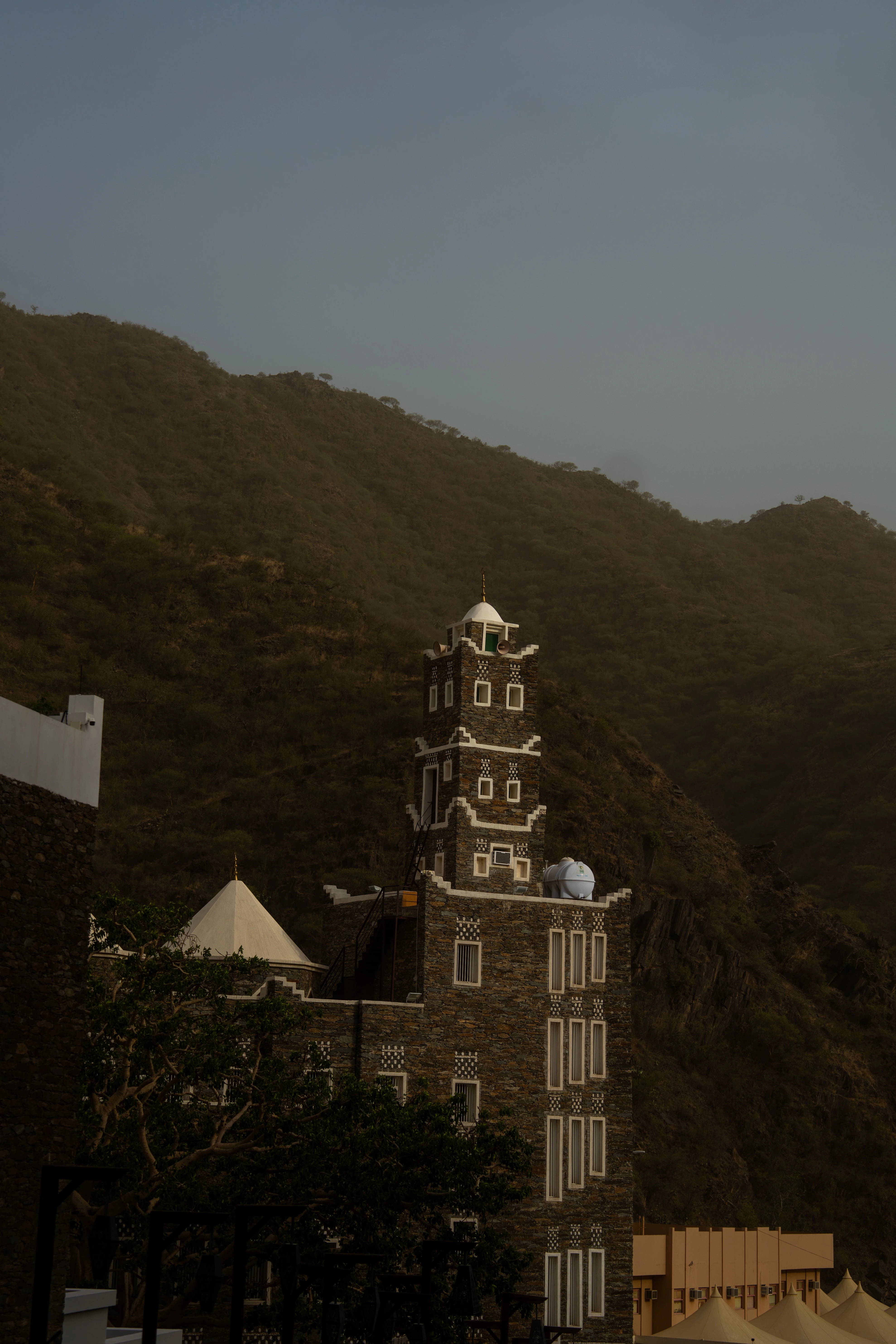
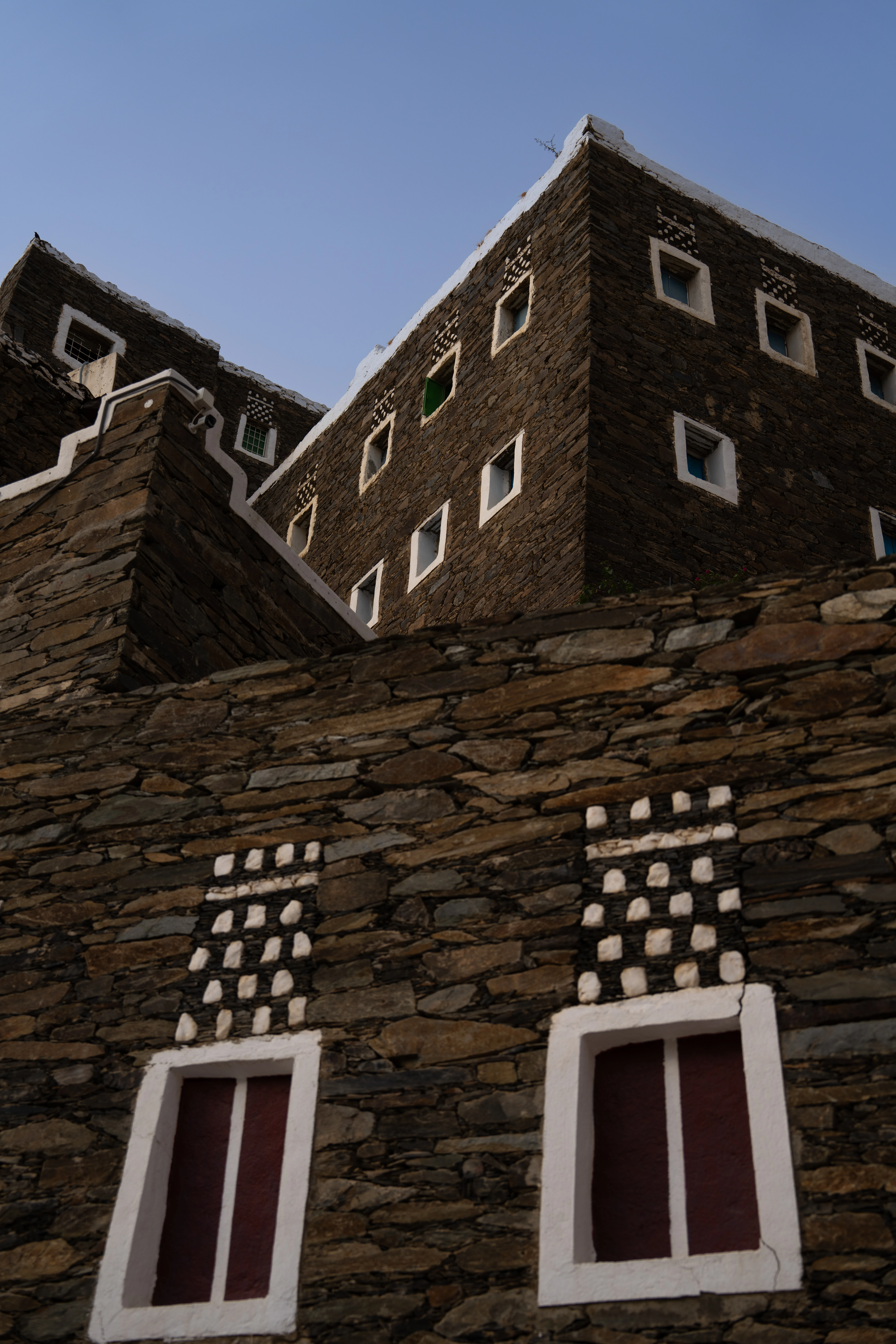
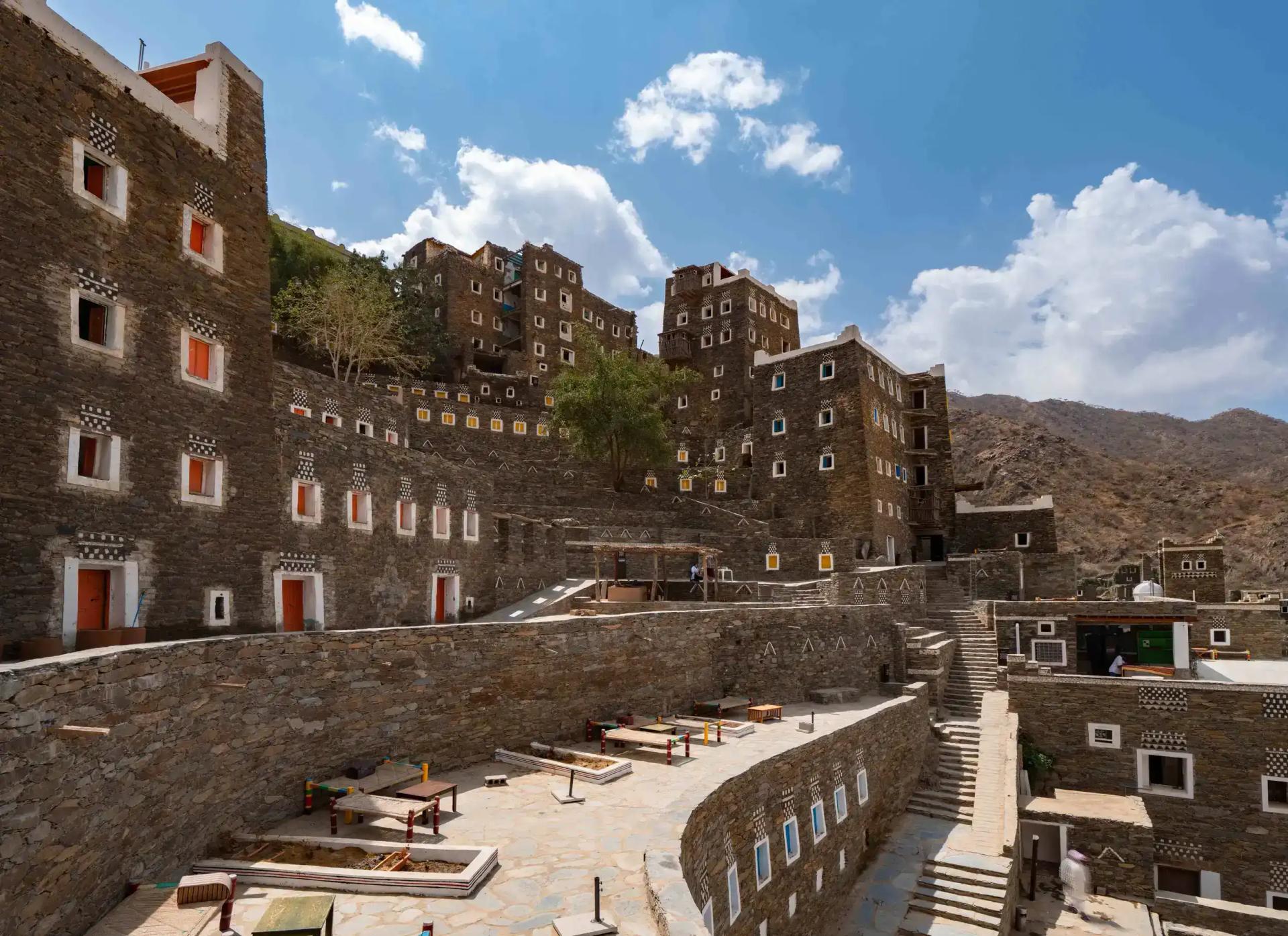
Located approximately 45km west of Abha, Rijal Almaa is a village steeped in history. With its origins tracing back over 900 years, it is a stunning showcase of the region’s distinctive art and architectural styles. There are around 60 tall buildings constructed from stone, clay and wood that feature colourful, white-rimmed doors and windows. Inside the buildings, and in the on-site Rijal Almaa Heritage Museum, you can also see examples of the region’s famous Al-Qatt Al-Asiri interior decoration. This extraordinary village should be at the top of any culture-lover’s bucket list.
2. Shamsan Castle
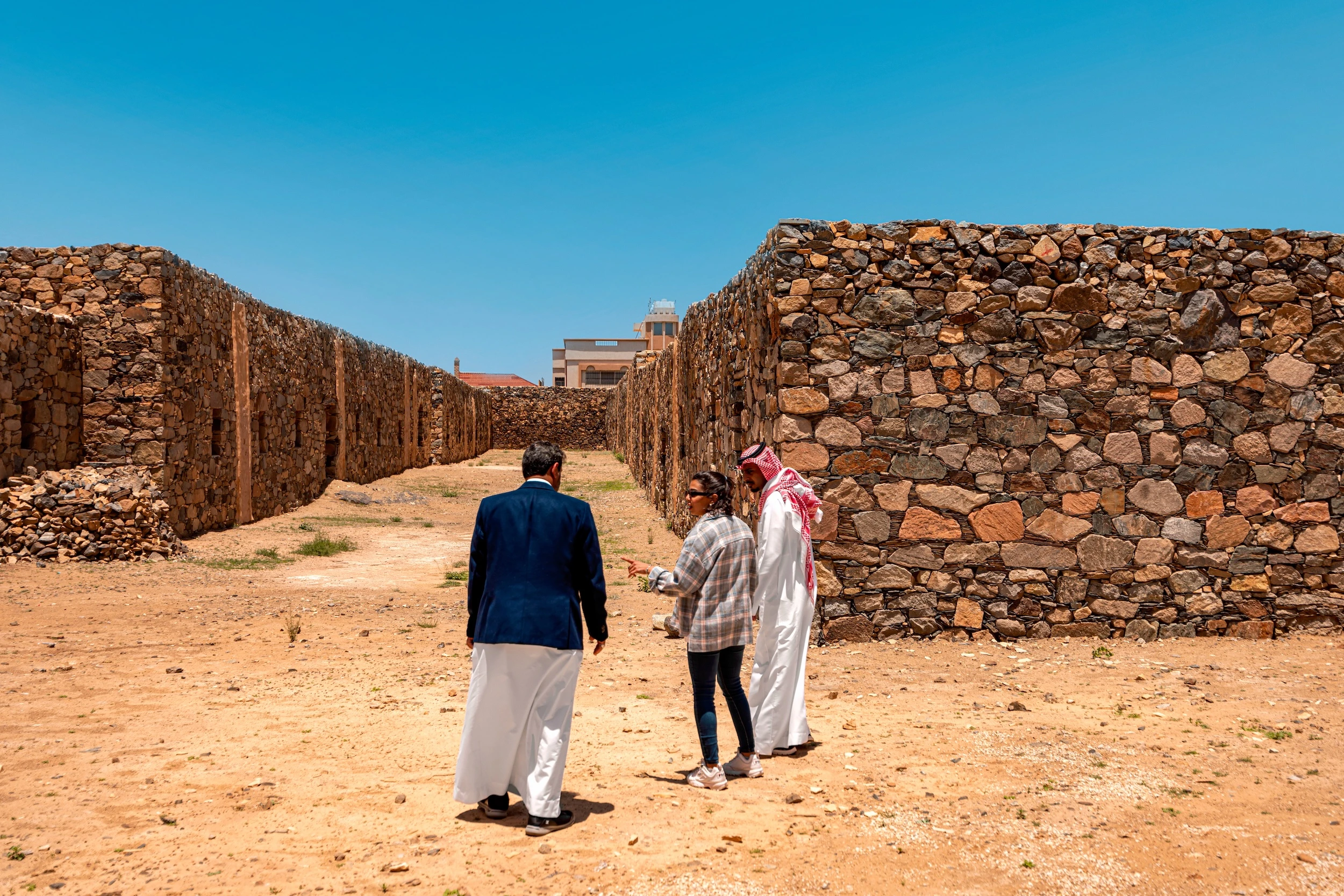
Perched on a hill overlooking Abha, Shamsan Castle is a testament to the region's historical significance. This fortress, with its sturdy stone walls and strategic location, once played a crucial role in defending the city. Today, visitors can wander through its remains and enjoy panoramic views of the surrounding landscape.
3. Al Habala (The Hanging Village)
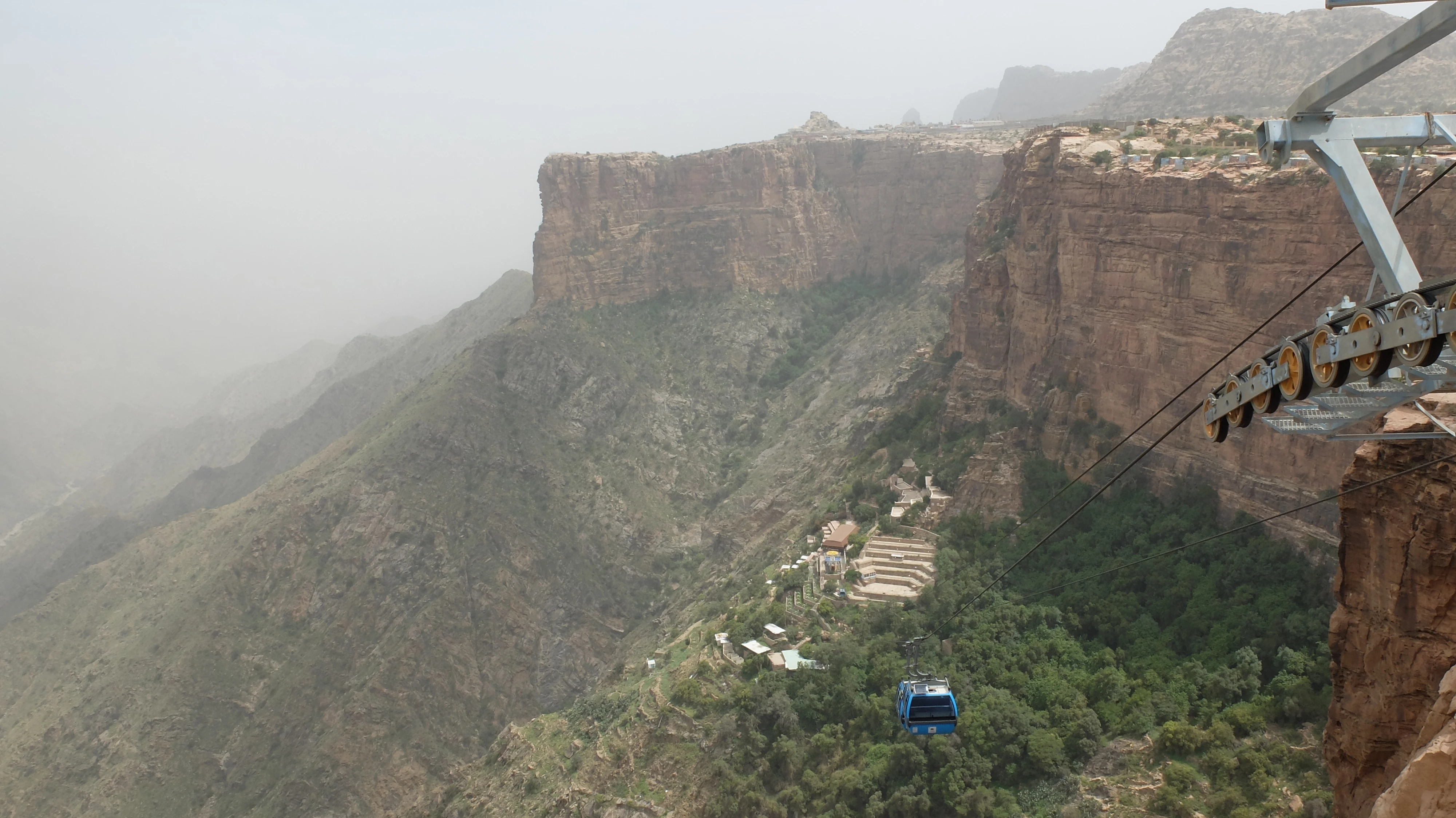
Al Habala, often referred to as the Hanging Village, is an utterly remote settlement hidden deep in the Sarawat Mountains. It was constructed around 370 years ago by the Khatani tribe, who built their homes into a steep cliffside to evade the Ottomans. While Al Habala was once only accessible by rope ladders, today, visitors can reach the village via cable car (check opening times in advance, as these can vary). Expect stunning views of the village and the surrounding mountainous landscapes.
4. Alraqdi Museum
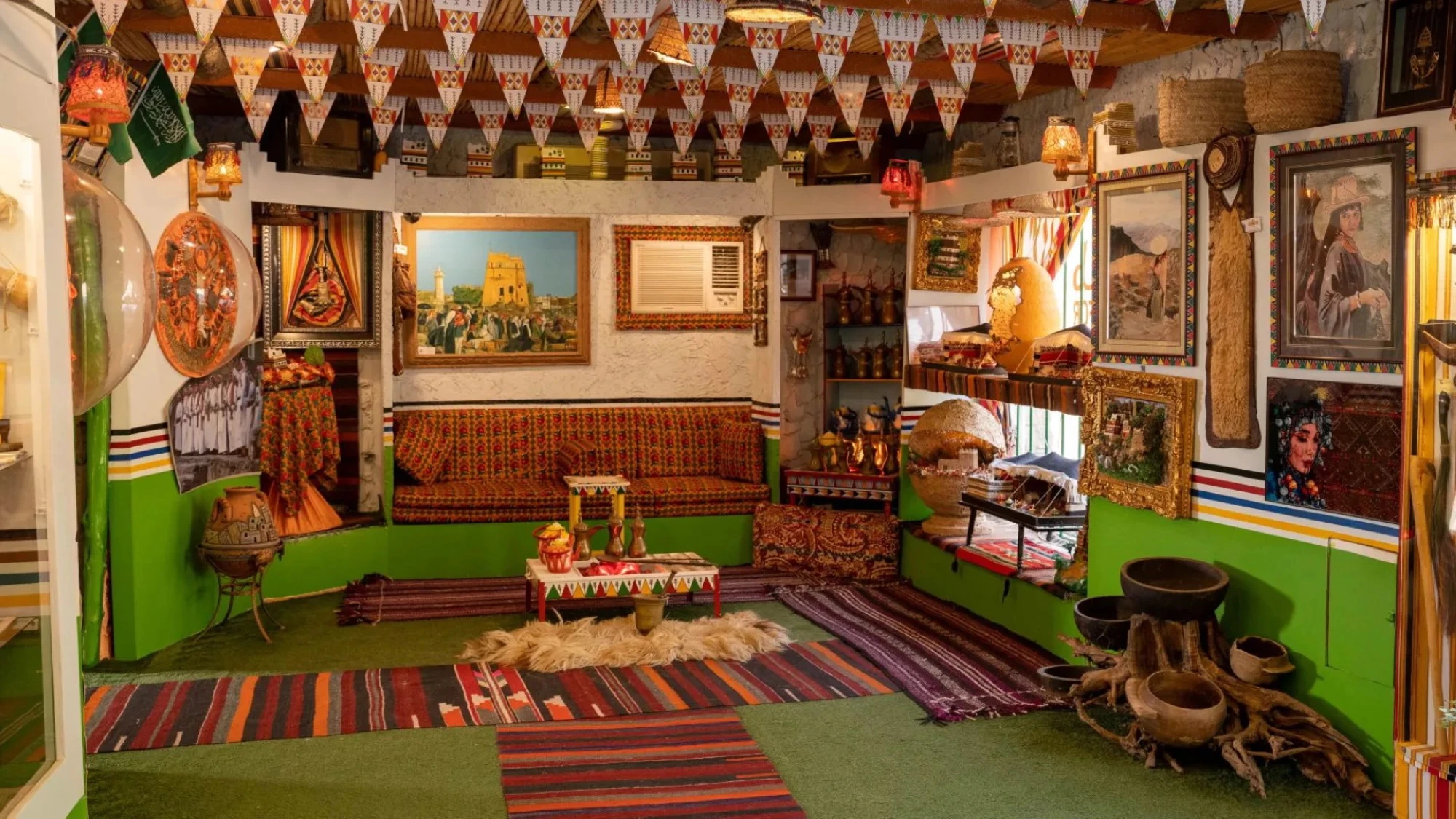
Situated in Abha, the Alraqdi Museum is one of the city’s oldest museums, and is an absolute treasure trove for those keen to delve into Aseer’s past. This cultural hub showcases traditional clothing, household items and agricultural tools, and there’s also a great gift shop, perfect for picking up souvenirs from your visit.
5. Al Basta District
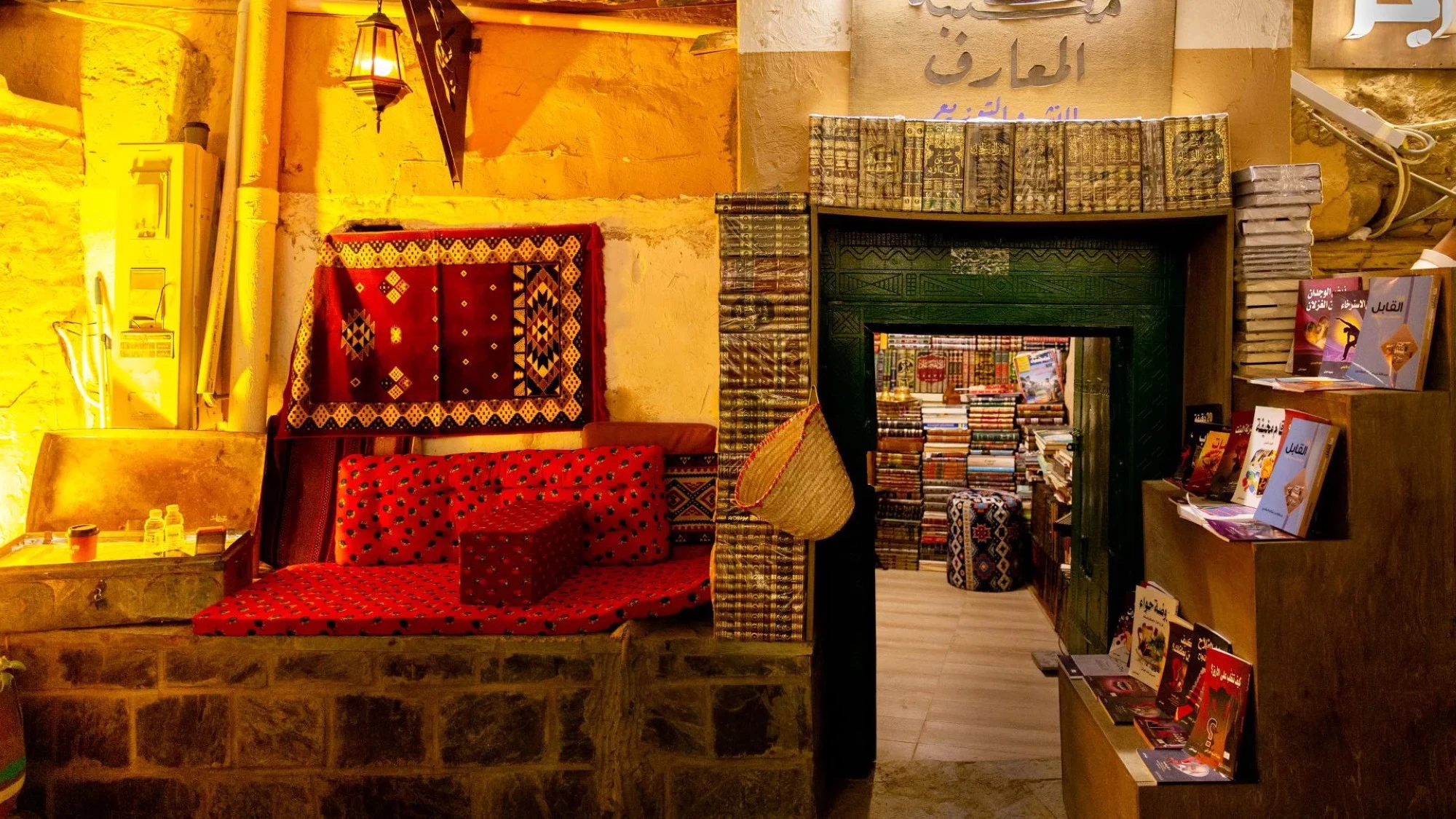
The Al Basta district is an ideal destination for anyone looking for an authentic experience of everyday Aseeri life. One of the city’s oldest residential areas, the narrow alleyways, stone-built houses, small shops and food stalls make it a great place for a wander. There’s a large open square that gets lively in the evenings, and plenty of cafes and restaurants with outdoor seating; perfect for people-watching while you enjoy a relaxed evening meal.
6. Fatimah Museum (Al-Qatt Al-Asiri Museum)
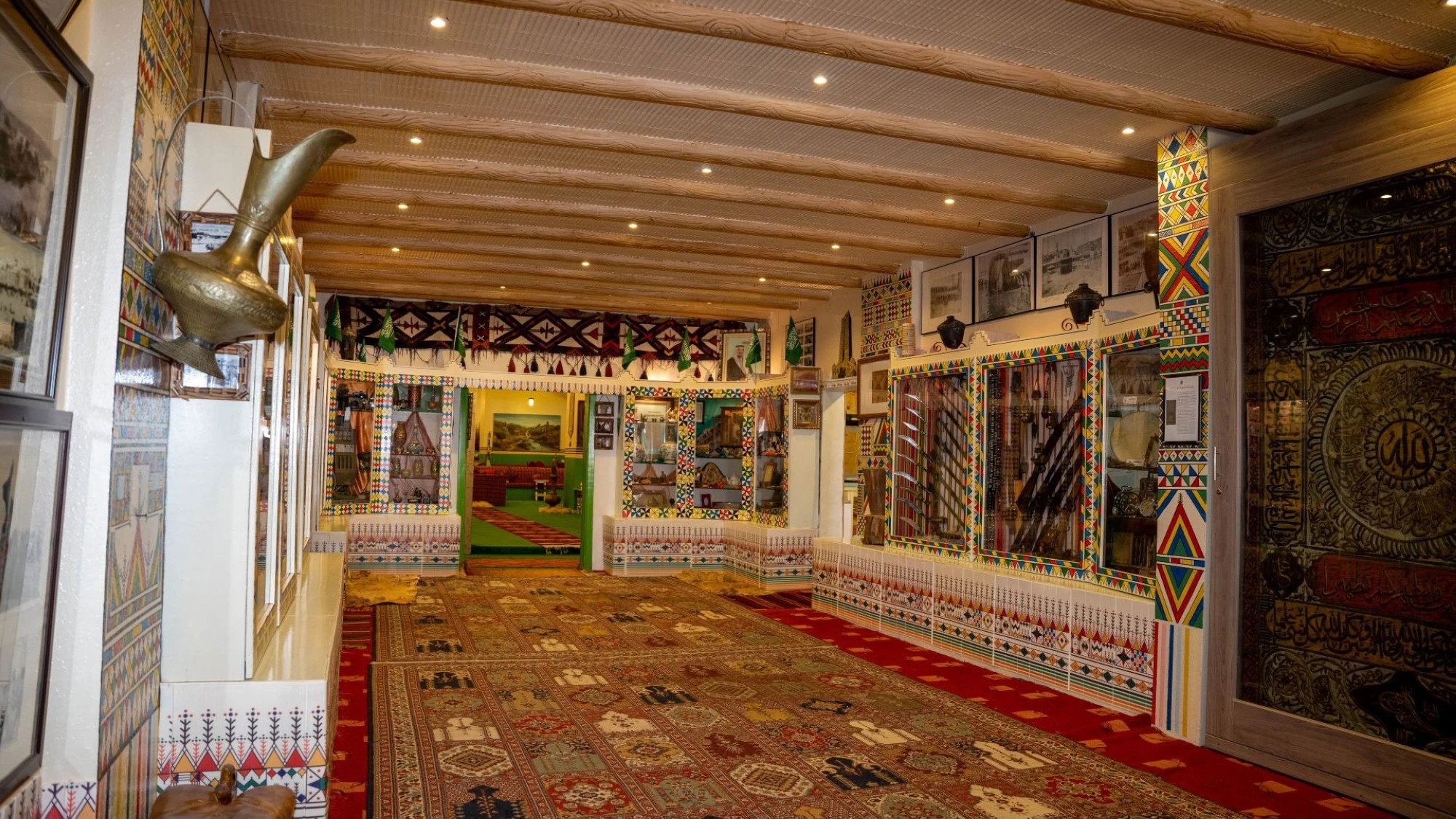
Al-Qatt Al-Asiri is a regional form of interior wall decoration recognised by UNESCO as having intangible cultural heritage, and visitors will see its bright colours and geometric patterns adorning the walls of many heritage buildings throughout Aseer. The Al-Qatt Al-Asiri Museum, also known as the Fatimah Museum, is located on the outskirts of Abha and is the perfect place to learn about the significance and symbolism of this unique art form.
The museum is named after influential Al-Qatt Al-Asiri artist Fatimah Faye'e Alalmai, and the beautiful space is also her family’s residence. Visit to see samples of her work and watch a short documentary about the art form and how it has been revived in recent years.
7. Al Maqar Palace
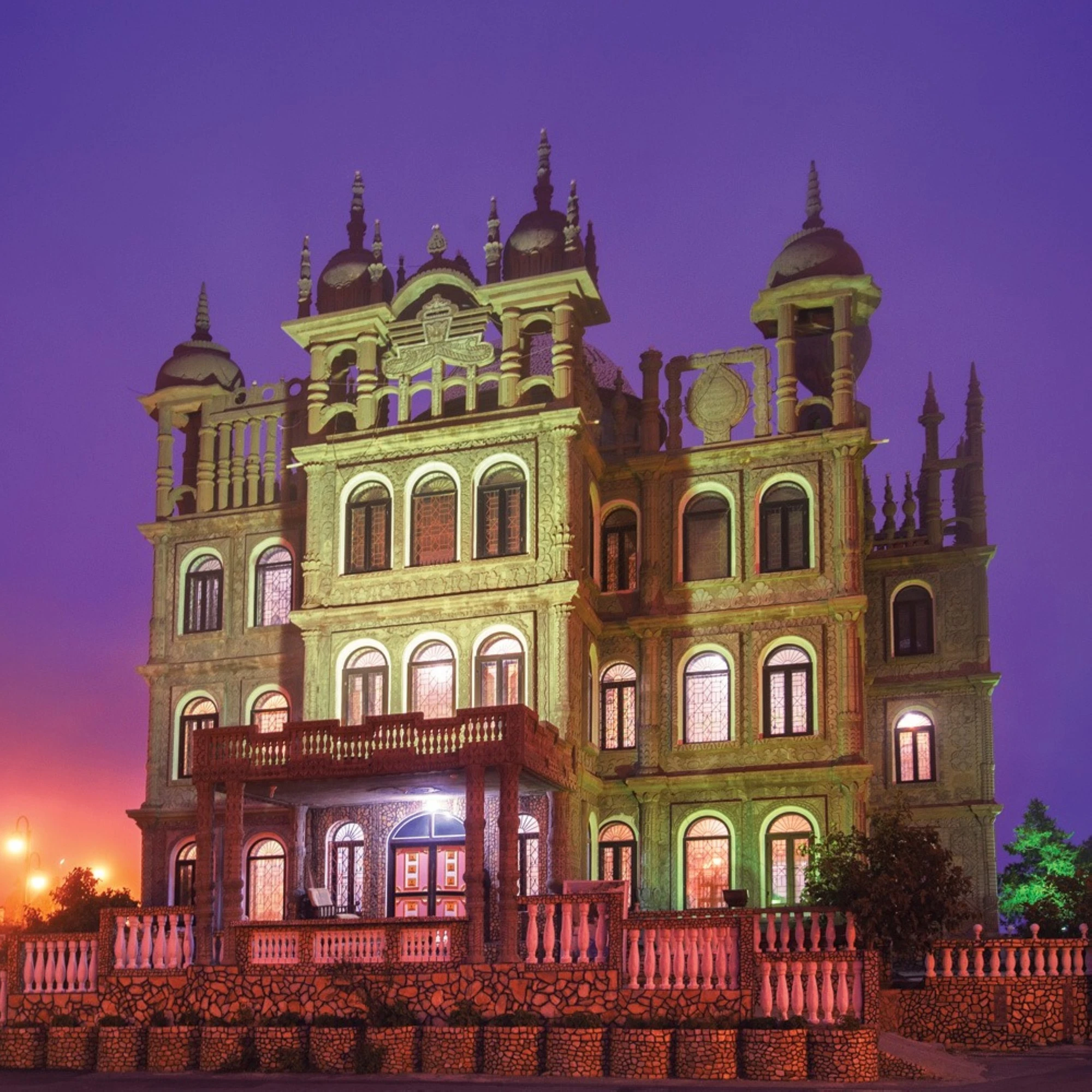
Around a two-hour drive north of Abha is the misty city of Al Namas, where you’ll find quite an unusual cultural site. The Al Maqar Palace (Heritage Civilisation Palace Museum) was built by a local, who devoted around 30 years of his life to its construction. Inspired by Andalusian palaces, it blends European influences with traditional Islamic architecture to magnificent effect. The palace contains exhibitions on the history of Islamic civilisations, and there are more than a thousand handwritten Quranic manuscripts on display along with jewellery, pottery and textiles.
8. Tuesday Market
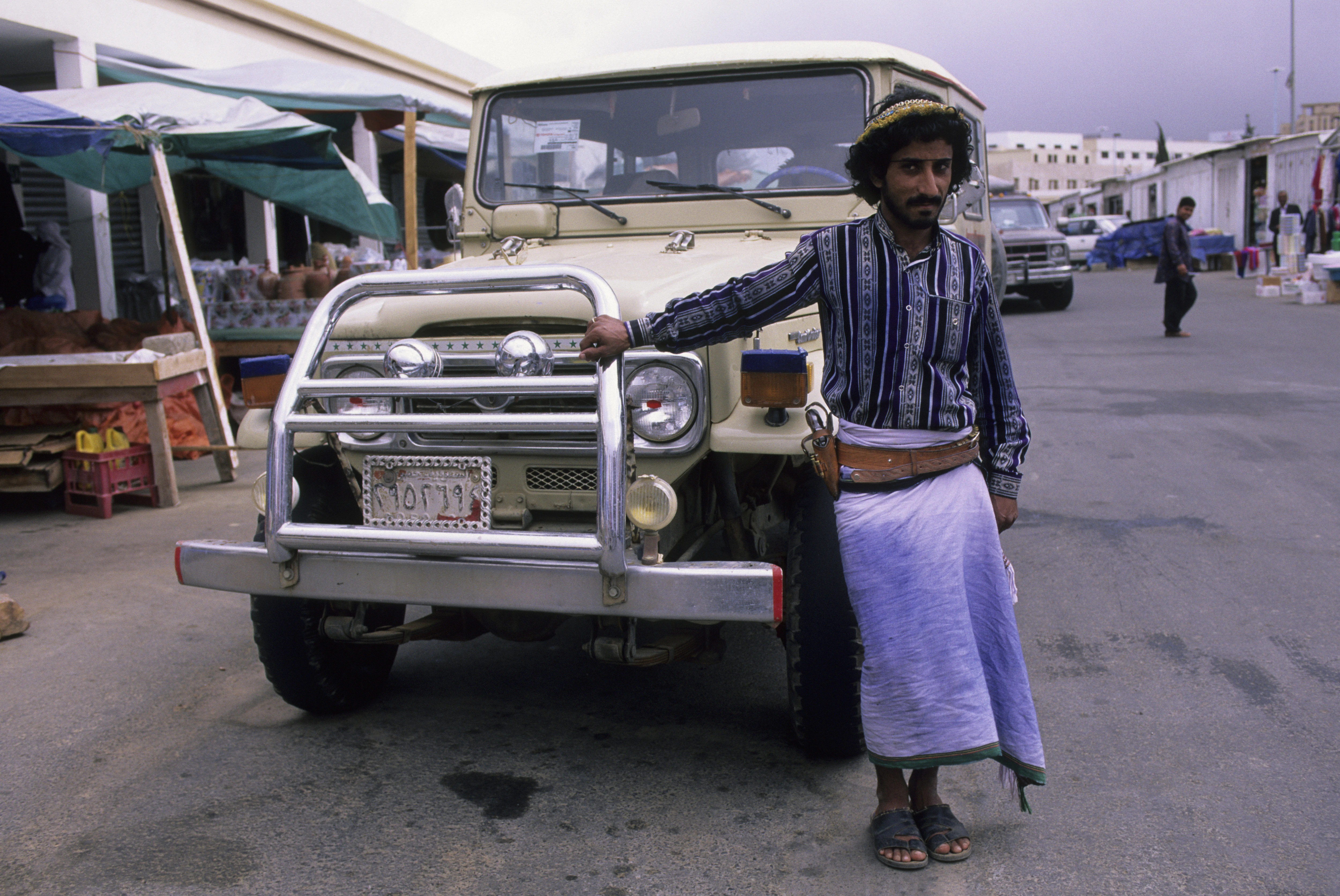
Abha’s historic Tuesday Market is one of the oldest and largest in the region. It’s a bustling, lively souq with a great atmosphere and plenty of opportunities to chat with stallholders, sample local produce such as honey and dates, or purchase antiques and handicrafts at a great price. The market also has several stalls selling coffee, snacks and delicious, freshly cooked street food. Despite its name, the market is open daily – Tuesday is traditionally its busiest day.
9. Al Muftaha Village
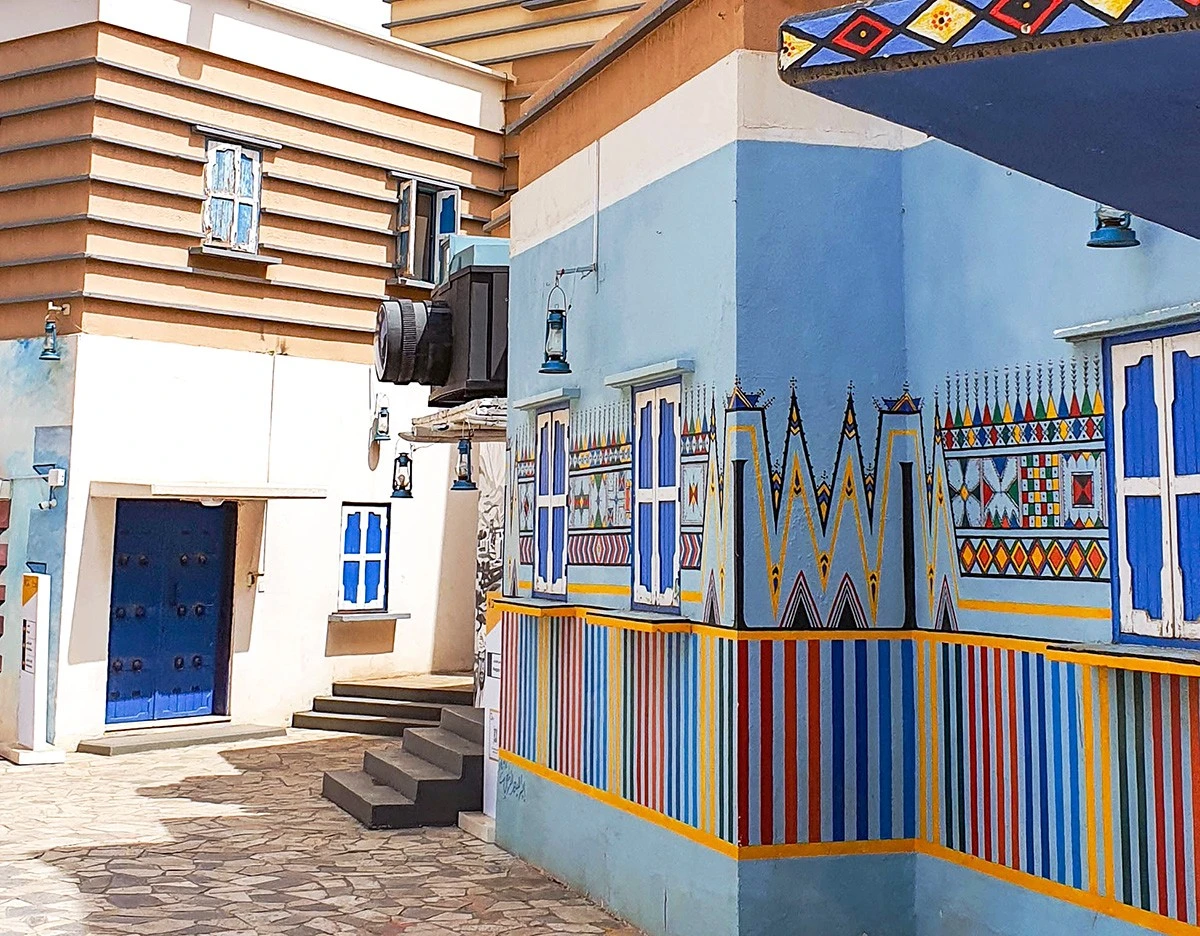
This artsy zone is one of Abha’s cultural hotspots. Paintings of Aseeri traditions cover the village walls, and there are numerous small galleries and shops where you can view the work of local artists – and perhaps pick up some handicrafts or colourful prints for your walls at home. Follow up a visit here with a stroll down Abha’s nearby Art Street, a lush green walkway with stencilled paintings along the banks, just minutes away from Al Muftaha Village.
10. Abu Sarrah Palaces
Abu Sarrah Palaces offer an incredible glimpse into what life was once like for a wealthy and influential Aseeri family. These palaces were built by a well-off Abha merchant in the 1830s and lived in by generations of the Abu Sarrah family until recently. Today, visitors can explore the various quarters of the palaces, from the women’s rooms to the impressive majlis, where important gatherings were held among the region’s leaders.
11. Aseer National Park
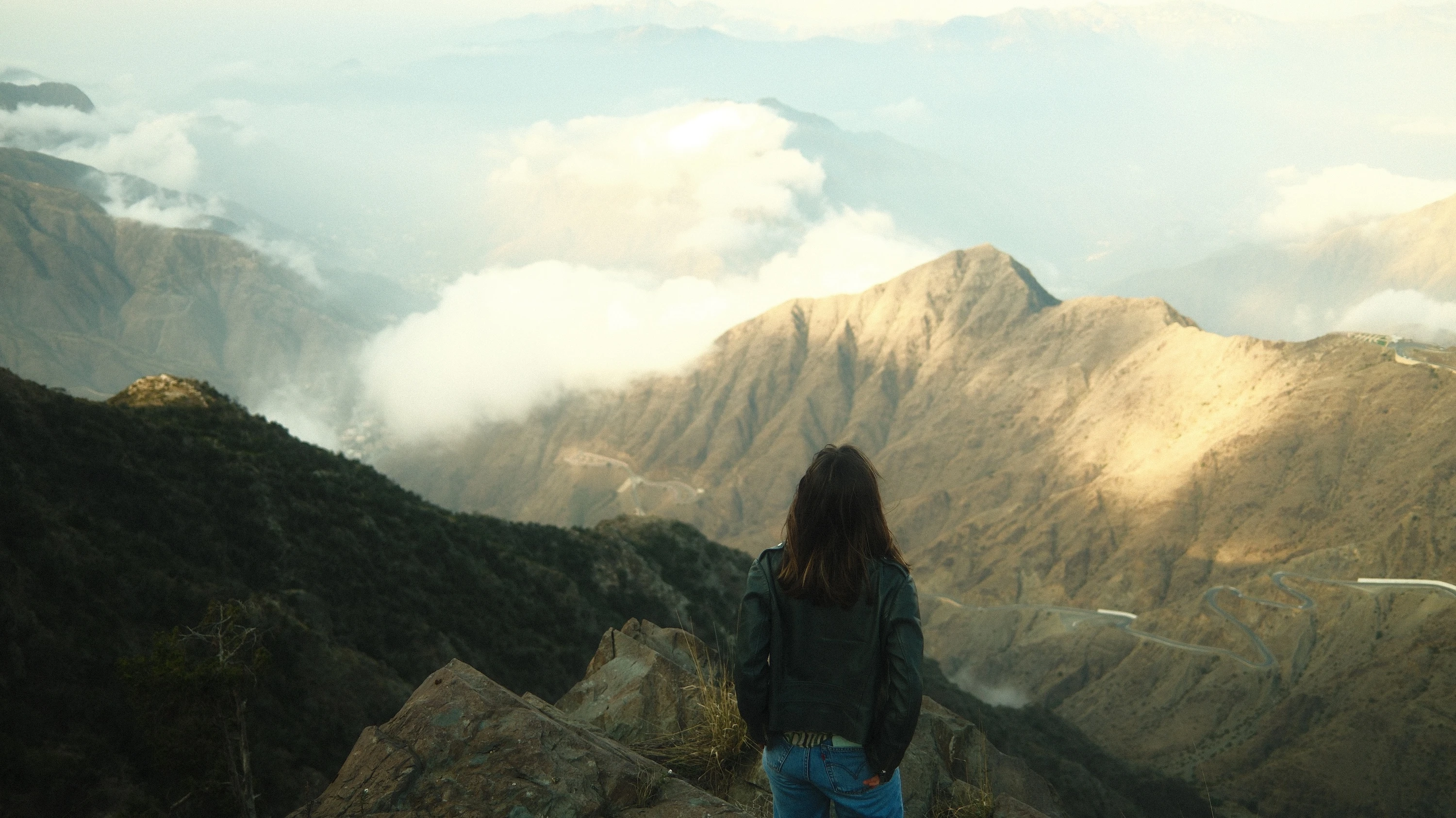
Established in 1981, Aseer National Park is Saudi Arabia's first national park, encompassing over 1,600 sq km of mostly mountainous terrain. Beyond its rugged cliffs and valleys, the park is home to several traditional villages, giving visitors an insight into the region’s rural heritage. As for classic outdoor adventures, hiking trails, picnic spots and viewpoints are plentiful, especially on and around the park’s Jabal Soudah (Sawda), the highest peak in Saudi Arabia. This is a region Saudis flock to during the hot summer months as it's traditionally much cooler than elsewhere in the Middle East.