


First-time visitors to Aseer are often surprised to discover a whole new side to Saudi Arabia. Here in this southwestern corner, the climate is cooler, the landscape greener and the culture – food, art, and architecture in particular – distinctly different from the rest of the Kingdom.
To make the most of this exhilarating region, plan for a five-day visit – it will give you time to explore the beautiful mountains, wander through ancient villages and immerse yourself in the region’s arts and architecture. The region is particularly popular with families and solo women travellers due to the warm welcome and sense of safety this imbues.
Abha International Airport is the most typical entry point into Aseer (also spelt ‘Asir’), so most visitors begin their journey here in the region’s capital. Some parts of Abha are walkable, otherwise, Ubers are plentiful and the easiest way to get around the city. For adventures deeper into the mountains and for exploring the region’s remote heritage villages, it’s advisable to hire a driver as the hairpin mountain rounds can be tricky to navigate without experience.
Day 1 : Arrival in Abha
Delve into the arts and heritage of this laidback city
Start your Aseer adventure in Abha, the region's capital. With pretty parks, tree-lined walkways and numerous cultural sites, it’s the perfect introduction to the province.
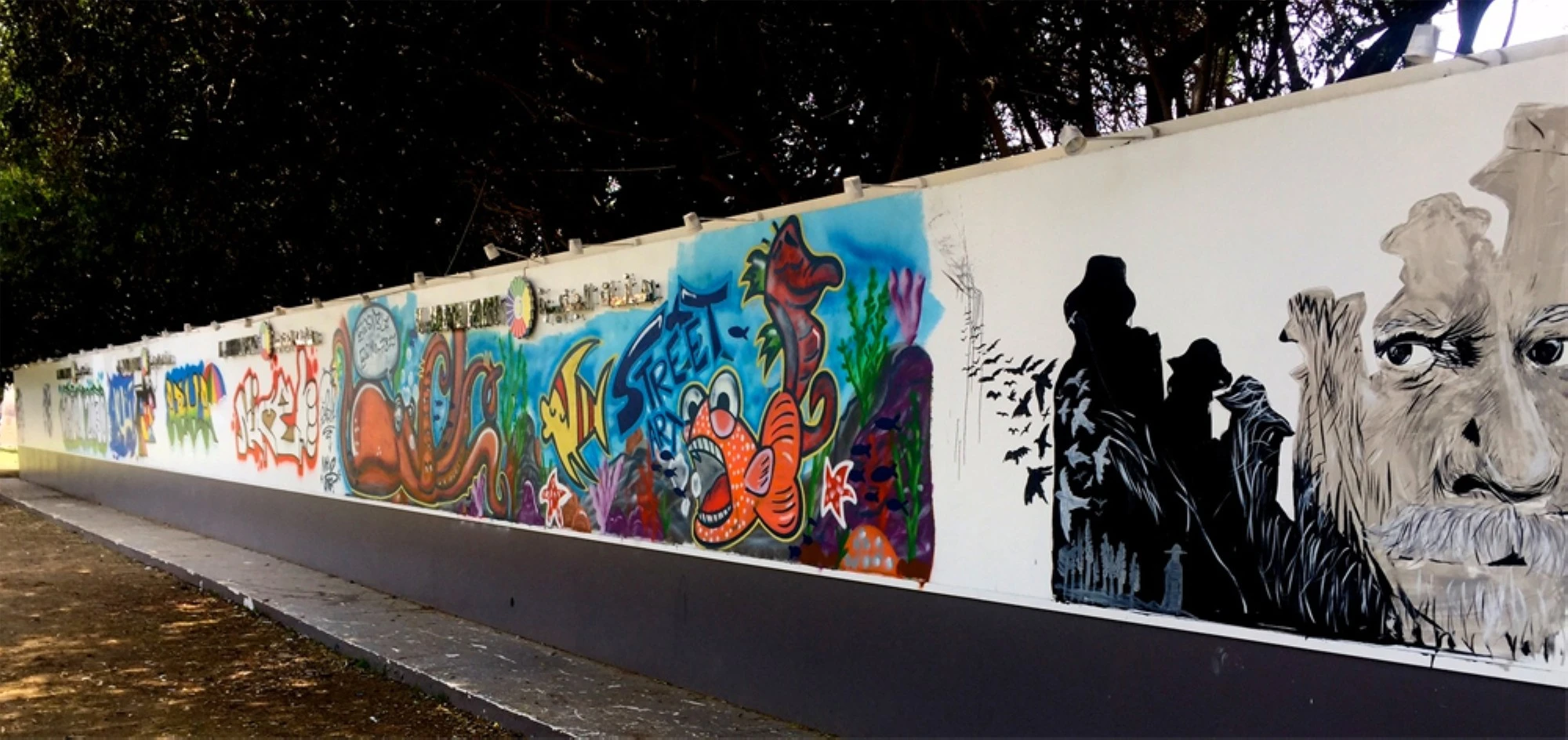
Begin with a stroll along Abha’s Art Street, a tranquil pedestrian walkway lined with colourful stencils, trees and grassy banks – it’s a chance to get your bearings and soak up the unusual experience of being in a lush, green Saudi city. There are lots of coffee shops in the area, so grab a drink for the walk, or take a seat on one of the terraces to make the most of the bright sunshine and cool breezes.
Just a few minutes walk away, you’ll find artsy Al Muftaha Village. This cultural hub hosts workshops and galleries where you can meet talented local artists crafting pottery, textiles and paintings. Art lovers will relish the chance to view the vibrant street murals that cover the village walls, representing Aseeri heritage and tribal influences.
It’s an easy walk from here to the Shada Palace, a striking mud walled building that offers a glimpse into the region's architectural heritage. Dating back to the 1820s, this fortress has been converted into a museum showcasing traditional artefacts and old photographs that highlight Abha’s vibrant past. It’s a must-see for history buffs.
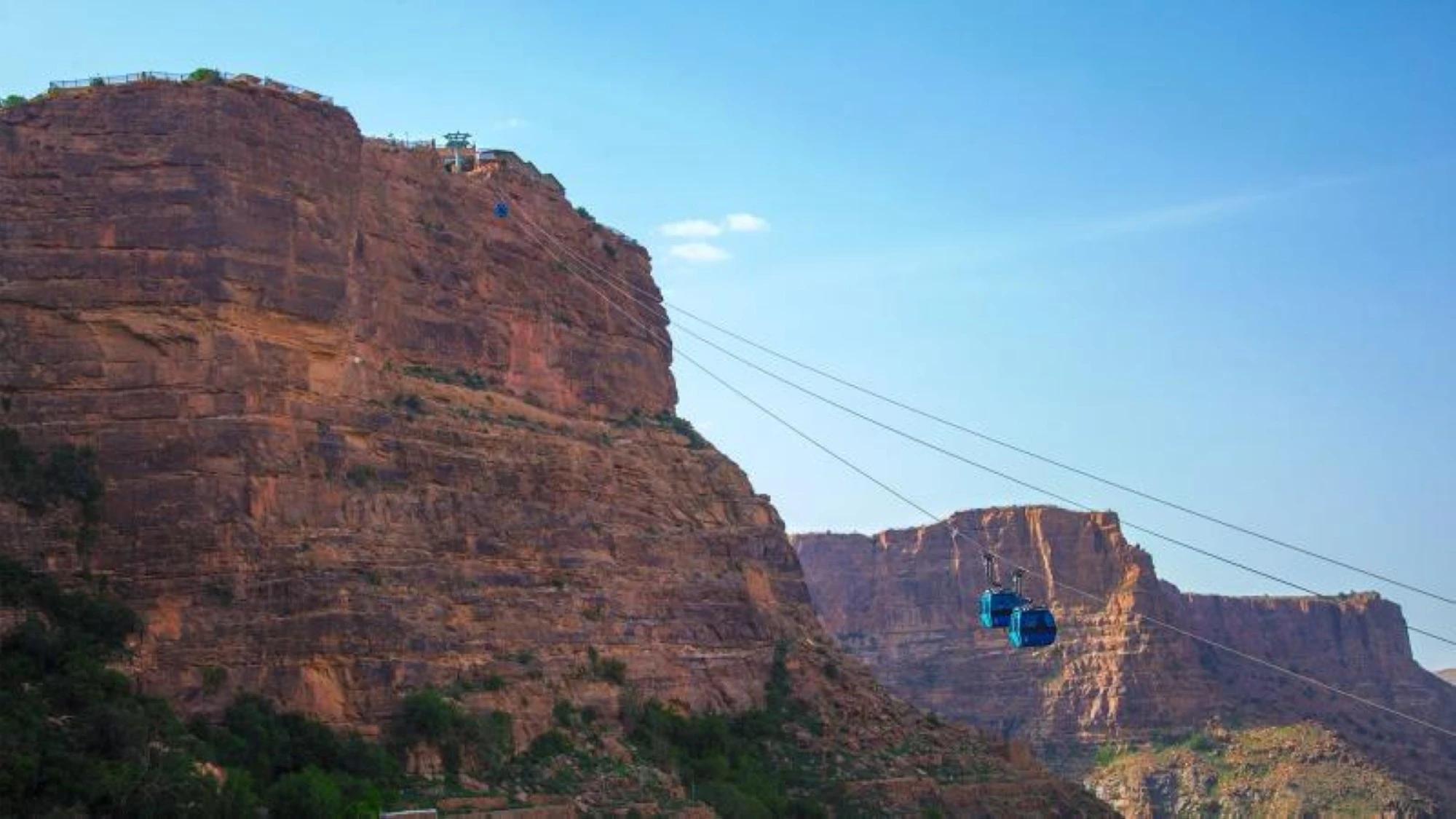
At sunset, visit the Green Mountain, a scenic viewpoint offering panoramic views of Abha's rolling hills. This iconic spot is easily accessible via cable car and there’s a relaxed restaurant at the top where you can sip coffee while watching the sun go down. The whole hill is lit up with green lights after dark, making it visible across most of the city.
Day 2: Step back in time at Rijal Almaa
Discover remote mountain villages and traditional culture
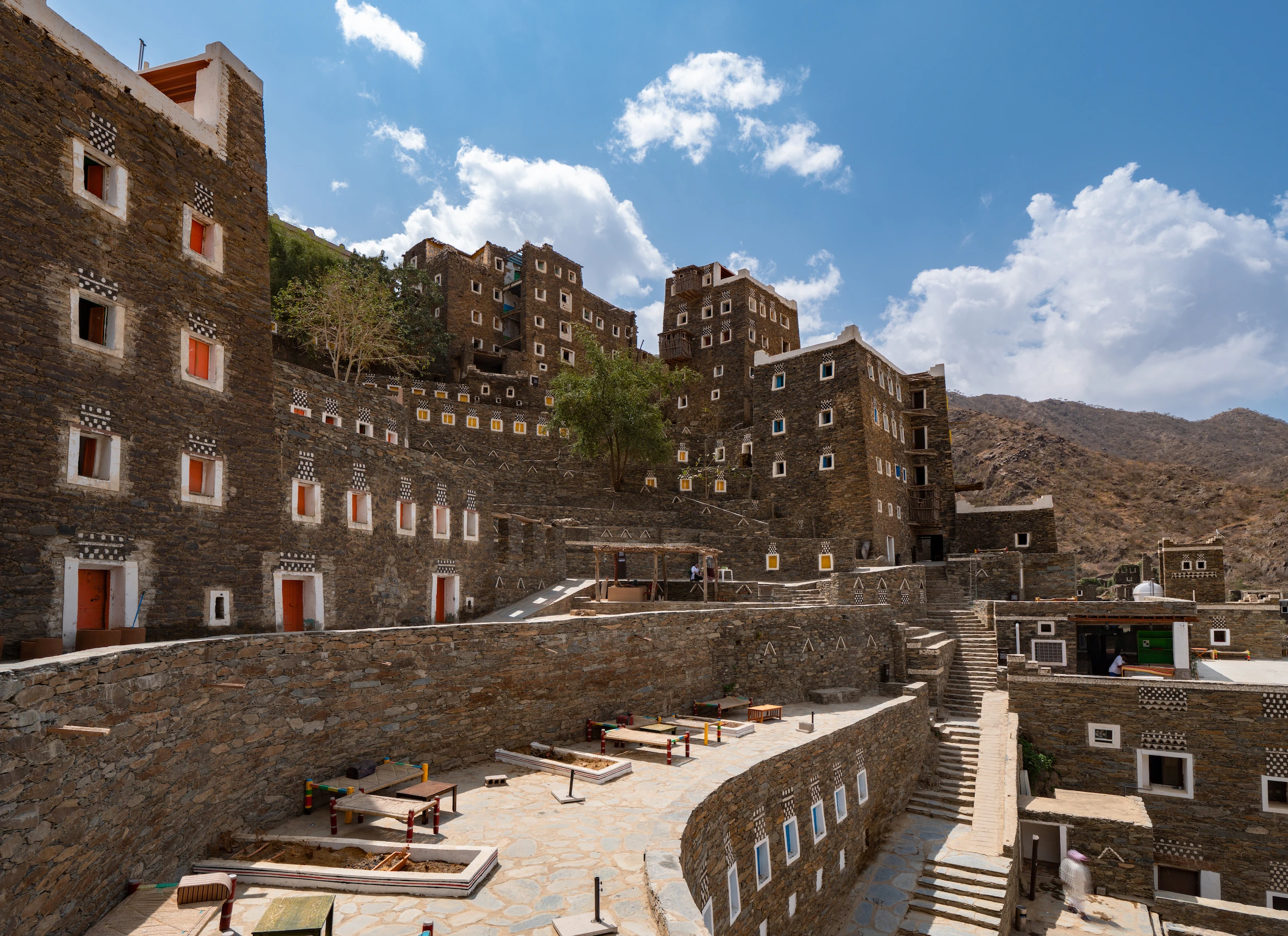
Just an hour's drive from Abha lies the stunning Rijal Almaa Village, known for its iconic stone houses that feature colourful windows and white quartz frames. The village's architecture, constructed from natural stone, clay and wood, reflects centuries of tradition. Each former home showcases carved wooden doors and intricately decorated interiors in the vivid colours typical of traditional Aseeri style.
To learn more about the 900-year-old history of Rijal Almaa, stop in at the village museum where you can view everything from ancient tools and household items to local traditional dress and handicrafts.
Once you’ve had the chance to explore, take a seat at one of the small outdoor restaurants for lunch or a snack – terrace seating gives magnificent views of the village surrounded by mountain scenery.
For a sweet treat after lunch, take a short drive to the nearby Honey Cottage. This welcoming spot is part honey refinery, part museum and part family home. Jars of honey (along with all-important tasting spoons) line the walls, giving visitors the chance to sample the endless varieties of this regional produce. The cottage also contains a small cafe, which overlooks the dramatically beautiful green valleys outside.
Day 3: Adventures in Aseer National Park
Make the most of the region’s epic mountain trails
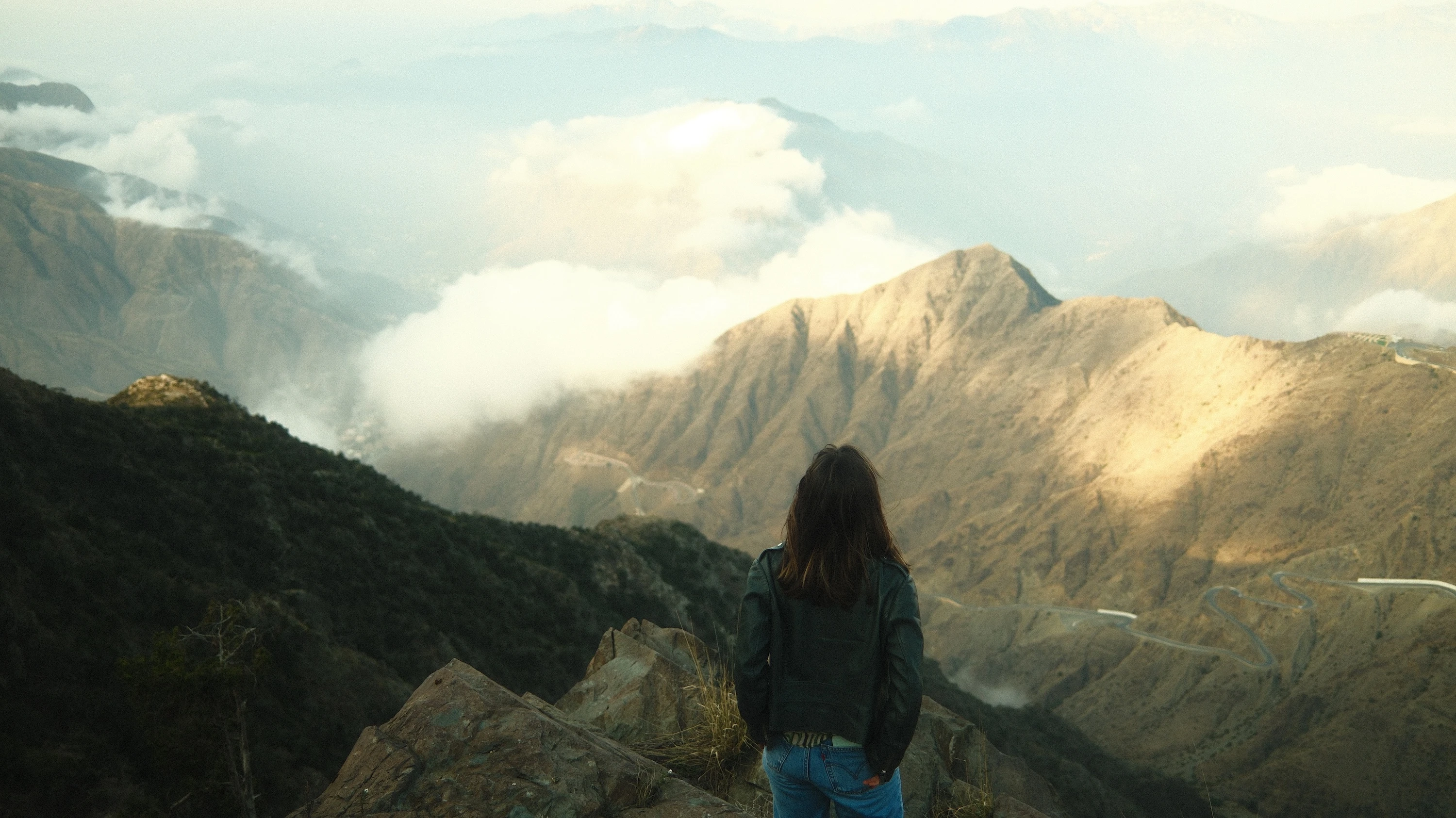
Most visitors to Aseer come craving the chance to immerse themselves in nature, and a day spent in the glorious Aseer National Park is the perfect way to do it. This sprawling expanse of forests, cliffs and valleys offers both gentle and challenging ways to explore.
You can spend the morning hiking one of the many scenic trails in the Sarawat Mountains, where winding paths take you through juniper forests and past acacia and olive trees. Along the way look out for gazelles and eagles, both of which roam this region.
The Sarawat Mountains include Jabal Soudah (Sawda), Saudi’s highest peak and a popular place for excursions and picnics. Take the cable car up, find a suitably scenic spot and stretch out the afternoon with a Saudi-style spread on the panoramic mountainside.
For adventure enthusiasts, there’s the option of guided mountain biking tours through the park’s challenging trails. There are also several places where travellers can camp overnight, enjoying peaceful evenings under star-filled skies.
The park is best visited in the cooler months between October and April when hiking conditions are ideal. Wear comfortable hiking shoes, sunscreen and plenty of water, and remember to bring layers – the temperature in the mountains can drop quickly.
Day 4: Explore Al Namas
Soak up the atmosphere in this mist-shrouded mountain town
Head north to the charming town of Al Namas, known for its traditional architecture and misty weather. Here you’ll find the strikingly grand Heritage Civilization Palace Museum (Al Maqar Palace). A blend of Andalusian and Islamic architecture, it houses over a thousand handwritten Quranic manuscripts along with jewellery, pottery and textiles.
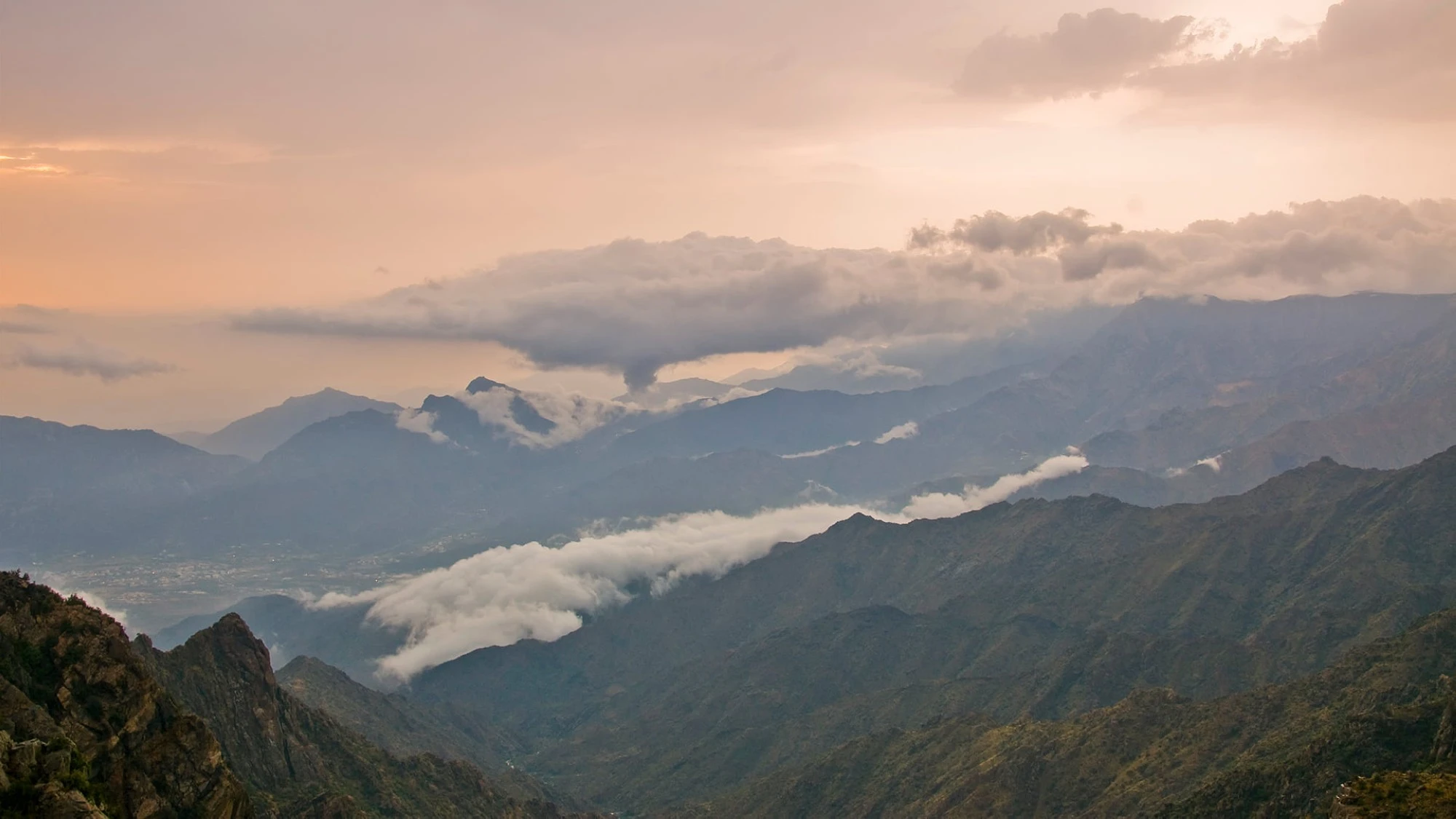
Al Namas is famously foggy and a long ‘fog road’ for walkers and cyclists has been built to embrace its atmospheric climate. At an altitude of 2400 metres, it’s a refreshingly cool place to spend some time, hot drink in hand, enjoying the cloudy mountain vistas. You'll instantly understand why Saudis and visitors from across the region flock to Aseer to escape the heat.
Before you leave, make a stop at one of the town’s traditional souqs where you can wander the stores, chat with shopkeepers and pick up authentic local products such as oud, honey and fresh dates.
Day 5: Visit Abha’s Tuesday market
Pick up some souvenirs and savour Aseeri cuisine
On your final day, return to Abha for a relaxed morning exploring the local markets. The historic Tuesday Market is one of the city’s highlights, with everything from spices and textiles to handmade crafts on sale. It’s an excellent spot to pick up souvenirs, such as Saudi coffee pots, handicrafts decorated in the regional Al-Qatt Al-Aseeri art style, woven baskets and antiques – all perfectly packable keepsakes.
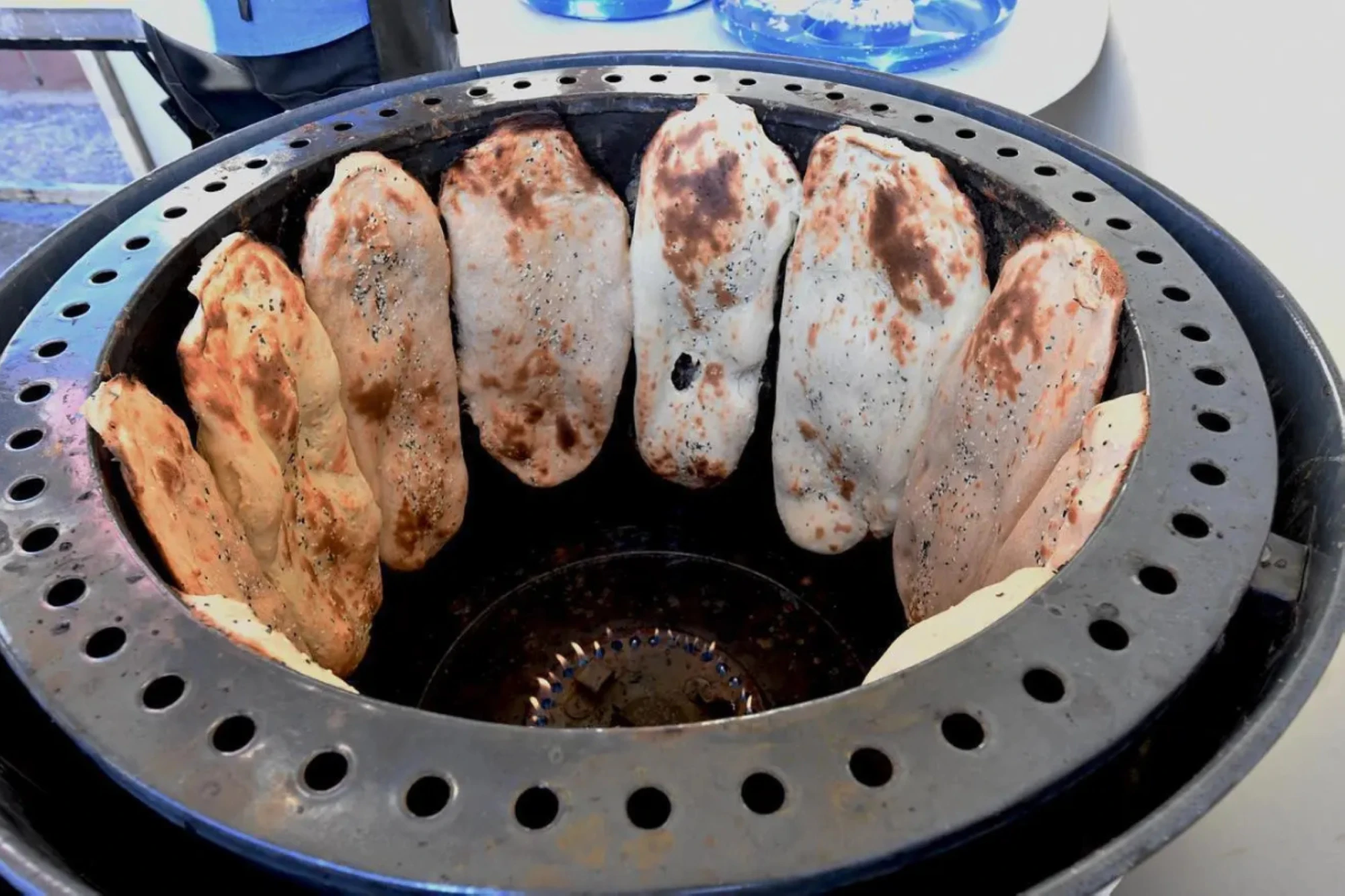
For a memorable farewell meal, dine at one of Abha’s traditional restaurants to try authentic Aseeri dishes such as areeka (wheat-flour porridge), haneeth (slow-cooked meat with rice) and jareesh (crushed wheat stew). Bab Al Turath restaurant, with its heritage-themed decor, comes highly recommended.