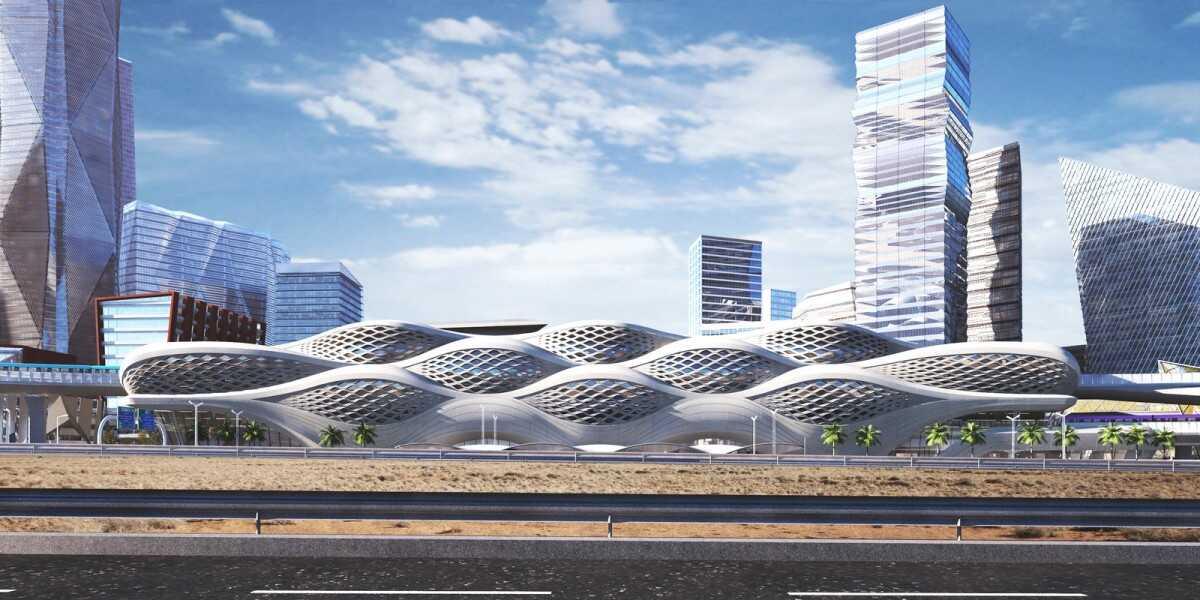

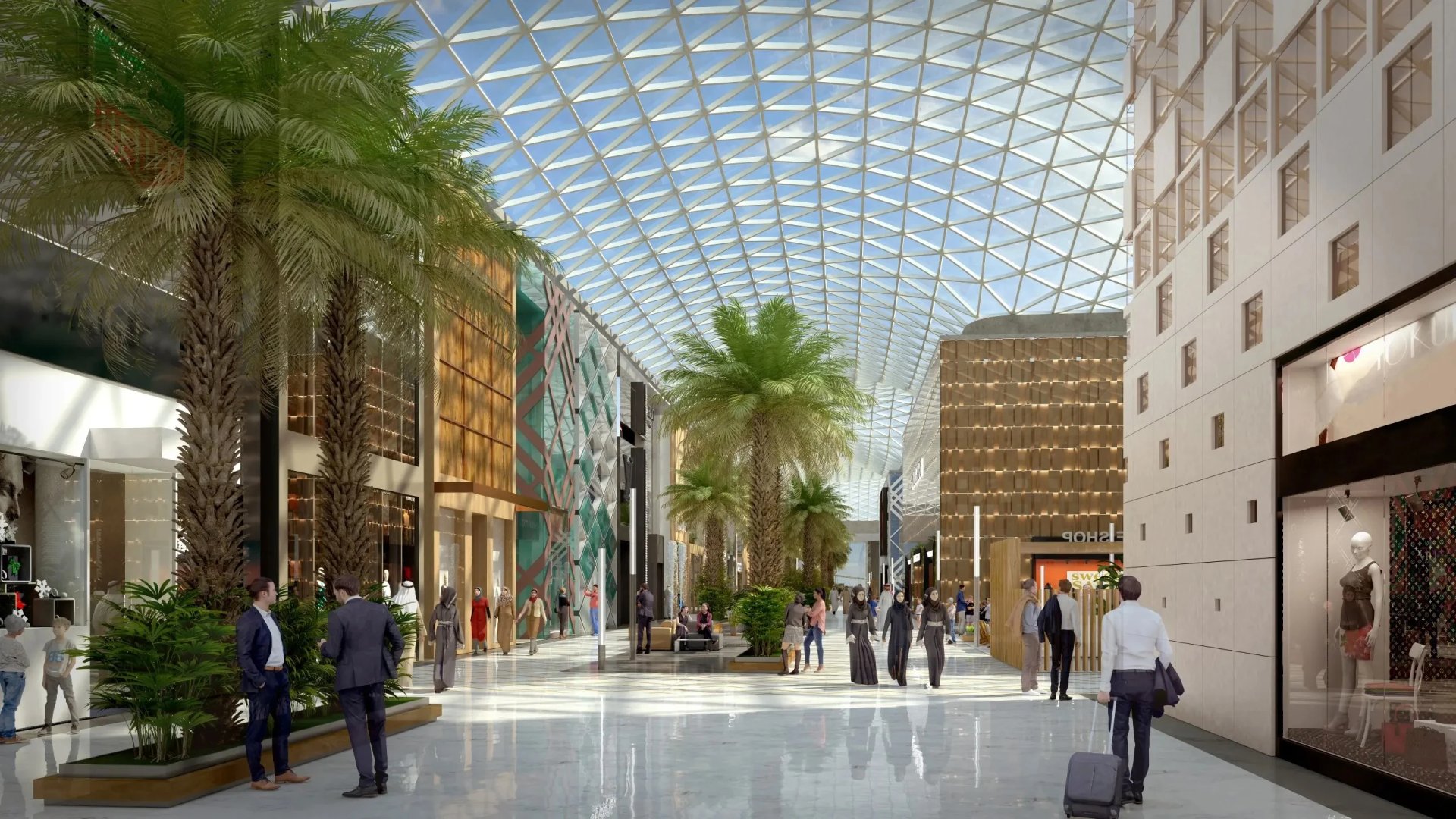


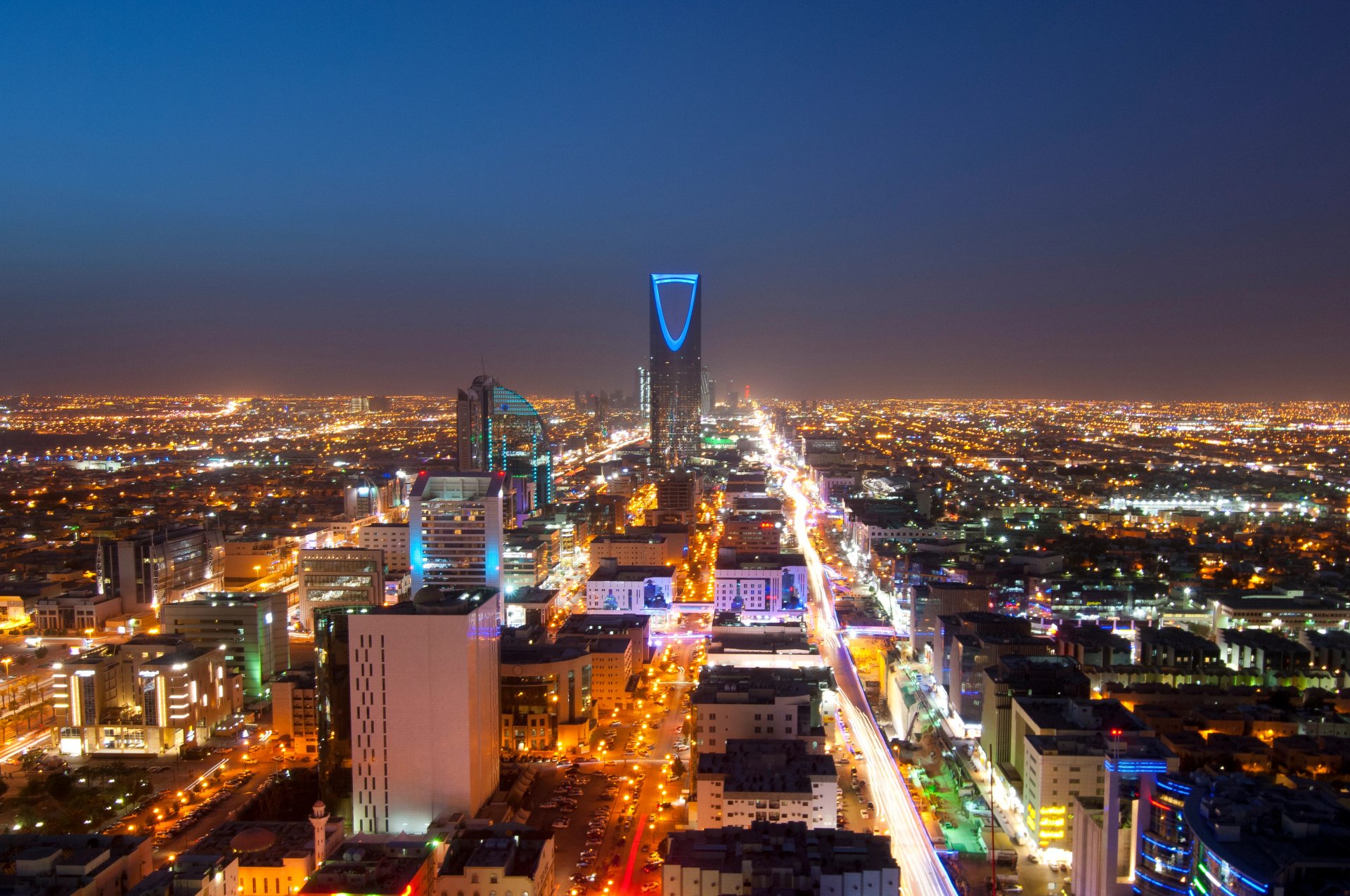
The first three lines of a planned six line metro system will launch in Riyadh on Wednesday November 27.
After over a decade of planning and construction, and several delays including the Covid-19 Pandemic, the Riyadh Metro project is officially set for a first phase opening this week. A $22.5 billion (SR84.4 billion) investment originally announced in April 2012, this launch marks a momentous occasion and a significant advancement in Riyadh's public transport infrastructure.
Riyadh Metro: The World's Longest Driverless Metro Line
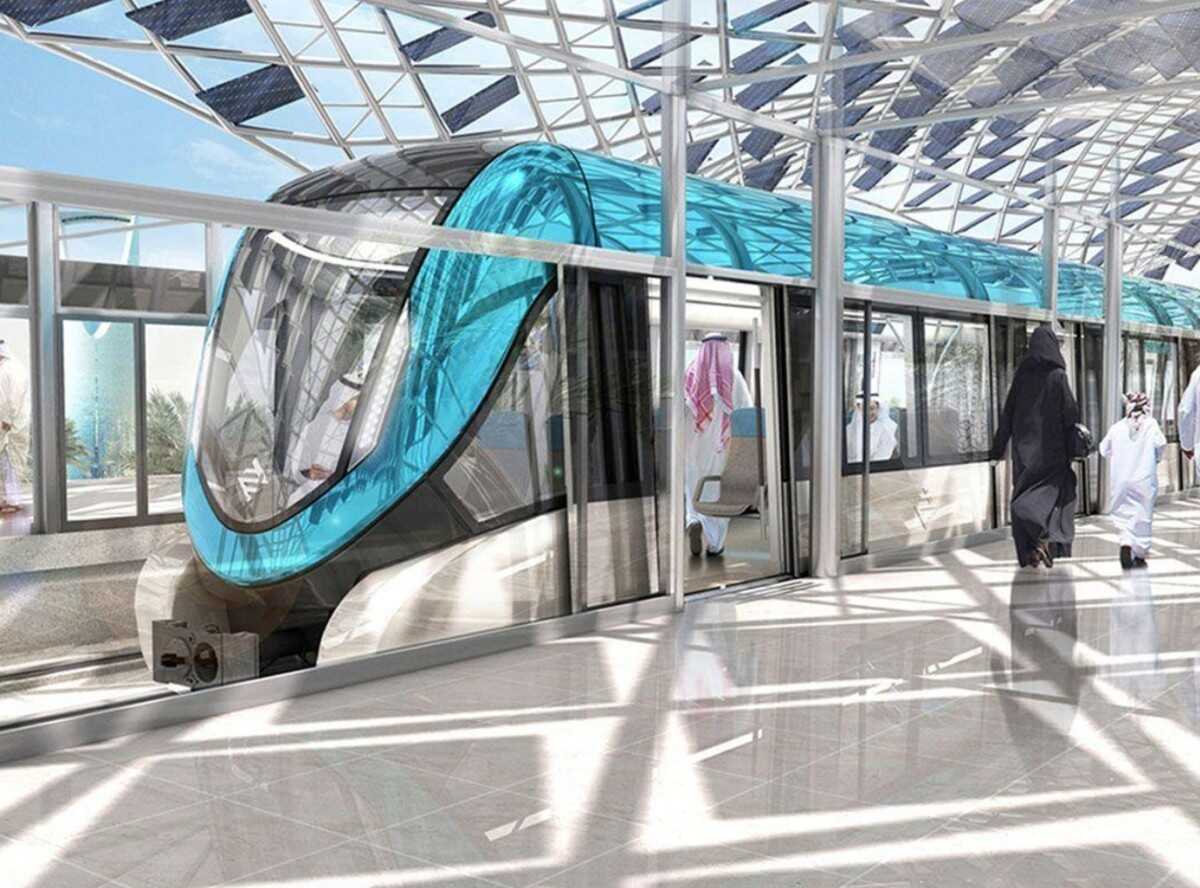
The world's longest driverless metro line will span across the Saudi capital city of Riyadh, and is set to revolutionise urban transportation in the city. With its launch, even in the initial phase, it is expected that residents and visitors will experience smoother and faster commutes, reducing reliance on private vehicles and significantly enhancing the city's public transportation system.
In this initial launch phase, three of the planned six lines of the Riyadh Metro will launch, servicing some of the city's main routes and thoroughfares: Al-Orouba to Batha, King Khalid International Airport Road, and the intersection of Abdulrahman Bin Auf Street with Sheikh Hassan Bin Hussein Street.
The final phase is set for completion and launch in mid-December. This secondary and final phase of the Riyadh Metro will significantly increase its operational capacity, and expand the network to include lines along King Abdullah Road, Al-Madina, and King Abdulaziz Road.
More details about the metro's first phase stops, ticket prices, and any special packages are expected to be released in the coming days.
Riyadh Metro & Sustainability
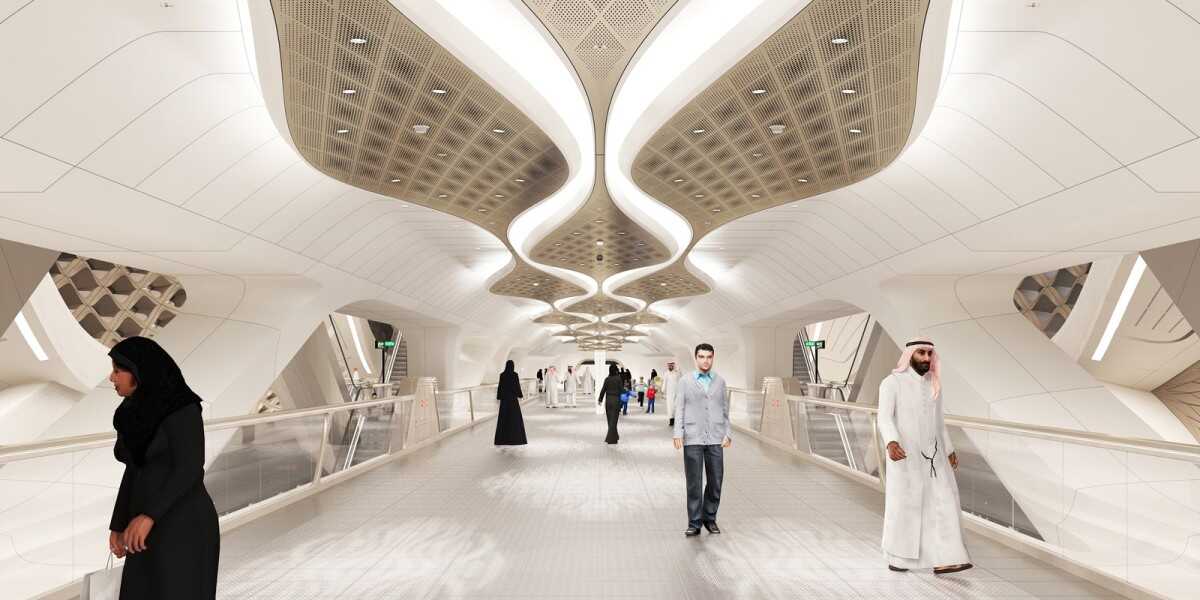
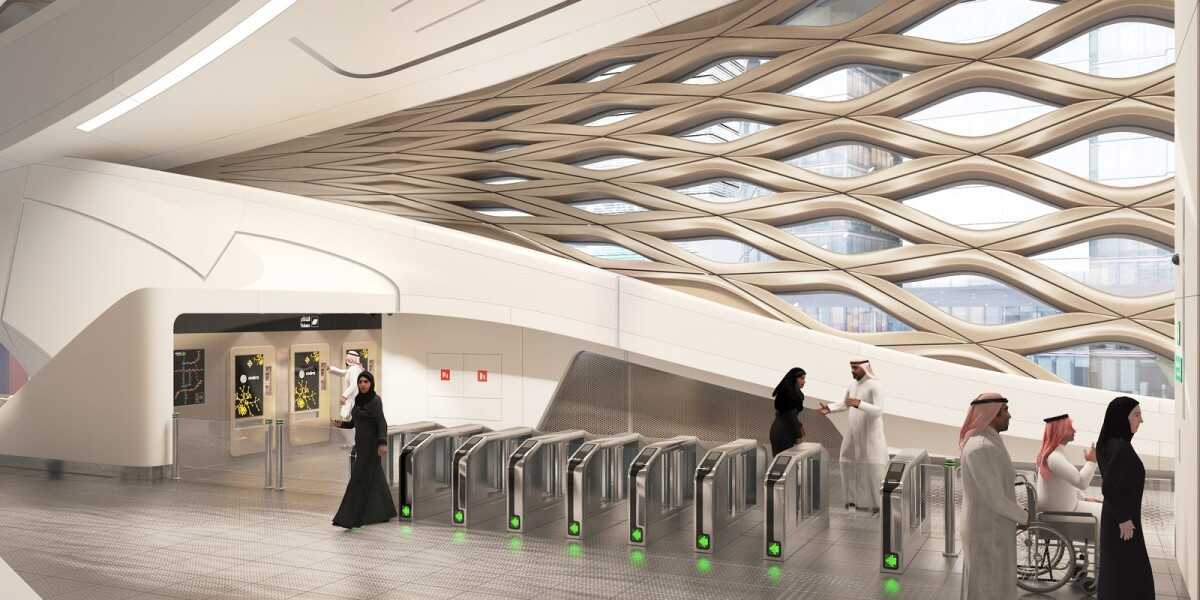
In line with the Kingdom's Vision 2030 project, the Riyadh Metro will be committed to sustainability.
All six lines will be powered exclusively by renewable energy sources, reducing the city's carbon footprint and increasing the reach of the city's public transportation system, and further solidifying Riyadh's position as a welcoming city for both regional and international tourists.
By harnessing solar power and implementing energy-efficient technologies, the Riyadh Metro aims to reduce its environmental impact. Solar panels will generate 20% of the energy required, while energy-efficient trains and regenerative braking will minimise power usage.
In addition to using renewable energy, and providing additional public transportation to residents and visitors, it is hoped that the Riyadh Metro will also encourage those living in the capital city to ditch their cars, and opt for this new transportation link instead - leading to less traffic and congestion on the roads, and thus reducing the use of fossil fuels in the Kingdom; helping both the environment and further enhancing the goals of Vision 2030.
You Might Also Like: The ultimate guide to getting around Riyadh
Riyadh Metro & Siemens
Siemens Mobility has played a pivotal role in the development of Riyadh's soon to launch, state-of-the-art metro system. As a leading provider of rail solutions, Siemens has collaborated with Riyadh Metro and the Royal Commission for Riyadh City (RCRC), contributing its expertise and technology to ensure the success of this ambitious project. Siemens Mobility have provided support and systems including the Riyadh Metro's signalling systems, track-laying equipment and the technology used in the metro cabins.
Riyadh Metro Phase I: Launching November 27
Riyadh Metro Phase II: Launching Mid-December
@riyadhtransport @zahahadidarchitects @rcrcsa