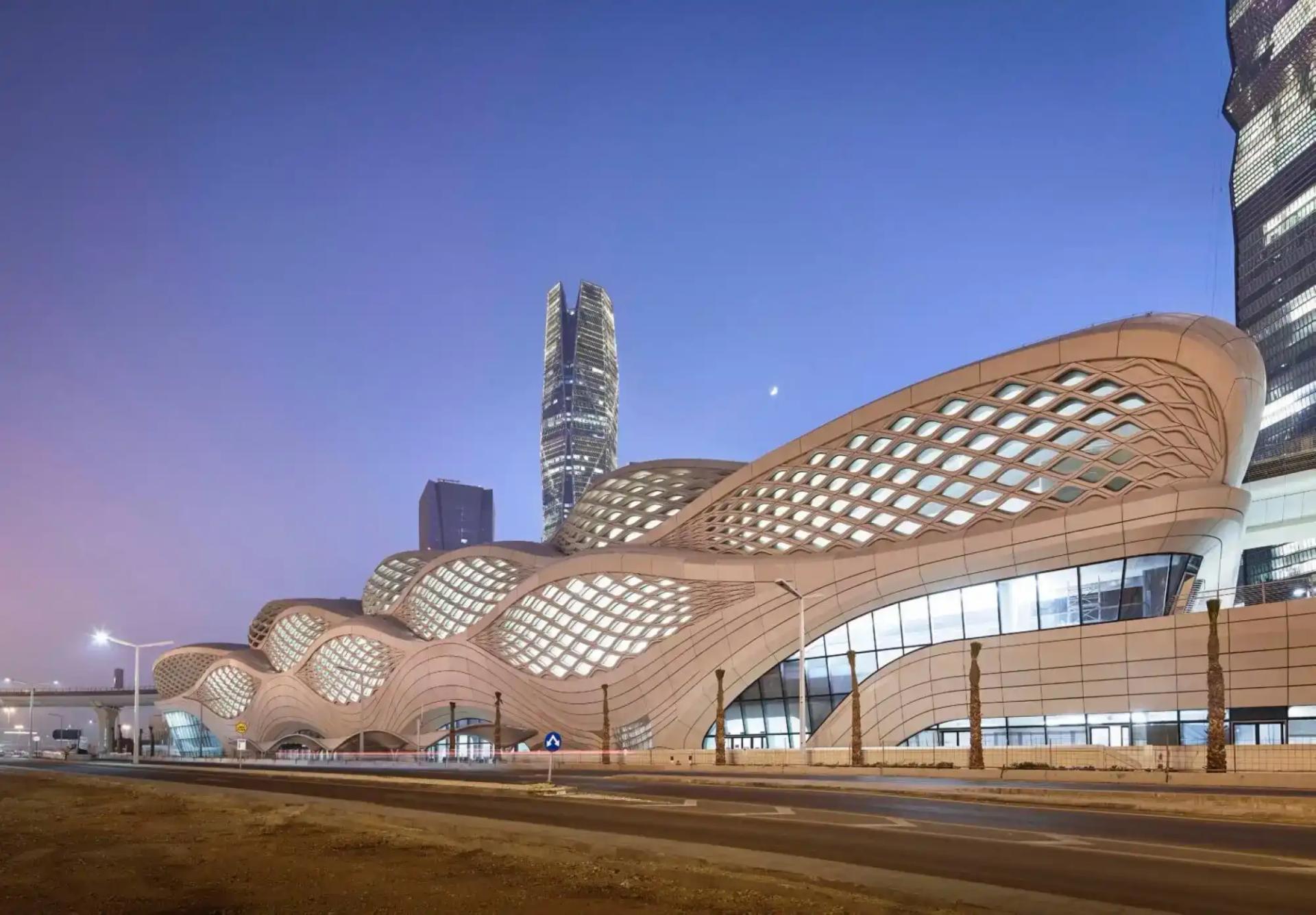


The capital's newest public transport system, the Riyadh Metro, is picking up serious speed - and clocking some serious passenger numbers.
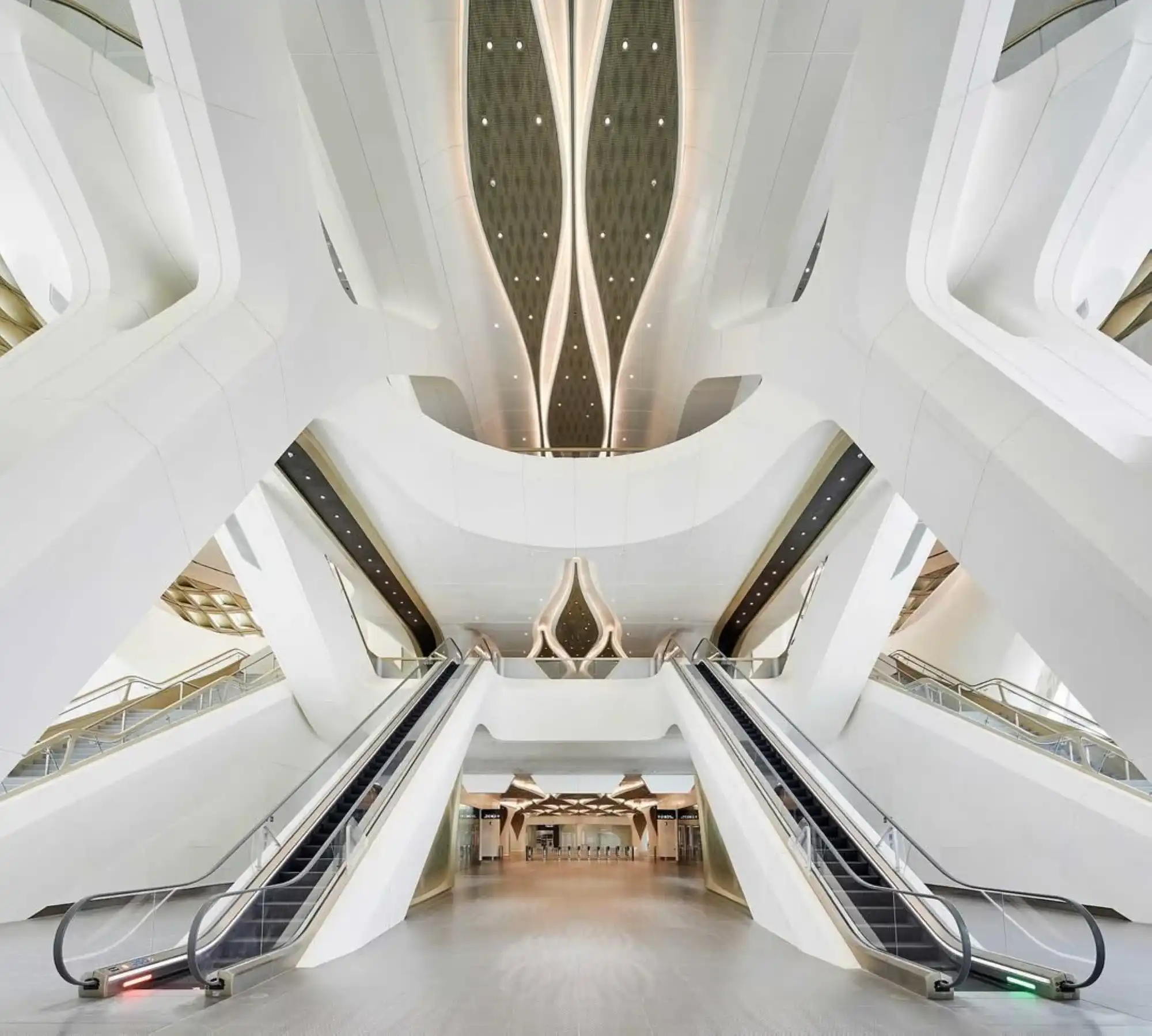
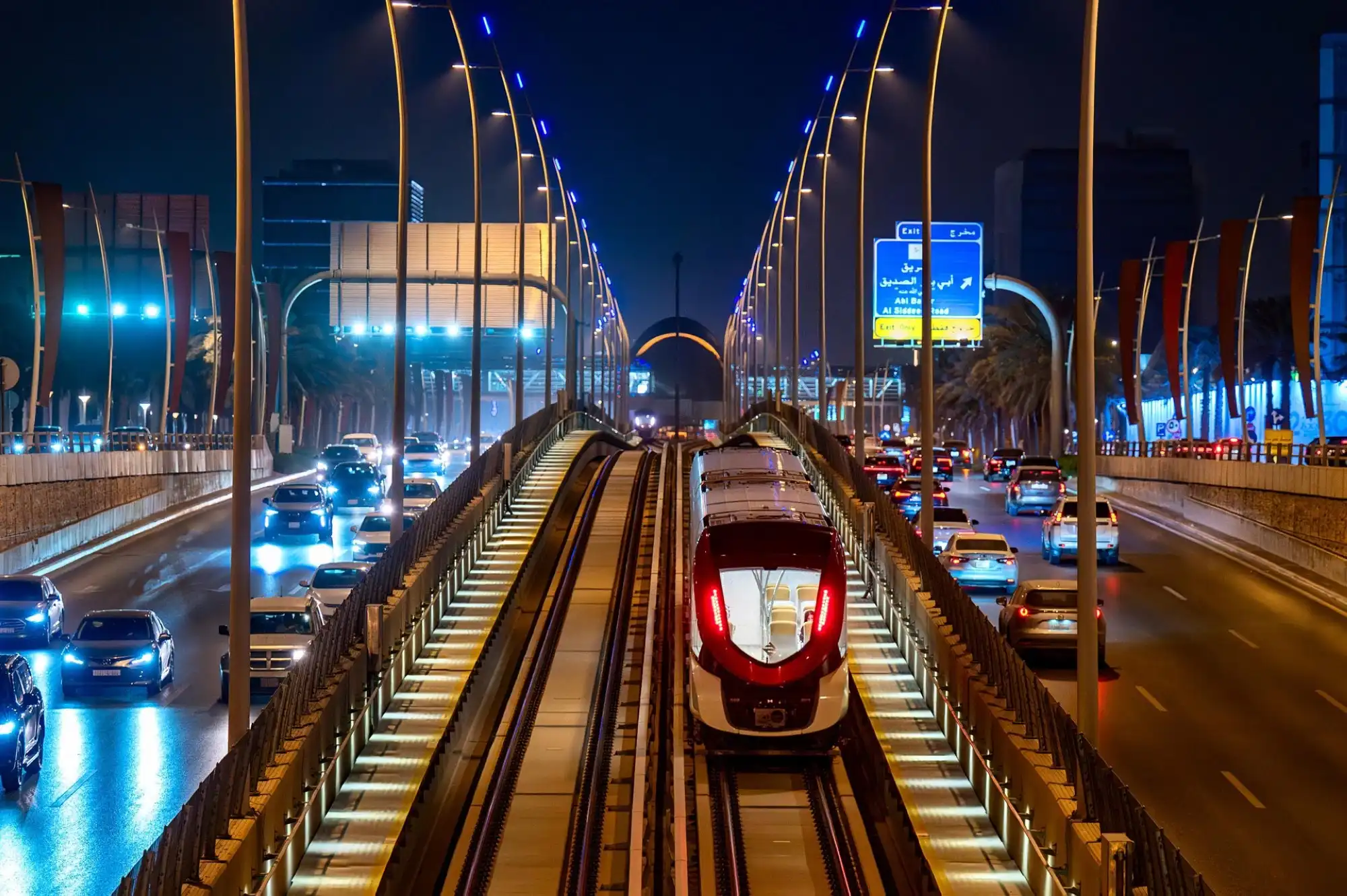
In just its first week of operation, the Riyadh Metro experienced remarkable success, welcoming over 1.9 million passengers and establishing the Blue Line as the most used track by commuters. Designed to handle a daily ridership of 1.2 million, the system has the potential to scale up to 3.6 million passengers with all stations and lines are fully operational, ushering in a transformative shift toward reduced traffic congestion and decreased reliance on private vehicles.
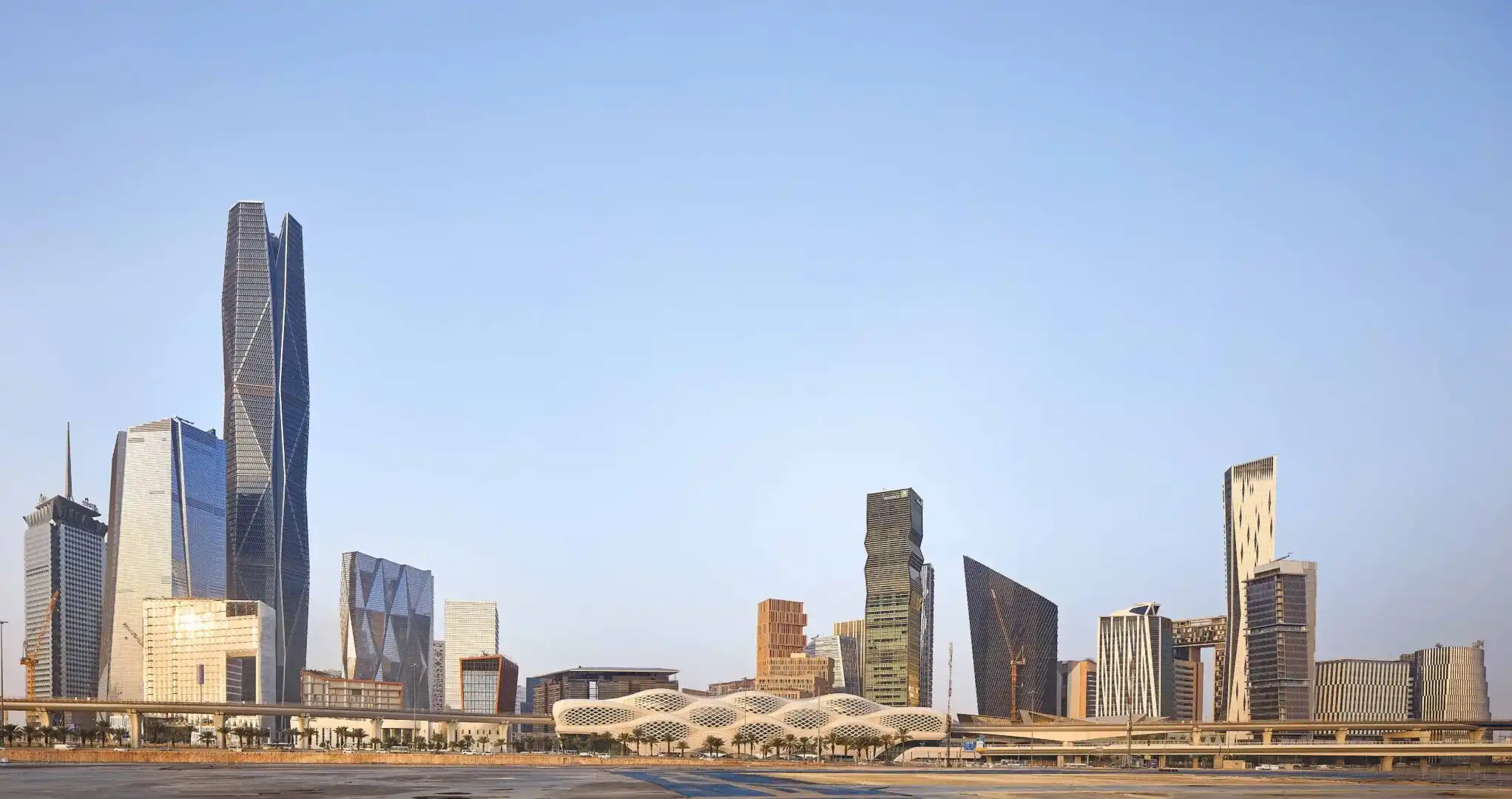
The King Abdullah Financial District (KAFD) Station has also proven to be a major hub, with over 3 million passengers passing through its gates in the first two months of full operations.
So, with this knowledge, it should be no surprise that in just the first three months of 2025, more than 25 million passengers have already used the newly established metro system in the capital.
Since its launch, the Riyadh Metro — the world’s longest driverless train system — has rapidly gained popularity among locals, residents, and tourists alike. Providing seamless connectivity across the city, it has become a preferred mode of transport for both daily commutes and leisure travel, redefining urban mobility in the capital.
Operated by the Royal Commission for Riyadh City, the world's longest, driverless rail network features 190 trains, 452 cars, and 19 park-and-ride locations, with each accommodating up to 600 vehicles. It’s part of a broader push to cut down on car use and reshape how people move around the city. The growing use of the Riyadh Metro is allowing the city and the Kingdom to take a major step towards reducing traffic and air pollution in the capital. This is increasingly important as Riyadh's population is projected to reach 15 to 20 million by 2030.
Saudi's Transport General Authority (TGA) released a quarterly report unveiling details on the number of passengers who used rail transport, in the first quarter of the year. Last week the Authority's report concluded that a total of 35 million passengers travelled by train during this time period, an unprecedented jump. This surge in rail usage highlights the Kingdom’s commitment to expanding sustainable transportation, reinforcing its National Strategy for Transport and Logistics Services.
According to fresh figures from Saudi Arabia’s Transport General Authority, the Riyadh Metro was busiest city-based rail network in the Kingdom. In total, over 32.3 million passengers used Saudi urban rail systems between January and March, with Riyadh leading the charge. Jeddah’s Automated Rail Transit (ART) at King Abdulaziz International Airport came in second, serving more than 6 million travellers, while the ART at Princess Nourah University moved upwards of 900,000 passengers in just three months.
Saudi Arabia’s full rail network, including intercity route, welcomed more than 35 million passengers over the same period, pointing to growing confidence in public transport across the country.
Public transport in Saudi Arabia is no longer a plan — it’s here, and people are on board.