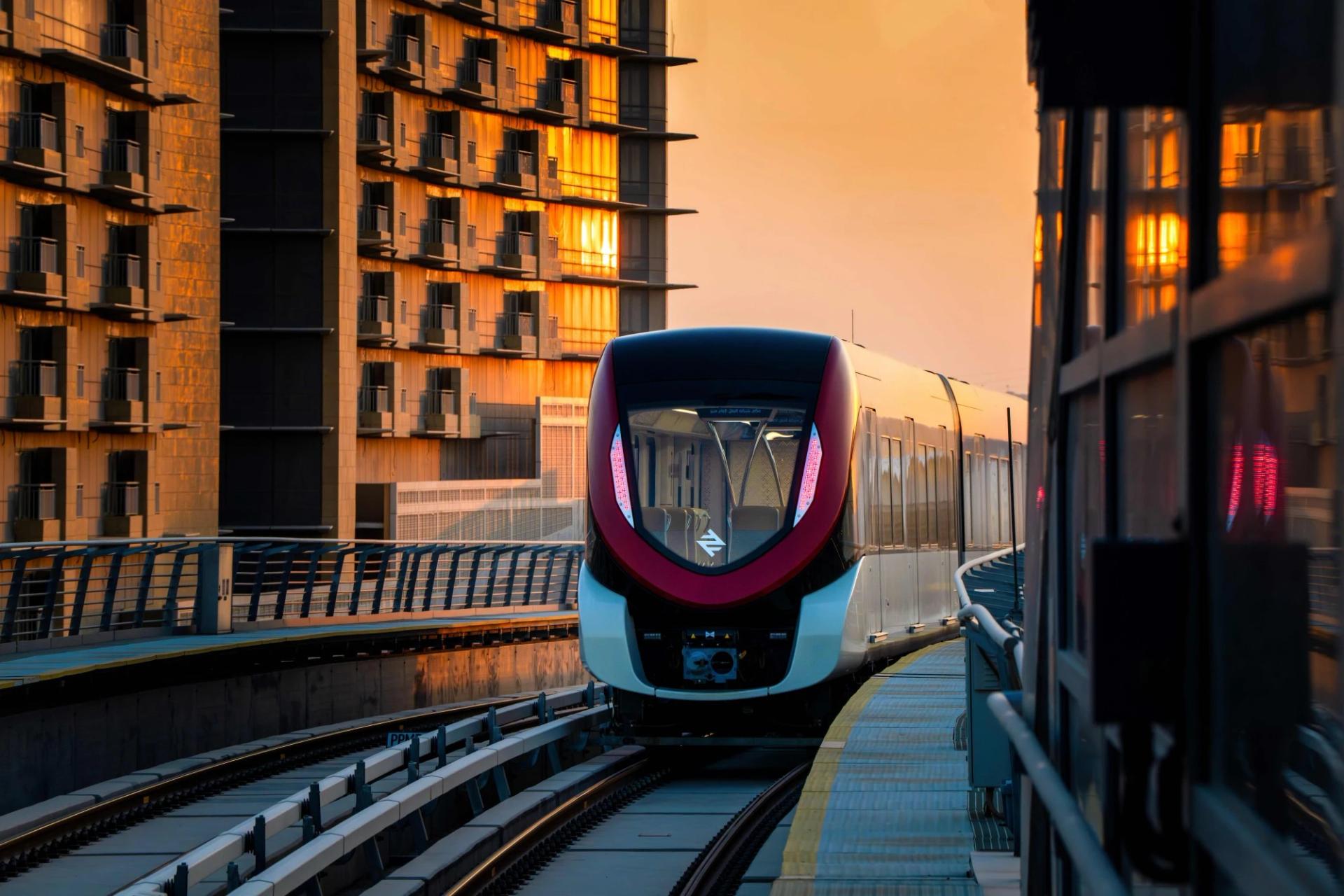
Riyadh's award-winning metro network is set for a major expansion in 2026, as it is announced that a seventh line will be developed and introduced. Slated to become a vital connecting line between the northwestern Diriyah district, and the southwestern mega-project of Qiddiya, Line 7 of the Riyadh Metro will enter its initial phase of implementation in the coming year.
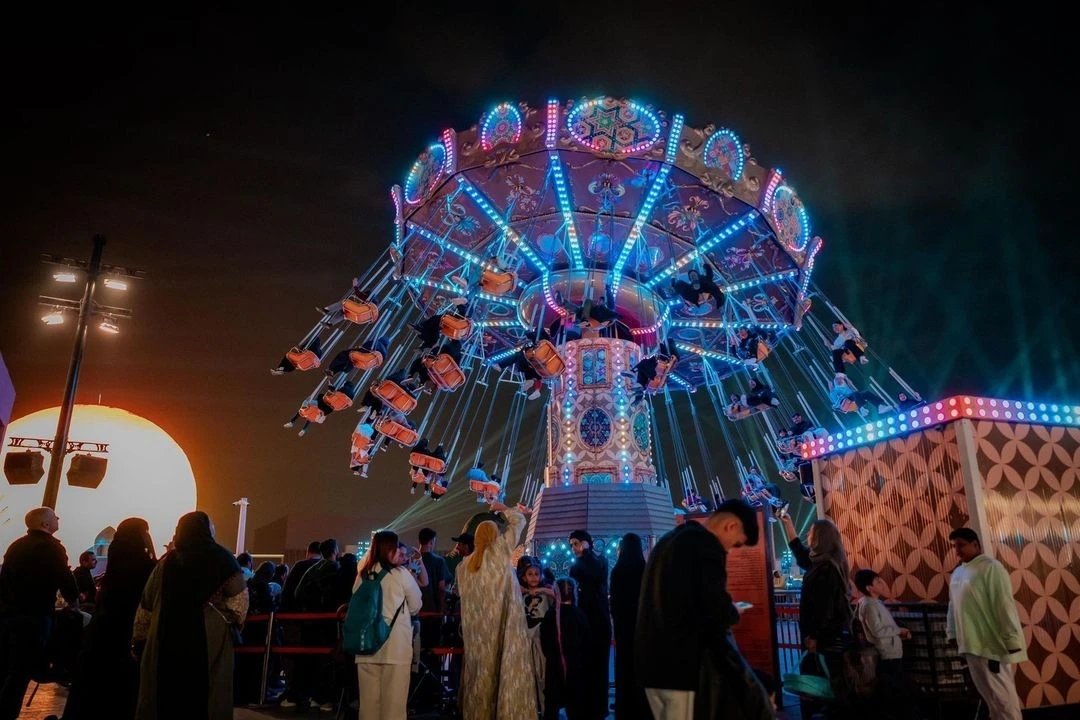
This new line has also been referred to as the Q-Express Rail Line or Qiddiya Metro Line. This line is expected to become a core element of Riyadh’s long-term transportation and connectivity strategy, and will become the direct link between the central areas of the Kingdom's capital and the future entertainment, sports, and arts hub, Qiddiya.
You Might Also Like: Riyadh Metro secures global record as 'World's Longest Fully Driverless Network'
The Finer Details
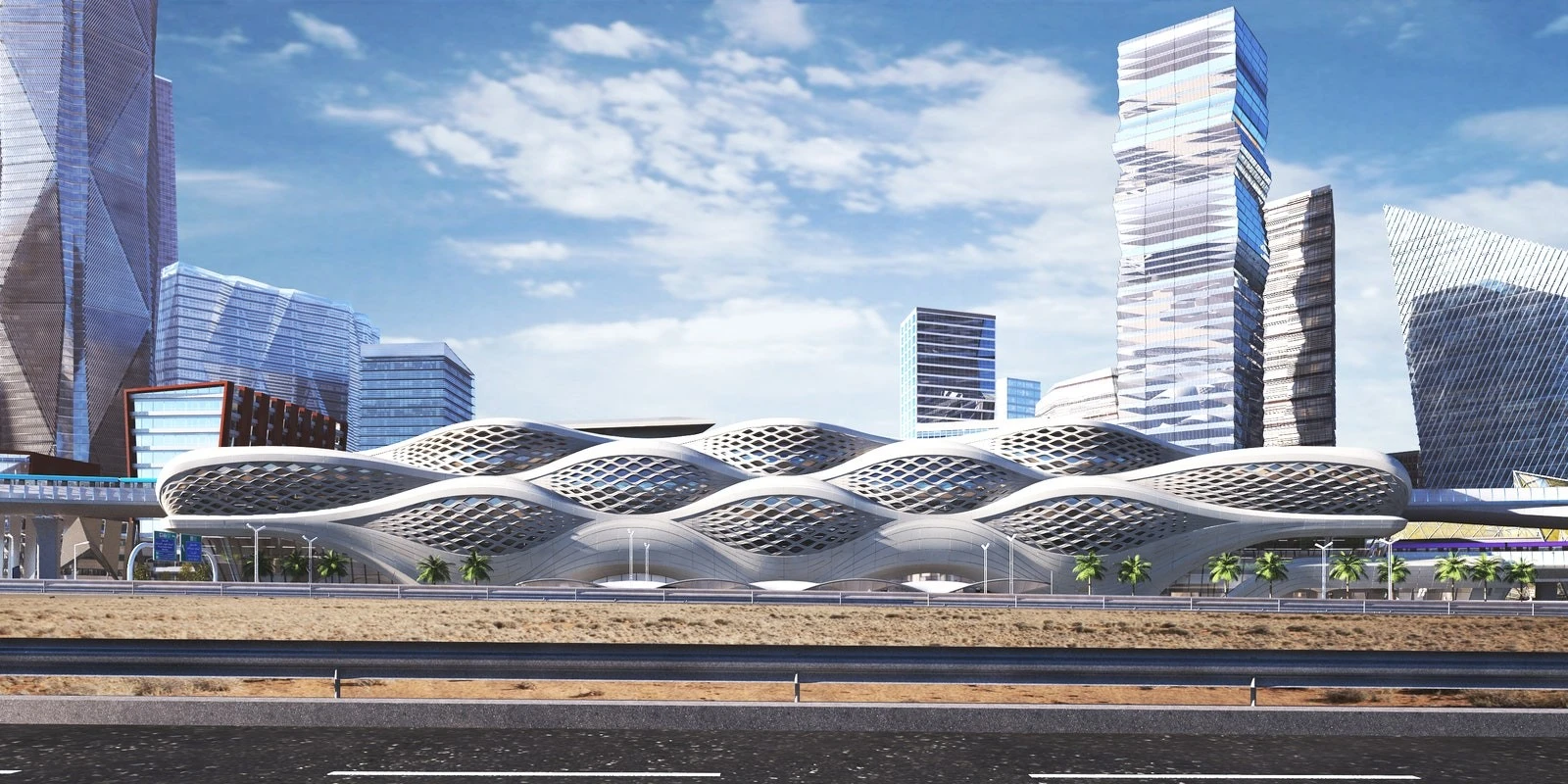
The seventh metro track is scheduled to enter its initial implementation phase in 2026. This extension is far-reaching, with the first phase alone expected to span approximately 65 to 70 kilometres and feature 19 stations (comprising 14 underground and five elevated segments).
The entire line is envisioned to link several key developments, including King Abdullah International Gardens, King Salman Park, MiSK City, and potentially New Murabba, significantly broadening the public transport accessibility of these major future landmarks. The original Riyadh Metro network consisted of six lines spanning 176 kilometres; the addition of Line 7 will push the total network length to over 240 kilometres.
The Riyadh Metro system, operated by fully automated, driverless trains (a feature which earned the existing 176km network a Guinness World Record), plays a crucial role in the city's commitment to reduce car trips and lower overall carbon emissions. By offering residents and locals a sustainable, electric-powered alternative to private vehicles, the expansive metro network aligns with the Kingdom’s Vision 2030 sustainability targets. The entire network, built at an estimated cost of USD$22.5 to USD$27 billion, is designed to handle a capacity of up to 3.6 million passengers daily.
Project Scope and Impact
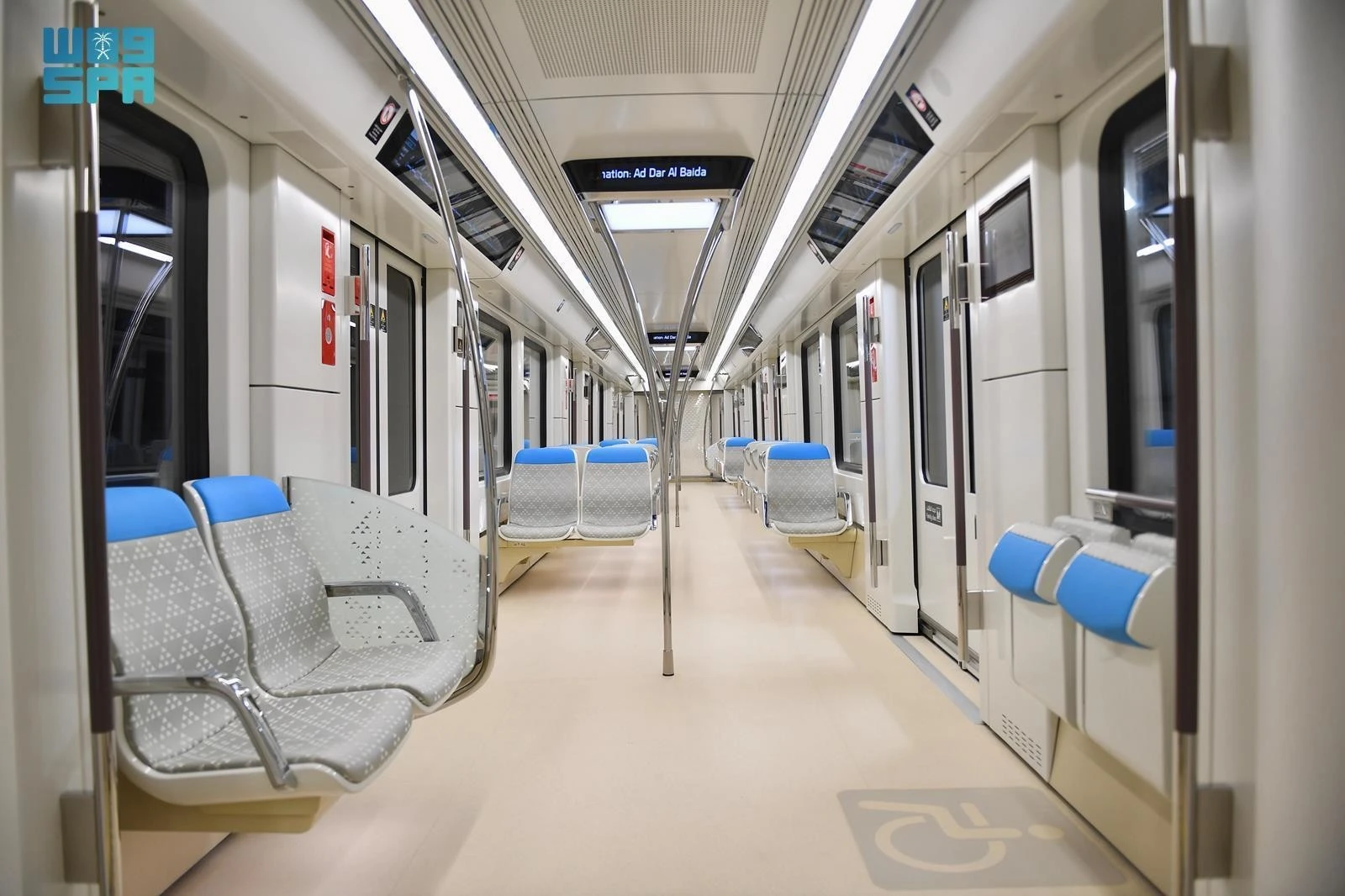
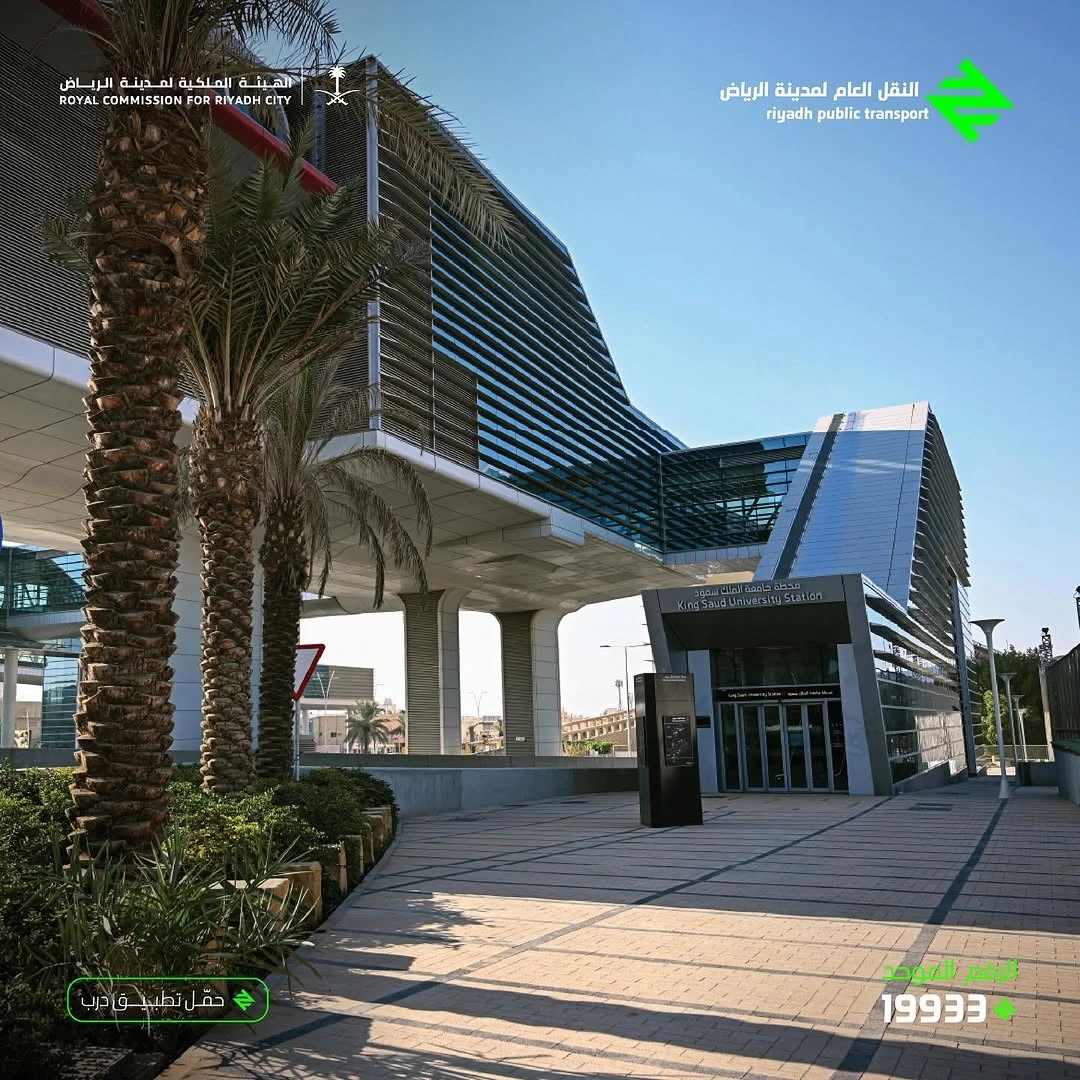
The project is designed to expand the capital’s transport network to accommodate the rising mobility needs driven by rapid urban growth.
By offering a fast, efficient, and electric-powered alternative to cars, the Riyadh Metro system, including this extension, plays a crucial role in the city's target to reduce car trips and lower overall carbon emissions, aligning with the Kingdom’s sustainability commitments. The extension's development is structured under a Public-Private Partnership (PPP) model, attracting global expertise to deliver this world-class infrastructure.
You Might Also Like: Six Flags Qiddiya will open on December 31 - buy tickets now!
Integrated Mobility Network
The metro extension is running parallel to other major infrastructure upgrades planned for next year, including the Main and Ring Roads Axes Development Program, which will advance the construction and improvement of existing corridors across more than 500 kilometres of the city’s network. Key road projects include progress on the Second Southern Ring Road, Al-Thumama Road, and Taif Road in Laban, all aimed at reducing congestion and improving overall connectivity between major districts.
This integrated approach ensures that the new rail network functions cohesively within a modern, multimodal transport system, enhancing efficiency and boosting Riyadh’s ambition to rank among the world's top city economies. The timely completion of these large-scale mobility projects is also crucial as Saudi Arabia prepares to host major international events, such as the 2034 FIFA World Cup, where the metro lines will provide quick access to key venues like the King Salman Stadium.