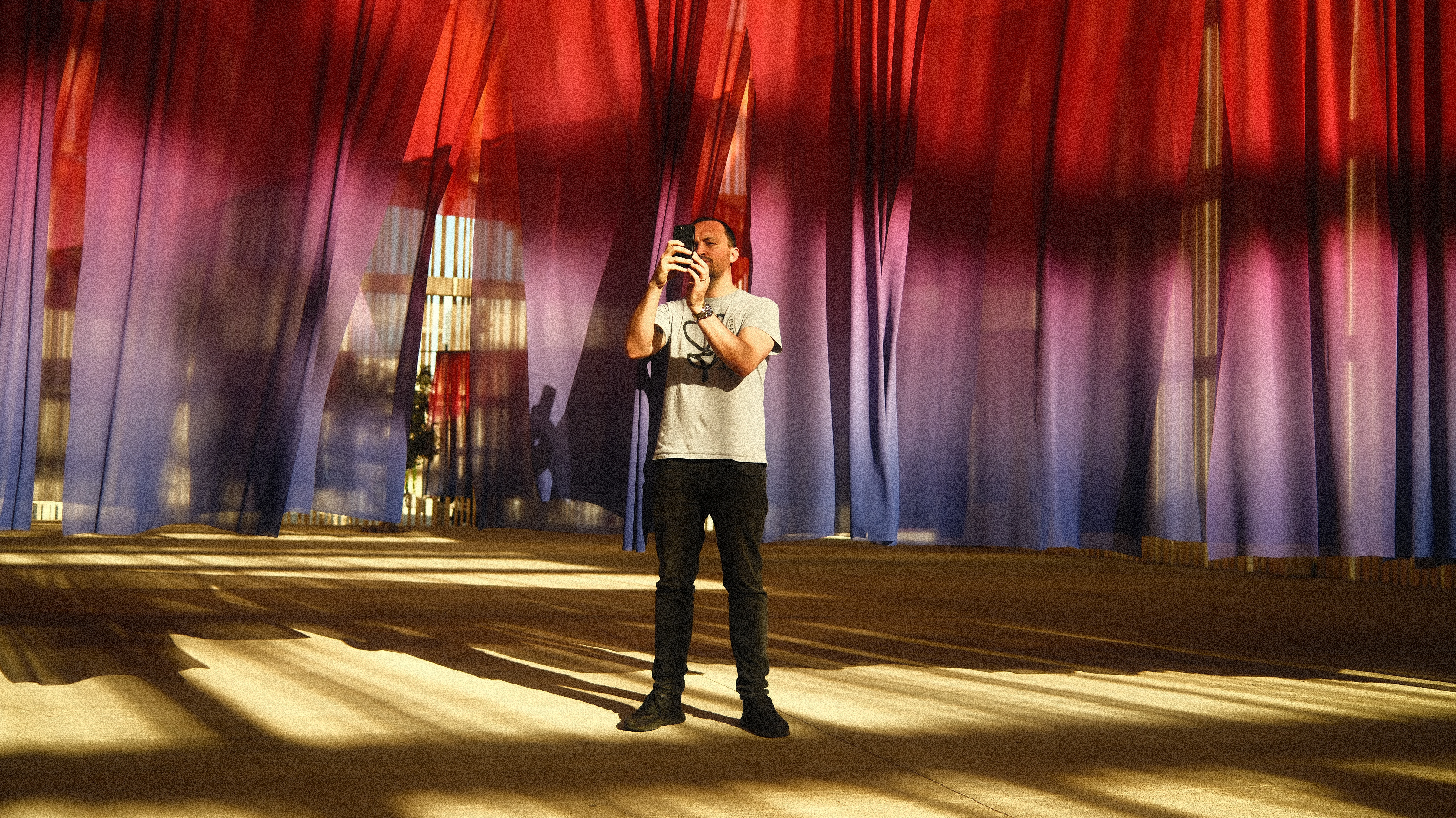
Hanging from the roof of the vast main hall at this year’s Islamic Arts Biennale in Jeddah is the Kiswah, the sacred black and gold curtain that adorns the Kaaba in Makkah. It’s the first thing you see upon arrival – a striking symbol of faith and artistry, now displayed in its entirety for the first time to non-Muslims. Running until 25 May, the biennale is a treasure trove of Islamic art and culture, but the Kiswah steals the show.
“How do you feel?” asks a Saudi tour guide, appearing at my side with a warm, knowing smile. She already knows the answer.
I’d actually been thinking of Richard Burton, the 19th-century explorer and Arabist, who was one of the few non-Muslims to visit the Kaaba. An arch cynic who did not have a religious bone in his body, Burton wrote in his memoirs: “Never – nowhere – aught so solemn, so impressive as this.” My response is less poetic: “It’s amazing.”
And it is: this is the first time that it is possible for the Kiswah, which is changed once a year and usually distributed to mosques around the world as gifts, to be viewed in its entirety by non-Muslims. Its four sides are hung diagonally from the cavernous halls of the former Western Hajj Terminal, as a succession of awed visitors – both locals and international tourists – pass silently beneath it.
Makkah humbled Burton, and 150 years later, Jeddah humbled me.
A City Where History Meets Ambition

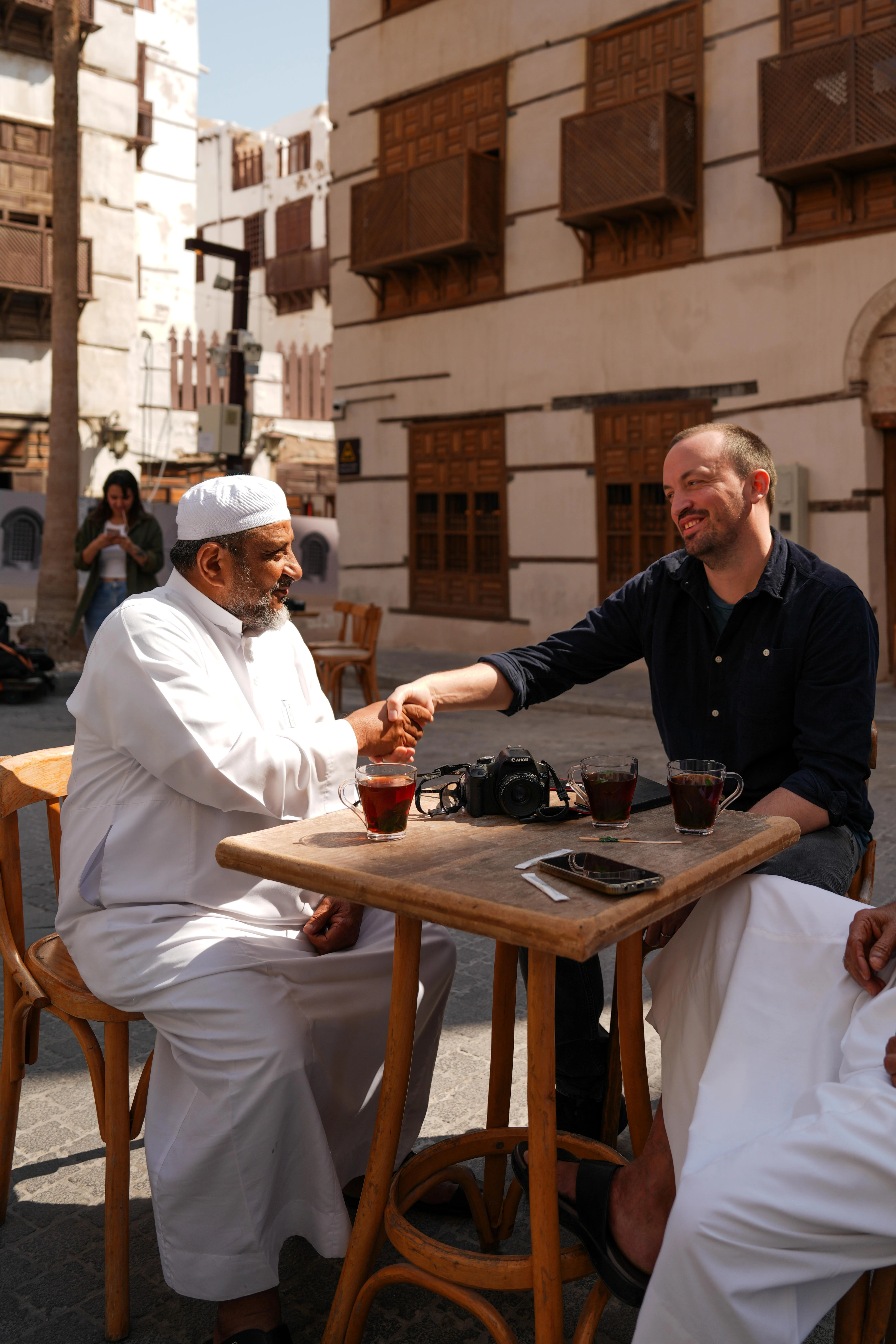
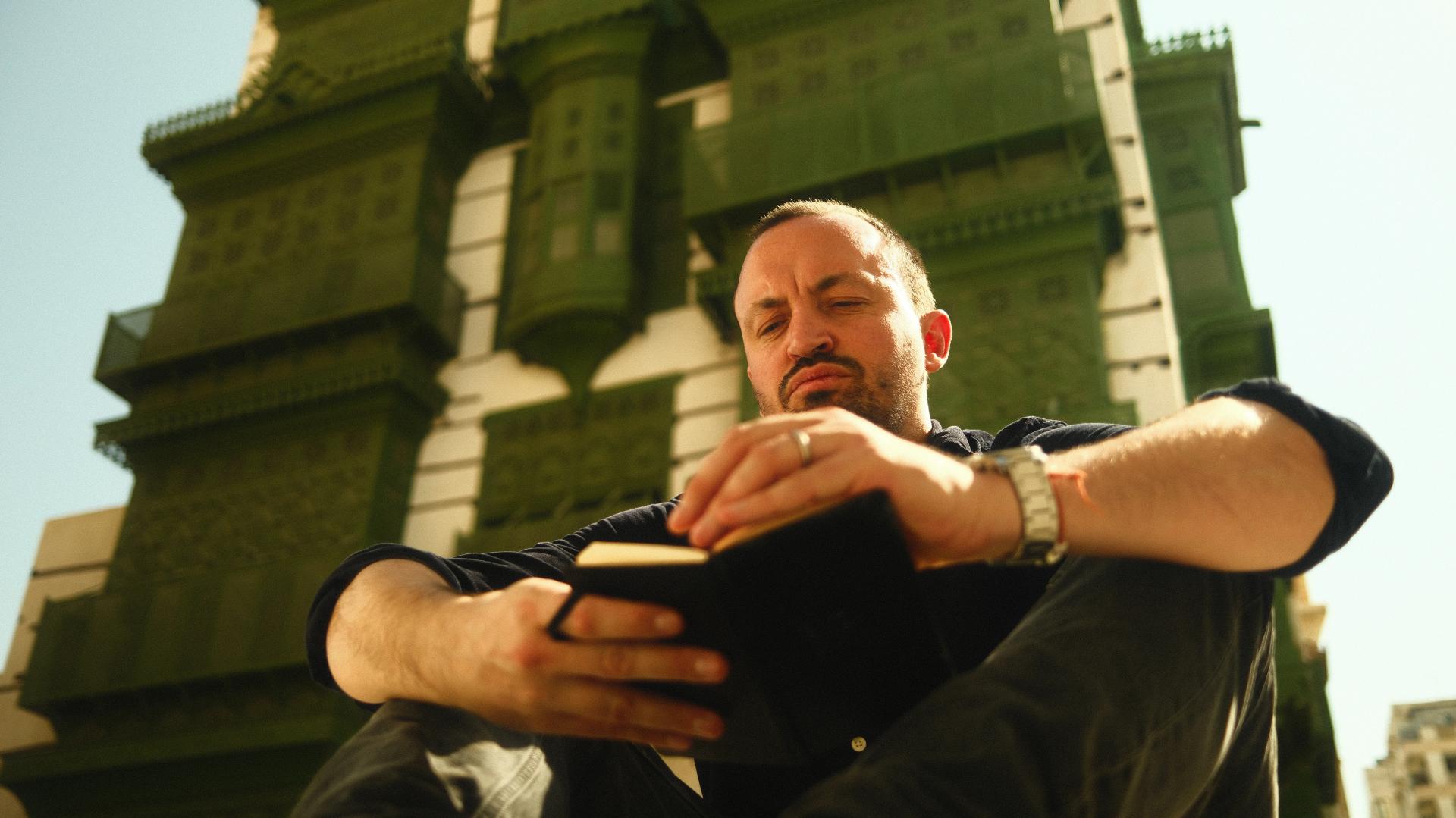
From the art galleries to the newly restored coral buildings of the Old Town (Al Balad) with their multi-coloured mashrabiya and roshan window boxes, the sites are about the past and present. From Souk Al Alawi, where stallholders tout for business, selling souvenirs, coloured keffiyehs and scarves, and thawbs and abayas to tourists and locals alike, to the Shafi’i Mosque, still welcoming the faithful to prayer after 800 years, there’s something for everyone.
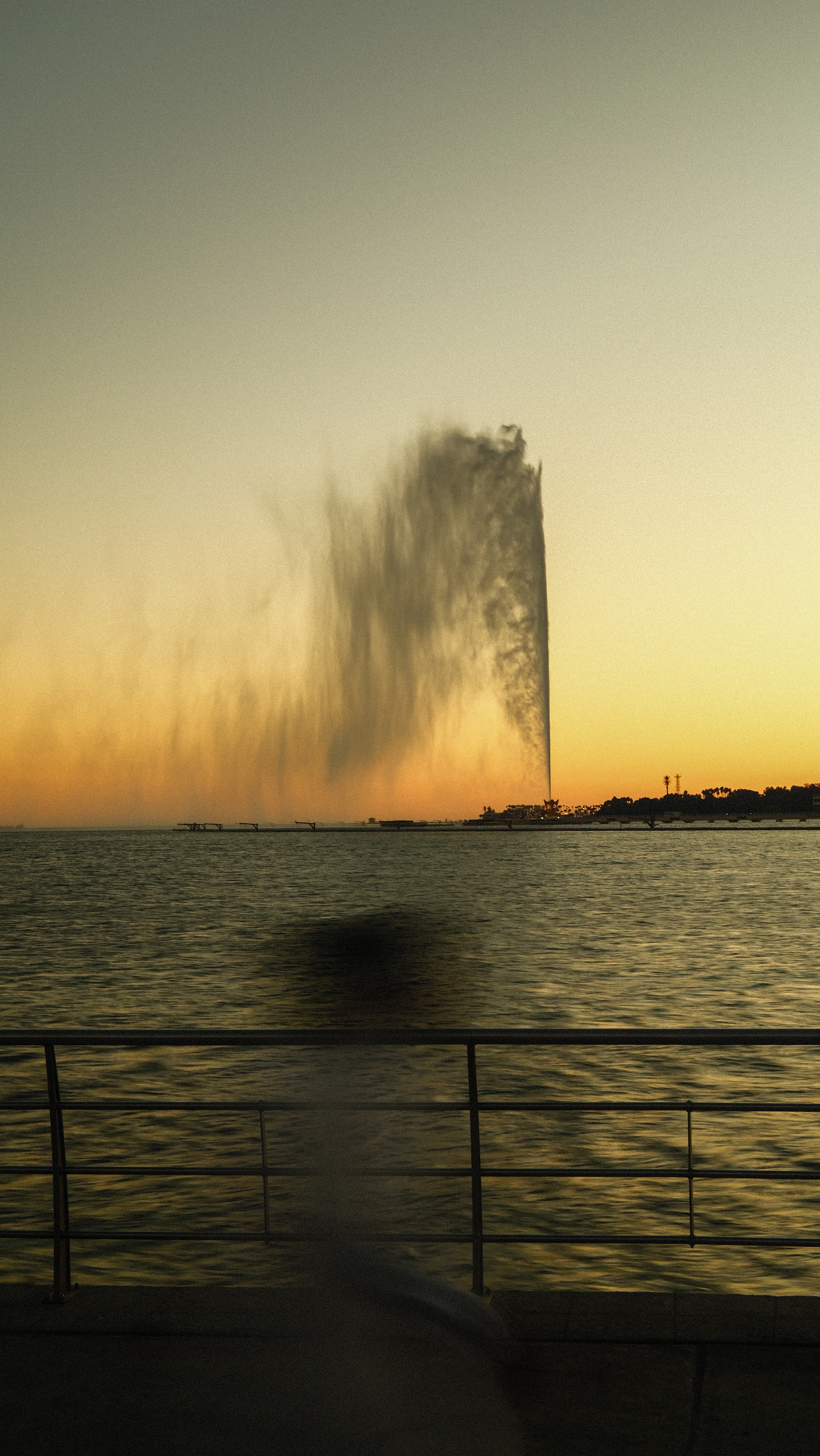
Further north, outside Al Rahmah Mosque, gentle waves broke beneath us and seagulls whirled in a perfect cobalt blue sky. Here the corniche has been completely redeveloped, with new restaurants and cycle paths for bikes and e-scooters. Behind the buildings is the impressive F1 track, newly opened and preparing for its next event in April.
“First time in Saudi?” I was asked everywhere I went. “No,” I replied, “I came 15 years ago.” “Ah, it was a different place then,” they’d respond, smiling knowingly. It certainly was.
Jeddah: Then and Now
I first visited in 2010, I was fresh-faced and new to the region. I’d only moved to Dubai from Shanghai a couple of months earlier and knew relatively little about the Middle East. Saudi wasn’t an easy place to visit back then, and when I finally managed to get a visa, I jumped at the chance to visit a place few outsiders had the opportunity to see firsthand.
I stayed at Al-Baia Hotel just outside Jeddah’s Old Town. It is still there, and the boarded-up lobby and location – across the road from the immaculately restored Lake Arbaeen and Jaffali Mosque – suggest it may not be for much longer. New hotels, some built into restored coral houses, are springing up, catering to the tourists pouring into Jeddah.
On the far side of Allegiance Square, bordering the peaceful gardens on the eastern side of the lake, is the building housing teamLabs Borderless Jeddah, an impressive digital art museum. Allegiance Square itself was the entry point to the city for Abdulaziz bin Abdulrahman Al Saud when he took Jeddah in 1925, a century ago this year.
On my first night in 2010, I wandered the maze of the Old Town, silent and forgotten. There was nowhere to eat, and I spent the evenings watching the World Cup on a patch of land by the road where a local cafe was serving tea. Even then, I felt that there was something special about Jeddah, and I’ve thought about returning often in the years since.
You Might Also Like: A First Timer's Guide to Saudi Arabia
The Transformation of Al Balad
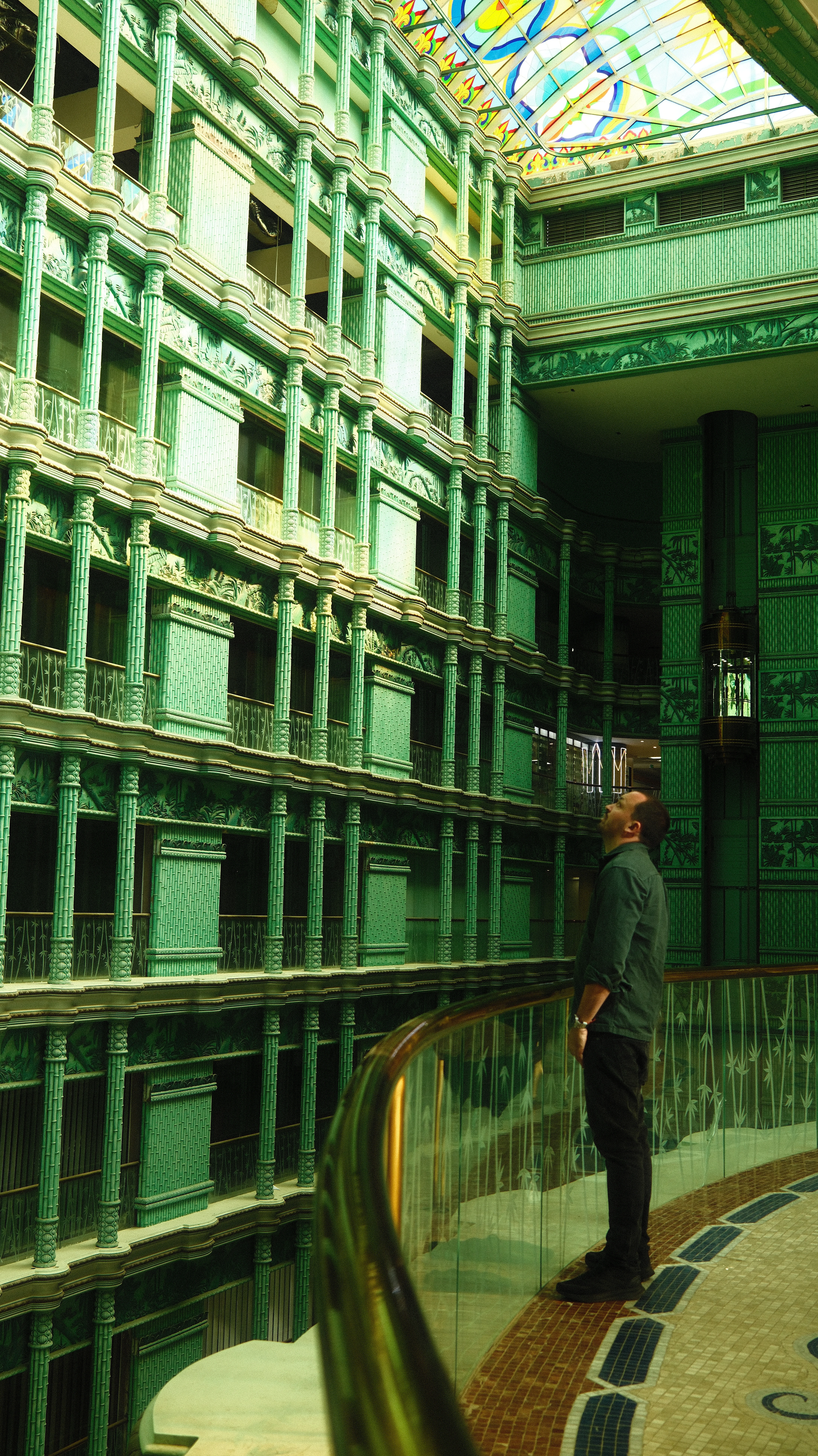
In 2014, Al Balad got its UNESCO listing, and the government began the work of restoring the historic buildings. Crown Prince Muhammed bin Salman pledged $13.3m to restore 56 buildings in the Old Town as part of Saudi’s Vision 2030.
On my visit this January, that work is well underway, and the city is a sea of construction workers and cranes, the sound of drilling and masonry work ringing out night and day. Meanwhile, the old shops and market stalls have been joined with new trendy cafes and restaurants run by Saudis and serving a predominantly tourist crowd.
One evening, I walked the Old Town as preparations were being made for Balad Beast, an international music festival. The buildings were lit by multi-coloured floodlights and street art was projected onto the walls. Music came from speakers above our heads, while tourists and locals sat in the new public squares drinking tea and eating street food.
It’s unrecognisable today. Or rather, it’s recognisable – just very, very different.
Preserving the City’s Soul
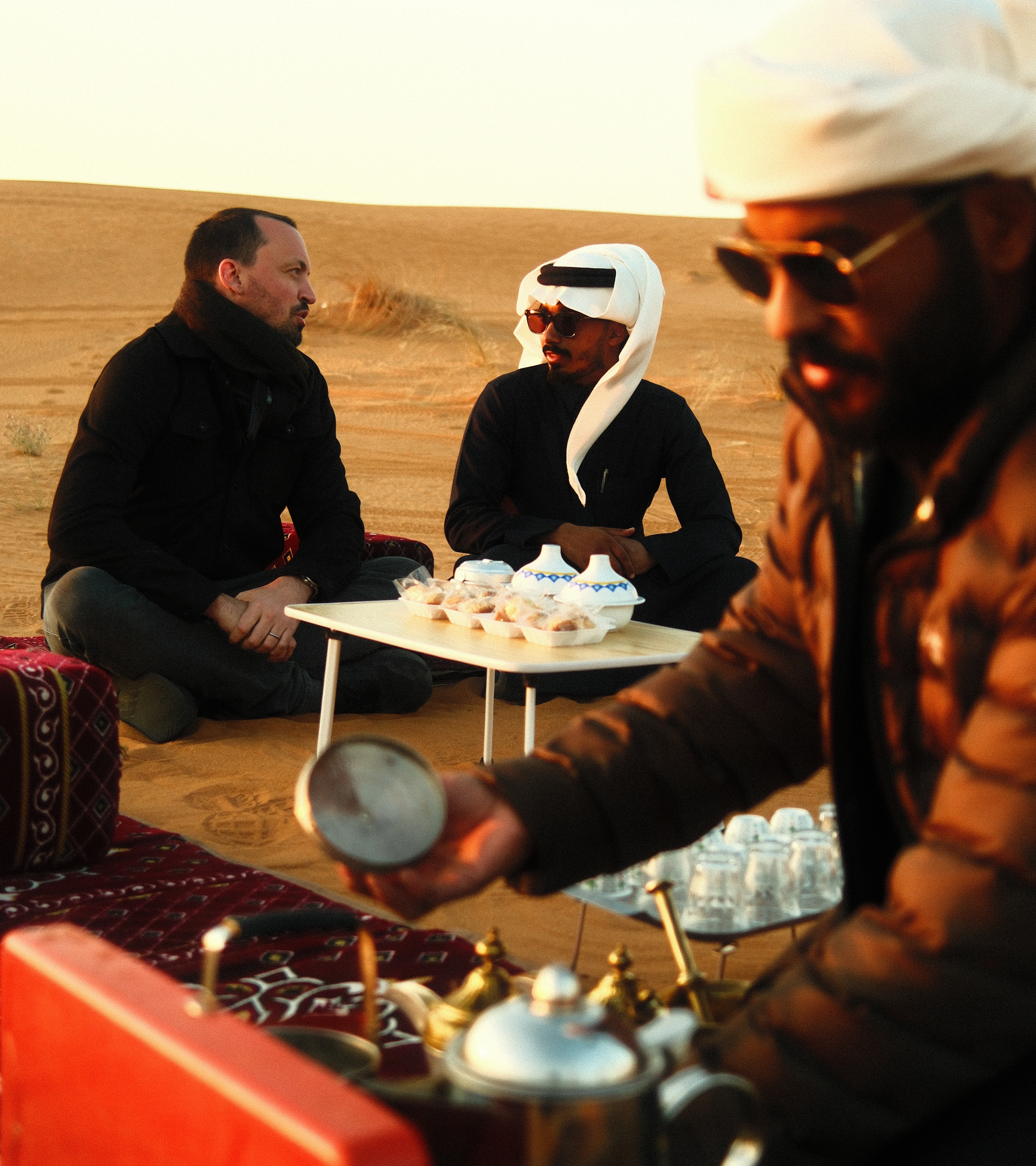
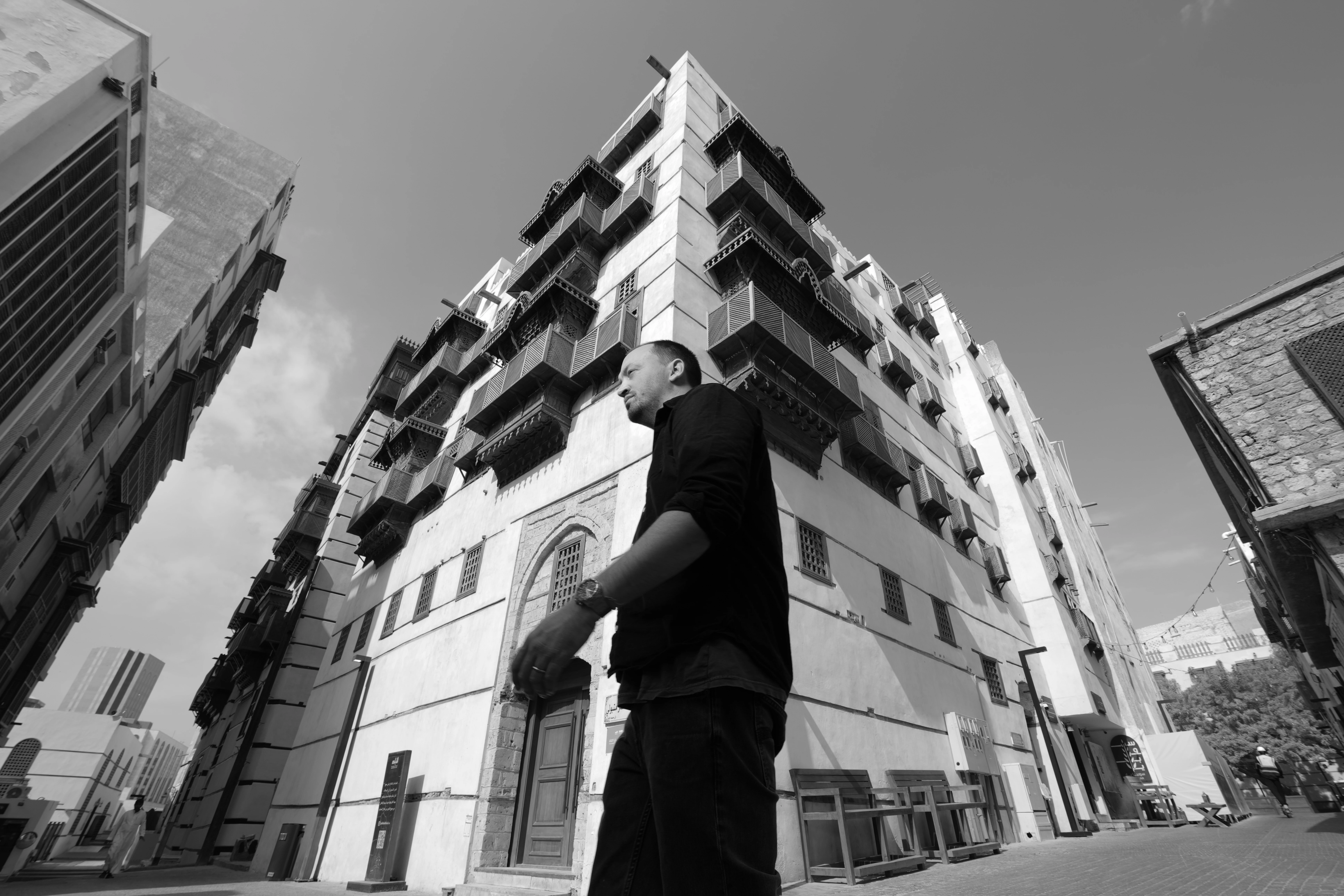
Unlike in other places I’ve been to, the authorities have not chosen to bulldoze the ancient heart of Jeddah and replace it with a modern pastiche. The beautiful, old merchant houses are being painstakingly brought back to life. Walking the streets at night, the buildings were lit up with multi-coloured floodlights and street art, while music played from speakers above our heads.
Like so much in Jeddah, the things that it’s famous for are a mishmash of cultures, reflecting the waves of people that have made the city their home over generation.
Many came as pilgrims, spending everything they had making the trip to the Holy City and then staying in Jeddah because they couldn’t afford the journey back. Hijazis, I had been told before I left for Jeddah, are therefore from a variety of backgrounds, from Indonesia to Africa to elsewhere in the Middle East, and everything from their architecture to their food reflects this fact.
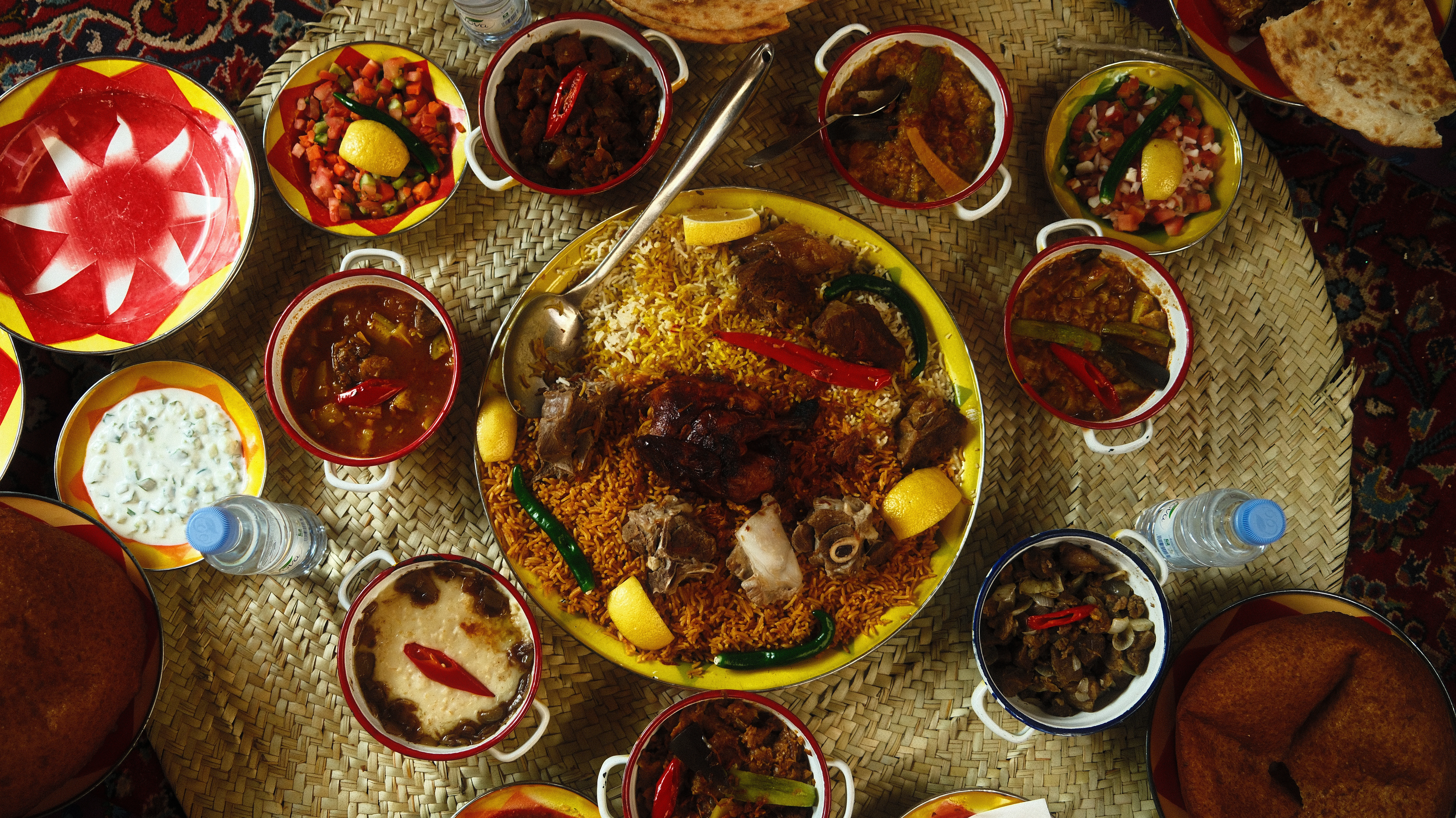
Take masoub, a banana and bread pudding featuring nuts and cream and topped with sesame seeds (and corn flakes, if you opt for the “royal” variety). Like many Hijazi dishes, I am told, it is actually from Yemen. Or the coral houses themselves, where window boxes were built using wood from Asia, reflecting Jeddah’s status as an international port over the centuries.
The names of the shops that line the souks in Jeddah also reflect this multiculturalism, offering goods from elsewhere in the Middle East, Africa, and the subcontinent. Alongside them are myriad tourist shops selling local trinkets, swords, spices, and oud.
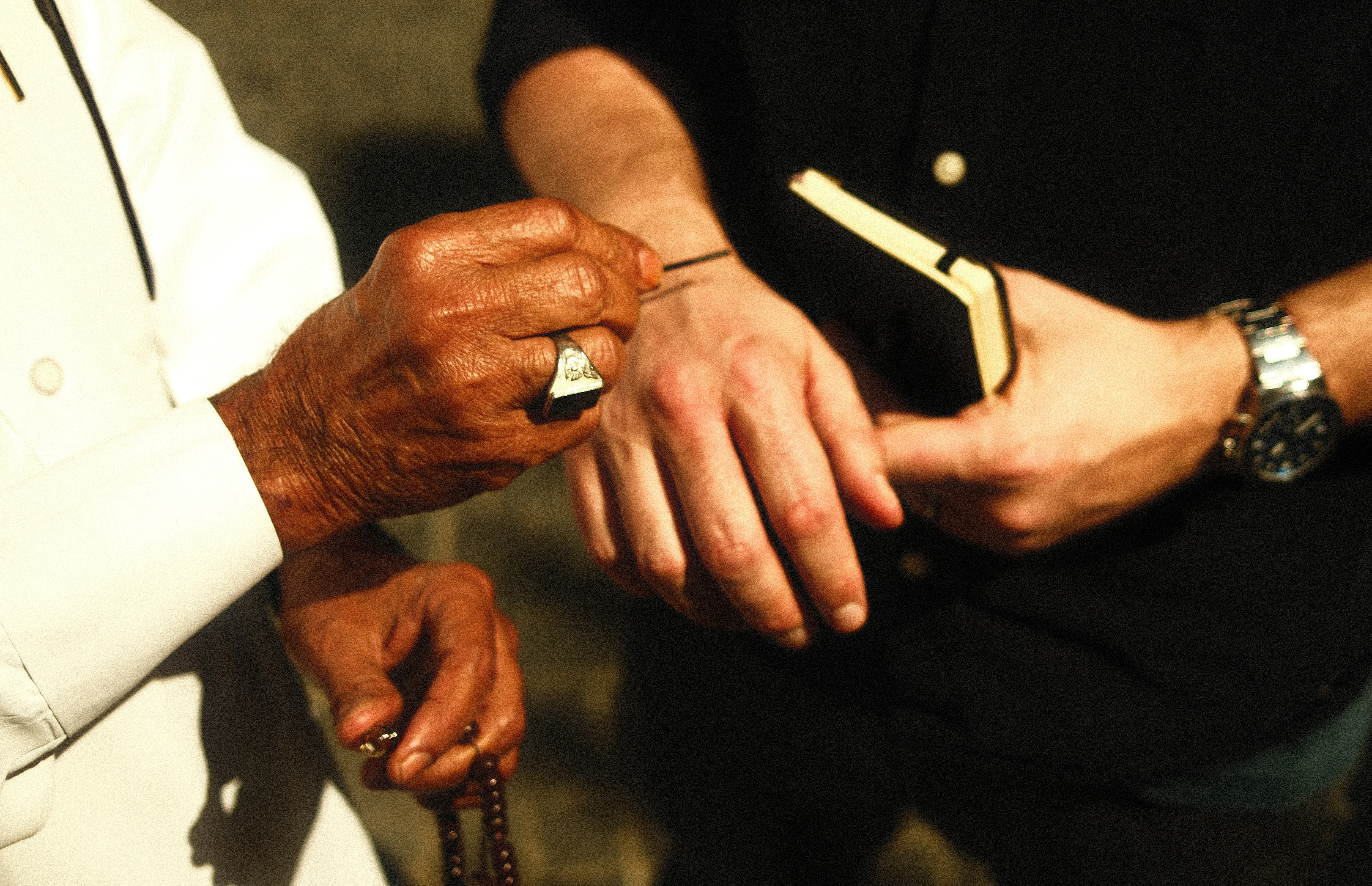
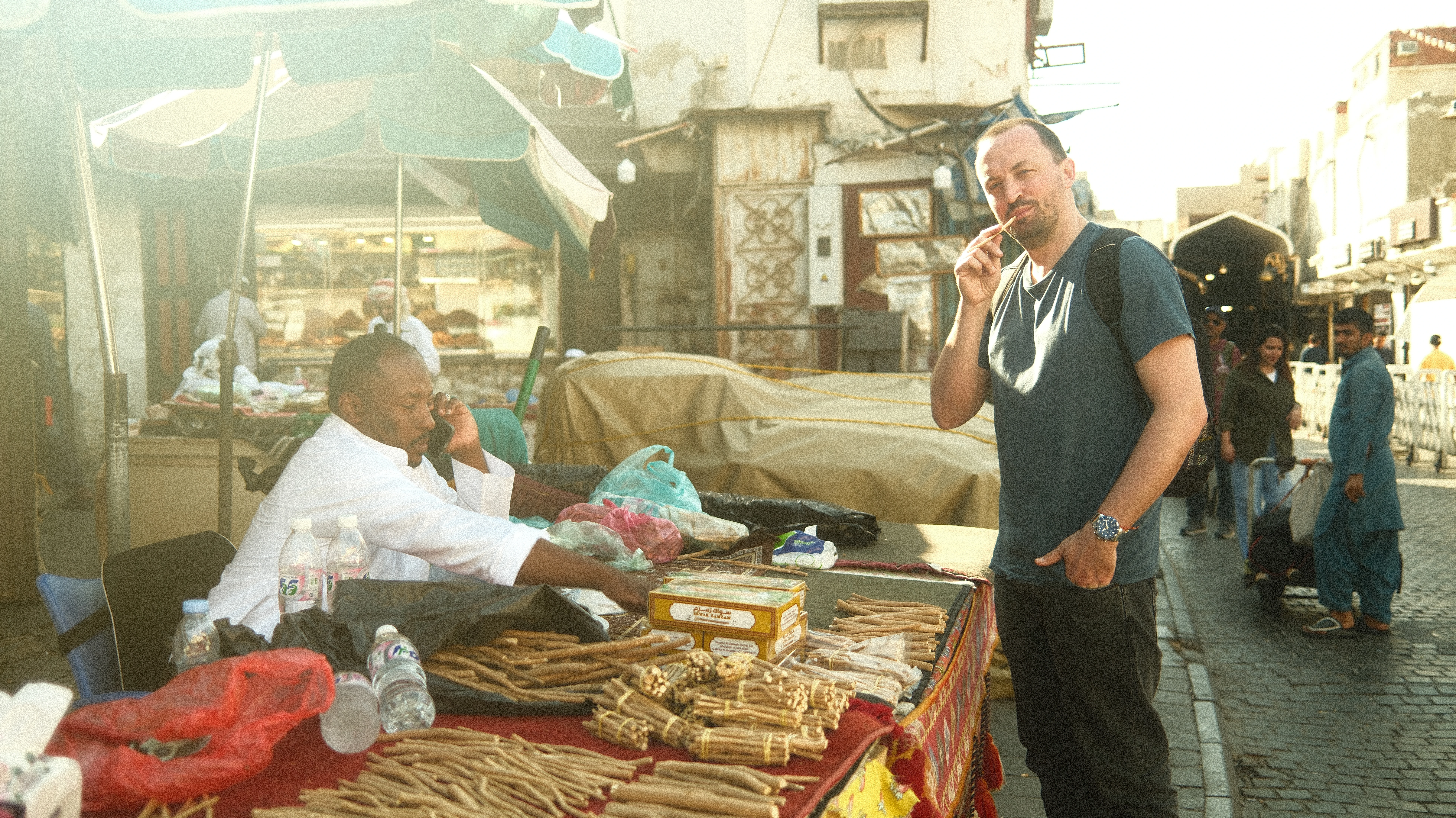
There were hardly any gift shops in Jeddah back in 2010 because there were no tourists, other than pilgrims. But in 2025 the Old Town is full of places to buy quirky souvenirs: Jeddah hats and mugs, Al-Ittihad Club merchandise, fridge magnets, and fan art depicting King Salman bin Abdulaziz alongside his son, Crown Prince Mohammed bin Salman, and Saudi’s founder, Abdulaziz bin Abdulrahman Al Saud.
Inside one, I buy “Saudi” T-shirts for my kids and an Al-Ittihad cap for myself. Being British, I ask whether it’s safe to wear my new hat in Riyadh, knowing the rivalry between the two cities and its football clubs. I am assured that, if anything, the locals will be amused.
A Forward Momentum, Rooted in History: The Rebirth of Jeddah
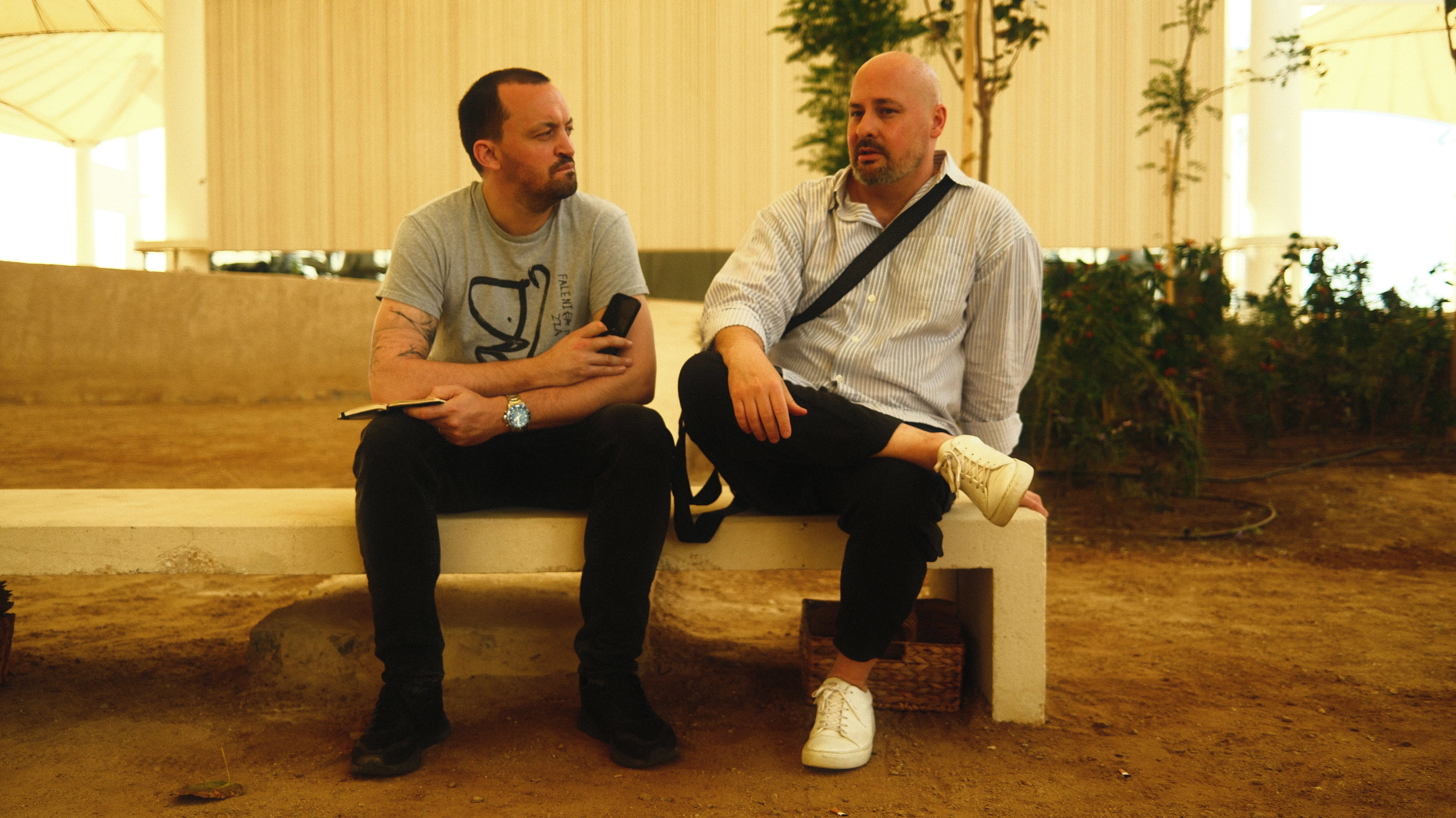

Later, sat outside the biennale, under the vast white canopies that once sheltered pilgrims arriving for Makkah and Madinah, I speak to the artist Muhannad Shono about the changes he’s seen in his country over the last eight years.
“It's been re-energising to see a country go through peaceful social change, especially in a region where such transformation has often been accompanied by struggle. I wanted to be here, to lend my voice to it, and be part of it,” he said.
Shono talks about AlUla, the Nabataean city that has become a cornerstone of Saudi's efforts to attract tourists, following years of limited development and preservation.
“You know, 15 years ago or more, when I visited AlUla, all the tombs and the remains of the Nabataeans were walled off. The area wasn’t as maintained as it is today – there was graffiti everywhere, a general sense of neglect. Overnight stays weren’t allowed, and it was seen more as an off-limits place rather than the cultural treasure it is currently,” he recalls. “Look at it now.”
Like AlUla, Jeddah, too, has undergone its own transformation.
If you squint, the Old Town looks just like it did 15 years ago, if not 500 years ago, and that is part of its lasting and unique beauty. But the contactless payment terminals, the golf buggies ferrying tourists through the streets, the huge stages being built in the city's ancient squares to host international hip-hop stars and the region’s music icons, that’s all new.
Jeddah in 2010 was a city in transition. Jeddah in 2025 has a clear vision for its future. What is happening right now in Saudi is an enmeshing of the country’s past with its future, all happening in real time. It’s quite a sight: come and see it for yourself.
Photos by Osama Jabarti