


Mother Nature is a patient architect. For millennia, the Arabian Peninsula has been shaped by tectonic heat, ancient seas, and the unrelenting shamal winds – forces that have buckled the crust, carved immense canyons, and buried civilisations beneath the sand.
To see the Kingdom today is often to see the surface: the skylines of the giga-projects, the symmetry of the northern dunes. But deeper in, where the roads thin, the elements themselves have written a different map – one measured in craters, freshwater canyons, inscriptions sealed underground for 2,000 years, and mountain peaks wrapped in cloud.
If you’re in need of adventure, why not go out and find them?
EARTH: Al Okhdood, Najran
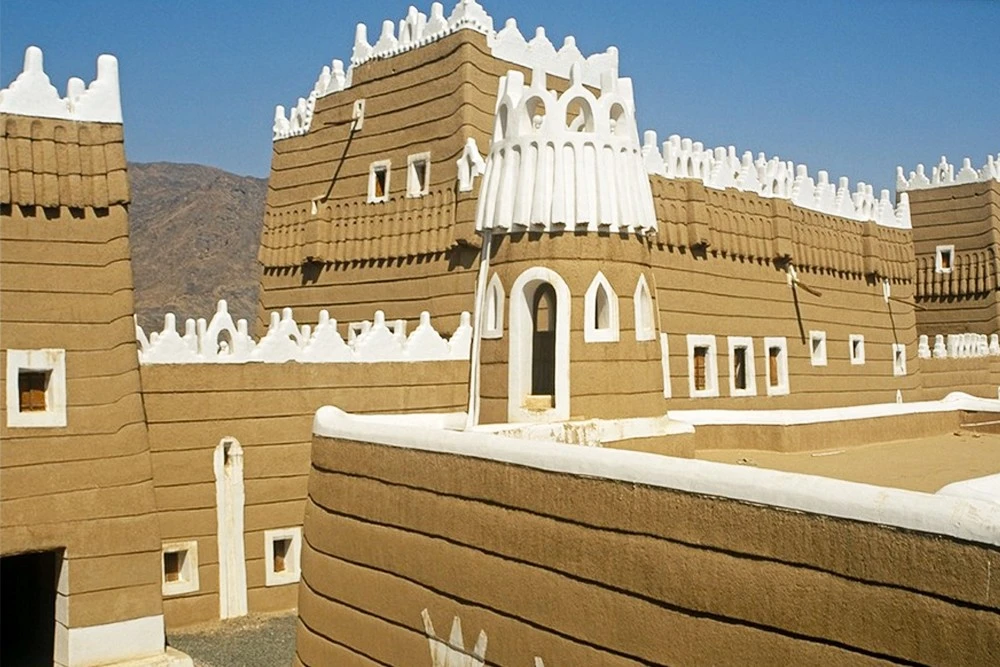
Najran sits in the deep south, near the Yemeni border – a part of the Kingdom that few visitors reach, despite direct flights from Riyadh and Jeddah. The city rewards a full day before you head to the ruins: Emara Palace, a mud-brick fortress, and Najran Valley Dam, one of the Kingdom’s largest, are reason enough to linger. Al Okhdood (The Trench) is a 2,000-year-old city associated in Islamic tradition and once a critical hub on the Incense Route between Yemen and the Mediterranean. Walk the five square kilometres of the site, and you move through layers: fortified walls, carved stone buildings, inscriptions in the South Arabian Musnad script – including the longest ever found in the region, which surfaced as recently as 2023.
In 2018, excavators pulled a pottery jar from the ground containing thousands of silver coins sealed for two millennia. They called it Najran Treasure, and beneath your feet, there will be more. A visitor centre with guided tours opened in 2024, 14 kilometres south of the city. But Al Okhdood is only the most documented example of a pattern that runs across the Kingdom. South-east of Taif, near Maisan Village, beehive-shaped stone apiaries – believed to be over 1,000 years old – were built for honey production on the mountain slopes and remain barely known outside the region. Across western Saudi Arabia, vast geometric patterns and stone circles have been identified from aerial surveys, possible burial sites or ritual markers, largely un-excavated. What has been found so far is almost certainly a fraction of what remains.
WATER: Wadi Labjab, Jazan Province
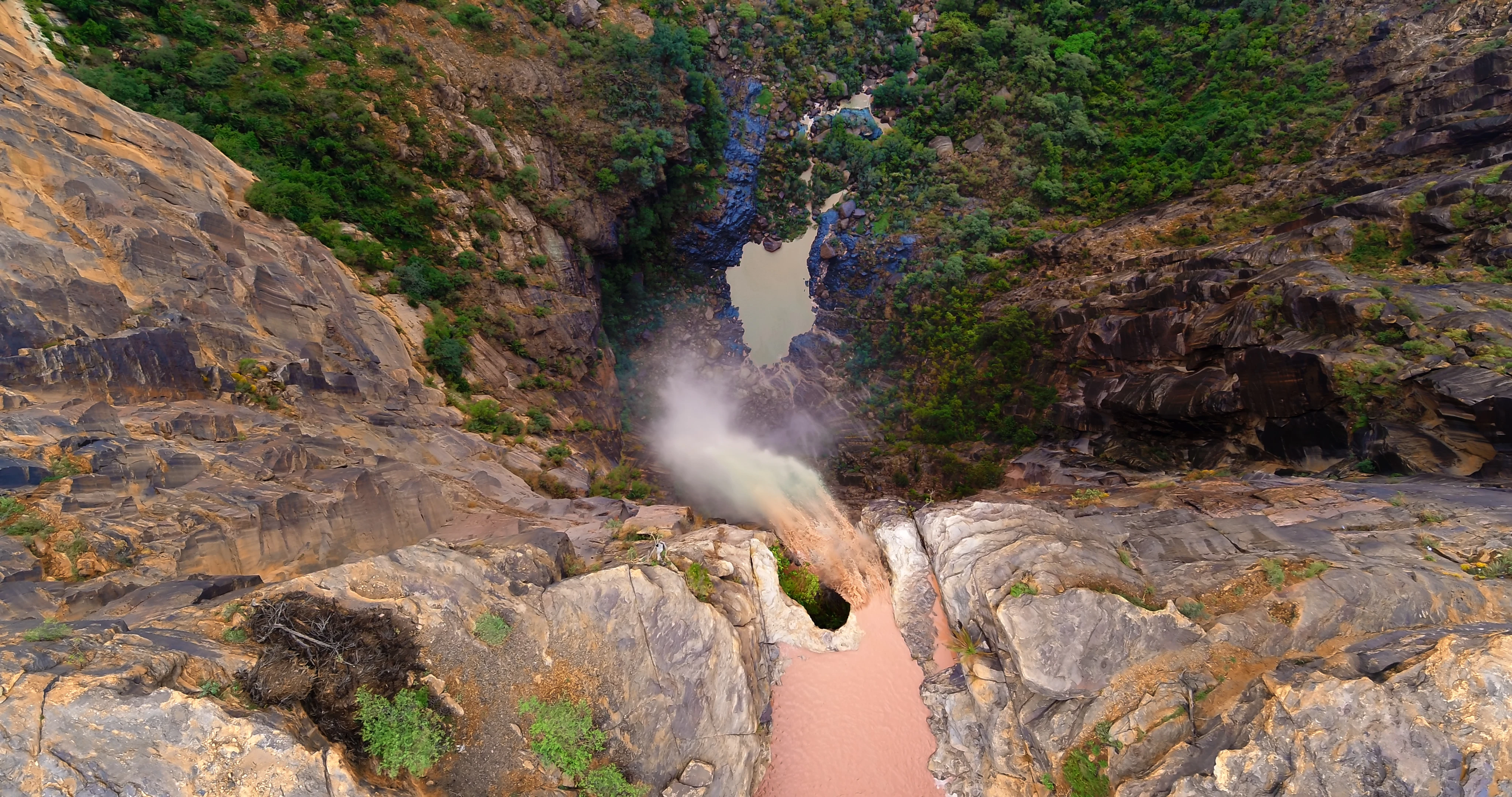
About 150 kilometres north of Jizan city, the asphalt surrenders to gravel. The drive takes around two hours, the last stretch requiring the steadying comforts of a 4x4’s shock absorbers. When the canyon opens, it is immediate: sheer rock walls rising 800 metres, draped in moss, wild olive trees, and hanging creepers. A year-round stream runs along the canyon floor, feeding cold amber pools in the shade of the overhangs – running water, all year, in one of the driest countries on Earth. The hike takes you calf-deep through frigid water, over boulders slick with algae, five kilometres into a lushness where the temperature drops and the air smells of wet stone.
Rock climbing is officially approved here, but most come for the silence and water. Arrive between November and March for cooler temperatures and leave before 4pm – the gorge falls into twilight long before the sun sets. Afterwards, the family restaurants across nearby Al Reeth are worth seeking out for grilled chicken and salads –simple fare and plentifully sustaining after a day of climbs and splashes. Further south, Farasan Islands offer diving and snorkelling off coral reefs, but if you’re looking for real discovery in Jazan, Wadi Lajab is the primary revelation.
AIR: Shada Mountains, Al Baha
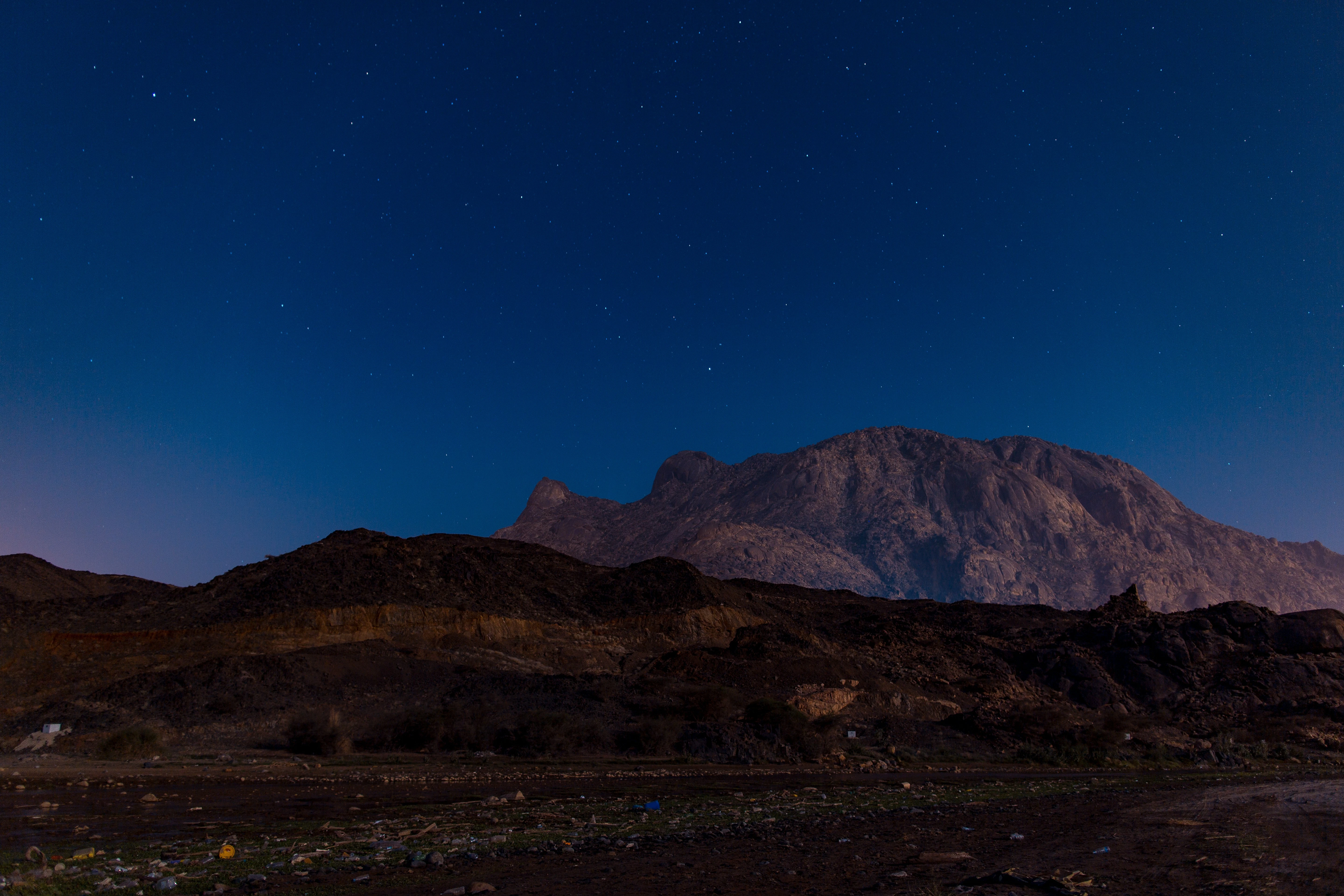
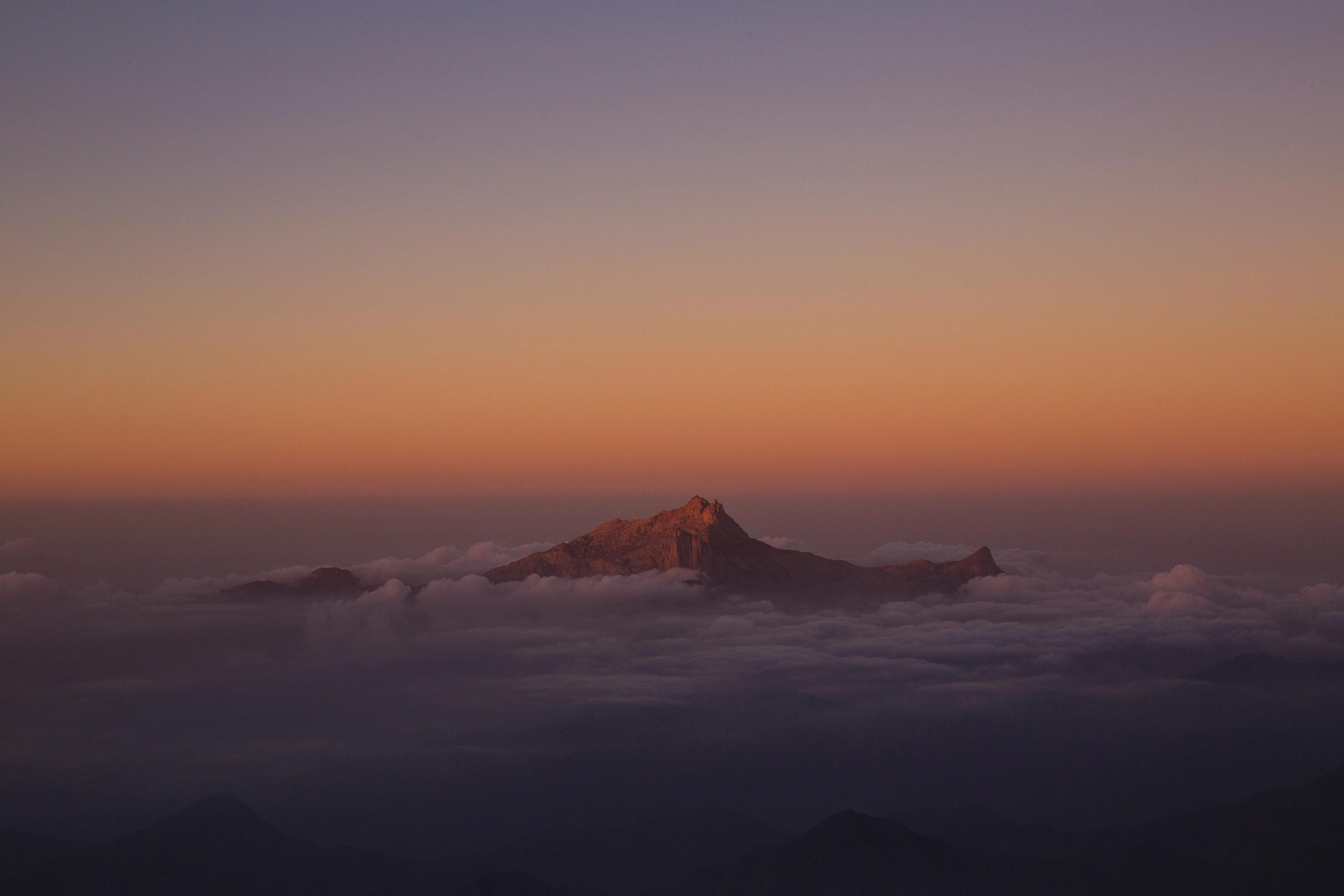
The climb into the Shada Mountains is a recalibration of the senses. From Jeddah, Al Baha is a short flight or a four-hour drive south through Taif; either way, as you ascend the Sarawat range to 2,200 metres, Red Sea vapour hits the escarpment and rolls across the granite peaks in thick banks of mist. This is one of the Kingdom’s smallest nature reserves – 68 square kilometres – and one of its most biodiverse: nearly 500 recorded plant species, from juniper and wild olive to the prized Shadawi coffee that local farmers still cultivate in the thin, cool air. The reserve falls within the historical range of the endangered Arabian leopard, and is home to wolves, caracals, foxes, and ibex.
Caves punctuate the cool mountainside, some hollowed out and fitted with wifi and chandeliers – guesthouses where the bare granite serves as the living room walls. Ten villages cling to the slopes, their residents tending terraces that have been cultivated for centuries. On the winding road up from the lowlands, the marble heritage village of Thee Ain is an essential stop – a cluster of stone houses cascading down a hillside amid banana groves. From the peaks, the Tihama plain stretches below and falls away towards the Red Sea, the heat haze of the lowlands shimmering while you sit in the quiet above. Nearby, at Mushref Mountain in the Aseer highlands, 30-million-year-old columnar basalt formations – hexagonal pillars of rock that recall Northern Ireland’s Giant’s Causeway – stand as evidence of the slow cooling of lava. At this altitude, Saudi Arabia reveals a different version of itself. There is always more to see.
FIRE: Al Wahbah Crater, Harrat Kishb
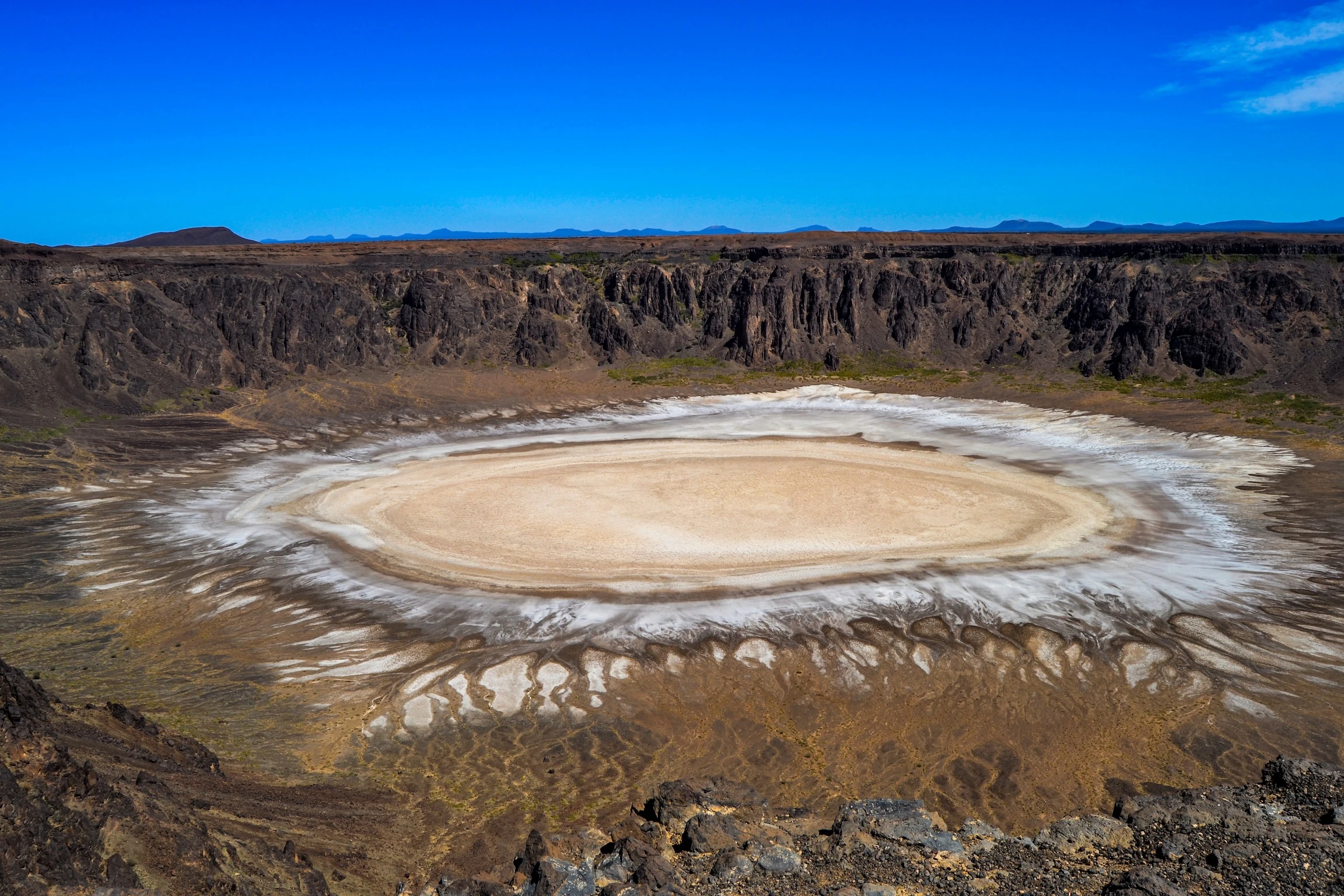
Head north-east of Taif for about two and a half hours by car, and you’ll find Harrat Kishb, a basalt plateau of black-grey rubble stretching flat to the horizon. As you approach, without warning, the ground falls away. Al Wahbah Crater is around two kilometres wide and 250 metres deep, its floor carpeted in white crystals that glow against the dark walls of the rim. It owes its existence to an event over a million years ago: molten rock rising through the crust met a pocket of underground water, and the resulting steam explosion tore the earth clean open. The scale is oppressive; standing on the crater floor, the rim towering on all sides, you feel the force that made this place.
The descent is a three-kilometre trip on loose scree – pack your boots (Vibram soles, preferably). It’s manageable going down, more demanding on the return. A mosque and picnic area sit at the rim for those who would rather take it in from above. The surrounding Harrat Kishb field stretches far beyond the crater, studded with dormant volcanoes, some of them aligned in perfect, eerie rows across the plateau. Those deeper volcanoes sit on roadless, sharp volcanic rock, but they speak to the scale of what happened here. To the north, the Khaybar lava fields offer tunnels and caves forged by the slow crawl of cooling magma, set within a desert oasis that has sustained human settlement for thousands of years. The ripples and undulations on the surface are a stark reminder of the fire that still governs the subterranean.