


In recent years, Saudi Arabia has experienced a significant increase in international, regional and local tourism, however a new study has found that Gen Z could be the reason behind the increase in domestic tourism in the Kingdom.
According to a study conducted by Wyndham Hotels & Resorts in partnership with YouGov, Saudi Arabia’s younger generation is embracing local travel like never before, which has led to the reshaping the local hospitality industry and creating new opportunities for brands ready to adapt. With a strong focus on authenticity, digital discovery, and sustainable values, this travel shift aligns with the Kingdom’s Vision 2030 goals, fuelling a surge in homegrown tourism.

You Might Also Like: Solo in Saudi: A travel editor explores Asir's striking beauty and unforgettable hospitality
What is Behind this Travel Shift?
From the data collected, its evident that this shift in travel trends in the Kingdom is powered by a blend of cultural curiosity and confidence in solo or group travel, paired with significant investments in regional tourism hotspots like AlUla and the Red Sea resorts, all of which is helped by the sharing of new and exciting locations on digital platforms such as SnapChat, Instagram and TikTok.
As Saudi Arabia targets 55 million annual domestic trips by 2030, this growing group of passionate travellers could be a major driver of tourism success.
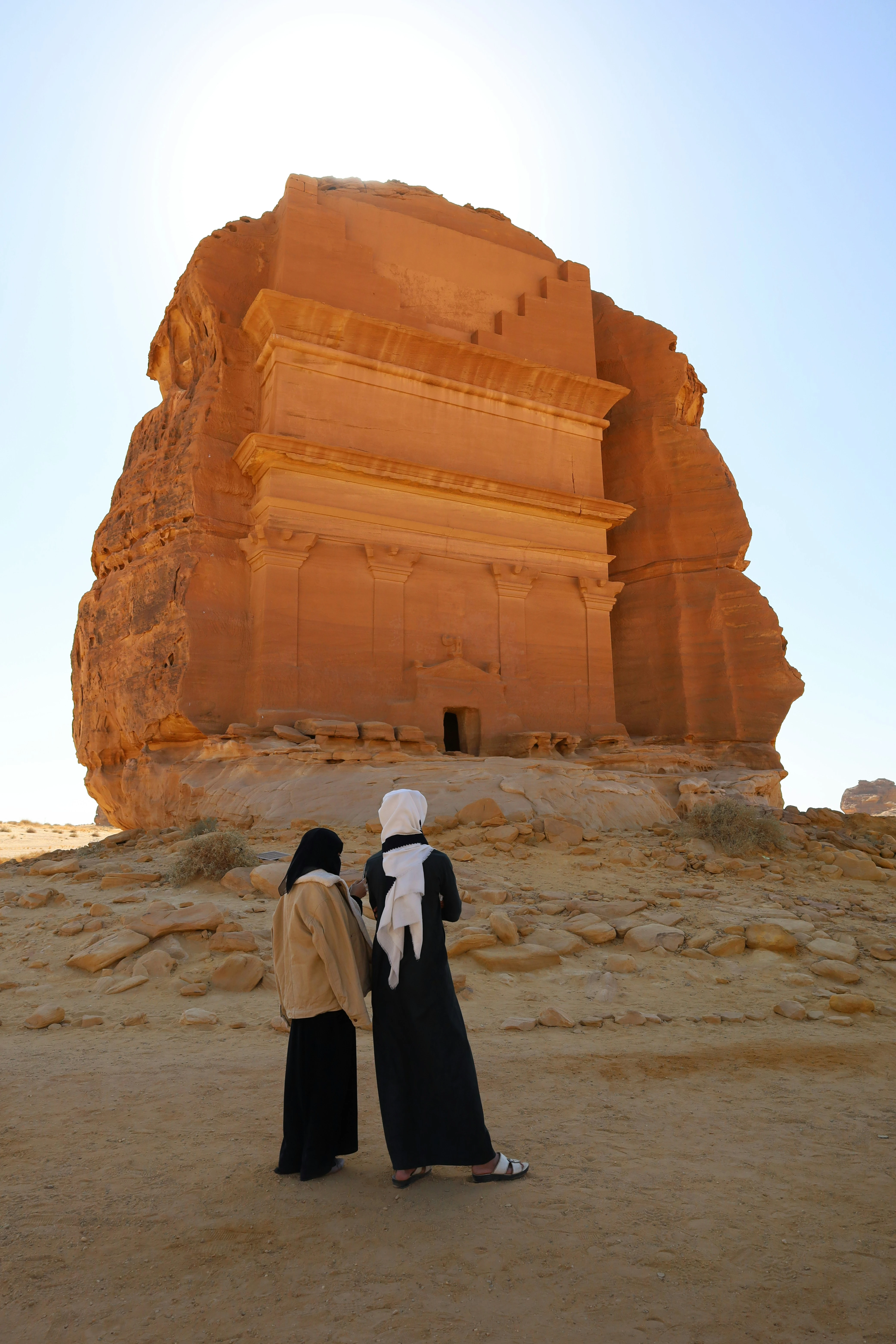
Curiosity and Independence
Rather than waiting for international adventures, Gen Z Saudis are taking action and actively exploring their country, turning weekend getaways into a both a travel trend and a lifestyle movement. This locally focussed, digitally supported travel trend has become particularly among young Saudi women, with the research showing that 55% of women in the Gen Z cohort have opted for domestic travel recently, highlighting evolving social norms and economic independence.
The research indicates that more than half (54%) of Gen Z Saudis that took part in the study, have embarked on domestic leisure trips within the last six months, with a further 29% expressing intentions to prioritise local travel moving forward.

Discovery Fuelled by Digital
Social media has become the gateway to travel inspiration, with 39% of Saudi Gen Z discovering destinations through online platforms. Even more telling, 64% are drawn to places they’ve seen in movies, shows, or viral content, reinforcing how digital storytelling is now shaping tourism trends.
The first generation raised with the internet and various forms of online access, its no surprise that Gen Z is highly receptive to digital innovation, with 81% open to using AI-powered travel tools, proving their comfort with tech-driven planning, customisation, and convenience.
“What we’re witnessing is a generational shift,” said Dimitris Manikis, President EMEA, Wyndham Hotels & Resorts. “Gen Z travellers in Saudi Arabia are increasingly choosing to explore their own backyard, not just out of convenience, but because they’re proud of what the Kingdom has to offer. They’re driven by a desire to connect with local culture, contribute to the economy, and travel more sustainably. At Wyndham, we’re proud to support this transformation by offering stays that meet their expectations for value, comfort, and digital ease, while helping them engage more deeply with Saudi Arabia’s nature, heritage, and communities.”


Access to Affordable Travel
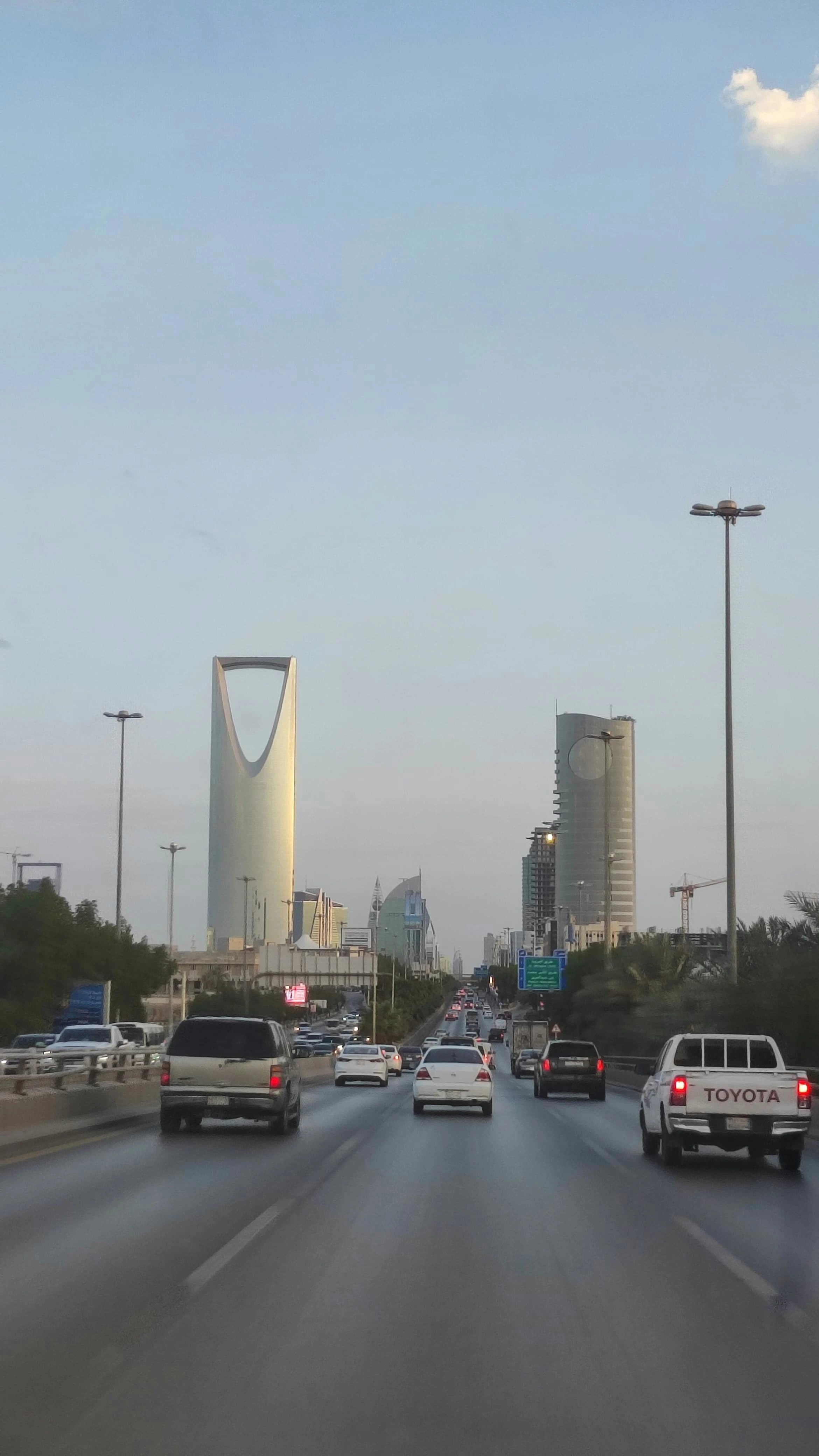
For Gen Z Saudis, both local and international mobility isn’t defined by wealth, and travel is increasingly seen as an integral part of everyday life, and indeed for work. The study conducted by Wyndham Hotels & Resorts and YouGov, reveals that 72% of young Saudis who aren’t yet working have traveled recently, signalling a shift towards staycations, short getaways, and also event-driven tourism.
Access to and the affordability of travel within the domestic market has become significantly easier in recent years, as the Kingdom becomes more well-connected via air and land. Low cost local airlines such as flynas and Flyadeal have made domestic travel readily available to those looking for it, and this access is now being taken advantage of by domestic travellers in search of a week or weekend away in Saudi.

Eco-Travel Expectations
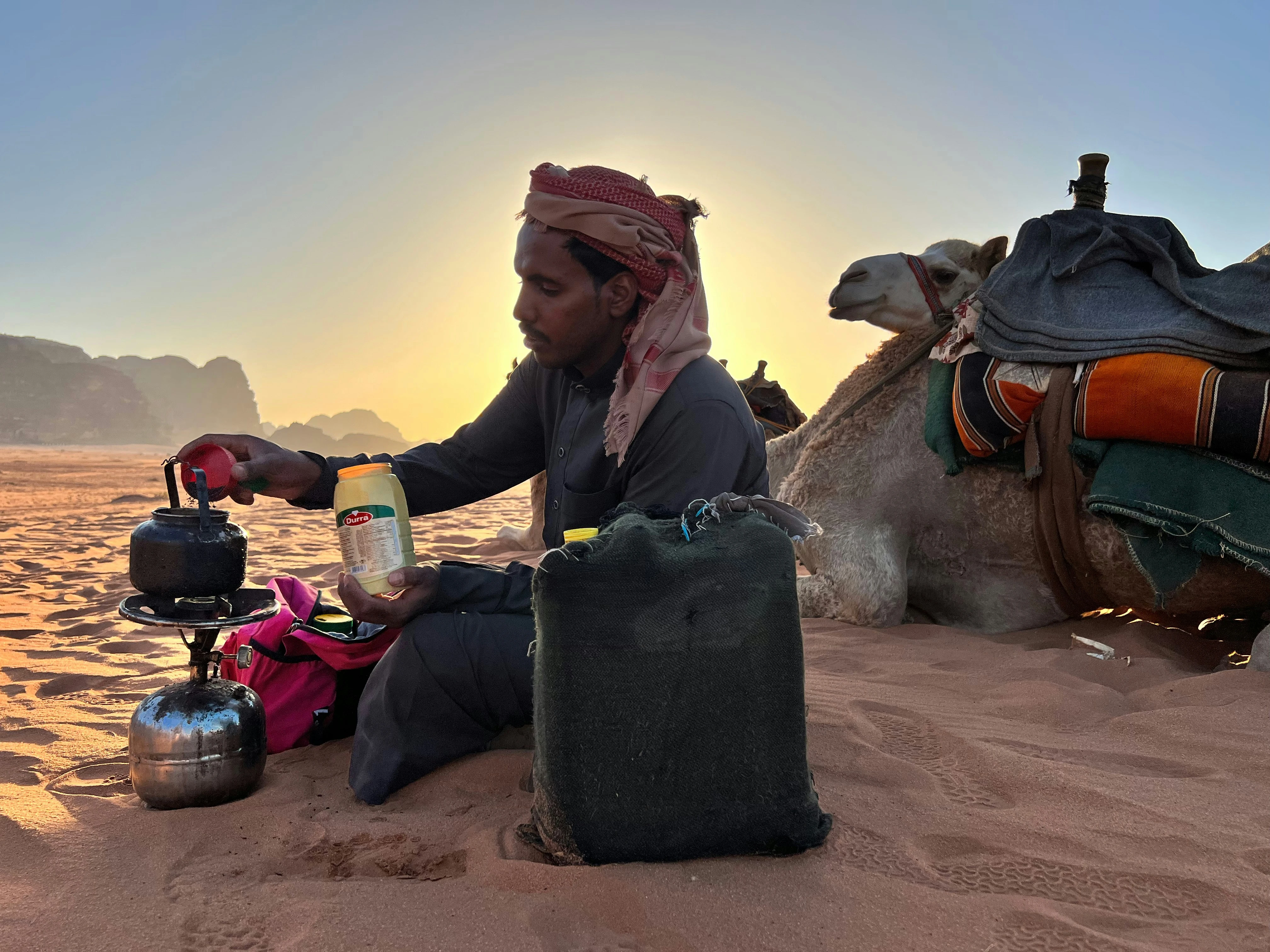
Ultimately, for this generation, travel isn’t just about indulgence—it’s about impact, and they want their adventures to reflect a commitment to the planet and future generations. Eco-friendly travel is becoming a must-have rather than an added bonus, with 35% of Gen Z travellers preferring hotels committed to and already implementing sustainable practices, and 45% of this cohort actively seeking out green transport options.
Gen Z actively seek destinations, hotels, and brands that prioritise ethical practices, whether through carbon-neutral initiatives, community engagement, or sustainable accommodations. Despite being digital native and always online, for this generation travel isn’t just about sightseeing; it’s about supporting and experiencing local cultures, preserving natural landscapes, and minimising their footprint - even if it means lowering the luxury element.
What is Gen Z?
McKinsey and Co, state that Generation Z refers to "to people born between 1996 and 2010."
Sitting between Millennials (1981 - 1996) and Generation Alpha (2010 - 2024), the Gen Z age group uniquely straddled the time period between no digital access and constant digital access, resulting in this generation being considered 'digital-natives'. Growing up with both the internet and mobile phones, Gen Z has been shaped by this digital access and literacy, in addition to numerous financial crises, the shifting focus to climate change and of course, COVID-19.
This article was originally published in May 2025, and has since been updated.