
As of early 2026, the final aviation audits for the previous year reveal a seismic shift in Middle Eastern air travel. Saudi Arabia's Vision 2030 initiatives have propelled King Abdulaziz International Airport (KAIA) in Jeddah to new heights, officially making it the most used airport in the Kingdom for 2025.
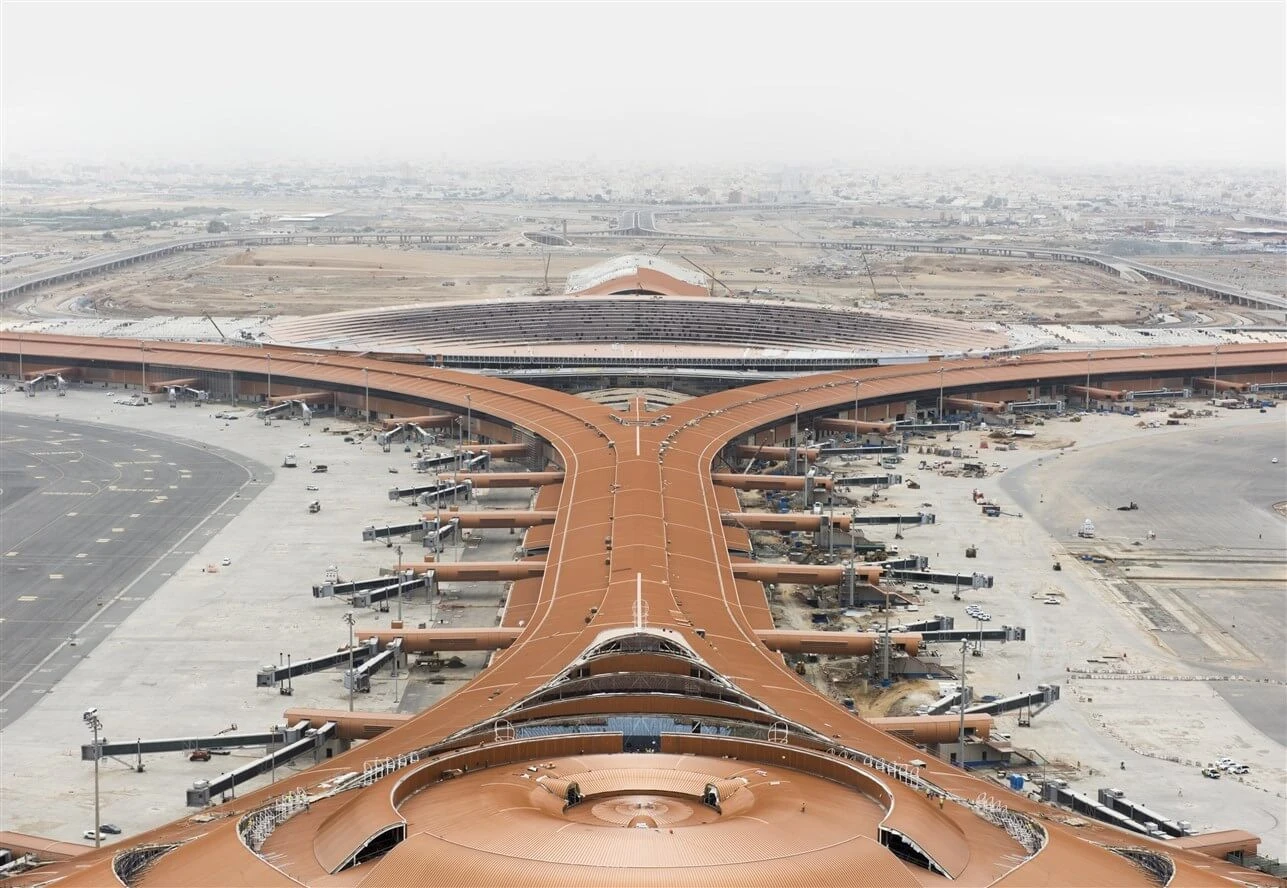
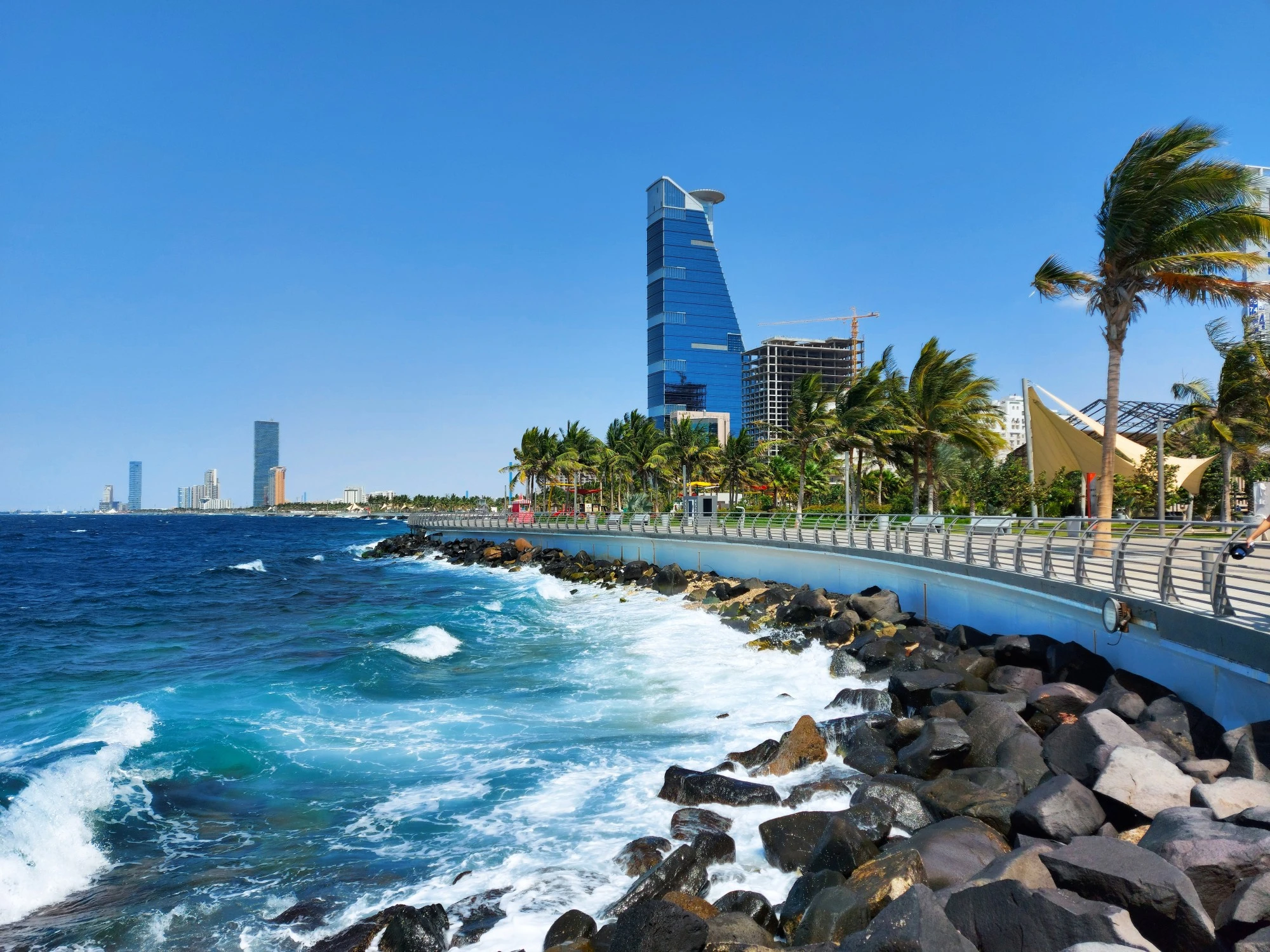
Surpassing its own records and challenging the traditional dominance of neighbouring regional hubs, Jeddah has transitioned from a seasonal pilgrimage gateway into a year-round global transit powerhouse. This shift has likely been determined by an increased entertainment calendar throughout the year, the launch of the Aroya Cruises from Jeddah and the city being a pivotal pass-thru destination for those visiting the newly opened luxury Red Sea destinations such as Shebara, Nujuma and Desert Rock for example.
The Growth of Jeddah as a Travel Hub
In early 2025, the data records marked a 14% increase in passengers at Jeddah's King Abdulaziz International Airport, resulting in 49 million passengers passing through. By the close of 2025, King Abdulaziz International Airport shattered previous benchmarks, recording a historic 53.4 million passengers — another significant increase of 9% over the prior year’s already record-breaking performance.
In 2025, King Abdulaziz International Airport recorded an unprecedented 53.4 million passengers, marking a 9% increase over 2024. This growth was supported by more than 310,000 flights, driven by the expansion of the national carrier, Saudia, and the aggressive growth of low-cost carriers like Flyadeal.
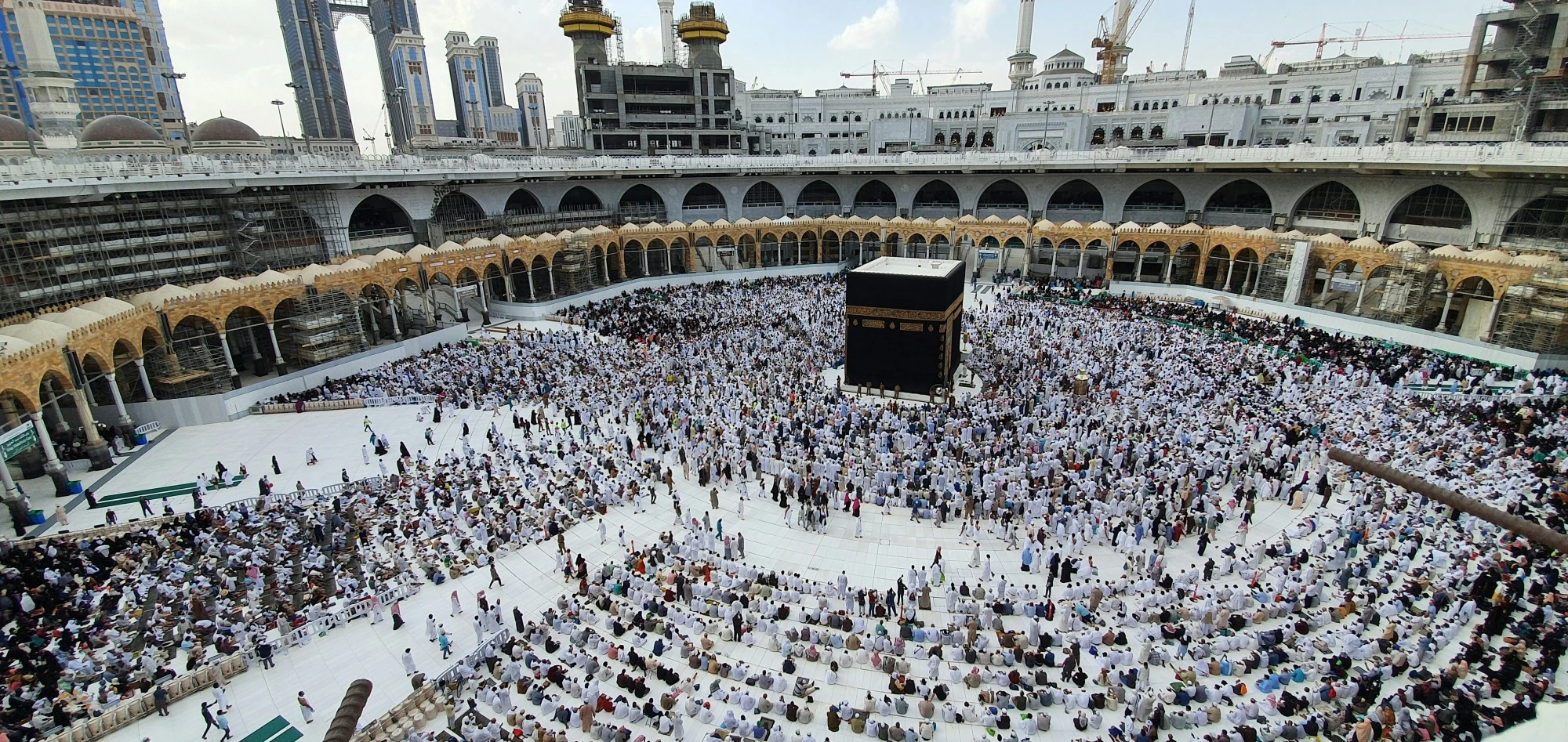
While Riyadh’s King Khalid International Airport (RUH) also saw significant growth — positioning itself as a massive commercial competitor in the region — Jeddah remains the Kingdom's volume leader. This is largely due to its dual role as the primary entry point for millions of pilgrims traveling to Makkah and its emerging status as a leisure tourism hub for the Red Sea coast.
What is the reasoning behind the growth?
To understand Jeddah's rise, it must be measured against the Middle East's "Big Three" hubs.
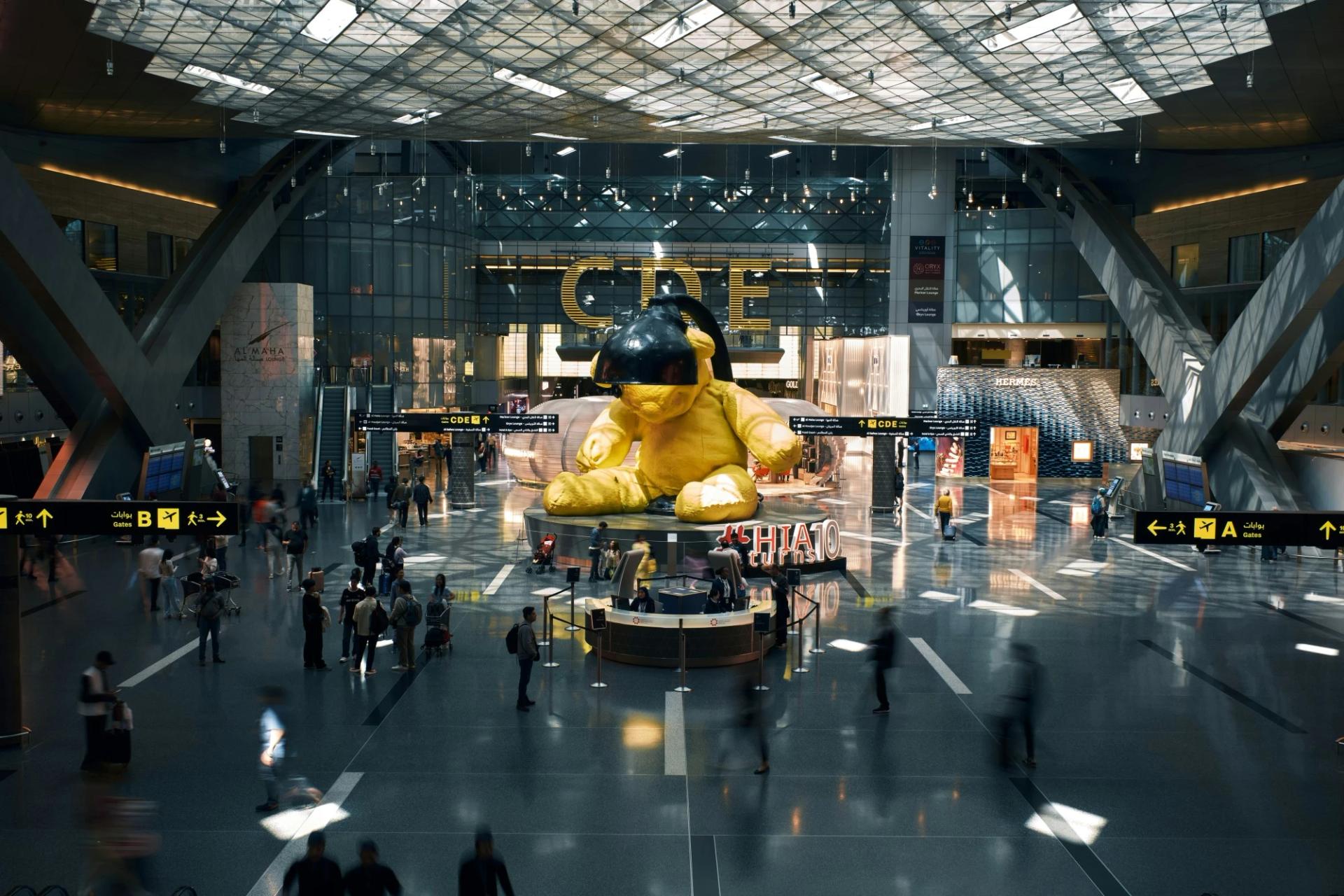
For the first time in history, Jeddah is now operating in the same statistical tier as Doha’s Hamad International Airport. While Doha reported its busiest-ever quarter in late 2025 (14.3 million passengers between July and September), Jeddah's annual total for 2025 of 53.4 million puts it neck-and-neck with the Qatari hub. Doha's Hamad International Airport had 52.7 million passengers pass through in 2025, whilst during the same period of time, Jeddah welcomed an additional 700,000 passengers.
The 2025 data shows a tightening race for regional supremacy: Dubai International (DXB) retaining its title as 'the world's busiest transport hub' welcoming almost 100 million passengers in the year-long period.
However, the increase experienced in Jeddah for 2025 is not an accident but the result of three specific strategic pillars:
- Pilgrimage Modernisation: The streamlining of Umrah and Hajj visas has removed the "off-season" for Jeddah, creating a steady stream of pilgrimage related tourism and visits throughout the year.
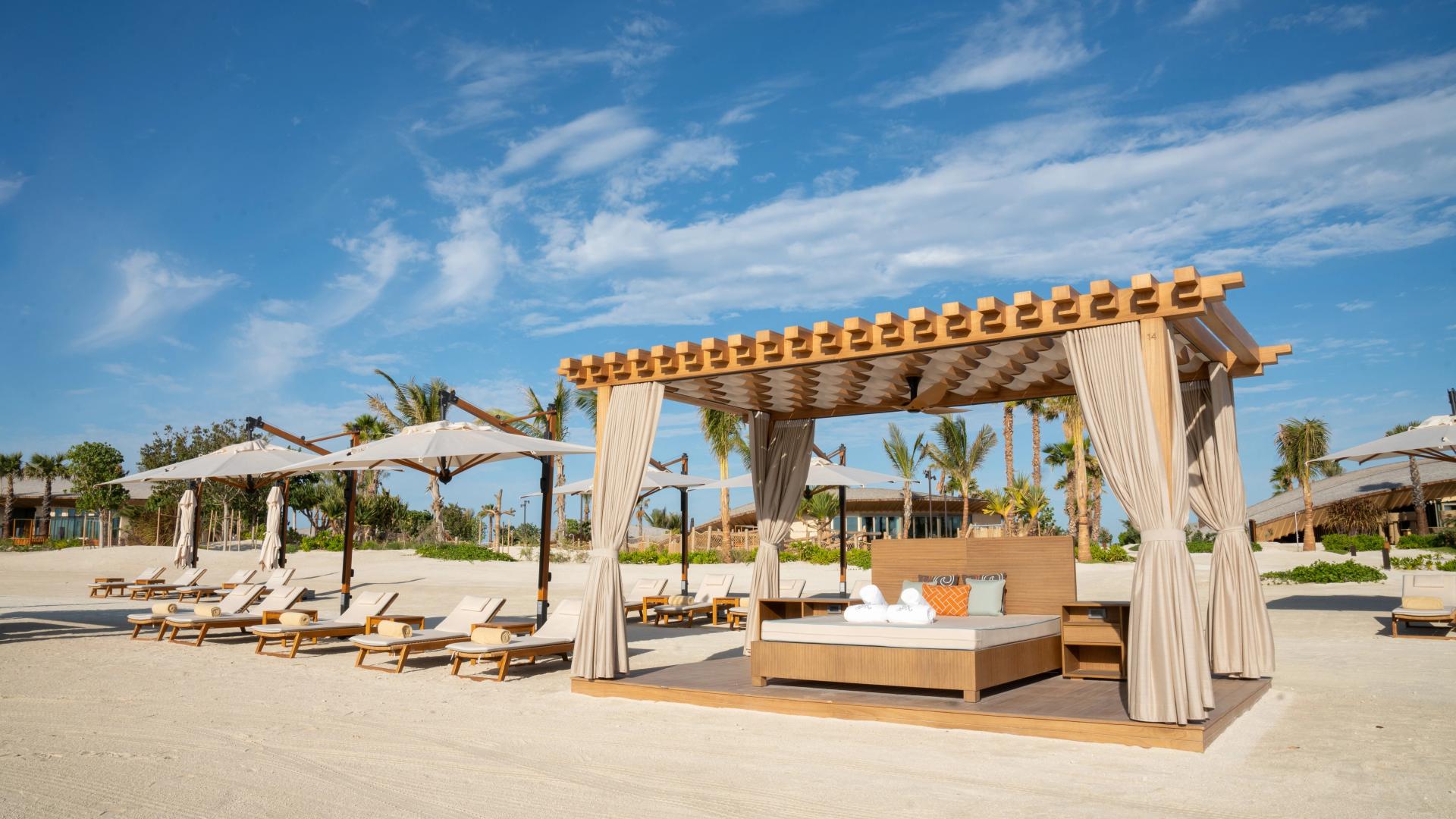
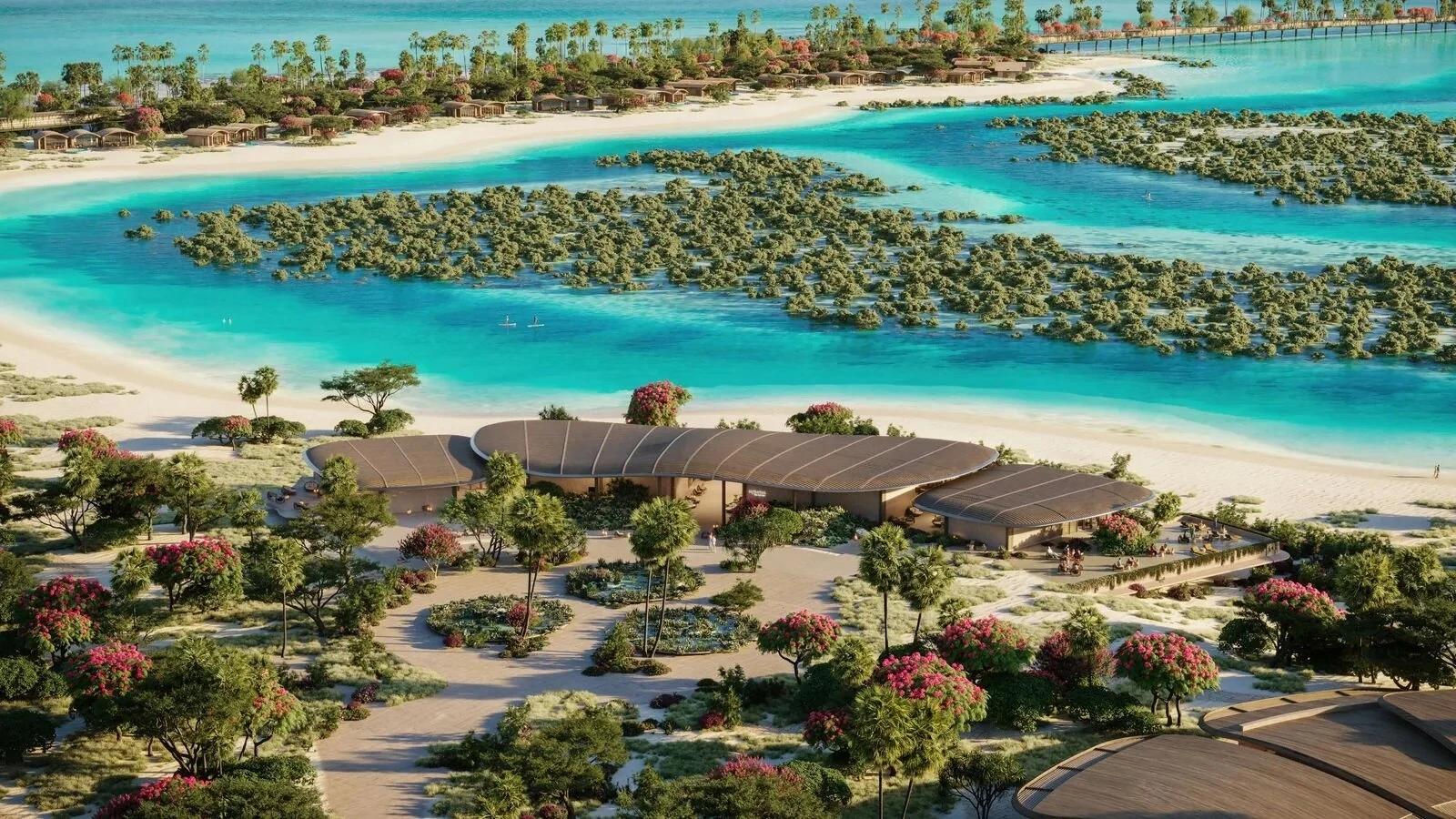
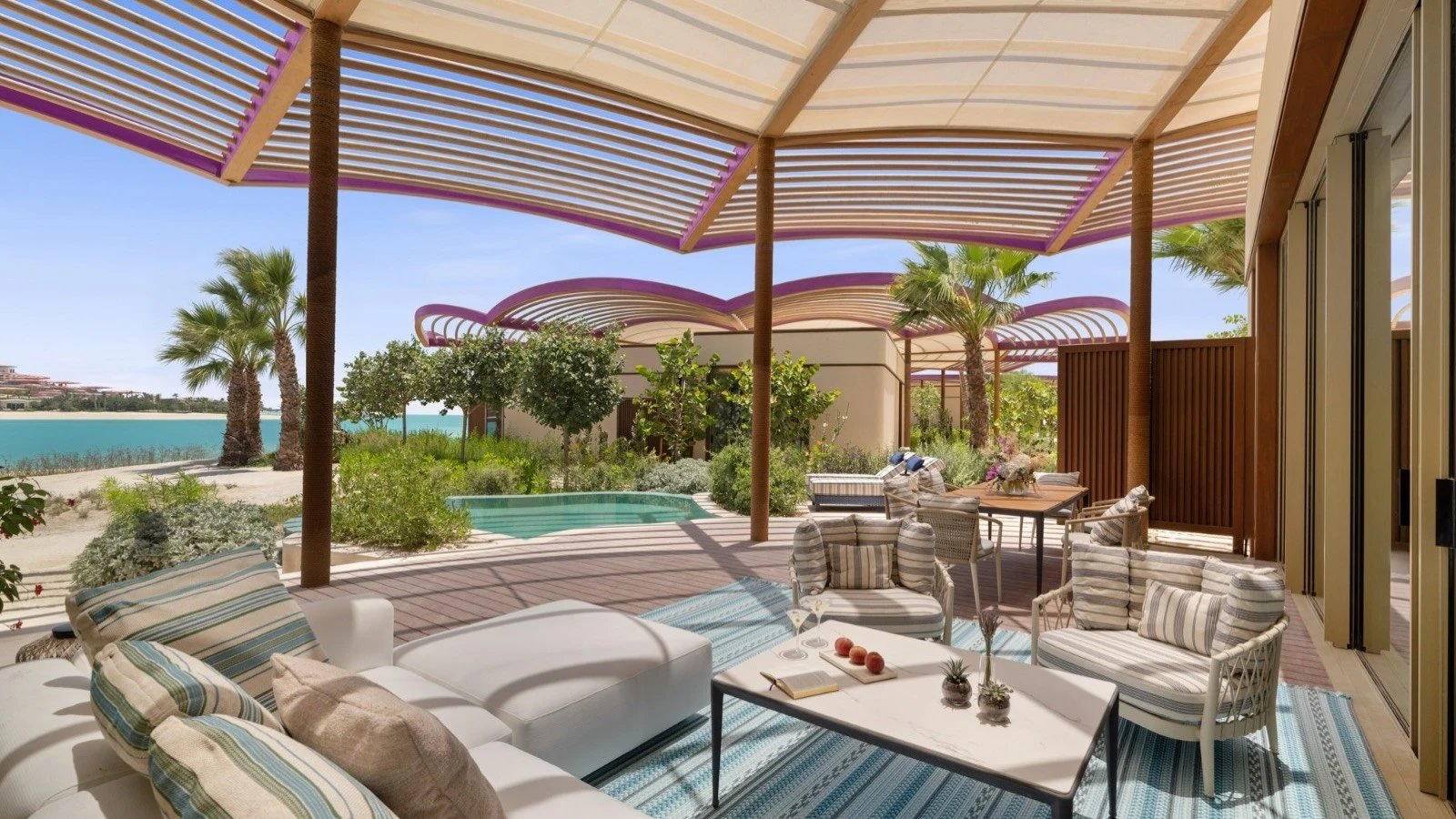
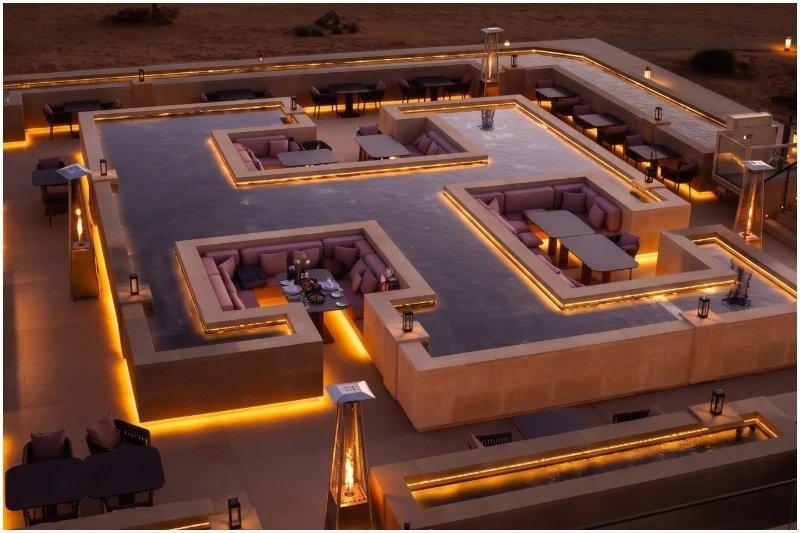
- New Regional Interest: With the opening of the ultra-luxurious hotels and resorts in the newly developed Red Sea destination, such as Shebara, Nujuma, a Ritz Carlton Reserve and The St. Regis Resort to name a few, Jeddah has become a pivotal hub for international travellers and their onward journey to the newly opened destinations, connecting visitors to the Red Sea International Airport.
- Network Expansion: In 2025 alone, KAIA added dozens of new international routes, including direct links to major European and Asian capitals, shifting its profile from a "destination airport" to a "transit hub."
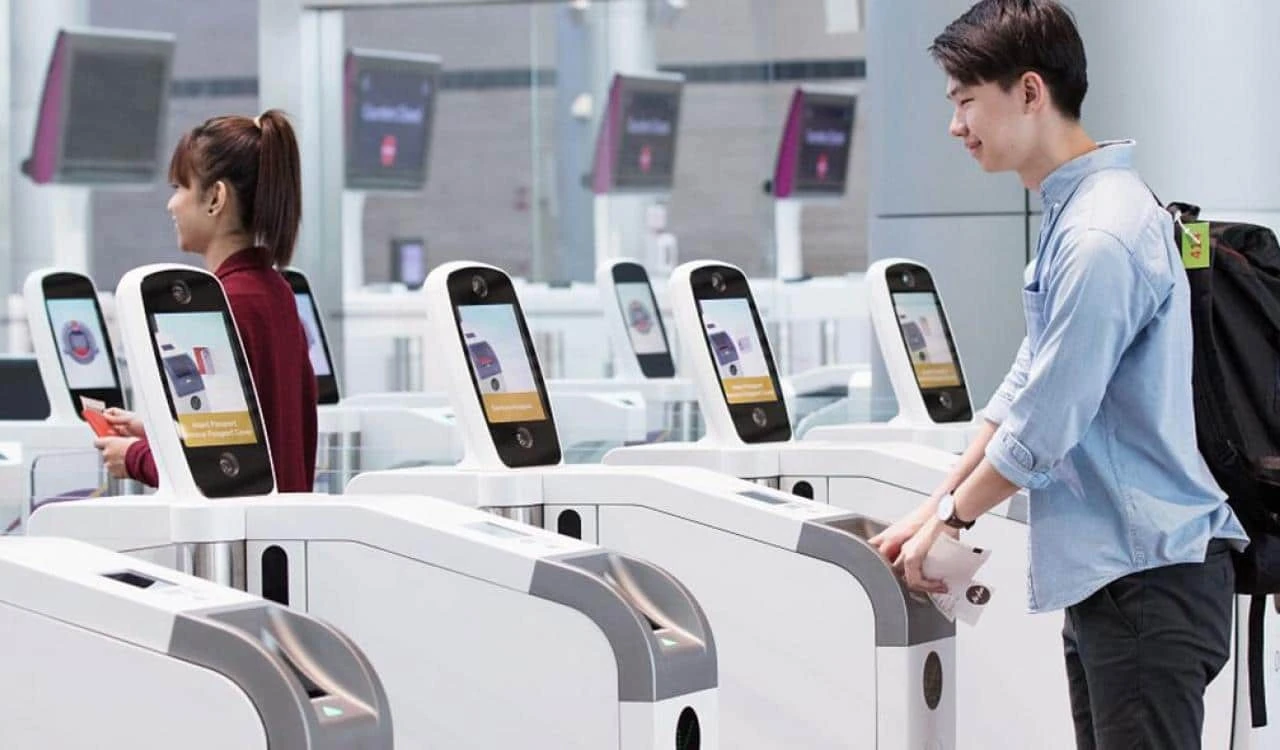
- Infrastructure Efficiency: Recent terminal enhancements and operational upgrades have allowed the airport to handle higher flight frequencies, with aircraft movements increasing by over 5% year-on-year. Recent enhancements to check-in experiences and procedures, such as Flynas's new dedicated Kids & Family counters, numerous self-service options like kiosks and AI-powered e-gates (Terminal 1) for faster processing, plus Saudia's specialised First/Business Class lounge with exclusive counters, all aiming for quicker, more streamlined departures.