


For years, the Saudi traveller was often defined by where they went: London in summer, Dubai for a long weekend, Istanbul for a quick escape.
Almosafer’s latest booking data suggests that picture is changing. Saudi travellers are booking closer to departure, spending more on premium stays and increasingly building trips around experiences rather than simply flights and hotels.
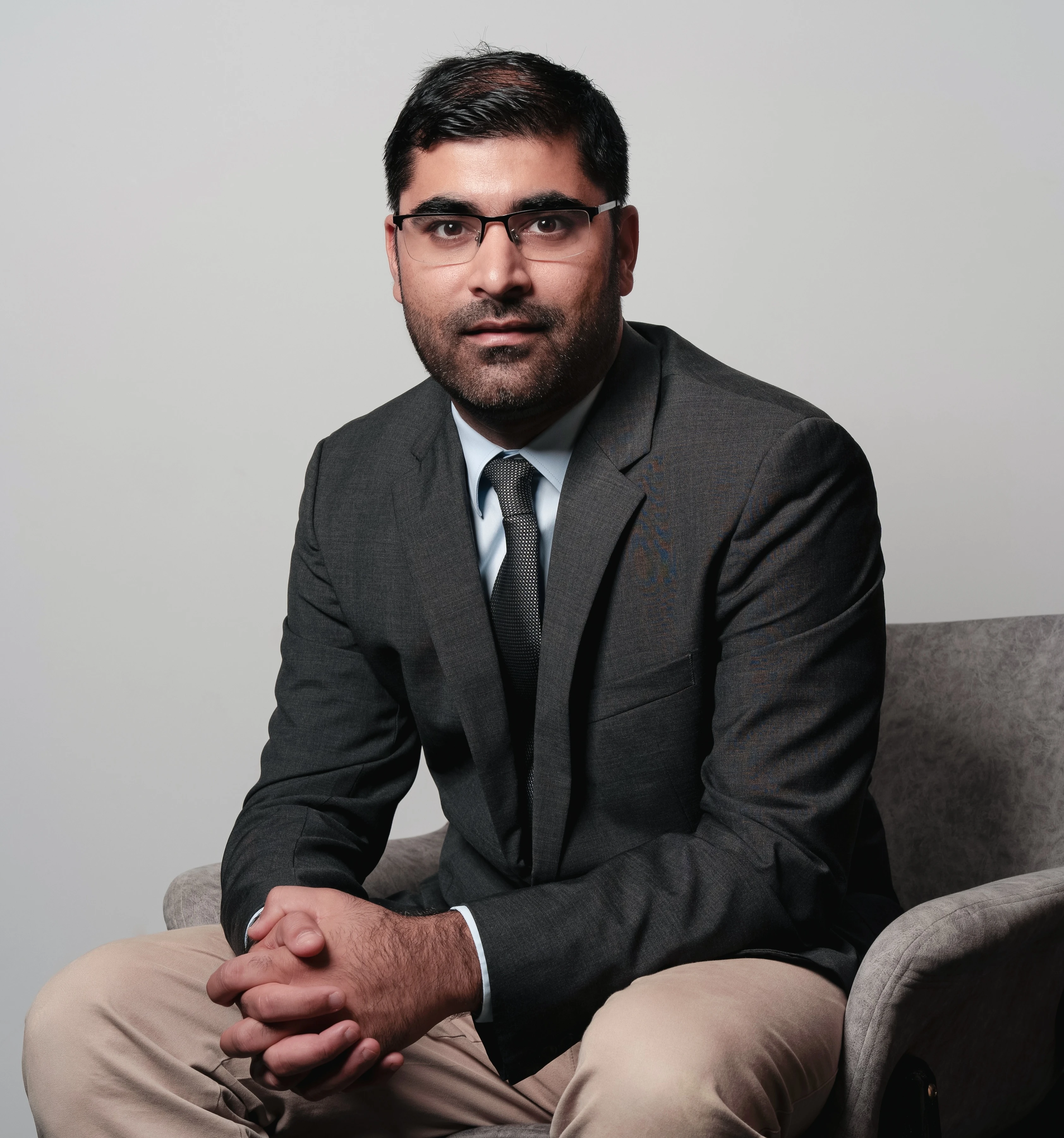
We spoke to Almosafer’s CEO, Muzzammil Ahussain, about what the numbers reveal about the traveller emerging in Saudi Arabia — and what the global travel industry needs to understand about them.


Almosafer’s latest data suggests Saudi travellers responded to this year’s regional uncertainty by changing how they travelled rather than travelling less. What does that tell you about the maturity and resilience of the Saudi travel market today?
Our data from the first seven months of 2026 is a testament to the maturity of the Saudi traveller. As geopolitical dynamics shifted across the wider region, Saudi demand adapted. Travel remained an essential lifestyle priority, but travel patterns shifted.
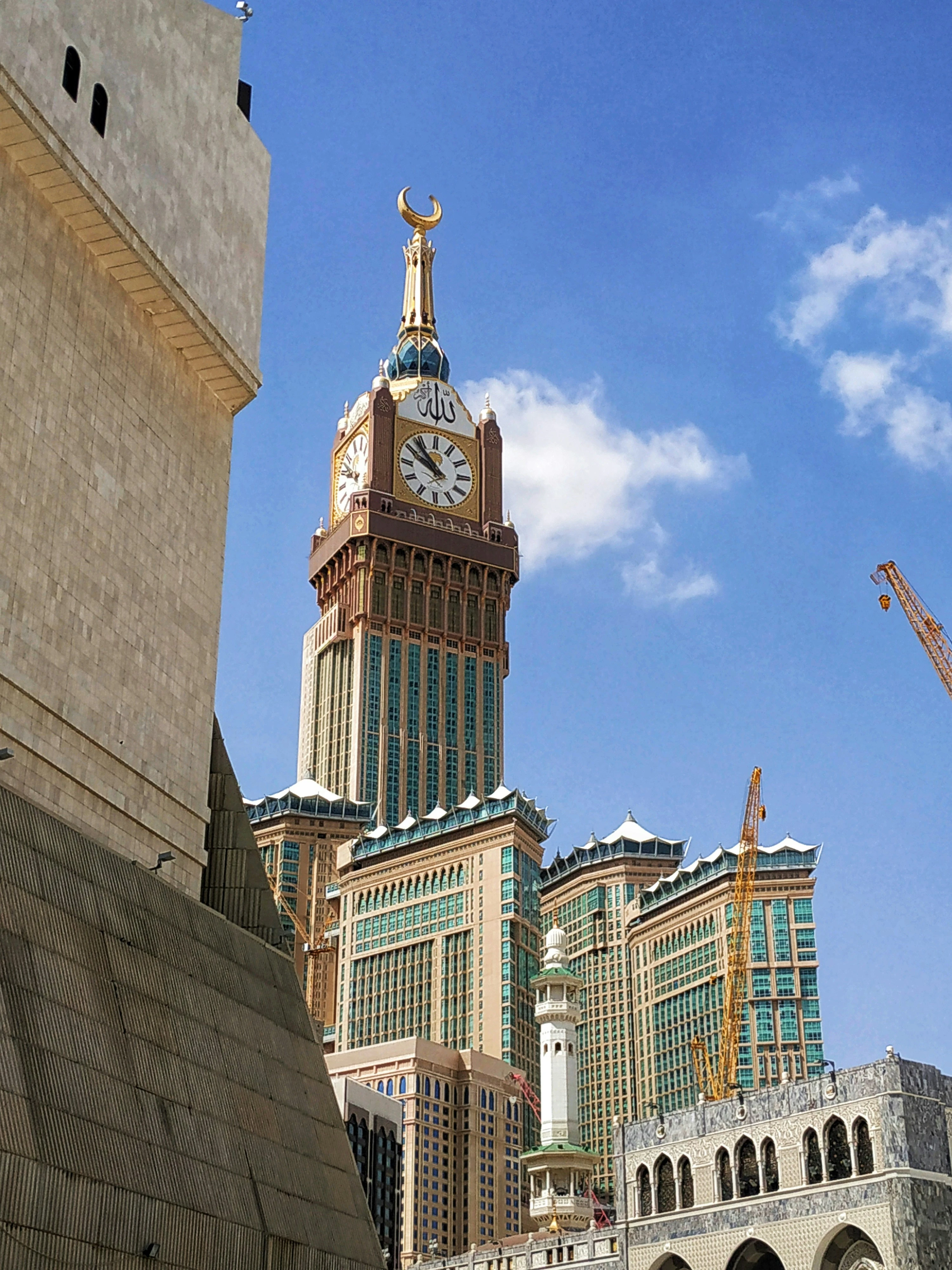
The Kingdom became the destination of choice, accounting for 46% of all bookings, with domestic bookings rising 13% year-on-year and domestic room nights surging by 44%. Spiritual journeys to Makkah and Madinah provided scale, with room nights rising 53% thanks to expanded hotel supply and improved accessibility, while domestic leisure showed extraordinary depth. Destinations like the Red Sea, AlUla, Aseer, Taif, Jizan and King Abdullah Economic City drew growing interest alongside our core hubs of Riyadh, Jeddah and AlKhobar.
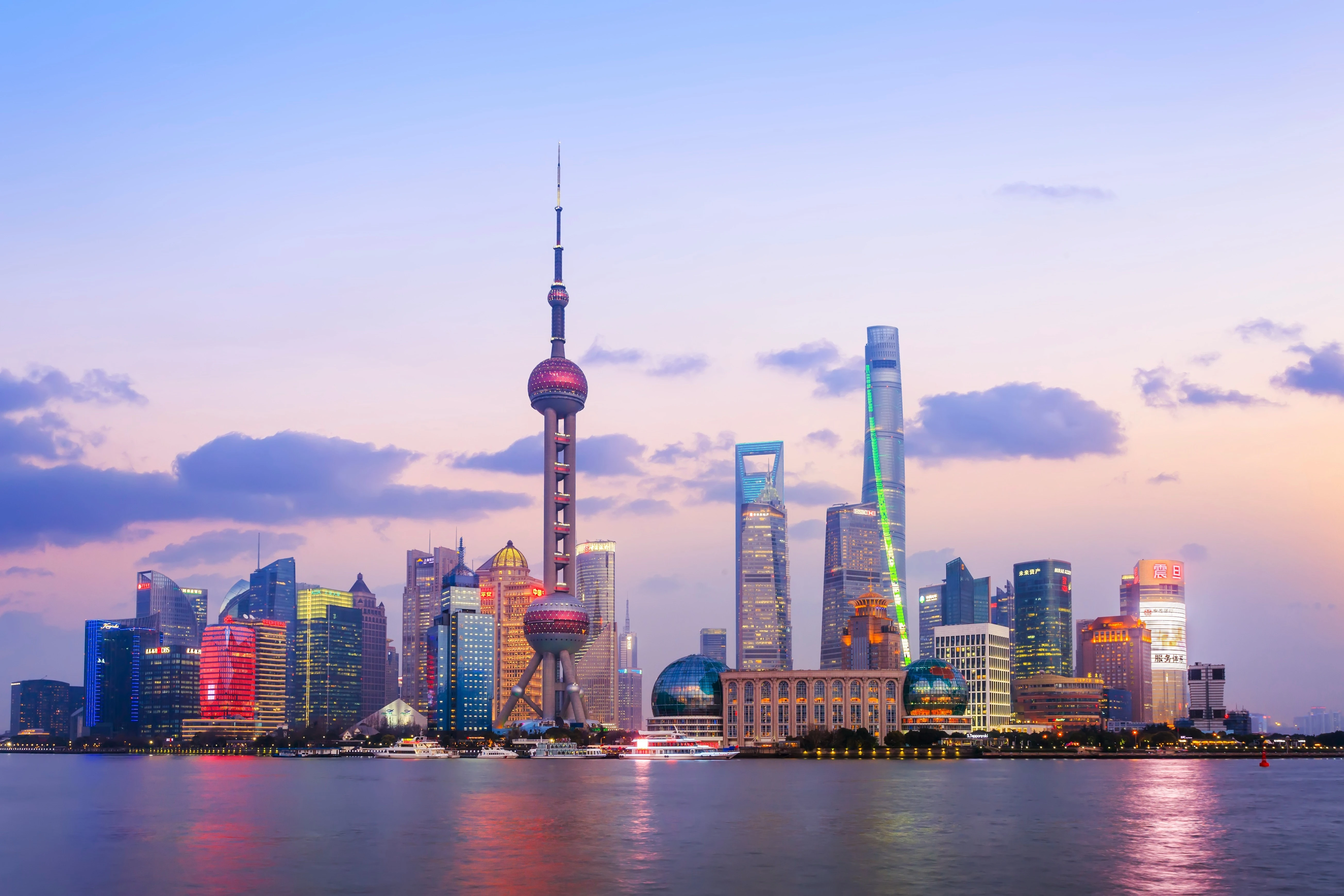
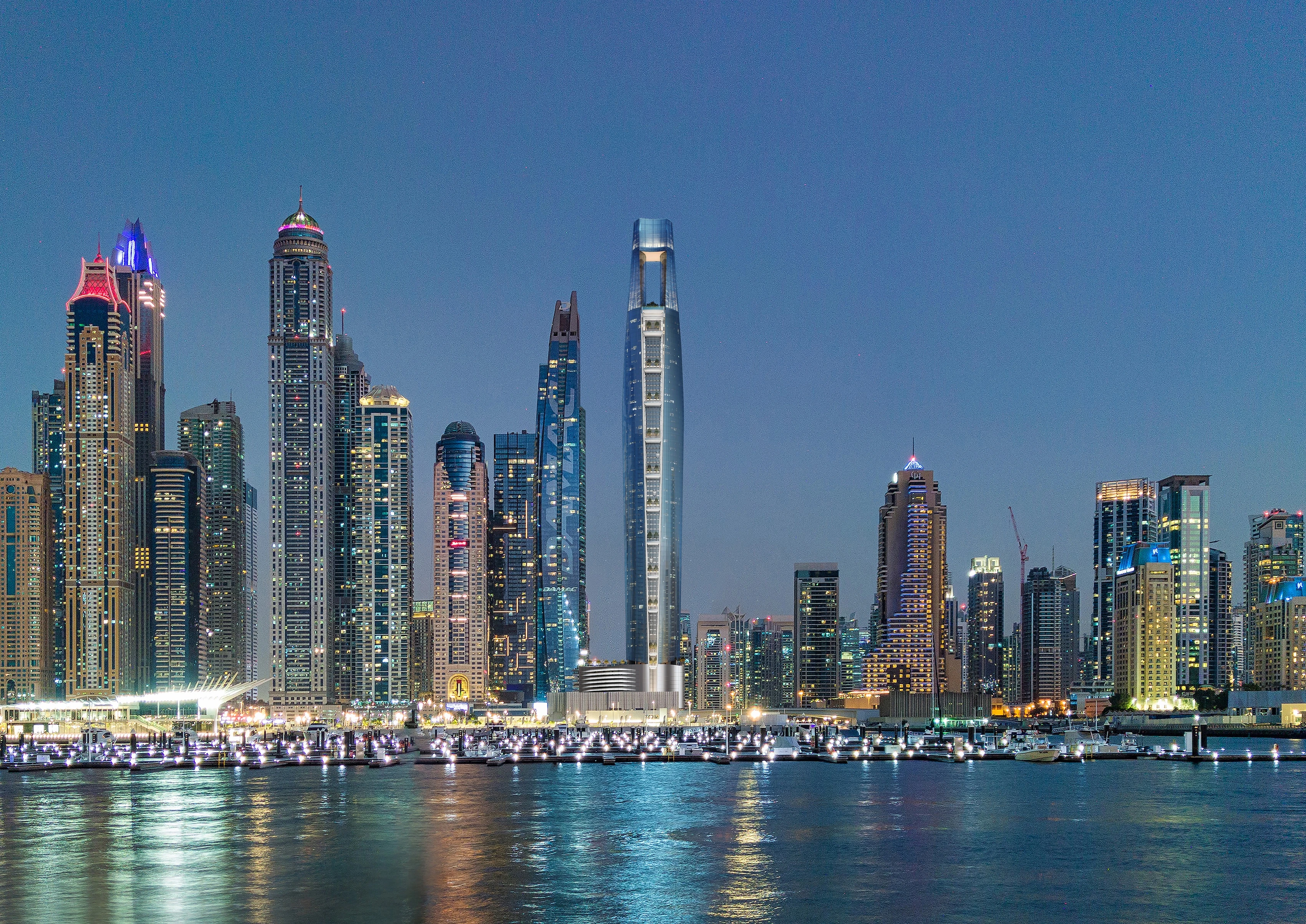
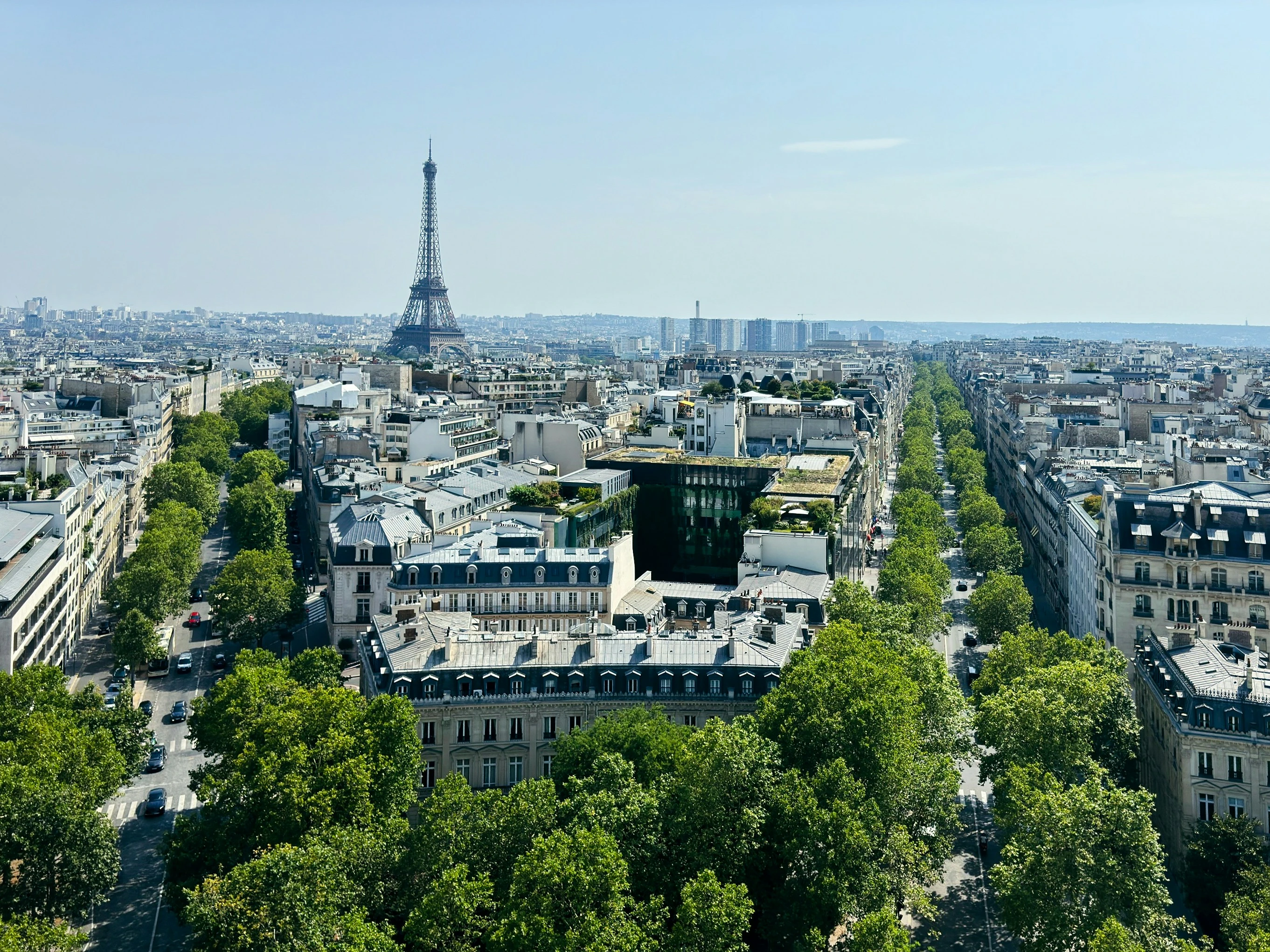
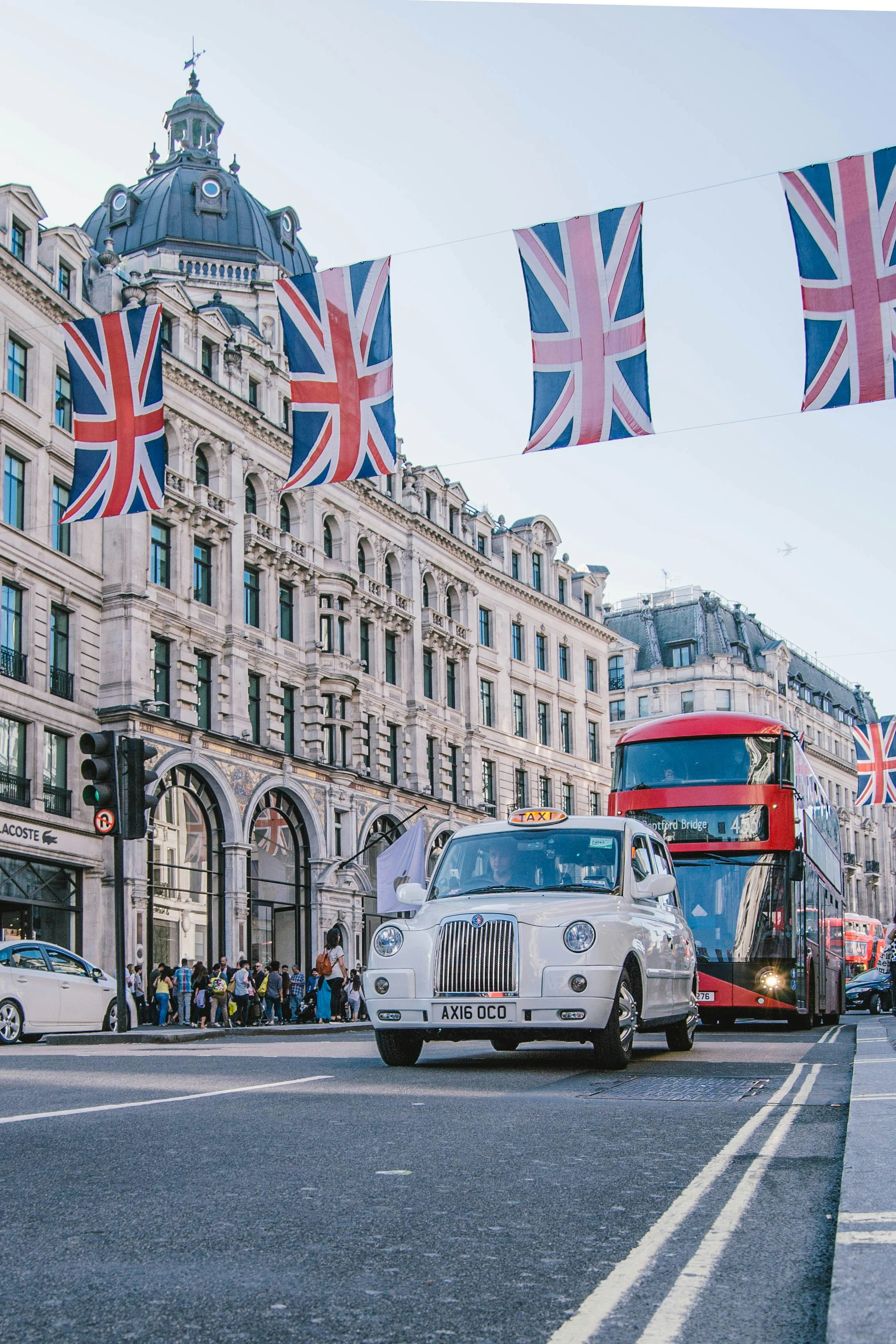
At the same time, when Saudis travelled abroad, they demonstrated a bold curiosity. They looked well beyond traditional city breaks like Cairo, Dubai, Doha and Manama to explore Egypt’s North Coast and Red Sea Coast, Tangier and Marrakesh in Morocco, and trending global destinations like Moscow, Athens, Madrid and Shanghai, alongside classics like London, Paris, Istanbul and Phuket.
This behaviour points to a Saudi travel market with real depth and resilience. Vision 2030 has built the infrastructure; our travellers have brought the confidence. The data shows sustained appetite for premium destinations at home and abroad — not a seasonal spike.
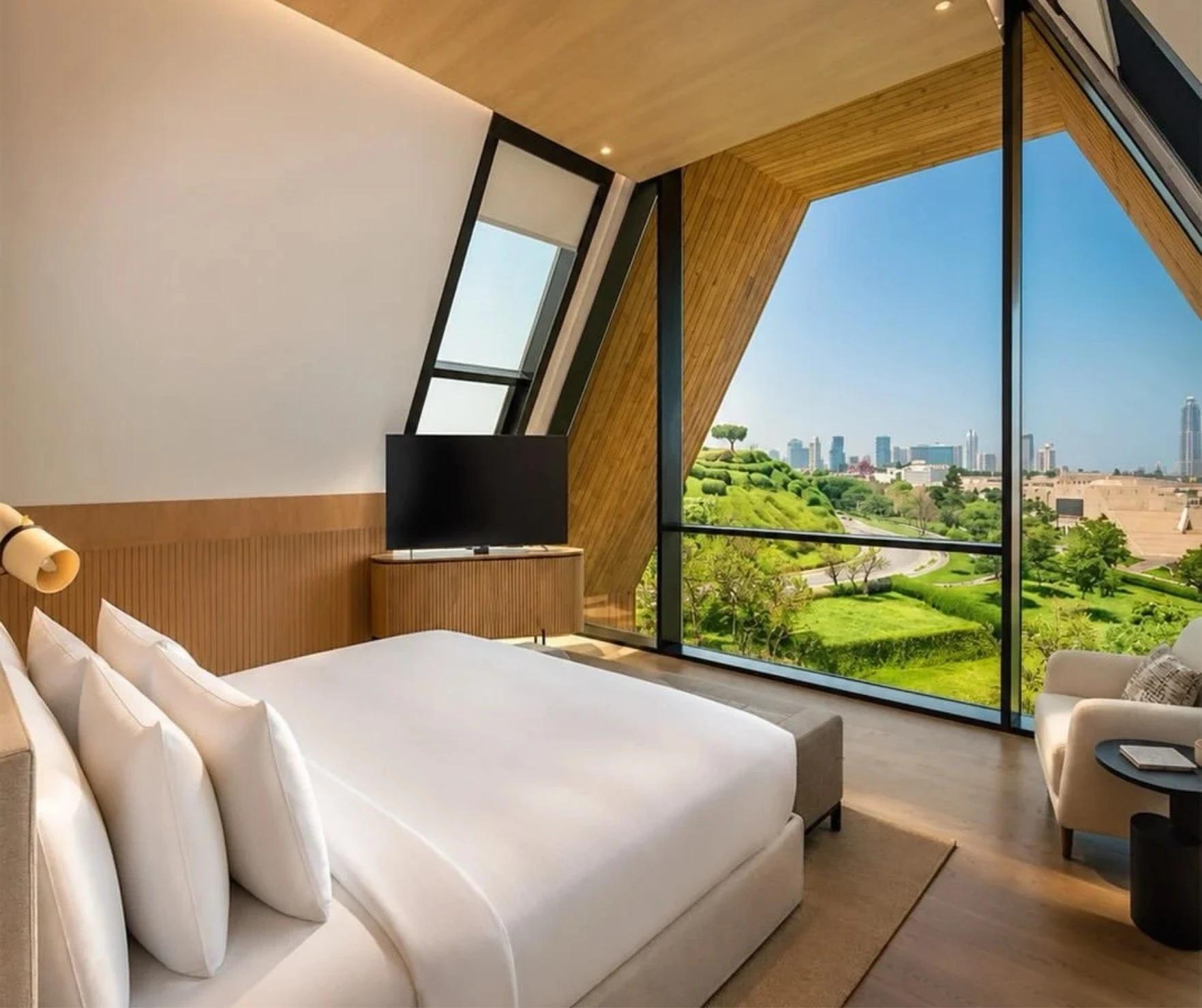
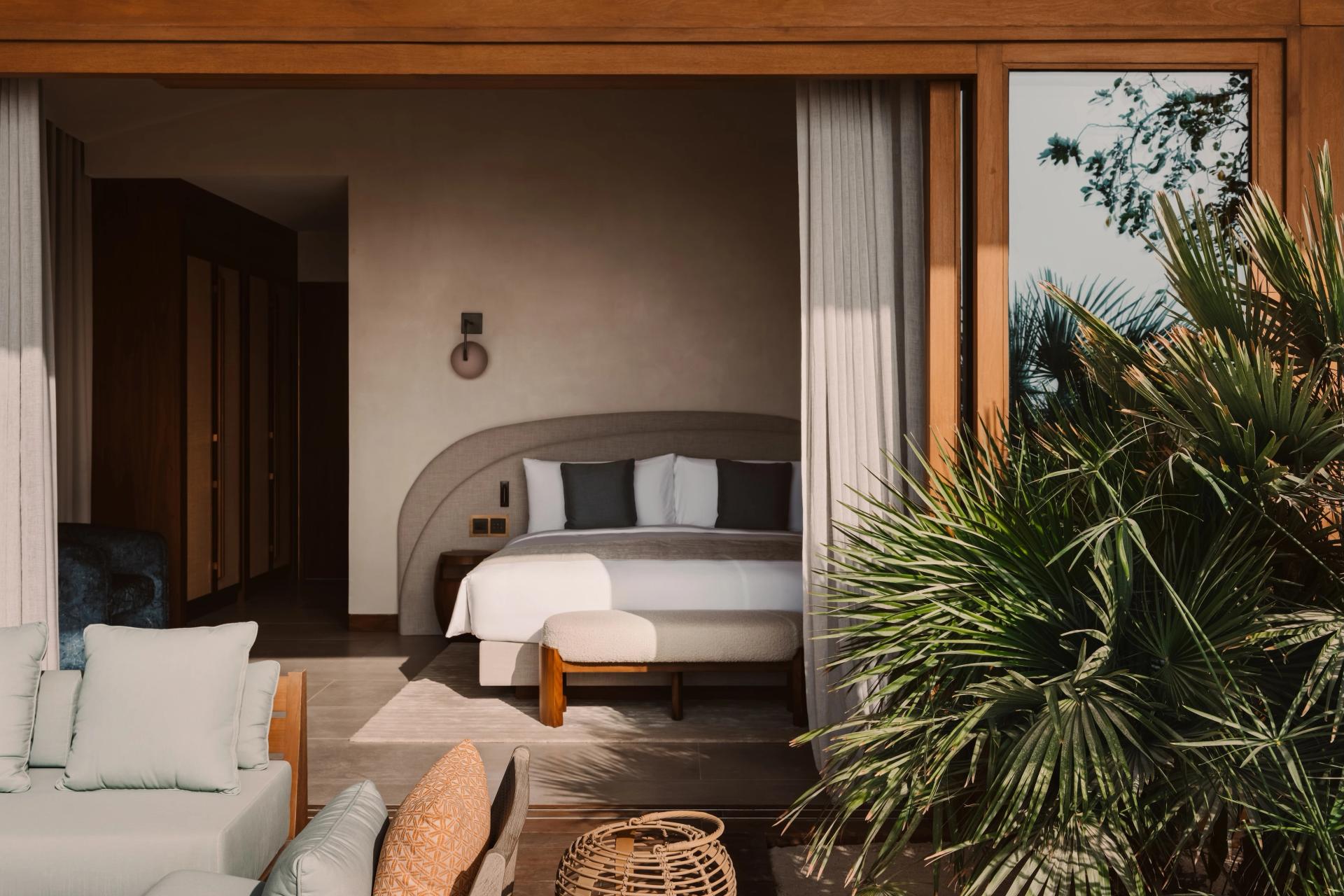
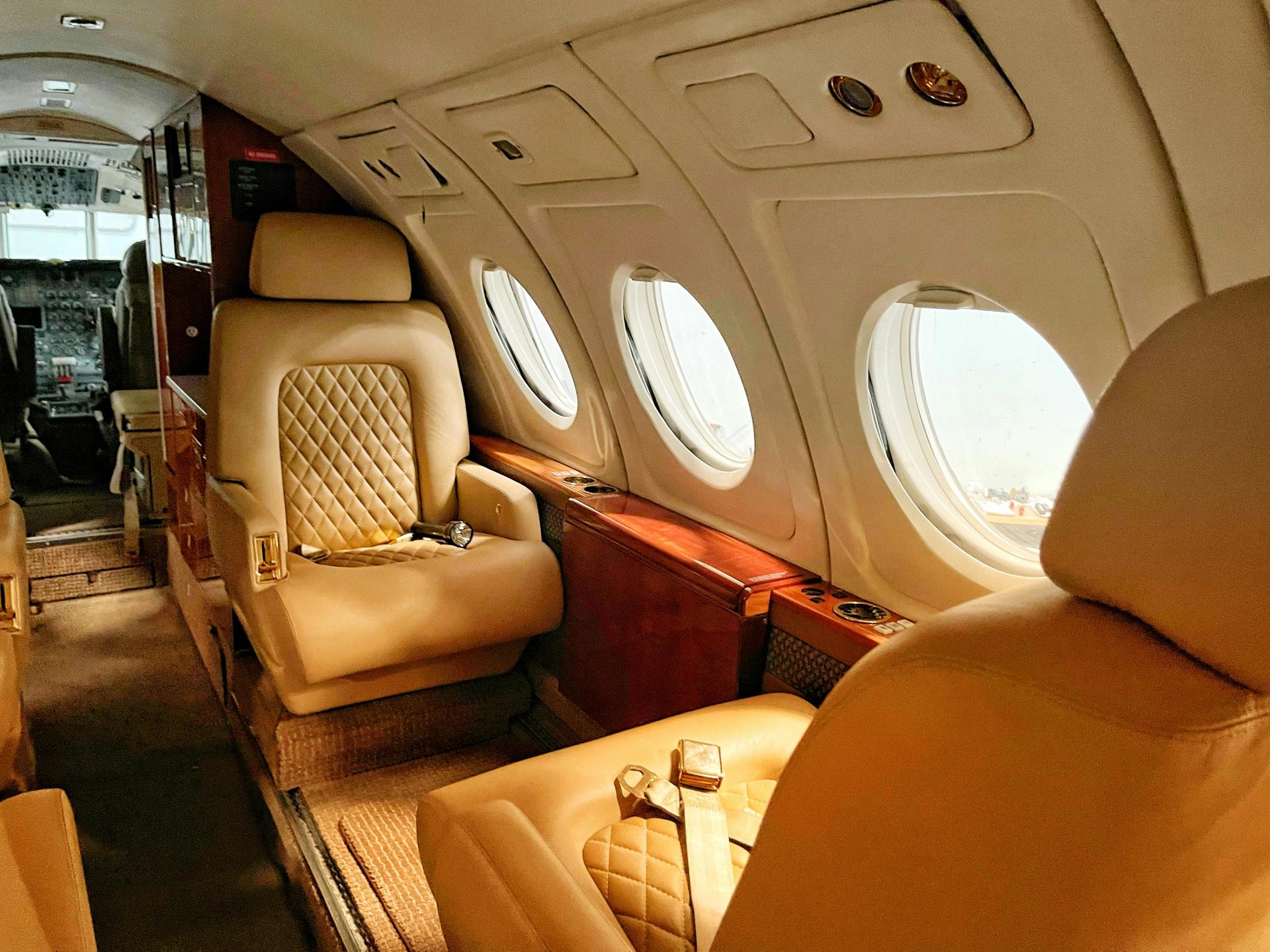
We are definitely witnessing the rise of the dynamic luxury traveller. Across our platform, 67% of all stay bookings are made within a single week of travel, against an overall platform average booking window of 11 days. Yet, this spontaneity does not mean compromising on quality. Four- and five-star properties capture 74% of our room nights, and stays at the highest tier of average daily rates now represent 13% of all bookings. Saudis are trading up to elevated experiences as a standard preference rather than an occasional splurge.
Abroad, we see a fascinating two-stage decision process, particularly among families. The luxury hotel is locked in early, with international family stay lead times extending to 19 days (up 5% year-on-year) while the flight lead time has contracted to 17 days (down from 19 days in 2025). Travellers secure premium accommodation first and remain flexible on transport.
For the luxury hospitality sector, this requires a fundamental shift in revenue and distribution strategies. Traditional advance-purchase models must give way to real-time, mobile-first availability, frictionless digital booking and instant gratification. Luxury brands must be prepared to welcome high-value guests who expect bespoke service, curated amenities and seamless check-ins on short notice.


Activity bookings have grown 464%, with increases particularly in Riyadh, Jeddah and Makkah. Does this suggest that Saudi travellers are moving beyond simply booking hotels and flights towards spending more on experiences and where do you see the biggest opportunity in that experience economy?
Absolutely. We are witnessing the evolution of the ‘Connected Trip.’ Saudi travellers are no longer satisfied with passive stays. They are building complete, immersive itineraries. Activity bookings surged by an extraordinary 464%, dominated by experiences within the Kingdom. Volume grew exponentially in Riyadh (+2,061%), Jeddah (+664%), and Makkah (+1,193% for Umrah-linked cultural experiences). Furthermore, connected bookings linking a flight or hotel stay directly to an activity or transfer rose 368%.
The biggest opportunity lies in orchestrating this rich ecosystem. The Kingdom’s lifestyle and entertainment offerings have broadened, ranging from world-class arts and live events to coastal resort access and landmark theme parks in Qiddiya City, such as Six Flags Qiddiya City and Aquarabia Qiddiya City.
The growth in connected bookings shows that Saudis view travel as a single narrative. The opportunity for operators and travel platforms is to curate frictionless, end-to-end itineraries that blend flights or stays with access to culture, entertainment and adventure.

For decades, affluent Saudis have been among the world’s most valuable outbound travellers. Are you now seeing evidence that Saudi Arabia is successfully capturing more of that luxury spend at home? Are they increasingly willing to spend at home what they traditionally spent in destinations such as Dubai, London or Paris?
It's not an either/or story. What we're seeing isn't Saudi Arabia clawing back spend from Dubai, London or Paris. The pie itself is getting bigger. The Saudi traveller is simply travelling more, and spending more, across the board.
Domestically, the average order value of a leisure booking roughly doubled year-on-year in 2026. The Red Sea now commands the highest average order value of any destination booked by Saudi travellers anywhere in the world - ahead of Paris and London - with room nights up more than 4,000%. That's a genuine step-change in what the Kingdom can offer at the top end.
But those same travellers haven't stopped going abroad. Our international volumes are growing alongside domestic, not at its expense. The regional short-haul corridors remain as strong as ever, and they are the trips people take repeatedly through the year rather than once. Europe holds firm for the summer, and we're seeing real momentum in the newer destinations that barely registered a few years ago and are now competing for the same traveller.
A family might spend a long weekend at a Red Sea resort in the spring and still take their summer in Europe. What's changed is that Saudi Arabia has become one of the places you choose for leisure - and increasingly, it's the first choice.
Your data shows that almost 30% of bookings now use easy financing or Buy Now Pay Later. Is this simply about convenience, or is it fundamentally changing the type and value of trips Saudi consumers are willing to book?
The rise in Buy Now Pay Later (BNPL) model reflects a structural shift in how travellers manage their lifestyle investments. Easy financing, including BNPL, reached 29% of all bookings in 2026, and its adoption is skewing heavily toward larger, higher-value trips rather than small purchases. Financial flexibility has become a booking prerequisite.
Saudis are using these flexible payment structures to upgrade their journeys, whether by extending stays, opting for five-star suites, or adding premium activities and protection products. Protection products alone grew 154% in customer adoption and 165% in purchases, representing 48% of all add-on products (with baggage recovery up 474%, trip insurance up 132%, and cancellation freedom cover up 21%). Meanwhile, convenience products feature in over 20% of bookings.
Furthermore, 30% of all round-trip bookings are now self-assembled from two separate tickets, allowing travellers to pair carriers, departure times and cabins on their own terms. Flexibility, protection and customised financing allow Saudi consumers to trade up to grander, more sophisticated travel experiences with complete peace of mind.

AI is beginning to influence travel discovery, with 21% of customers offered Almosafer’s conversational AI filters using them. How quickly do you expect AI to change the traditional travel-booking journey and could we reach a point where travellers no longer begin their search on a travel website or app at all?
AI is transforming discovery from a rigid search box into an intuitive conversation. When we introduced native AI filters that let travellers describe their ideal stay in their own words rather than check fixed search boxes, 21% of customers who saw the feature engaged with it immediately.
At the same time, through integrations with platforms like ChatGPT and Claude, travel planning is moving upstream into the ambient spaces where travellers brainstorm. Consumers can begin a conversation about an aspirational itinerary in an AI assistant and arrive at Almosafer with high booking intent already formed. It is the natural evolution of conversational commerce, building on the behaviours that previously made WhatsApp a primary channel.
In my opinion, AI will not eliminate travel platforms; it will make them smarter, more personalised, and seamlessly integrated into the traveller's everyday digital life.

Interestingly, while 77% of Almosafer bookings are now made through the app, your retail bookings have an average value roughly three times higher than digital bookings. Does that tell us that human expertise becomes more important, rather than less important, as travel becomes more complex and luxurious?
That is a crucial insight into the modern luxury consumer. While our app handles the vast majority of transactions (77%), our physical retail network represents 6% of total bookings, yet commands an average order value roughly three times higher than the digital average.
This proves that when travel becomes more complex, bespoke and high-stakes, human advisory becomes invaluable. When travellers are planning multi-destination international itineraries, celebrating milestone events or investing in ultra-luxury domestic retreats, they want the reassurance, nuanced knowledge and personalised touch of a human expert.
At Almosafer, we view technology and retail as a unified hybrid ecosystem. Digital provides speed, spontaneity and daily convenience, while our travel advisors provide the deep expertise and creative curation that high-net-worth travellers demand for their most considered journeys.

Looking towards 2030, what is the one change in Saudi traveller behaviour that you think the global travel industry is still underestimating? And what do you suggest international destinations and hospitality brands should be doing now if they want to capture this increasingly important market?
The global travel industry frequently underestimates the speed, autonomy and multi-directional curiosity of the modern Saudi traveller. An outdated assumption persists that Saudis only travel in large groups during predictable holiday windows to a handful of European or regional capitals.
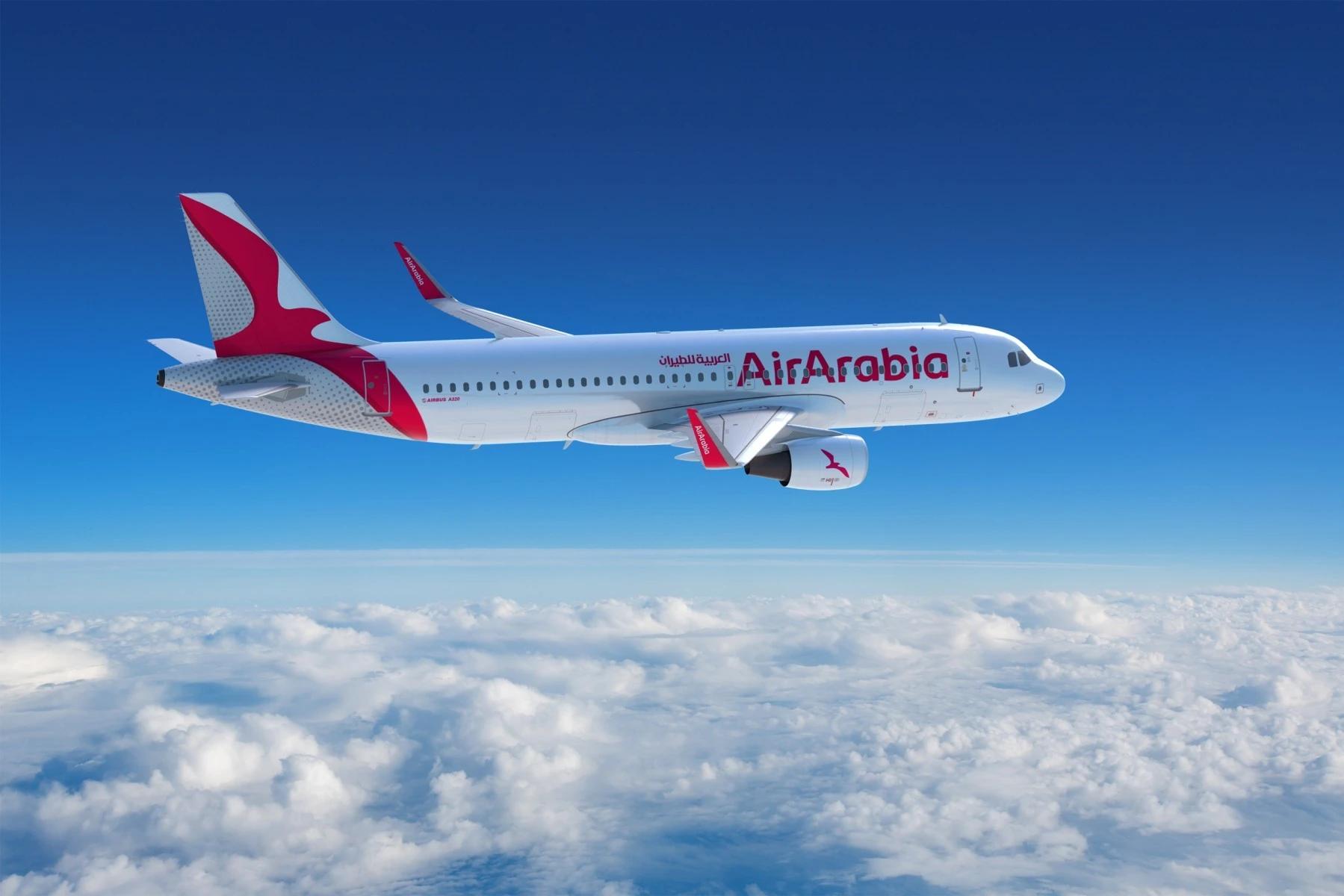
In reality, our data shows a highly sophisticated consumer base that demands premium quality (74% in 4- and 5-star properties) and books with spontaneity (67% of stays inside 7 days). They embrace independent travel design, as evidenced by 30% assembling unbundled split-ticket round trips and flying heavily on expanding national carriers, which now capture 57% of total flight segments and 33% of international segments.
To capture this audience, international destinations and luxury hospitality brands must build agility into booking & inventory to adapt to shorter flight booking windows and offer total payment & booking flexibility by integrating seamless digital wallets. By embracing the conversational era, they can meet Saudi travellers early in their decision-making journey through conversational AI, personalised digital commerce, and curated experiential offerings.
To win their loyalty, we need to treat the Saudi traveller as a tech-forward, experience-driven travel connoisseur.