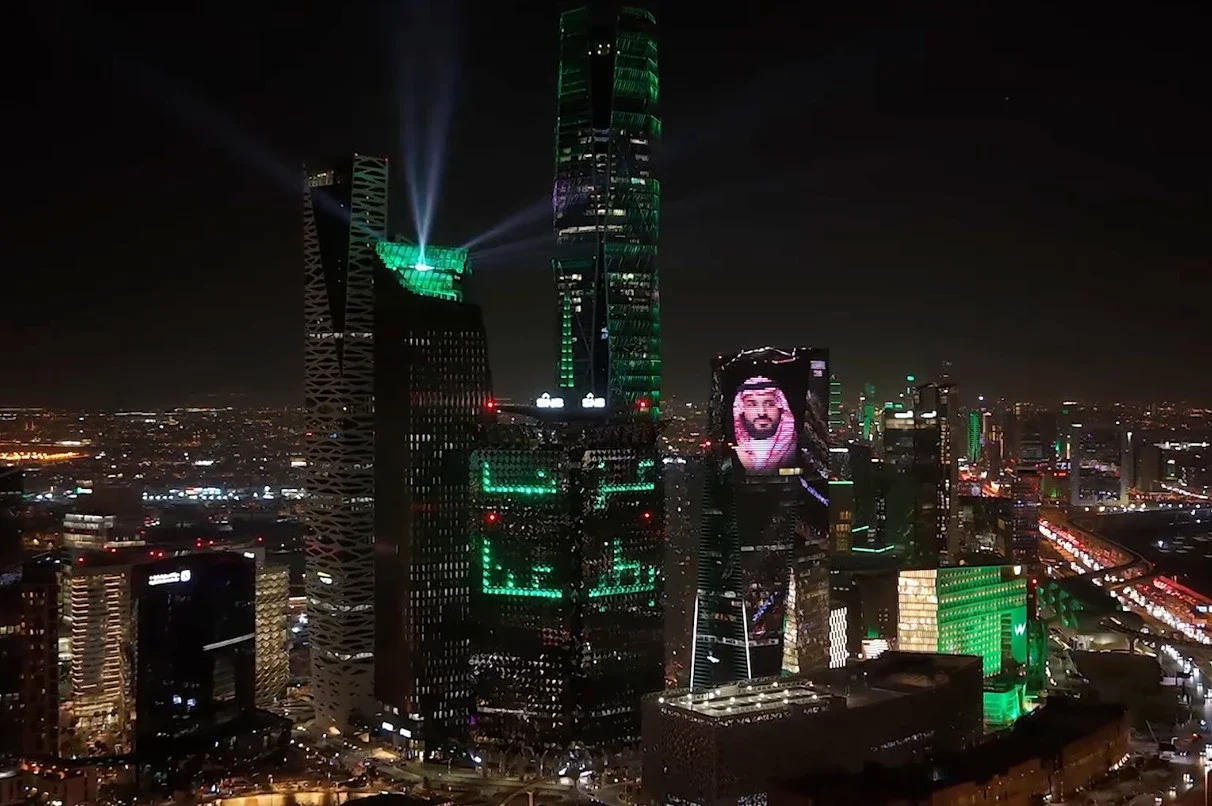
There’s no question that the most revolutionary tourism market in the world right now is found in Saudi Arabia.
On a busy week in Riyadh, when most in the city were discussing the arrival of President Trump, a cohort of travel professionals gathered at the Mandarin Oriental Al Faisaliah hotel to define just what the nation’s tourism landscape might look like in decades to come at the annual Future Hospitality Summit (FHS).
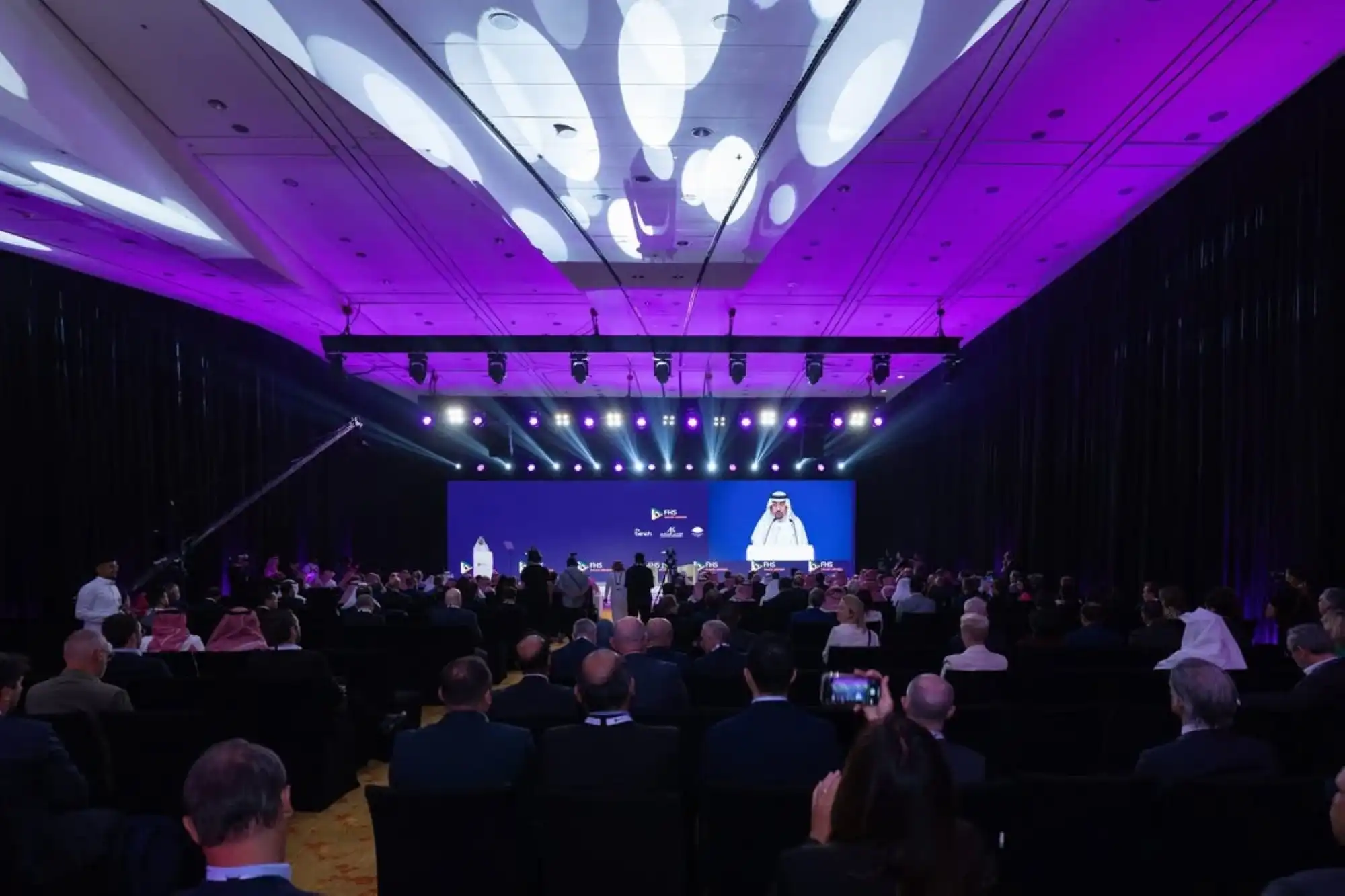
An invite-only gathering featuring 1,300 or so of the world’s most senior and influential hospitality professionals, FHS is where big-wig investors, property developers and hoteliers gather to network, research and ultimately ink billion-dollar deals that define what any given holiday destination might look like in the future. If you see a Raffles or Ritz-Carlton hotel opening in your city, it’s possible that the conversation that started the partnership off (and determined how the development would look and feel) took place at FHS years previously.
Even if the event had been held in any other Middle Eastern city, Saudi Arabia would inevitably have been its focus. The steps being taken to transform the country into a paradise for holidaymakers are entirely unprecedented and they remained a core theme of FHS’s 80-plus panel discussions, workshops and fireside chats across topics including investment, destination development, luxury, dining, architecture and hospitality experiences.
Tourism Growth, Global Partnerships & Saudi's Unique Appeal
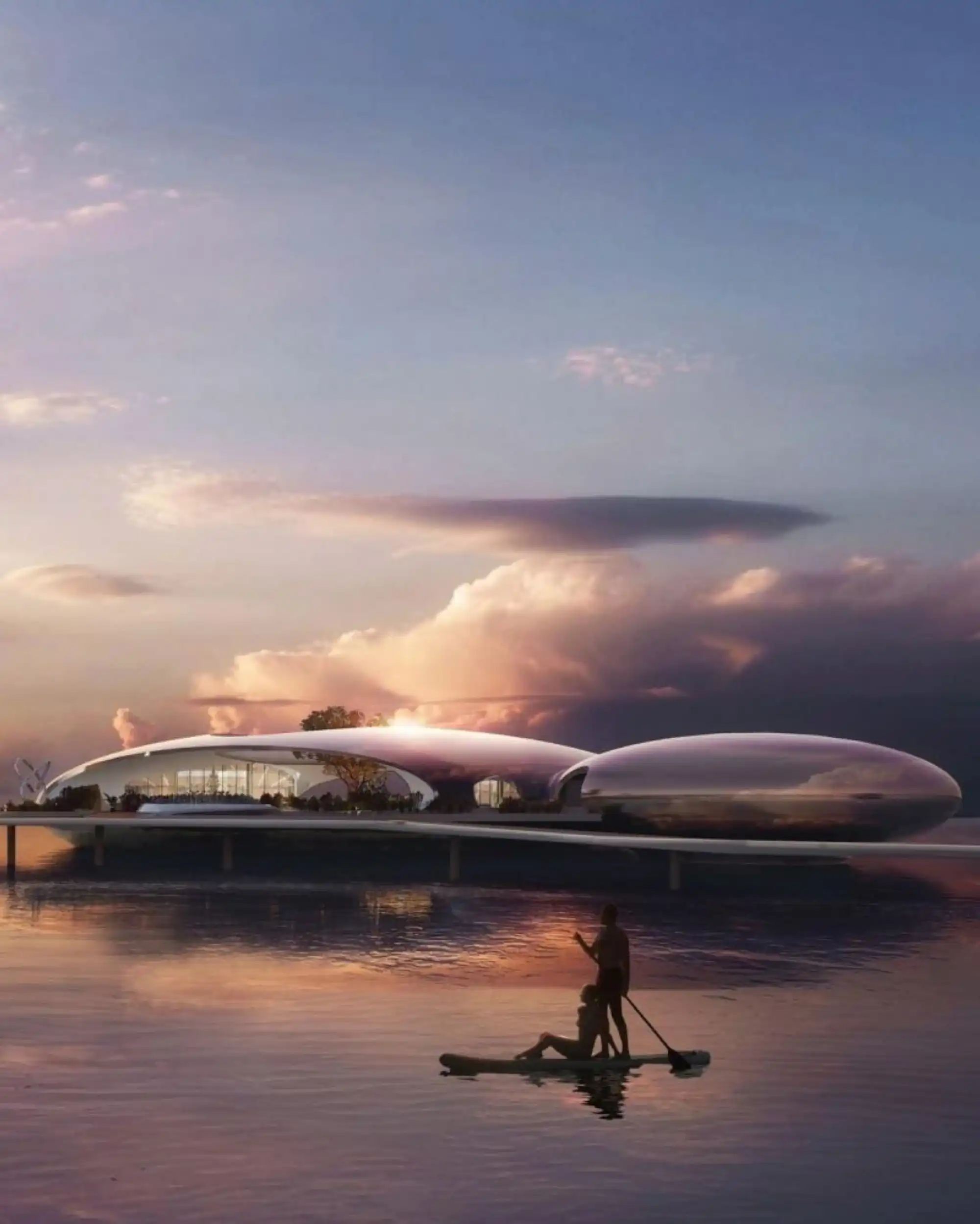
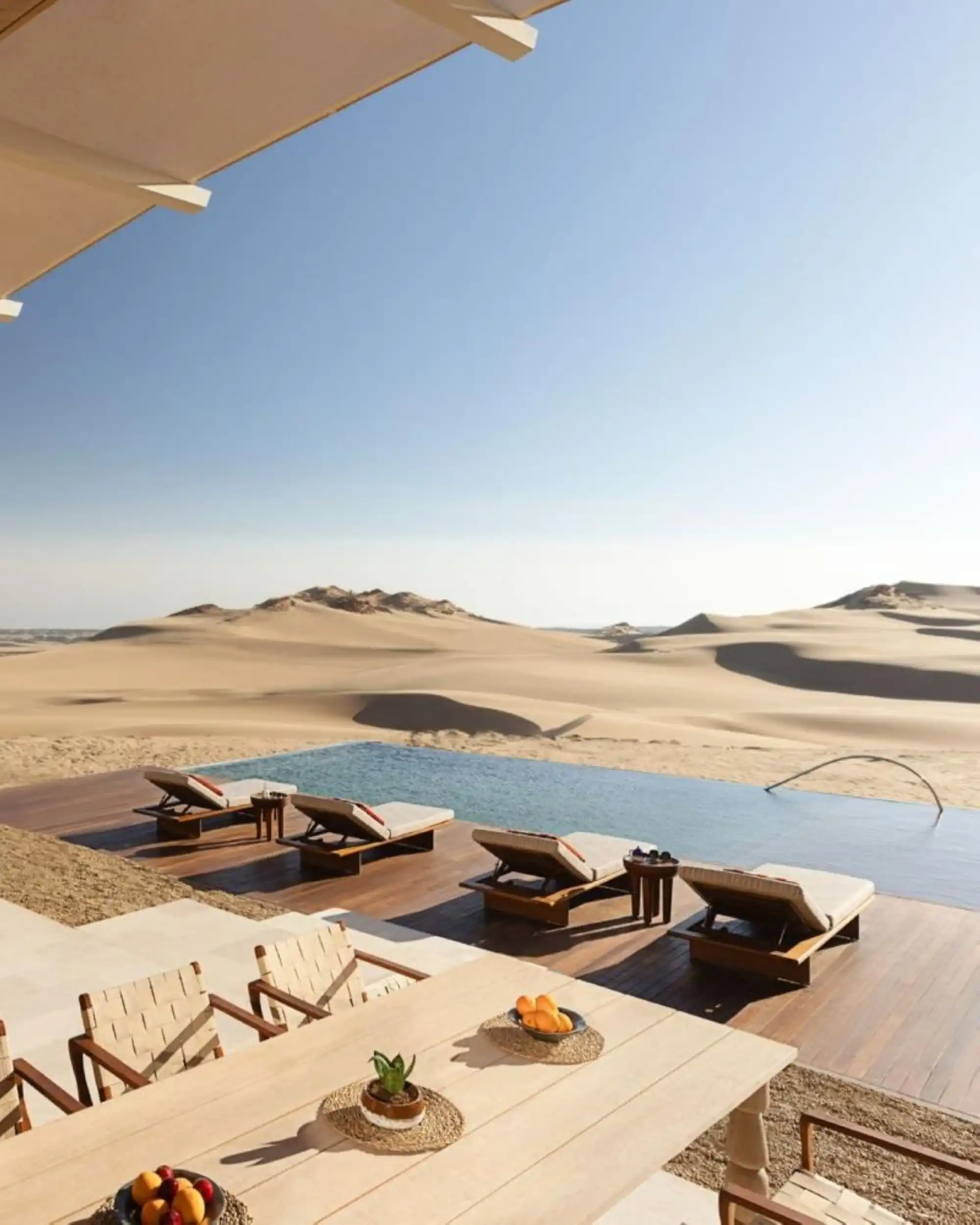
Some key takeaways related to the country’s explosive popularity as a tourism destination. After opening its borders so recently to international tourism, Saudi Arabia set the target of welcoming 100 million tourists per annum by 2030, as part of the Kingdom's forward-thinking Vision 2030 project – however, the nation hit this target seven years early in 2023. Those arrivals contributed an estimated SAR 250 billion of economic value as it happens, and that original 2030 target has been upped considerably in the interim.
Now tourism officials hope to welcome 150 million visitors per year by the end of the decade. By then, Saudi Arabia is on track to become the eighth most popular nation in the world in terms of international traveller arrivals, sitting neatly between longstanding holiday behemoths Turkey and Thailand and with double the number of visitors as the UAE.
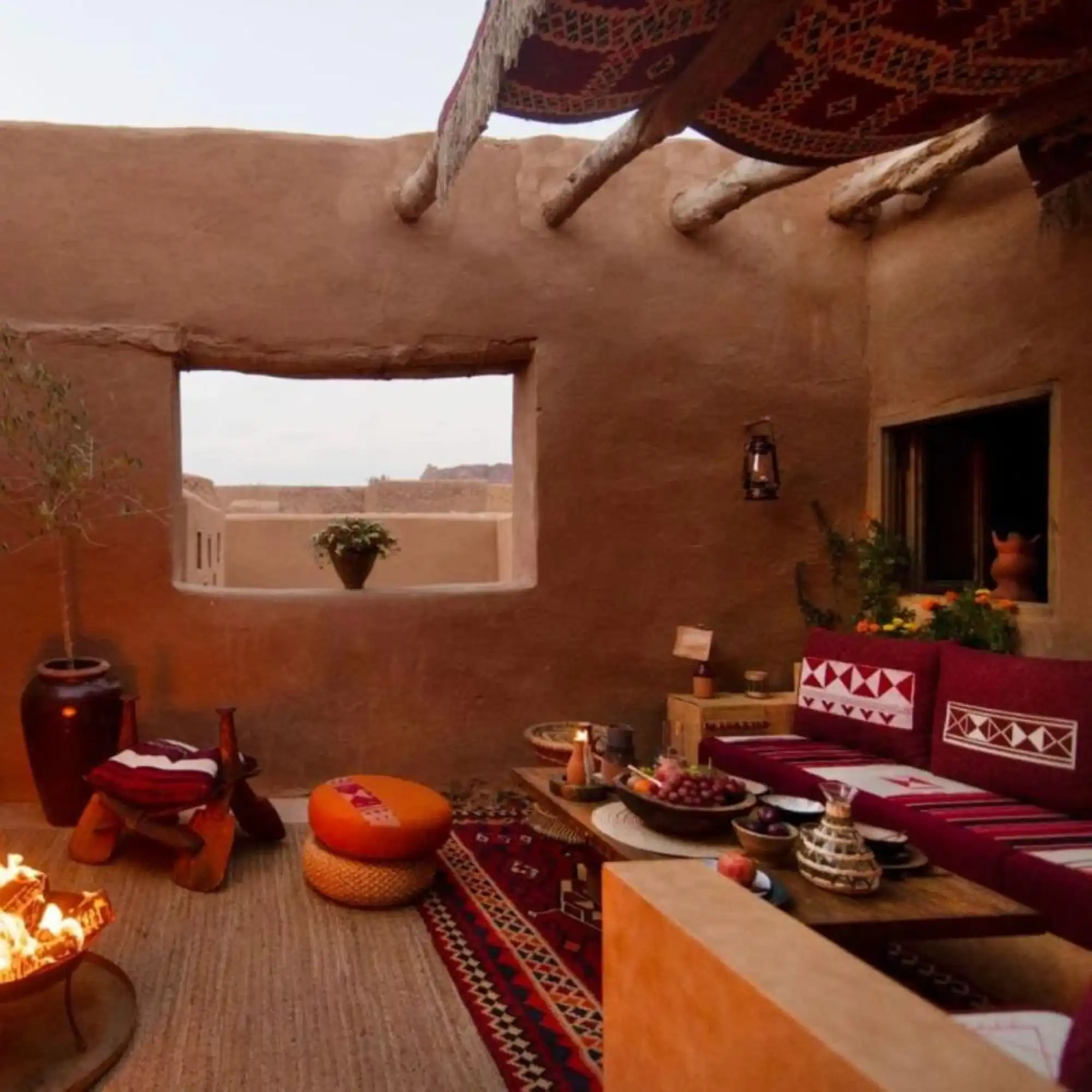
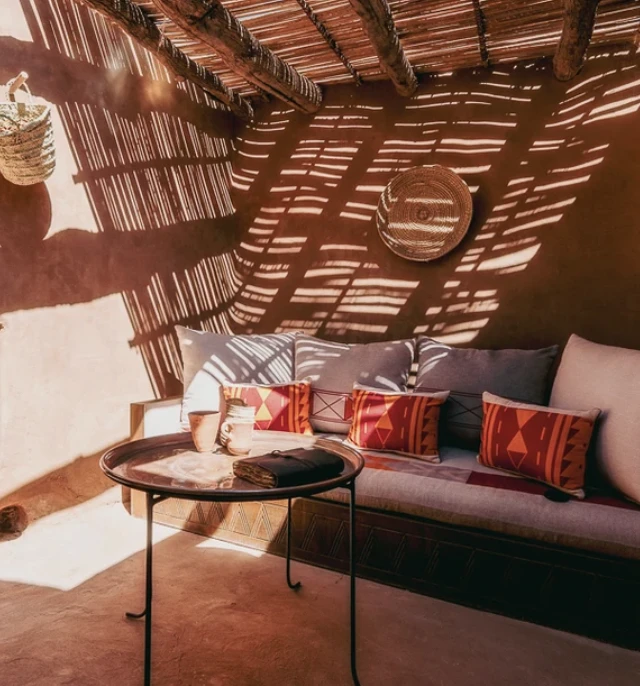
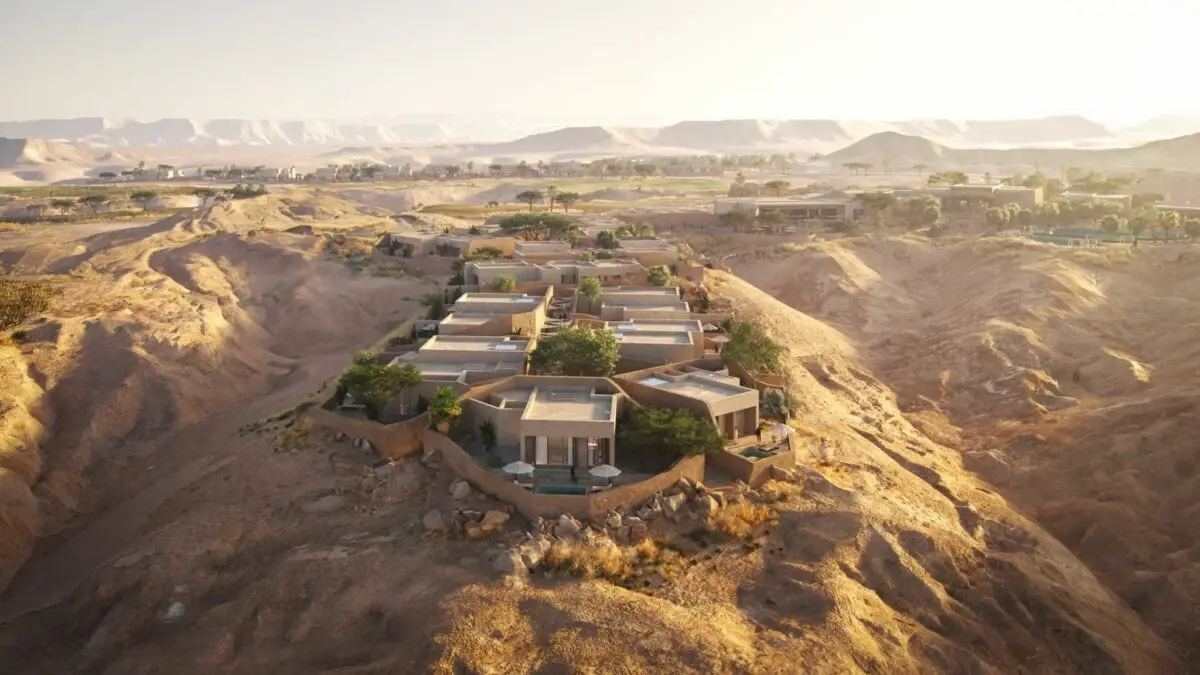
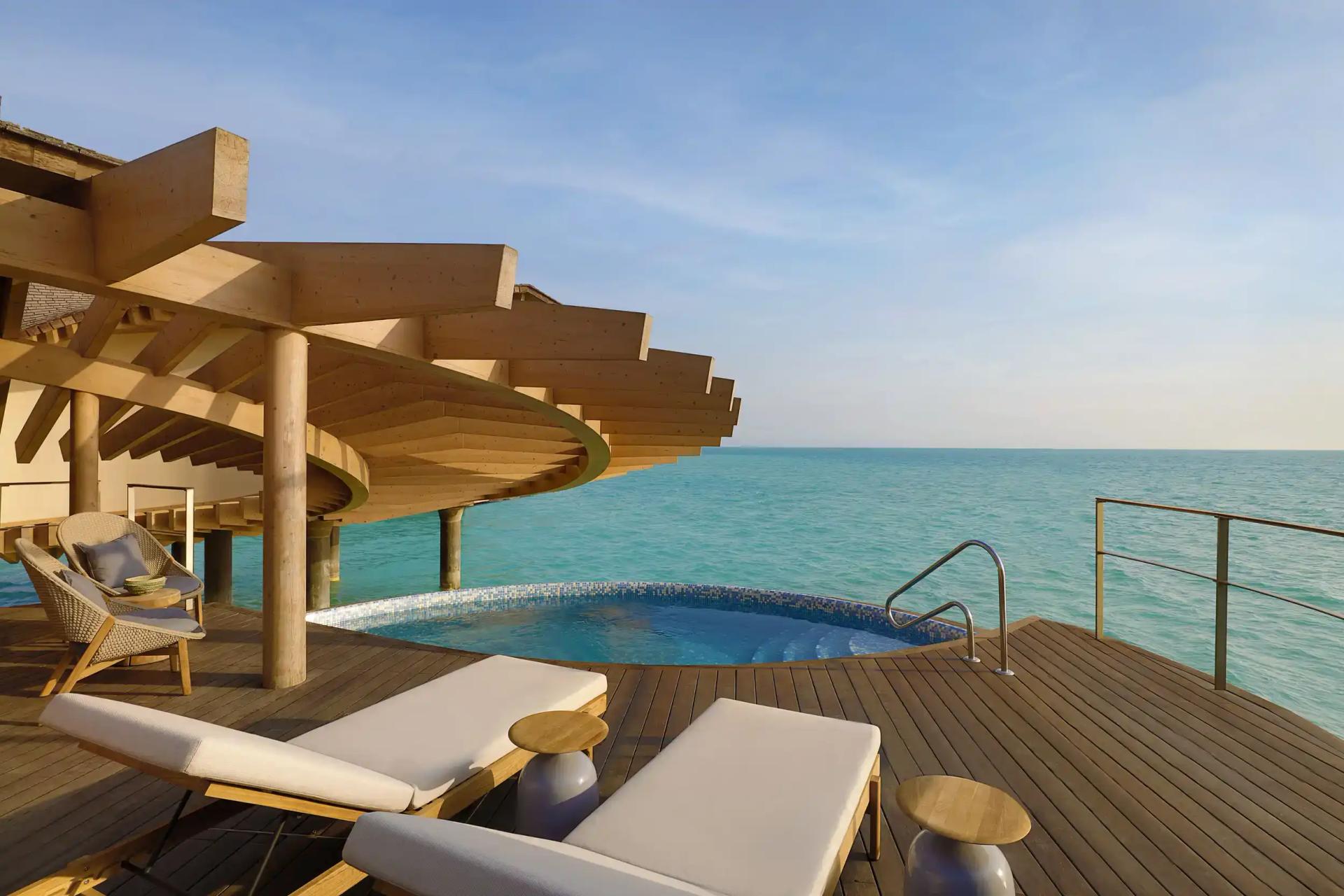
In contention to be the next Secretary General of UN Tourism, the Greek politician Harry Theoharis was one of the many FHS speakers who enthused about the tourism offering emerging throughout Saudi: “I’ve visited Saudi Arabia five times in the last five months and its blend of ancient heritage and innovation is completely unique, there’s nowhere else like it.” Speaking to List, he was particularly effusive about AlUla – “its history makes me think of Greek archaeology, and there’s so much diversity in terms of all the things you can do” and The Red Sea – “regenerative tourism is so important, and it’s obviously they don’t do greenwashing”.
You Might Also Like: Saudi Arabia activates tourist VAT refund scheme
Challenges Facing the Hospitality Sector & A Wave of New Openings
Still, for all the industry’s baubles, aspects of the travel industry can be tiresome, difficult and boring. Sofitel CEO Maud Bailly decried ‘the ocean of sameness’ that you now find across much of the hotel industry, where you can’t tell one property from another and any distinctive sense of place has been eradicated in place of a play-it-safe, cookie-cutter approach that might be easy for guests to navigate but feels prescriptive and uninspiring. The other big challenge, mentioned repeatedly by panellists, is how difficult it is for the hospitality industry to find people who want to develop a long-term career in the industry. That old refrain that ‘you just can’t find the staff these days’ still holds true, seemingly.
Integrating hospitality training into secondary-school curriculums was one suggested way of tackling the problem, though with countless hotels due to open in Saudi Arabia, the Middle East and beyond over the coming years this is likely to remain a significant issue. In total, Saudi Arabia expects to launch 320,000 more hotel rooms by 2030, and wants to introduce 1 million more tourism jobs over the same period.
You Might Also Like: flyadeal cabin crew are becoming official tour guides
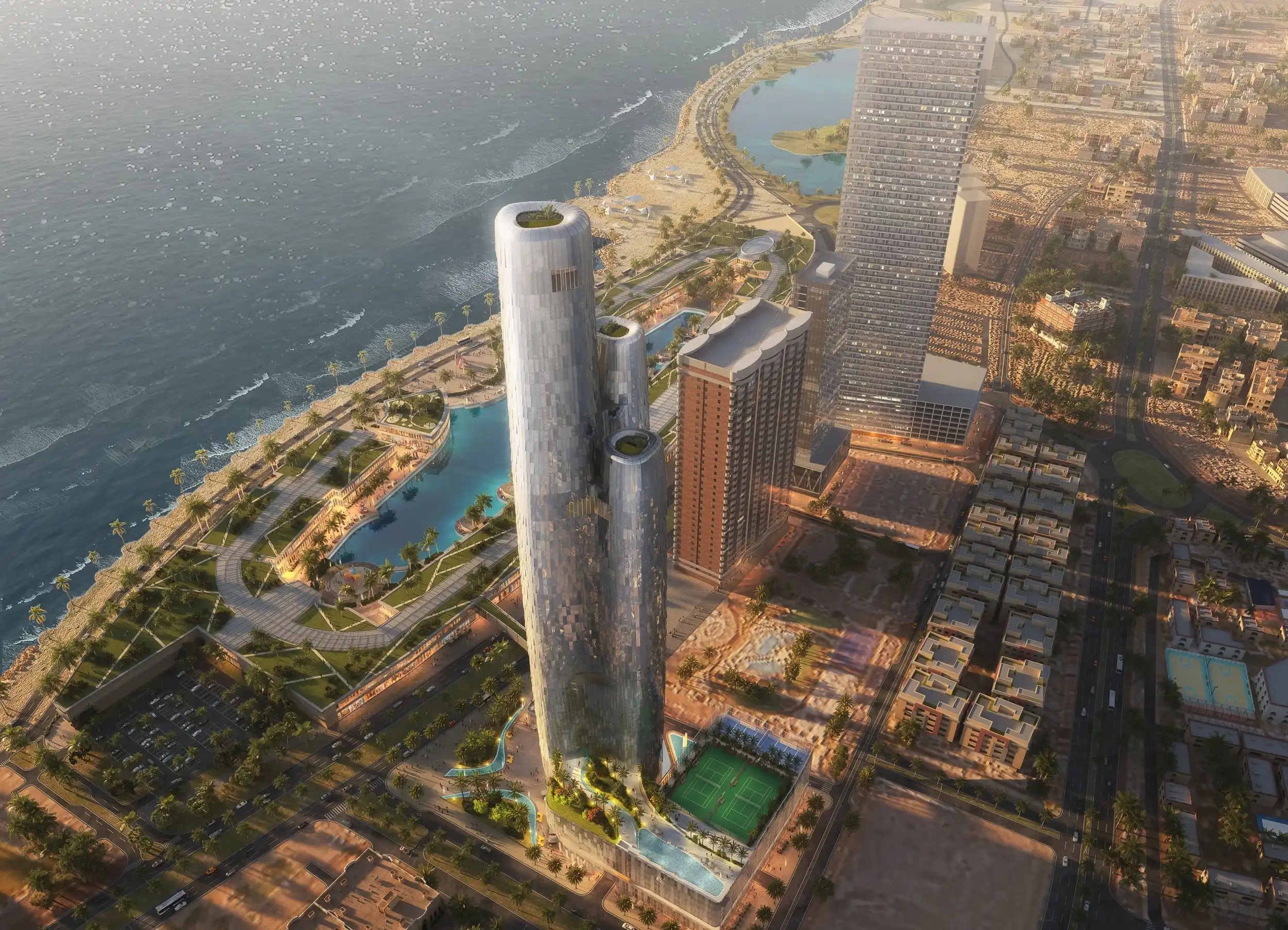
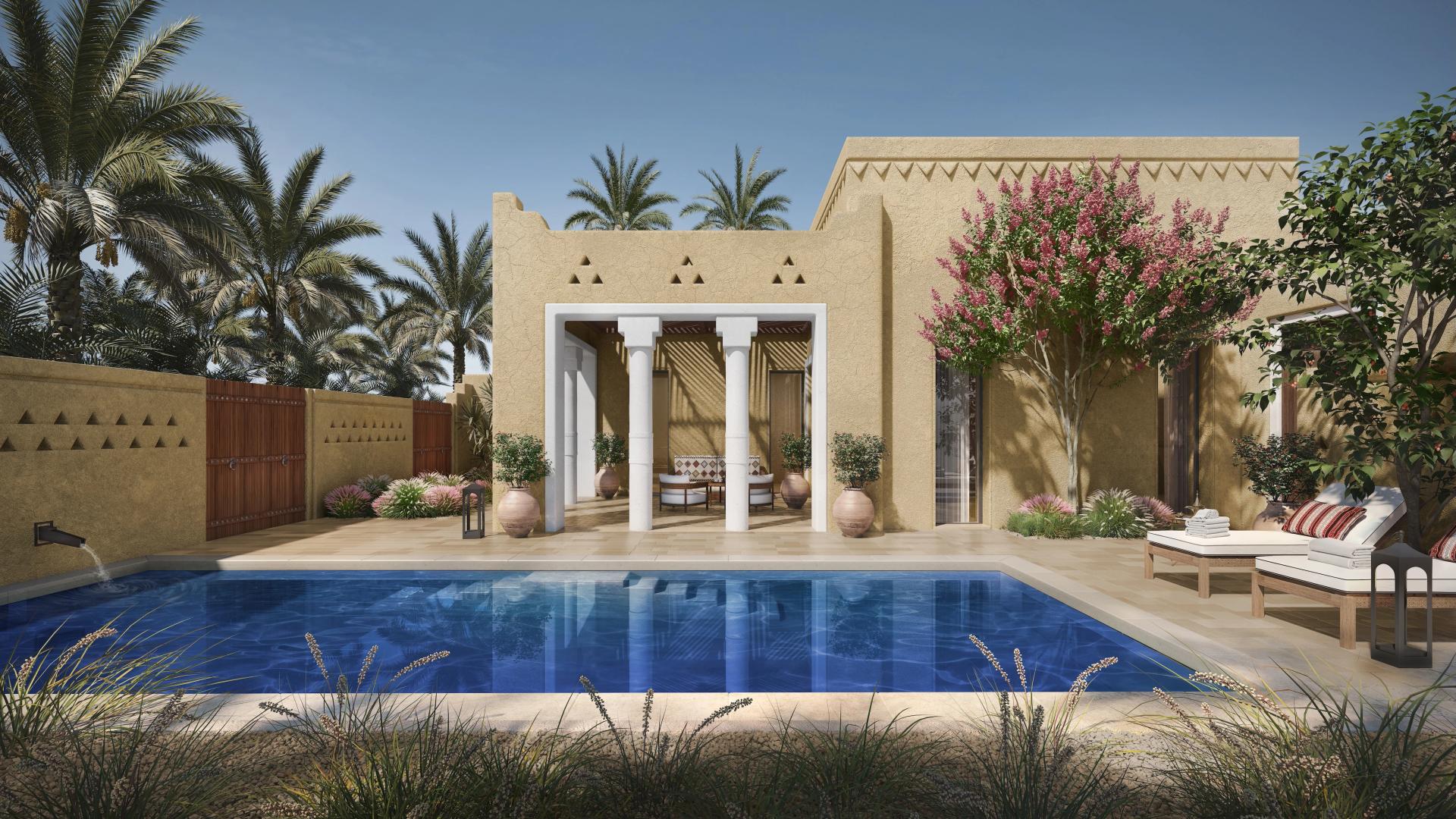
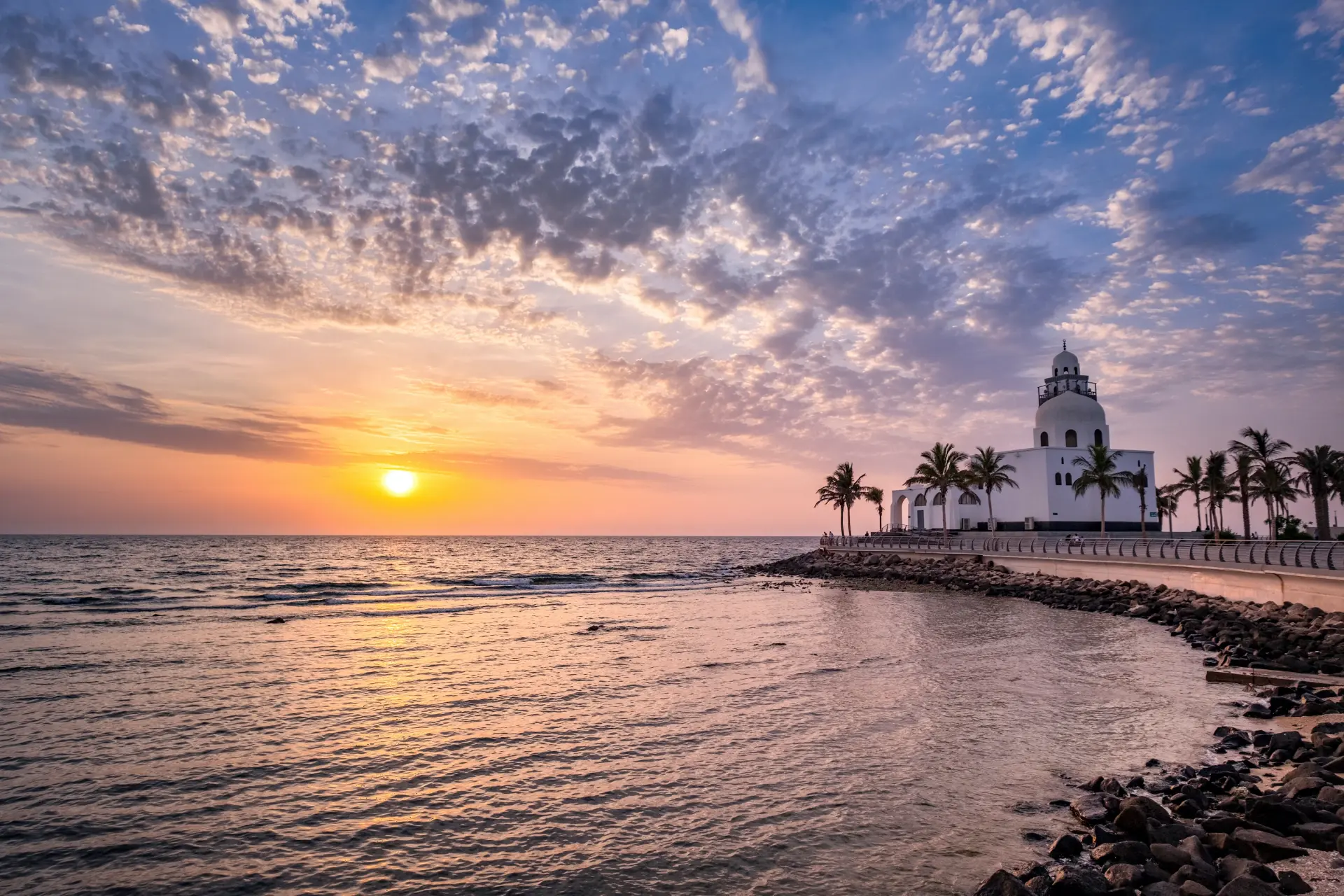
A slew of stellar new Saudi openings were announced during the conference. Opening within the 52-storey U-View tower on the city’s waterfront, St. Regis Jeddah will feature five dining venues, a vast pool and spa area, and fancy branded St. Regis residences with standalone wellness facilities, children’s zone and library. Also in Jeddah and a sister property to Dar Tantora in AlUla, The House Residence at Al Salam District will open in 2027 and feature co-working hubs alongside a grand outdoor pool pitched at the edge of a chic elevated courtyard. Another of the upmarket hotels to come, the 326-room InterContinental Al Khobar Al Hamra will welcome guests to the capital by 2030.