

Investment, jobs, infrastructure, and rising visitor numbers have made Saudi tourism a global model for transformation under Vision 2030.
In less than a decade, Saudi Arabia has evolved from a destination with limited tourism activity into a new global tourism powerhouse, recording unprecedented growth in visitor numbers and spending, attracting a surge of investment, and launching ambitious projects that are redefining the concept of tourism in the Kingdom. Saudi's Vision 2030 placed tourism at the heart of the Kingdom’s economic diversification strategy. This forward-thinking initiative has helped Saudi Arabia emerge as one of the world’s fastest-growing markets in terms of international tourism revenues and one of the most attractive destinations for global investors.
The impact of this transformation can be felt across every corner of the sector: from massive investments and a surge in visitor numbers to expanding infrastructure, a growing contribution from tourism to GDP, and the creation of direct and indirect employment opportunities across different regions.
Tourism Investment: From Ambition to the World’s Largest Development Plan
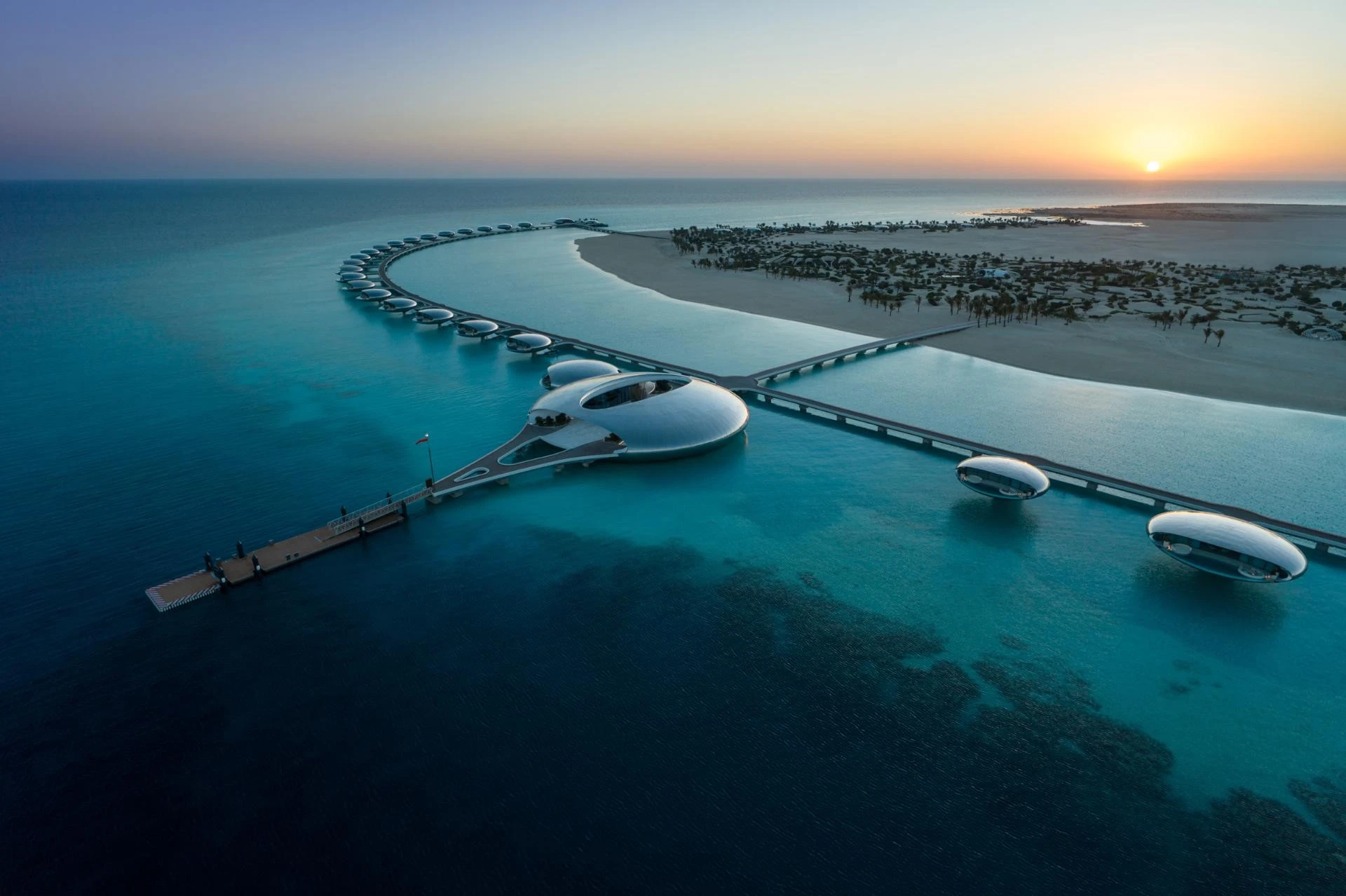
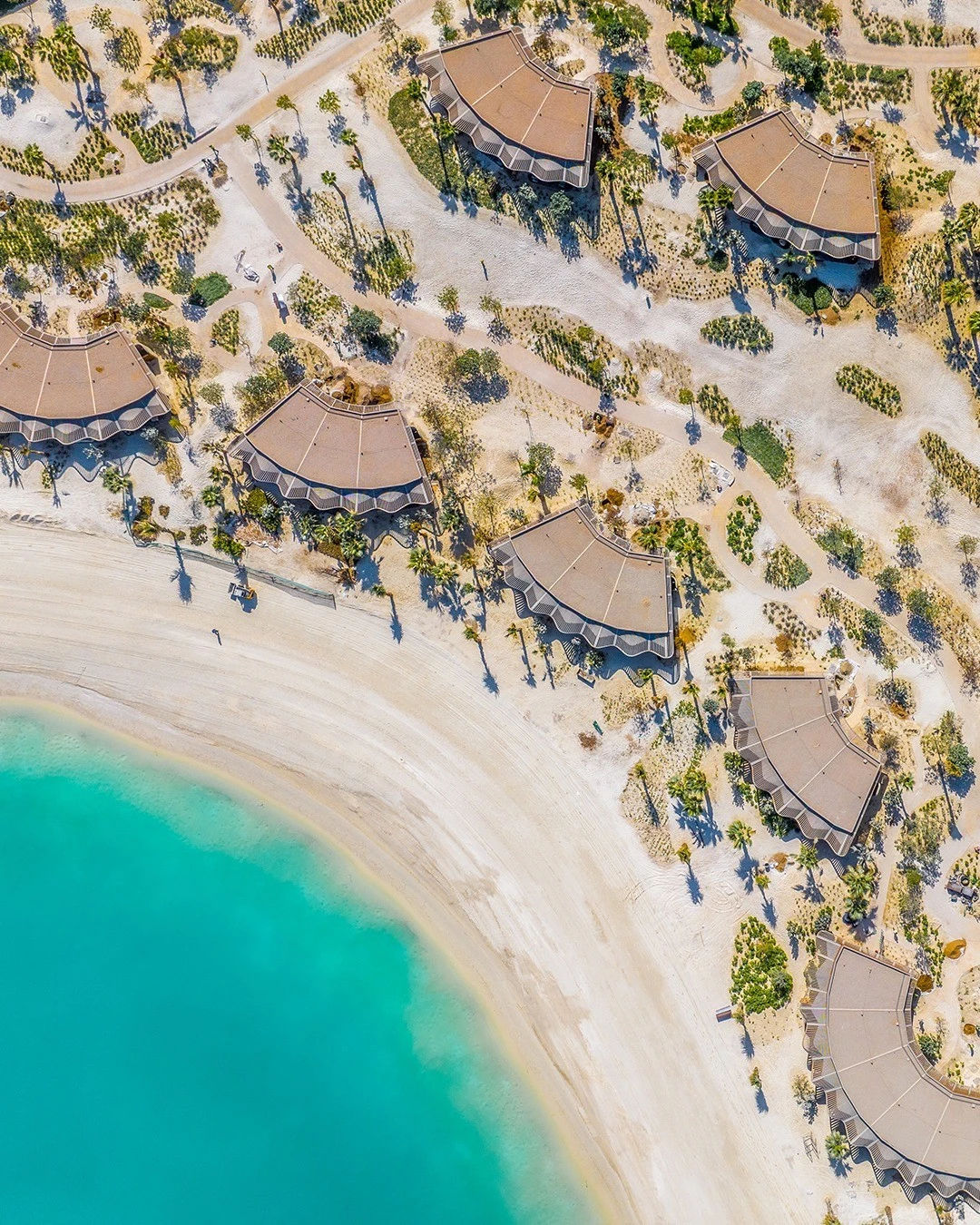
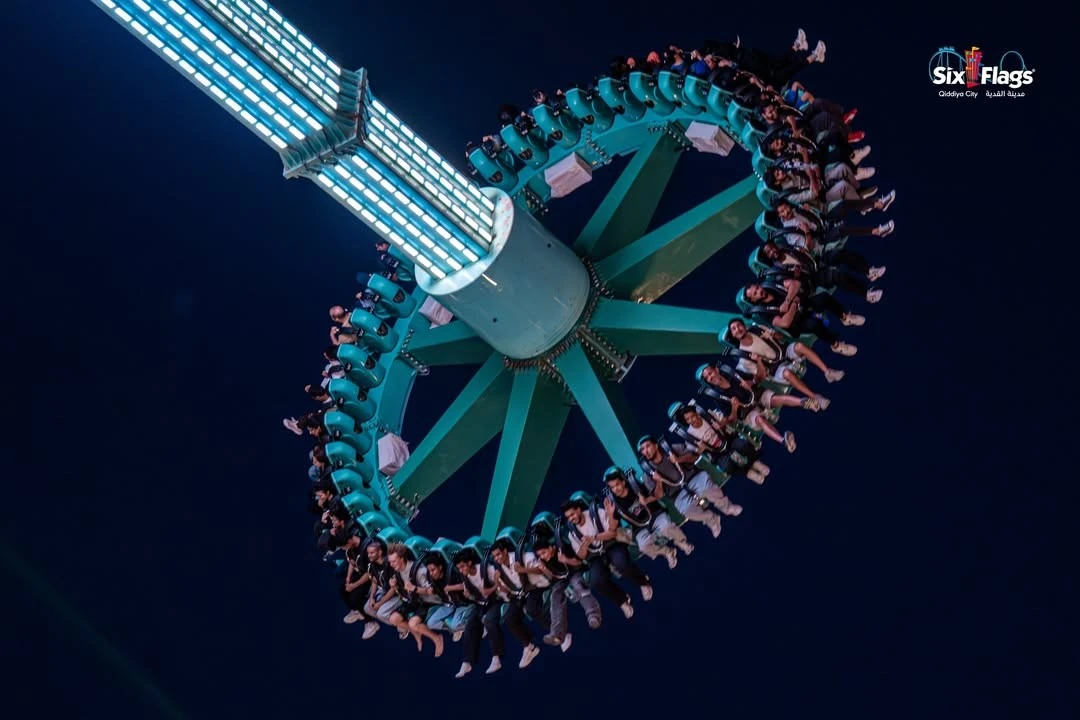
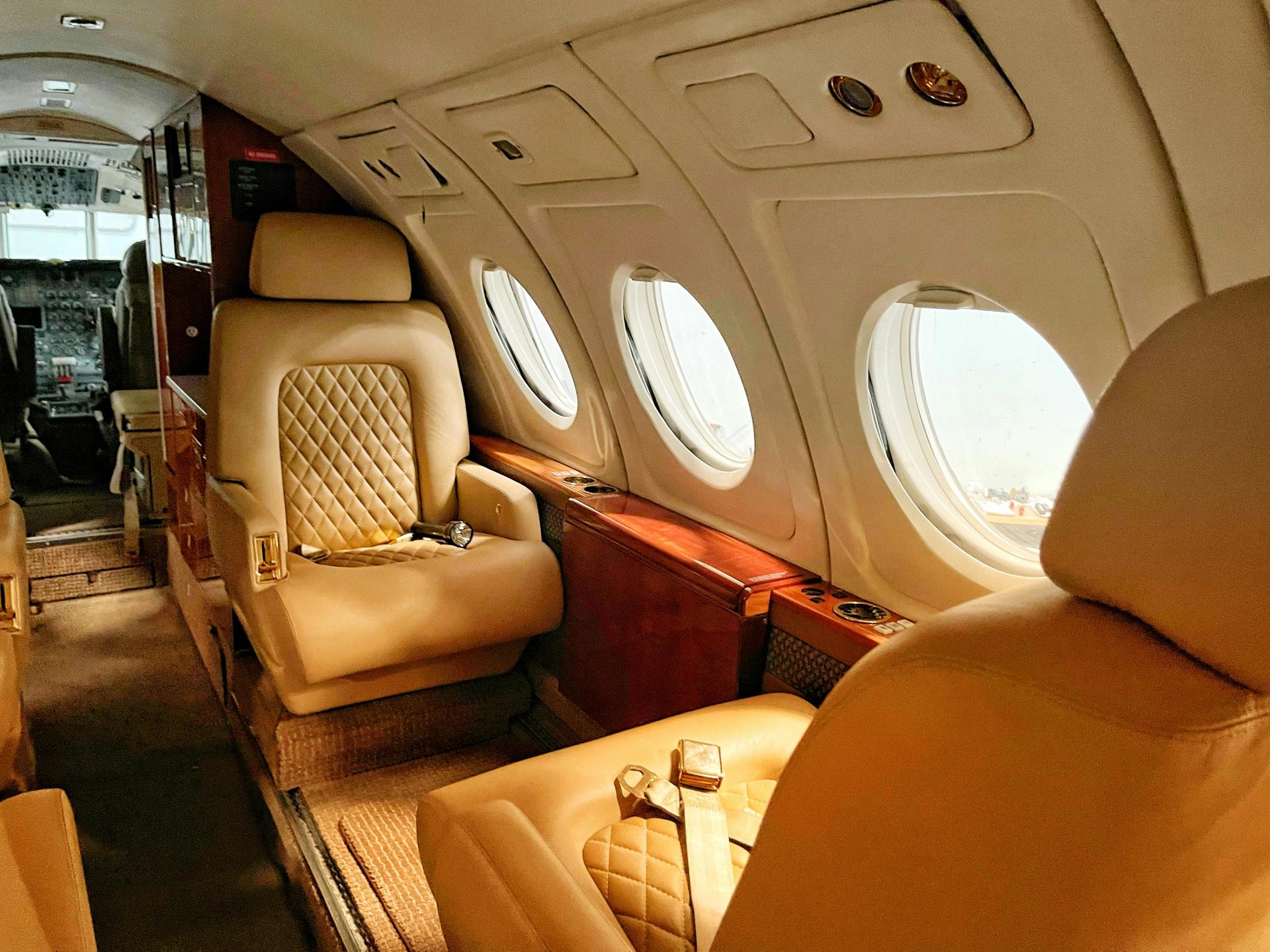
One of the most visible impacts of Vision 2030 on tourism is the scale of investment flowing into the sector. Tourism investments have surpassed US$200 billion, with plans to develop hundreds of thousands of new hotel rooms by 2030. This is positioning Saudi Arabia as one of the world’s largest hospitality development markets and, arguably, the largest destination for luxury hotel development ever.
Since 2020, more than 50 major global hospitality brands have begun expanding their presence in the Kingdom, benefiting from growing tourism demand, transformative mega-projects, and an investment environment that has become more mature and transparent in terms of regulations and financing. This expansion is not only about quantity. It is also introducing a new generation of tourism experiences, from luxury wellness resorts in the Red Sea and AMAALA to adventure and entertainment destinations such as Qiddiya.
Notably, around 50% of the new hotel rooms expected to be delivered by 2030 are projected to come from private investment, making the private sector a key driver of tourism development, with a multiplier effect on related industries such as restaurants and cafés, culture, entertainment and retail.
A Major Surge in Visitor Numbers and Tourism Spending
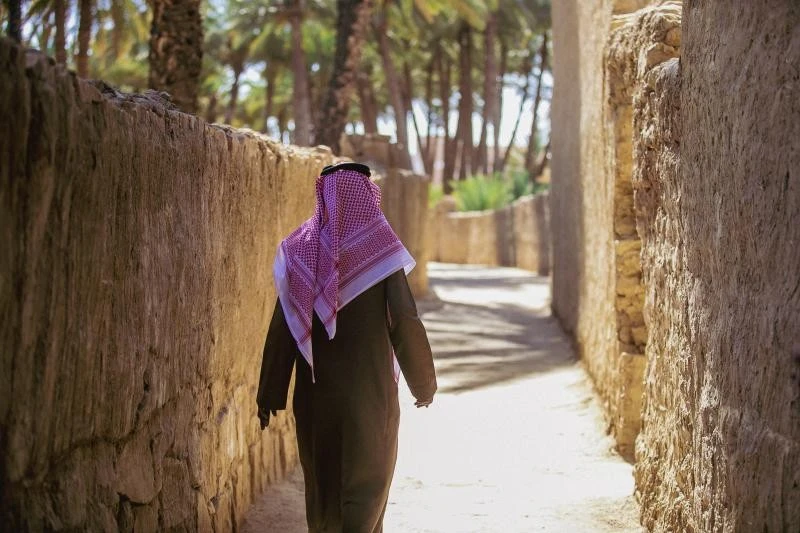

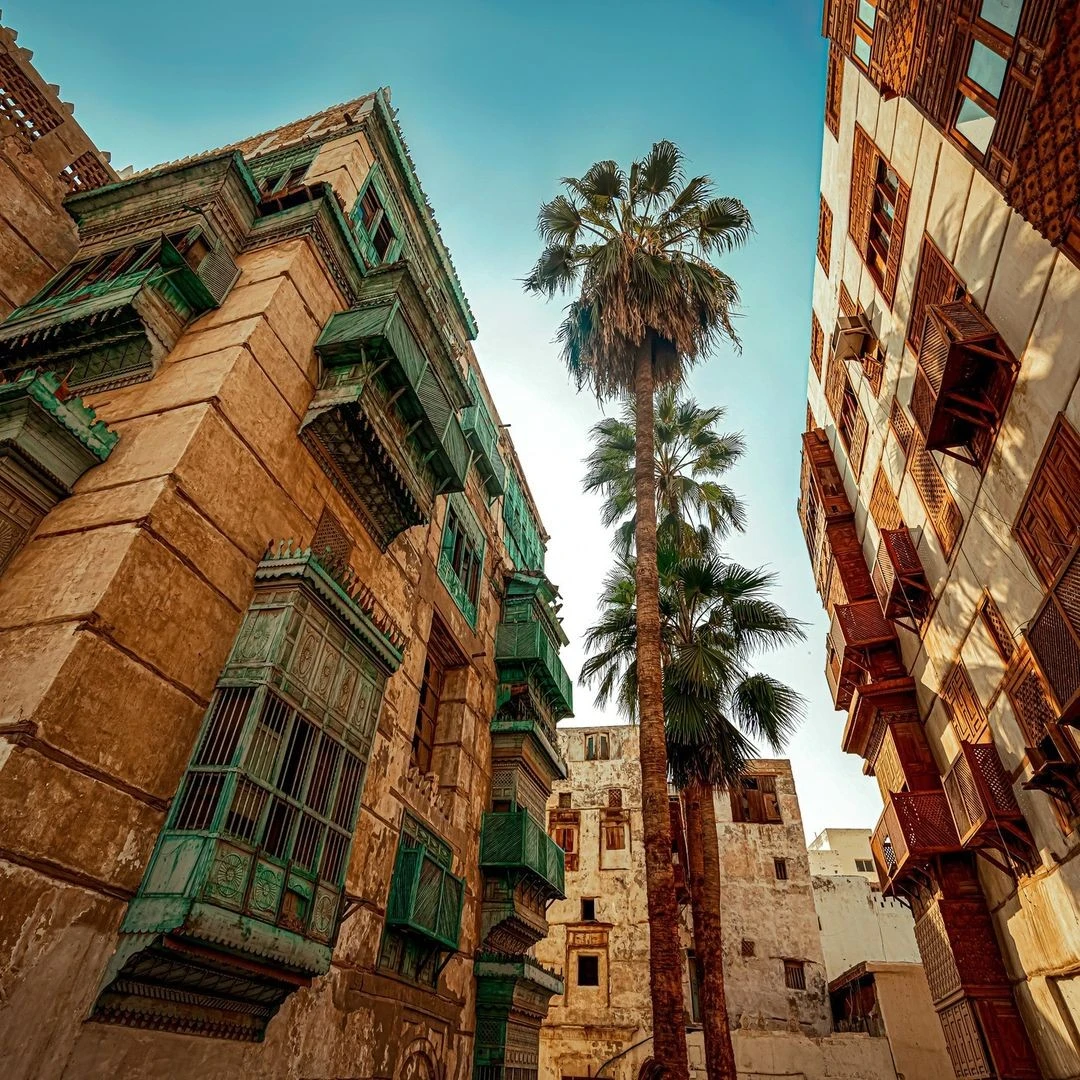
Rather unsurprisingly, Vision 2030 has opened up the Kingdom to the world, and has had a direct impact on Saudi Arabia’s tourism figures. According to Ministry of Tourism data, the total number of domestic and international tourists reached approximately 122.6 million in 2025, representing a 6% increase from 2024 and a remarkable 88% increase compared with 2019. Of this total, approximately 29.3 million visits were made international tourists, while 93.3 million visits were domestic, reflecting the Kingdom’s success in developing a vibrant domestic tourism market alongside international tourism.
Tourism spending also recorded significant growth. Total domestic and international tourism expenditure reached approximately SAR 303.7 billion in 2025, an increase of 7% from 2024 and 85% compared with 2019. Inbound tourism accounted for approximately SAR 127.1 billion, while domestic tourism contributed around SAR 176.6 billion. This further demonstrates the strength of domestic demand and its ability to offset any temporary slowdown in international tourism.
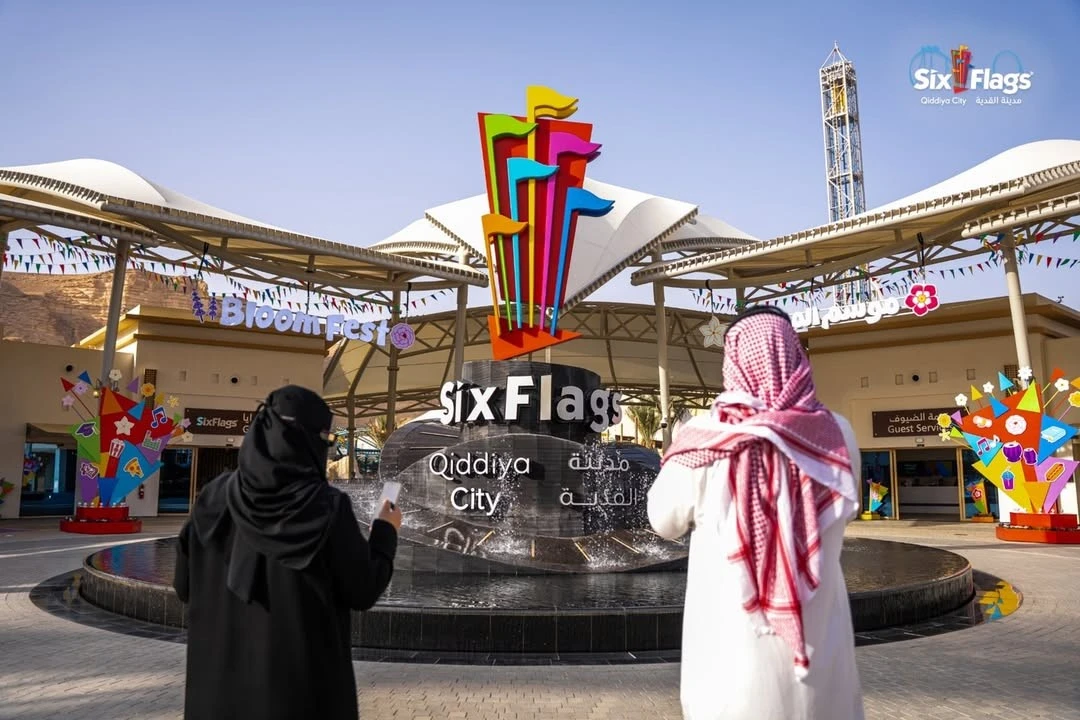
Globally, the World Tourism Barometer, published by UN Tourism in May 2025, ranked Saudi Arabia among the world’s fastest-growing destinations in terms of international visitor numbers. During the first quarter of 2025, the Kingdom recorded a 102% increase in international tourist arrivals compared with the first quarter of 2019, outperforming both global and regional averages. Saudi Arabia also ranked first globally in the growth of international tourism revenues and third globally in international tourist arrivals growth among the world’s 20 largest destinations.
These figures demonstrate how Saudi Arabia has become a major player on the global travel map, at a time when traditional destinations such as Venice and Barcelona have begun introducing restrictions on visitor numbers because of pressure on infrastructure. This is encouraging tourists and investors to look toward new markets with significant capacity for growth — something the Kingdom clearly offers.
You Might Also Like: Saudi Arabia becomes the world’s fastest growing tourism titan
Jobs: Tourism as a New Engine for the Employment Market
With the expansion of investment and visitor numbers, tourism has become one of Saudi Arabia’s most important job generators. The opening of dozens of new hotels and resorts, combined with the expansion of major projects in Riyadh, Jeddah, the Red Sea, AlUla and the Eastern Province, is creating growing demand for talent across hospitality, destination management, tourism marketing, logistics, entertainment and culture. The growth of domestic tourism is also creating employment opportunities in secondary cities and rural areas by stimulating guesthouses, leisure activities, desert excursions and local restaurants.
Meanwhile, the organisation of major seasons and events such as Riyadh Season, Asir Season, the Red Sea International Film Festival and events in AlUla has contributed to the creation of thousands of temporary and permanent jobs in media production, event management, security and support services.
You Might Also Like: Saudi Arabia plans to localise tourism jobs in national employment push
Infrastructure: From Airports to Integrated Destinations
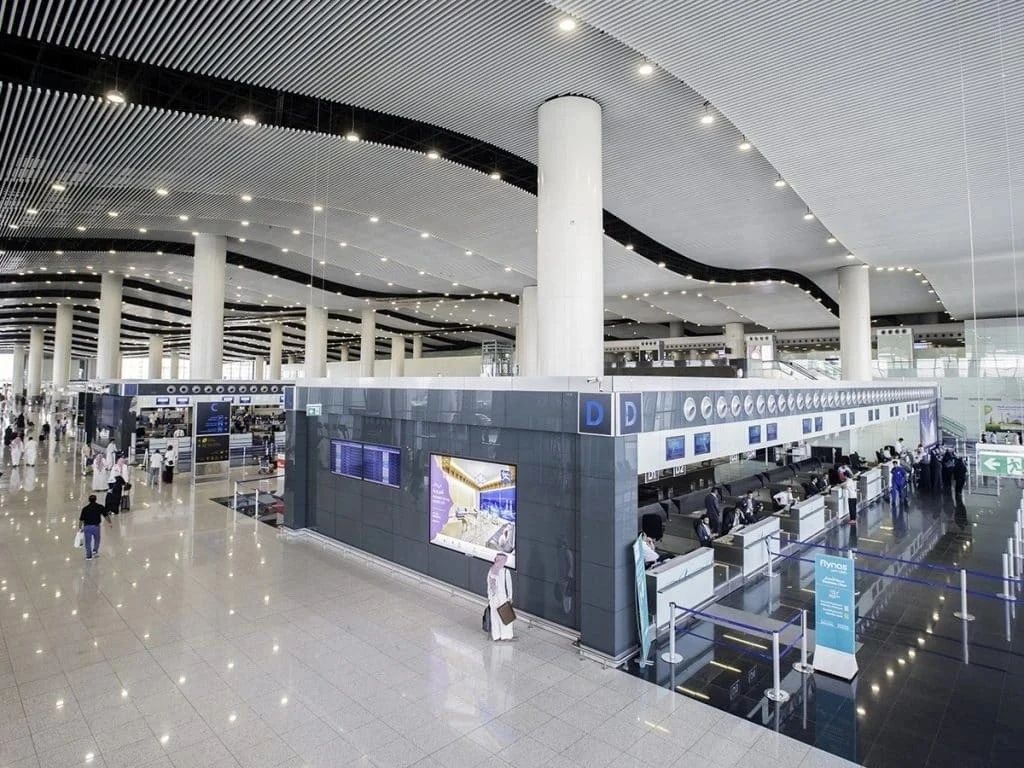
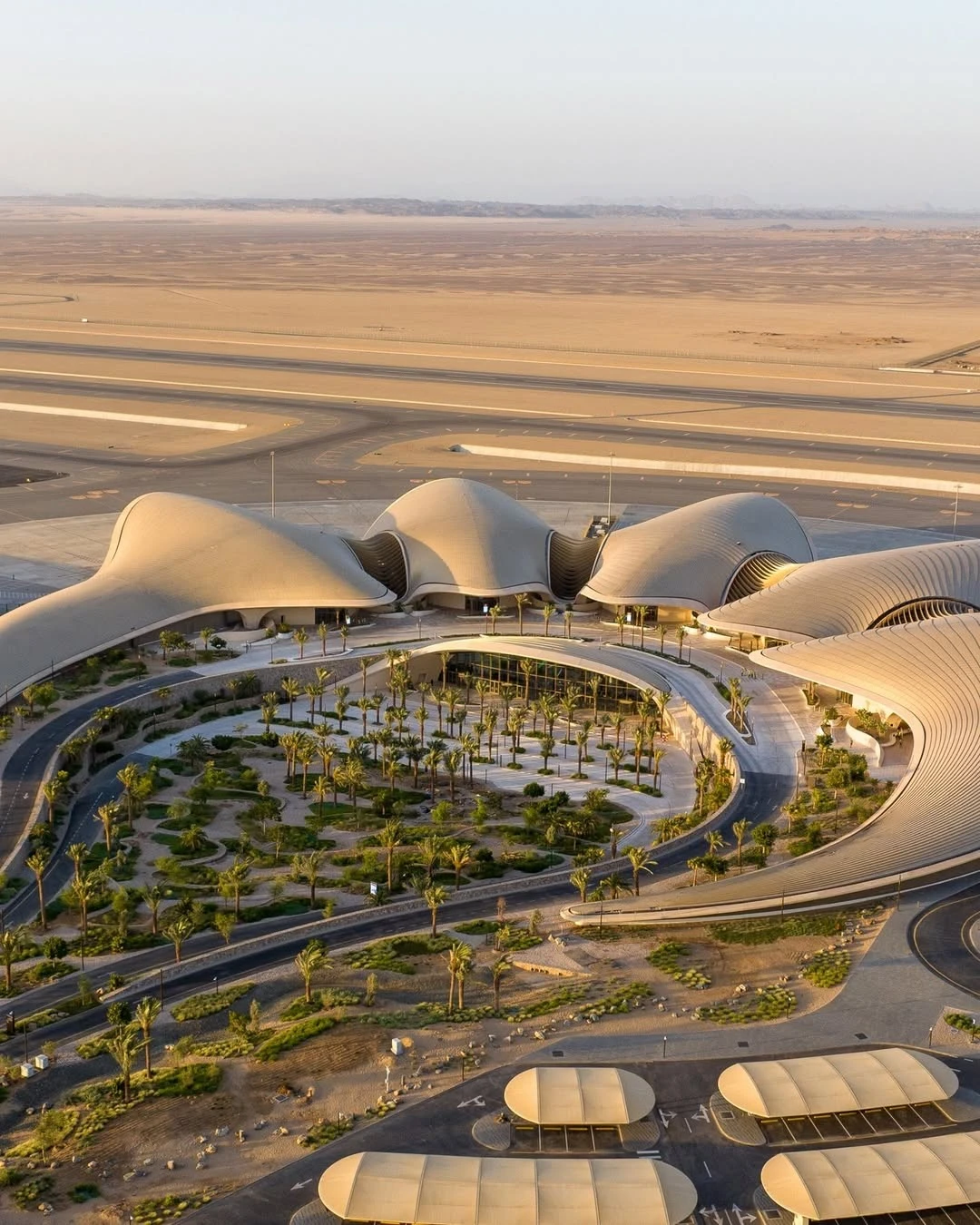
Vision 2030 has not focused solely on attracting investment or making it easier for visitors to enter the Kingdom. It has also prioritized the development of an integrated infrastructure capable of supporting tourism growth for decades to come.
In aviation, the King Salman International Airport project in Riyadh is being developed as a global hub connecting continents. Covering approximately 57 square kilometres, the airport is expected to have the capacity to handle up to 120 million passengers annually by 2030. The project, alongside the expansion of existing airports such as King Khalid International Airport, whose latest upgrades and additional visitor capacity have been highlighted in specialist reports, is strengthening Saudi Arabia’s position as a regional hub for tourism and business travel.
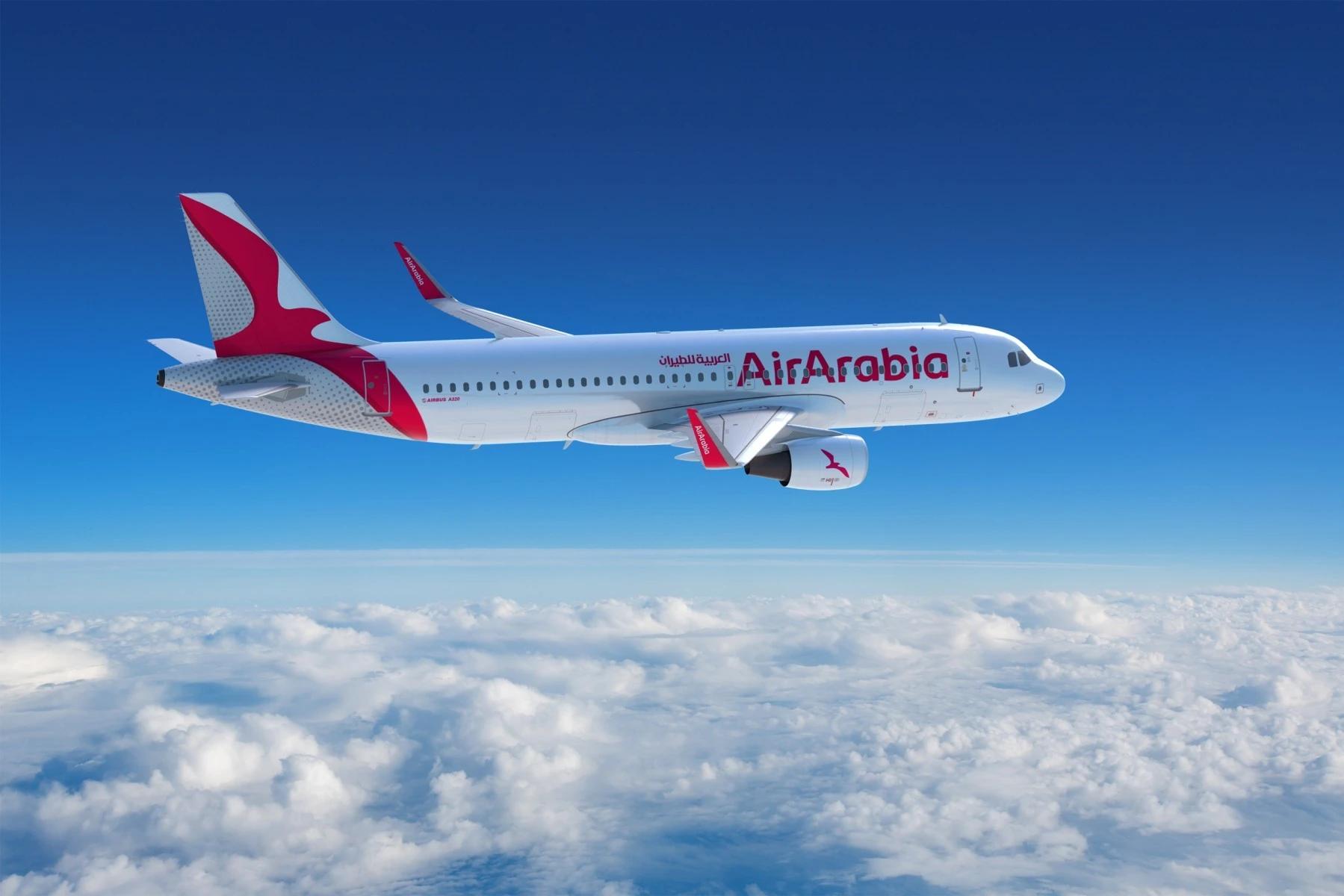
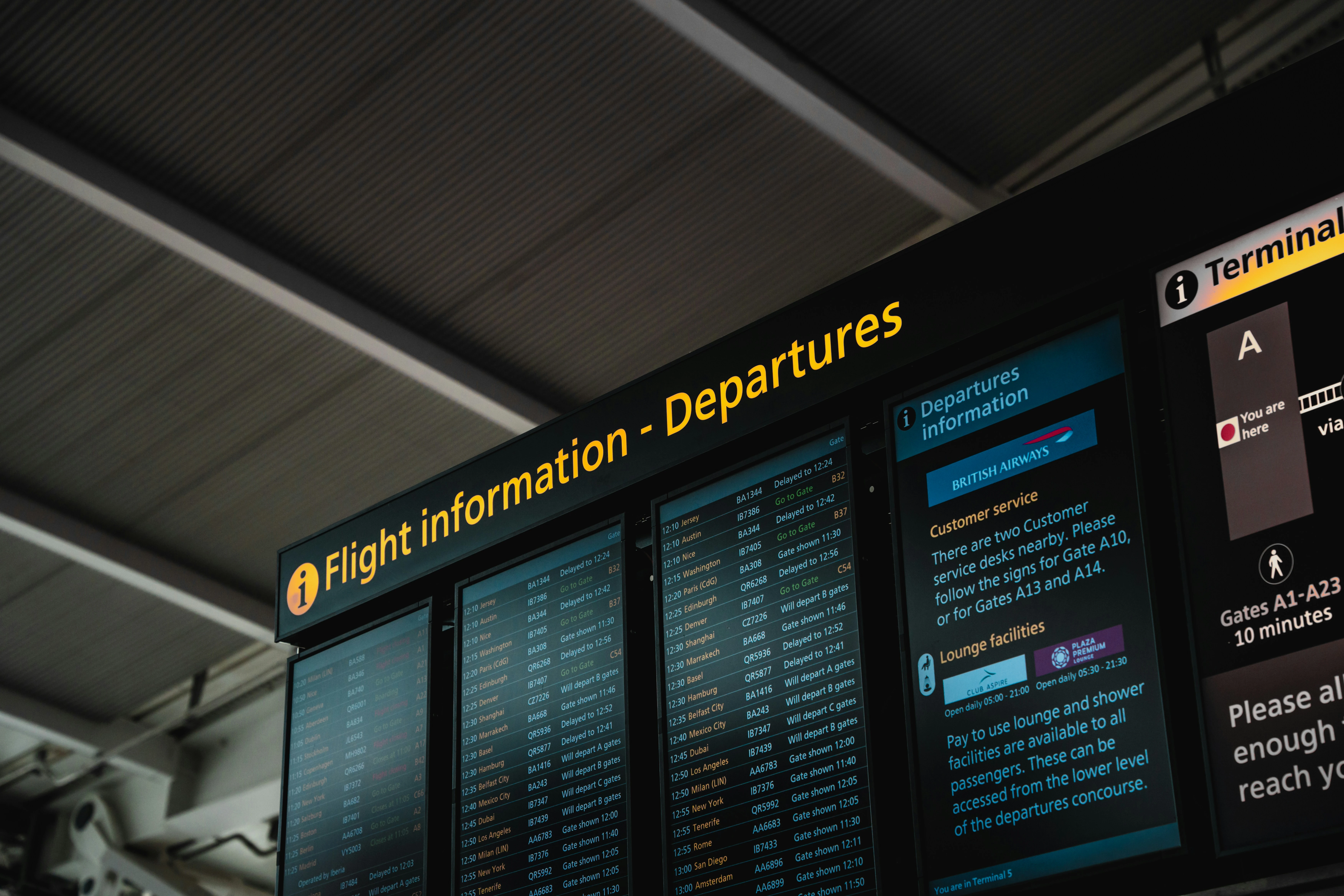
At the same time, the Kingdom’s aviation network is experiencing unprecedented growth in the number of flights and direct routes, both through national carriers and new airlines such as Riyadh Air. This expansion in air connectivity is making it easier for tourists from dozens of cities around the world to reach Saudi Arabia, increasing its appeal both as a standalone destination and as a stopover hub.
You Might Also Like: A transformative train line will connect Riyadh & Jeddah by 2034
Beyond aviation, investment is also flowing into road and rail infrastructure, from upgraded highways to railway projects connecting major cities and reducing travel times between tourism destinations. One example is the planned railway project linking Riyadh with Jeddah, which is expected to be a game changer for domestic travel and tourism.
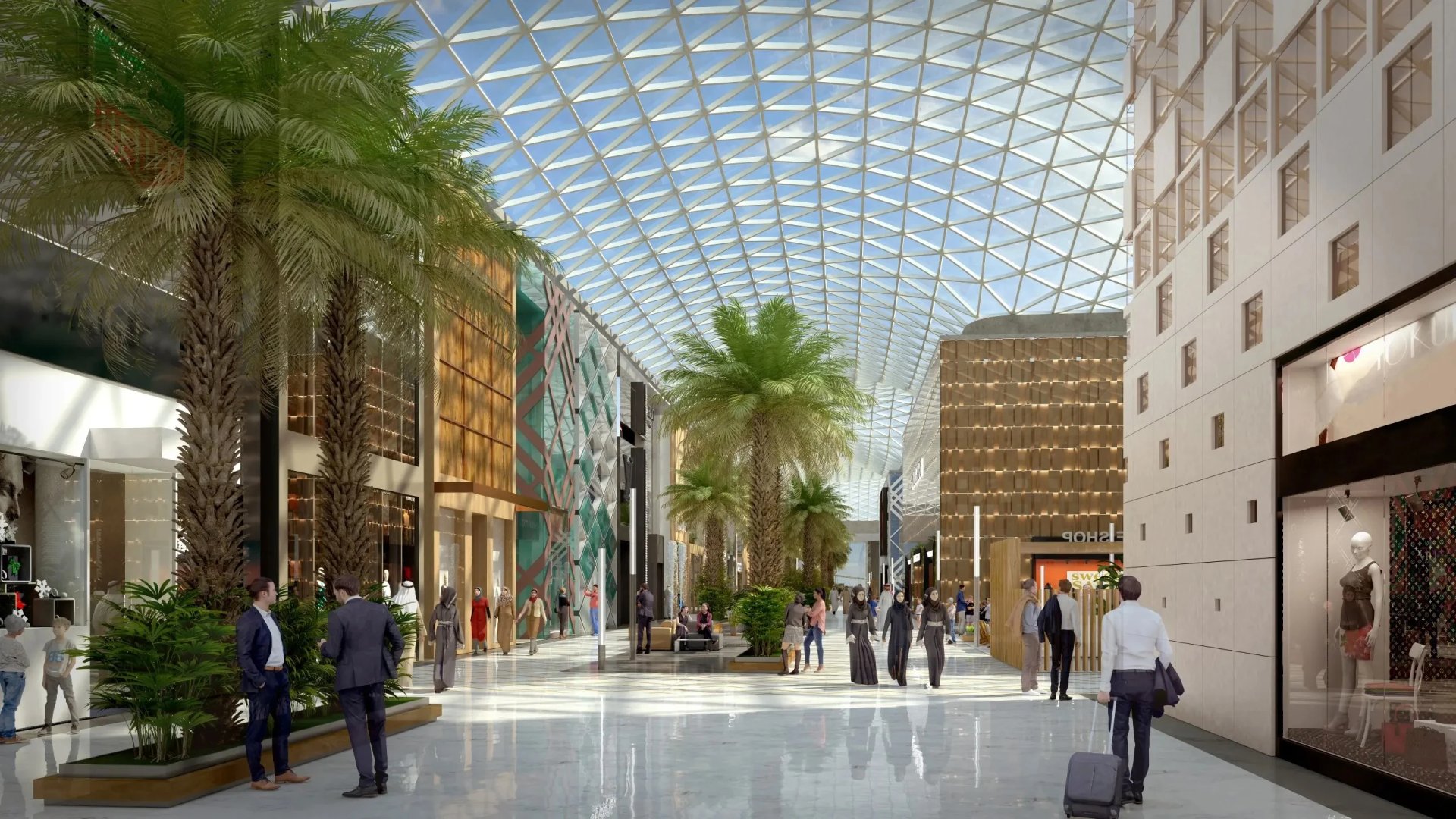
Tourism destinations themselves are also receiving major infrastructure investments, ranging from yacht marinas in Jeddah and the Red Sea to museums and cultural centres, as well as parks and recreational spaces in Riyadh and other cities and their surrounding developments.
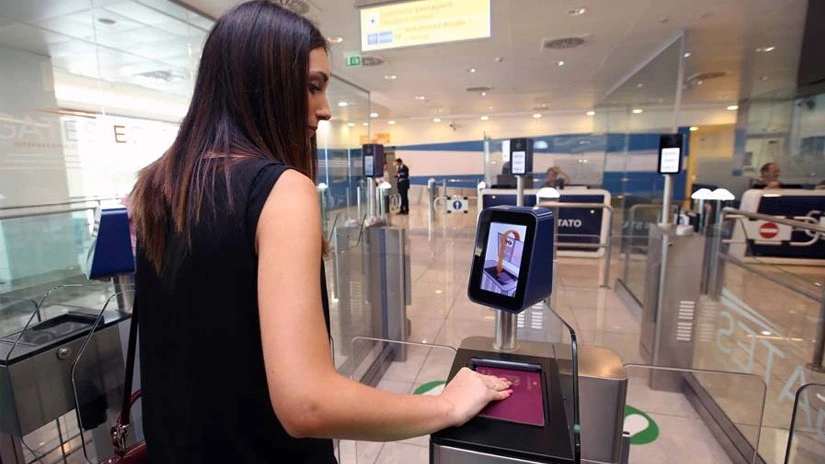
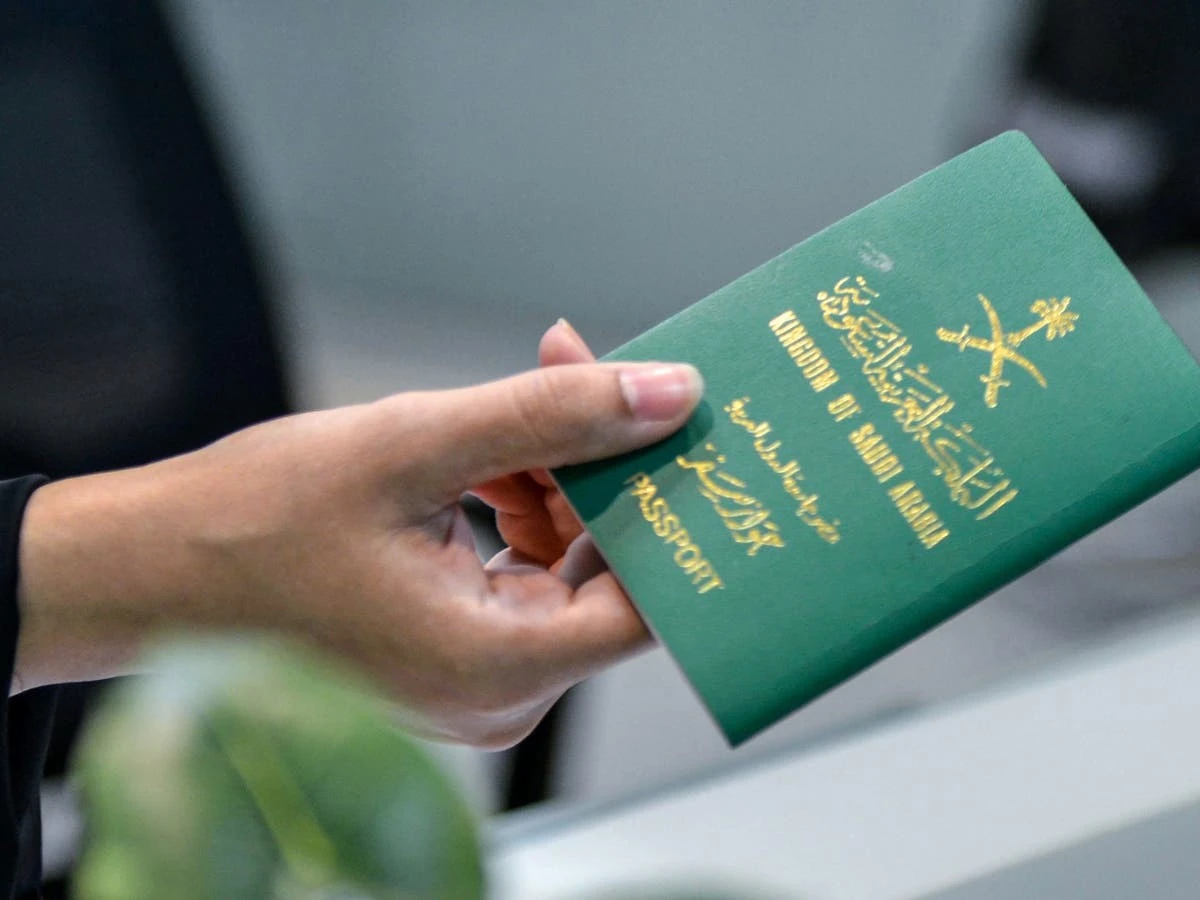
As a key component of the tourism transformation under Vision 2030, Saudi Arabia also introduced a pioneering electronic tourist visa, initially enabling citizens of 66 countries to enter the Kingdom more easily, alongside holders of valid US, UK and Schengen visas and residents of GCC countries. The eligibility criteria have since been expanded to include wider categories of visitors.
Tourism’s Contribution to GDP: A Pillar of Economic Diversification
In line with Vision 2030, tourism has become a key pillar of Saudi Arabia’s non-oil economy. In 2025, tourism spending exceeded SAR 303.7 billion, representing a major flow of economic activity into hospitality, transportation, retail, entertainment and culture, while generating a multiplier effect across the wider economy.
Meanwhile, investments exceeding $200 billion in tourism projects and related infrastructure represent long-term assets that strengthen the Saudi economy’s ability to generate income and employment beyond the oil sector.
Today, numerous international and regional reports indicate that tourism’s contribution to Saudi Arabia’s GDP has been steadily increasing since the launch of Vision 2030. The Kingdom has increasingly become a global example of how tourism can be transformed into a powerful engine of economic diversification.
Sustaining Growth: Diversifying Products and Relying on Domestic Tourism
Saudi Arabia’s tourism sector demonstrated its resilience in the face of regional challenges in early 2026, maintaining stable tourism demand thanks in part to the strength of the domestic market, which helped offset a relative slowdown in inbound tourism. This reflects a deliberate strategy to diversify demand drivers rather than relying on a single market or season.
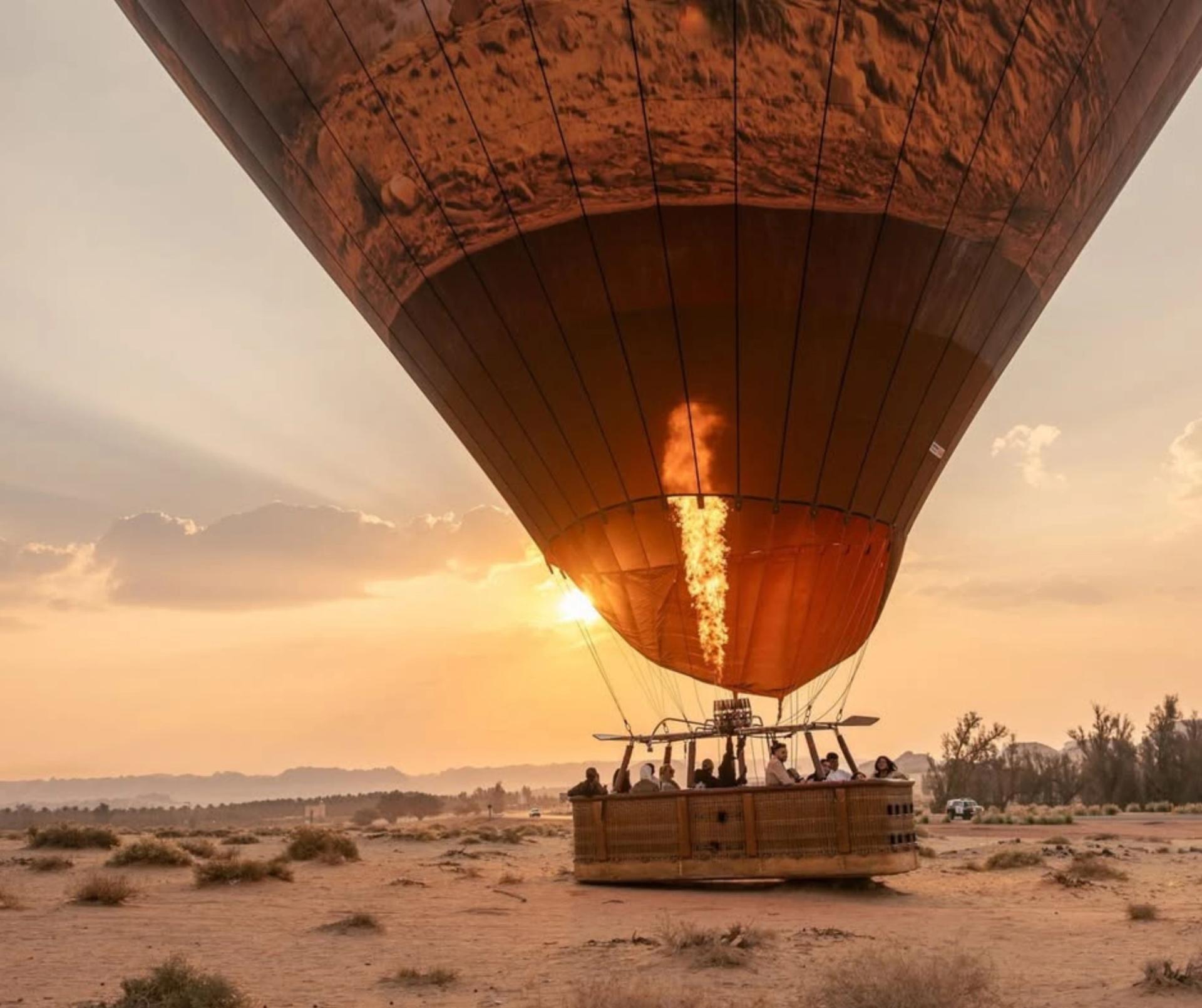
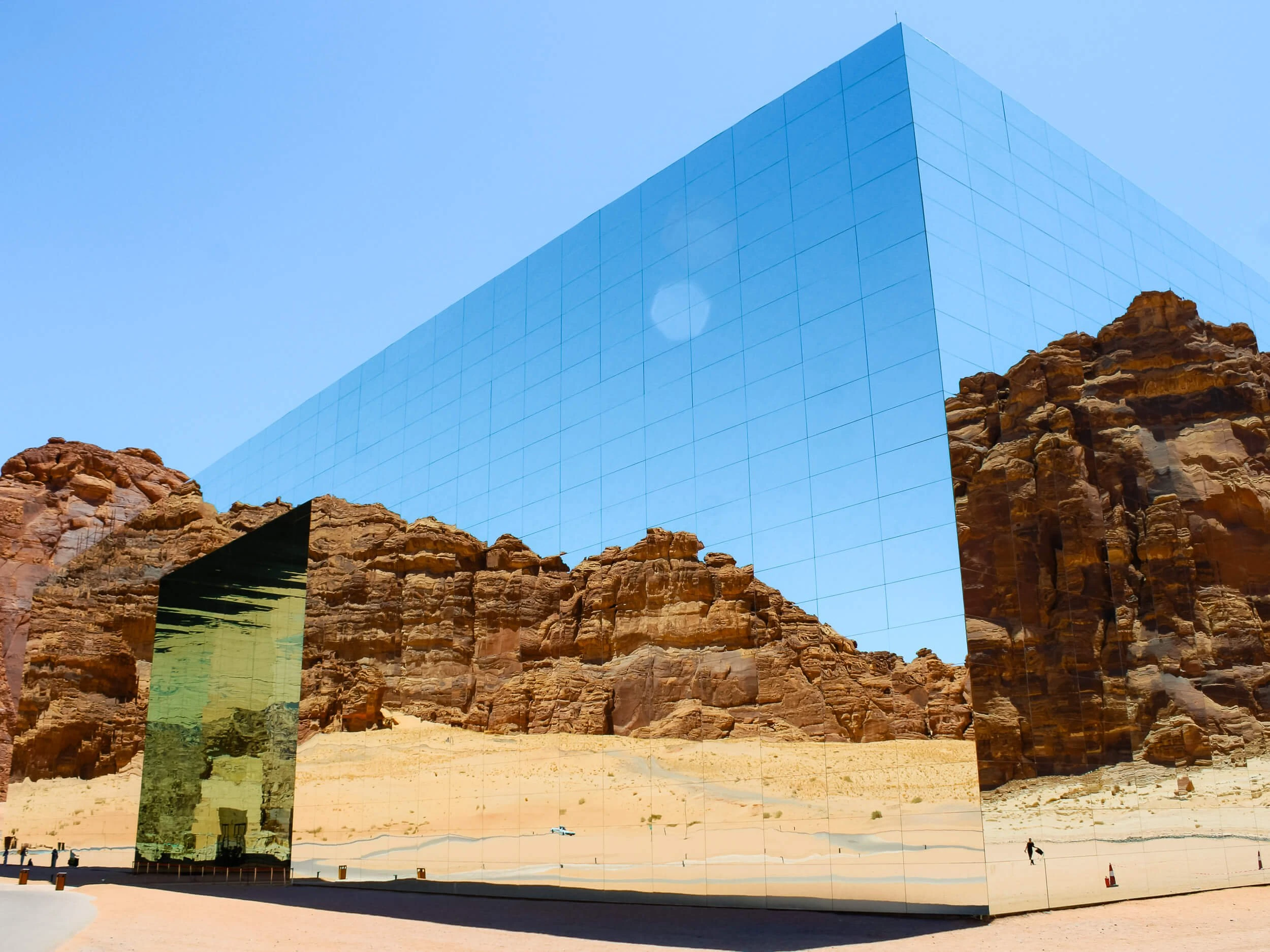
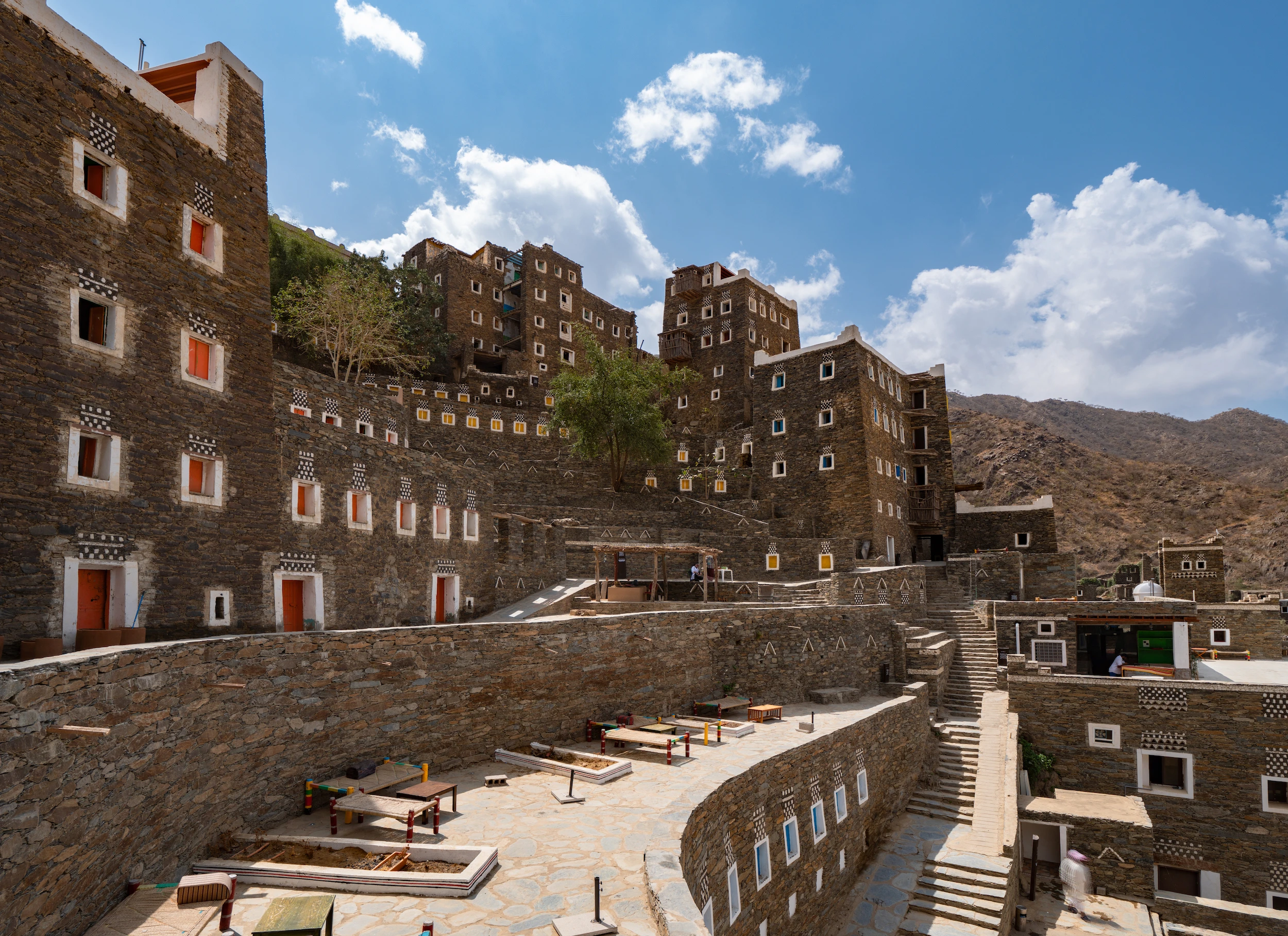
The diversification of tourism products — from adventure tourism in the deserts and mountains, to cultural tourism in AlUla and Diriyah, beach tourism along the Red Sea, and events tourism in Riyadh and Jeddah — makes the Kingdom less vulnerable to fluctuations and gives it greater capacity to attract different visitor segments throughout the year.
It has become clear that the younger generations are interested and intrigued by Saudi's own history. This data, driven by a recent joint study from Wyndham Hotels & Resorts and YouGov, spotlights Saudi Arabia's younger demographic is embracing domestic exploration at an unprecedented rate, quietly reshaping the national hospitality framework and opening fresh avenues for agile brands. Guided by a preference for cultural authenticity, digital-first discovery, and environmental responsibility, this generational movement directly supports the broader objectives of Vision 2030 while accelerating the momentum of homegrown tourism.
You Might Also Like: Saudi Arabia’s Gen Z is driving a domestic travel revolution
In Brief: Vision 2030 Is Creating a New Model for Global Tourism
What has been achieved in Saudi Arabia’s tourism sector since the launch of Vision 2030 represents a profound structural transformation, rather than simply a temporary surge in statistics.
Hundreds of billions of dollars in investment, record growth in visitor numbers and spending, a more sophisticated investment environment, expanding infrastructure and the continued rise of tourism’s contribution to the national economy are all elements that are positioning the Kingdom as a global example of how tourism can be used as a tool for comprehensive development.
As Saudi Arabia prepares to host major global events such as Expo 2030 in Riyadh and the 2034 FIFA World Cup, while continuing to open new destinations and projects across the Red Sea, AlUla, AMAALA, Qiddiya and beyond, the story of Saudi tourism under Vision 2030 appears to be entering a new chapter. A chapter that promises more opportunities for investors, more choices for visitors, and greater returns for the national economy and Saudi society.