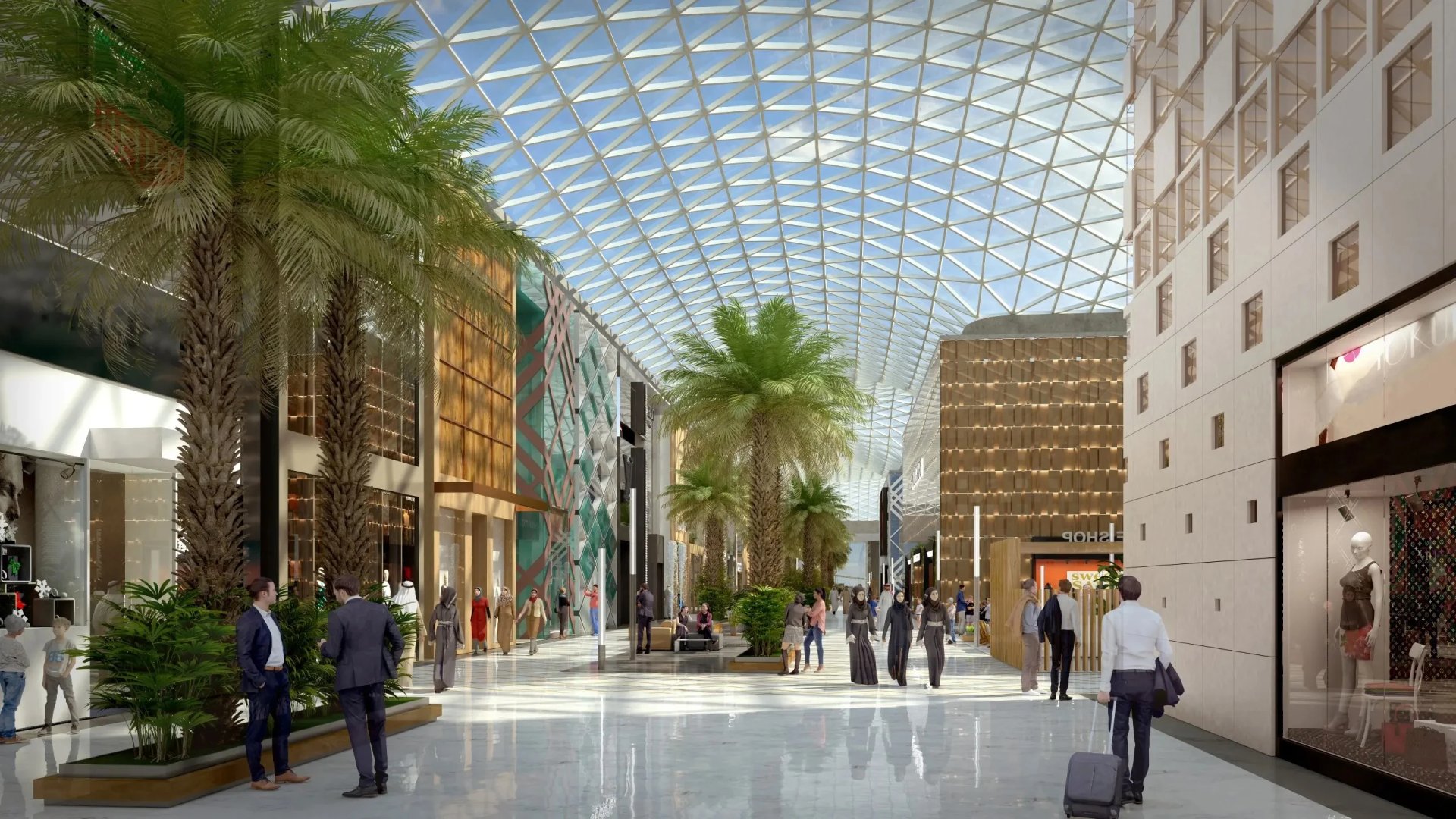
From new destinations and cities to airports, hotels and world-class experiences, the Kingdom is entering a new phase of its tourism transformation — one measured not only by the scale of the projects announced, but by the experience they will ultimately offer visitors in the years ahead.
Saudi Arabia’s tourism transformation is no longer defined solely by future plans or renderings of projects under construction. Over the past few years, new destinations have begun welcoming guests, international hotel brands have arrived in places that barely featured on the global tourism map a decade ago, and a growing network of aviation, entertainment and hospitality is reshaping the way travellers can experience the Kingdom.
The numbers reveal the scale of that transformation. Saudi Arabia surpassed its initial target of 100 million tourists a year ahead of schedule, prompting the Kingdom to raise its ambition to 150 million domestic and international tourists annually by 2030. In 2026, the Ministry of Tourism announced more than $120 billion in new tourism investment, while more than 200,000 hotel rooms are expected to be added to the Kingdom’s tourism inventory by the end of the decade.
But as Saudi Vision 2030 enters its final years, the more important question is no longer how many projects have been announced, but how many will become part of the visitor experience. What will travelling through Saudi Arabia actually feel like as more pieces of this vast transformation fall into place?
Projects Reshaping Saudi Cities
Tourism is not transformed by hotels and airports alone. Major parks, historic districts, cultural institutions and entertainment destinations can change how visitors experience a city, encourage longer stays and give travellers reasons to return. Across Riyadh, Jeddah and Diriyah, a series of projects is steadily reshaping the Kingdom’s urban and tourism landscape, although each is progressing at a different pace.
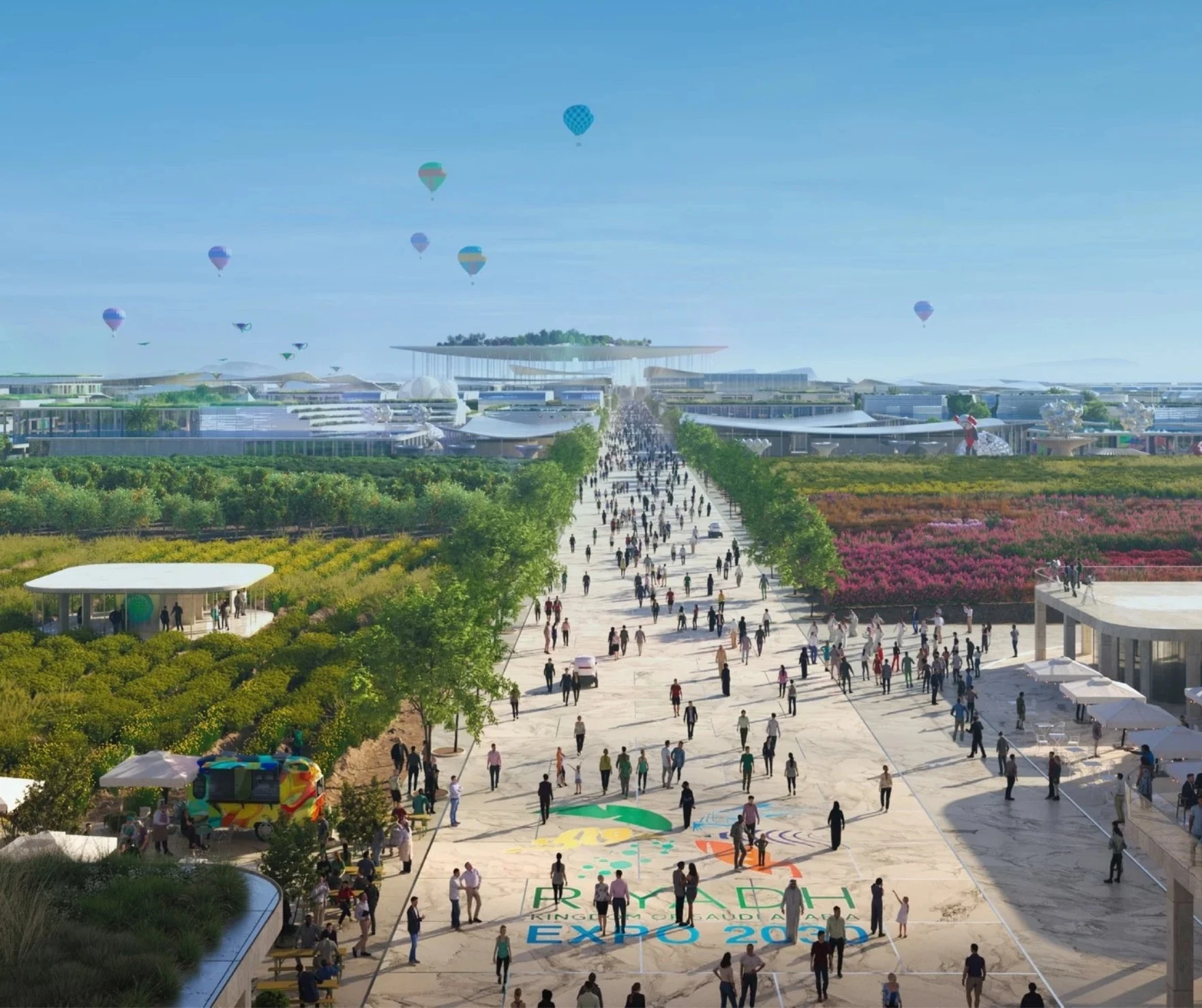
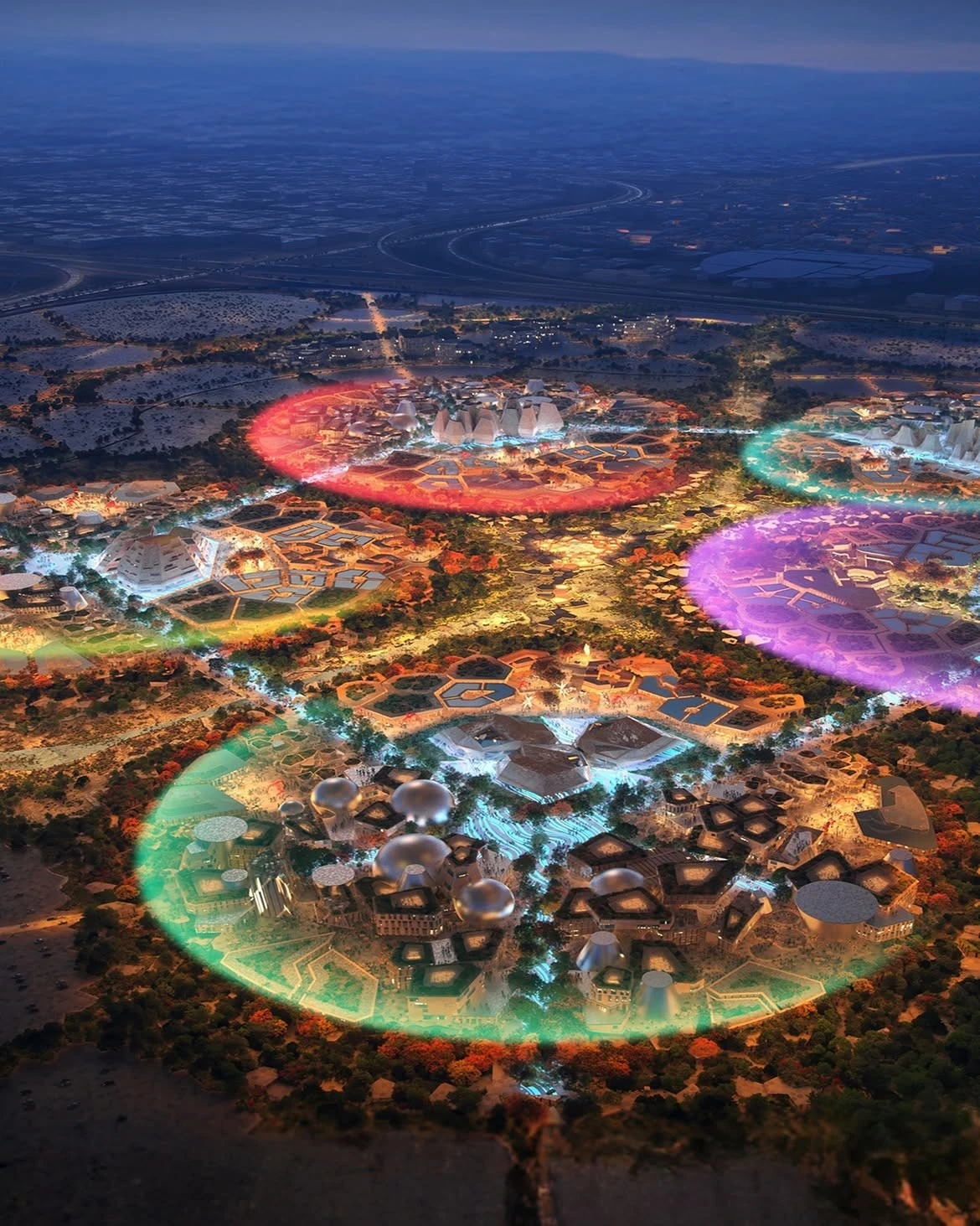
From October 1, 2030, until the end of March 2031, Riyadh will welcome the world for Expo 2030, hosted across a site spanning approximately six million square metres. The event is expected to attract more than 42 million visits, with 197 countries participating across more than 230 pavilions. Expo 2030 will therefore be far more than a temporary exhibition. It will be a major test of Riyadh’s ability to welcome the world, from its airports and hotels to public transport, public spaces and digital services. After the event concludes, the site is planned to evolve into a permanent "Global Village", giving the development a life beyond the six-month exhibition and embedding its legacy into Riyadh’s long-term urban and tourism landscape.
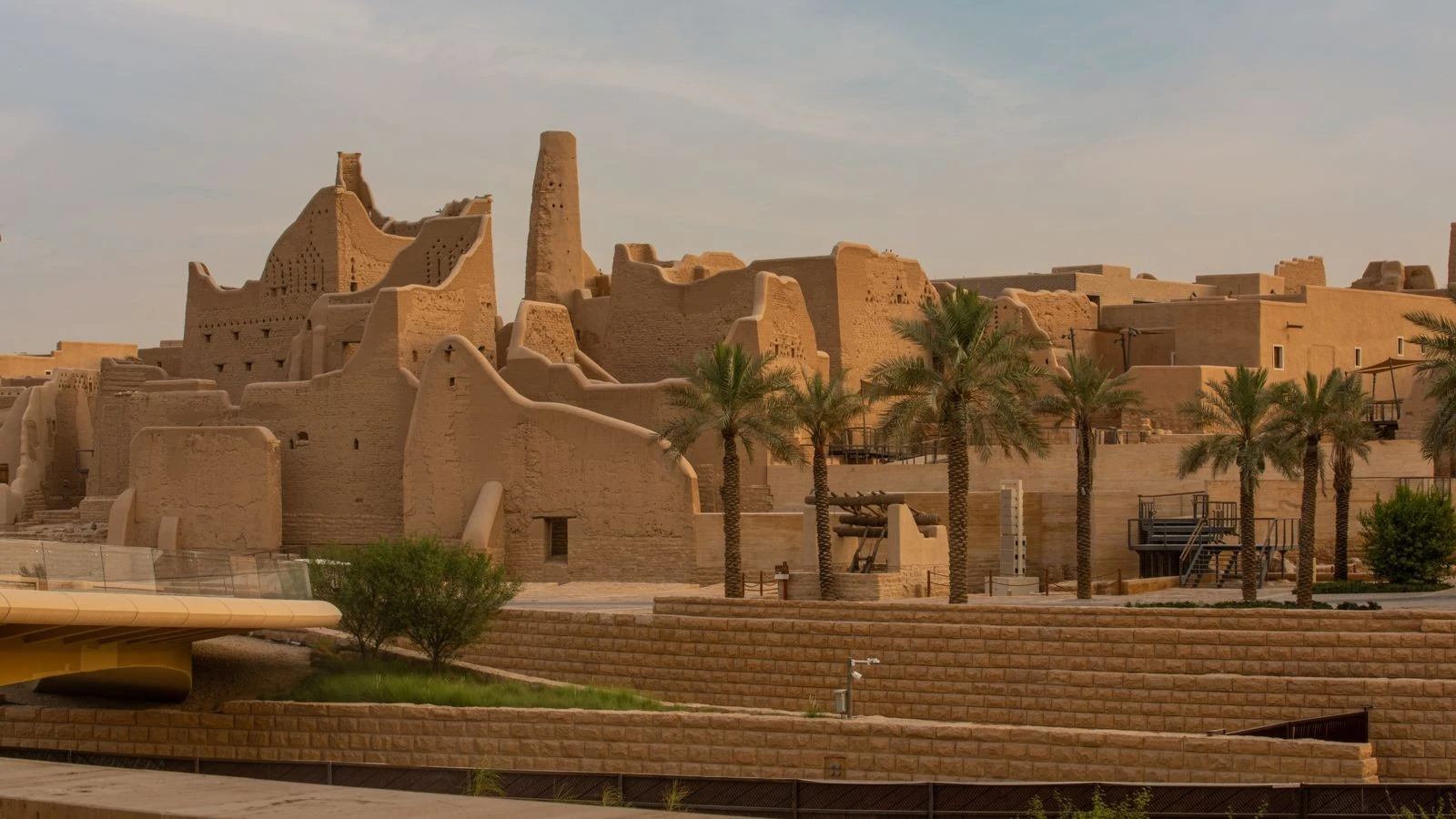
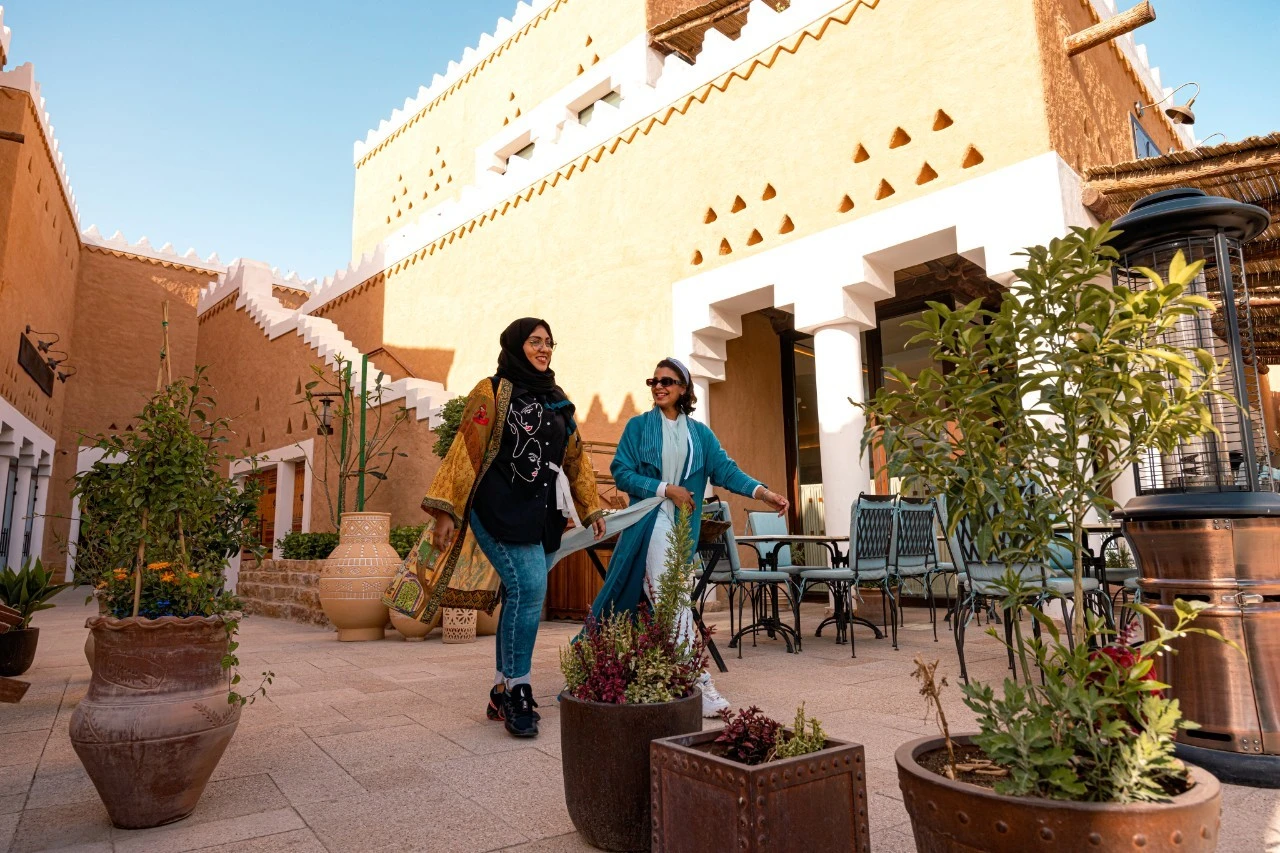
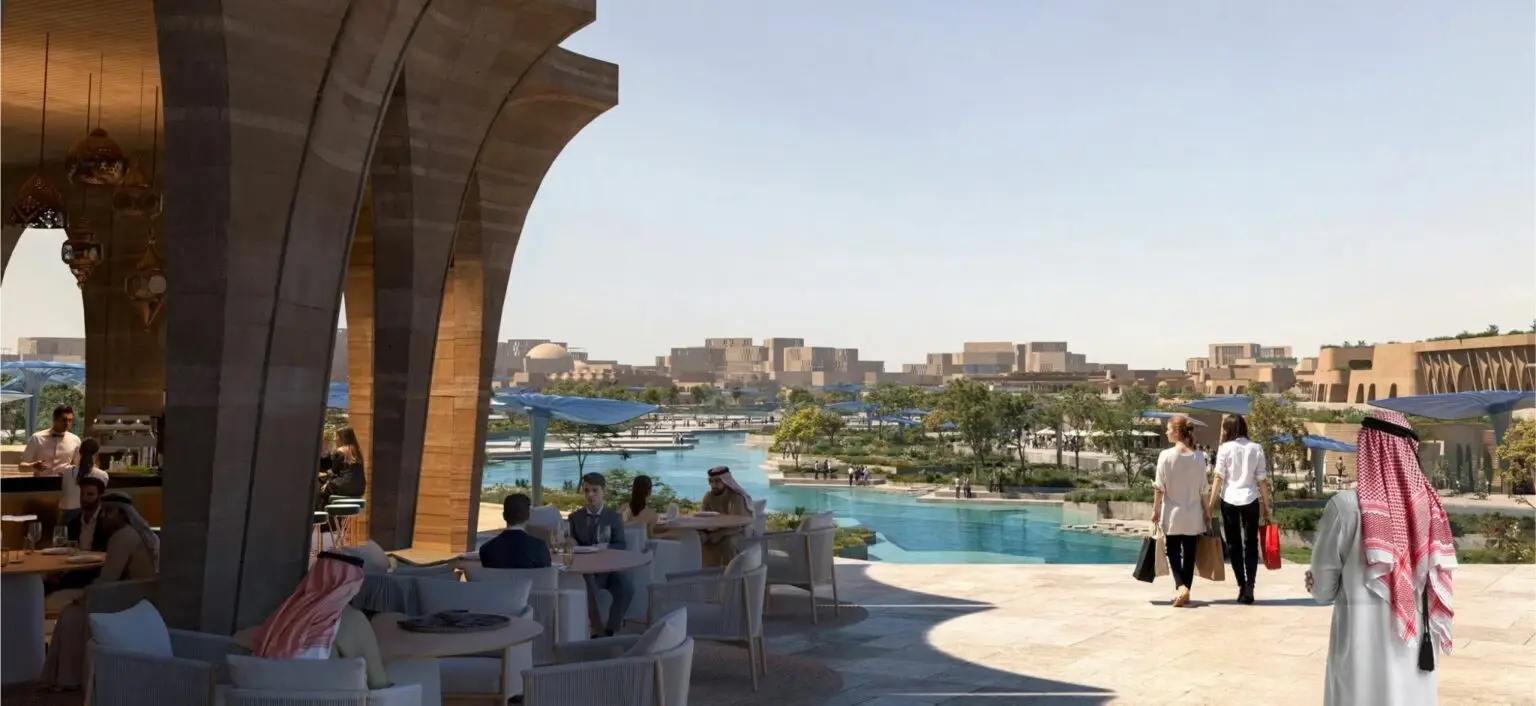
Diriyah is being developed around one of the Kingdom’s most historically significant areas. At its heart lies the UNESCO World Heritage Site of At-Turaif, alongside Bujairi Terrace, which is already welcoming visitors. The ambition here is not simply to build a modern district beside a historic site. Instead, Najdi architecture and local identity are intended to form the foundation of the entire experience, from hotels and restaurants to museums and cultural trails. The wider plans include dozens of hotels alongside residential, retail, cultural and entertainment spaces. At the same time, parts of the destination are already operational, most notably At-Turaif and Bujairi Terrace. That transition is crucial. The aim is for Diriyah to evolve from a historic attraction visited for a few hours into a destination where travellers can spend several days—experiencing Saudi history rather than simply observing it.
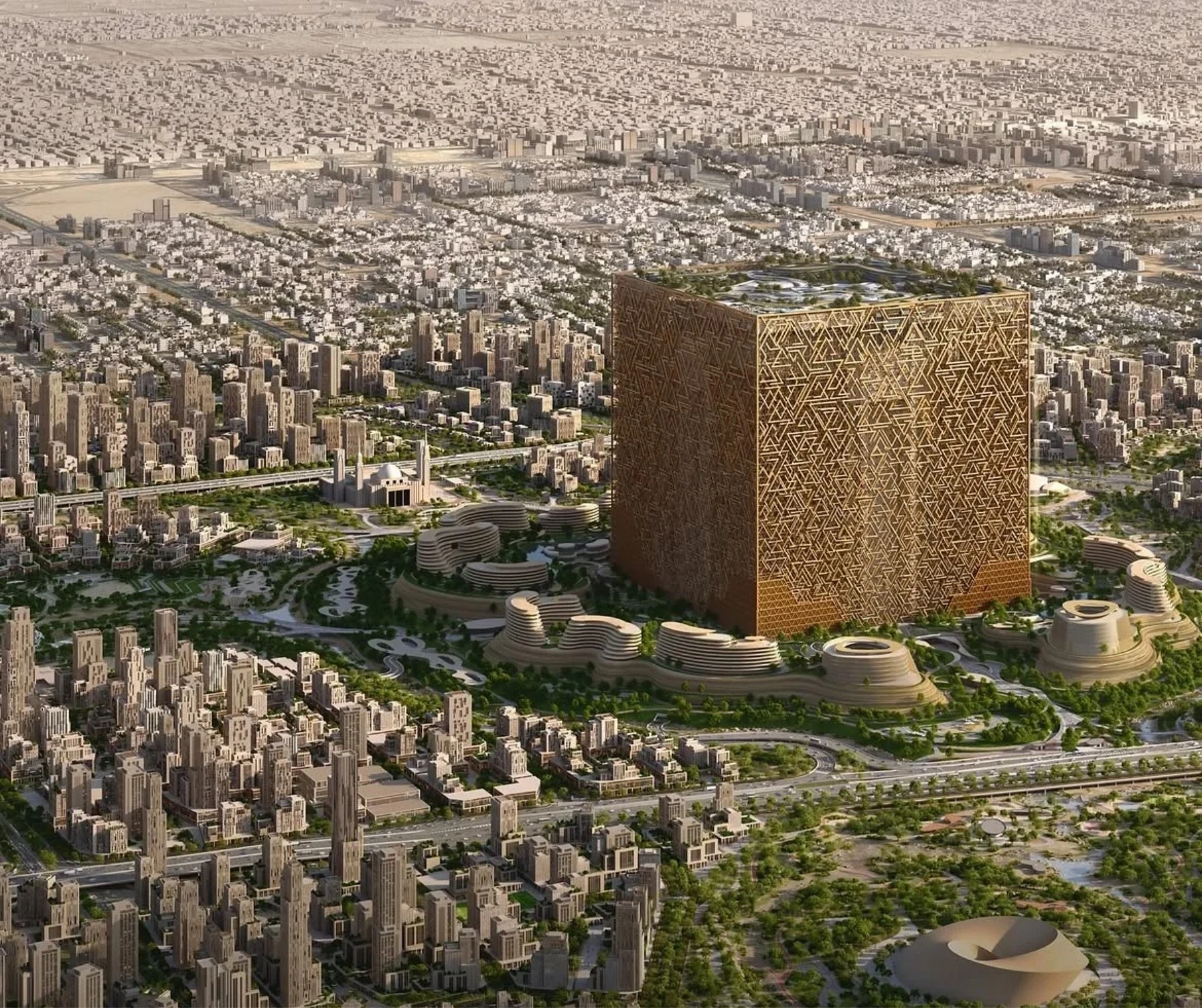
In northwest Riyadh, New Murabba is taking shape as a new vision for the city’s downtown. According to the latest figures released for the development, the masterplan spans more than 14 million square metres, with around a quarter of the site dedicated to green space and a "15-minute city" concept designed to place most everyday needs within a short distance of residents and visitors. Its most striking feature, however, is Al Murabba, the architectural landmark at the heart of the development. Measuring 400 metres in height, width and length, the structure will contain more than two million square metres of internal floor space. The Al Murabba is being conceived not simply as a monumental building, but as a destination in its own right, bringing together hospitality, retail, culture, entertainment, commercial and residential spaces alongside immersive digital experiences powered by advanced technology. For tourism, New Murabba’s significance may ultimately extend beyond its architecture. If the development succeeds in creating a walkable downtown where people can live, explore and spend time, it could give Riyadh an entirely new destination within the city, rather than simply another landmark to admire from afar.
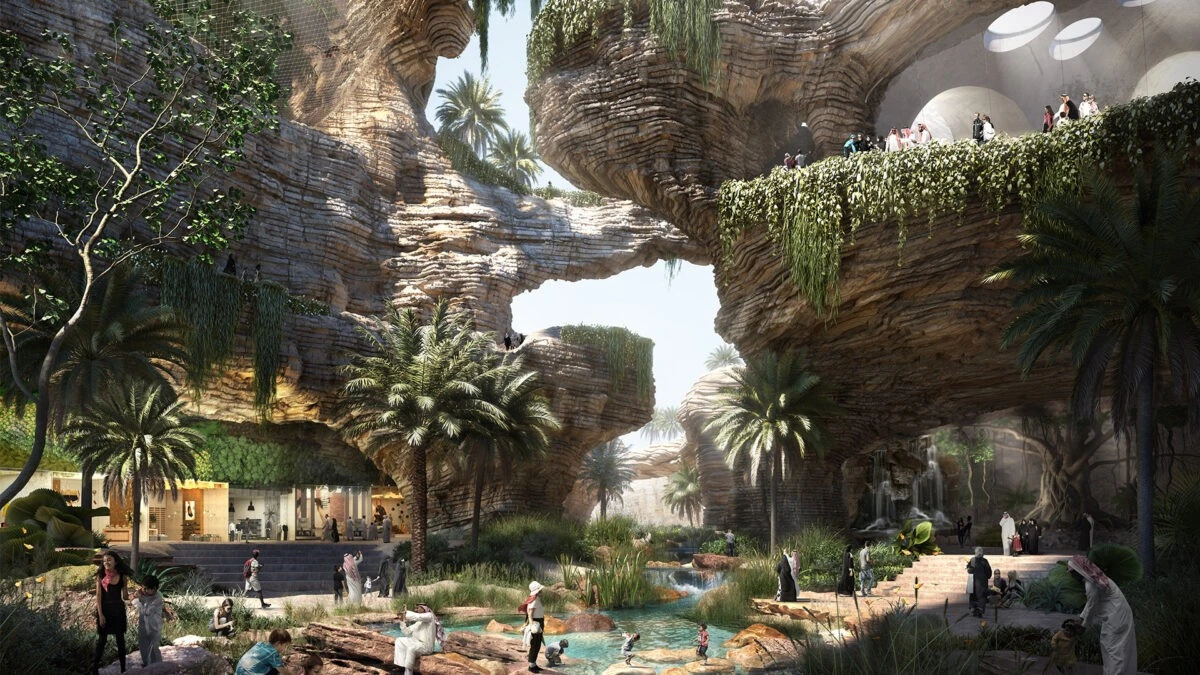
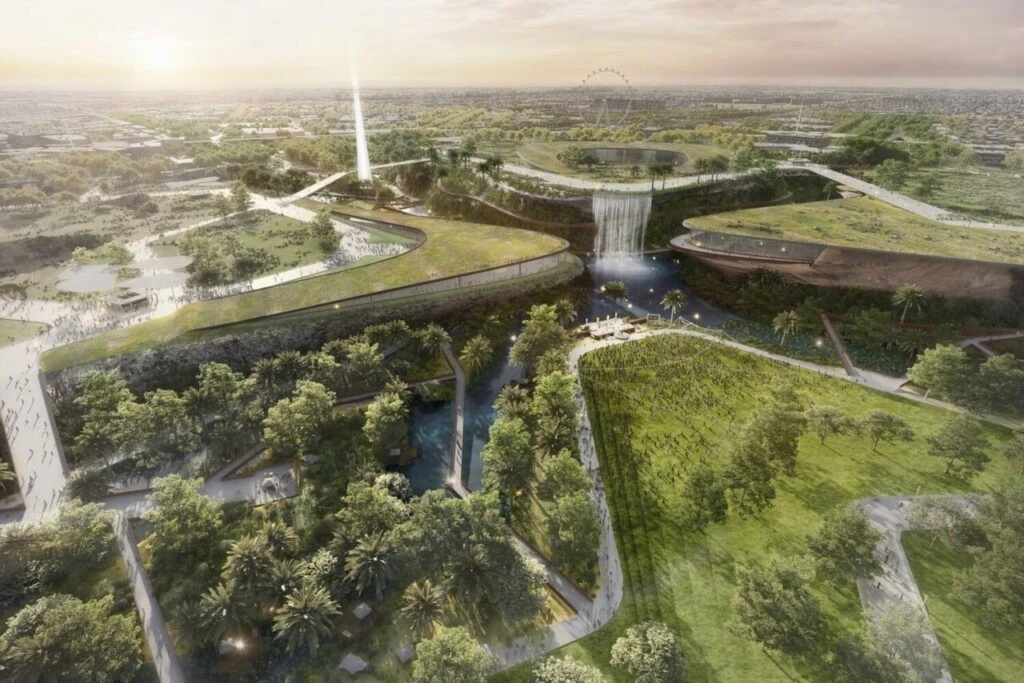
At the heart of Riyadh, King Salman Park is being developed across more than 17.2 square kilometres on the site of the city’s former airport, positioning it among the world’s largest urban parks. The plans extend far beyond greenery. The park will include the Royal Arts Complex, museums, cultural and sporting facilities, entertainment venues, walking and cycling trails, and hospitality spaces. In May 2026, the King Salman Park Foundation announced the completion of approximately 17 kilometres of retaining walls, marking another milestone in the project’s infrastructure works. Its tourism value, however, will not come from its size alone. King Salman Park has the potential to add an everyday, open-air experience to the capital, helping ensure that a visit to Riyadh is not defined solely by major seasons and headline events.
You Might Also Like: The Kingdom's latest mega-project is not what you might expect
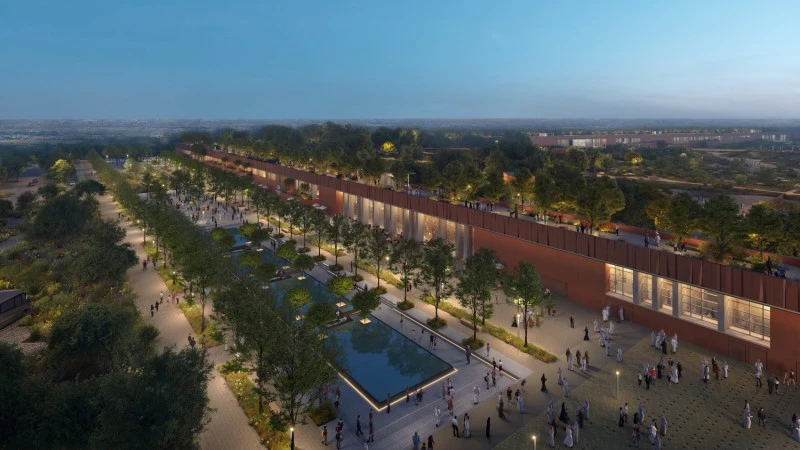
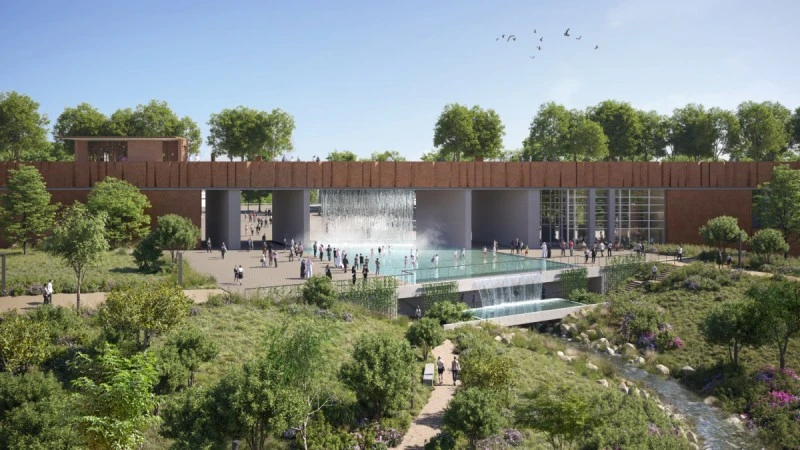
Covering approximately 754,000 square metres, Al-Urubah Park is taking shape at the intersection of Prince Turki bin Abdulaziz Al Awwal Road and Al-Urubah Road. The development will feature an elevated panoramic path, landscaped terraces, sporting facilities and event spaces, alongside approximately 14 kilometres of walking trails. Plans also include more than 600,000 trees and shrubs, with green spaces expected to cover around 65 per cent of the site. It may not command the same global attention as some of the Kingdom’s mega-projects, but it represents an important shift—the quality of public space itself becoming part of the visitor experience.
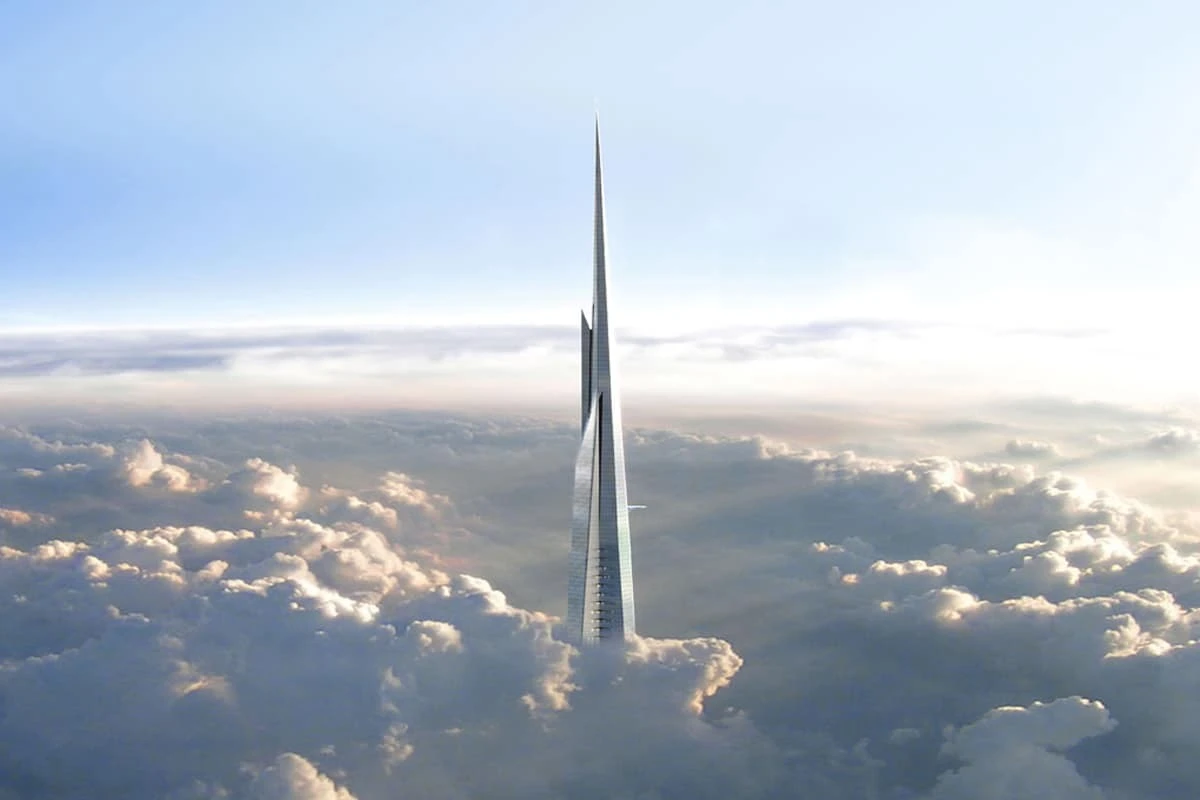
In Jeddah, one of the city’s most ambitious developments is back in focus following the resumption of construction on Jeddah Tower after years of inactivity. The tower is designed to exceed one kilometre in height upon completion, potentially giving the Red Sea city a new architectural landmark. The project remains under construction, however, meaning its eventual completion date will depend on the progress of works and future official announcements. If realised as planned, its importance will extend beyond the record books, potentially giving Jeddah a new visual symbol recognised around the world.
New Gateways to the Kingdom
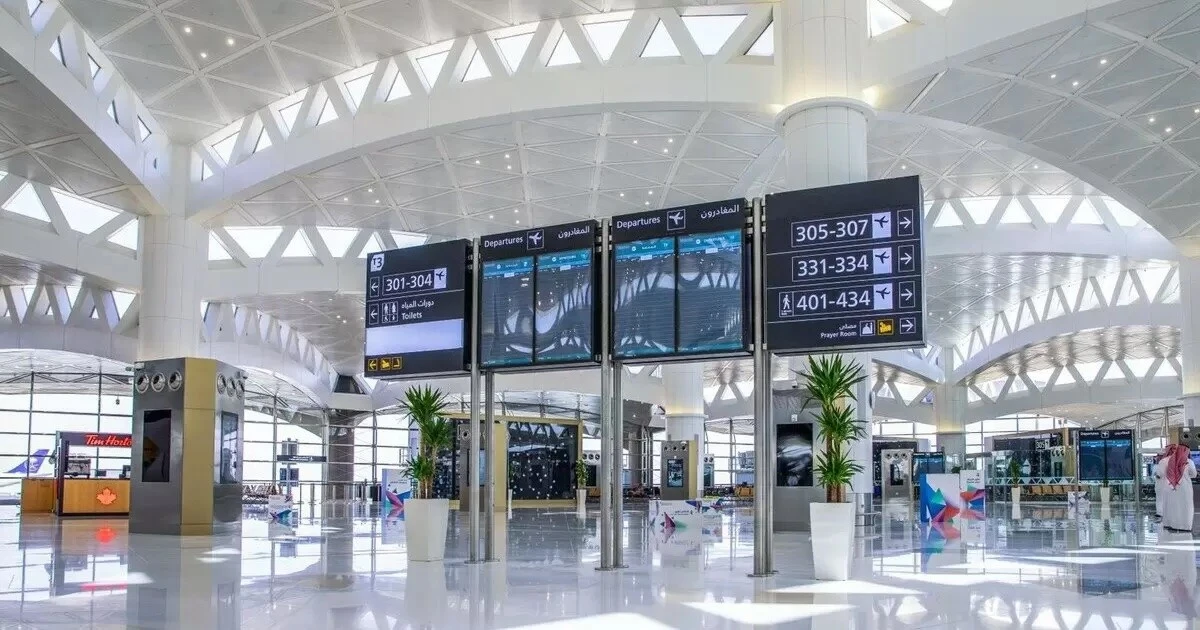
Every global destination begins with accessibility — and this is where one of Saudi Arabia’s most significant transformations is taking place. In Riyadh, King Salman International Airport is already underway. The massive $30 billion mega-project has been designed to absorb and expand the existing King Khalid International Airport, developing the hub into a pivotal airport in the region, taking up approximately 57 square kilometres, with six runways and nine passenger terminals.
By 2030, it is estimated the new airport complex will be able to handle more than 100 million passengers annually. The development is envisioned as more than an airport. It forms part of a broader ambition to position Riyadh as a global connection point between East and West.
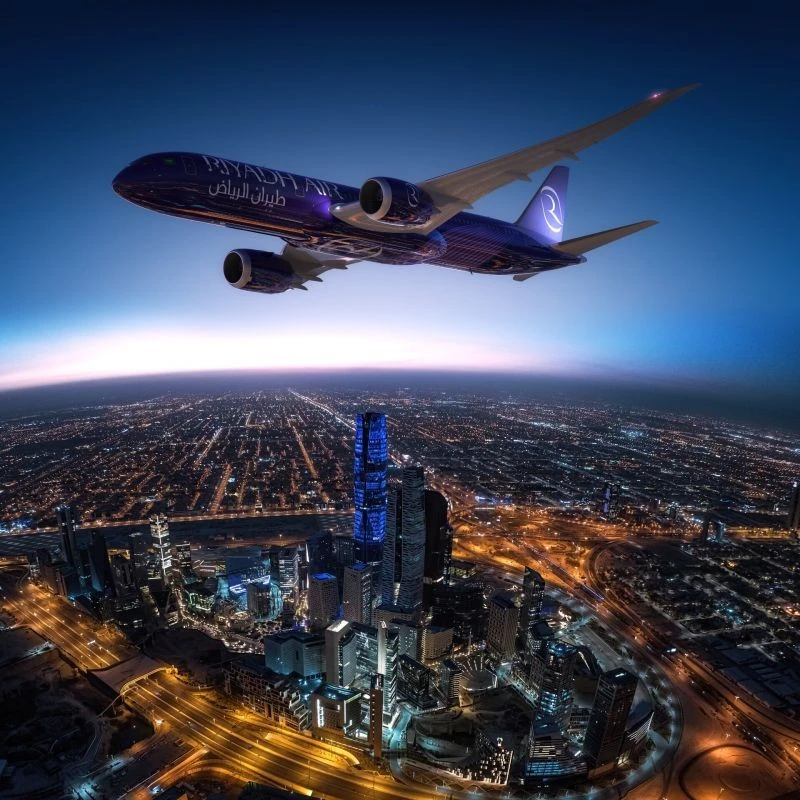
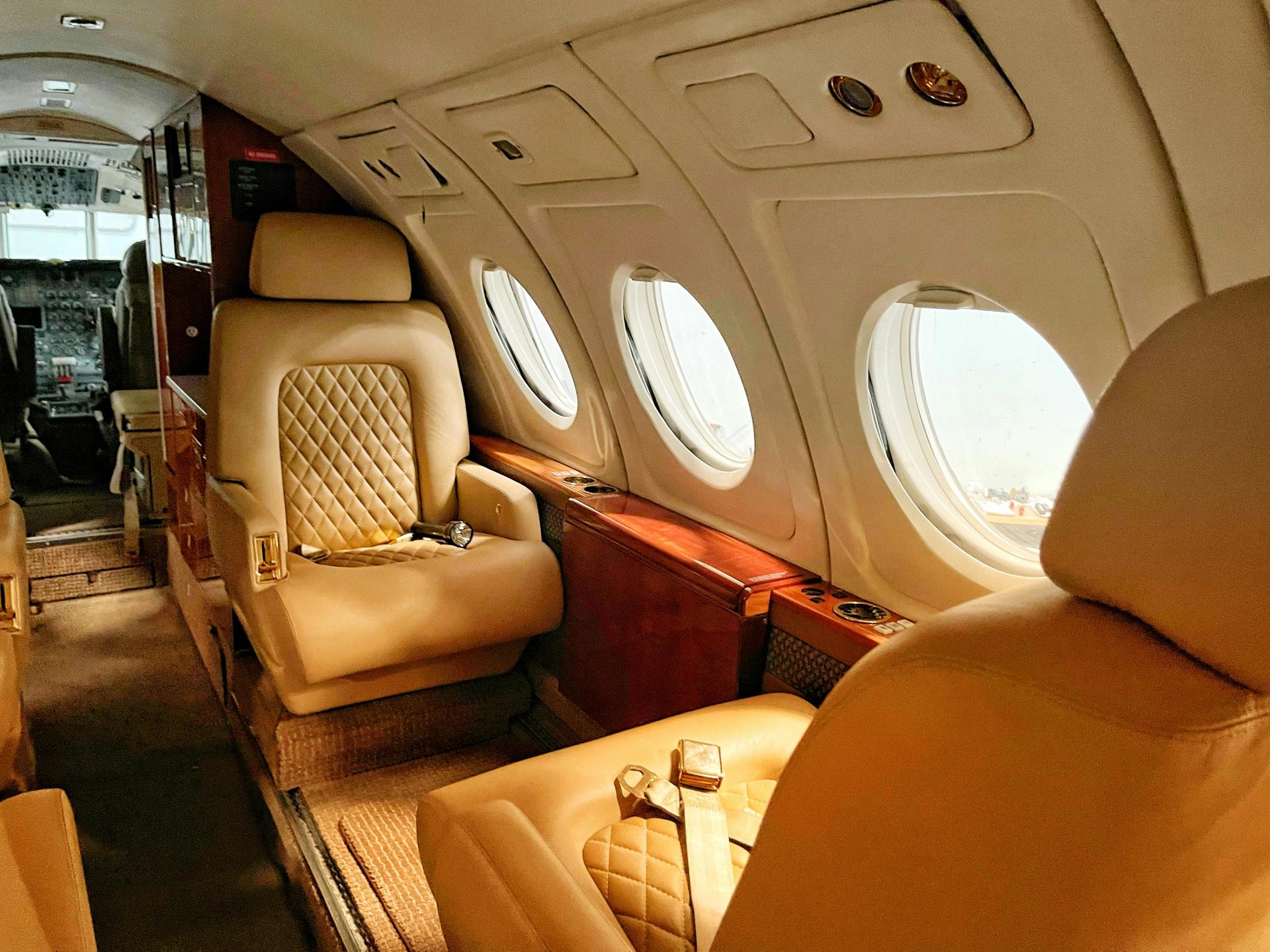
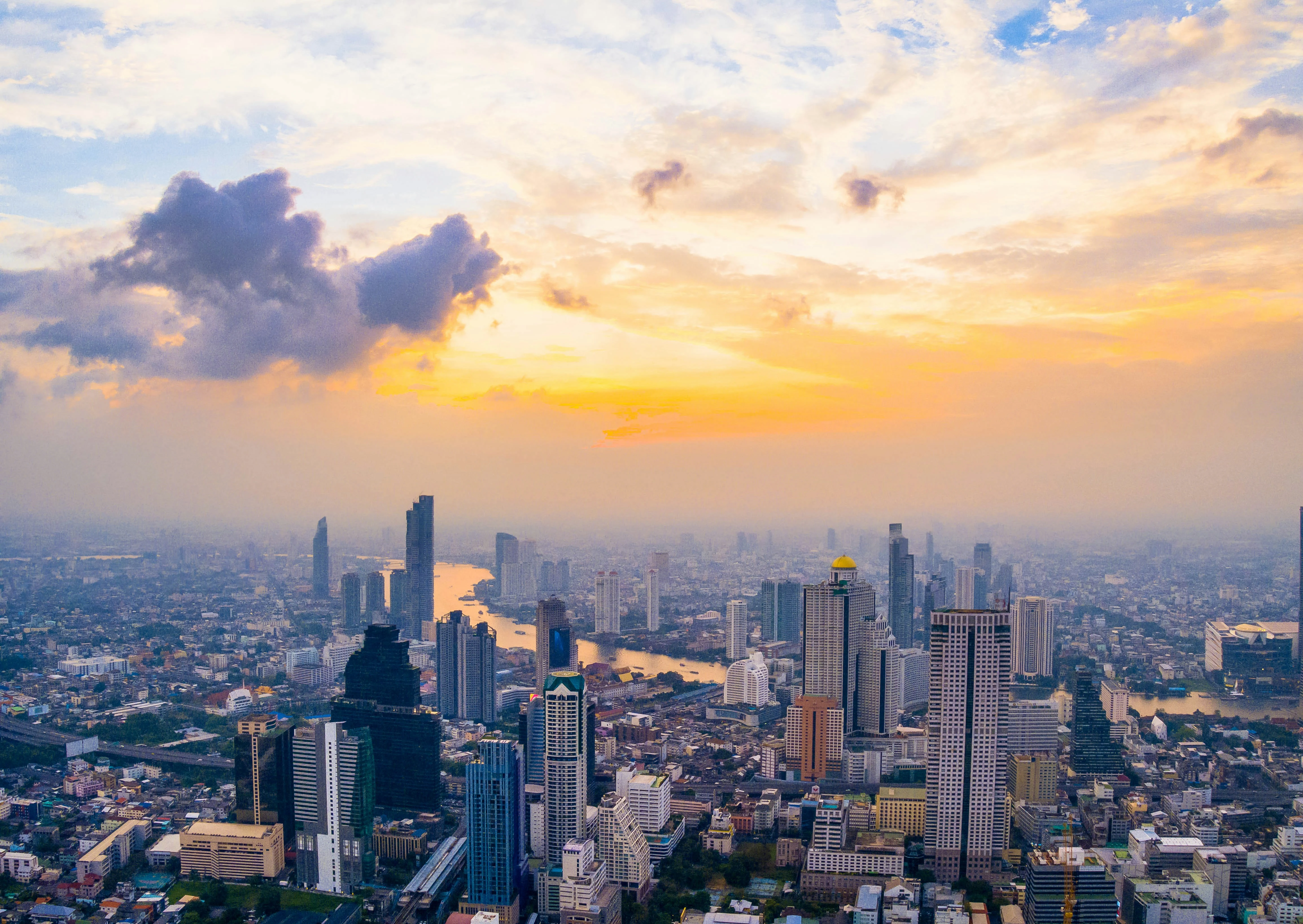
In the skies, Riyadh Air continues to build its network from the Saudi capital. As of September 2026, the airline’s official destination guide lists 14 cities outside its Riyadh hub: Jeddah, Dubai, Cairo, London, Manchester, Madrid, Malaga, Mumbai, Dhaka, Kuala Lumpur, Bangkok, Islamabad, Lahore and Manila. The emerging network spans regional, European and Asian markets. Every new direct connection does more than add another flight — it shortens the distance between Saudi Arabia and new tourism markets while positioning Riyadh as a potential starting point for journeys extending to Diriyah, AlUla and the Red Sea coast.
You Might Also Like: All of Riyadh Air's confirmed routes (so far)
Yet the real measure of success will not simply be the number of destinations on a route map. The visitor experience will depend on how effectively international flights connect with urban transport, rail networks and domestic aviation — and whether booking and moving between destinations becomes as seamless as combining them on an itinerary.
A New Generation of Hotels
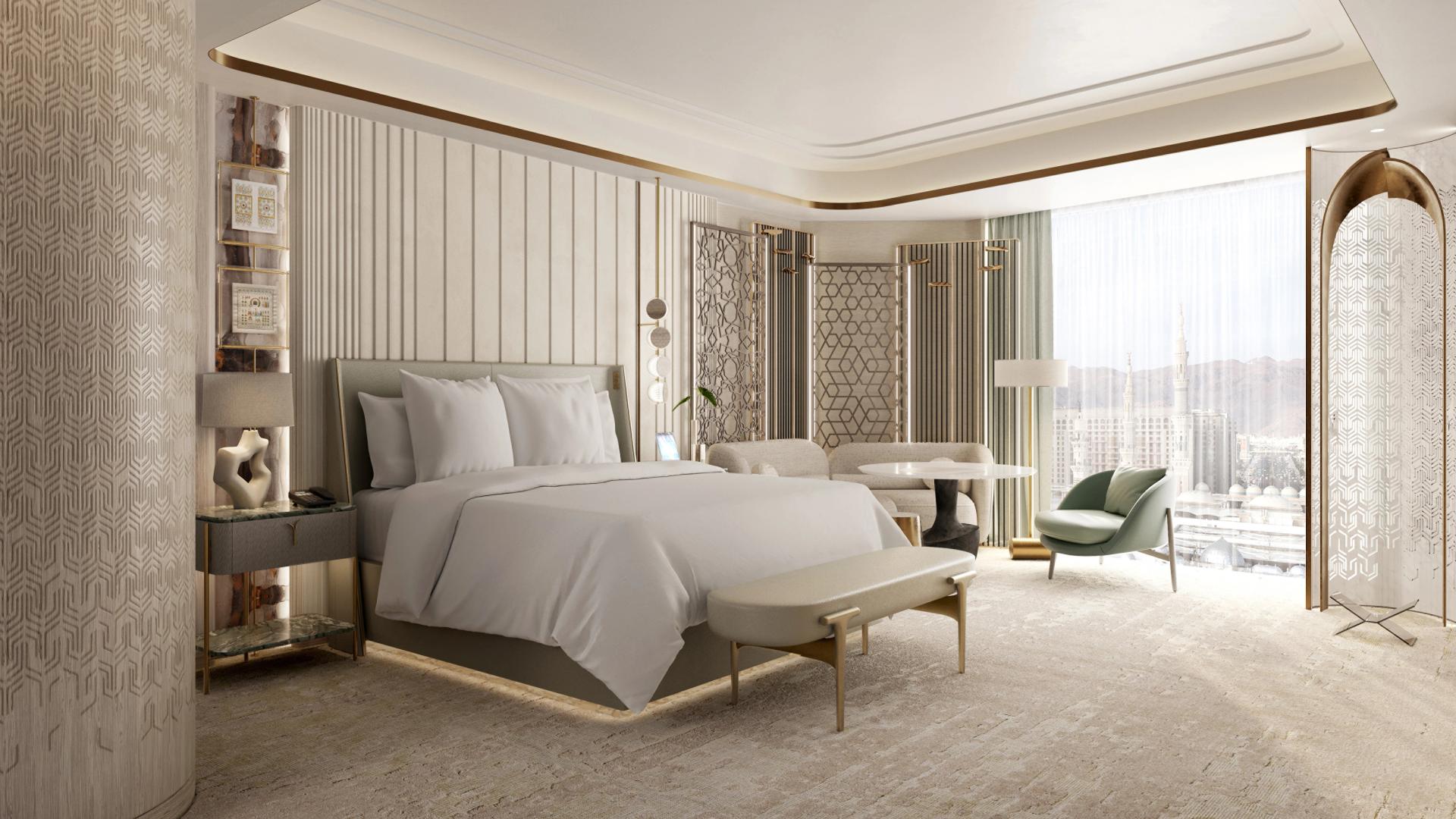
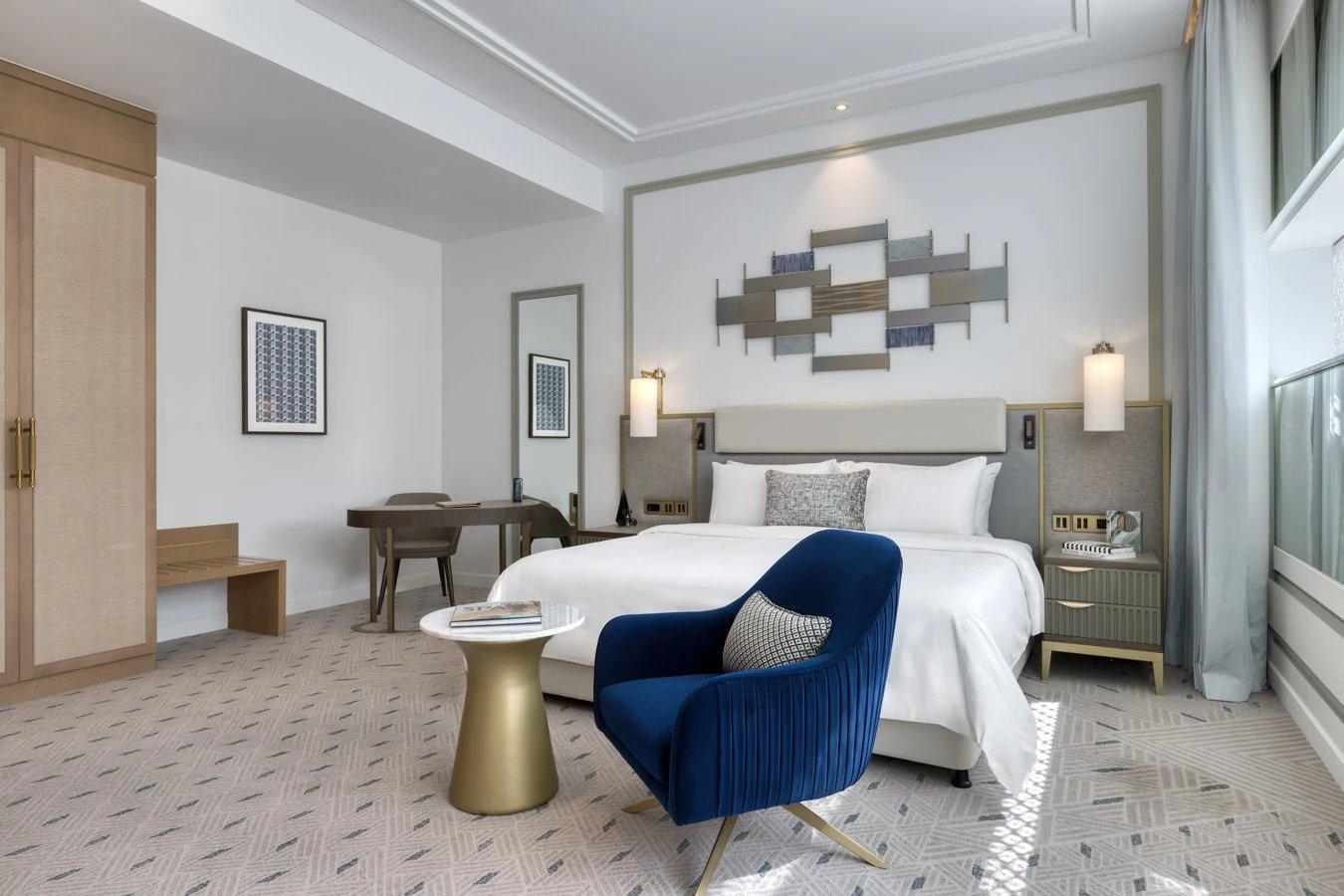
Following the opening of a growing collection of hotels and resorts along the Red Sea coast, Saudi Arabia is becoming an increasingly competitive arena for the world’s leading hospitality brands.
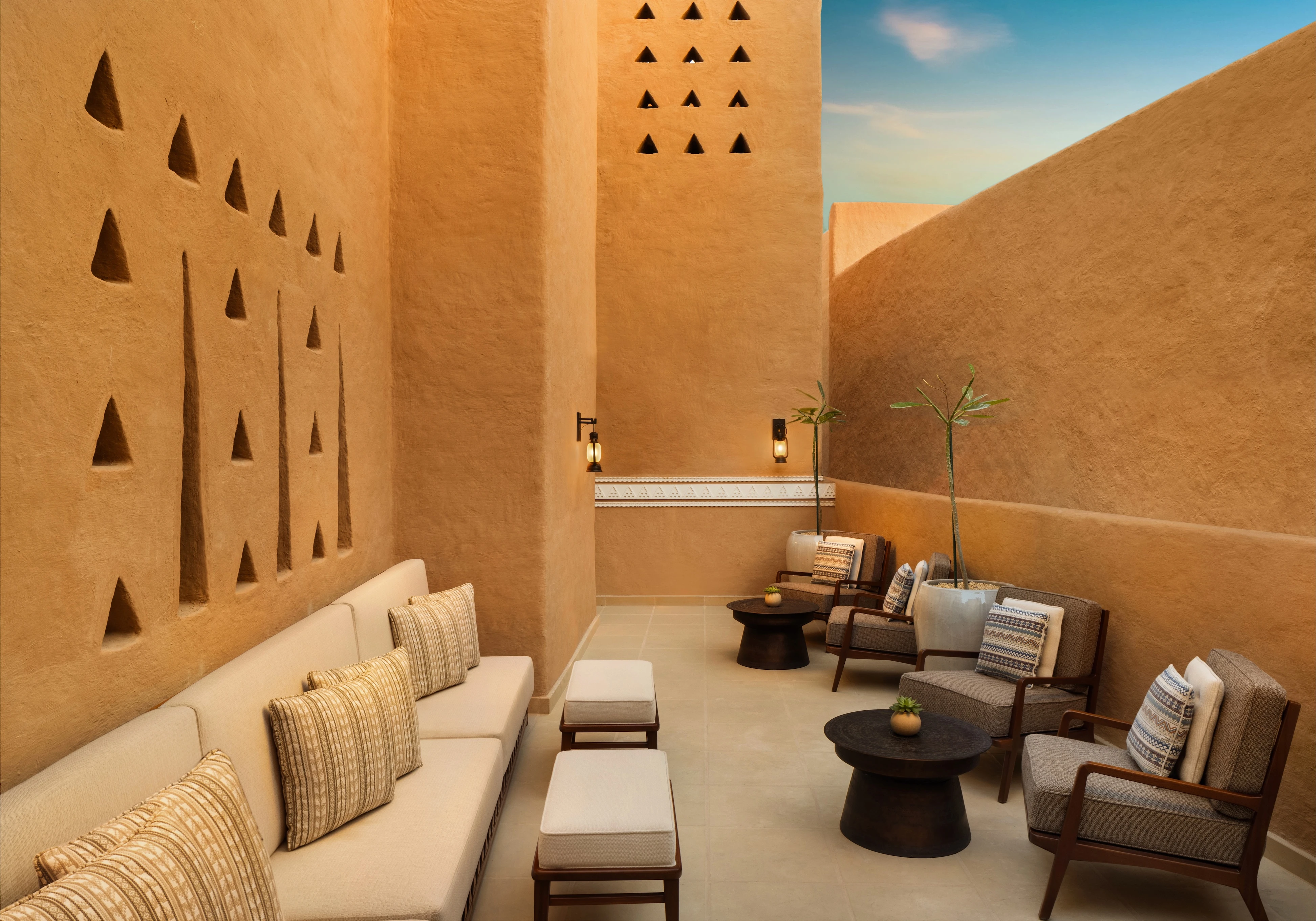
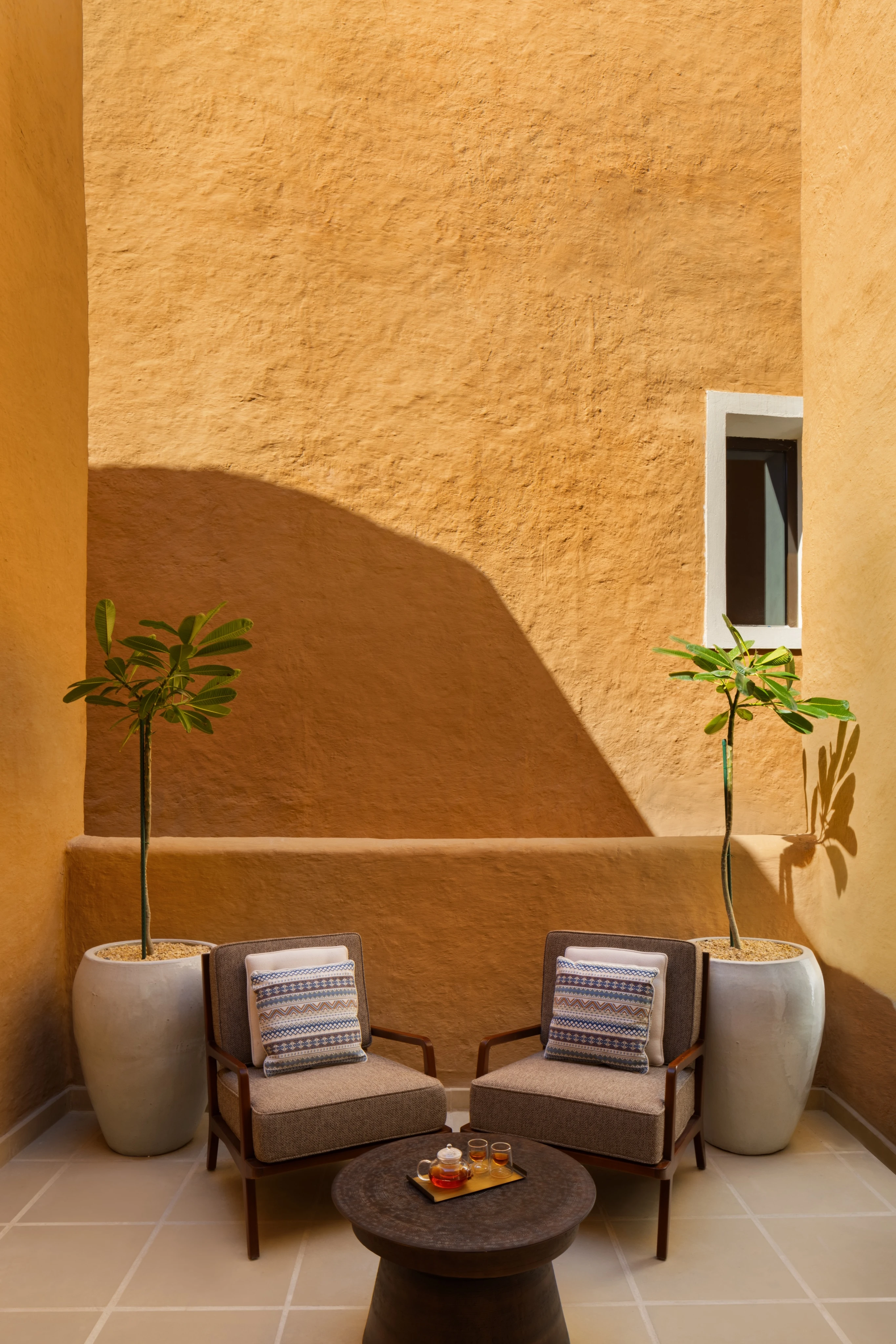
In Diriyah, a hotel stay is intended to become an extension of the destination and its history. Rather than merely borrowing elements of Najdi design, hospitality properties have the opportunity to become part of the place and its story.
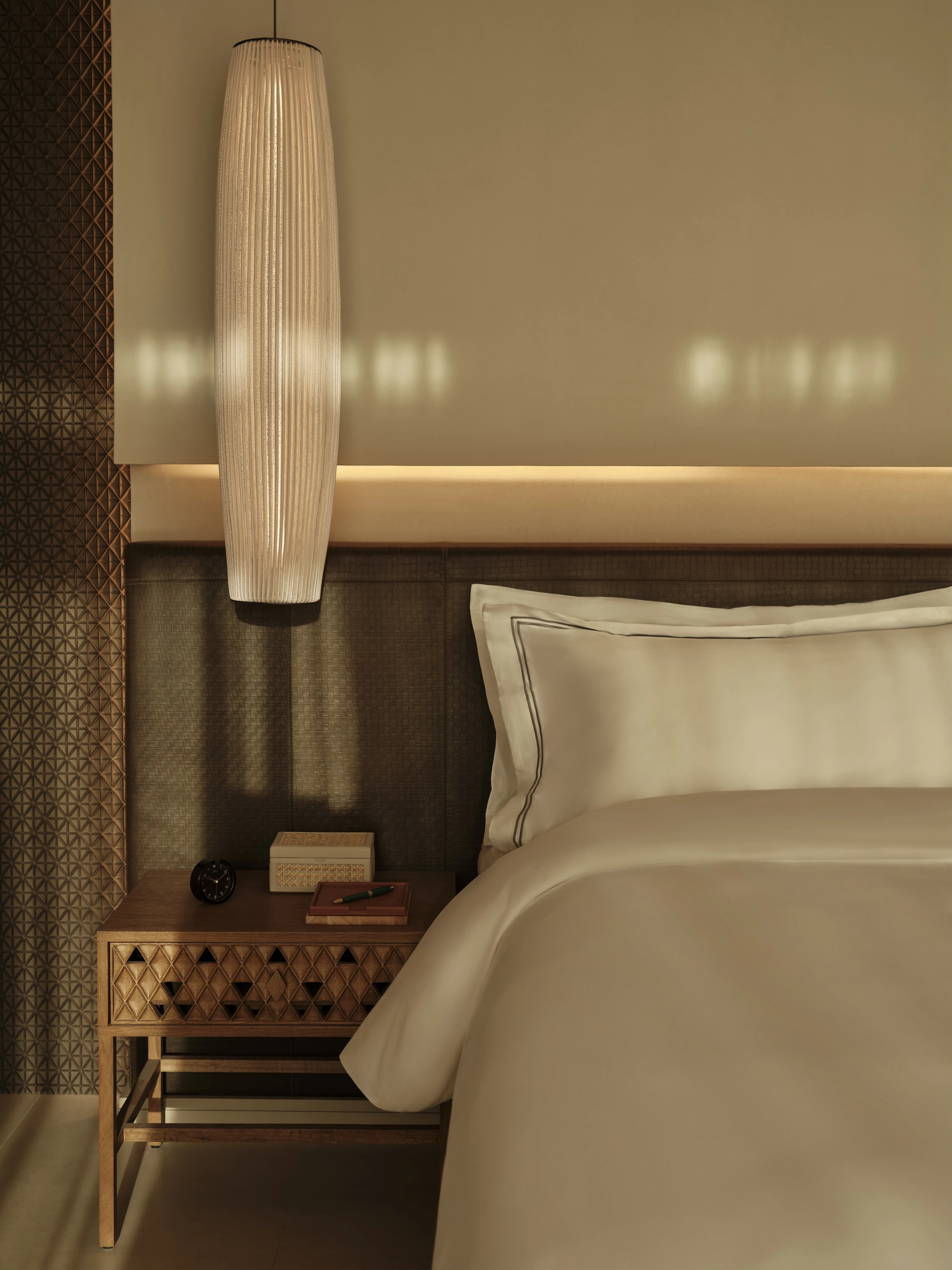
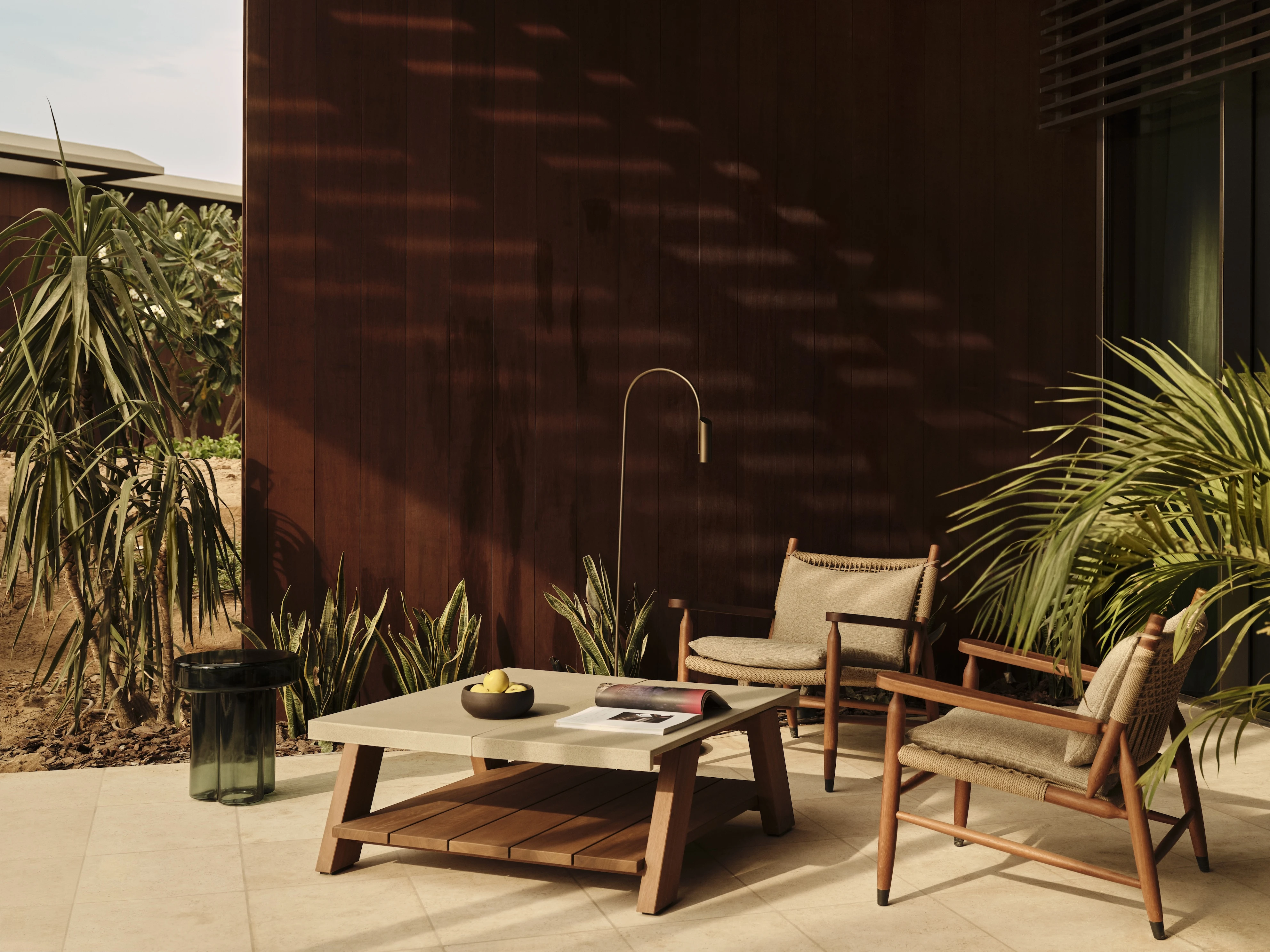
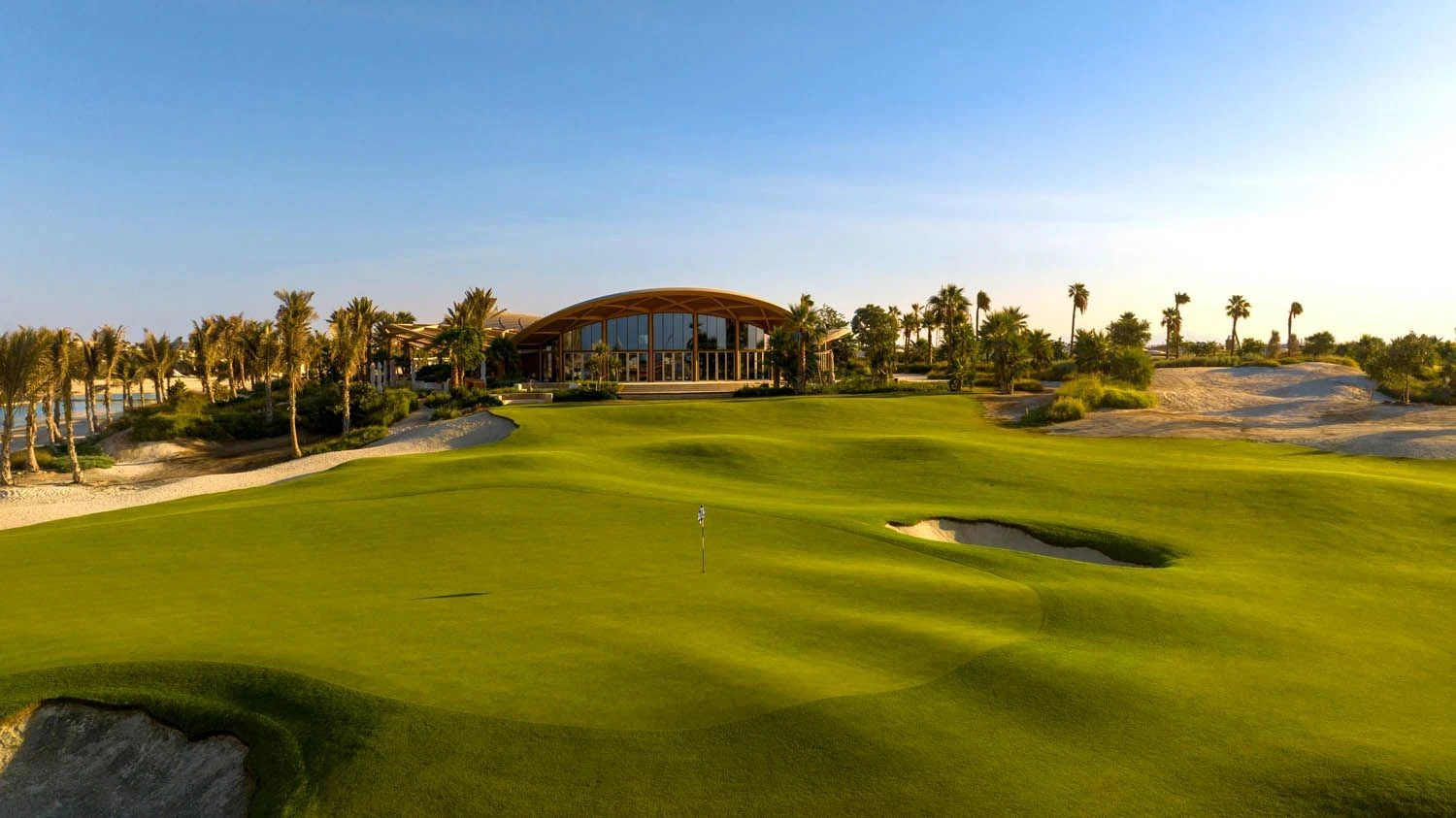
On the western coast, The Red Sea offers a very different model. At its heart is Shura Island, which will feature 11 luxury resorts upon completion, alongside Shura Links golf course and a yacht marina. Most recently, AMAALA has been at the centre of new openings on the Red Sea coastline. Here wellness sits at the centre of the experience, with brands including Four Seasons, Six Senses, Rosewood and the first Equinox Resort outside of the USA, forming part of a destination that brings together the sea, mountains, health and wellbeing.
These new openings extend far beyond expanding room counts. The true ambition is for the stay itself to become the primary catalyst for travel, a destination in its own right, rather than merely a place to rest between itineraries.
From Seeing a Destination to Living It
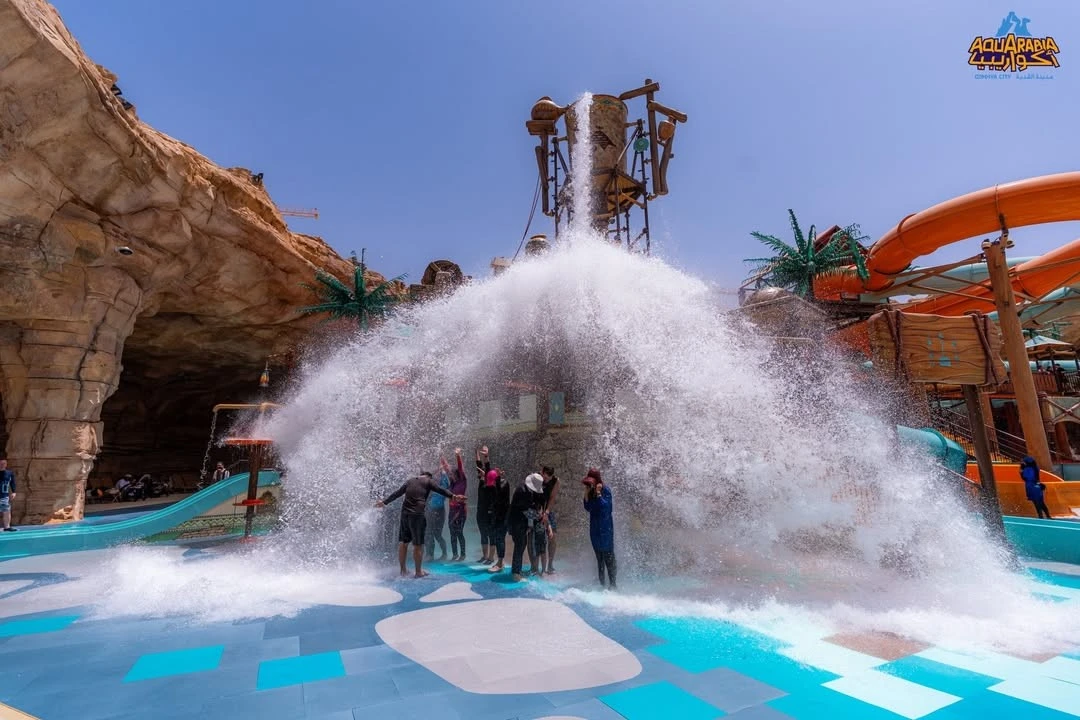
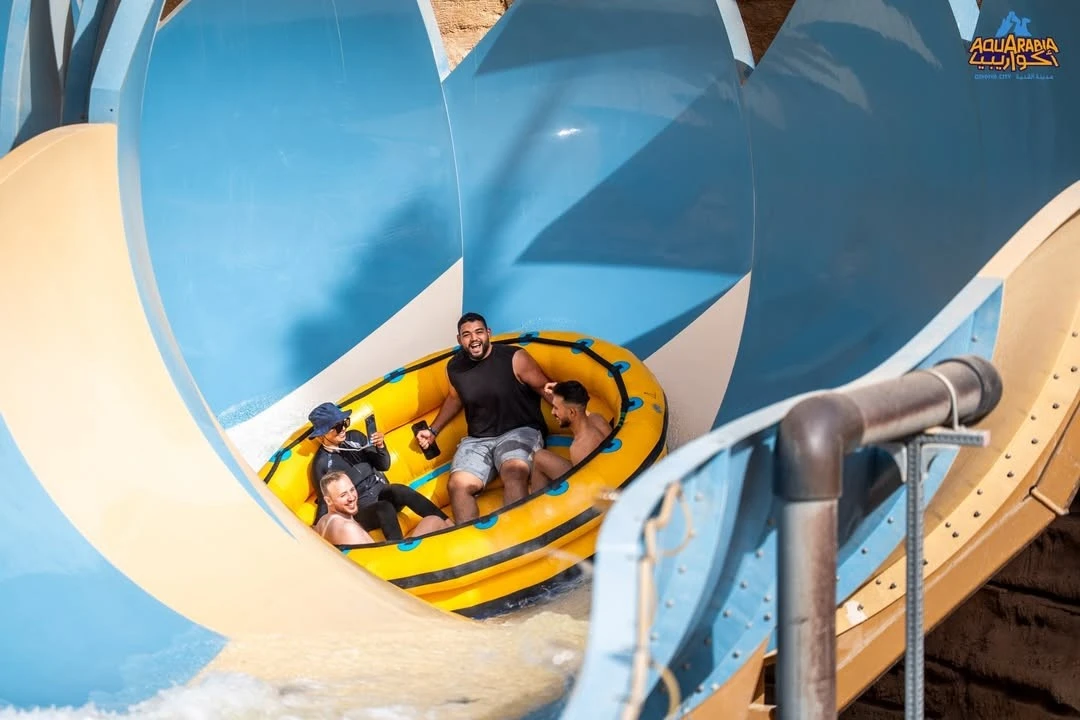
On the outskirts of Riyadh, Qiddiya City offers one of the clearest examples of Saudi projects moving from masterplans into operation. Six Flags Qiddiya City welcomed its first visitors on New Year's Eve 2025, introducing a collection of record-breaking attractions led by Falcons Flight, designed to be the world’s tallest, fastest and longest roller coaster. In April 2026, Aquarabia also began welcoming visitors, adding one of the region’s largest water-based entertainment experiences to the city.
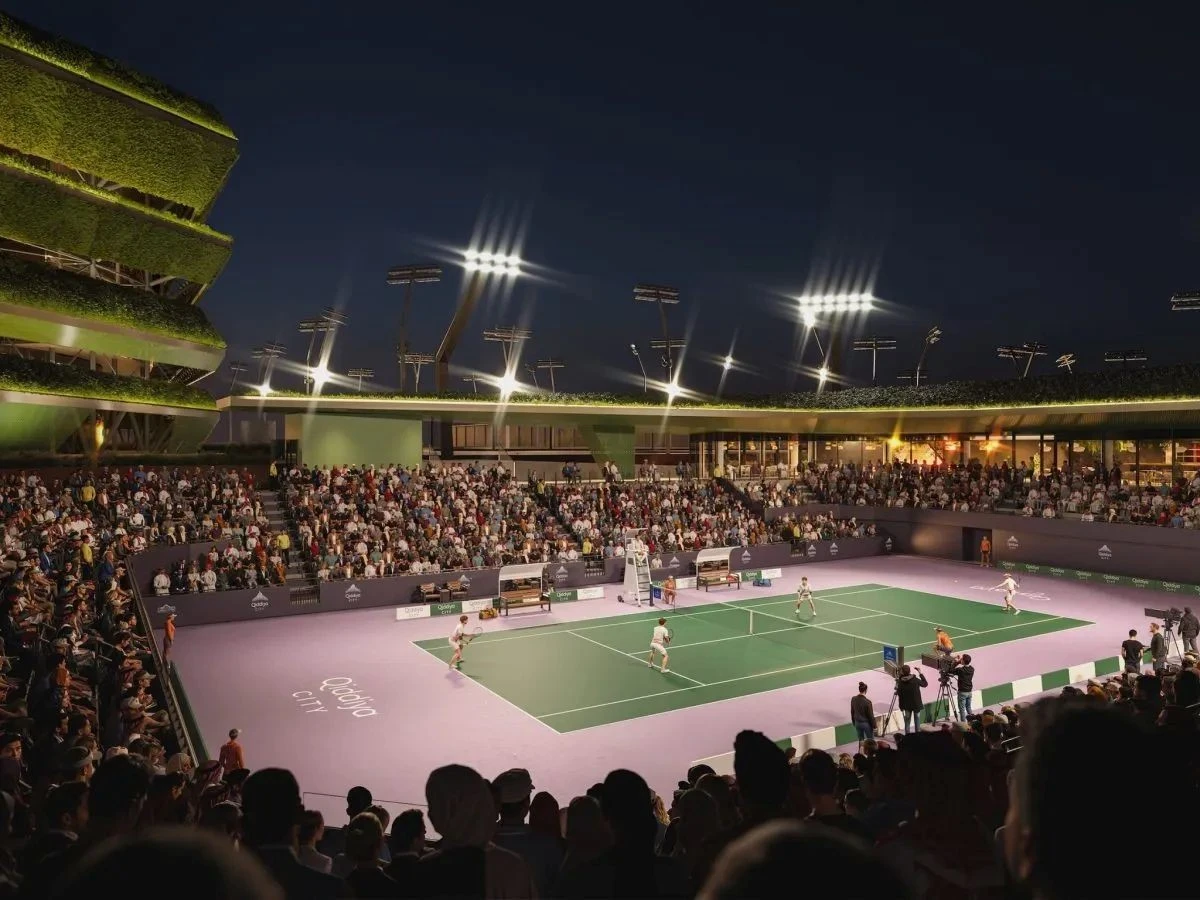
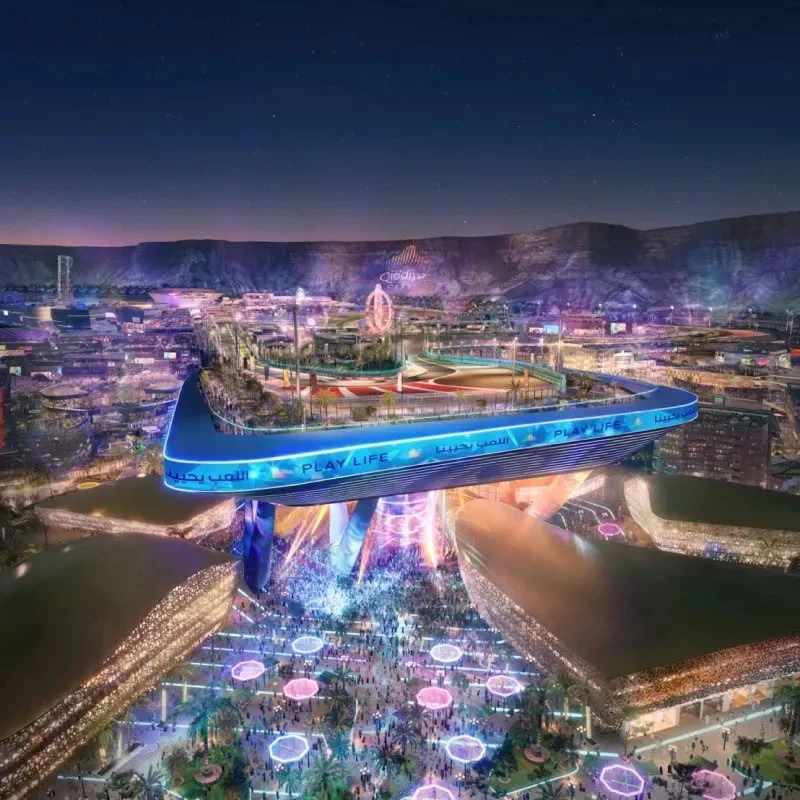
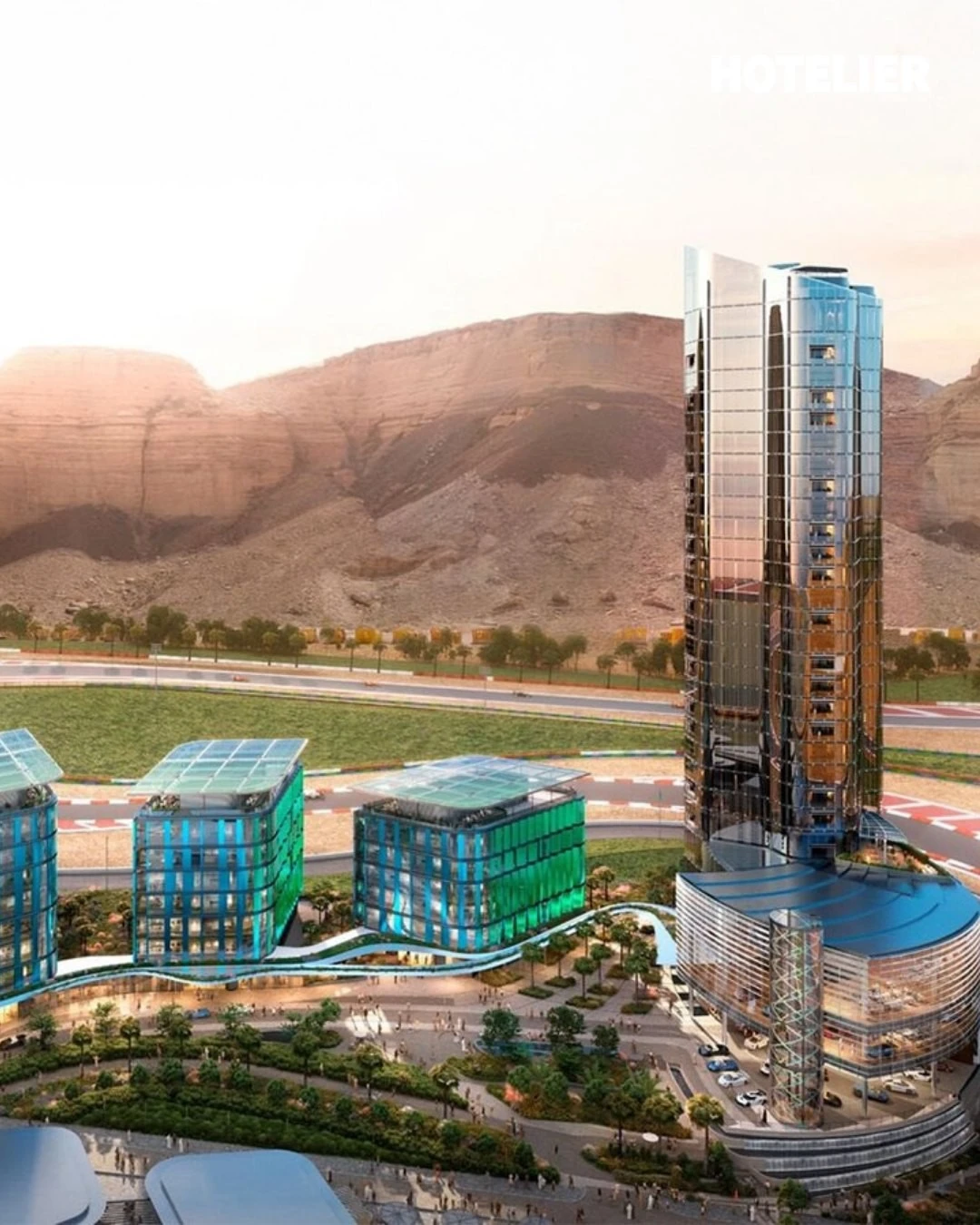
Meanwhile, development continues across the entertainment destination, with projects like Speed Park, the National Tennis Centre, a golf course designed by Sir Nick Faldo, a performing arts centre, and a dedicated gaming and esports district, all underway. The distinction is becoming increasingly clear: Qiddiya is no longer simply a promise of a future experience. Parts of the city are already welcoming visitors.
Saudi Arabia as an Adventure Destination
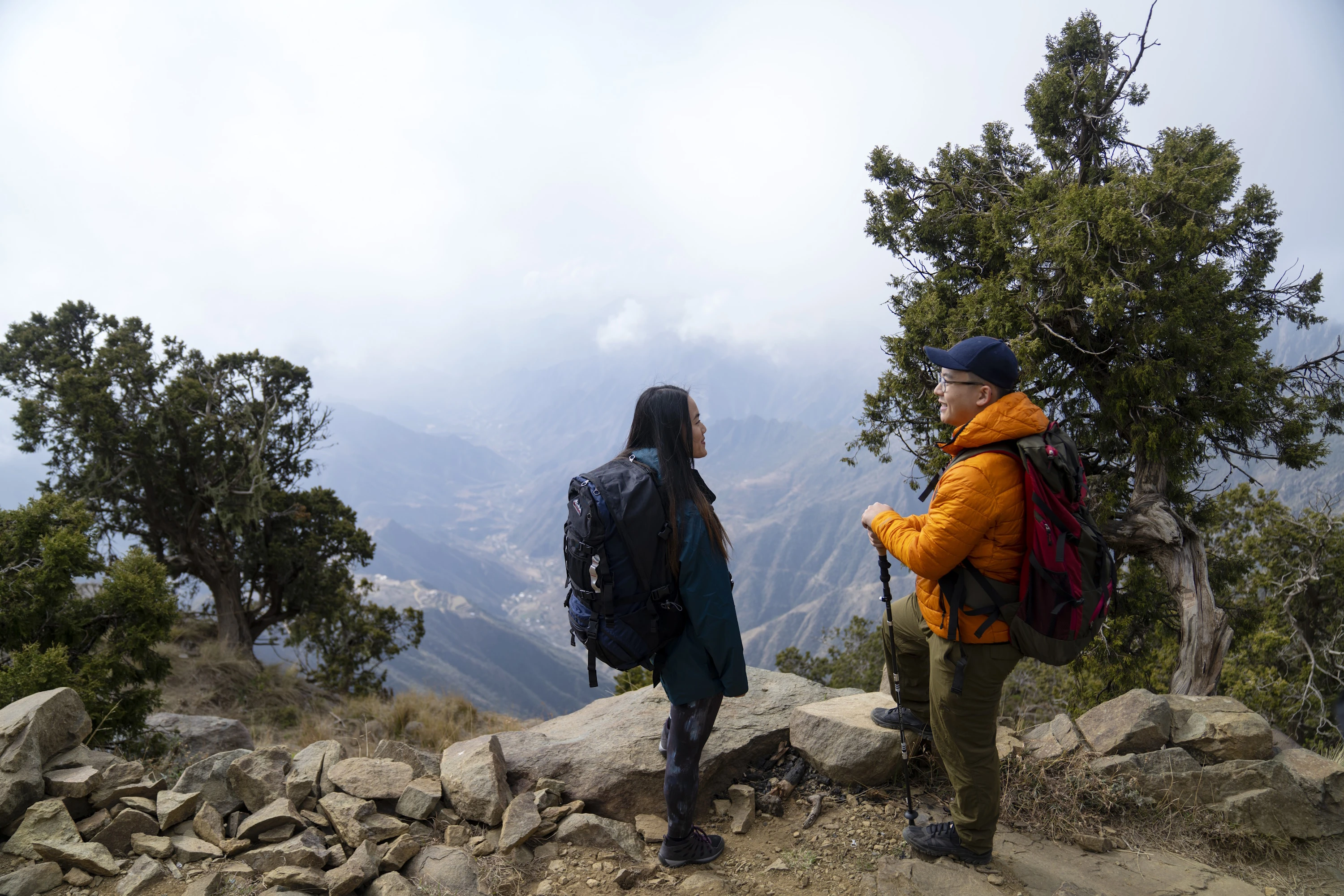
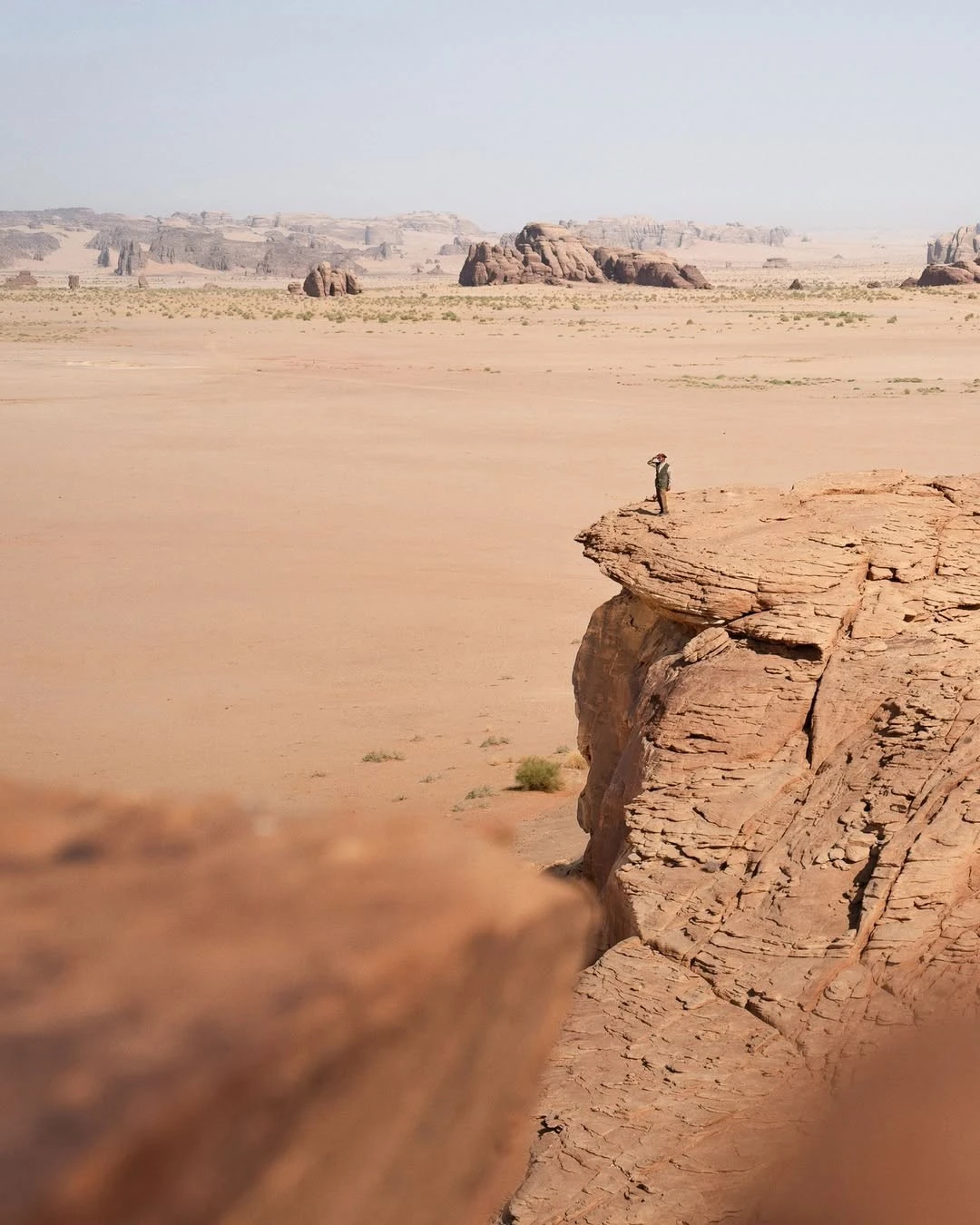
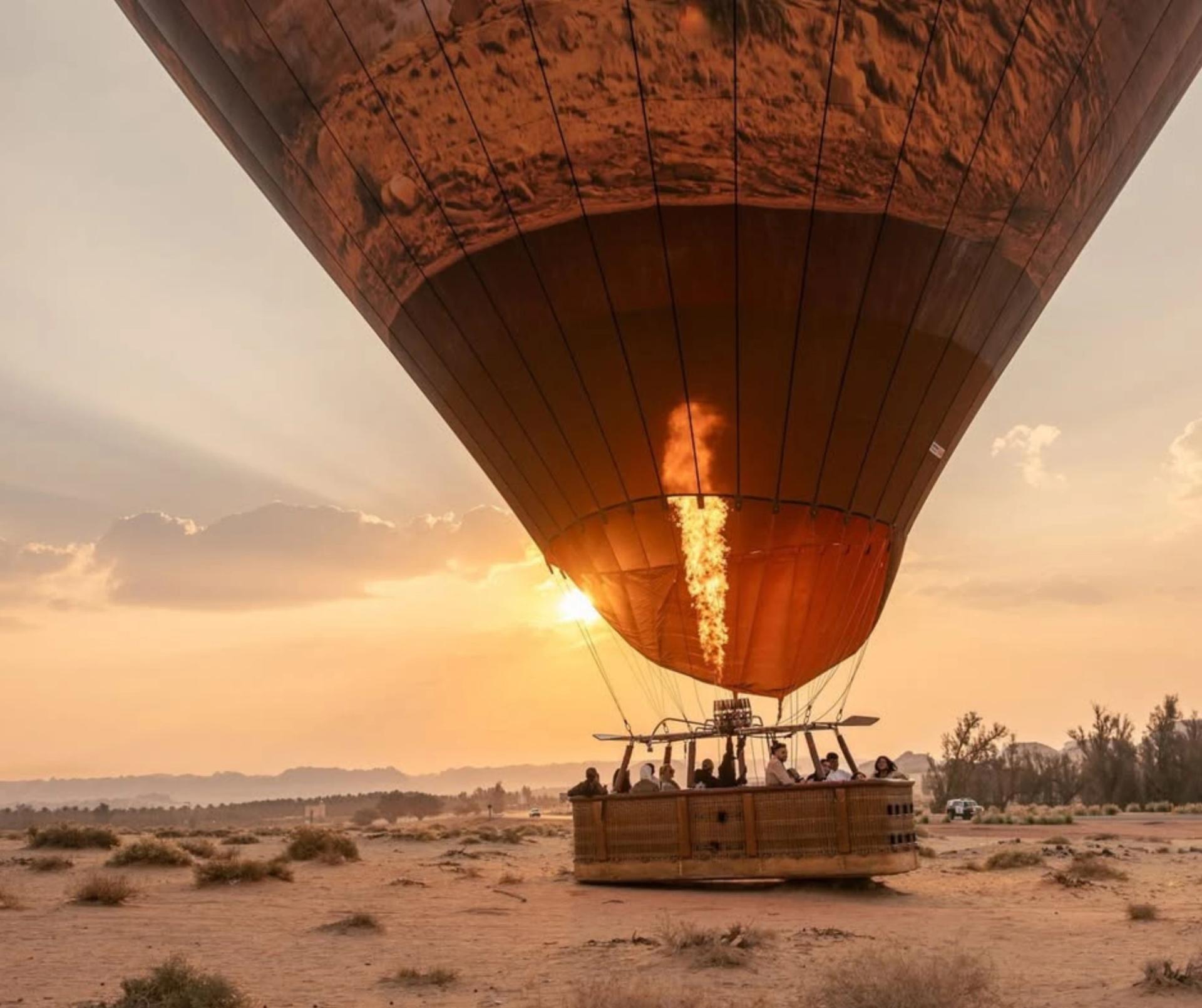
Beyond its cities, Saudi Arabia’s geography reveals another dimension of its tourism future. Along the Red Sea, islands, coral reefs and open waters create opportunities for diving, sailing and water sports. In Aseer and AlUla, mountains, valleys and hiking trails offer a completely different experience, while deserts and oases add another layer of adventure.
The real opportunity lies not in each destination individually, but in the ability to combine dramatically different experiences within a single journey. A traveller could arrive in Riyadh for a major event, head to the coast for diving, then end the trip among the mountains or at a Red Sea resort.
Luxury with a Saudi Identity
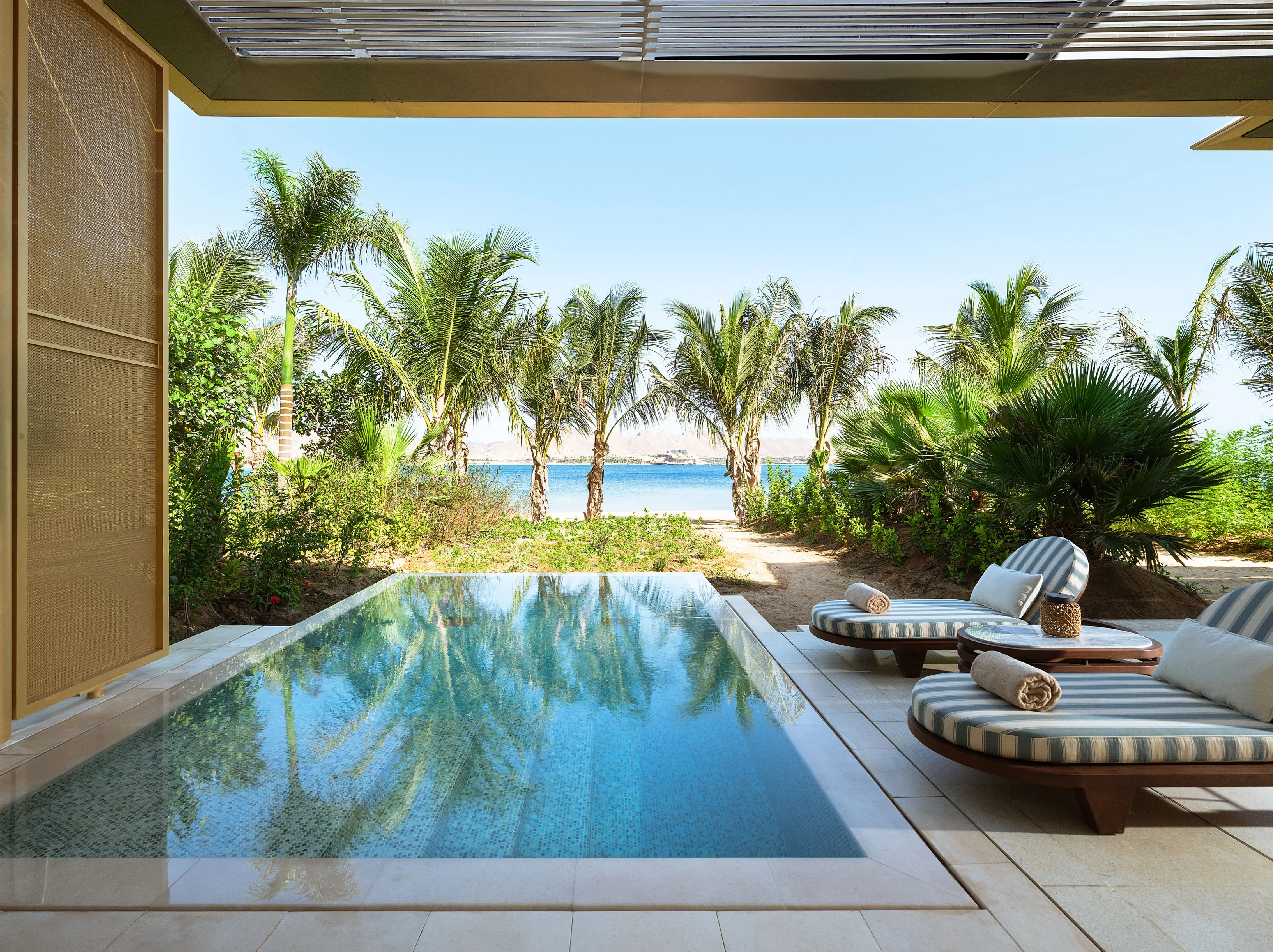
This rapid expansion brings a profound opportunity to redefine luxury entirely. Saudi Arabia’s evolving vision moves past conventional marble towers and gleaming glass façades to embrace something far more nuanced. In Diriyah, luxury is deeply anchored in heritage and timeless Najdi architecture. Along the Red Sea coast, ultimate indulgence translates to untouched nature and absolute privacy. At AMAALA, holistic wellness forms the core foundation of the stay itself.
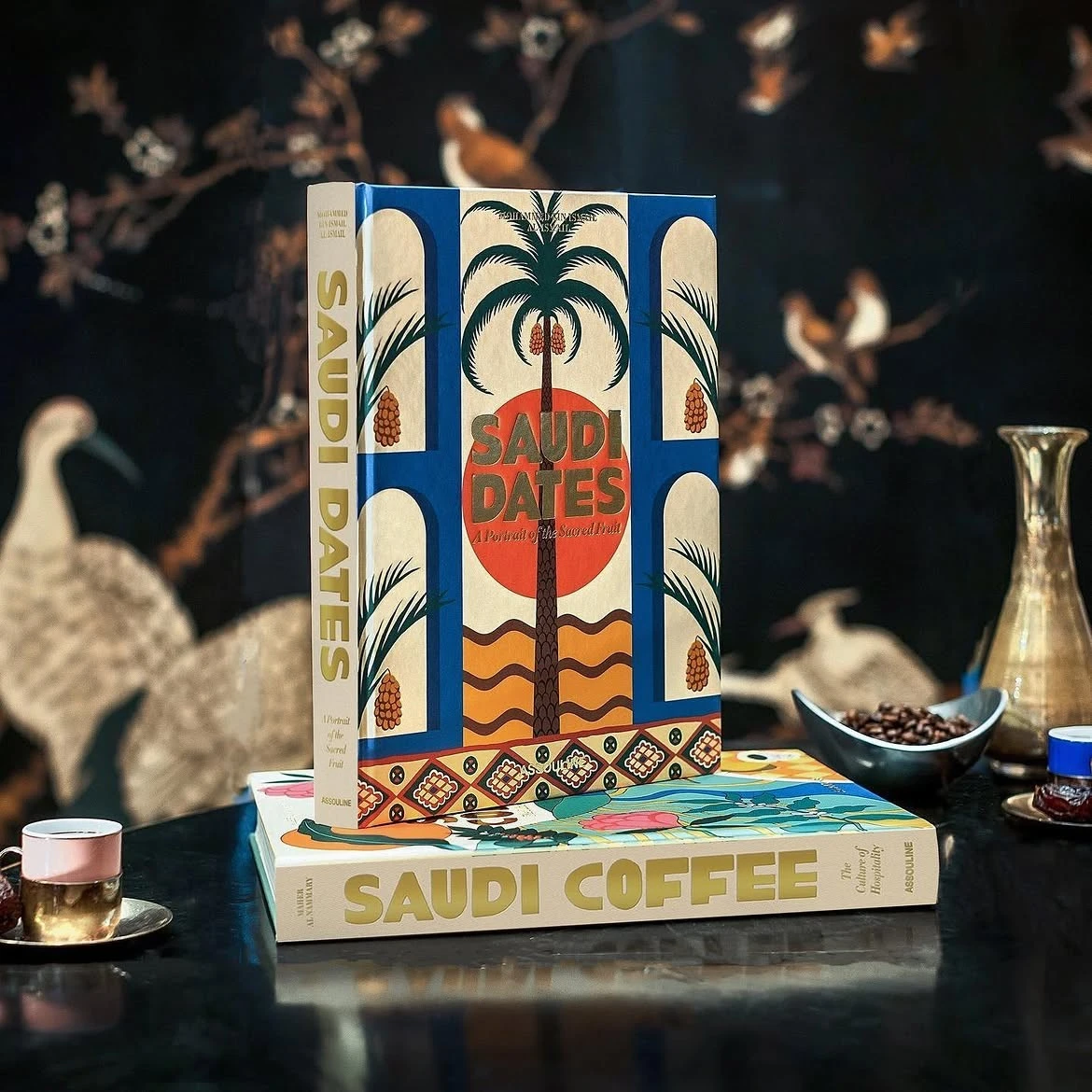
This matters because Saudi Arabia does not need to replicate luxury destinations that already exist elsewhere in the world. Its hardest advantage to imitate is what it already possesses: place, culture, nature and Saudi hospitality. The more these qualities are reflected in the details—from food and design to storytelling and guided experiences — the more distinctive and irreplaceable the journey becomes.
When AI Becomes Part of the Journey
Perhaps the least visible transformation is the digital one, particularly as artificial intelligence takes on a growing role across Saudi Arabia. At the heart of this shift is HUMAIN, a Public Investment Fund company building an integrated AI ecosystem spanning infrastructure, data centres, cloud computing, advanced models and applications — reflecting the Kingdom’s ambition to establish itself as a global hub for artificial intelligence. The impact of this transformation is already beginning to appear across different sectors. In tourism, the Ministry of Tourism launched the beta version of TourismX in 2026, an AI engine designed to support a new generation of digital services for tourists, investors and operators.
When it comes to the aviation sector, the Kingdom's newest airline, Riyadh Air has positioned itself from the outset as a digitally focused carrier, emphasising connectivity, personalised services and an integrated travel experience.
By 2030, artificial intelligence could become an increasingly visible part of Saudi Arabia’s economy and everyday life, spanning travel, services, business and cities. The real test, however, will be how effectively these technologies move from large-scale ambitions and investment into faster, more efficient and seamless experiences.
Can Growth Be Sustainable?
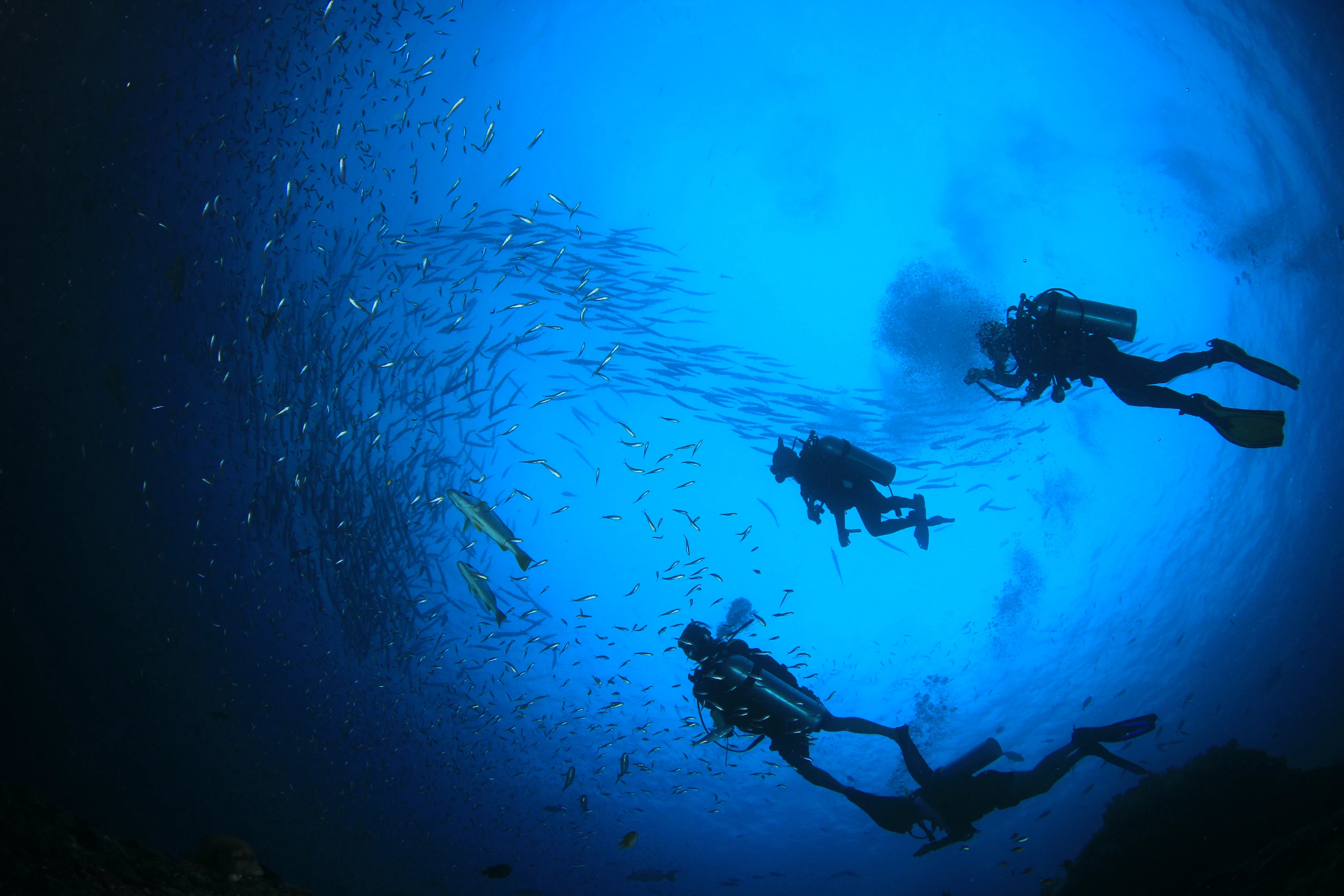
All this expansion raises a question that cannot be ignored, what happens to nature when millions of new visitors arrive?
At The Red Sea, the answer is intended to go beyond simply reducing harm towards the concept of regenerative tourism and integrated sustainability. The destination is powered by renewable energy supported by more than 760,000 solar panels, while Red Sea Global is targeting a 30% net conservation benefit across its destinations by 2040.
But sustainability cannot be measured by the number of solar panels alone. The real test will lie in water and waste management, protecting coral reefs, managing visitor numbers in environmentally sensitive areas and measuring ecological impact over many years. As nature becomes an increasingly valuable part of Saudi Arabia’s tourism offering, protecting it also becomes central to its economic and cultural value.
You Might Also Like: How the Red Sea's development is shaping the future of regenerative tourism
The Road to 2030
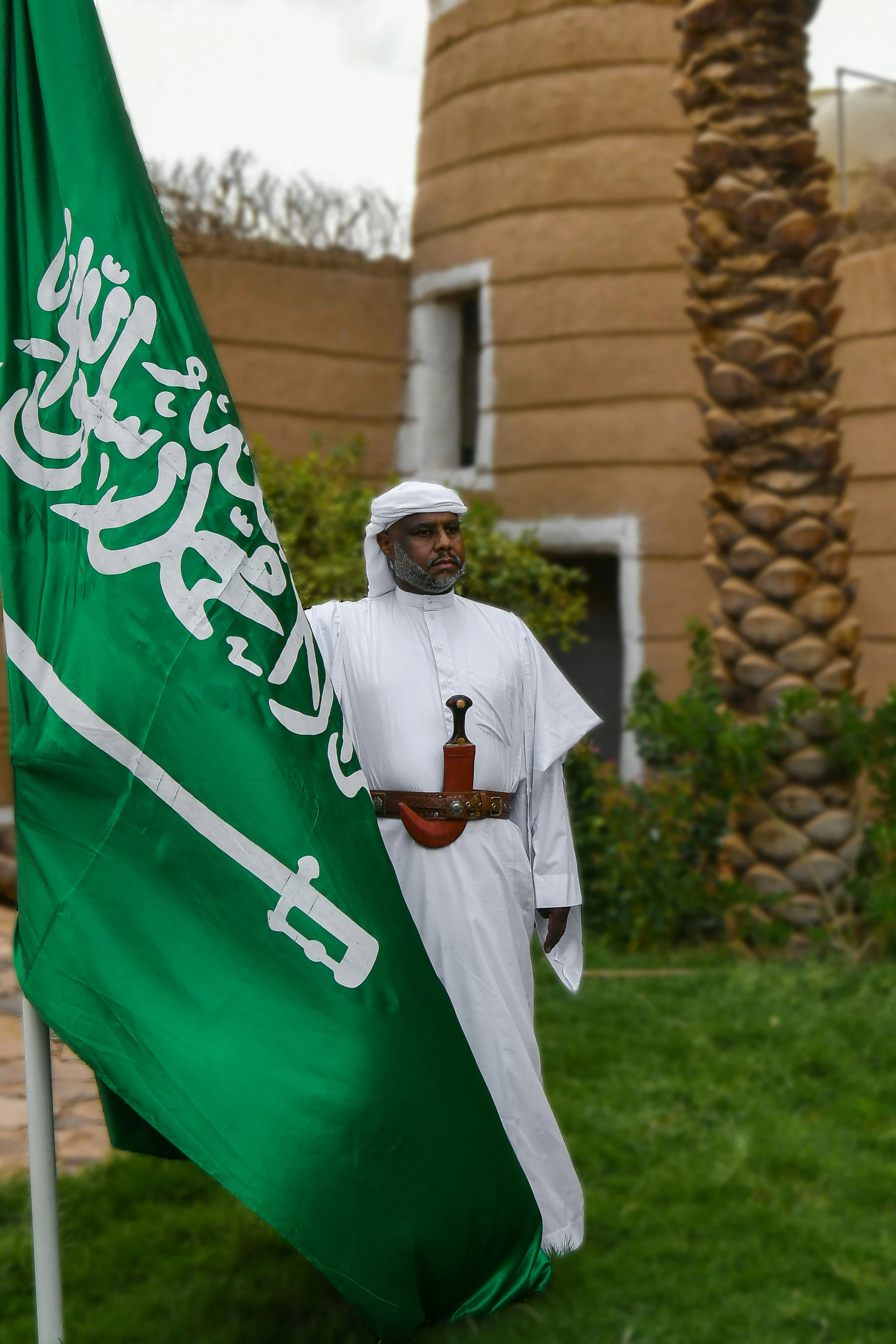
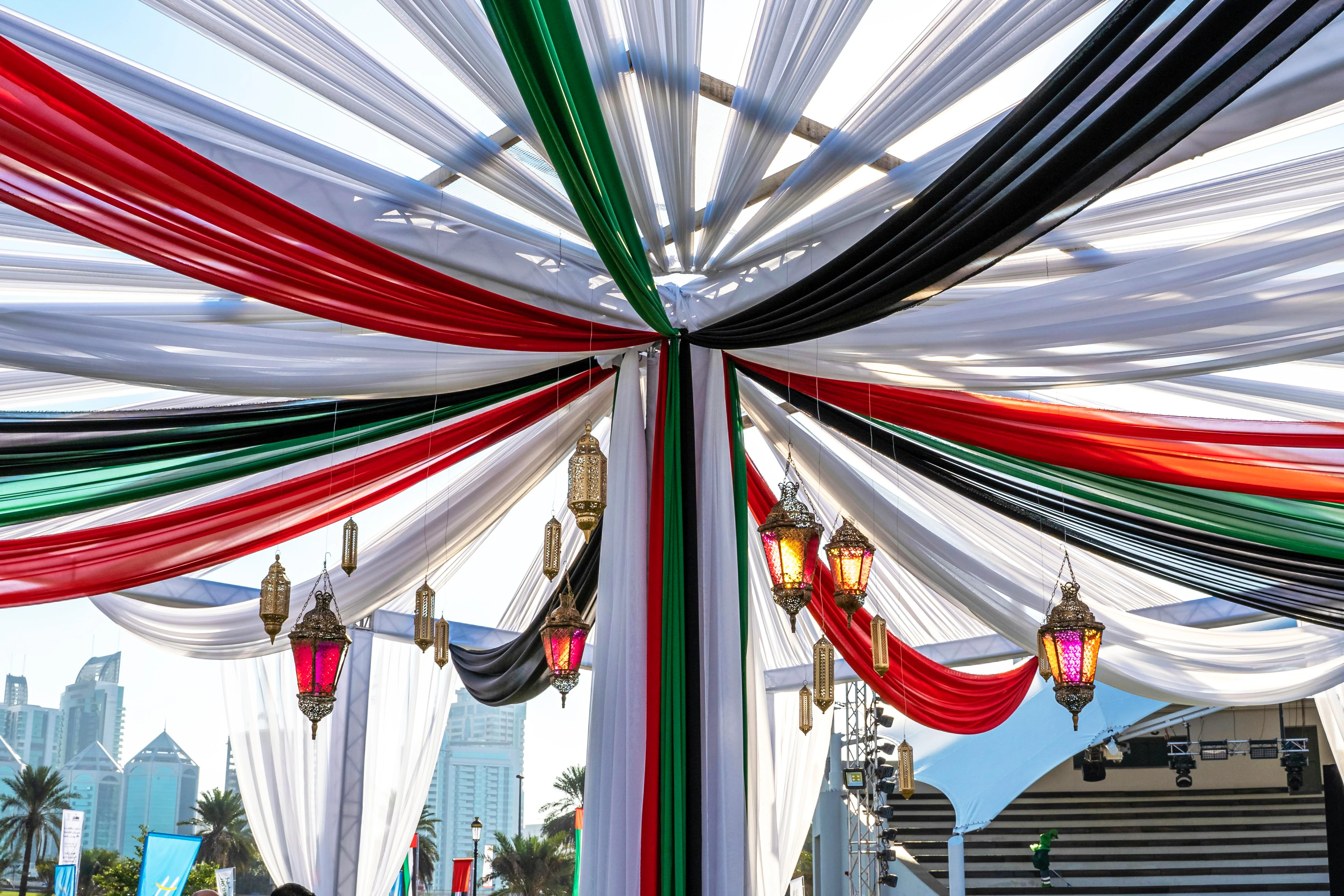
Only a few years ago, talking about the future of tourism in Saudi Arabia often meant discussing projects that had yet to make it from render to real life, and now some of the most anticipated destinations have officially opened their doors, welcoming visitors from across the Kingdom and around the world. Today, visitors can explore the ancient destinations Diriyah and AlUla, stay on a immersive, otherworldly resort in the Red Sea, experience a world-class theme park at Qiddiya and reach the Kingdom through an aviation network that continues to expand year after year.
Yet large parts of the picture are still taking shape.
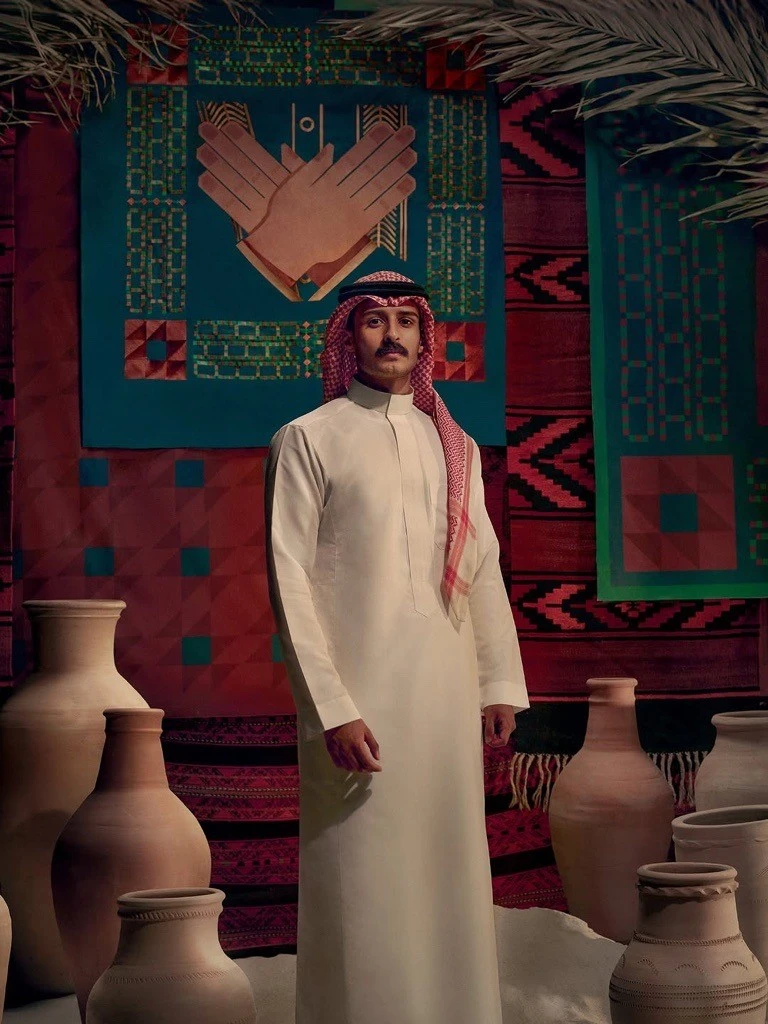
As we edge closer to Vision 2030, over the next four years the Kingdom's attention will increasingly shift from announcements to openings, from the beginning of buildings to ribbon cutting ceremonies. The focus will shift towards the quality of service, visitor numbers, the value of money and investment, the memories that can be made and impact of the experience itself.
That is what makes Saudi Arabia’s 96th National Day an appropriate moment to look ahead. 2030 is no longer a distant future; the countdown has begun. And the question is no longer simply what Saudi Arabia will build, but what kind of experience it will offer the world when these projects open their doors.
You Might Also Like: Saudi National Day: 96 reasons to celebrate Saudi Arabia